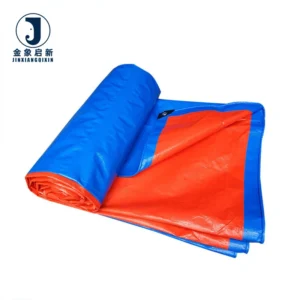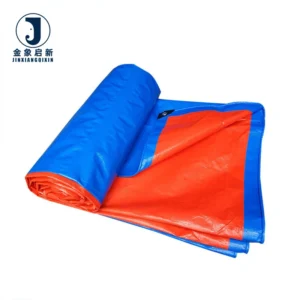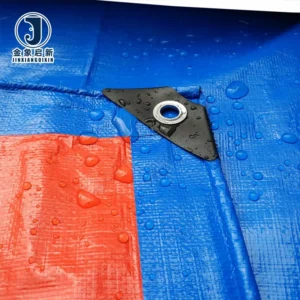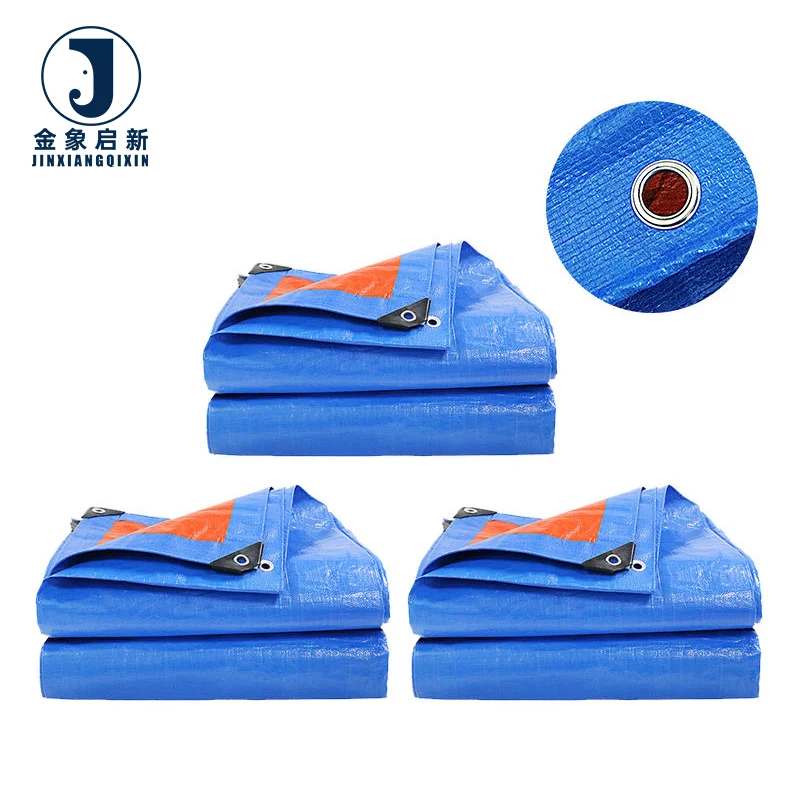
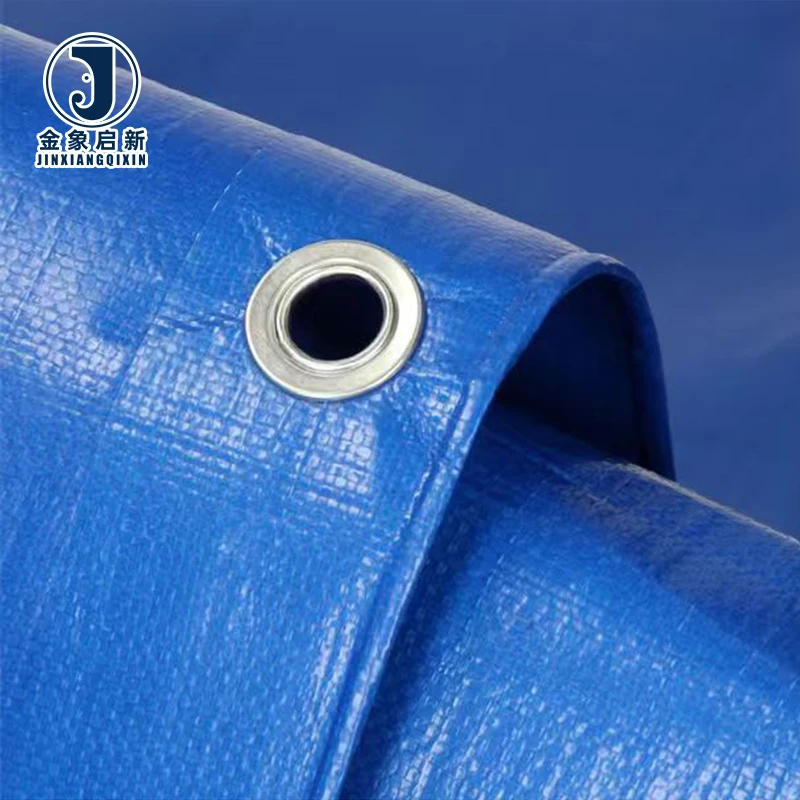
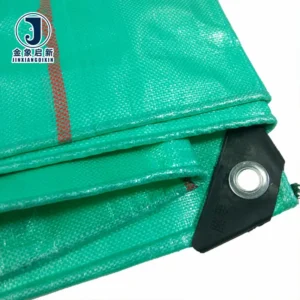
Waterproof PE Tarpaulin — HDPE woven base with double-sided LDPE lamination, 50–220 g/m², three weight tiers from lightweight agricultural covers to heavy-duty transport sheets. Roll widths 6–12 ft, PP rope-reinforced hems, galvanized eyelets every 3 ft.
- Full customisation on width, length, colour, GSM and finishing from design to delivery
- Batch-to-batch roll consistency with 100% pre-shipment inspection record
- Three full production lines and 36 equipment sets supporting bulk capacity with reliable on-time dispatch
Description
Process-Controlled PE Tarpaulin Manufacturing — Every roll undergoes stage-by-stage inspection against the quoted GSM and mesh count, with 100% verification before dispatch to ensure the material you receive matches the specification you approved.
Technical Specifications
| Parameter | Value |
|---|---|
| Product Type | PE Tarpaulin Roll / Finished PE Tarpaulin |
| Coating Material | HDPE weaving with LDPE lamination on both sides |
| Weight (GSM) | 50 g/m² ~ 220 g/m² available (confirm the grade for this item) |
| Total Thickness | 0.18–0.22 mm (lightweight) / 0.22–0.28 mm (medium) / 0.30–0.35 mm (heavy-duty) |
| Mesh Count | 8×8 (lightweight) / 10×10 (medium) / 12×12 (heavy-duty) |
| Tensile Strength (N/5cm) | Meridian 300–500 / Latitude 250–450 (lightweight); Meridian 500–800 / Latitude 400–700 (medium); Meridian 900–1200 / Latitude 700–1000 (heavy-duty) (test basis not stated in source) |
| Roll Width | 6 ft / 8 ft / 10 ft / 12 ft or 2 m / 4 m / 6 m |
| Roll Length | 100 yards / 100 meters / custom |
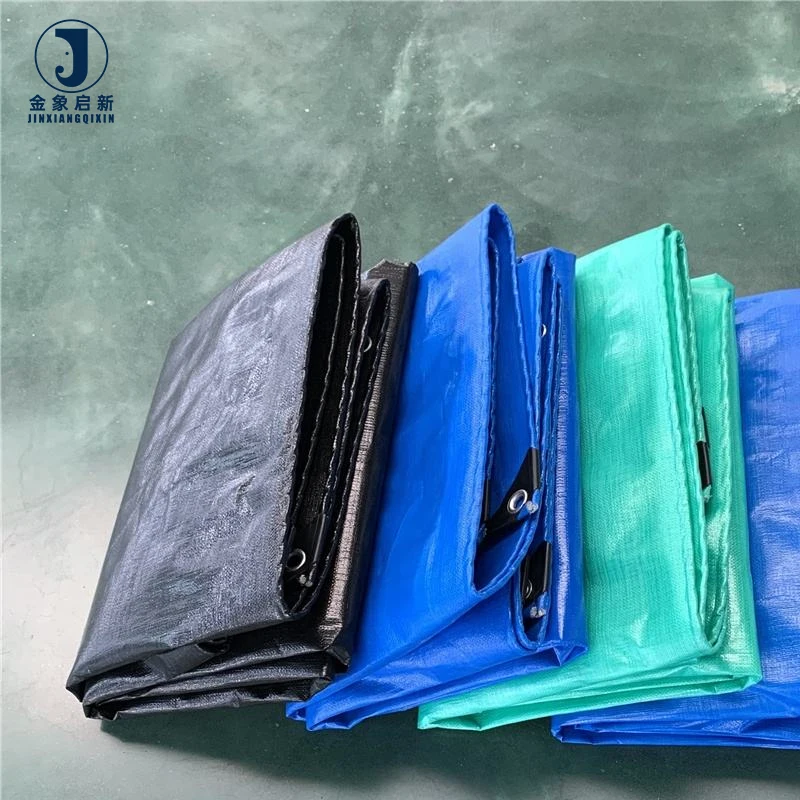
| Color | Blue / Blue-Orange / Green / Grey / Black / Clear / Grey-Green / Orange / custom |
| Key Features | Waterproof, anti-mildew, tear resistant, UV treatment available (test basis not stated in source) |
| Eyelet & Hem | PP rope reinforced hems on all four edges, galvanized eyelets every 3 ft or 1 m, reinforced plastic corners |
| Printing | Custom brand printing available |
Application Suitability
| Application | Exposure & Requirement |
|---|---|
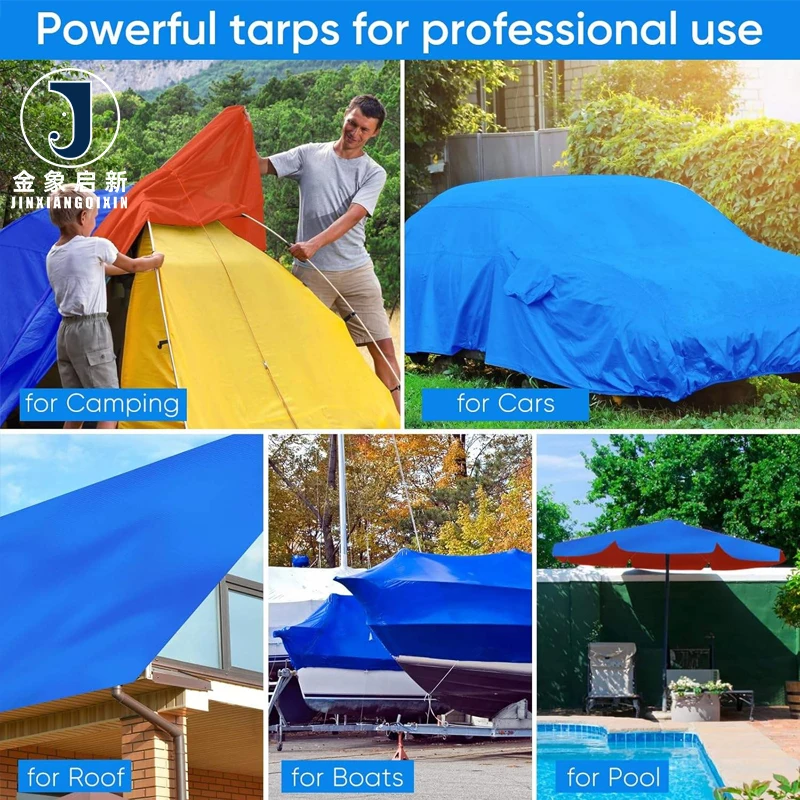
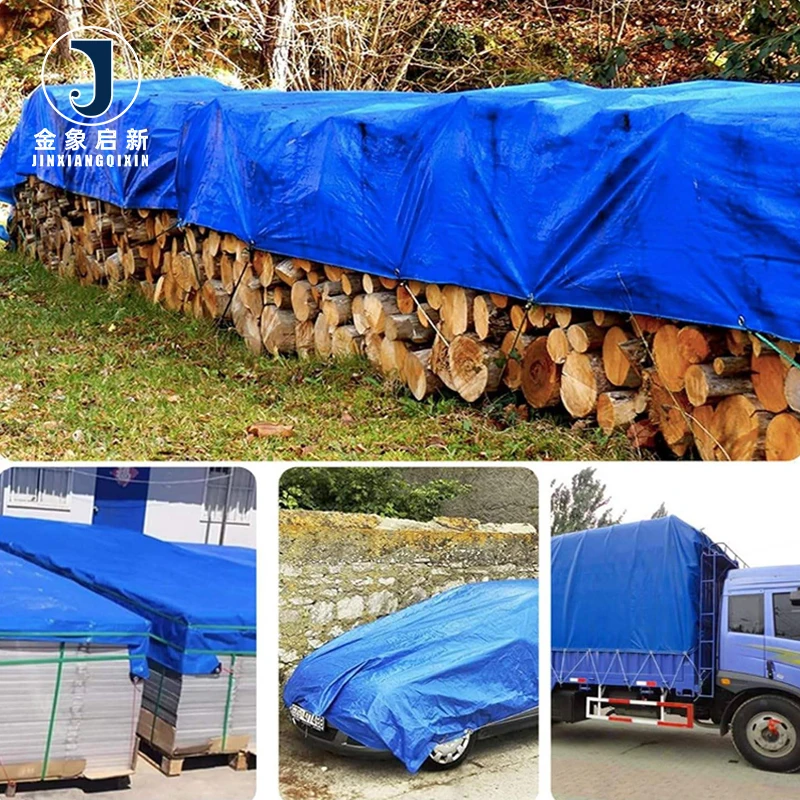
| Agricultural stock and pond covering | Prolonged sun exposure, moisture contact, wind uplift on large spans |
| Construction site material wraps | Abrasive surfaces, repeated handling, UV and rain cycling |
| Truck and trailer load protection | Road debris impact, constant wind loading, tie-down tension at eyelets |
| Warehouse and yard storage covers | Stacking abrasion, condensation, long-term weather exposure |
| Distributor roll stock for regional resale | Batch-to-batch colour consistency, container loading efficiency, retail-ready packaging |
Why Quoted GSM Alone Can Mislead PE Tarpaulin Buyers
Actual weight verification at every production stage is the only reliable safeguard against under-spec delivery.
Many buyers in the PE tarpaulin aftermarket supplier chain have received rolls that measured lighter than the GSM stated on the original quotation. The gap between a quoted 150 g/m² and a delivered 135 g/m² does not show up until the fabric is cut, handled, and put under tension — when tear propagation starts earlier than expected. Without a structured pre-shipment inspection process, weight discrepancies pass undetected through the supply chain. [NEED_CITE: weight deviation tolerances in coated fabric supply agreements]
HDPE Woven Base and Double-Sided LDPE Lamination
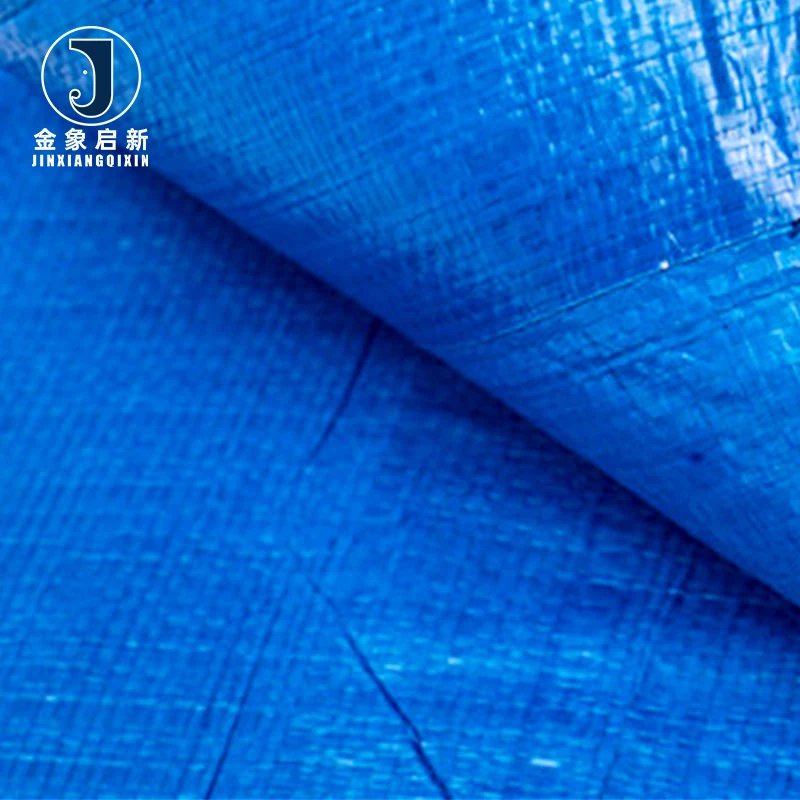
The structural performance of this PE tarpaulin manufacturer product begins with a high-density polyethylene woven scrim. The weave density — whether 8×8, 10×10, or 12×12 mesh — determines how load distributes across the fabric plane before the lamination layer even enters the equation. LDPE lamination on both sides seals the weave intersections, creating a continuous waterproof barrier that also locks the yarns in place against slippage under tension.
Finished Cover Details That Carry the Load
For buyers ordering pre-cut sizes rather than roll stock, the finishing specification defines field performance as much as the fabric itself. PP rope threaded through a folded hem distributes tie-down forces across the edge rather than concentrating them at a single stitch line. Galvanized eyelets set at 3 ft or 1 m intervals provide regular attachment points, while reinforced plastic corners address the highest-stress locations where diagonal tension converges. These details separate a cover that survives its first season from one that fails at the hem within weeks.
Reading the Specification Sheet Beyond GSM
Weight in grams per square metre tells you how much material is present, but mesh count and tensile values reveal how that material behaves under load. A 12×12 mesh at 180 g/m² concentrates more yarn at each intersection than an 8×8 mesh at the same weight, yielding higher tear resistance in practice. The LDPE lamination thickness — reflected in the overall caliper from 0.18 mm through 0.35 mm — governs puncture resistance and stiffness in cold conditions. Buyers specifying for wind-loaded applications should cross-reference tensile strength figures in both warp and weft directions rather than relying on GSM alone. [NEED_CITE: relationship between mesh density and tear propagation in woven PE fabrics]
The Cost of Underspecifying PE Tarpaulin for the Application
Choosing a lightweight grade for an application that demands medium or heavy-duty performance shows up as premature edge tearing, eyelet pull-through, or lamination delamination at fold lines. Colour inconsistency across rolls in the same shipment becomes visible only after the covers are deployed side by side on a job site, forcing rework or replacement. When UV treatment is claimed without a supporting test report, accelerated degradation in high-sun environments shortens service life without warning. [NEED_CITE: field failure patterns in underspecified PE woven covers]
Production Control Backing Every PE Tarpaulin Order
Three full production lines and 36 sets of professional equipment provide the capacity to fulfil container-volume orders without sacrificing scheduling reliability. A 10-person R&D team handles material selection, custom sizing, and brand printing development — turning sample requests around within days rather than weeks. Dedicated quality inspection runs at every production stage, with a 100% pre-shipment check ensuring roll-by-roll GSM and colour verification. Coating weight and lamination adhesion are controlled through established process parameters refined over nearly 30 years of coated fabric production. This level of process control applies equally to standard stock grades and fully custom specifications.
Documentation & Verification
- Material specification sheet stating GSM, HDPE weave count, and LDPE coating type per order line
- Pre-shipment inspection record confirming 100% roll-by-roll weight and visual check
- UV treatment test report available — confirm the grade required for your market at inquiry stage
- Roll packing list with net and gross weight for container loading verification
- Certificate of origin and customs documentation matched to destination country requirements
Fabrication, Handling & Storage
- Heat sealing parameters vary by LDPE lamination thickness — confirm temperature and dwell time for the selected GSM grade before production runs
- Galvanized eyelets should be set after hem folding and PP rope insertion to ensure full edge reinforcement carries the tie-down load
- Store rolls upright on pallets in dry conditions to prevent edge crushing and permanent crease marks on the LDPE surface
- Custom brand printing requires surface tension verification on the LDPE face to ensure ink adhesion and abrasion resistance
- Cut-to-size finished tarpaulins should be folded along mesh lines to avoid trapping air and creating stress points during storage
Requesting a Specification Match for Your Application
Provide your end-use environment — including expected wind loading, sun exposure duration, and contact with chemicals or abrasive surfaces — so the correct weight class and mesh count can be recommended. Specify whether you need roll stock in standard widths or finished tarpaulins cut to exact dimensions with eyelet and hem finishing. If your market requires UV treatment validation or custom colour matching, share your reference standard or Pantone code at the inquiry stage to accelerate sample development.
Frequently Asked Questions
Q: How do you verify GSM on arrival and what documentation supports the quoted weight?
A: Every roll is weighed and measured during our 100% pre-shipment inspection, with results recorded on the inspection report. The material specification sheet states the exact GSM, HDPE base fabric weave, and LDPE coating type for each order line. This documentation accompanies the shipment so you can cross-check weight against the quoted specification upon receipt.
Q: What UV treatment levels are available and how is performance validated?
A: UV treatment is available across the PE tarpaulin range — confirm the specific grade required for your market and exposure conditions at the inquiry stage. We supply test reports for the treatment grade specified on your order, and our R&D team can develop samples with your target UV performance for field evaluation before bulk production.
Q: How do you control colour consistency across multiple rolls in the same order?
A: Colour reference is established at the sample approval stage and locked for the entire production run. Our in-process quality checks compare each roll against the approved reference under standard lighting conditions. The pre-shipment inspection record documents batch colour matching so that all rolls in your order deploy with uniform appearance.
Q: What custom widths, lengths, and finished sizes can be ordered, and what are the minimums?
A: Roll widths are available in 6 ft, 8 ft, 10 ft, and 12 ft or metric equivalents, with lengths at 100 yards, 100 metres, or custom cuts. Finished tarpaulins can be produced in any dimension from our standard size range or to your exact specification. Minimum order quantities depend on the grade and customisation level — share your requirements for a detailed quotation.
Q: How are eyelets, hems, and reinforced corners specified for different end-use loads?
A: All finished PE tarpaulins include PP rope reinforced hems on all four edges, galvanized eyelets at 3 ft or 1 m intervals, and reinforced plastic corners. For high-wind or heavy-load applications, we can adjust eyelet spacing and corner reinforcement specifications based on your tie-down configuration and expected tension loads.
Related products
-
Heavy Duty Organic Breathable PVC Coated Weft Tarpaulin 400gsm Waterproof UV Resistant for Trucks Buildings Agriculture Boys
¥0.87 Select options This product has multiple variants. The options may be chosen on the product page -
Waterproof Coated Organic Blackout Polyethylene Tarpaulin Sheets for Outdoor Garden Greenhouses and Tents
¥0.59 Select options This product has multiple variants. The options may be chosen on the product page -
Multi Use Organic Breathable Plain Water Resistant PE Coated Blackout Heavy Duty Woven Canvas Tarpaulin UV Resistant Industrial
¥0.40 Select options This product has multiple variants. The options may be chosen on the product page -
Sunshade Awning Waterproof Cloth. 7X8 Waterproof Polyurethane Waterproof Cloth – Multi-purpose Cover Water tank Waterproof Cloth
¥0.18 Select options This product has multiple variants. The options may be chosen on the product page