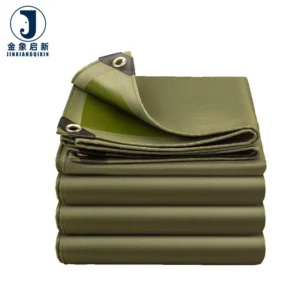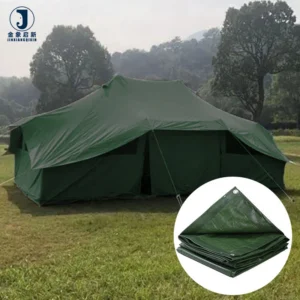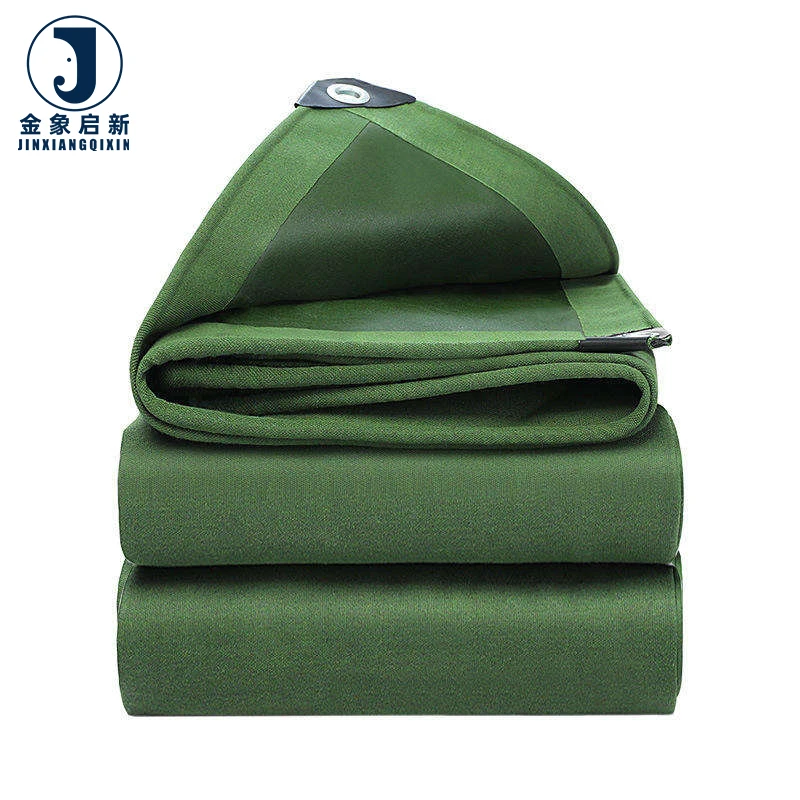
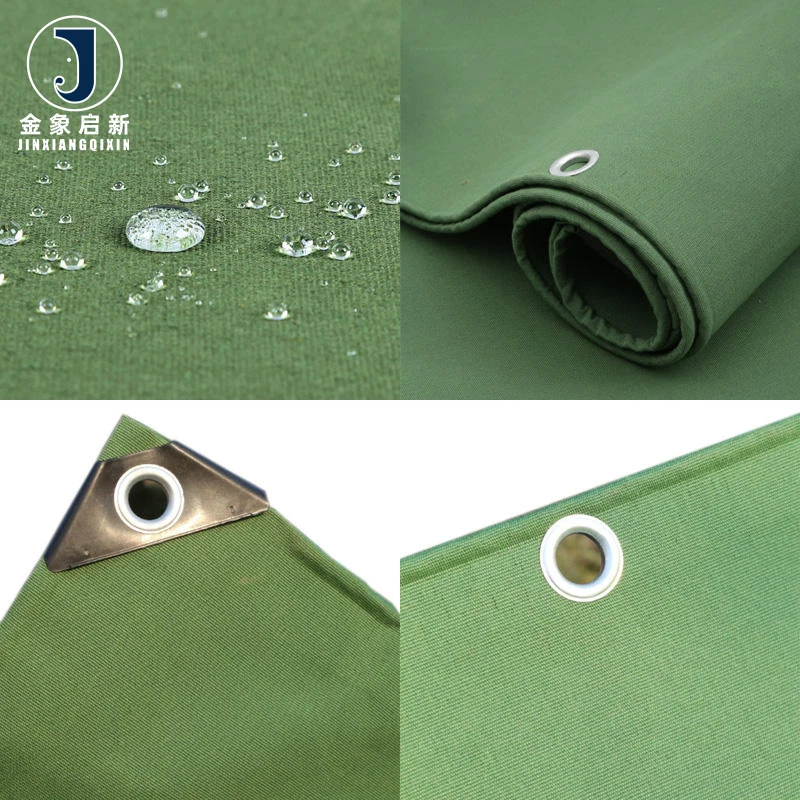
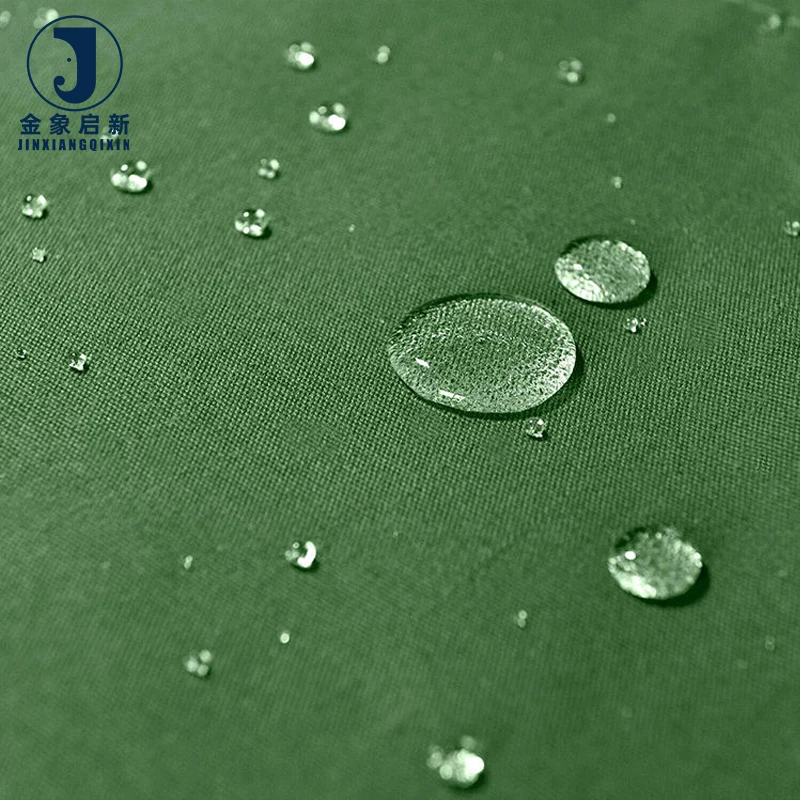
Heavy Duty Canvas Tarpaulin 600 gsm, 0.5–0.7 mm Thickness, Polyester-Cotton Woven Base — PVC laminated for waterproof protection across truck, asphalt, and equipment covers.
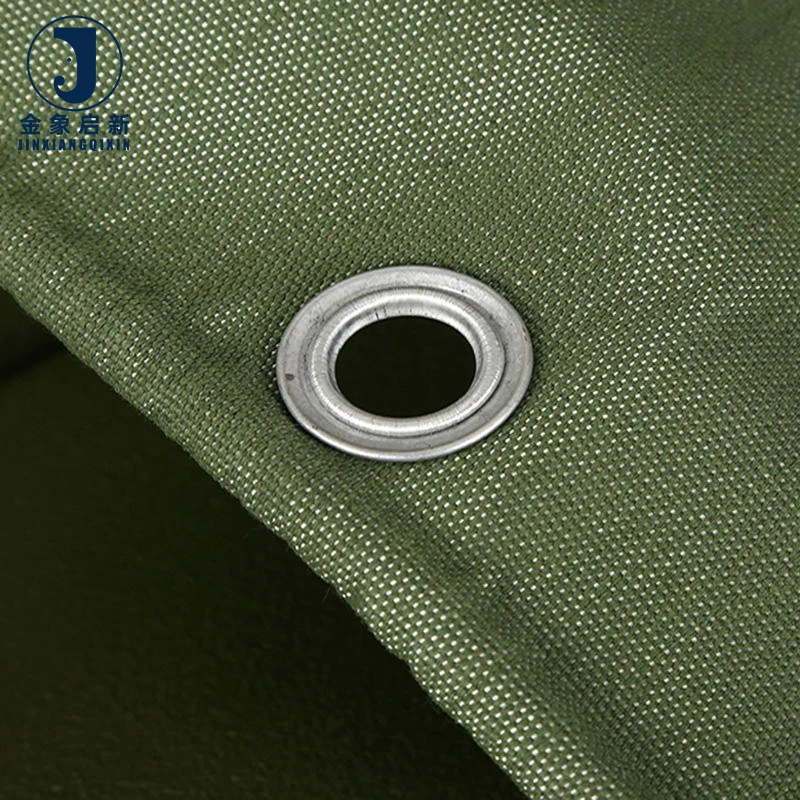
- Rust-proof aluminum grommets at 1 m intervals with welded and sewn seams reinforced by poly ropes
- UV resistant, mold resistant, and shrink proof for long-term outdoor exposure
- Available in 2 m × 100 m roll stock or custom-cut finished sizes
Built on nearly 30 years of coating process expertise, every roll ships with verified GSM documentation and 100% pre-shipment inspection records.
Description
In-House Process Control — every roll of heavy duty canvas tarpaulin is weighed, measured, and inspected against your specification sheet before it leaves the factory floor.
Technical Specifications
| Parameter | Value |
|---|---|
| Product Type | Heavy Duty Canvas Tarpaulin |
| Base Fabric | Polyester cotton industrial textile with 8-12 strands of fine cotton yarn |
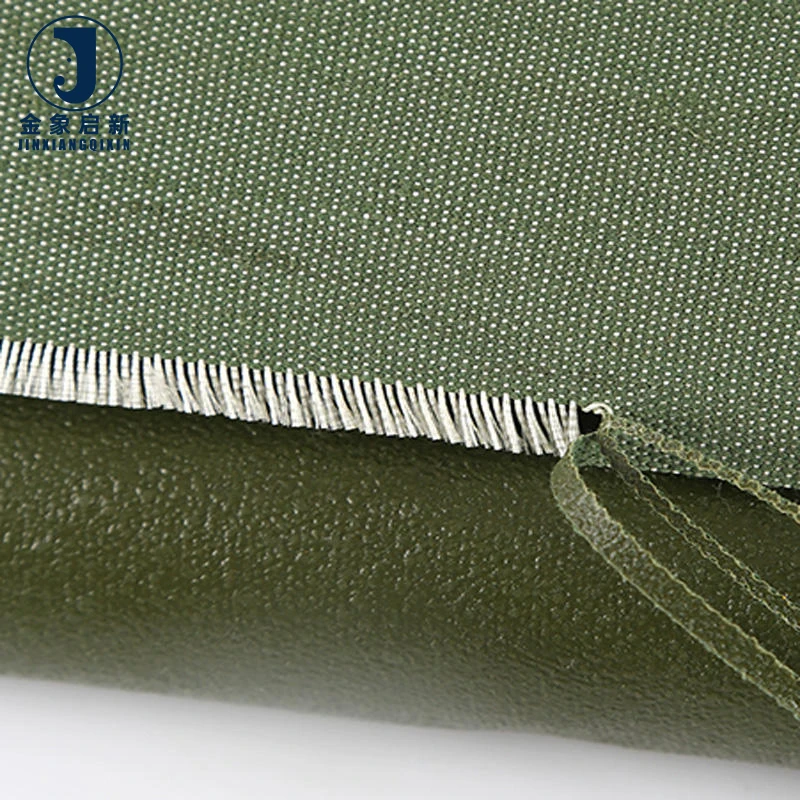
| Coating Method | PVC laminated (high-density woven face + low-density reinforced backing) |
| Weight | 600 gsm |
| Thickness Options | 0.5 mm / 0.6 mm / 0.7 mm |
| Roll Width | 2 m |
| Roll Length | 100 m |
| Color | Army Green Camouflage / Custom |
| Waterproof | Yes |
| UV Resistance | Claimed (test basis not stated) |
| Anti-Mildew | Claimed (test basis not stated) |
| Flame Retardant | Not stated |
| Anti-Static | Not stated |
| Edge Reinforcement | Rust-proof aluminum eyelets every 1 m at corners and hem; folded and sewn with poly ropes |
| Custom Sizing | Finished product dimensions cut to customer requirements |
| Certifications | CE, ISO (specific standard numbers not stated) |
Application Suitability
| Application | Exposure & Requirement |
|---|---|
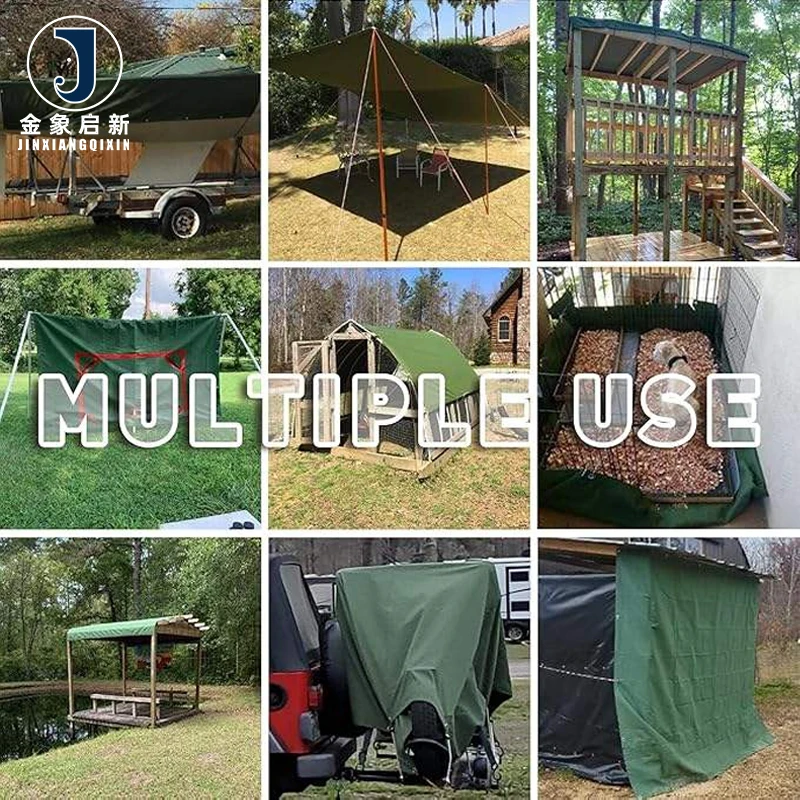
| Truck and trailer covers | Road debris abrasion, wind flap fatigue, UV exposure, tie-down load at eyelet points |
| Asphalt transport covers | High material temperature, chemical contact, repeated folding and unfolding |
| Construction equipment covers | Outdoor storage, rain ingress, dust and soil contact, UV degradation over months |
| Tent and awning fabrication | Panel tension, seam stress under wind load, colour consistency across multiple panels |
| Open-air cargo protection | Prolonged weather exposure, handling abrasion from straps and chains, stacking compression |
Why the Stated GSM Does Not Guarantee the Strength You Expected
A 600 gsm heavy duty canvas tarpaulin only delivers its rated performance when the base fabric density and coating adhesion are verified together.
Buyers regularly receive rolls that match the quoted weight on a scale but fail early in the field because the base fabric used fewer yarns per centimetre or the lamination bond separated under flex load. The GSM figure alone tells you nothing about how the weight is distributed between the woven layer and the coating. [NEED_CITE: tensile and tear test methods for coated fabrics per ISO 1421]. When the woven base is underspec’d, the coating carries structural loads it was never designed for, and cracks propagate from the first crease point.
Lamination Construction That Holds Under Repeated Flexing
The PVC lamination on this heavy duty canvas tarpaulin bonds a high-density woven polyester-cotton face to a low-density reinforced backing layer. This two-ply approach distributes mechanical stress across both layers rather than concentrating it at a single coating interface. For truck covers that fold and unfold daily at loading docks, the laminated bond resists delamination at the crease lines where single-coat fabrics typically fail first.
Edge Hardware Configured for Wind-Loaded Tie-Down
Rust-proof aluminum eyelets are spaced every 1 metre along the hem and corners, with poly rope sewn inside the folded edge to spread tie-down tension across a wider fabric area. On a 12-metre trailer cover, this spacing keeps the load distributed so that individual eyelets do not pull through under crosswind gusts. The sewn hem construction complements the laminated body by adding a mechanical backup at the highest-stress perimeter zone. [NEED_CITE: wind load calculations for flexible covers on moving vehicles].
Reading the Specification Sheet Beyond the Weight Number
The 600 gsm weight is the combined mass of the polyester-cotton base fabric and the PVC lamination. What determines real-world durability is how that weight breaks down: a tighter weave with more yarns per centimetre gives higher tear resistance even at the same total GSM, while a heavier coating layer improves waterproofing but adds stiffness. The three available thickness options — 0.5 mm, 0.6 mm, and 0.7 mm — let you match the panel rigidity to your application, whether that is a flexible truck cover that needs to fold or a semi-permanent construction enclosure that benefits from added body. The 8-12 strand fine cotton yarn in the base fabric contributes to hand feel and sewability for fabricators who need clean hem turns without fraying at the cut edge.
What Happens When the Specification Is Not Verified Before Shipment
A batch of covers that arrives lighter than quoted forces the buyer into a difficult position: reject the shipment and delay the fleet, or accept material that may not survive the first winter season. Colour variation between rolls in the same order becomes visible only after installation, when two panels hang side by side on the same trailer. Welded seams that fail before the fabric does usually trace back to incorrect heat settings for the specific lamination thickness, not a fabric defect. [NEED_CITE: common causes of coated fabric seam failure in field service].
How Our Production Process Backs the Specification
Three full production lines and 36 sets of professional equipment handle bulk roll output while maintaining consistent coating weight across the run. A dedicated 10-person R&D team develops custom samples within days, adjusting thickness, colour, and eyelet layout to your drawing before bulk production begins. Every roll undergoes 100% pre-shipment inspection covering GSM verification, dimensional accuracy, eyelet spacing, and hem stitching quality. In-house QA checks at each production stage catch coating adhesion issues and colour drift long before the material reaches the packing bench.
Documentation & Verification
- Material specification sheet stating exact 600 gsm weight, polyester-cotton base, and PVC lamination type
- UV and anti-mildew test reports supplied on request to back stated claims
- Pre-shipment inspection record confirming eyelet spacing and dimensional accuracy per order
- Roll packing list with individual roll weights for receiving verification
- Certificate of origin and customs documentation included with every dispatch
Fabrication, Handling & Storage
- Heat-weld at temperatures matched to the selected 0.5 mm, 0.6 mm, or 0.7 mm thickness to avoid lamination blister
- Sew hems with UV-stable thread compatible with the PVC laminated surface for lasting seam strength
- Store rolls horizontally on padded racks to prevent permanent creasing of the 600 gsm laminated fabric
- Allow cold-stored rolls to reach ambient temperature before unrolling to avoid coating crack at low temperature
- Cut panels with sealed-edge blades to prevent fraying of the 8-12 strand polyester-cotton base yarns
What to Include in Your Next Specification Request
Send us your target cover dimensions, the equipment or trailer model you are fitting, and the typical exposure conditions your fleet or site operates in. If your market requires specific UV or fire classification, state the standard so we can confirm available grades before sampling. Let us know whether you need finished cut-to-size covers with eyelets and hems, or roll stock for your own fabrication line.
Frequently Asked Questions
Q: How do you guarantee the 600 gsm weight on every roll matches the quotation?
A: Every roll is weighed individually during pre-shipment inspection and recorded on the packing list. If the measured GSM deviates from the specification sheet, the roll is held and re-evaluated before packing. You receive the inspection record so you can cross-check weights against your order at receiving.
Q: What information do you need to produce a custom-sized truck cover?
A: We need the trailer make and model or exact length, width, and height dimensions, plus your preferred eyelet spacing and hem style. If the cover has cut-outs for tie-down hooks or access panels, send a dimensioned drawing. Our R&D team produces a sample for fitment approval before bulk cutting.
Q: How do you maintain colour consistency when an order spans multiple rolls?
A: All rolls for a single order are produced in one batch run from the same coating mix. Before packing, panels from the first and last rolls are placed side by side under controlled lighting for visual comparison. Any roll showing visible drift is pulled from the shipment and replaced.
Q: Are UV-resistant and anti-mildew test reports available with the shipment?
A: These treatments are claimed for this fabric but the specific test basis is not stated in our standard documentation. If your project or market requires verified UV or anti-mildew performance, tell us the standard you need and we will confirm whether a test report can be issued for your batch.
Q: What is the sample lead time for a custom width or printed specification?
A: Our 10-person R&D team develops samples within days of receiving your specification. The sample includes your requested colour, thickness, and any eyelet or hem configuration. Once you approve the sample, bulk production is scheduled with confirmed lead time and minimum order quantity.
Related products
-
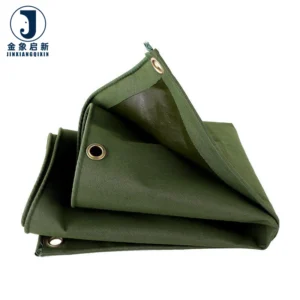
Heavy Duty Canvas Tarpaulin 600 GSM | Custom Made
Read more -
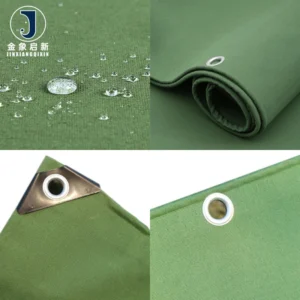
13oz 10ftx12ft Woven Plain Heavy Duty Canvas Tarpaulin with Rustproof Grommets for Canopy Tent Roof Camping Woodpile
¥10.59 Add to cart -
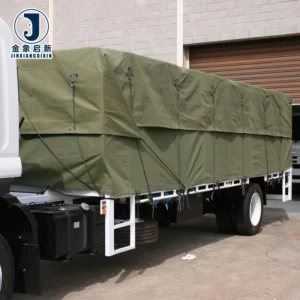
Heavy Duty Waterproof PVC Coated Abrasion-Resistant Very Heavyweight Asphalt Truck Cover Cotton Canvas Tarpaulin
¥10.29 Add to cart -
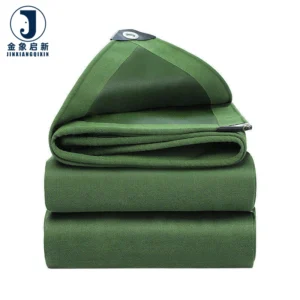
Heavy Duty Waterproof PVC Laminated Woven Plain Asphalt Anti-Mildew Very Heavyweight Truck Cover Canvas Tarpaulin Accessories
¥20.00 Add to cart