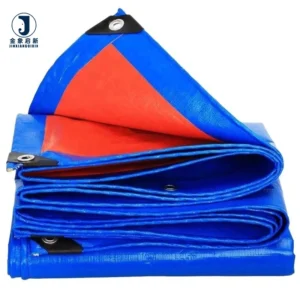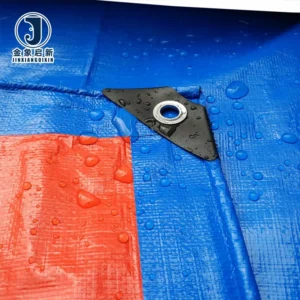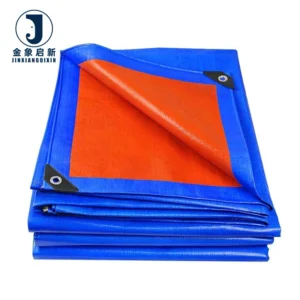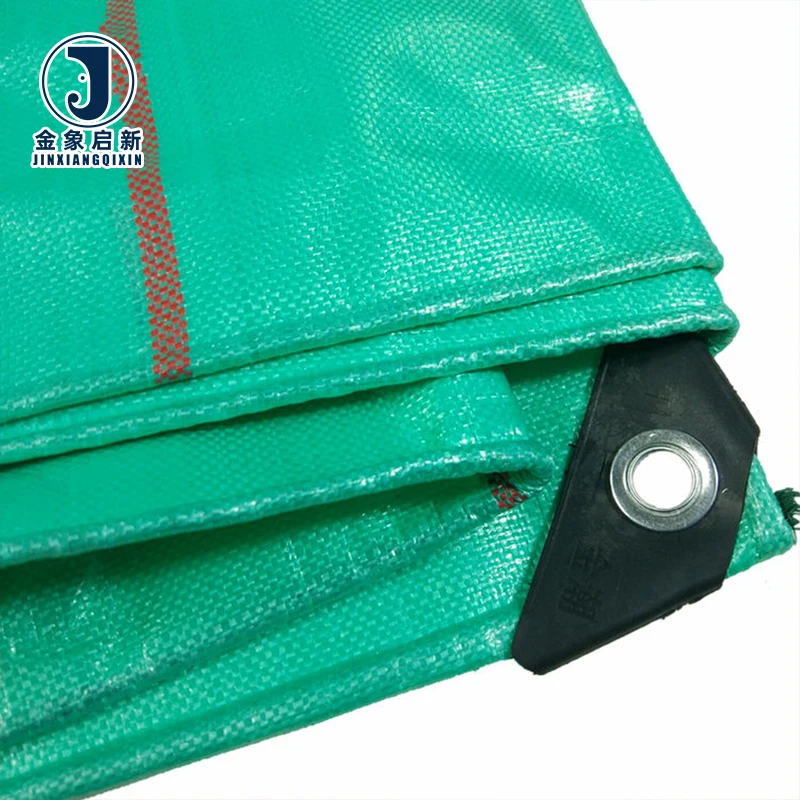
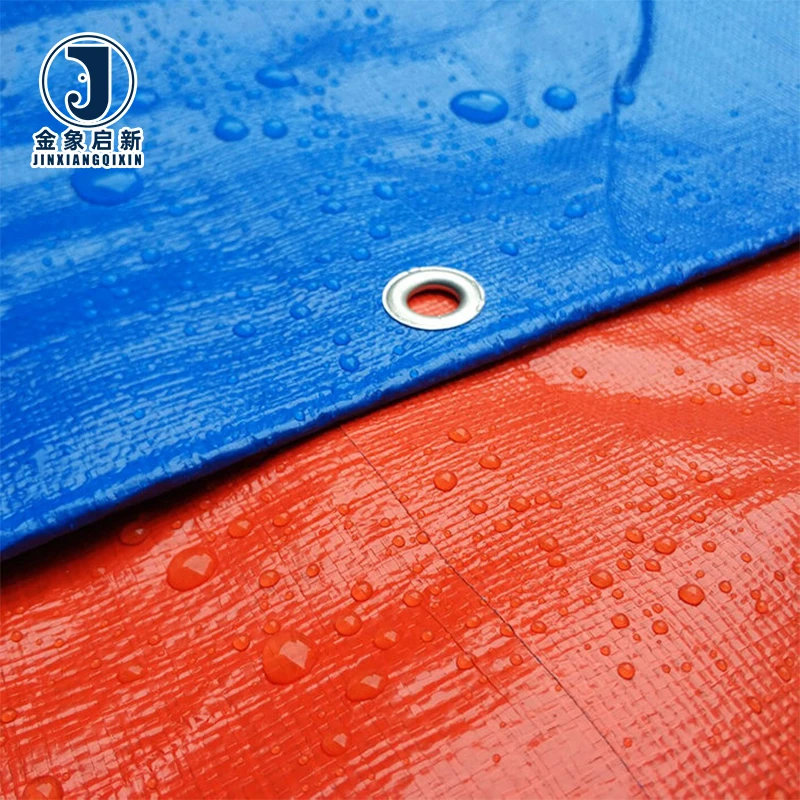
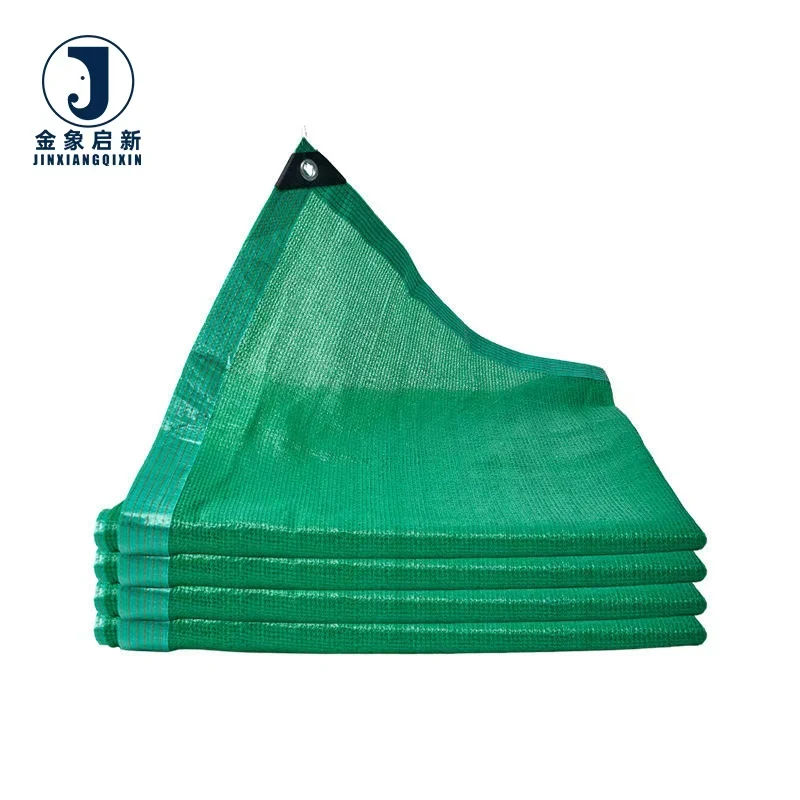
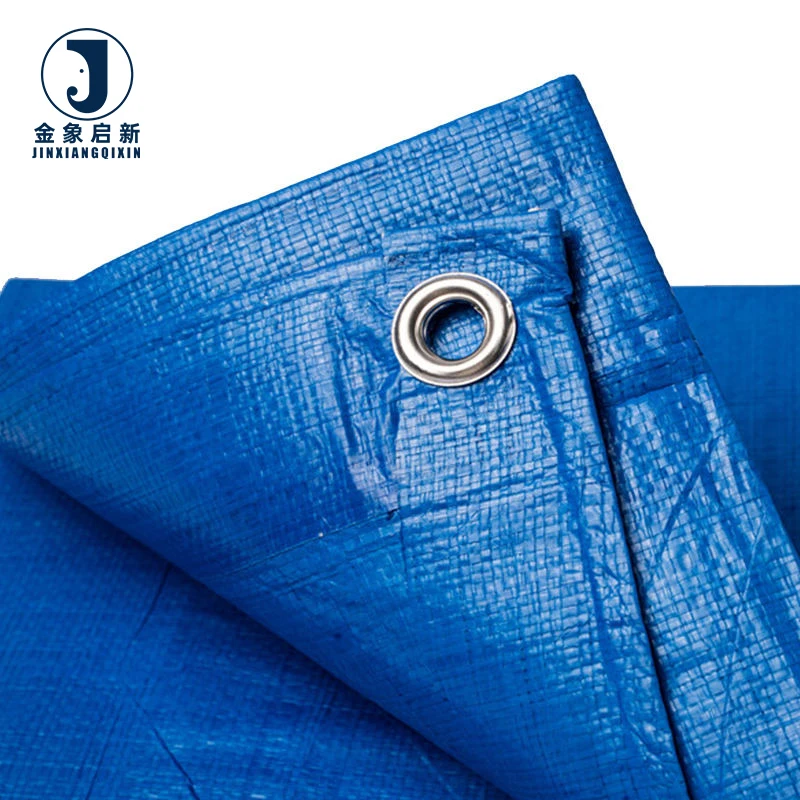
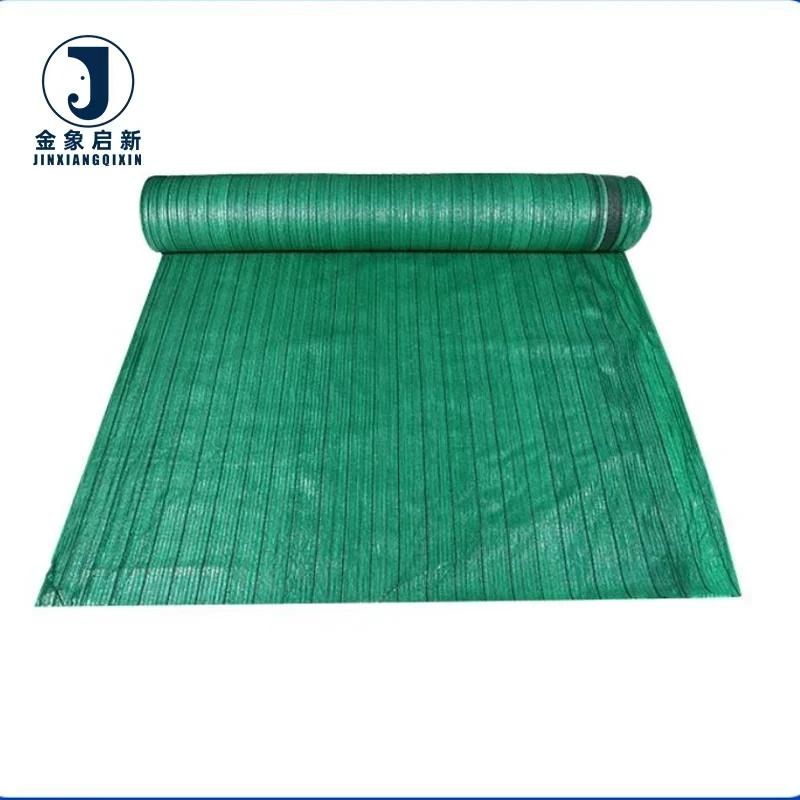
Waterproof PE Tarpaulin, HDPE Woven with LDPE Lamination, 50-220gsm — available in rolls (6ft-12ft width) and finished cut sizes with PP rope hem reinforcement and galvanized eyelets at 3ft intervals.
- Weave density from 6×6 to 14×16 maps directly to GSM range, letting you match weight and tensile strength precisely to sunshade awning loads rather than overspecifying.
- Full custom capability on width, colour, and pattern printing keeps batch-to-batch colour consistent across an entire awning order.
Samples developed within days; 100% pre-shipment inspection on every roll and finished sheet before dispatch.
Description
Proven Coating Control — Every PE tarpaulin roll undergoes dedicated QA/QC inspection at each production stage to ensure the stated GSM and lamination quality match the order specification before dispatch.
Technical Specifications
| Parameter | Value |
|---|---|
| Product Type | PE Tarpaulin |
| Material Construction | HDPE weaving with LDPE lamination on both sides |
| Mesh Count Options | 6×6, 6×7, 7×7, 7×8, 8×8, 9×9, 8×10, 10×10, 12×12, 14×14, 14×16 |
| Weight Range | 50gr/m² ~ 220gr/m² (confirm grade for specific application) |
| Total Thickness | 0.2mm – 0.4mm / 8 mil – 16 mil / Custom |
| Roll Width | 6ft, 8ft, 10ft, 12ft or 2m, 4m, 6m |
| Roll Length | 100 yards, 100 meters, or custom |
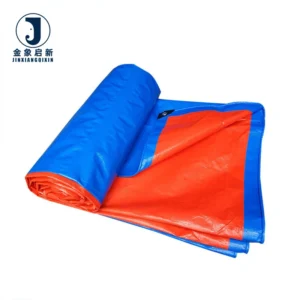
| Colour Options | Blue, Blue/Orange, Green, Grey, Black, Clear, Grey/Green, Orange, or custom |
| UV Treatment | Available (test basis not stated in source) |
| Mildew Resistance | Mildew proof and anti-aging (grade not stated) |
| Waterproof Performance | Yes |
| Hem Reinforcement | All four edges reinforced with PP rope in hem |
| Eyelet Spacing | Galvanized eyelets every 3ft or 1 meter |
| Corner Reinforcement | Reinforced plastic corners |
| Standards | ISO, CE |
Application Suitability
| Application | Exposure & Requirement |
|---|---|
| Sunshade awning and canopy | Prolonged UV exposure, wind loading, water runoff resistance, frequent handling and tensioning |
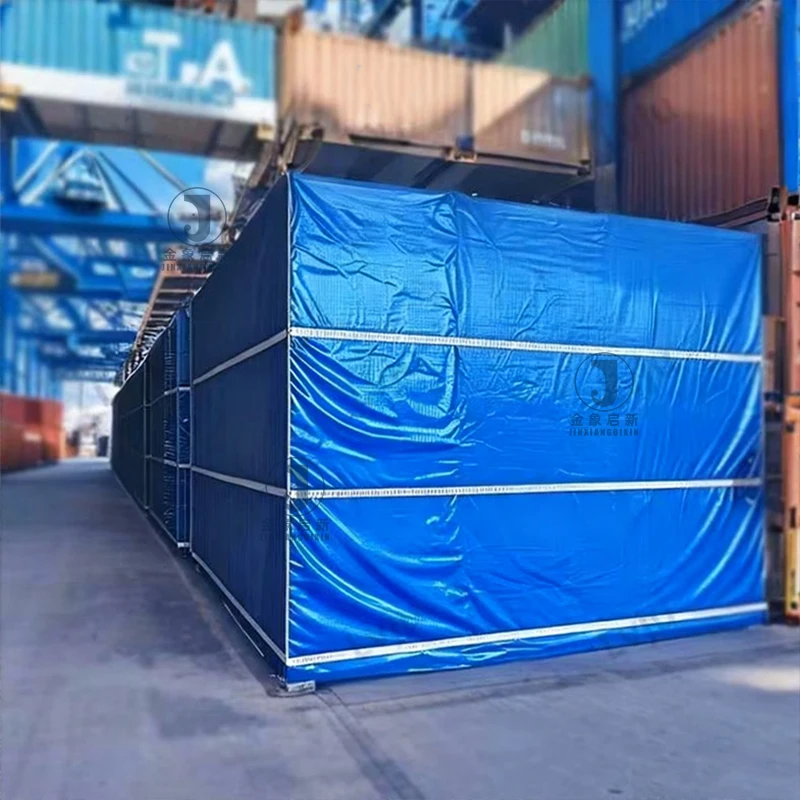
| Truck and container covers | Road abrasion, weather exposure, wind flap fatigue, tie-down stress at eyelets |
| Construction site sheeting | Dust and rain protection, scaffold enclosure, material stack cover, puncture from sharp edges |
| Agricultural crop covers | Moisture ingress prevention, sun exposure during drying, mildew risk in humid storage |
| Garden and furniture covers | Intermittent outdoor exposure, pooling water, UV colour stability, repeated folding and unfolding |
Why Colour Shifts Between Rolls in the Same PE Tarpaulin Order
Batch colour matching is controlled at the resin compounding stage, not after lamination.
When sourcing PE tarpaulin for awning or canopy projects, even a slight shade difference between two rolls becomes visible once they are installed side by side. This is not a finishing issue — it originates from pigment dispersion in the LDPE masterbatch before it meets the HDPE weave. The result is often a project where half the installed covers look correct and the other half do not, leading to visible panel mismatch and rework on site [NEED_CITE: colour consistency standards for laminated polyethylene fabrics].
How Weave Density Shapes Awning Performance
The mesh count you select directly determines how the awning fabric behaves under wind load and tension. A tighter weave such as 14×14 creates a denser HDPE grid that limits stretch and reduces sag between support points, while a lighter 7×7 weave remains more flexible and easier to handle during installation. Choosing the correct PE tarpaulin manufacturer custom grade means matching the weave to your frame spacing and expected wind conditions rather than defaulting to the heaviest option available.
Lamination Quality and the Waterproof Claim
Both sides of the HDPE base are laminated with LDPE film, creating a fully waterproof barrier. The consistency of that lamination — how evenly the LDPE bonds across the entire weave — determines whether the cover stays waterproof at the fold points where awnings are creased repeatedly. Poorly laminated sheets develop micro-delamination after a few seasons of folding and tensioning, allowing moisture to penetrate the weave from the inside [NEED_CITE: delamination failure modes in laminated polyethylene covers].
Reading GSM and Weave Together
GSM alone does not define the strength of a PE tarpaulin. A 150gr/m² sheet woven at 14×14 carries its weight through a dense HDPE grid, giving high tensile and tear values across both directions. A different 150gr/m² sheet at 8×10 achieves the same weight with thicker yarn on a looser weave, which may resist puncture but tears more easily along the warp line. Understanding the relationship between weight and mesh count helps buyers specify covers that handle the actual stress patterns of their awning or canopy frame.
What Happens When Eyelet Spacing Does Not Match the Load
Galvanized eyelets placed every 3ft or 1 meter work well for moderate tension applications. When an awning is pitched in a high-wind location and the frame spans exceed that interval, the load concentrates on fewer tie-down points. The PP rope hem distributes force along the edge, but if the fabric between eyelets flexes beyond its tear threshold, failure starts at the eyelet ring and propagates along the warp yarn. Matching eyelet spacing to your tie-down plan prevents this cascade [NEED_CITE: tear propagation patterns in woven polyethylene tarpaulins].
Why Sourcing from One Facility Keeps Your Order Predictable
Each production line operates under dedicated QA/QC oversight with full in-process inspection, so every roll or cut sheet is checked before packing. The R&D team develops samples for custom widths, colours, and pattern requirements within days, letting you confirm the material before committing to bulk. With three full production lines and 36 sets of equipment running, bulk orders ship on schedule without splitting production across external suppliers. Every order includes a pre-shipment inspection record, ensuring the GSM, colour, and weave you approved are what arrives at your dock.
Documentation & Verification
- Material specification sheet stating GSM, mesh count, base fabric and coating for each roll
- Pre-shipment inspection record confirming weight and dimensions against order specifications
- UV treatment test report available where applicable for outdoor exposure verification
- ISO and CE certificates included with shipment documentation
- Roll packing list with individual roll weight and dimensions for inventory reconciliation
- Certificate of origin and customs support documentation for import clearance
Fabrication, Handling & Storage
- Heat-sealing temperature must be adjusted to the specific LDPE lamination thickness to avoid melting through the HDPE weave
- Galvanized eyelets should be set with reinforced plastic corners at high-load points to prevent pull-through on 50–220gr/m² grades
- Rolls stored flat on hard paper tubes to prevent crease marks that weaken the LDPE lamination at fold lines
- Finished tarps folded into poly bags should be stored away from direct sunlight to preserve UV treatment effectiveness
- Cleaning with mild detergent only; solvents degrade the LDPE surface and reduce waterproof performance
- When cutting finished sizes from roll stock, allow hem allowance for PP rope reinforcement on all four edges
What to Include with Your Enquiry
To specify the right PE tarpaulin for your sunshade or awning application, share the frame dimensions and expected wind load so the correct mesh count and GSM can be recommended. Confirm whether you need roll stock or finished cut sizes with eyelets and hem reinforcement already applied. If colour matching across rolls is critical for your installation, state the Pantone or colour reference and request a pre-production sample before the full order runs.
Frequently Asked Questions
Q: How is GSM verified before shipment to ensure the material matches the quotation?
A: Every roll is weighed and measured during the pre-shipment inspection stage. The QA/QC team records the actual GSM against the specification sheet and flags any deviation before packing. Buyers receive an inspection record with each shipment showing verified weight data.
Q: What UV treatment test basis is available and how does it relate to outdoor exposure?
A: UV treatment is available across the product range, though the specific test method should be confirmed for your target market. Request the test report at enquiry stage so the treatment level can be matched to your local sun exposure conditions and awning warranty requirements.
Q: How is colour consistency controlled across multiple rolls in the same order?
A: Colour is set at the LDPE masterbatch compounding stage, and all rolls in a single order run from the same batch. Pre-shipment inspection includes visual comparison across rolls. For projects where shade uniformity is critical, a sample roll is approved before bulk production begins.
Q: What custom width, length and finished size options are available?
A: Roll widths up to 6m and lengths of 100 yards or 100 meters are standard, with custom lengths available. Finished sizes are cut and hemmed to order with PP rope reinforcement and galvanized eyelets. The R&D team prepares samples for non-standard dimensions within days of specification.
Q: What documentation ships with each order?
A: Each shipment includes a material specification sheet, pre-shipment inspection record, ISO and CE certificates, roll packing list, and certificate of origin. Additional test reports for UV-treated grades are provided where applicable to support import compliance and buyer verification.
Related products
-
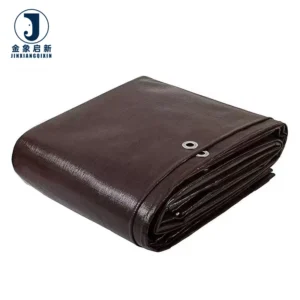
Multi Use Organic Breathable Plain Water Resistant PE Coated Blackout Heavy Duty Woven Canvas Tarpaulin UV Resistant Industrial
¥0.40 Select options This product has multiple variants. The options may be chosen on the product page -
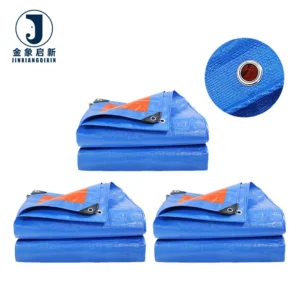
Multi-color & Size Waterproof Breathable Organic Blackout Coated PE Tarpaulin with UV Customizable Weft Knitted for Boys & Girls
¥0.21 Select options This product has multiple variants. The options may be chosen on the product page -
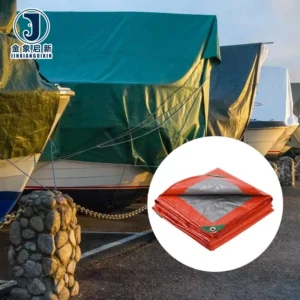
PE Coated Blackout Tarpaulin Poly Tarp with UV Protection Standard Size Fabric Sheet for Agriculture & Industrial Use
¥0.35 Select options This product has multiple variants. The options may be chosen on the product page -
JX Tear-Resistant PE Coated Polyethylene Eco-Friendly Tarpaulin Waterproof Blackout Organic with Eyelets
¥1.31 Select options This product has multiple variants. The options may be chosen on the product page