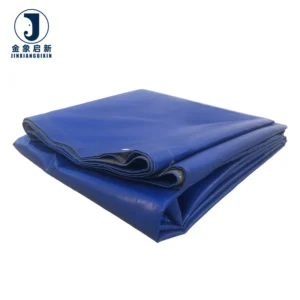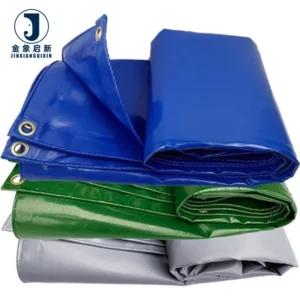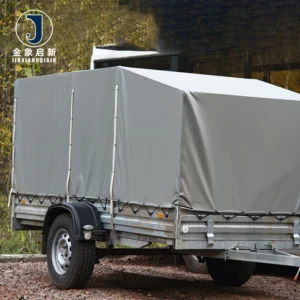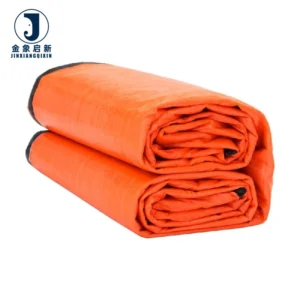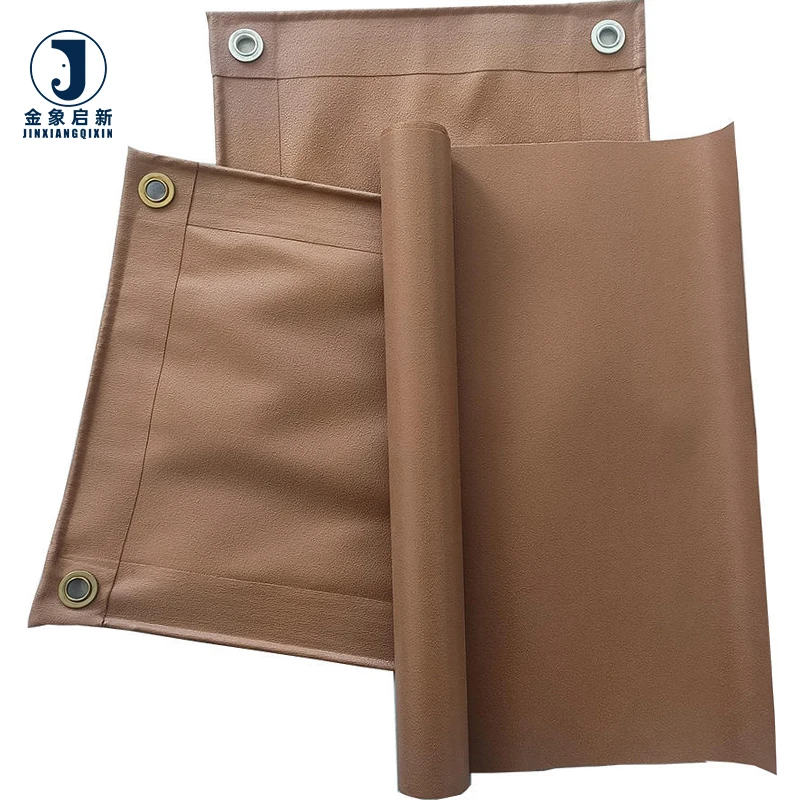
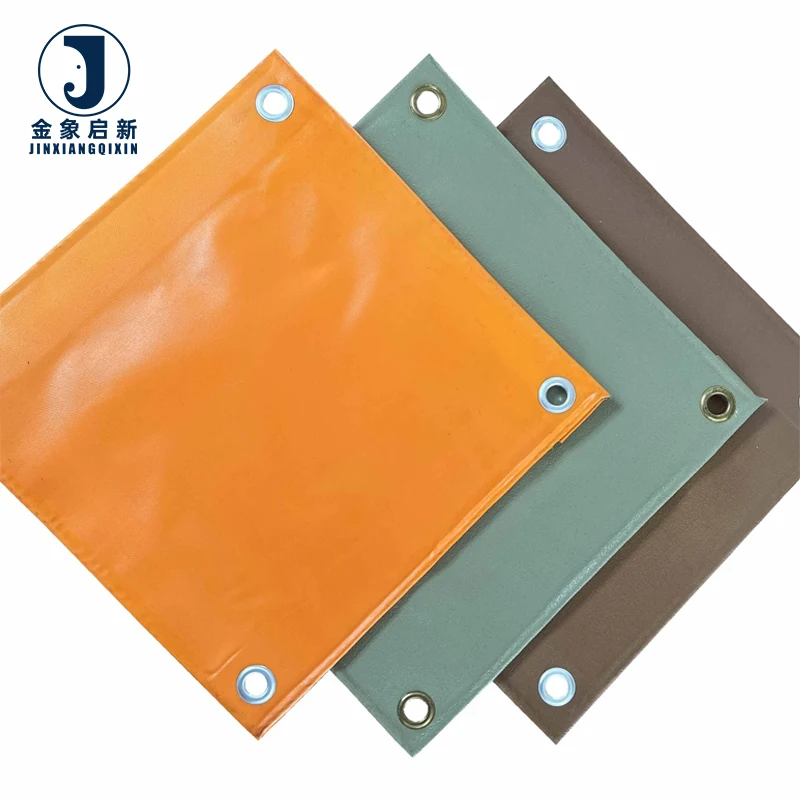
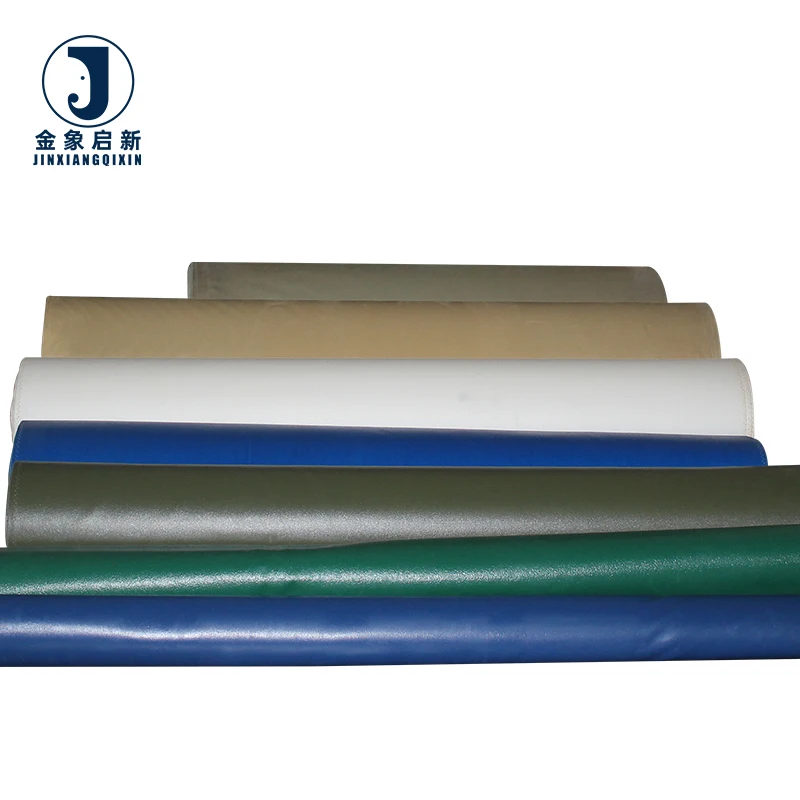
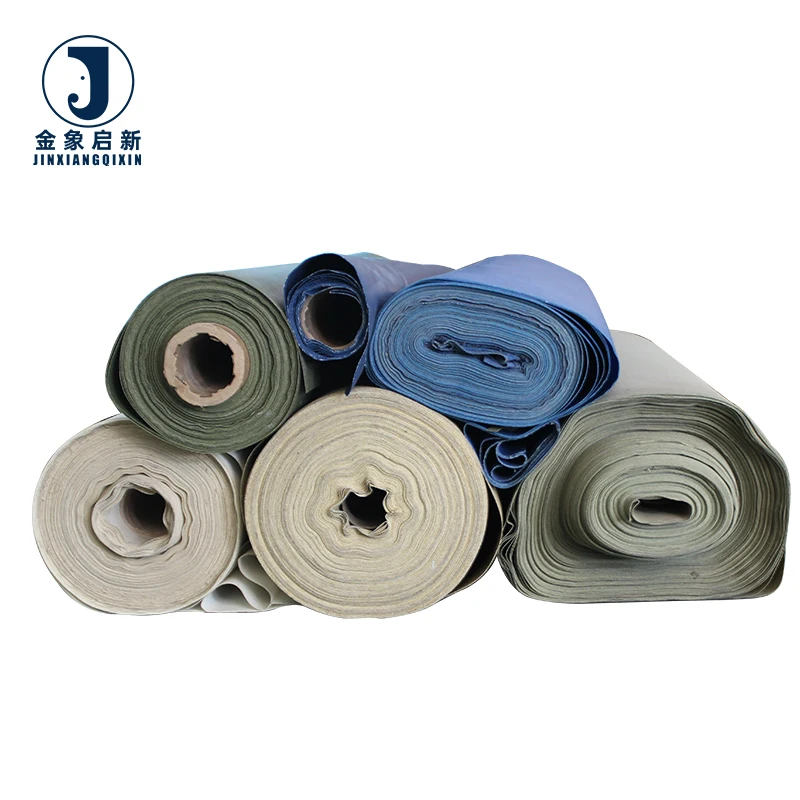
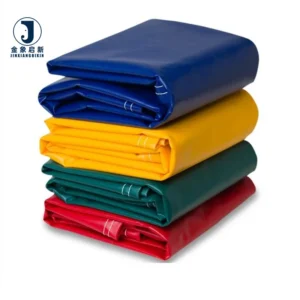
PVC Coated Tarpaulin Fabric for Truck Cover — 100% high toughness polyester yarn, lamination and hot melt coating, medium to super heavy grades available.
Full catalogue covering custom width, colour, treatment and cut-to-size capability from roll stock to finished truck covers, with specification sheets and test documentation on request.
- 10-person R&D team handling material selection, custom sizing and sample development within days
- Dedicated QA/QC at every production stage with 100% pre-shipment inspection
- Samples developed rapidly for custom GSM, treatment and finishing requirements
Description
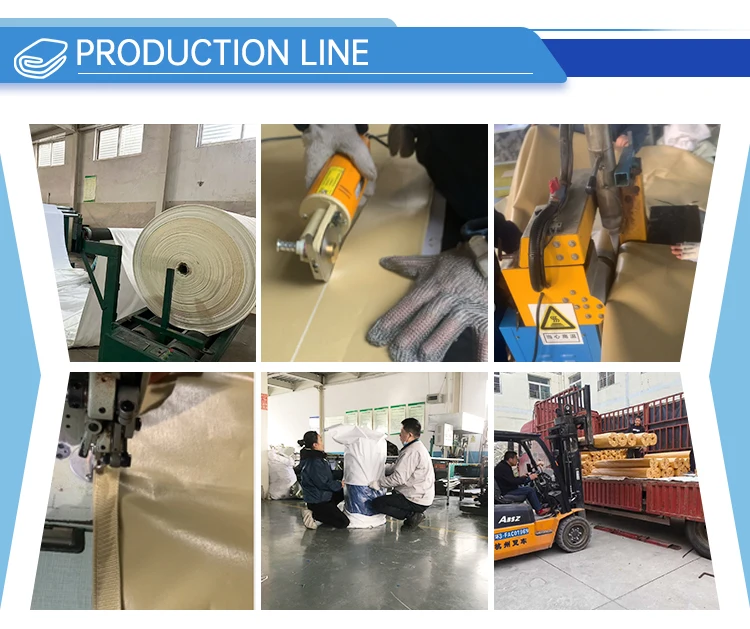
Process-Controlled Coating Weight — We match hot melt parameters to each GSM grade on the production line, verified by in-process QA and pre-shipment weight checks per roll.
Technical Specifications
| Parameter | Value |
|---|---|
| Product Type | PVC Coated Tarpaulin Fabric |
| Base Material | 100% high toughness polyester yarn |
| Coating Technology | Lamination and hot melt coating |
| Available Knitting Densities | 500D, 1000D, up to 2000D |
| Treatment Options | Flame retardant, anti-static, cold resistant, mold proof, UV resistant (grade not stated — confirm requirement) |
| Welding Tear Strength | Excellent (test basis not stated — request report) |
| Color Fastness | High |
| Standards | ISO, CE |
Application Suitability
| Application | Exposure & Requirement |
|---|---|
| Truck side curtain and cover | Constant flexing at corners, road abrasion, sustained UV exposure, tie-down load at hems |
| Waterproof equipment cover | Pooling water, wind uplift, repeated deployment and folding |
| Lightweight engineering fabric | Short-term site protection, dust and debris containment |
| Industrial pipe canopy | Structural tension, thermal expansion, weather exposure |
| Tensioned structural fabric | Sustained load, wind shear, long-term UV and moisture exposure |
Why Welded Seams Fail Before the Fabric Does on a PVC Coated Tarpaulin Fabric
The seam is only as strong as the thermal profile used to join it.
When a truck side curtain tears at the corner weld while the fabric itself shows no damage, the root cause is almost always a heat setting that was not adjusted for the specific GSM and coating thickness of that roll. I have watched heavy-grade coated rolls come back with full-length weld delamination because the hot wedge temperature was carried over from a lighter batch. The coating melts at a different rate depending on its weight, and if the speed and temperature are not matched, you get a bond that looks solid on the surface but peels apart under the first real flex cycle [NEED_CITE: tensile and tear test methods for coated fabrics per ISO 1421].
Matching Heat Profiles to Coating Weight
Every GSM grade in our PVC coated tarpaulin fabric range demands its own thermal window. A medium-weight material requires a lower hot wedge temperature and faster travel speed than a super-heavy grade, where the thicker coating layer needs more energy to reach bonding point without scorching the polyester base. We build a parameter reference for each production run so the welder on the floor is not guessing.
Batch Colour Consistency Across Multiple Rolls
When you install side curtains on a fleet of trailers, even a slight shade variation between rolls becomes visible in daylight. Our colour matching is locked at the compounding stage, and every roll in a multi-roll order carries a batch trace number so you can verify consistency before cutting. This matters most for buyers who specify a corporate colour across their entire transport fleet.
Verifying Treatment Claims Before the Roll Ships [NEED_CITE: flame retardant classification standards for industrial textiles]
A fabric described as flame retardant or anti-static without a named grade leaves the buyer exposed at the compliance checkpoint. We supply treatment test reports with documentation so the grade is confirmed on paper, not just stated on the quotation. If your site or market requires a specific classification, request the matching test basis before production begins.
How Denier and Weave Density Drive Tear Propagation
The knitting density — whether 500D, 1000D, or higher — defines how far a puncture or cut will spread before the weave arrests it. A higher denier base yarn combined with a tight weave limits tear extension under load, which is critical at stress points like eyelets and hem corners on truck covers. Weight alone does not predict this behaviour; a lighter fabric with a denser weave can outperform a heavier one with a loose construction in tear resistance. The lamination and hot melt coating process also plays a role: a well-bonded coating transfers load across the weave rather than allowing individual yarns to pull apart. Coating adhesion, measured by peel strength, directly influences whether a small nick becomes a full panel failure [NEED_CITE: peel adhesion test standards for PVC coated polyester fabrics].
The Cost of Overlooking GSM Verification at Delivery
Receiving a roll that feels lighter than the quoted specification is a recurring frustration in coated fabric procurement. The material may perform adequately in mild conditions but fail prematurely under sustained tension or abrasion, and by then the fabricator has already committed labour and hardware to a cover that cannot be reworked. Pre-shipment weight checks per roll close this gap before the container is sealed.
Why Procure This PVC Coated Tarpaulin Fabric Here
Our three full production lines and 36 sets of professional equipment run dedicated batches, meaning your roll stock is not squeezed between unrelated orders on the same shift. The 10-person R&D team handles sample development for custom widths, colours and treatment requirements, delivering samples within days so you can validate before committing to volume. Every roll passes dedicated QA/QC at each production stage with full pre-shipment inspection, and documentation — from material specification sheets to treatment test reports — travels with the shipment. This is the same process discipline we apply across our PVC coated tarpaulin fabric range, from lightweight engineering grades to super-heavy structural specifications.
Documentation & Verification
- Material specification sheet stating base fabric, coating method and confirmed weight per roll
- Treatment test reports for flame retardant, anti-static or UV grades supplied with shipment
- Pre-shipment inspection record with roll-by-roll weight verification
- Roll packing list with batch number for colour and production traceability
- Certificate of origin and customs documentation included for export
Fabrication, Handling & Storage
- Adjust hot wedge temperature and speed to the specific GSM and coating thickness of this PVC grade before welding
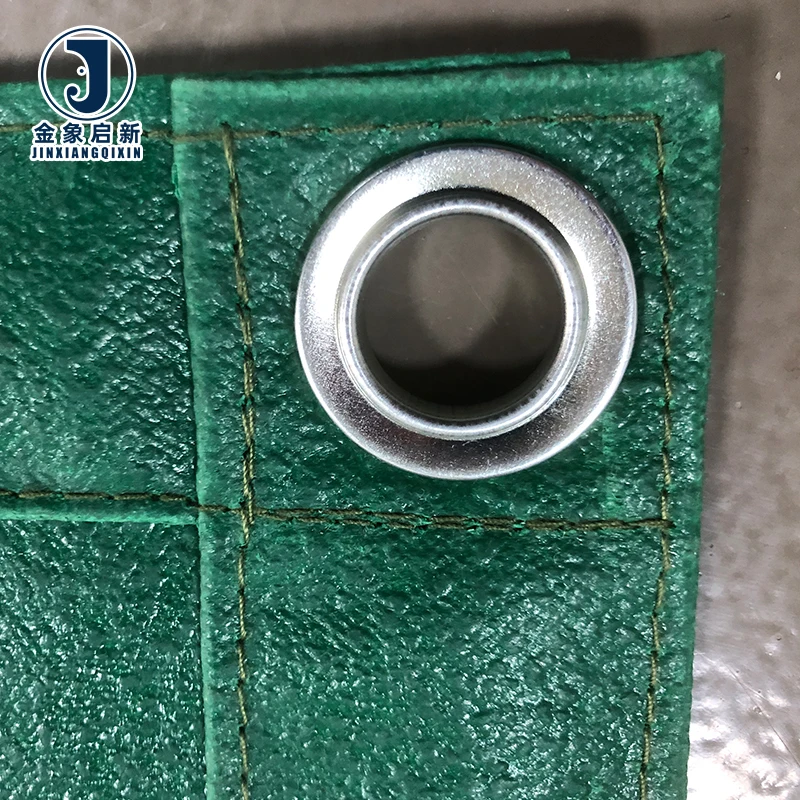
- Reinforce hem and eyelet zones with additional PVC patches to distribute tie-down loads across the base weave
- Store rolls upright on pallets in a shaded area to prevent flat-spot deformation of the coating surface
- Allow cold-stored rolls to reach ambient temperature before unrolling to avoid cracking the PVC coating layer
- Use mild detergent and soft brush for cleaning; avoid solvent-based agents that degrade the hot melt coating bond
- Plan cutting layout to minimise cross-grain seams where tear resistance is lower along the weft direction
Requesting a Specification Match
Tell us the end use — whether it is a side curtain, a tensioned structure or a site cover — along with the exposure conditions your fabric will face. Specify any fire classification or anti-static requirement your market demands, the widths and roll lengths you need, and whether you want raw roll stock or finished cut-to-size panels with hem and eyelet details. If colour matching to a reference is required, send the swatch or RAL code so we can develop a sample for your approval before production.
Frequently Asked Questions
Q: How do I verify the GSM matches what was quoted?
A: We conduct weight checks on every roll during pre-shipment inspection and include a verification record with your documentation. The inspection report states the measured weight per roll alongside the quoted specification so you can compare before the material leaves our facility.
Q: Can I get a test report for UV or flame-retardant treatment with my shipment?
A: Yes. When your order specifies a treatment option such as flame retardant or UV resistance, the corresponding test report is compiled and shipped with your documentation. Request the specific grade or standard you need at the inquiry stage so we match the correct test basis.
Q: How do you ensure colour consistency across multiple rolls in one order?
A: All rolls in a single order are produced from the same compounded batch. Each roll carries a batch trace number on the packing list, allowing you to confirm colour consistency before fabrication. Custom colours are matched to your reference at the sample stage.
Q: What custom widths, lengths and finishing options are available?
A: We supply roll stock in custom widths and lengths, and can produce finished panels with hem reinforcement, eyelet placement and edge sealing to your drawing. Provide your dimensions and finishing requirements at the inquiry stage for a sample and quotation.
Q: How long does sample development take for a custom specification?
A: Sample development for custom PVC coated tarpaulin fabric specifications is completed within days. Submit your application details, target GSM, treatment needs and colour reference, and we will prepare a sample for your evaluation before bulk production begins.
Related products
-
Factory Custom 9×11 Poultry Curtains Tarpaulin PVC Coated Waterproof Anti-Static Eco-Friendly Tarp for Chicken Coop Boys Girls
¥0.90 Select options This product has multiple variants. The options may be chosen on the product page -

PVC Coated Tarpaulin PVC Fabric Tarpaulinheavy duty fire retardant waterproof pvc coated tarpaulin rolling pvc tarp
¥1.00 Select options This product has multiple variants. The options may be chosen on the product page -
Wholesale Pvc Tarpaulin Wear-resistant Waterproof Multi-purpose Heat-resistant Tarpaulin
¥2.00 Add to cart -
Heavy Duty Waterproof PVC Tarpaulin Roll Cover for Truck Tent Outdoor Storage and Industrial Use
¥1.48 Add to cart