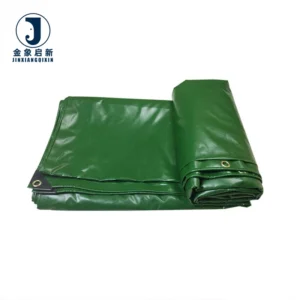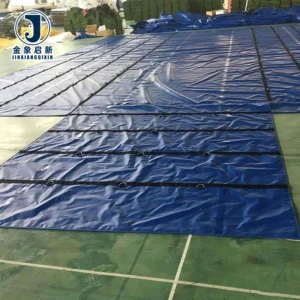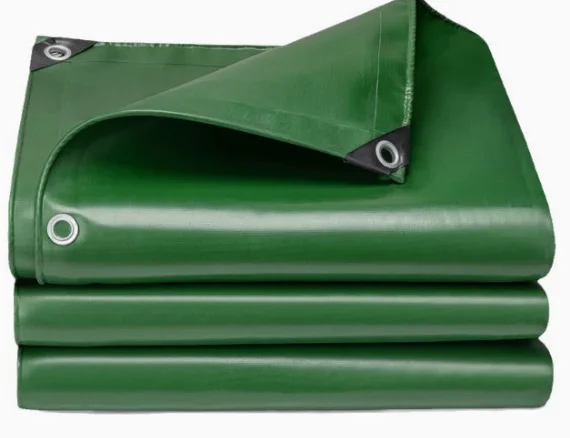
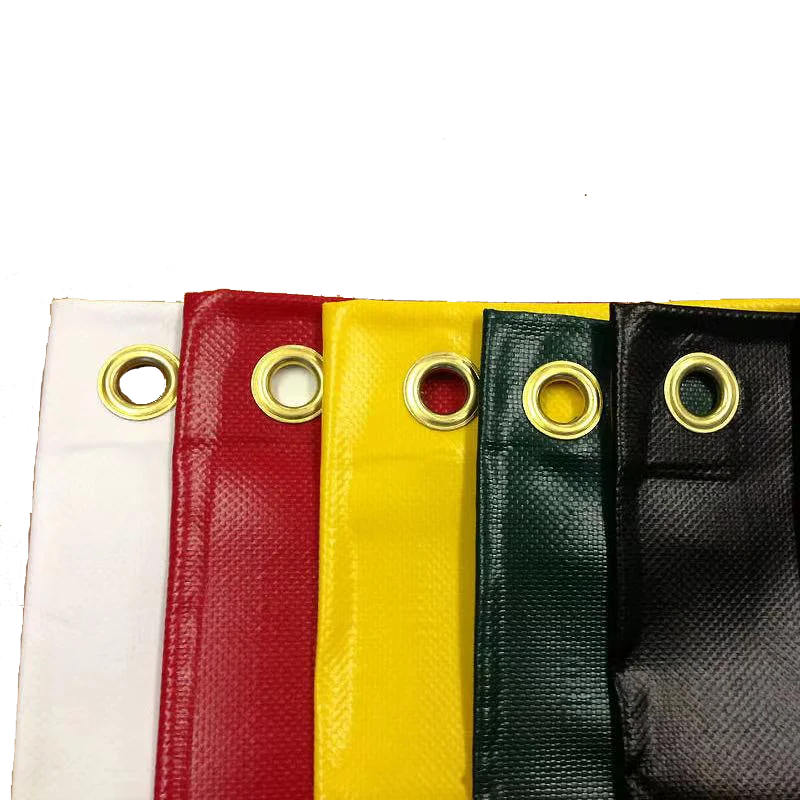
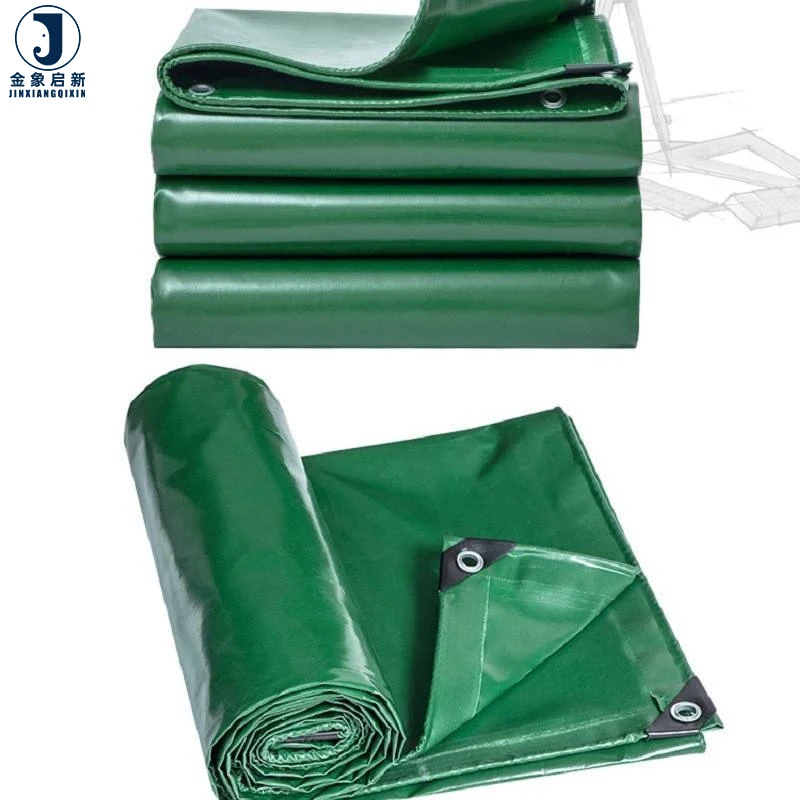
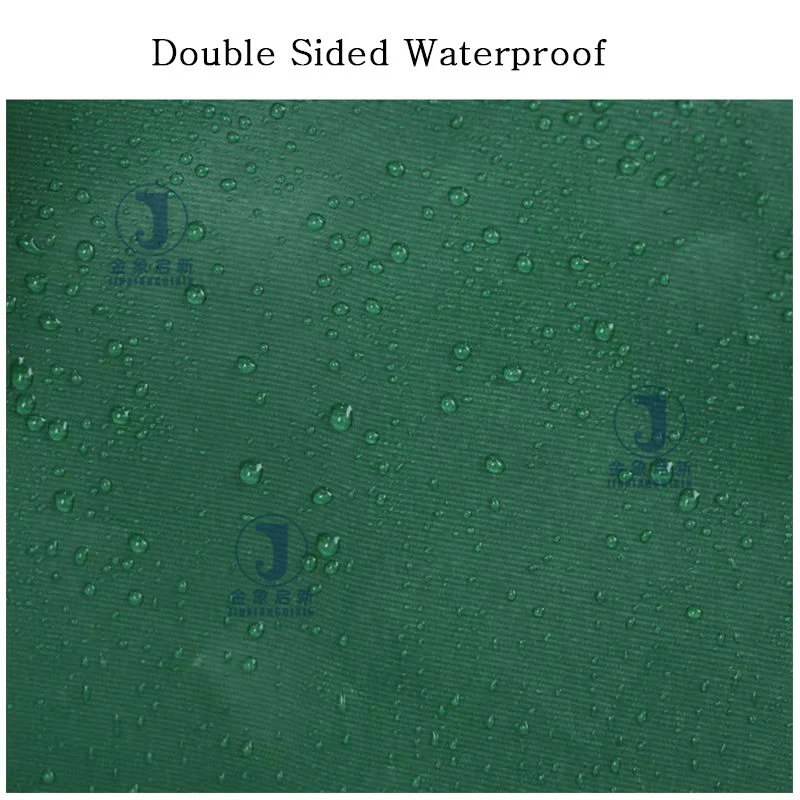
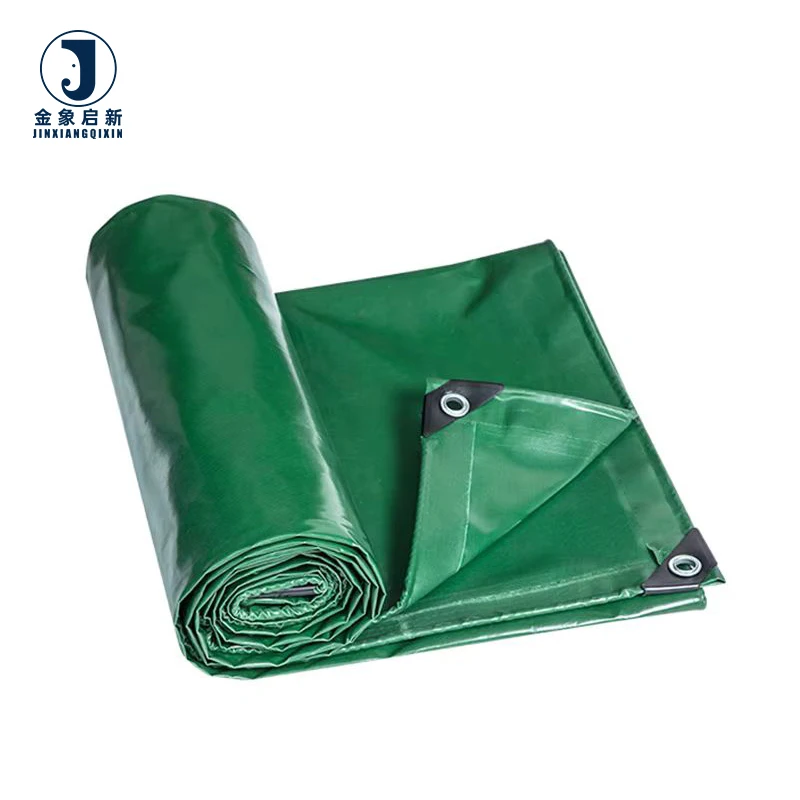
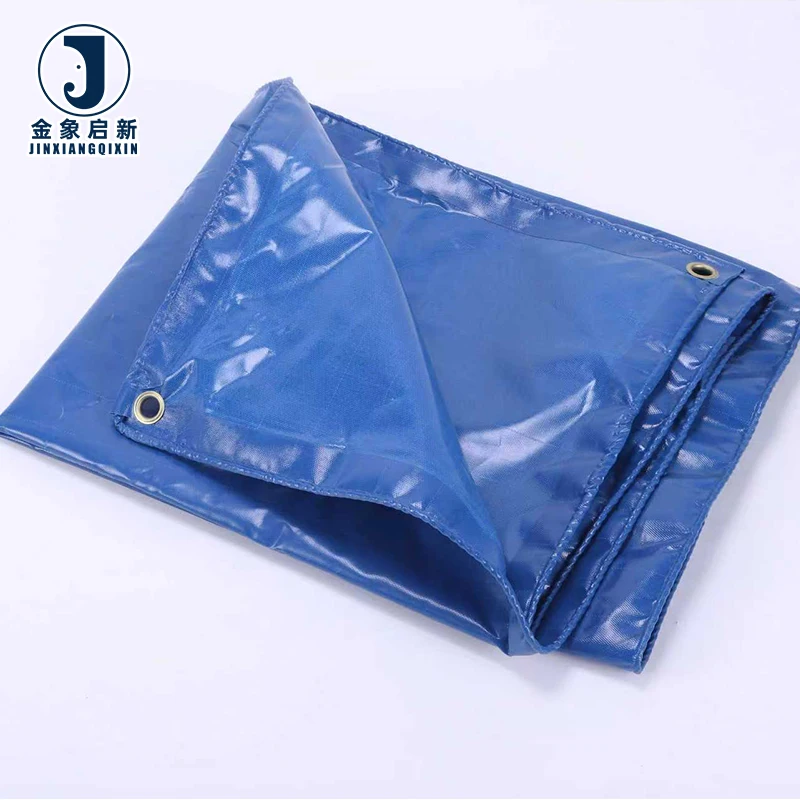
PVC Coated Tarpaulin Fabric — at least 450 GSM, woven base, waterproof with high tear and abrasion resistance.
- Knife-coated PVC vinyl on woven fabric, with process control ensuring spec-sheet GSM matches delivered weight. Full custom width, length, colour, and treatment options from a 10-person R&D team.
- 100% pre-shipment inspection on every roll, with material spec sheets and test documentation provided for full traceability.
Description
Coating Weight Precision — Every roll undergoes stage-gate QA with GSM verified against the specification sheet before dispatch, matching nearly 30 years of controlled coating adhesion experience.
Technical Specifications
| Parameter | Value |
|---|---|
| Product Type | PVC Coated Tarpaulin Roll |
| Base Fabric | Woven Fabric |
| Coating Material | PVC |
| Minimum Weight | At least 450 GSM |
| Waterproof | Yes |
| Tear Resistance | High |
| Abrasion Resistance | High |
| UV Treatment | Available in anti-UV grades — confirm the grade required for your market |
| Flame Retardant | Available in flame retardant grades — confirm the grade required for your market |
Application Suitability
| Application | Exposure & Requirement |
|---|---|
| Truck and trailer covers | Constant flexing at load points, road debris abrasion, prolonged UV and rain exposure |
| Construction site and equipment covers | Heavy weather cycles, wind-driven rain, puncture from sharp materials and scaffolding |
| Tent and awning structures | Tensile loading from frame tension, UV degradation, repeated fold-unfold cycles |
| Agricultural stockpile covers | Moisture ingress prevention, wind uplift stress, chemical exposure from fertilisers |
| Inflatable and membrane structures | Air-holding integrity, sustained biaxial tension, surface abrasion at anchor points |
Why Stated GSM Is Not Enough Without a Verification Process
GSM on paper means little if the roll you receive weighs less than the roll you ordered.
Many fabric buyers have opened containers only to find the material feels noticeably lighter than the sample approved weeks earlier. When a PVC coated tarpaulin manufacturer custom produces your order, the coating weight can drift if the line speed and knife gap are not actively controlled during production. A 450 GSM specification on the quotation does not guarantee 450 GSM on the roll — unless every roll is weighed and logged before it ships [NEED_CITE: GSM deviation tolerance in coated fabric production per ISO 1421]. This is the gap between a datasheet promise and a delivery you can actually verify on your warehouse floor.
How Coating Adhesion Separates Reliable Rolls From Early Failures
The bond between the PVC coating and the woven base fabric determines whether a truck cover delaminates after one season or holds through years of flex cycles. Our PVC coated tarpaulin manufacturer custom production process controls coating temperature and pressure at every pass, ensuring the PVC penetrates the weave rather than sitting on the surface. Poor adhesion shows up first at welded seams and high-stress corners — exactly where your covers work hardest.
What Full Customisation Actually Covers in One Production Run
Specifying width, length and colour is only the starting point. Our 10-person R&D team handles eyelet spacing calculations, reinforced hem design, pattern printing alignment across multiple rolls, and cut-to-model sizing for specific trailer dimensions. When a fleet operator orders side curtain fabric, the PVC coated tarpaulin manufacturer custom capability means every roll is matched to the vehicle model, not cut from a generic template [NEED_CITE: custom sizing workflow for transport fabric applications].
Reading Between the Specs: Weight, Weave and Coating Method
GSM alone does not predict tear performance. A 450 GSM fabric with a tightly woven base and controlled coating weight will outperform a heavier fabric built on a loose weave with excess surface coating. The woven base fabric in this range provides the tensile backbone — the PVC coating adds waterproofing, abrasion resistance and UV protection, but cannot compensate for a weak base. Coating method also matters: knife-over-edge coating produces a uniform layer with strong adhesion, while dip-coating can leave uneven thickness across the roll width. When comparing materials, always check the base fabric denier and weave density alongside the stated GSM, because these three values together define how the fabric behaves under real load [NEED_CITE: relationship between base fabric denier and tear propagation in coated textiles].
The Real Cost When Specifications Are Not Matched to the Job
Ordering a generic grade for a high-flex application like a side curtain often leads to seam failure within the first year. The weld line splits not because the welding was poor, but because the fabric was never specified for sustained flex cycles. Similarly, skipping a flame retardant grade for a mining ventilation application can mean failing a site safety audit after installation — a cost far exceeding the material price difference. Batch-to-batch colour inconsistency across multiple rolls forces rework when panels are installed side by side, delaying project handover and damaging contractor credibility [NEED_CITE: financial impact of specification mismatch in industrial fabric procurement].
What Process Control Looks Like at Our Production Facility
Three full production lines and 36 sets of professional equipment mean your order runs on dedicated capacity, not squeezed between unrelated jobs. The 10-person R&D team develops samples within days when you need a specific colour match or treatment grade confirmed before committing to a full production run. Every roll passes through stage-gate QA with coating weight, adhesion and colour checked against your specification sheet — not spot-checked, but inspected across the full batch. ISO and CE certified processes ensure that documentation travels with your shipment, supporting customs clearance and on-site compliance without chasing missing paperwork after the container has sailed.
Documentation & Verification
- Material specification sheet listing exact GSM, base fabric type and PVC coating details per roll
- Pre-shipment inspection record confirming weight verification and visual checks before dispatch
- Test reports for UV and flame retardant grades supplied where applicable to your order
- ISO and CE certificates included with full order documentation package
- Roll packing list with individual roll weights and dimensions for receiving inspection
Fabrication, Handling & Storage
- Heat-weld seams at manufacturer-recommended temperature to match the PVC coating adhesion strength at flex points
- Reinforce eyelet zones with additional PVC patches to distribute tie-down loads across the woven base fabric
- Store rolls horizontally on pallets to prevent permanent creasing in the 450 GSM coated material
- Allow fabric to acclimatise before unrolling in cold conditions to avoid coating stiffness and cracking
- Use PVC-compatible cleaners only — solvents can degrade the coating surface and reduce waterproof integrity
- Plan cut layouts to minimise off-cuts, particularly when working with custom-width rolls for large covers
What We Need From Your Next Enquiry
To recommend the right grade and customisation package, share your specific application and the environmental exposure your covers will face — including temperature range, UV intensity and any chemical contact. If your market requires fire classification or anti-UV certification, tell us the standard your site or region demands so we can confirm the correct treatment grade and supporting test report. Specify whether you need rolls for your own fabrication or finished cut-to-size covers with eyelets and hems completed at our facility.
Frequently Asked Questions
Q: How is GSM verified before shipment and how should I recheck on arrival?
A: Every roll is weighed on calibrated scales and logged against your specification sheet during our pre-shipment inspection. On arrival, cut a measured sample from the roll, weigh it, and calculate GSM by dividing weight by area. We include the inspection record with your dispatch documents so you can cross-reference immediately.
Q: What custom width, roll length and cut-to-size options are available, and what are the minimums?
A: We handle custom widths, roll lengths and finished cut sizes with eyelets and reinforced hems. Minimums depend on your specific width and colour combination — our R&D team confirms the exact threshold after reviewing your specification. Sample development is available within days before full production commitment.
Q: How is batch-to-batch colour consistency controlled across multiple rolls in one order?
A: Colour is matched at the coating stage using controlled pigment ratios and verified under standardised lighting before the roll clears QA. All rolls in a single order are produced in one continuous batch run where possible, minimising shade variation across panels installed side by side.
Q: What eyelet spacing, hem reinforcement and printing options can be specified?
A: Eyelet spacing is calculated based on your cover dimensions and expected tie-down loads. Hems are heat-welded with reinforcing tape at stress points. Pattern printing and branding are handled in-house with alignment checked across roll lengths to ensure continuity on multi-panel installations.
Q: How long does sample development take for a custom colour or treatment requirement?
A: Sample development for custom GSM, colour or treatment grades is typically completed within days, not weeks. Once approved, the sample specification is locked into the production order so your bulk shipment matches exactly what you signed off — no drift between sample and production batch.
Related products
-
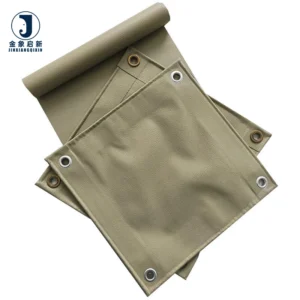
JX PVC Waterproof Fabric High-strength Sheeting for Industrial and Outdoor Coverings
¥1.90 Select options This product has multiple variants. The options may be chosen on the product page -
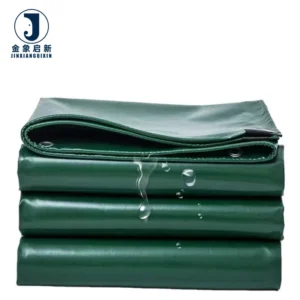
Pvc Coated Waterproof Tarpaulin Heavy Duty Tarp for Tent Roof Stocklot Lumber
¥1.60 Add to cart -
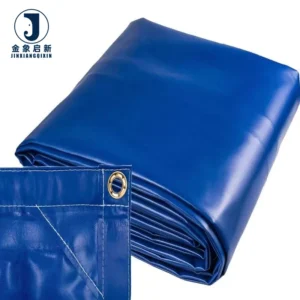
Heavy Duty Outdoor Tarpaulin Thickened for Outdoor Waterproof Large Tarpaulin with 3 Meter Width
¥7.78 Add to cart -
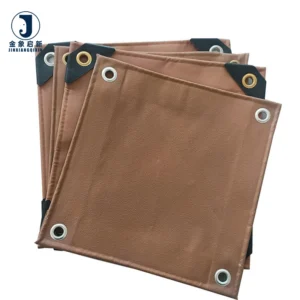
JX Fireproof 500gsm 600gsm Customizable PVC Tarpaulin Waterproof Truck Cargo Cover
¥0.79 Select options This product has multiple variants. The options may be chosen on the product page