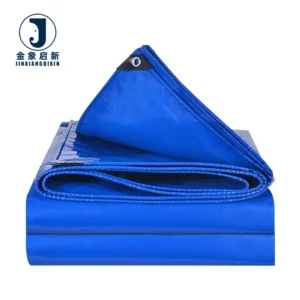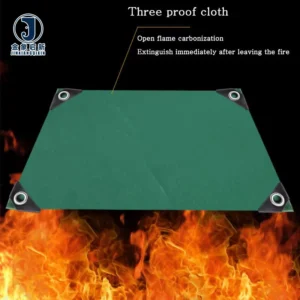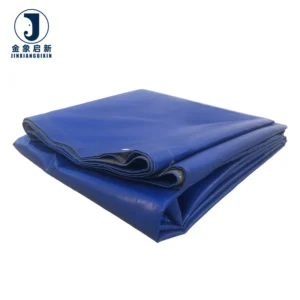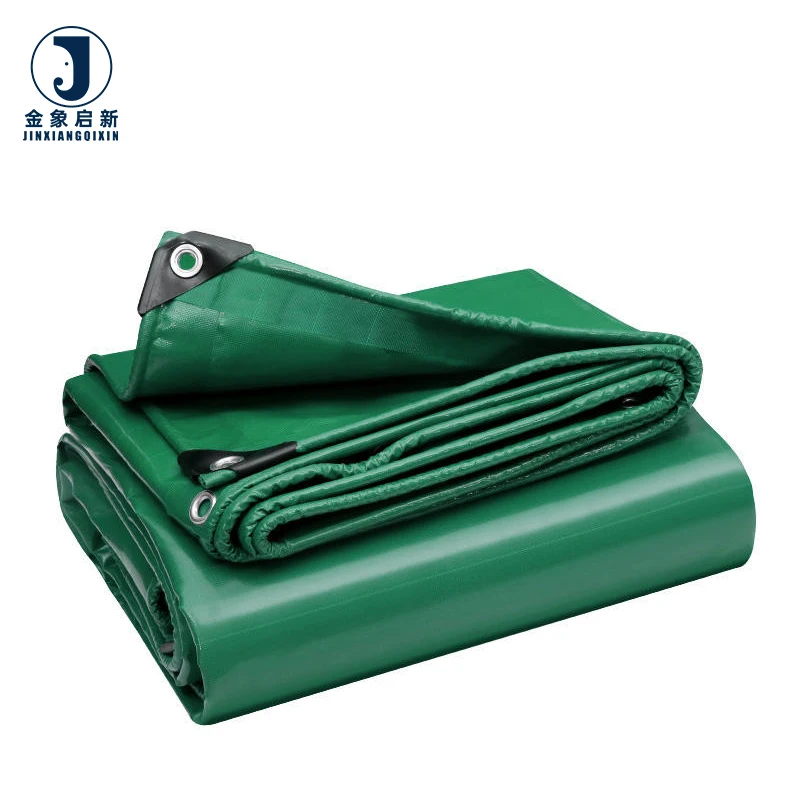
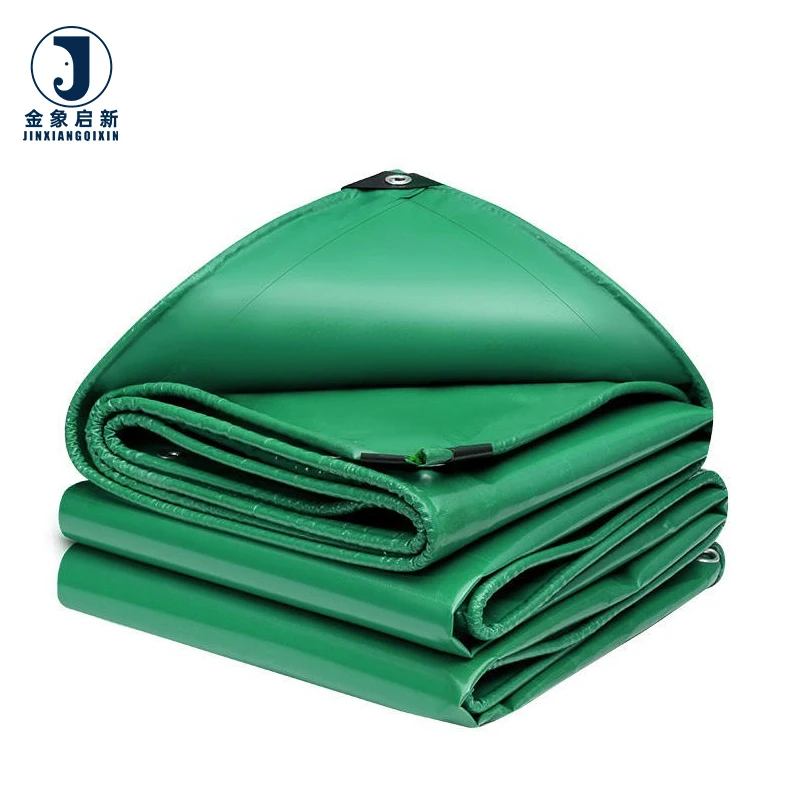
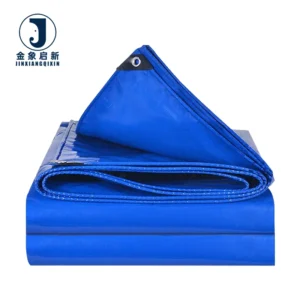
PVC Coated Tarpaulin for Firewood, Roof & Camping — 250gsm–1500gsm, 200D×300D to 1000D×1000D, custom cut to 3×4m up to 10×12m or made-to-order dimensions.
- Waterproof, UV & flame retardant treated, glossy or matte surface, -15°C to 70°C working range
- Coating weight and base denier matched to your tensile and tear demands — not just a heavier tarp, but the right construction
- Process-controlled adhesion verified at every stage; 100% pre-shipment inspection with full spec documentation on each order
Description
Process-Controlled Coating Expertise — nearly 30 years focused on PVC coated fabric, with in-process QA verifying coating weight and adhesion at every production stage so the PVC Coated Tarpaulin you receive matches the specification you approved.
Technical Specifications
| Parameter | Value |
|---|---|
| Product Type | PVC Coated Tarpaulin |
| Weight (GSM) | 250gsm–1500gsm |
| Base Fabric Denier | 200D×300D / 500D×500D / 840D×840D / 1000D×1000D |
| Surface Finish | Glossy or matte |
| Colour Options | Blue, yellow, black, green, white, etc. |
| Temperature Range | -15°C to 70°C |
| Treatment Options | Waterproof, UV, flame retardant (grade not stated), anti-fungal |
| Size Options | 3×4m / 6×8m / 8×10m / 10×12m or custom made |
| Working Life | 3–10 years (source value — verify against application environment) |
| Key Features | Water-proof, tear-resistant, abrasion resistant, flexible at low temperature |
Application Suitability
| Application | Exposure & Requirement |
|---|---|
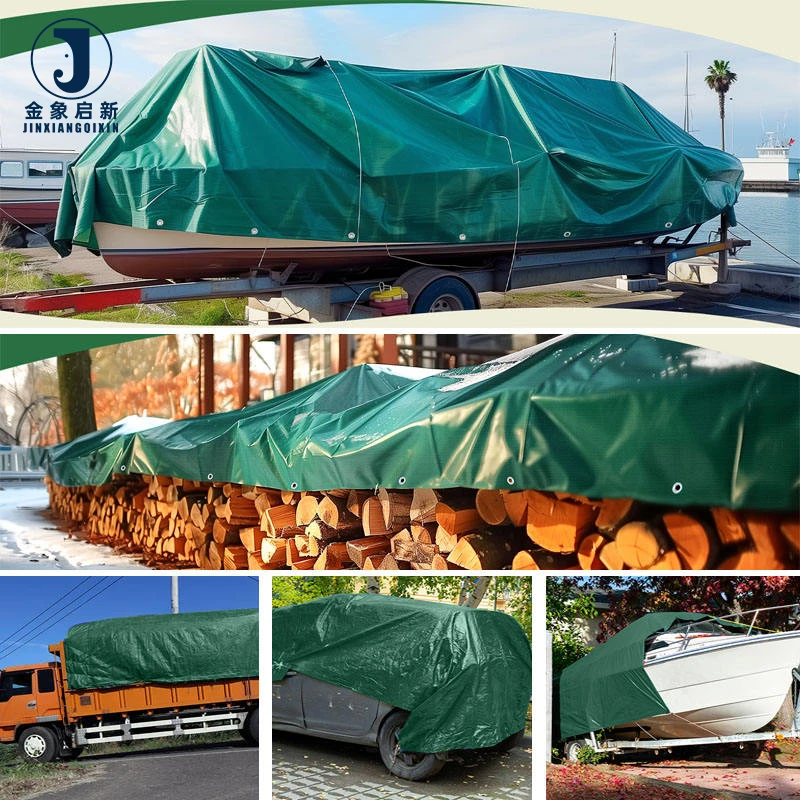
| Firewood covering | Seasonal rain, snow load, repeated handling and dragging over rough ground |
| Roof protection | Prolonged UV exposure, wind uplift, pooling water, thermal cycling |
| Camping and patio covers | Moderate weather, frequent setup and teardown, fold creasing |
| Boat covers | UV and salt spray, abrasion against hull fittings, tie-down tension |
| Dump trailer covers | Road debris impact, constant flexing at load points, diesel exhaust exposure |
| Construction site covers | Sun and rain, scaffold contact, requirement for flame retardant certification on some sites |
Why a Quoted GSM Does Not Guarantee On-Site Durability
The fabric you receive must weigh what the specification sheet says it weighs — nothing less.
A common frustration among tarpaulin buyers is opening a container to find material that feels lighter and handles differently than the approved sample. When a PVC Coated Tarpaulin manufacturer quotes 650 GSM but delivers 580 GSM, the shortfall is not just a commercial issue — the base fabric may be a lower denier, the coating thinner, and the tensile strength below what the application demands. In coated fabrics, weight correlates directly with coating thickness and adhesion mass, which together govern tear propagation resistance and weld seam integrity. [NEED_CITE: tensile and tear test methods for coated fabrics per ISO 1421]
Full Customisation From Denier Selection to Cut-Size Delivery
Choosing the correct base fabric denier is the first decision in specifying a PVC coated tarpaulin for any application. A 200D×300D weave serves lightweight covers where flexibility and pack-down size matter, while 1000D×1000D provides the tensile mass needed for dump trailer curtains and long-term roof protection. Our range spans four denier options, each matched to a GSM band so buyers can align weight with the mechanical demands of their specific use case. This PVC Coated Tarpaulin manufacturer supports full custom sizing beyond standard cut dimensions, allowing patterns and eyelet placements that match your tie-down configuration.
Surface Finish and Treatment Selection for End-Use Conditions
The choice between glossy and matte surface finish affects more than appearance. Glossy surfaces shed water and dirt more readily and accept printed branding with sharper edge definition, while matte finishes reduce glare — a practical requirement for covers used in film production or event staging. Treatment options applied during the coating process include waterproofing, UV stabilisation, flame retardant grades and anti-fungal compounds. Confirm the flame retardant grade required for your target market, as site compliance standards vary by region. [NEED_CITE: regional fire classification requirements for temporary outdoor covers]
How Denier, Coating Weight and GSM Interact to Determine Real Strength
GSM alone is an incomplete predictor of tarpaulin performance. A 650 GSM fabric built on a 1000D×1000D base with a thin coating will resist tearing differently than a 650 GSM fabric on a 500D×500D base with a heavier coating layer. The base fabric provides the structural skeleton — its denier and weave density govern how a tear initiates and propagates under load. The coating adds mass, abrasion resistance and waterproofing, but also stiffens the hand of the fabric. For firewood and roof covers that must drape over irregular shapes, a lighter base with adequate coating is preferable. For dump trailer applications where the fabric flexes under load and contacts abrasive cargo, a heavier denier base is necessary regardless of total GSM. The temperature range of -15°C to 70°C defines the boundaries within which the PVC compound maintains flexibility without embrittlement or excessive softening.
The Cost of Specification Errors at the Receiving Dock
When colour varies between rolls in the same shipment, the mismatch becomes visible the moment two panels are installed side by side — a failure that forces either a full reorder or an accepted aesthetic defect. Similarly, if anti-UV treatment is claimed but no test report accompanies the shipment, the buyer has no basis to predict service life in high-UV climates. Welded seams that fail before the fabric itself indicates a mismatch between the welding temperature profile and the coating compound’s fusion characteristics — a process control issue, not a material issue. These failures all originate upstream of the production line and surface only after freight has been paid. [NEED_CITE: common failure modes in coated tarpaulin end-use applications]
What Consistent Quality Control Looks Like at Scale
Maintaining batch-to-batch colour consistency across multiple rolls requires controlled pigment dosing and real-time colour measurement during the coating run — not a visual check at the packing station. Our 10-person R&D team develops samples within days so buyers can confirm colour, surface finish and treatment before committing to bulk. Three full production lines and 36 sets of professional equipment provide the capacity to deliver container-load volumes without splitting an order across machines with different coating characteristics. Dedicated QA at each production stage includes coating weight verification, adhesion testing and dimensional checks. Every roll undergoes 100% pre-shipment inspection with weight recorded against the stated GSM before it is cleared for packing.
Documentation & Verification
- Material specification sheet stating GSM, base fabric denier and coating type per roll
- Test reports for UV stability and flame retardant grades where applicable to the order
- Pre-shipment inspection record with roll-by-roll weight verification against stated GSM
- ISO and CE certificates included with shipment documentation package
- Certificate of origin and customs support documentation for international dispatch
Fabrication, Handling & Storage
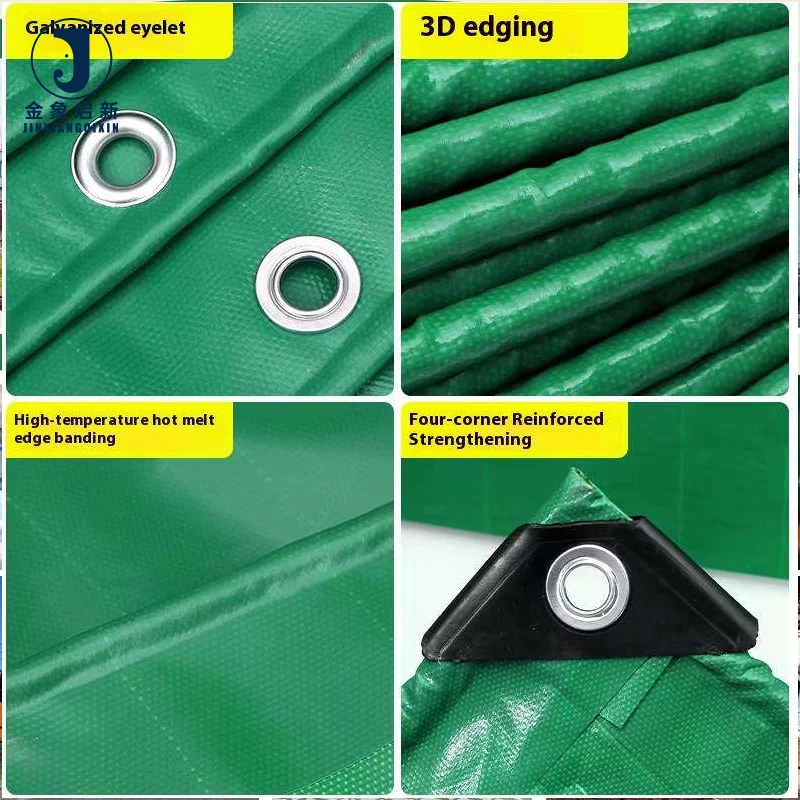
- Heat-weld seams at temperatures matched to the PVC coating compound for each denier grade
- Reinforce eyelet zones with additional fabric patches on heavy-duty 1000D×1000D grades
- Store rolls upright on pallets to prevent flat-spot creasing in the coating layer
- Allow matte-finish rolls to acclimatise before unrolling in cold conditions below 5°C
- Use mild detergent only — solvent cleaners can degrade anti-fungal treatment on the surface
- Overlap cut panels by at least 50 mm before welding to ensure seam load distribution
Requesting a Specification and Sample
To move from inquiry to sample, provide the intended application and exposure conditions, the target GSM and denier preference, and whether you require finished cut sizes or roll stock. Specify any colour references, surface finish preference and whether flame retardant certification is needed for site compliance. Our team will recommend a specification, develop a sample for your approval, and quote lead time with minimum order requirements.
Frequently Asked Questions
Q: How do you verify GSM on each roll before shipment?
A: Every roll is weighed during our 100% pre-shipment inspection and the result is recorded against the stated GSM on the specification sheet. Rolls that fall outside the agreed tolerance are held for re-coating or rejected. The inspection record ships with your documentation so you can cross-check on arrival.
Q: Can you provide a test report for UV treatment?
A: UV treatment is applied during the coating process and test reports are available for the specific grade used on your order. Expected service life depends on climate zone and installation angle, so share your target market and exposure conditions when requesting a sample so we match the correct stabiliser package.
Q: What flame retardant grades are available and which markets do they cover?
A: Flame retardant treatment is available in multiple grades — confirm the standard required for your site or target market, such as local building or event safety codes. We will match the grade, provide the corresponding test report, and note the classification on your material specification sheet.
Q: How do you control colour consistency across a multi-roll order?
A: Pigment dosing is controlled digitally during coating, and colour is measured at intervals throughout the production run. Rolls from the same batch are grouped for dispatch. If your order spans multiple production runs, we flag this in advance and provide inter-batch colour readings for your review.
Q: What is the lead time and sample process for custom sizes and colours?
A: Samples are developed within days once the specification is agreed, allowing you to confirm colour, finish, denier and treatment before bulk production. Lead time for the full order depends on volume and customisation scope and is confirmed at the quotation stage.
Related products
-
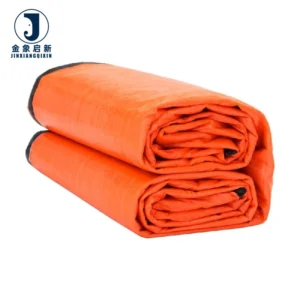
Factory 12ftx20ft Construction Cold Weather Insulated Pe Tarps Poly Tarp Heavy Duty Concrete Curing Blanket Tarpaulin Roll Sheet
¥0.66 Add to cart -
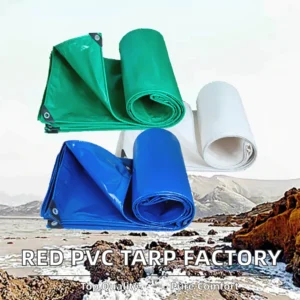
PVC Coated Tarpaulin PVC Fabric Tarpaulinheavy duty fire retardant waterproof pvc coated tarpaulin rolling pvc tarp
¥1.00 Select options This product has multiple variants. The options may be chosen on the product page -
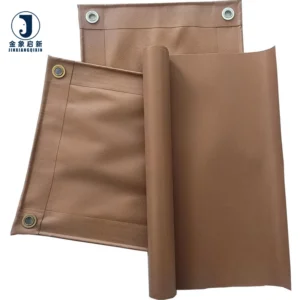
Waterproof Custom 1000D 550GSM/900GSM Self Clean PVC Coated Tarpaulin for Truck. Tent. Roof Cover Flood Barrier
¥0.99 Select options This product has multiple variants. The options may be chosen on the product page -
Pvc Plastic Canvas Strong Waterproof PVC Tarpaulin HDPE Coated Tarpaulin
¥1.80 Select options This product has multiple variants. The options may be chosen on the product page