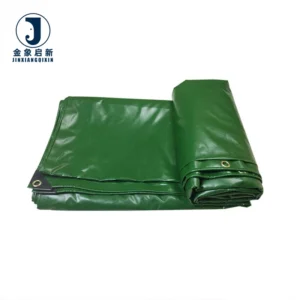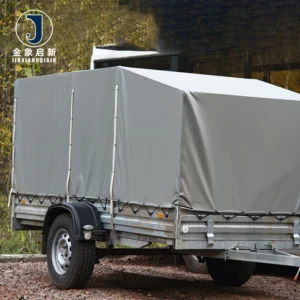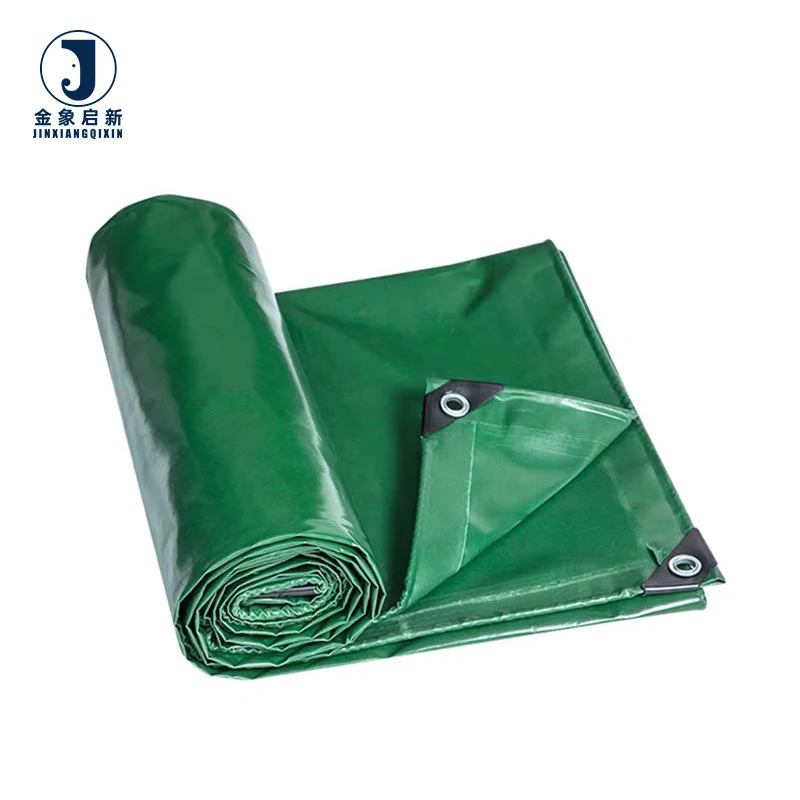
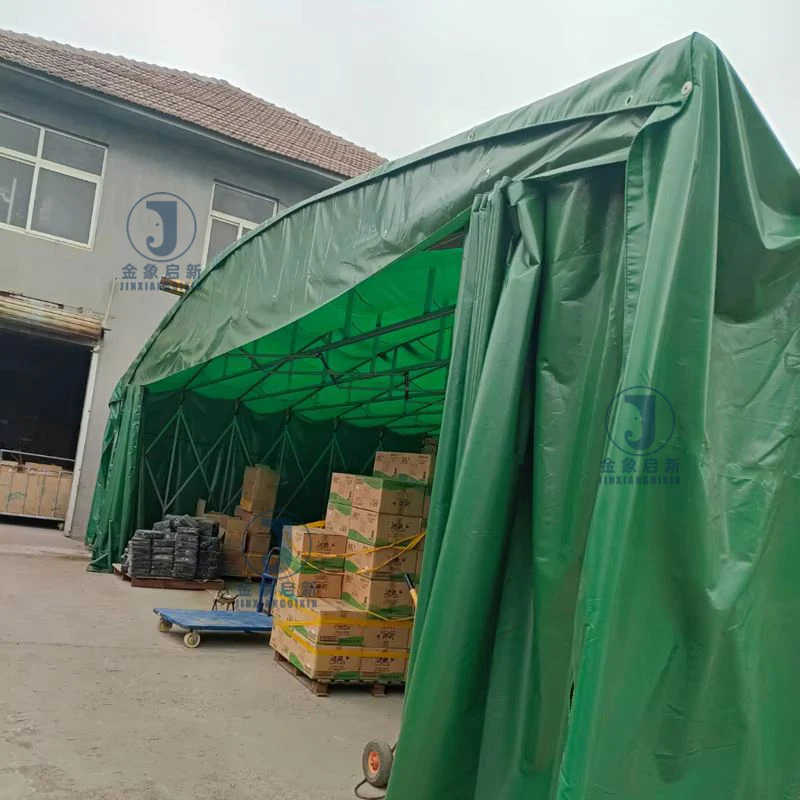
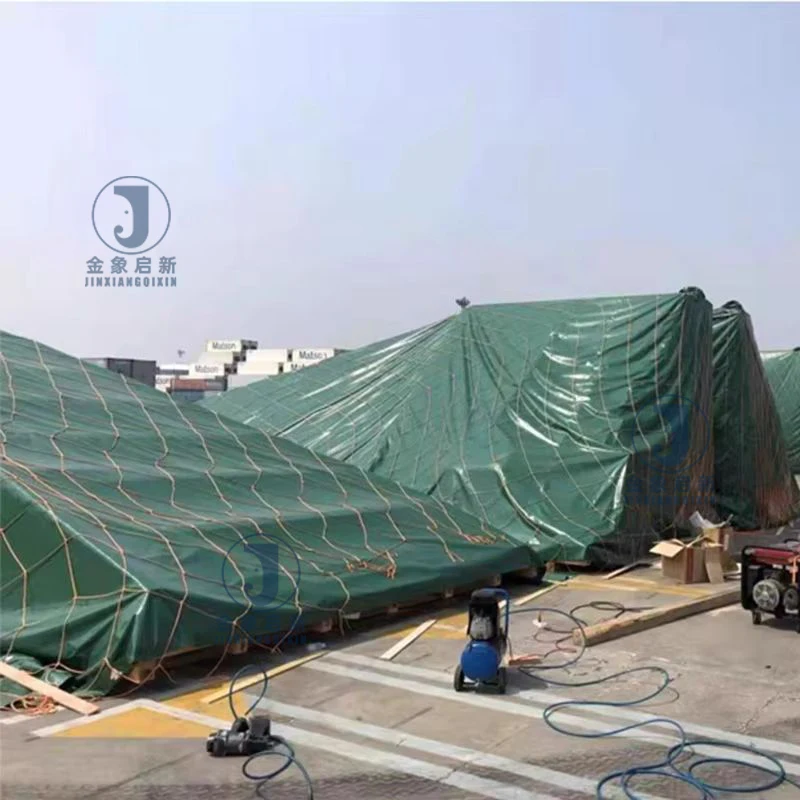
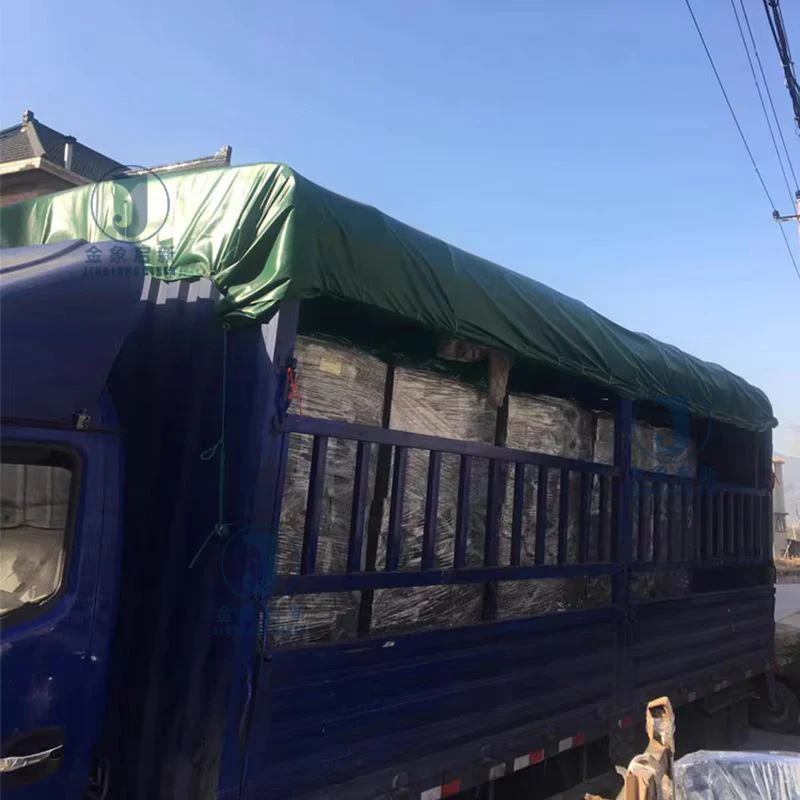
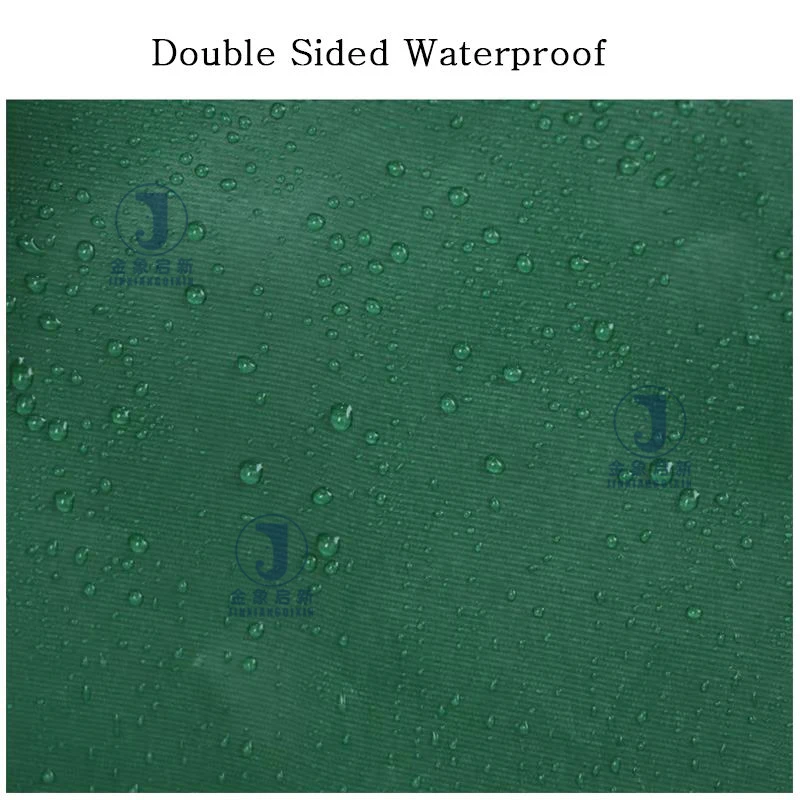
PVC Coated Tarpaulin for Membrane Structure and Stadium Roof — 100% high toughness polyester yarn base with PVC hot melt coating, 400–1500 g/m² weight range, tensile strength up to 3000 N/5cm.
- Lamination and hot melt coating technology ensures strong adhesion between base fabric and PVC layers, preventing delamination under tension and prolonged weather exposure.
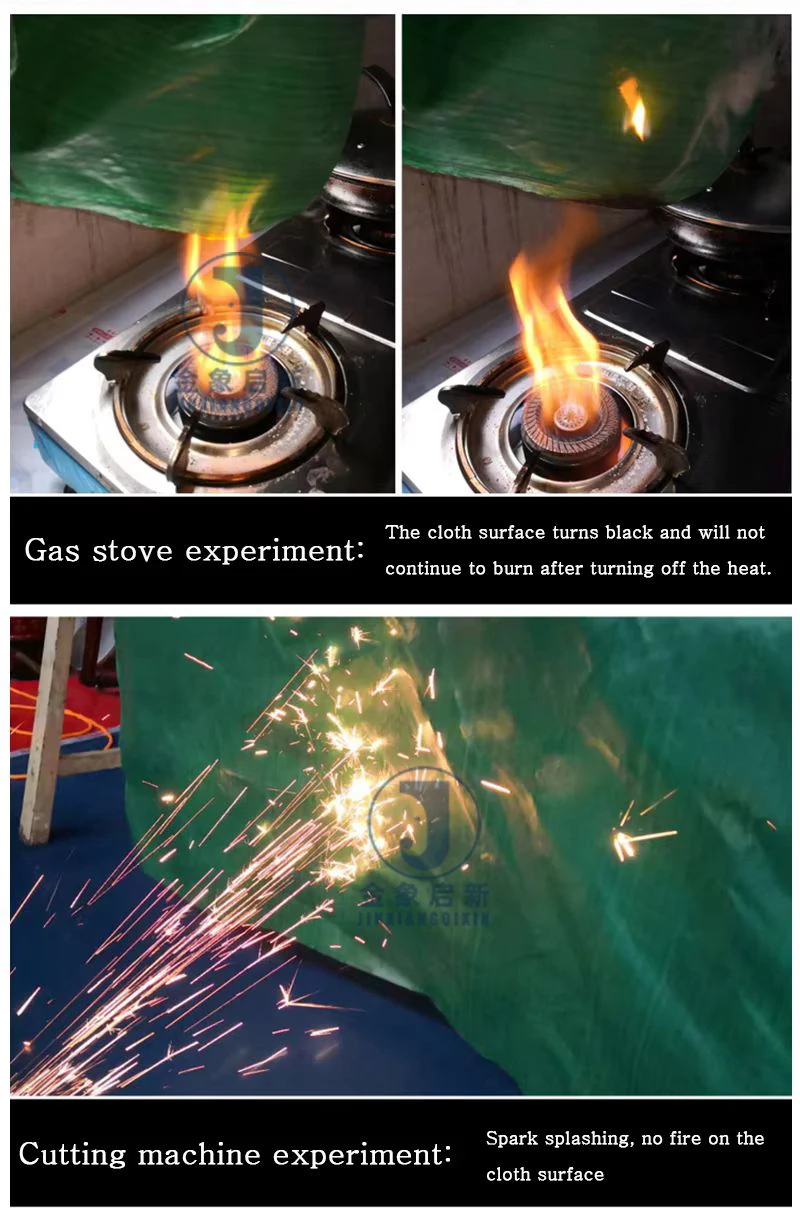
- Flame retardant and anti-static treatments available with certified test documentation for public assembly and industrial compliance.
Backed by nearly 30 years of coated fabric process control, dedicated QA/QC at every production stage, and a 10-person R&D team for rapid sample development.
Description
Precision Coating Control — nearly 30 years of hot melt coating process discipline applied to every roll, with dedicated QA/QC at every production stage ensuring GSM accuracy and batch-to-batch consistency for architectural membrane projects.
Technical Specifications
| Parameter | Value |
|---|---|
| Product Type | PVC Coated Tarpaulin Roll |
| Base Fabric | 100% high toughness polyester yarn |
| Coating Material | PVC |
| Coating Method | Lamination and hot melt coating |
| Weight — Medium | 400–500 g/m² |
| Thickness — Medium | 0.35–0.45 mm |
| Knitting Density — Medium | 500D |
| Tensile Strength — Medium | Warp 1500–2000 / Weft 1200–1800 N/5cm |
| Weight — Heavy-duty | 700–1000 g/m² |
| Thickness — Heavy-duty | 0.70–1.0 mm |
| Knitting Density — Heavy-duty | 1000D |
| Tensile Strength — Heavy-duty | Warp 2000–2500 / Weft 1800–2200 N/5cm |
| Weight — Super Heavy | 1100–1500 g/m² |
| Thickness — Super Heavy | 1.2–1.5 mm |
| Knitting Density — Super Heavy | 500D–2000D |
| Tensile Strength — Super Heavy | Warp 2500–3000 / Weft 2200–2800 N/5cm |
| Waterproof | Yes — fully coated construction |
| Cold Resistance | Cold resistant cracking formulation |
| Anti-Mildew | Mold proof treatment |
| Anti-Static | Available — confirm grade required for your project |
| Flame Retardant | Available in flame retardant grades — confirm the grade required for your market |
| UV Treatment | Anti-UV treatment available — request test report for your specification |
| Color Fastness | Good color fastness — request test basis documentation |
| Welding Performance | Excellent welding tear strength |
| Weather Resistance | 3–5 years outdoor guarantee |
| Standards & Certification | ISO, CE certified |
Application Suitability
| Application | Exposure & Requirement |
|---|---|
| Membrane structure and tensile architecture | Long-span tension loads, wind uplift, UV exposure, visible surface demanding colour consistency |
| Stadium roof and arena canopy | Permanent outdoor weathering, public assembly fire code compliance, thermal expansion cycles |
| Industrial pipe canopy | Chemical splash risk, wind-driven debris, structural frame abrasion at contact points |
| Inflatable and air-supported structures | Constant internal pressure stress, rapid deployment folding, field welding of panel seams |
| Engineering protective cloth | Job-site abrasion, repeated installation and removal, equipment contact wear |
Why Specifying Tensile Strength Without a Test Standard Is a Risk on Membrane Projects
Always request the test method alongside the tensile figure before you commit to a PVC coated tarpaulin fabric for structural use.
When a supplier quotes tensile strength in N/5cm without naming the test standard, you have no way to verify the number against your structural engineer’s calculations. A warp reading taken on a narrow strip under one method will not match the same fabric tested under a different clamping length or conditioning protocol. [NEED_CITE: tensile and tear test methods for coated fabrics per ISO 1421]. For membrane structure and stadium roof installations where the fabric carries live loads across long spans, this gap between the quotation and the verified value can surface only after the structure is erected and the wind arrives. The PVC coated tarpaulin manufacturer custom membrane structure you select must document test conditions so your engineer can sign off with confidence.
Hot Melt Coating Adhesion Under Structural Tension
The lamination and hot melt coating technology used in this PVC coated tarpaulin fabric creates a bonded interface between the polyester base yarn and the PVC layers on both sides. When a membrane panel is tensioned across a stadium roof or commercial atrium, the fabric does not simply stretch — the coating must stay bonded to the base under continuous peel stress at every weld seam. Delamination at a seam under load is not a fabric failure; it is a coating adhesion failure that hot melt processing is specifically designed to prevent.
Weld Seam Integrity for Field-Fabricated Membrane Panels
Membrane structure panels are typically cut and welded on site or in a fabrication shop to fit the exact geometry of the supporting steel or cable frame. The excellent welding tear strength specified for this PVC coated tarpaulin fabric means that the weld line resists peeling apart when the panel flexes under wind load or thermal movement. [NEED_CITE: welding parameters and seam strength testing for PVC coated architectural fabrics]. A weld that fails before the fabric does will show up as a hairline separation at the overlap edge — visible from the ground on a stadium canopy and a liability on any public assembly structure.
Reading the Specification Table for Structural Selection
The three-tier weight range — 400–500 g/m² for medium, 700–1000 g/m² for heavy-duty, and 1100–1500 g/m² for super heavy — corresponds directly to base fabric denier and tensile capacity. Heavier GSM alone does not guarantee higher strength; the knitting density (500D to 2000D) and weave construction determine how load transfers through the yarn network. The hot melt coating adds weight through PVC mass but contributes adhesion and surface performance rather than structural strength. Coating thickness from 0.35 mm up to 1.5 mm across the range affects weld parameters, low-temperature flexibility, and the fabric’s ability to resist puncture from scaffolding or steel edge contact during installation. Select the tier based on your engineer’s load calculations, not on weight alone.
The Hidden Cost of Batch Colour Variation on Visible Membrane Installations
When a stadium roof or commercial atrium membrane requires multiple rolls installed side by side, colour variation between rolls becomes immediately visible once the structure is tensioned and backlit by sunlight. Sourcing rolls from different production batches or from a supplier without stage-by-stage colour QC means the completed canopy can show panel-to-panel shading that no amount of post-installation cleaning will fix. [NEED_CITE: colour consistency standards for architectural membrane fabrics in public installations]. The cost of replacing affected panels on an erected structure — including crane hire, scaffolding, and re-welding — far exceeds the value of the original fabric order.
Why Procure PVC Coated Tarpaulin Fabric Through This Route
Three full production lines and 36 sets of professional equipment give the capacity to run large membrane structure orders with consistent coating parameters across every roll. A 10-person R&D team develops custom samples within days, matching your project’s specific GSM, denier, and treatment requirements before bulk production begins. Dedicated QA/QC inspection at every production stage catches coating weight drift and colour deviation before the roll reaches packing. Hot melt coating process control ensures the adhesion values your structural engineer specifies are actually achieved in production. Pre-shipment inspection covers 100% of rolls, not a sampling — each roll is weighed and checked against the stated specification before it leaves the facility.
Documentation & Verification
- Material specification sheet stating exact GSM, base fabric denier, and coating weight for every roll shipped
- Test reports for flame retardant and UV grades matching your local building code requirements
- Pre-shipment inspection record with weight verification per roll against quoted values
- Roll packing list with colour reference and batch number for traceability across the project
- Certificate of origin and customs documentation for international membrane structure shipments
Fabrication, Handling & Storage
- Set hot air weld temperature based on the coating thickness tier — heavier 1.2–1.5 mm super heavy grades need more dwell time than medium 0.35–0.45 mm stock
- Store rolls upright on end cores to prevent flat-spot creases in the PVC coating that show through on tensioned membrane panels
- Allow cold-weather rolls to reach ambient temperature before unrolling to avoid cracking the cold resistant formulation
- Use compatible PVC-based repair patches and solvent cement for field repairs on weld seams
- Plan cutting layout to minimise off-cuts from the supplied roll width, maximising panel yield per roll
What We Need to Quote Your Membrane Project Accurately
Provide your structural engineer’s required tensile strength range and the test standard they reference, along with the membrane panel dimensions and total area. Specify the flame retardant grade your local building code mandates for public assembly structures, and whether you need anti-static treatment for the installation environment. Share your preferred roll width and whether you require factory-cut panels or full rolls for on-site fabrication.
Frequently Asked Questions
Q: How do I verify the quoted GSM matches the material I receive for my membrane structure?
A: Each roll is weighed during pre-shipment inspection and recorded against the stated specification. You can re-weigh a sample cut from the delivered roll using a calibrated scale and compare it to the inspection record. If your project requires independent lab verification, request a third-party test before production begins so the sampling protocol is agreed in advance.
Q: What flame retardant grade do I need for a stadium roof in my market?
A: Building codes vary by jurisdiction — common requirements include B1 per DIN 4102, M2 under French standards, or NFPA 701 for North American venues. Confirm the exact grade with your fire engineer before ordering. We supply the PVC coated tarpaulin fabric in flame retardant grades and provide the corresponding test report documentation for your approval process.
Q: How is colour consistency maintained across multiple rolls for a large tensile structure?
A: Every production stage includes colour checking against the approved reference, and 100% pre-shipment inspection compares rolls from the same batch side by side. For very large membrane installations, we recommend ordering the full project quantity in one production run to minimise batch-to-batch variation.
Q: What welding parameters should I use with this PVC coated tarpaulin fabric on site?
A: Optimal hot air welding temperature and speed depend on the coating thickness tier you select — medium 0.35–0.45 mm grades need lower heat input than super heavy 1.2–1.5 mm grades. We recommend running test welds on sample pieces at several temperature settings and performing peel tests to find the combination that gives full coating fusion without base fabric distortion.
Related products
-
Wholesale Pvc Tarpaulin Wear-resistant Waterproof Multi-purpose Heat-resistant Tarpaulin
¥2.00 Add to cart -
Heavy Duty Truck Tarpaulin 1000d Pvc Tarp Waterproof Pvc Canvas
¥1.20 Add to cart -
Heavy Duty Outdoor Tarpaulin Thickened for Outdoor Waterproof Large Tarpaulin with 3 Meter Width
¥7.78 Add to cart -
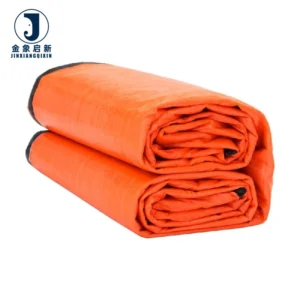
Factory 12ftx20ft Construction Cold Weather Insulated Pe Tarps Poly Tarp Heavy Duty Concrete Curing Blanket Tarpaulin Roll Sheet
¥0.66 Add to cart