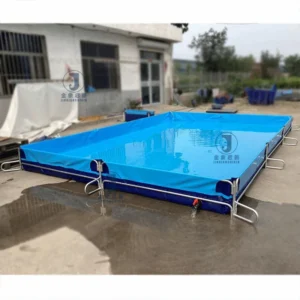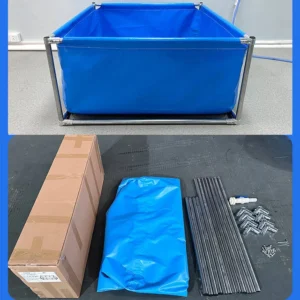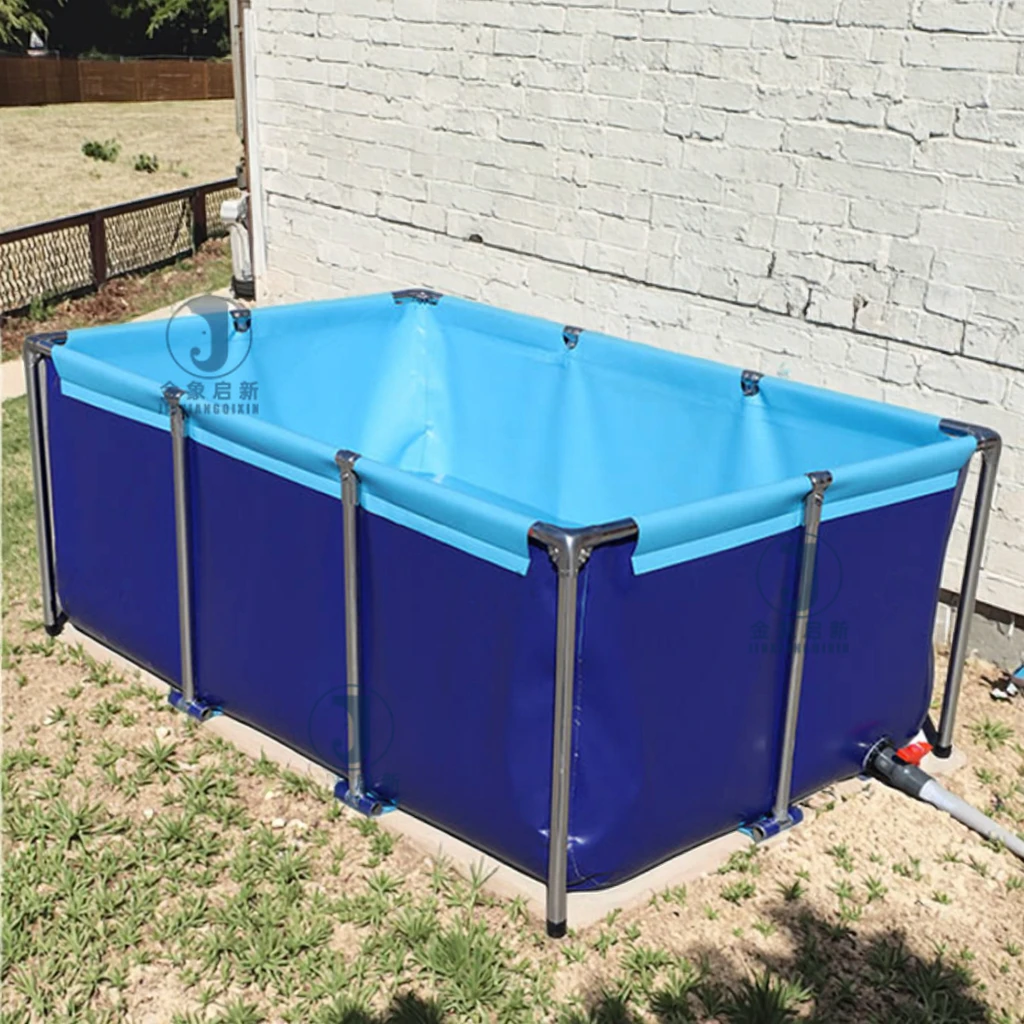
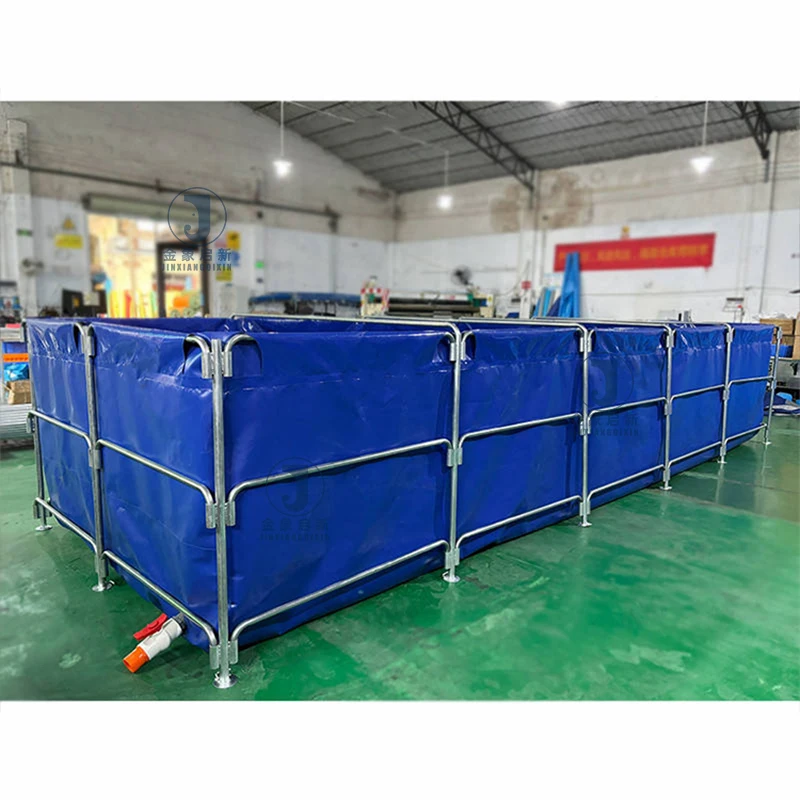
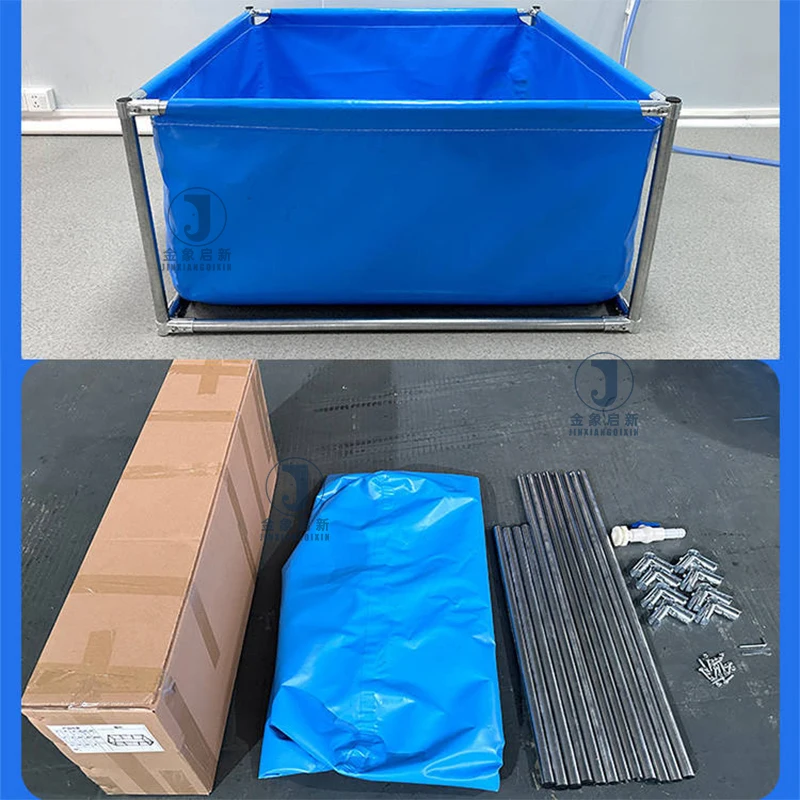
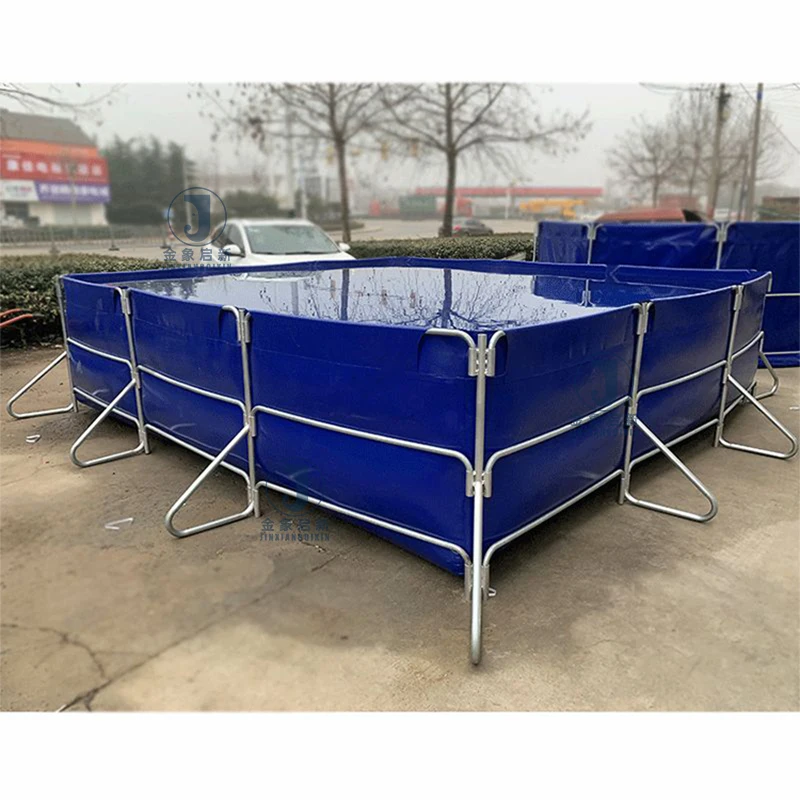
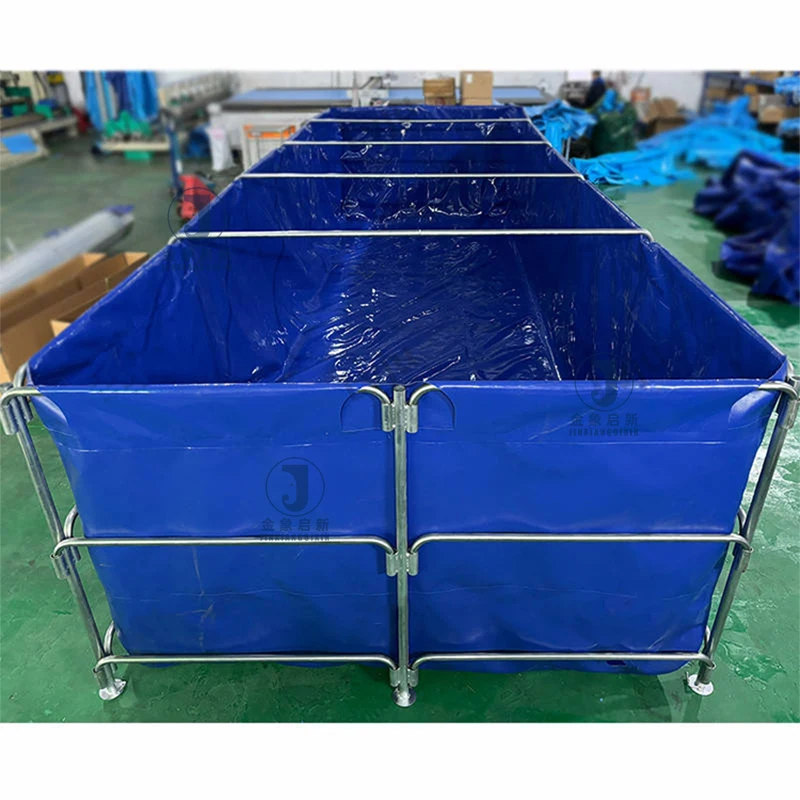
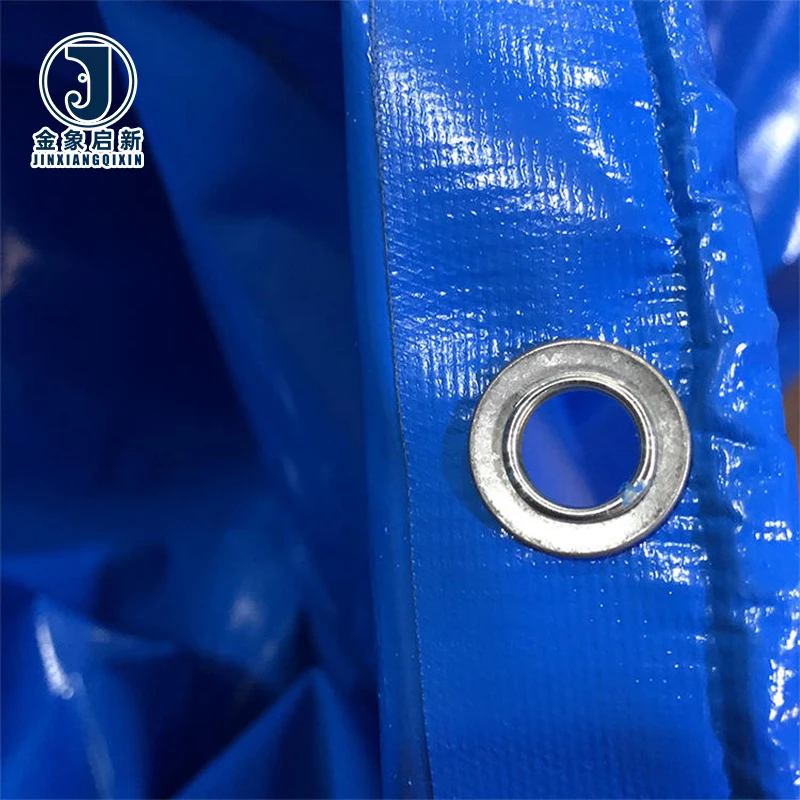
PVC Coated Tarpaulin Roll for Fish Pond — polyester base with double-sided PVC coating, 350–900 GSM range, smooth leather-like surface. Engineered for aquaculture and reservoir lining, where GSM accuracy and weld integrity define long-term water containment performance. Hot-air-weldable seams resist separation at stress points under continuous submersion. Backed by nearly 30 years of coated fabric process control and 100% pre-shipment inspection on every roll.
Description
Coating Weight Control — Every roll of PVC Tarpaulin Roll for Fish Pond is verified against the stated GSM before it leaves the production floor, eliminating the weight shortfall that causes pond liner failures in the first season.
Technical Specifications
| Parameter | Value |
|---|---|
| Product Type | PVC Coated Tarpaulin |
| Base Fabric | High-Tenacity Polyester |
| Coating | Double-Sided PVC |
| Yarn Count Options | 500D×840D / 500D×1000D / 1000D×1000D / 1000D×1300D / 1300D×1300D / 1000D×2000D |
| Weight Range | 350 / 400 / 420 / 500 / 600 / 650 / 750 / 900 GSM |
| Thickness Options | 0.29mm / 0.32mm / 0.38mm / 0.44mm / 0.46mm / 0.55mm / 0.65mm |
| Weave Density | 30×19 / 20×20 / 30×15 |
| Tensile Strength (Warp) | 1650N – 3900N |
| Tensile Strength (Pick) | 1600N – 3500N |
| Surface Finish | Smooth, leather-like texture |
| Key Features | Water Resistant, Waterproof, Anti-UV, Flame Retardant (customizable), Abrasion Resistant, Anti-Bacteria |
| Repair Method | Hot air welding |
Application Suitability
| Application | Exposure & Requirement |
|---|---|
| Commercial fish pond lining | Permanent water contact, hydrostatic pressure, substrate puncture risk, aquatic life safety |
| Shrimp and aquaculture tanks | Constant immersion, bacterial growth prevention, chemical treatment exposure |
| Agricultural water reservoirs | UV exposure, seasonal temperature fluctuation, soil chemistry, mechanical abrasion from filling |
| Regional distributor roll stock | Batch consistency across multiple rolls, predictable yield per roll for contractor cutting |
Why GSM Alone Does Not Tell You How Strong the Liner Is
A heavier PVC tarpaulin roll for fish pond lining is only as reliable as the coating adhesion and base fabric weave holding it together.
I once shipped a batch of pond liner to a South American aquaculture operation that specified a mid-weight grade with anti-bacteria treatment. The material they received on site measured noticeably lighter than what the paperwork stated. The entire shipment was rejected. Since then, I have insisted on verifying every roll against the quoted specification before it is cleared for dispatch. [NEED_CITE: tensile and tear test methods for coated fabrics per ISO 1421] When you are lining a pond that will hold livestock worth thousands of dollars, a shortfall in coating weight does not just mean thinner material — it means compromised waterproof integrity and a liner that degrades faster under constant immersion.
How Coating and Base Fabric Combine to Hold Water
The double-sided PVC coating applied over a high-tenacity polyester base creates a continuous waterproof barrier that prevents leakage at every point of contact. For a PVC tarpaulin roll for fish pond use, this construction is what allows the material to sit in permanent contact with water without delamination. The polyester yarn structure provides the tensile backbone, while the PVC encapsulation seals the weave completely, so water cannot migrate through the fabric body even under hydrostatic load.
Welded Seams That Match the Fabric Life
Hot air welding is the standard joining method for pond liner installations, and the seam must outlast the membrane itself. In this material, the PVC coating formulation is designed to soften and bond consistently under controlled heat, producing a weld line that resists peeling when the pond floor shifts or when water pressure flexes the liner against the substrate. Weak welds are where most liner failures originate — not in the body of the fabric. [NEED_CITE: hot air welding parameters for PVC coated polyester fabrics]
Reading the Specification Sheet for Pond Liner Selection
The yarn count range from 500D×840D up to 1000D×2000D determines how the base fabric resists tearing once a puncture occurs — a heavier denier and tighter weave density such as 30×19 restrict tear propagation far more effectively than a looser 20×20 construction. Weight grades from 350 GSM through 900 GSM are available across this range, but the GSM figure alone does not dictate puncture resistance; a 600 GSM liner built on a 1000D×1000D base may outperform a 650 GSM liner on a lighter 500D×840D yarn in substrate abrasion scenarios. Thickness options spanning 0.29mm to 0.65mm give further indication of coating mass, which directly influences both flexibility during installation and resistance to sharp aggregate beneath the pond floor. Anti-bacteria and Anti-UV treatments are available in specific grades — confirm the treatment level required for your aquaculture application before placing the order.
What Happens When the Wrong Grade Goes Into the Ground
Specifying a lighter GSM than the pond conditions demand leads to early failure at the weld seams, where water pressure and substrate movement concentrate stress. If the anti-bacteria treatment is claimed on paper but not verified by a test report, biofilm buildup can accelerate liner degradation and affect stock health. Colour variation between rolls from the same shipment becomes visible once panels are welded side by side in a lined pond, forcing costly rework or panel replacement. [NEED_CITE: common failure modes in PVC pond liner installations] These are not hypothetical problems — they are the reasons consignments get rejected on arrival.
Why Source Pond Liner Rolls From This Production Line
Three full production lines and 36 sets of professional equipment allow bulk orders of PVC tarpaulin roll for fish pond projects to run with consistent coating weight from the first roll to the last. A 10-person R&D team develops custom width, colour and treatment samples within days, so you confirm the material before committing a full container. Every production stage carries dedicated QA/QC oversight, with a 100% pre-shipment inspection that catches GSM deviations before they reach your site. Nearly 30 years of focused coated fabric production underpins the process control that makes this consistency possible.
Documentation & Verification
- Material specification sheet stating GSM, base fabric denier, coating weight and colour reference per roll batch
- Anti-UV and anti-bacteria test reports supplied where treatment grades are specified for aquaculture compliance
- Pre-shipment inspection record confirming weight verification against the quoted specification
- Roll packing list detailing batch numbers for traceability across the full consignment
- ISO and CE certificates with certificate of origin and customs documentation included at dispatch
Fabrication, Handling & Storage
- Hot air welding temperature must be calibrated to the specific GSM grade to avoid burning through lighter 350 GSM sheets
- Store rolls upright on pallets to prevent permanent creasing in the 0.55mm and heavier thickness grades
- Allow cold-transported rolls to reach ambient temperature before unrolling to prevent coating crack on thicker grades
- Clean with mild detergent only — solvent-based cleaners can degrade the anti-bacteria surface treatment layer
- Field repairs use the same hot air welding method; carry matching PVC scrap from the original roll batch
- Plan panel cuts to minimise transverse welds, which are the primary stress points in pond floor installations
What to Specify When You Enquire
Provide the pond dimensions, the substrate type the liner will rest on, and whether the installation is for freshwater fish, shrimp or general water containment — this determines the GSM grade and treatment package we recommend. Confirm your target market so we can align any flame retardant or compliance documentation accordingly. If you need a custom width or colour matched to an existing project palette, state the roll count and we will prepare a sample for your approval before production begins.
Frequently Asked Questions
Q: How do I verify the GSM matches what was quoted once the rolls arrive?
A: We include a material specification sheet with every shipment stating the base fabric, coating weight and GSM per batch. Our pre-shipment inspection verifies each roll against the quoted weight before dispatch, and we recommend you conduct a spot check using a calibrated scale on site to confirm consistency against the documentation provided.
Q: Can you supply anti-bacteria and UV-treated liner with test reports for my project?
A: Yes — anti-bacteria and Anti-UV treatments are available as specified grades, and we attach the corresponding test reports to the shipment documentation. State the treatment requirement at inquiry stage so we can confirm the applicable grade and lead time for your aquaculture project.
Q: What is the minimum order for a custom width or colour pond liner roll?
A: Custom widths and colours carry a minimum that varies by GSM grade and coating formulation. Our R&D team develops samples within days so you can approve the material before committing to a production run. Share your required dimensions and colour reference at inquiry for a specific minimum and lead time.
Q: Do the welded seams hold up under long-term water exposure and substrate abrasion?
A: The double-sided PVC coating is formulated for consistent hot air welding, producing seams that match the fabric in waterproof integrity. For ponds with sharp aggregate substrate, we recommend selecting a heavier GSM grade with a tighter yarn count to reduce puncture risk at stress points near the weld lines.
Q: Can you send a sample before I commit to a full container order?
A: Yes, we develop samples within days for custom GSM, width, colour and treatment requirements. Approving a physical sample ensures the coating weight, surface finish and weld behaviour meet your installation standards before the full order enters production.
Related products
-
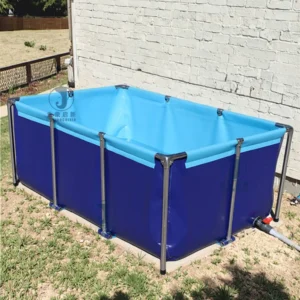
PVC Tarpaulin Roll for Fish Pond Lining – Custom Made
Read more -
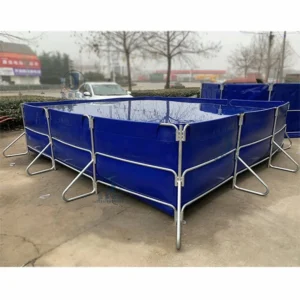
Custom PVC Tarpaulin Fish Pond Liner for Aquaculture
Read more -
Inflatable Swimming Pool Cover Rainproof Ground Outdoor Bathtub Waterproof Coated Blackout Organic Plain Tarpaulin Boys Girls PE
¥1.00 Select options This product has multiple variants. The options may be chosen on the product page -
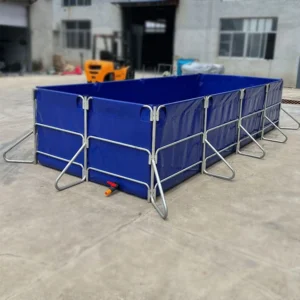
Foldable Circular Rectangular PVC Tarpaulin Fish Pond Tarpaulin for Fish tank
¥0.53 Select options This product has multiple variants. The options may be chosen on the product page