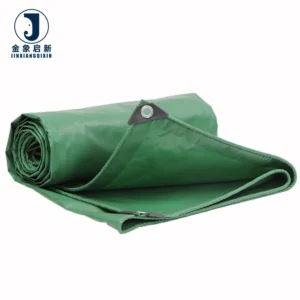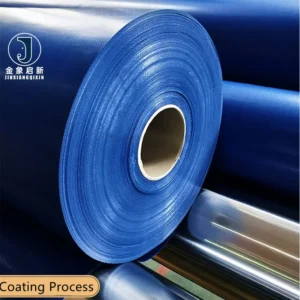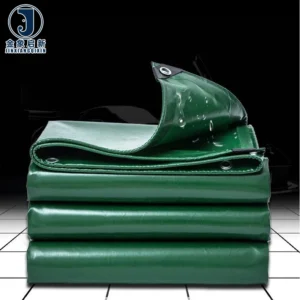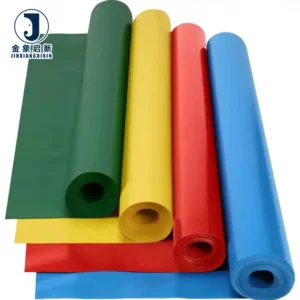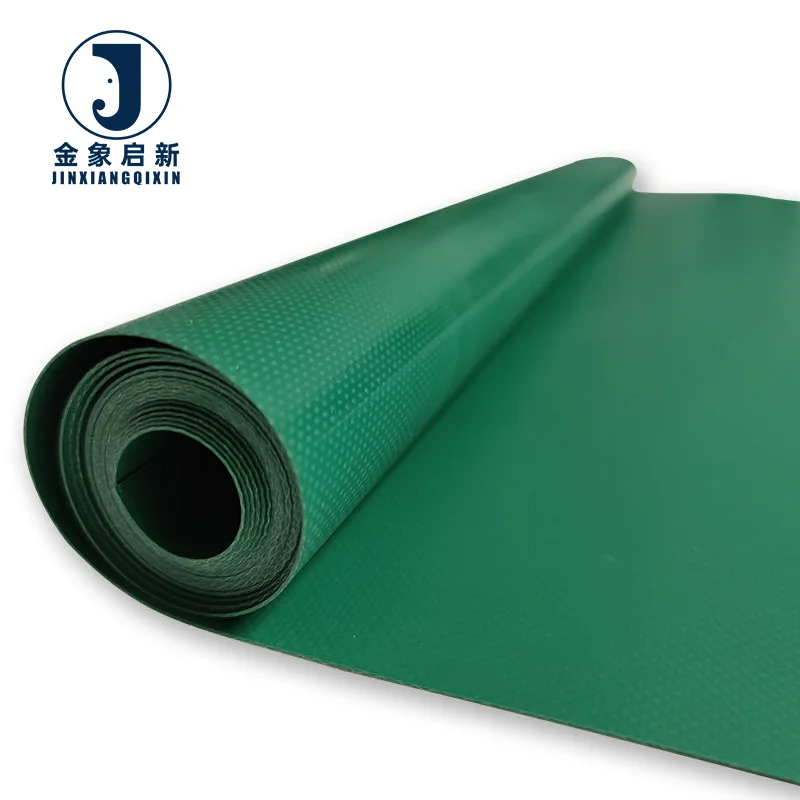
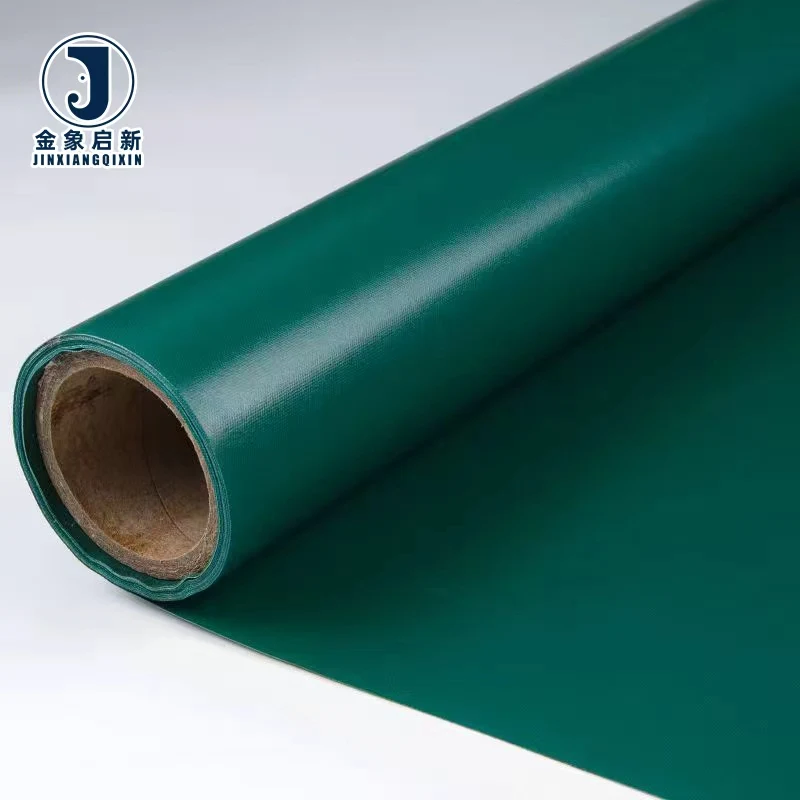
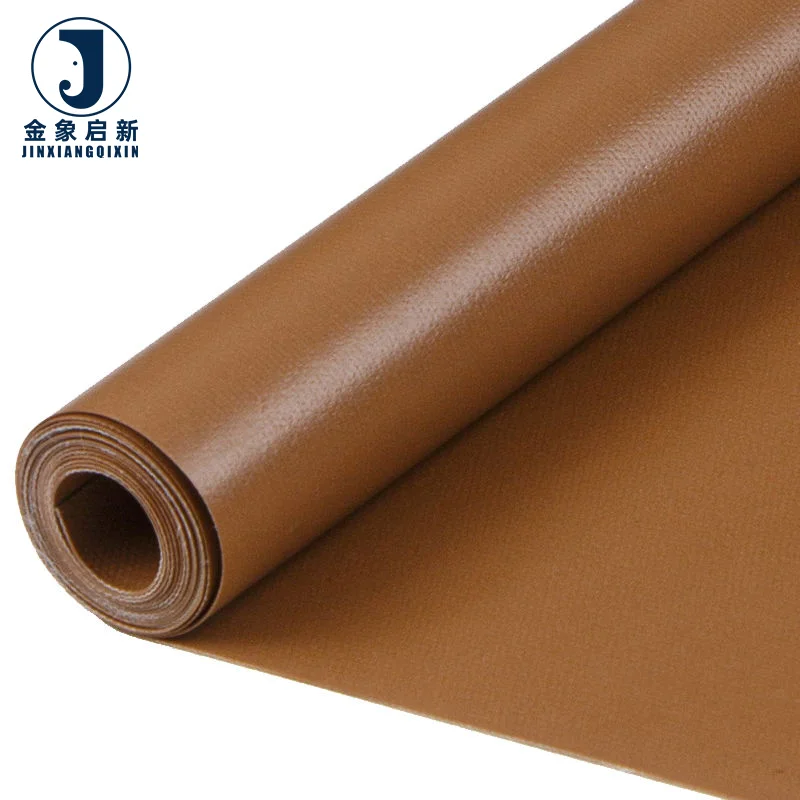
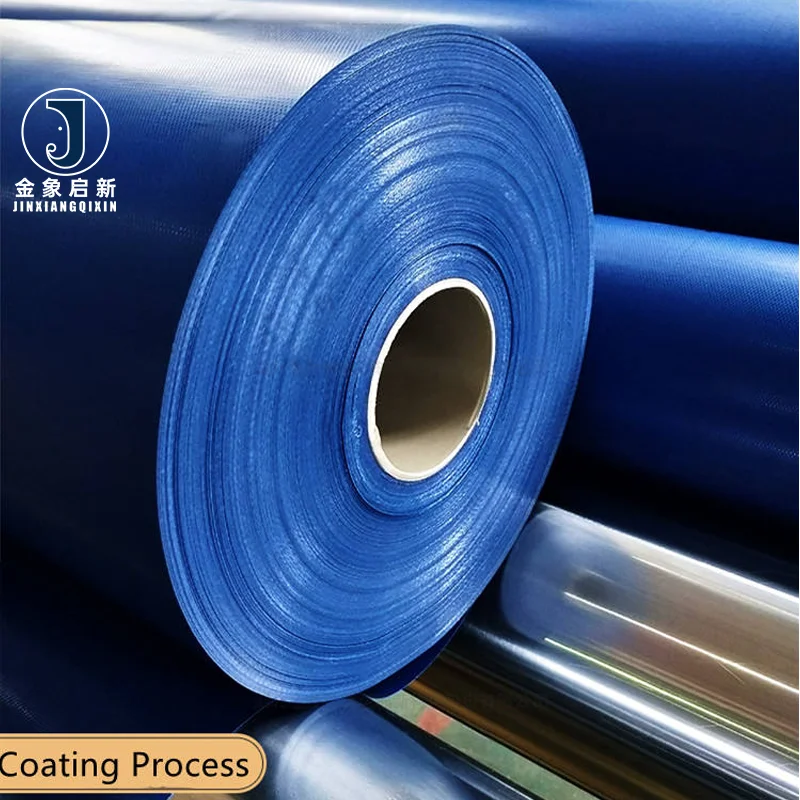
PVC Coated Tarpaulin Roll — 500D–2000D yarn count options, 0.29–0.65mm thickness, water resistant and anti-UV treated.
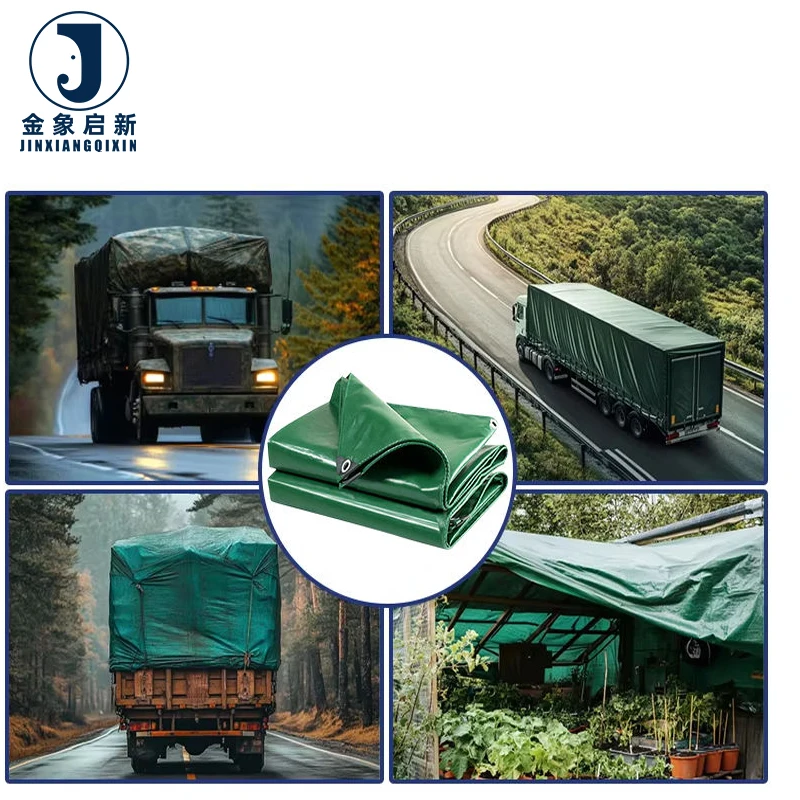
- Engineered for truck covers, awnings, and equipment protection across logistics and construction applications
- Coating weight and base fabric density jointly determine tensile and tear performance, selected per load and exposure conditions
- Supported by 30 years of coated fabric process control, 100% pre-shipment roll inspection, and dedicated QA at every production stage
Description
Complete Tarpaulin Range — A full spectrum of PVC coated tarpaulin rolls from lightweight to heavy-duty grades, backed by dedicated quality control at every production stage and custom sizing from design to delivery.
Technical Specifications
| Parameter | Value |
|---|---|
| Product Type | PVC Coated Tarpaulin |
| Base Fabric Denier | 500D×500D, 500D×840D, 500D×1000D, 1000D×1000D, 1000D×1300D, 1300D×1300D, 1000D×2000D |
| Weight (GSM) | 350, 400, 420, 500, 600, 650, 750, 900 (range covers product family — confirm the grade for this item) |
| Mesh Count | 30×19, 20×20, 30×15 |
| Total Thickness | 0.29 mm, 0.32 mm, 0.38 mm, 0.44 mm, 0.46 mm, 0.55 mm, 0.65 mm |
| Coating Material | PVC & Polyester |
| Tensile Strength – Warp | 1650, 1800, 1850, 2050, 2500, 2550, 2750, 3900 N (test basis not stated) |
| Tensile Strength – Weft | 1600, 1700, 1750, 1900, 2200, 2250, 2850, 3500 N (test basis not stated) |
| Flame Retardant | Available in flame retardant grades — confirm the grade required for your market |
| UV Treatment | Anti-UV treatment available — confirm test basis for your application |
| Waterproof Rating | Water resistant / Waterproof |
| Brittle Temperature | ≤ −50 to −60 °C |
| Softening Temperature | ≥ 80 °C |
| Melting Point | 212 °C |
| Density | 1.15–2.00 g/cm³ (source value — verify against manufacturer catalog) |
| Key Features | High-temperature heat-sealed seamless edge wrapping, 5 mm thick rope without splicing, 3 cm enlarged aluminum alloy buttonhole, reinforced corners |
Application Suitability
| Application | Exposure & Requirement |
|---|---|
| Truck and trailer side curtains | Constant flexing at load points, road debris abrasion, prolonged UV exposure, wind-driven rain ingress |
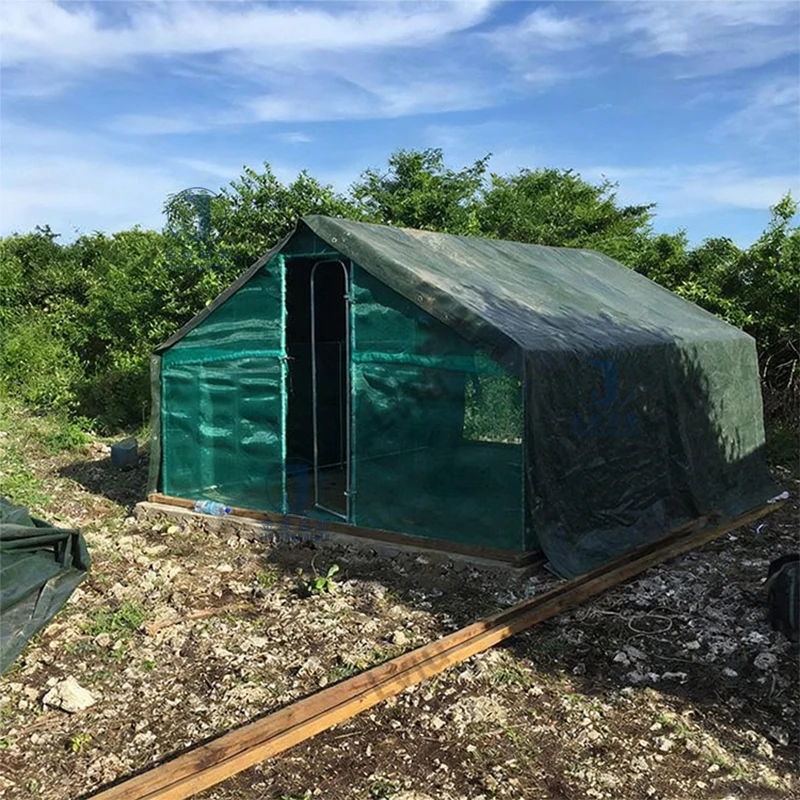
| Tent and awning structures | Seasonal weather cycling, sustained tension on frames, weld seam integrity under load |
| Construction site and equipment covers | Ground contact moisture, UV exposure on open sites, repeated deployment and folding |
| Machine and timber stock covers | Dust and moisture ingress, forklift handling abrasion, stacking pressure on folds |
| Balcony and terrace rain screens | Residential UV exposure, wind load on grommets, visible surface finish consistency |
| Garden and aquaculture pond liners | Permanent water contact, soil chemistry exposure, puncture risk from substrate |
Why Quoted GSM Does Not Guarantee On-Arrival Performance
The number on the quotation only matters if it is verified roll by roll before the container is sealed.
Buyers frequently open a shipment and find the PVC coated tarpaulin roll feels lighter than expected. The stated weight was 650 GSM on paper, but a quick scale check on a cut sample shows it closer to a lower grade. This gap between quoted and actual weight is one of the most common disputes in coated fabric procurement. It is not always deliberate; coating weight can drift during a long production run if in-process checks are spaced too far apart. A reliable PVC Coated Tarpaulin manufacturer prevents this through continuous weight monitoring at each stage of the coating line, not just a final spot check. [NEED_CITE: ISO 1421 tensile and tear test methods for coated fabrics]
Weight Verification That Closes the Gap Between Quote and Delivery
Every Custom PVC Tarpaulin Roll produced on these lines goes through a dedicated QA checkpoint where a full-width sample is cut and weighed against the specification sheet. This is not a random roll pulled from a pallet; it is a systematic check tied to the production batch number. When you receive your documentation pack, the pre-shipment inspection record shows the measured GSM for the rolls in your order, giving you a baseline to verify on arrival.
Coating Consistency Across Multi-Roll Orders
Colour drift between rolls in the same shipment is a frustration that surfaces only after installation, when two panels hang side by side on a trailer or awning frame. The PVC coating compound is mixed in controlled batches, and colour reference numbers are matched before the coating head is engaged. For large orders spanning multiple production runs, a retained sample from the first run is held against subsequent batches to flag any shift before the rolls are packed. [NEED_CITE: colour fastness evaluation methods for PVC coated textiles]
Reading the Specification Matrix for Truck Cover Applications
The denier of the base fabric — whether 500D×840D or 1000D×2000D — sets the tensile floor, but the mesh count and coating weight together determine how the fabric behaves when a truck side curtain flexes in crosswind. A heavier coating on a looser weave may resist water better but can crack at the fold line in cold weather. Conversely, a tight mesh with a lighter coat gives a supple hand but may not carry the tie-down load at the grommet. Selecting the right combination from the available range depends on the trailer model, the route climate, and the fastening system in use.
What Happens When the Weld Fails Before the Fabric Does
A side curtain that tears along a welded seam while the body of the fabric is intact points to a process mismatch, not a material defect. High-frequency or hot-air welding relies on the PVC coating reaching the right plasticity window; too much heat degrades the polymer, too little leaves a cold bond that peels under the first load cycle. The heat-sealed edge wrapping and reinforced corner construction on these rolls are designed to direct stress away from the weld line, but the fabricator’s welding parameters must match the specific GSM and coating formulation being joined. [NEED_CITE: hot-air welding parameters for PVC coated polyester fabrics]
Sourcing Coated Fabric Rolls Without the Usual Compromises
Three full production lines and 36 sets of professional equipment provide the capacity to run bulk roll orders while still accommodating custom width and colour requests. The ten-person R&D team develops samples within days for non-standard specifications, so you can confirm hand, colour, and weld behaviour before committing to a production run. Every roll is inspected before dispatch, and the documentation package includes the material specification sheet, test reports where applicable, and a packing list that ties each roll to its batch. This level of process control is what separates a dependable PVC Coated Tarpaulin manufacturer from a trader forwarding unverified stock.
Documentation & Verification
- Material spec sheet stating exact GSM, base fabric denier, and coating weight for the batch supplied
- UV and flame retardant test reports provided where the selected grade carries a certified rating
- Pre-shipment inspection record showing measured weight and visual check per roll
- Roll packing list cross-referencing batch numbers to the purchase order line items
- Certificate of origin and customs documentation prepared for the destination country
Fabrication, Handling & Storage
- Set hot-air welder temperature to match the selected GSM grade; heavier coatings need a wider heat window to fuse without scorching.
- Space the 3 cm aluminum alloy buttonholes no further than the tie-down strap interval to distribute load across the reinforced hem.
- Store rolls upright on a flat pallet to prevent edge creasing that can leave permanent marks on lighter-weight grades.
- Allow cold-stored rolls to reach ambient temperature before unrolling to avoid coating micro-cracks below the brittle point.
- Use mild detergent and a soft brush for cleaning; solvents can soften the PVC coating and compromise surface finish.
What to Include in Your Inquiry
Provide the trailer or structure dimensions, the exposure conditions your covers will face, and the target market so the correct flame retardant or UV grade can be selected. If you need a specific colour reference or custom width, state the annual volume and whether you require finished cut sizes or roll stock only. Requesting a sample at the quoting stage allows you to verify weld compatibility and colour before the production run begins.
Frequently Asked Questions
Q: How is GSM weight verified before the rolls ship?
A: A full-width sample is cut from each production batch and weighed on a calibrated scale against the stated specification. The measured value is recorded on the pre-shipment inspection report included in your documentation pack, so you have a reference to cross-check on arrival at your warehouse.
Q: Can colour consistency be maintained across a multi-roll order?
A: Coating compound is mixed to a single colour reference for the entire batch. A retained sample from the first production run is compared visually against subsequent runs. Any shift detected at this checkpoint is corrected before the rolls proceed to packing.
Q: What test reports come with UV-treated or flame retardant grades?
A: Where a specific UV or flame retardant grade is selected, the corresponding test report is included in the documentation pack. Confirm the standard required for your destination market — such as DIN 4102, NFPA 701, or a local building code — so the correct grade is specified from the available range.
Q: What are the minimums for custom width and colour orders?
A: Minimum order quantities vary by the width, colour, and treatment combination requested. Custom options are sampled first to confirm specifications, and the quotation will state the minimum roll count and lead time based on the production schedule at the time of inquiry.
Q: How should I weld seams on heavier GSM grades?
A: Heavier coatings require a broader heat window and longer dwell time to reach full plasticity at the bond line. Test a short weld on a scrap piece of the same batch, then perform a peel test. Adjust temperature and speed until the substrate tears before the weld separates.
Related products
-
PVC Tarpaulin Industry Fabric PVC Tarpaulin 620gsm for Fish Pond Factory Swimming Pools Cover PE Tarpaulin
¥0.90 Select options This product has multiple variants. The options may be chosen on the product page -
Heavy Duty Fire Retardant Waterproof PVC Coated Tarpaulin Rolling Tarp Materials for Truck Cover Tents Outdoor Usage
¥1.40 Add to cart -
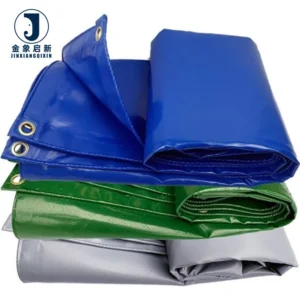
Best Quality 650gsm Waterproof Polyester Heavy Duty Bache PVC Tarpaulin Manufacturer
¥1.25 Select options This product has multiple variants. The options may be chosen on the product page -
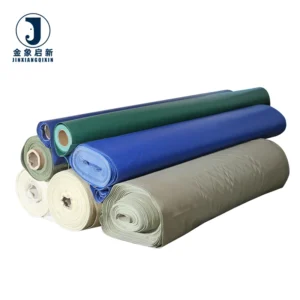
Awning and Tents Waterproof Fabric PVC Tarpaulin
¥1.50 Add to cart