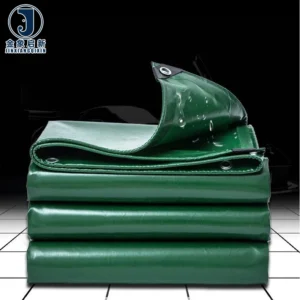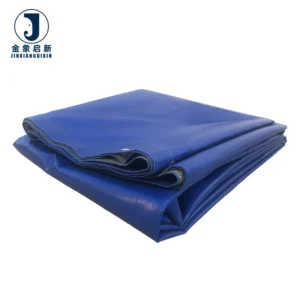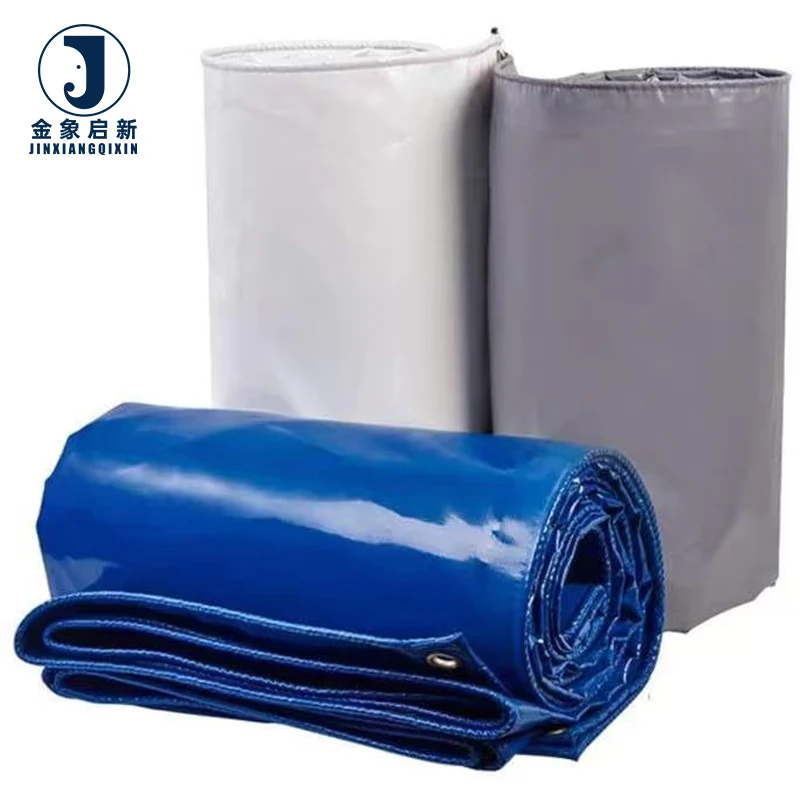
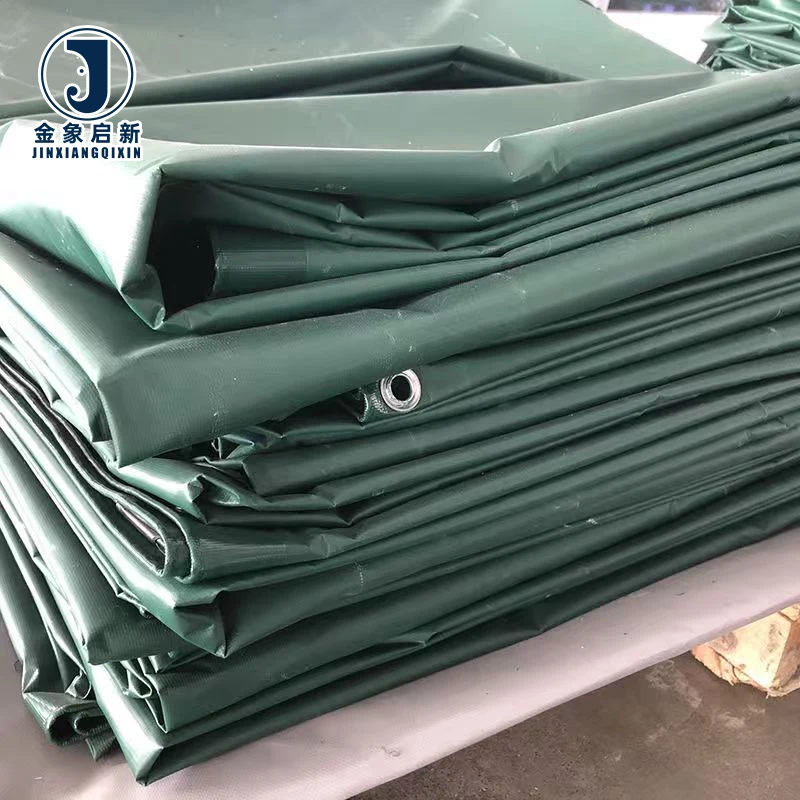
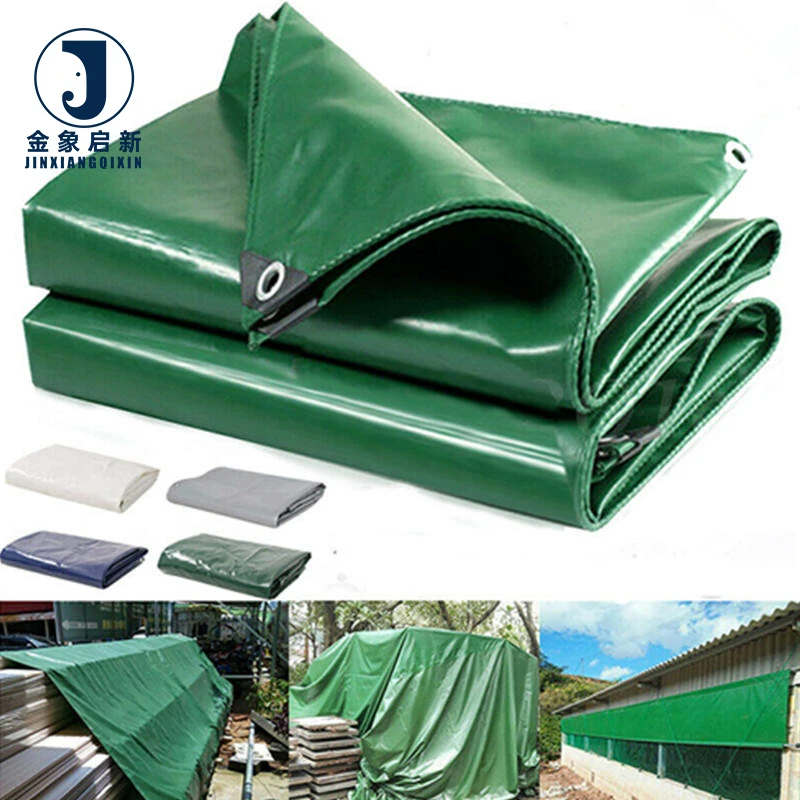
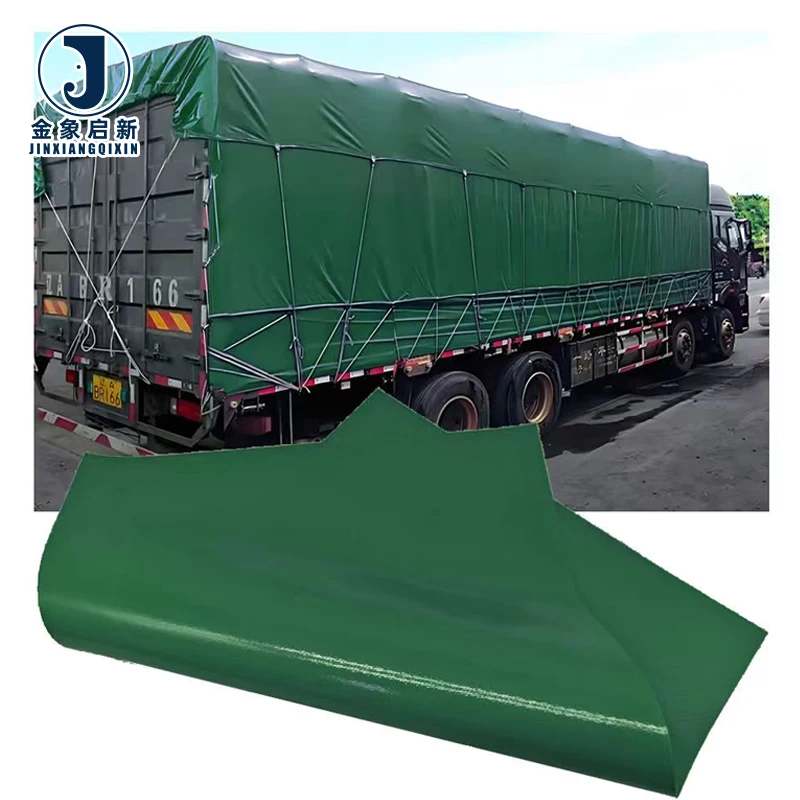
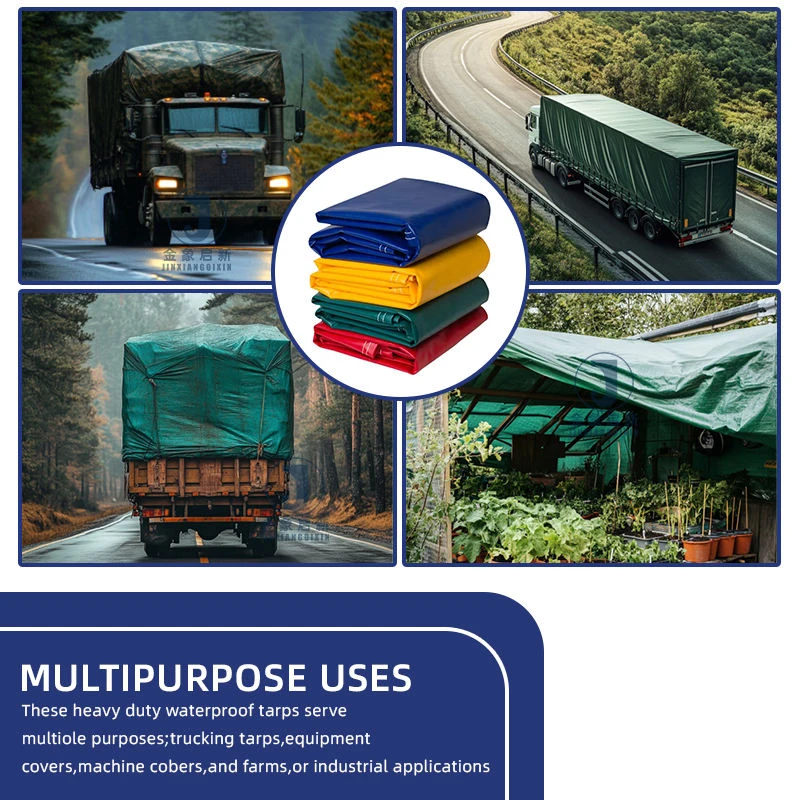
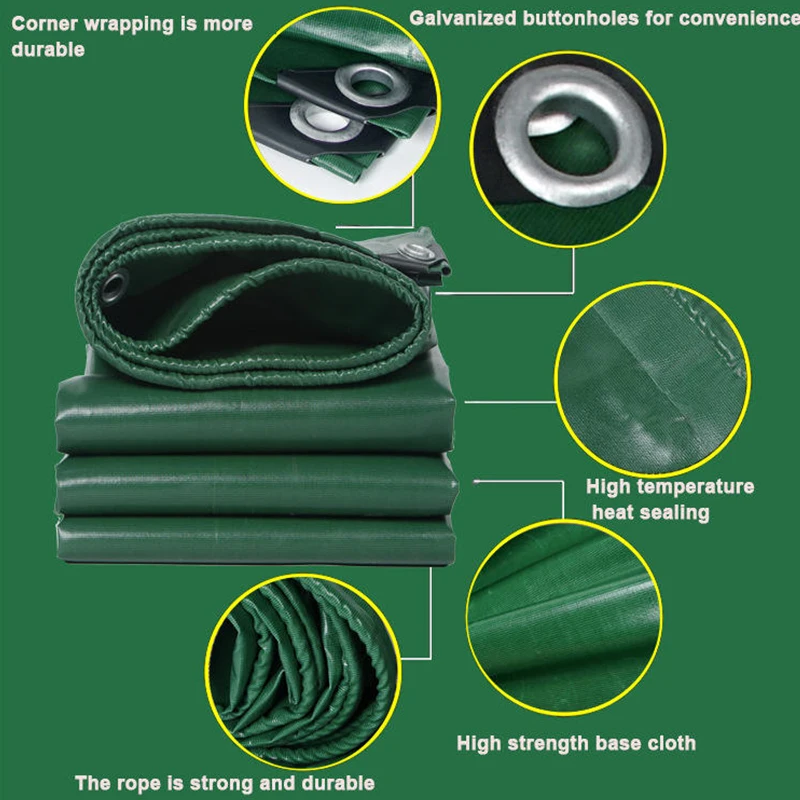
PVC Tarpaulin Roll — waterproof, anti-shrink, UV resistant and flame-retardant industrial fabric for truck side curtains, lorry covers and tent manufacturing.
- Multiple GSM grades available with deep process control over coating weight and adhesion across three full production lines, ensuring roll-to-roll colour consistency
- Full treatment options including anti-UV and flame-retardant grades, each backed by test report documentation
- Custom width, colour, eyelet placement, reinforced hems and pattern printing handled in-house with samples developed within days
100% pre-shipment inspection with material specification sheet, roll packing list and certificate of origin for full traceability on every order.
Description
Coating Weight Precision — every roll of PVC tarpaulin passes inline GSM verification before leaving the line, ensuring the fabric you specify is the fabric you receive.
Technical Specifications
| Parameter | Value |
|---|---|
| Product Type | PVC Tarpaulin Roll |
| Material | PVC Coated Fabric |
| Waterproof | Yes |
| Anti-Shrink | Yes |
| Flame-Retardant | Available in flame-retardant grades — confirm the grade required for your market |
| UV Resistant | Available with anti-UV treatment — test report provided on request |
| Grade | Industrial / Heavy Duty |
| Key Features | Waterproof, anti-shrink, flame-retardant options, UV resistant options |
Application Suitability
| Application | Exposure & Requirement |
|---|---|
| Truck side curtains | Constant flexing at load points, road debris abrasion, prolonged UV exposure, repeated tension from tie-downs |
| Lorry and trailer covers | Wind-load cycling, weather sealing across long spans, thermal expansion and contraction on metal frames |
| Tent and marquee fabric | Multi-day outdoor exposure, wind gust loading, repeated assembly and disassembly stress on seams |
| Industrial fabric covers | Dust and moisture ingress protection, equipment shape conformity, chemical splash resistance in workshop environments |
Why Roll-to-Roll Colour Consistency Matters More Than You Think
A single mismatched roll can halt a full production run and force a costly re-order.
Fabricators cutting side curtains from multiple rolls quickly spot a colour shift when two panels hang side by side on the same trailer. Fleet operators reject the entire vehicle wrap, and the fabricator absorbs the waste, the re-cut labour, and the delayed delivery. I have watched a three-roll order get sent back because the middle roll sat half a shade off the other two — no one checked the batch dye lot before shipping [NEED_CITE: colour tolerance standards for PVC coated textiles in transport applications].
When you source a PVC Tarpaulin Roll aftermarket supplier, the quoted colour reference is only the starting point. What matters is whether the mill holds that reference across every roll in your order, especially when the volume spans multiple production batches.
How Coating Weight Control Prevents Field Failures
Coating weight directly governs how the fabric behaves under tension, how well it accepts a welded seam, and how long it resists abrasion at high-flex zones like curtain buckles and tie-down loops. On our three production lines, the PVC paste viscosity and knife gap are monitored continuously so that the stated GSM holds from the first metre to the last metre of every roll. A PVC Tarpaulin Roll that drifts below its target weight will show premature wear exactly where the load flexes most, long before the base fabric itself reaches its tensile limit.
Treatment Documentation You Can Actually Verify
Anti-UV and flame-retardant claims are easy to print on a quotation and hard to prove once the goods arrive. For every roll that leaves the facility, we match the treatment specification to a test report — UV stabiliser concentration verified through accelerated weathering, flame-retardant grade confirmed through the relevant classification test [NEED_CITE: flame-retardant classification methods for flexible PVC coated fabrics]. If your local regulation demands a specific fire class for tent or transport fabric, we align the formulation to that class before production starts, not after the goods are rejected at the border.
Reading the Specification Sheet Beyond the GSM Number
GSM alone tells you how much material is on the roll, but it does not tell you how that material is distributed. A heavy coating over a low-denier base fabric may hit the target weight yet tear easily along the warp because the yarn count is too sparse to stop a rip from propagating. Conversely, a tight weave with a lighter coating can outperform a heavier but loosely woven fabric in tear resistance. The balance between base fabric denier, weave density, and coating weight is what determines real-world performance.
Surface finish — glossy or matte — influences more than appearance. A glossy surface sheds dirt and water more readily, which matters for truck side curtains that must stay clean for fleet branding. A matte finish reduces glare and improves ink adhesion for printed panels. The choice affects cleaning cycles and print longevity, not just aesthetics.
Width and roll length determine how many panels you can cut without a join. Wider stock reduces the number of welded seams in a large trailer curtain, and fewer seams mean fewer potential failure points under road vibration and wind load.
The Hidden Cost of Skipping Pre-Shipment Verification
When a roll arrives lighter than the quotation stated, the fabricator cuts and welds in good faith, only to find the seams splitting during the first tension test. The entire batch is scrapped, freight is wasted, and the delivery window collapses. I once traced a field failure back to a batch where the coating line speed had drifted, thinning the PVC layer just enough to pass a casual visual check but not enough to survive repeated flexing [NEED_CITE: relationship between coating adhesion strength and weld seam durability in PVC tarpaulins]. Colour inconsistency between rolls in the same order causes a different kind of loss — not structural, but cosmetic — and fleet branding standards leave no room for a visible shade difference across adjacent curtain panels.
What Makes This PVC Tarpaulin Roll Source Different
Three full production lines and 36 sets of professional equipment give us the capacity to run large-volume roll orders without outsourcing to secondary coaters who may not hold the same GSM tolerance. A 10-person R&D team develops custom width, colour, and treatment combinations in-house, turning sample requests around in days rather than weeks. Dedicated QA staff inspect every roll before dispatch — not a sampling audit, a full roll-by-roll check against the specification sheet. Pattern printing and branding are handled on the same line that coats the fabric, keeping colour registration and coating integrity under one quality system. The material specification sheet, test reports, and packing documentation ship with the goods, not weeks later by email.
Documentation & Verification
- Material specification sheet listing exact GSM, base fabric denier, and coating weight for each roll
- UV and flame-retardant test reports matched to the treatment grade specified on your order
- Pre-shipment inspection record confirming weight and colour against the approved reference
- Roll packing list with individual roll numbers for full traceability through your warehouse
- Certificate of origin and customs documentation prepared for cross-border shipment
Fabrication, Handling & Storage
- Hot-air weld temperature must match the PVC coating weight — heavier grades need higher heat input for full seam penetration
- Store rolls upright on pallets in a shaded, ventilated area to prevent flat-spot deformation on the coating surface
- Unroll in ambient temperatures above 5 °C to avoid micro-cracking in the PVC layer during handling
- Use rotary blade cutting rather than shears to keep edges clean and prevent delamination at the cut line
- Clean finished curtains with mild pH-neutral detergent; solvent-based cleaners can soften the plasticiser in the coating
- Allow welded seams to cool fully under pressure before folding or rolling to maintain bond strength
How to Structure Your Enquiry
Tell us the end-use application — truck side curtain, tent panel, or industrial cover — along with the exposure conditions the fabric will face. Specify the width and roll length that suits your cutting layout, and indicate any flame-retardant or anti-UV treatment required by your local market regulation. If colour matching to an existing fleet livery or printed branding is needed, send the reference so we can develop a sample before bulk production begins.
Frequently Asked Questions
Q: How do you guarantee the GSM matches what is stated on the quotation?
A: Every roll undergoes inline weight verification during production and a second check during pre-shipment inspection. We record the actual GSM for each roll on the packing list so you can cross-reference it against the specification sheet before the goods leave our facility.
Q: Can I get test reports for UV resistance and flame-retardant treatment?
A: Yes. When your order specifies UV or flame-retardant treatment, we supply the corresponding test report documenting the classification achieved. Confirm the exact grade your market requires so we align the formulation before production starts.
Q: What is the lead time and minimum order for custom width or colour?
A: Custom widths and colours carry a typical multi-week lead time depending on batch size and treatment complexity. We provide a confirmed schedule with the quotation. Sample rolls are developed within days for your approval before full production is committed.
Q: How do you ensure colour consistency across multiple rolls in one order?
A: All rolls in a single order are produced from the same dye batch and checked against the approved colour reference during pre-shipment inspection. If your volume requires multiple production runs, we hold the reference standard and verify shade continuity between batches.
Q: What documentation ships with the order?
A: Each shipment includes a material specification sheet, relevant UV or flame-retardant test reports, a pre-shipment inspection record, a numbered roll packing list, and a certificate of origin. Additional customs documentation is prepared based on the destination country requirements.
Related products
-
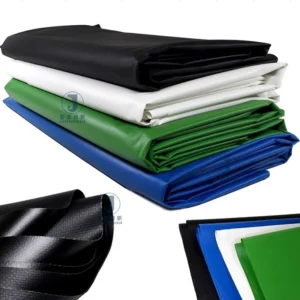
Custom Reinforced Edges Rip-Stop Rubberized PVC Tarpaulin Industry Covering Vinyl Coated Polyester Tarps for Trucks
¥8.00 Select options This product has multiple variants. The options may be chosen on the product page -
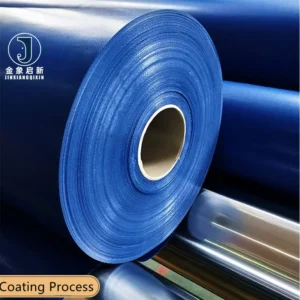
Best Quality 650gsm Waterproof Polyester Heavy Duty Bache Pvc Tarpaulin
¥0.53 Add to cart -
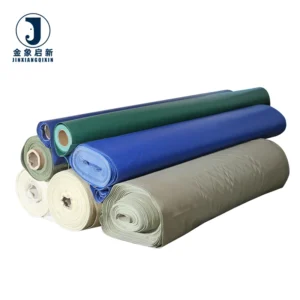
Awning and Tents Waterproof Fabric PVC Tarpaulin
¥1.50 Add to cart -
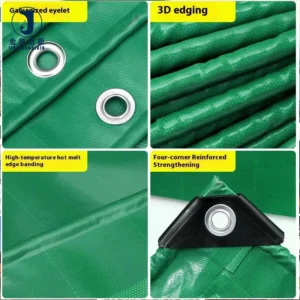
PVC Tarpaulin Waterproof Triangular Tarpaulin Folha De Tarpaulina Truck Tarpaulin
¥0.90 Select options This product has multiple variants. The options may be chosen on the product page