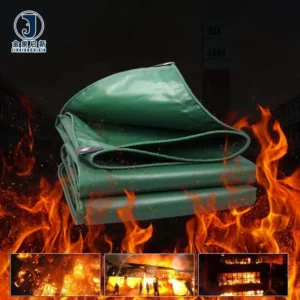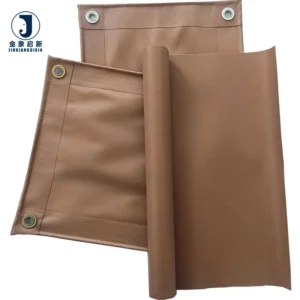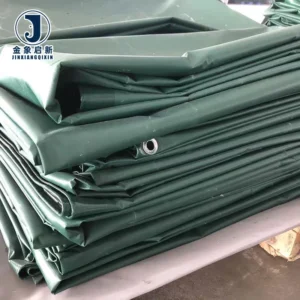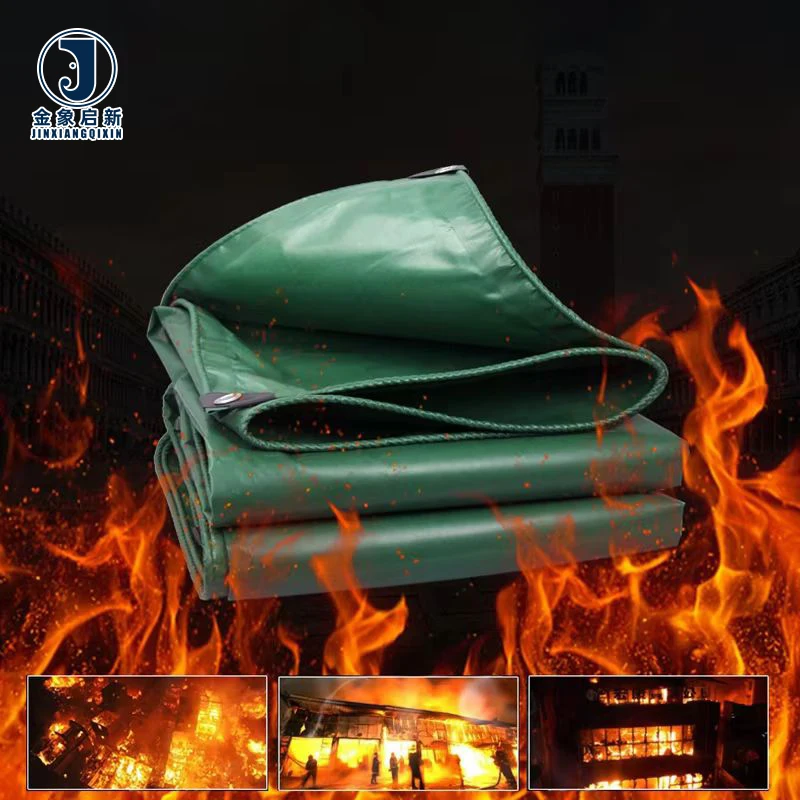
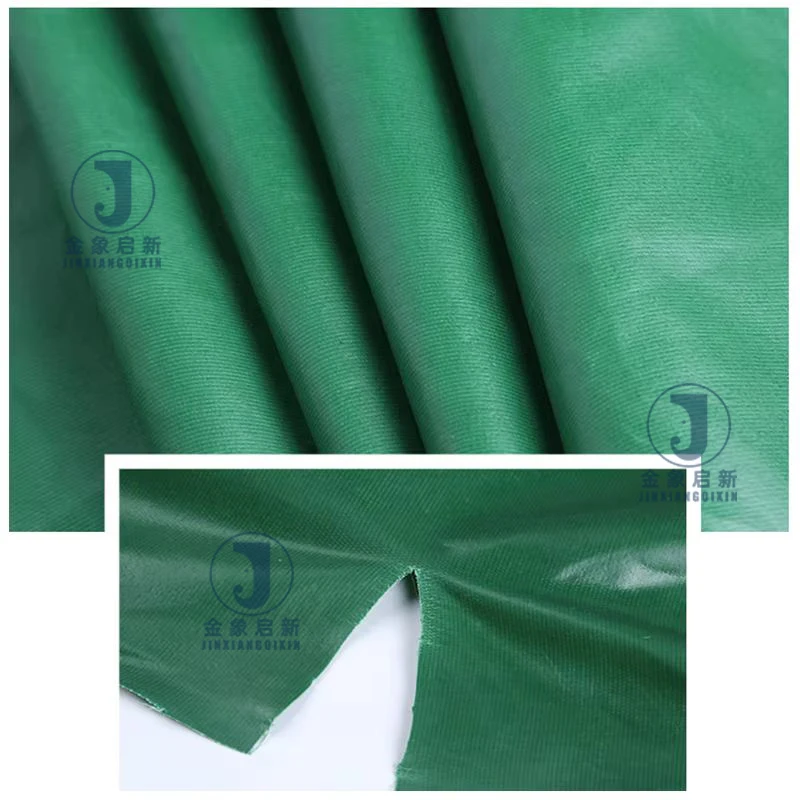
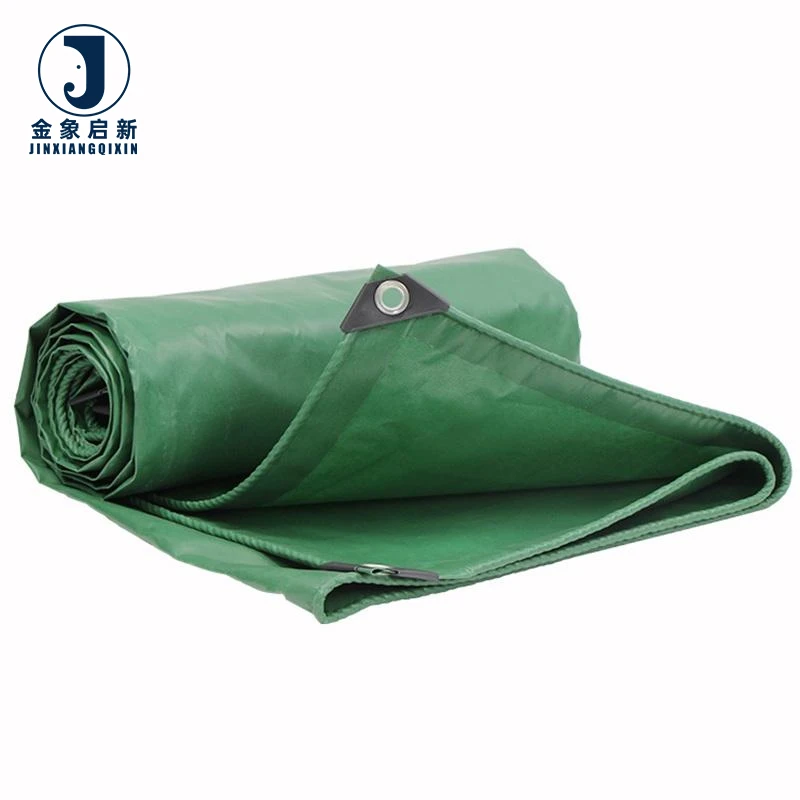
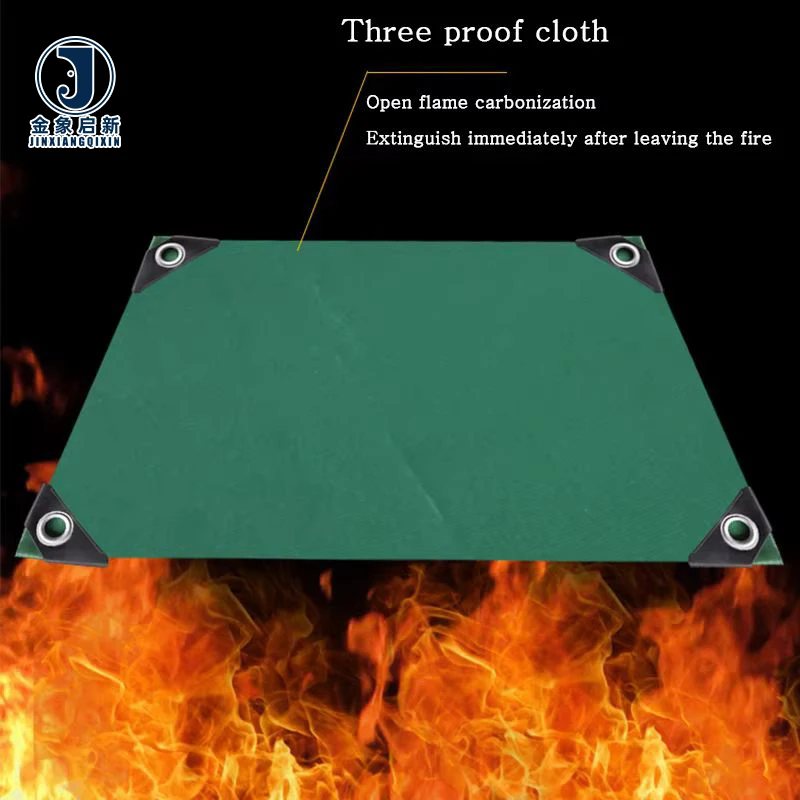
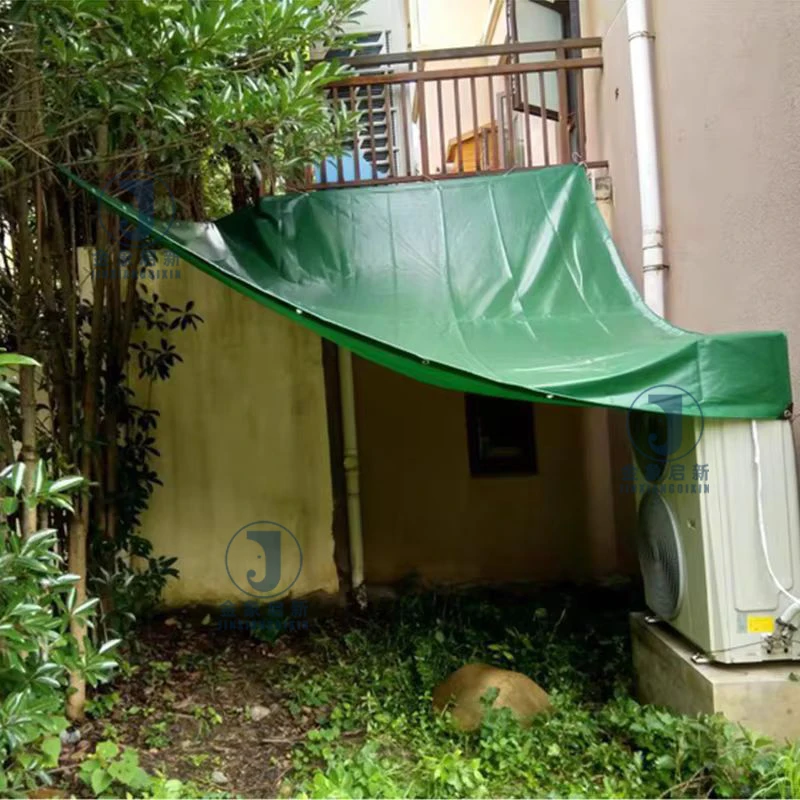
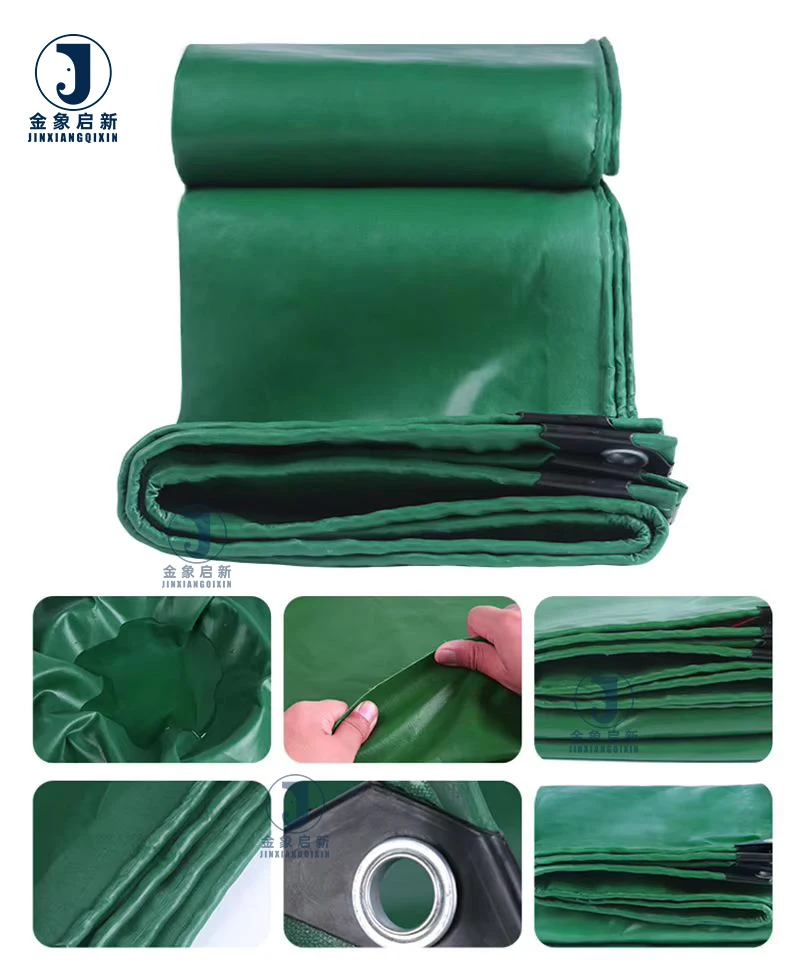
Waterproof Fire Retardant PVC Coated Tarpaulin Cover — 500D-500D polyester base with double-sided PVC coating, delivering water resistant, flame retardant and anti-UV performance for truck, trailer, awning and tent applications.
- Double-sided PVC coating on a 500D polyester weave provides balanced tensile strength and reliable heat-welded seam integrity at flex points.
- Custom cut sizes, eyelet placement and reinforced hems available to match specific vehicle models or structure dimensions.
- Flame retardant and anti-UV treatments verified by test report included with shipment documentation.
Backed by 100% pre-shipment inspection, dedicated QA at every production stage, and samples developed within days for custom requirements.
Description
Custom Coating Control — Our 10-person R&D team tests every roll of waterproof fire retardant PVC coated tarpaulin before it leaves the line, adjusting heat-seal parameters on the spot to prevent weld failure under real-world load stress.
Technical Specifications
| Parameter | Value |
|---|---|
| Product Type | PVC Coated Tarpaulin |
| Base Fabric | 500D×500D Polyester |
| Coating Material | PVC (Polyvinyl Chloride) |
| Water Resistance | Fully waterproof coated construction |
| Flame Retardant | Available in flame retardant grades — confirm the grade required for your market |
| UV Treatment | Anti-UV treatment available — test report provided upon confirmation of grade |
| Certifications | ISO, CE |
| Packaging Options | Roll packing, bale packing, carton |
| Custom Options | Width, length, colour, eyelet placement, reinforced hems |
Application Suitability
| Application | Exposure & Requirement |
|---|---|
| Truck and trailer side curtains | Constant flexing at tie-down points, road abrasion, sustained UV exposure, weather sealing under highway speeds |
| Construction site equipment covers | Prolonged outdoor storage, wind-driven rain, dust ingress, flame retardant compliance for site regulations |
| Tent and awning fabrication | Repeated folding and unfolding, solar degradation, seam welding integrity across long panel runs |
| Wood and machinery weather protection | Moisture ingress prevention, UV-stable colour retention during multi-season outdoor storage |
Why a Material Spec Sheet Matters More Than the Quoted GSM
A quoted GSM figure without a verified coating weight breakdown tells you almost nothing about how the fabric will perform once it is cut, welded and hung on a truck.
Many buyers receive PVC coated tarpaulin that arrives lighter than agreed, only to discover the shortfall at the welding table when the seam peels under tension. The base fabric denier and the coating adhesion together determine whether the material survives its first winter on a trailer. I have watched rolls come in with the right number on the label but a coating layer so thin that heat-sealing burned straight through it. That is the kind of failure you only find after the cover is already installed and the truck is on the road. [NEED_CITE: tensile and tear test methods for coated fabrics per ISO 1421]
How the 500D Polyester Base Determines Real-World Tear Behaviour
The 500D×500D polyester yarn count provides the structural backbone of this PVC coated tarpaulin. Denier refers to the linear mass density of the yarn — a 500D yarn is substantially heavier than the 300D alternatives commonly found in lighter-grade covers. When a truck side curtain flexes at a tie-down point, the load transfers directly into the warp and weft yarns. A higher denier base resists tear propagation at these stress concentrations. For buyers sourcing this material as a PVC Coated Tarpaulin aftermarket supplier option, specifying the yarn count alongside the GSM ensures the base fabric itself can handle the mechanical demands of the application.
Double-Sided PVC Coating and What It Means for Weld Integrity
The double-sided PVC coating process encapsulates the polyester scrim on both faces, creating a continuous polymer layer that bonds to the yarns under heat and pressure. This construction is what gives the fabric its waterproof character and provides the material necessary for hot-air or wedge welding. When two panels are overlapped and heated, the PVC on each side melts and fuses together — the strength of that weld depends directly on coating thickness and adhesion to the base fabric. A coating that is too thin or poorly bonded will delaminate at the seam before the body of the fabric shows any sign of wear. [NEED_CITE: hot-air welding parameters for PVC coated polyester fabrics]
Reading the Specifications That Actually Affect Performance
The interplay between base fabric density, coating weight and surface finish determines how this PVC coated tarpaulin behaves in fabrication and service. The 500D×500D yarn count sets the tensile floor, but the actual tear resistance depends on how tightly those yarns are woven and how thoroughly the PVC penetrates the scrim during coating. A loosely woven base with heavy coating may show a respectable GSM on the scale yet tear easily because the yarns are not interlocked tightly enough to distribute load. Conversely, a densely woven base with moderate coating weight often outperforms a heavier but loosely constructed alternative. Anti-UV treatment sits within the coating layer itself, and its effectiveness depends on the additive concentration and the coating thickness that shields the underlying polyester from solar degradation. Flame retardant grades, where specified for your market, rely on chemical additives compounded into the PVC — the grade must match the compliance standard your end-user’s jurisdiction requires.
The Hidden Cost of Weld Failure at the Flex Point
When a truck cover is installed, the highest stress is not in the middle of the panel — it is at the welded seams where the fabric bends around corners and tie-down attachment points. If the heat-seal temperature or dwell time was not calibrated to the specific coating weight and thickness of this batch, the weld will crack after a few trips. I have seen this happen with a European fleet order where the PVC coated tarpaulin fabric itself was perfectly sound, but the welding parameters were carried over from a different product run. The seams split within weeks. Every roll now gets a test weld and a peel check before it ships. [NEED_CITE: seam strength testing for flexible coated fabrics]
Why Production Control Matters at Every Roll
This PVC coated tarpaulin is produced on one of three dedicated coating lines, with process parameters logged per batch. The 10-person R&D team handles material selection, colour matching and sample development in-house, which means a custom width or flame retardant grade does not require outsourcing to a third party. Pre-shipment inspection covers every roll for colour consistency, weld seam integrity and eyelet reinforcement where specified. Samples for custom requirements — whether a specific Pantone colour or a printed logo — are developed within days so that approval does not add weeks to the lead time. Batch colour is verified roll-to-roll before packing, preventing the visible mismatch that occurs when two rolls from the same order are hung side by side on a trailer or awning frame.
Documentation & Verification
- Material specification sheet confirming base fabric denier, coating type and stated GSM for each roll
- Flame retardant and anti-UV test reports included where the specified grade requires third-party validation
- Pre-shipment inspection record covering colour match, weld peel strength and eyelet pull-out checks
- Roll packing list with individual roll weights and dimensions for container loading verification
- Certificate of origin prepared per destination country customs requirements
Fabrication, Handling & Storage
- Set hot-air welder temperature based on the specific PVC coating thickness of this 500D base to avoid burn-through
- Reinforce eyelet positions with an extra PVC patch layer to distribute tie-down load across the polyester scrim
- Store rolls upright on end-caps to prevent flat-spot creases that weaken the coating along the fold line
- Allow cold-stored rolls to acclimatise to workshop temperature before unrolling to prevent PVC cracking
- Use mild detergent and soft brush on the coated surface — solvent-based cleaners degrade the PVC plasticiser layer
- Plan panel cutting layout to align weld seams with the warp direction for maximum tear resistance at joints
What We Need to Quote Accurately
To move from enquiry to sample, share the end-use application and the environmental exposure the cover will face — whether that is highway-speed wind loading on a truck curtain or permanent outdoor UV on an awning. Confirm the flame retardant grade or building code your market requires so we match the correct additive package. Specify the roll width and cut length you need, along with annual volume, so we can confirm lead time and production scheduling against our current line capacity.
Frequently Asked Questions
Q: How is the GSM verified on arrival against the quoted specification?
A: Each roll is weighed and measured before dispatch, and the actual GSM is recorded on the pre-shipment inspection report that ships with your order. You can cross-check this against the material specification sheet included in the documentation package. Any deviation outside the agreed tolerance is flagged before the goods leave the factory.
Q: Can flame retardant and anti-UV performance be supported with a test report?
A: Yes. Where a specific flame retardant grade or anti-UV treatment is confirmed for your order, the corresponding test report from a recognised laboratory is included with the shipment documentation. Specify the standard your market requires at the enquiry stage so we compound the correct formulation.
Q: What are the lead times and minimums for custom width or colour?
A: Custom widths, Pantone colour matches and printed branding are handled on our in-house coating and finishing lines. Minimum order quantities depend on the specific colour or width requested. Confirm your requirements at the sample stage and we will provide the production schedule before you commit.
Q: How is colour consistency maintained across multiple rolls in one order?
A: All rolls within a single production batch are compared against the approved colour reference under standardised lighting before packing. Rolls that fall outside the agreed tolerance are held back. This prevents the visible mismatch that appears when two panels are installed side by side on a truck or awning.
Q: What documentation ships with the order for compliance and customs clearance?
A: Your shipment includes a material specification sheet, relevant test reports, a roll packing list with individual weights, a certificate of origin and the pre-shipment inspection record. Additional customs documentation is prepared based on the destination country requirements you confirm at order placement.
Related products
-
Factory Direct Sale Flatbed Trailer Tarps Black Heavy Duty Lumber Pe Tarp Flatbed Truck Transportation Tarpaulin Roll Sheet
¥1.25 Select options This product has multiple variants. The options may be chosen on the product page -

Hotsale Custom China Supplier Super Strength Industrial Grade 680GSM RIPSTOP PVC Tarpaulin for Builders Roof Tarp and Sheeting
¥2.80 Add to cart -

450gsm Green Heavy-duty Waterproof Tarps & Groundsheets Pvc Tarpaulin
¥1.25 Select options This product has multiple variants. The options may be chosen on the product page -
Waterproof Custom 1000D 550GSM/900GSM Self Clean PVC Coated Tarpaulin for Truck. Tent. Roof Cover Flood Barrier
¥0.99 Select options This product has multiple variants. The options may be chosen on the product page