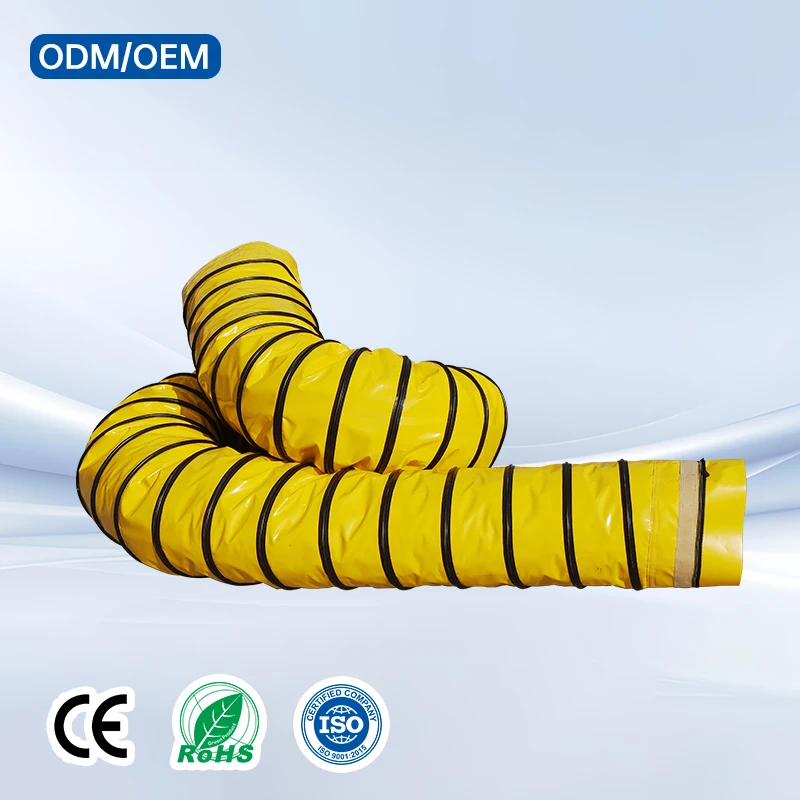
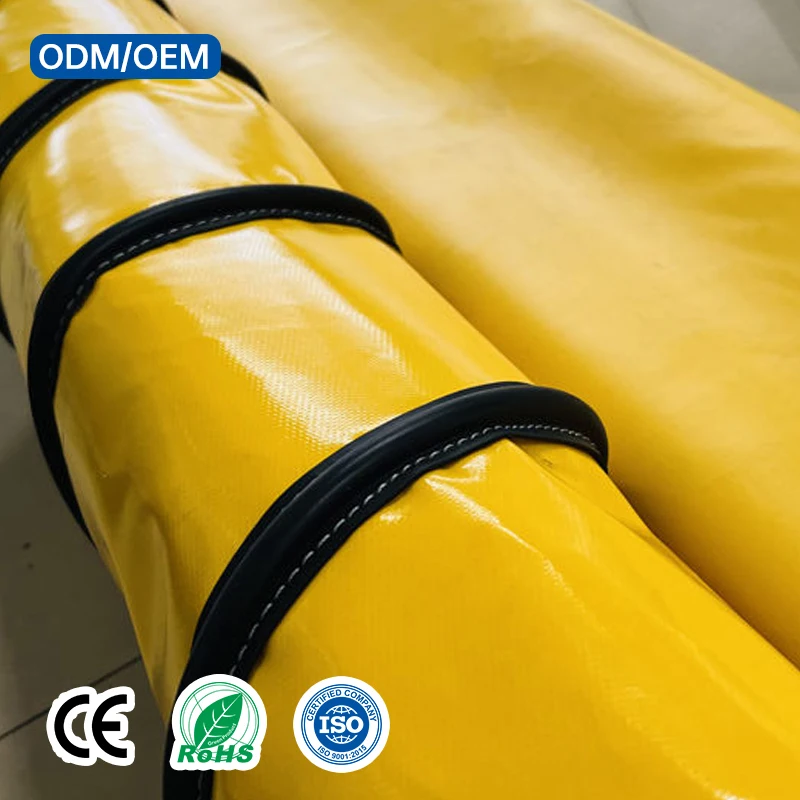
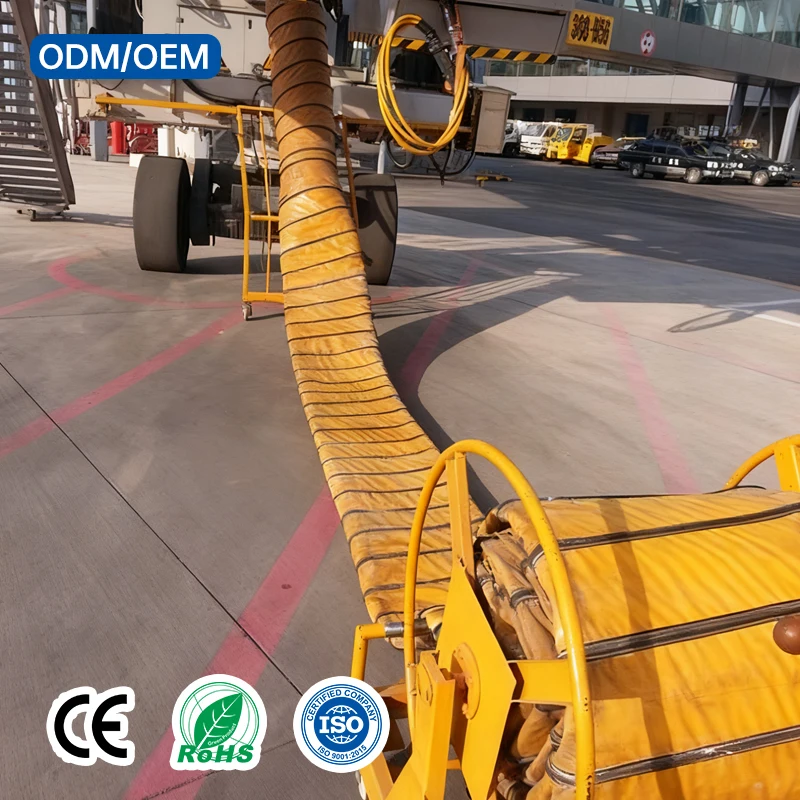
High Pressure PCA Hose Aviation Cooling Air Duct with PVC coated fabric and aluminum foil bubble film insulation, -30°C to 150°C range.
- Multi-layer construction combines PVC outer, aluminum foil insulation, and fabric-reinforced core
- Zipper and Velcro connection for rapid deployment on airport aprons
- High-visibility yellow-black alternating outer coloring for ground equipment safety
- Mildew and water resistant with strong tension characteristics
- Custom logo, outer packaging, and pattern printing available
Jinan Jinxiang backs this aviation duct with 36 sets of professional equipment supporting bulk capacity, dedicated QA/QC at every production stage, and a 10-person R&D team handling custom sizing to your aircraft model interface.
Description
Custom Aviation Duct Capability — From PVC coated fabric selection to finished PCA hose with OEM branding, supported by three full production lines and 100% pre-shipment inspection.
Technical Specifications
| Parameter | Value |
|---|---|
| Product Type | Aircraft PCA Hose / Pre-Conditioned Air Duct |
| Coating Material | PVC coated cloth + aluminum foil bubble film insulation layer |
| Temperature Range | -30°C to 150°C |
| Characteristic | Mildew resistance, water resistance, high strength and strong tension |
| Connection Method | Zipper and Velcro link for disassembly |
| Outer Layer Color | Yellow-black alternating protective coloring (high visibility) |
| Flame Retardant Grade | Available in flame retardant grades — confirm the grade required for your aviation market |
| Anti-Static | Available on request — confirm anti-static certification required for your airport project |
| Logo Customization MOQ | 100 |
| Outer Packaging Customization MOQ | 100 |
| Pattern Customization MOQ | 100 |
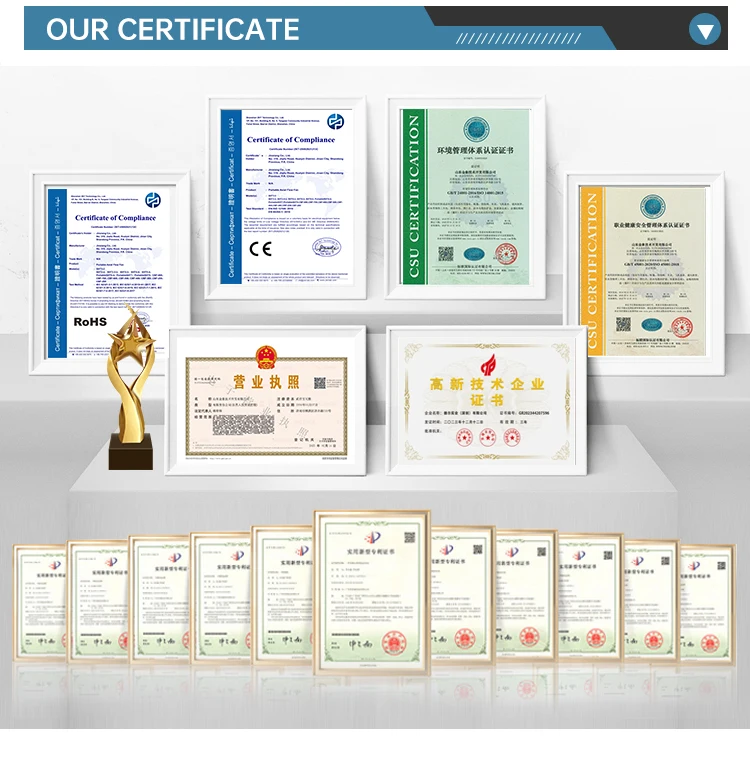
| Standards | ISO, CE |
Application Suitability
| Application | Exposure & Requirement |
|---|---|
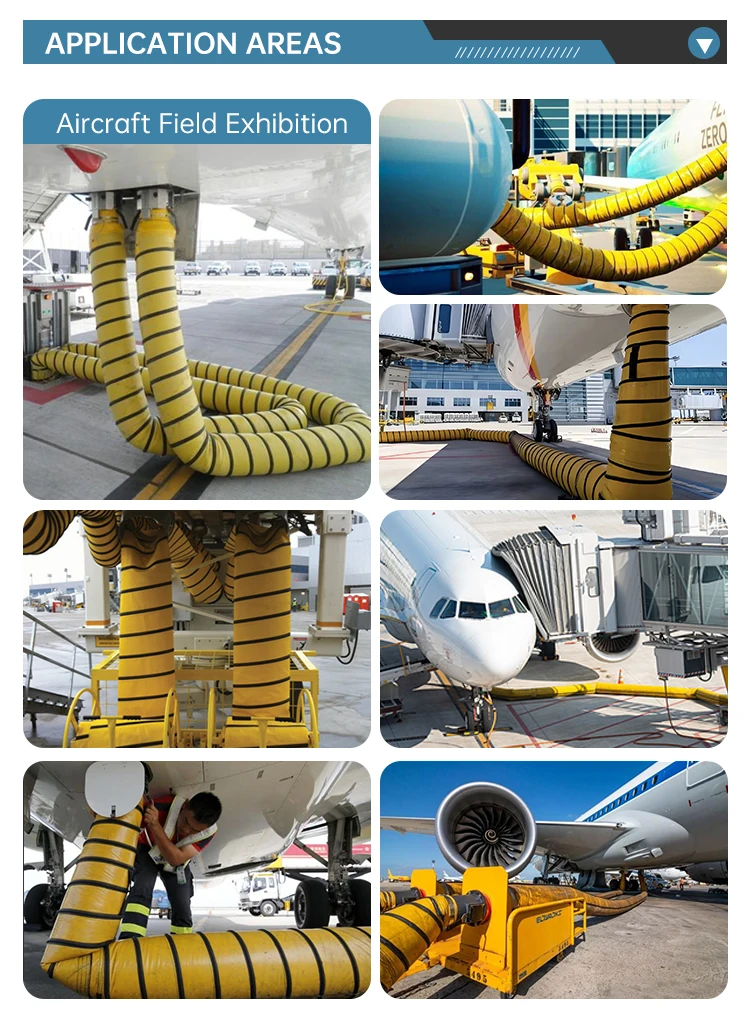
| Airport apron PCA unit to aircraft cabin connection | Outdoor weather exposure, frequent deployment and retrieval, thermal shock from pre-conditioned air |
| Aircraft cabin climate control during ground turnaround | Continuous cold or warm air transmission, rapid connection cycles, ground equipment traffic |
| Ground air supply equipment interface | Mechanical abrasion from apron surface, UV exposure, flexing at connection joints |
| Aviation maintenance facility ducting | Indoor and semi-outdoor routing, repeated disassembly for repositioning, compliance with aviation safety standards |
What "Flame Retardant" Means Without a Test Report on the Apron
Aviation ground support ducts must carry the exact fire classification your airport authority mandates — not just a label.
We have seen procurement specifications require flame retardant compliance for aviation air ducts, only for the delivered hose to arrive with a generic certificate that does not map to the airport’s safety standard. [NEED_CITE: aviation fire safety standards for ground support equipment] When a PCA hose fails a fire inspection on the apron, the entire ground support fleet can be grounded until compliant replacements arrive. This is why we clarify the exact flame retardant grade and test basis before production begins, ensuring your Aviation Air Duct manufacturer documentation matches what the site safety officer expects to see. Generic ventilation ducts without aviation-specific fire certification are a liability that surfaces at the worst possible moment.
Multi-Layer Construction for Thermal Stability
The PCA hose combines a PVC coated cloth outer layer with an aluminum foil bubble film insulation core. This construction manages thermal transfer across the -30°C to 150°C range, keeping pre-conditioned air at the required temperature from the PCA unit outlet to the aircraft cabin door interface. The insulation layer also protects the outer PVC fabric from internal thermal stress during warm air transmission cycles.
Rapid Deployment on Busy Aprons
The zipper and Velcro connection system allows ground handling crews to deploy and retrieve the duct without tools, reducing aircraft turnaround time. [NEED_CITE: ground support equipment deployment efficiency standards] High-visibility yellow-black alternating coloring ensures the Aviation Air Duct manufacturer product remains visible to apron vehicle operators, supporting ground safety compliance during low-light and high-traffic conditions.
Understanding the Insulation and Coating Interface
The aluminum foil bubble film layer serves a dual purpose: it reflects thermal radiation back into the air stream while providing a moisture barrier that prevents condensation buildup inside the duct wall. The PVC coated cloth outer protects this insulation from mechanical damage — abrasion against the apron surface, impact from ground equipment, and UV degradation from sustained outdoor exposure. Together, these layers maintain duct integrity through repeated flex cycles at the connection joints, where single-layer fabrics typically develop fatigue cracking. The mildew and water resistant treatment on the PVC surface prevents biological growth during humid weather storage.
The Cost of Unverified Compliance Documentation
A duct that looks correct on the outside but lacks the fire classification your aviation authority requires will fail at the first safety audit. [NEED_CITE: airport ground equipment fire inspection protocols] We have seen projects where the entire batch of replacement PCA hoses had to be removed from service because the supplier provided a generic building materials flame retardant certificate instead of the aviation-specific test report. Batch color inconsistency in the yellow-black safety striping also creates problems — if adjacent duct sections appear different under apron lighting, safety officers may question whether the correct material was supplied, triggering additional inspection delays.
Why Procurement Teams Specify Through This Channel
Three full production lines handle both standard and custom diameter PCA hose orders, supporting bulk airport project volumes with reliable scheduling. A 10-person R&D team develops samples within days, allowing you to verify material composition, insulation performance, and connection system function before committing to production. Every Aviation Air Duct manufacturer order receives dedicated QA/QC at each production stage, with 100% inspection before shipment covering zipper function, seam integrity, and dimensional accuracy. ISO and CE certified processes provide the documentation framework international airport projects require. Custom logo and pattern printing at MOQ 100 supports OEM branding for ground support equipment distributors.
Documentation & Verification
- Material specification sheet stating PVC coating composition, aluminum foil insulation layer, and confirmed temperature range
- Test report for flame retardant grade matched to your aviation authority’s specific standard
- Pre-shipment inspection record confirming zipper and Velcro connection function, seam welding integrity, and dimensional accuracy
- Certificate of origin and customs documentation for international airport project delivery
- Roll and hose packing list with batch traceability for multi-phase airport deployments
Fabrication, Handling & Storage
- Heat weld parameters must account for the PVC coating and aluminum foil insulation layer thickness to prevent delamination at joints
- Store coiled PCA hoses in shaded, ventilated areas to prevent UV degradation of the yellow-black outer coloring before deployment
- Clean PVC surface with mild detergent only — solvents may damage the coating and compromise mildew resistance
- Inspect zipper and Velcro connection points after each retrieval cycle for mechanical wear at flex zones
- Avoid compressing stored ducts under heavy equipment to prevent permanent creasing of the insulation bubble film layer
- Field repair of minor PVC coating abrasion requires compatible PVC adhesive patches, applied to clean dry surfaces
Requesting a Technical Proposal
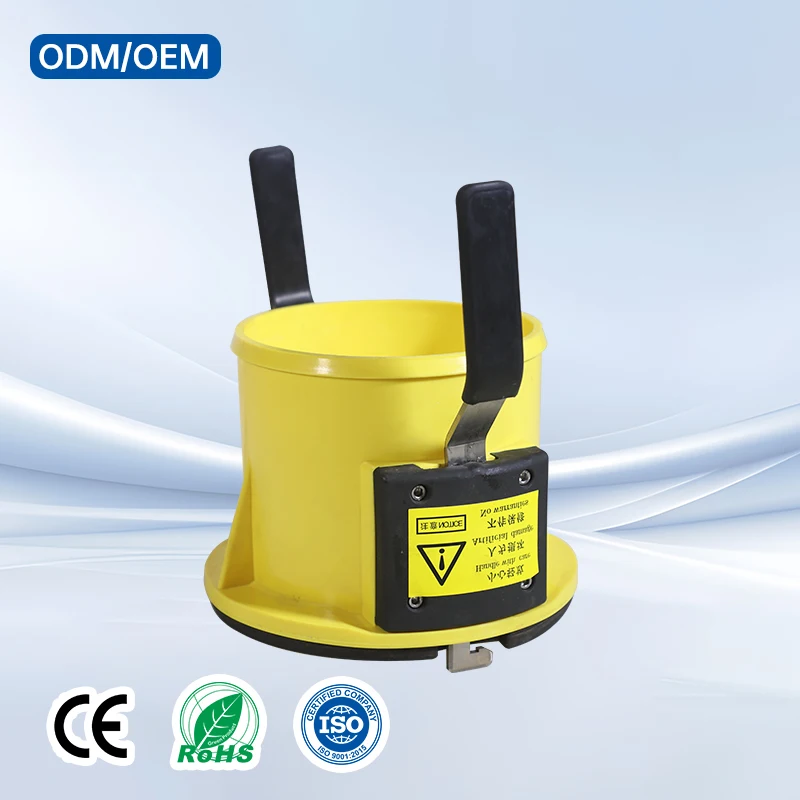
Provide your aircraft model interface dimensions, required duct diameter and length, and the flame retardant or anti-static standard your airport authority enforces. If OEM branding is needed, share your logo file and pattern layout so we can confirm print positioning on the yellow-black outer surface. Specify whether you require complete hose assemblies or roll stock for on-site fabrication.
Frequently Asked Questions
Q: What flame retardant certifications are available for aviation PCA hoses?
A: We supply PCA hoses in flame retardant grades matched to your market’s aviation safety requirements. Confirm the specific standard your airport authority or aviation regulator enforces — we will provide the corresponding test report with shipment. Available grades and test bases vary by destination market compliance framework.
Q: Can you manufacture hoses to fit specific aircraft cabin door interfaces?
A: Yes. Provide the aircraft model, cabin door air conditioning interface dimensions, and PCA unit outlet specifications. Our R&D team develops a sample for fit verification before bulk production. Custom diameter and length orders follow the same QA process as standard sizes.
Q: How is the -30°C to 150°C temperature range validated?
A: The PVC coated cloth and aluminum foil bubble film insulation combination is rated for this range. Request the material specification sheet confirming thermal performance data. If your application operates at the extremes, we recommend pre-production sample testing under your actual air transmission conditions.
Q: What is the minimum order for custom branding on aviation ducts?
A: Logo, pattern, and outer packaging customization are available at MOQ 100 per design. Share your artwork files for print positioning confirmation on the yellow-black alternating outer surface. Color consistency across the batch is verified during pre-shipment inspection.
Q: How do I maintain and repair PCA hoses on the airport apron?
A: Clean the PVC surface with mild detergent and inspect zipper and Velcro connections after each deployment cycle. Minor coating abrasion can be field-repaired with compatible PVC adhesive patches. Store ducts coiled in ventilated shade to preserve the insulation layer and outer coloring integrity.
Related products
-
Custom Made PVC Tarpaulin Roll for Tent Fabric Shelter – Full Range
Read more -
Manguera PCA de alta presión conducto de aire de enfriamiento de aviación tubo flexible OEM personalizable manguera de aire acondicionado para PCA
¥42.15 Select options This product has multiple variants. The options may be chosen on the product page -
Custom Aviation Air Duct for PCA Hose – Manufacturer
Read more -
PVC Coated Tarpaulin Roll for Truck and Pool – Custom Made
Read more