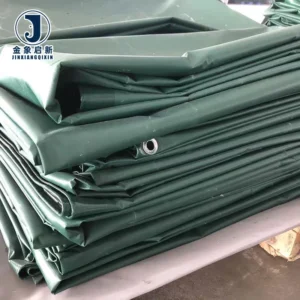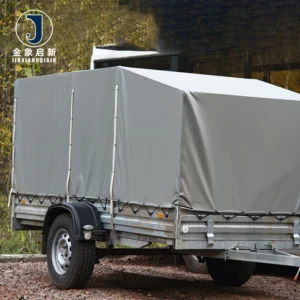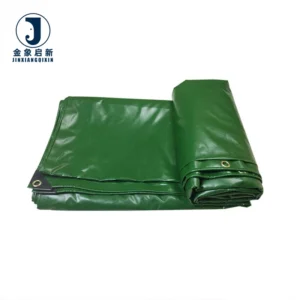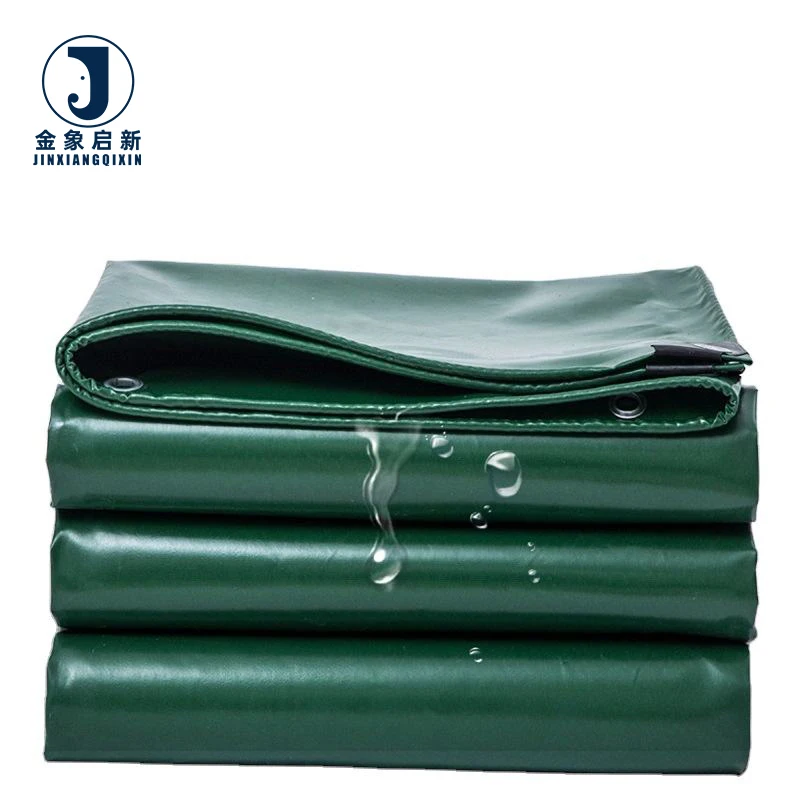
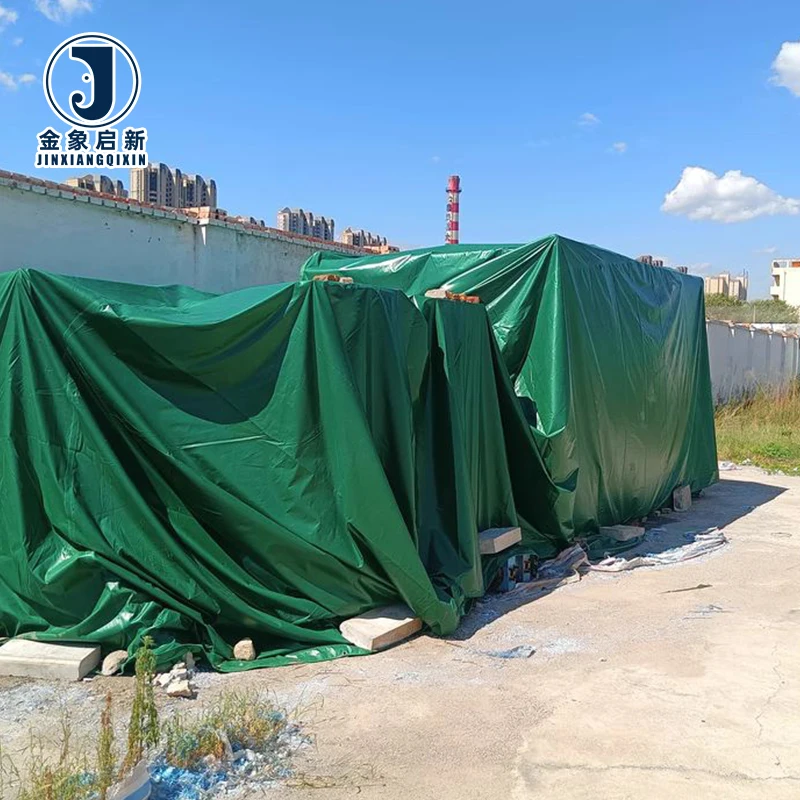
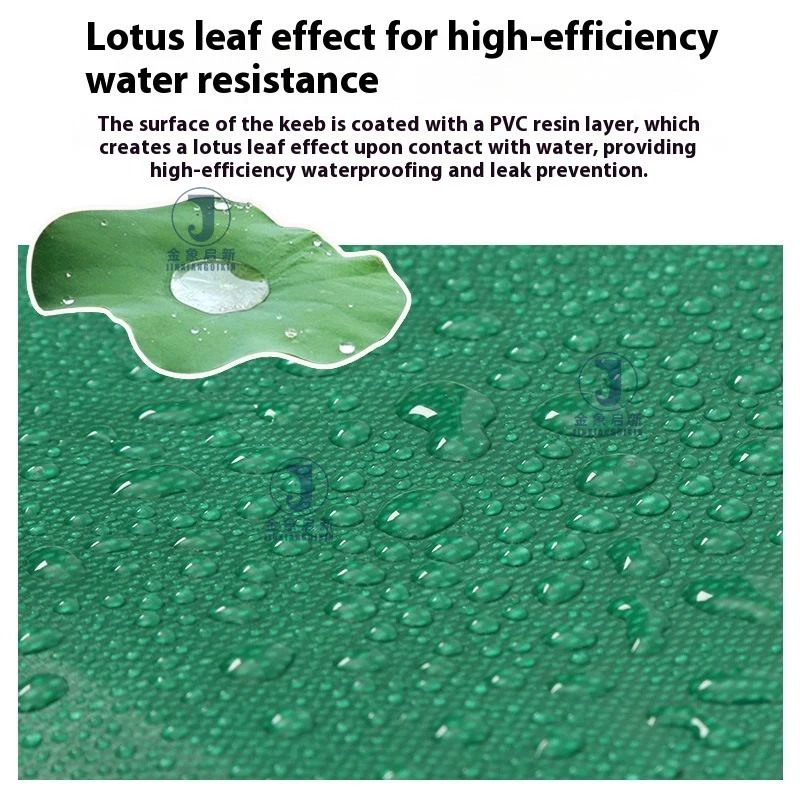
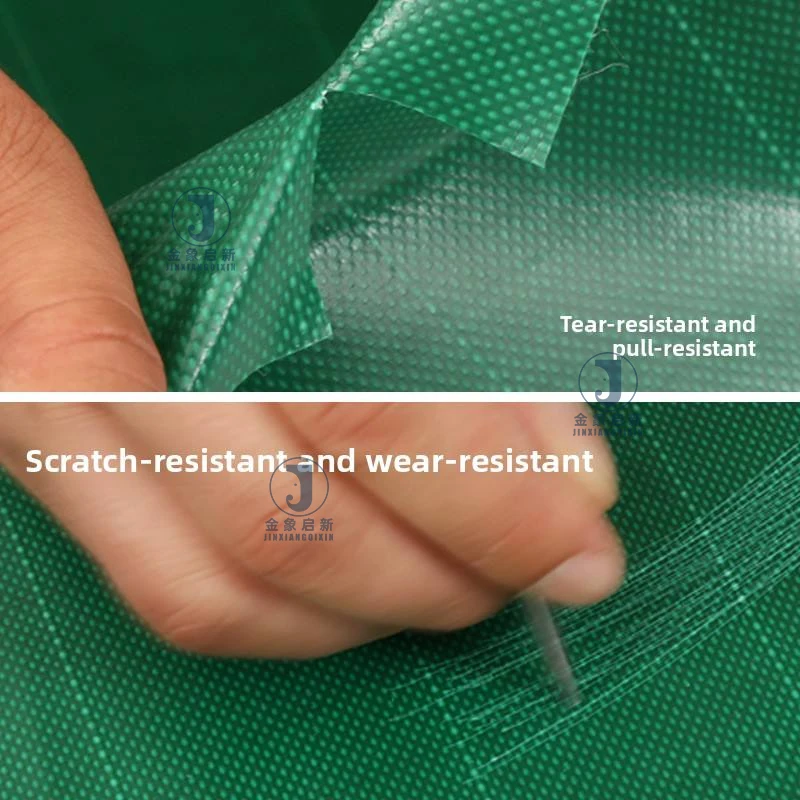
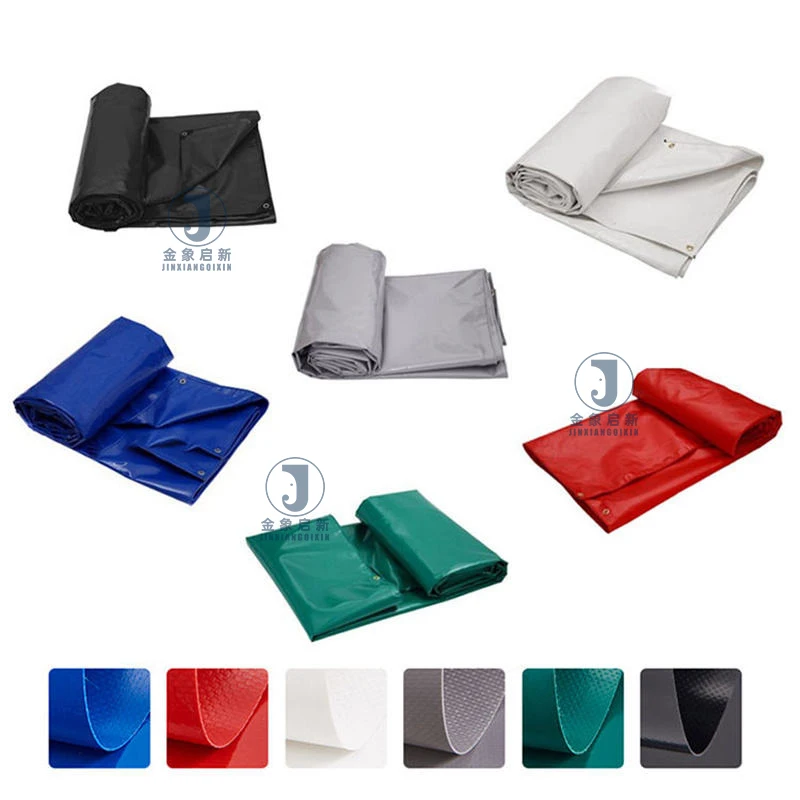
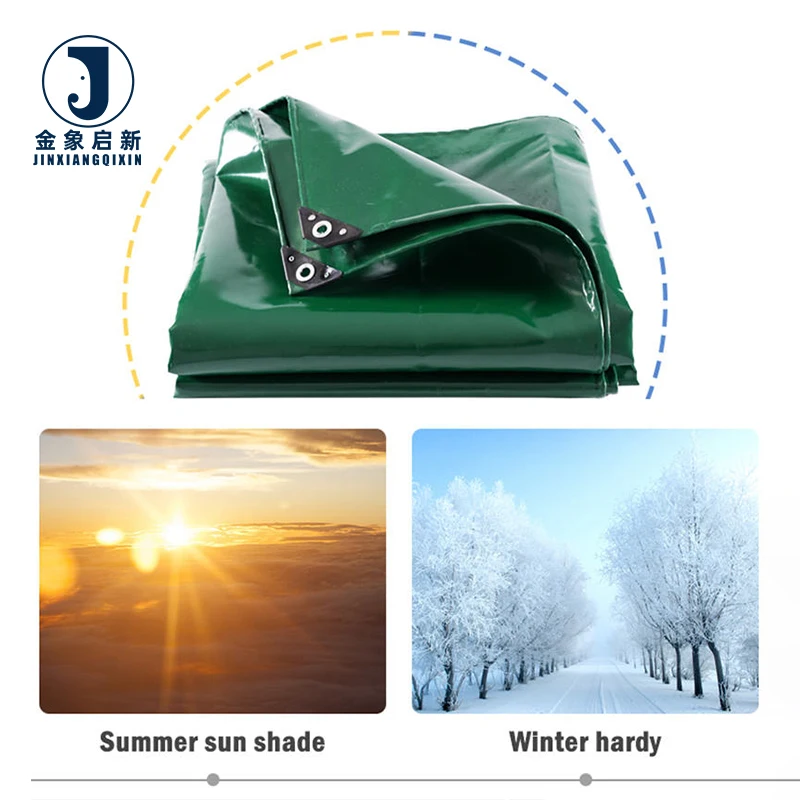
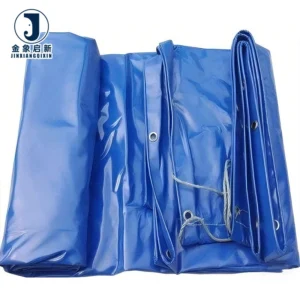
PVC Coated Tarpaulin — double-faced, anti-UV treated, flame retardant construction for flatbed trailer and transport load covering.
- Knife coated fabric with verified GSM weight and base fabric denier matched to specification
- Roll-to-roll batch colour consistency ensures adjacent panels match after installation
- Welded seam integrity rated to fabric tensile strength at high-flex points
Backed by 100% pre-shipment inspection and dedicated QA at every production stage across three full coating lines.
Description
Factory-Direct Consistency — Every roll of PVC coated tarpaulin we ship undergoes 100% pre-shipment inspection with coating-weight verification, ensuring the GSM on your invoice matches the material on your dock.
Technical Specifications
| Parameter | Value |
|---|---|
| Product Type | PVC Coated Tarpaulin |
| Coating Material | PVC |
| Water Resistance | Yes |
| UV Protection | Anti-UV treatment available (test basis available on request) |
| Flame Retardant | Available (grade to be confirmed against target market requirement) |
| Face Type | Double-Faced |
| Mildew Resistance | Yes |
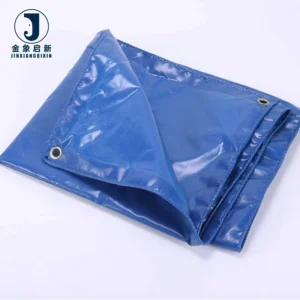
| Color Options | Multiple Colors Available |
Application Suitability
| Application | Exposure & Requirement |
|---|---|
| Flatbed Trailer Load Covering | Constant road vibration, high-speed wind abrasion, UV exposure, and frequent manual handling at tie-down points. |
| Lumber Transport | Sharp edges from timber loads requiring high puncture resistance and abrasion tolerance on the underside of the fabric. |
| Heavy Freight Protection | Extended outdoor weather exposure during multi-day transit, demanding consistent water resistance and seam integrity. |
Why a Specification Sheet Matters More Than a Quoted GSM
A quoted number means nothing without a verified weight on arrival.
When a PVC coated tarpaulin manufacturer states a GSM figure, that number should reflect both the base fabric denier and the coating weight applied to it. In practice, material arriving lighter than agreed is a recurring frustration across the logistics sector. [NEED_CITE: coating weight variance in imported tarpaulin rolls] We address this by running a coating-weight check on every roll before it leaves the production line, so the specification you approved is the specification you receive.
What Coated Fabric Buyers Actually Need from a Tarpaulin Roll
Sourcing PVC coated tarpaulin for flatbed and transport applications is not just about finding the right price per square meter. Fleet operators and transport equipment builders need rolls that cut cleanly, weld predictably, and hold up at the flex points where the load shifts during transit. The fabric must balance tensile strength with enough flexibility to be folded and re-folded daily without cracking at the coating surface.
Batch Consistency Across Multi-Roll Orders
Colour variation between rolls in the same shipment becomes immediately visible once panels are installed side by side on a trailer. This is not a cosmetic concern alone — it signals inconsistent coating thickness, which directly affects weld behaviour and long-term weather resistance. [NEED_CITE: PVC coating batch consistency and weld performance] Our in-house R&D team controls colour matching from the masterbatch stage, ensuring that every roll within a single order delivers uniform appearance and identical thermal welding characteristics.
Reading the Specification Beyond the Headline Weight
The relationship between base fabric construction and coating weight determines how the material behaves under real load conditions. A heavier GSM achieved through excess coating on a light base fabric will feel stiff and may crack at fold lines, while a properly engineered fabric distributes weight between a dense polyester weave and a precisely applied PVC layer. Double-faced construction ensures that both the road-facing and load-facing surfaces offer equivalent abrasion resistance, extending service intervals for fleet operators. Surface finish — whether glossy or matte — affects how dirt accumulates and how readily the fabric cleans during routine wash-downs at the depot. [NEED_CITE: ISO 1421 tensile and tear test methods for coated fabrics] The availability of anti-UV and flame retardant treatments should always be confirmed against the specific standards required in your operating market before placing a production order.
The Cost of Overlooking Coating Adhesion
When coating adhesion is inadequate, the PVC layer delaminates from the base fabric precisely where the material flexes most — typically at welded seams and tie-down reinforcement zones. This failure mode is not immediately visible on arrival; it emerges after weeks of road use. [NEED_CITE: coating adhesion failure at flex points in transport tarpaulins] Specifying the correct adhesion strength and verifying it through peel testing ensures that the welded seams last as long as the fabric itself, rather than becoming the first point of failure on a covered load.
How Our Production Process Supports Your Specification
Deep process control over coating weight and adhesion is the foundation of every PVC coated tarpaulin roll we produce. Three full production lines and 36 sets of professional equipment give us the capacity to handle bulk orders while maintaining the roll-to-roll consistency that fleet operators demand. Our 10-person R&D team manages material selection, custom width development, and colour matching from sample stage through to full production. Dedicated QA/QC runs at every production stage, with 100% inspection before shipment confirming weight, dimensions, and visual quality on every roll. Samples for custom specifications are developed within days, allowing you to validate weld behaviour and colour accuracy before committing to a full production run.
Documentation & Verification
- Material specification sheet stating exact GSM, base fabric type, and coating composition per roll
- UV and flame retardant test reports provided where applicable — request before order confirmation
- Pre-shipment inspection record with roll-by-roll weight and dimension verification
- Certificate of origin and customs documentation included with every international shipment
Fabrication, Handling & Storage
- Heat-weld seams using temperature settings matched to the PVC coating thickness for full penetration
- Store rolls upright on pallets to prevent flat-spot creasing on the coating surface
- Allow rolls to acclimatise before unrolling in cold conditions to avoid coating stiffness and cracking
- Use compatible PVC adhesive for field repairs on double-faced sections to maintain bond integrity
- Plan cut layouts around standard roll widths to minimise off-cuts and welded seam count
What We Need to Prepare Your Quotation
To move from inquiry to sample, provide the trailer dimensions or roll width and length you require, along with any specific treatment standards your market demands. Let us know your annual volume and whether you need finished cut sizes or roll stock for your own fabrication line. If colour matching or pattern printing is part of the specification, a Pantone reference or artwork file will allow us to develop a sample roll for your approval.
Frequently Asked Questions
Q: How do I verify the GSM of the tarpaulin on arrival against the quotation?
A: Every roll we ship is accompanied by a pre-shipment inspection record that documents the actual measured weight per square meter. You can cross-check this against the material specification sheet included in your documentation pack. We recommend spot-weighing a sample cut on arrival to confirm the figures match before the material enters your production or covering workflow.
Q: What flame retardant grades are available and which standards do they meet?
A: We offer PVC coated tarpaulin in flame retardant grades, but the specific standard — such as DIN 4102, NFPA 701, or a regional building code — must be confirmed based on your target market’s requirements. Provide your compliance specification at inquiry stage so we can match the treatment and supply the corresponding test report with your order.
Q: Can I order custom widths, colours, and pattern-printed rolls, and what is the MOQ?
A: Yes, our R&D team handles custom width, colour matching, and pattern printing for PVC coated tarpaulin orders. Minimum order quantities depend on the degree of customisation — standard colours and widths carry lower thresholds than fully custom prints. Request a sample roll to approve colour and weld behaviour before full production begins.
Q: How is batch-to-batch colour consistency controlled across multiple rolls?
A: Colour is controlled from the masterbatch compounding stage through to the final coating application. Each production run is checked against the approved reference sample under standardised lighting conditions. This ensures that rolls produced weeks apart still match when installed side by side on adjacent trailers or panels.
Q: What documentation ships with each order for customs and compliance?
A: Every shipment includes a packing list, certificate of origin, material specification sheet, and the pre-shipment inspection record. Where anti-UV or flame retardant treatments are specified, the relevant test reports are included. This documentation package supports smooth customs clearance and provides traceability for your quality management system.
Related products
-

450gsm Green Heavy-duty Waterproof Tarps & Groundsheets Pvc Tarpaulin
¥1.25 Select options This product has multiple variants. The options may be chosen on the product page -
Lonas industriales reforzadas de vinilo pesado con recubrimiento de PVC, impermeables, para exteriores, para tiendas de campaña y cubiertas de camiones.
¥1.45 Add to cart -
Lona impermeable de alta resistencia Funda impermeable Fabricante de lonas
¥1.48 Add to cart -
Material de tela de PVC Lona tejida Lona impermeable Tela tejida de lona
¥0.50 Add to cart