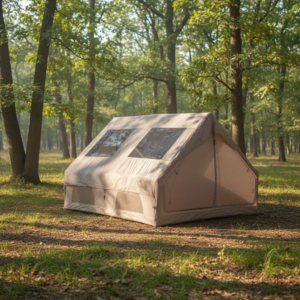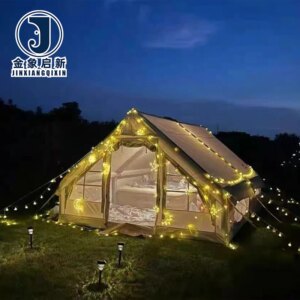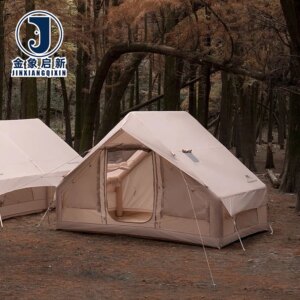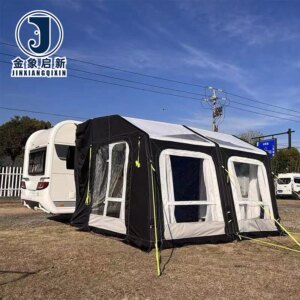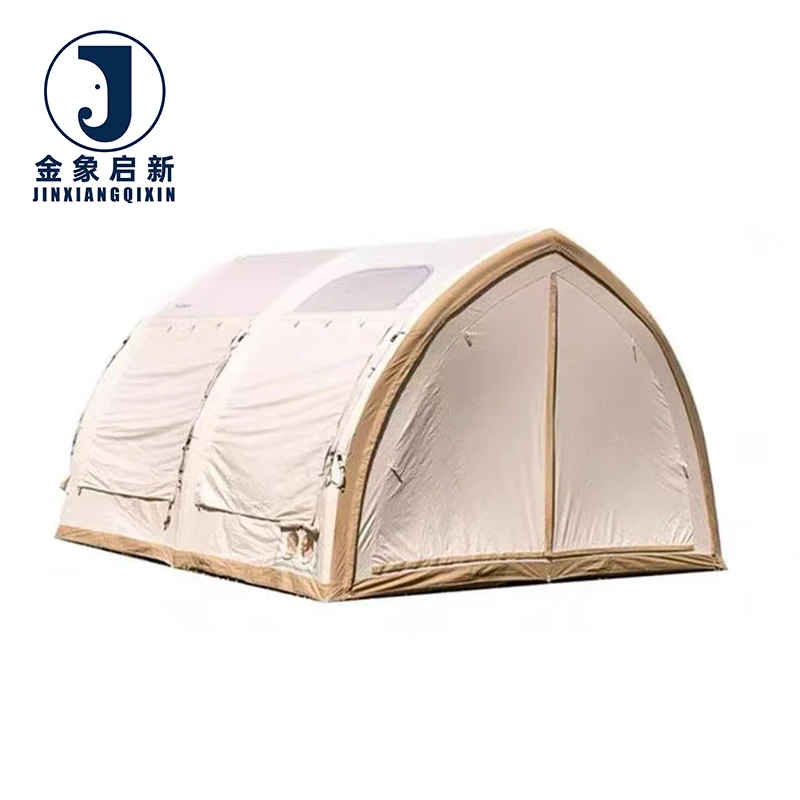
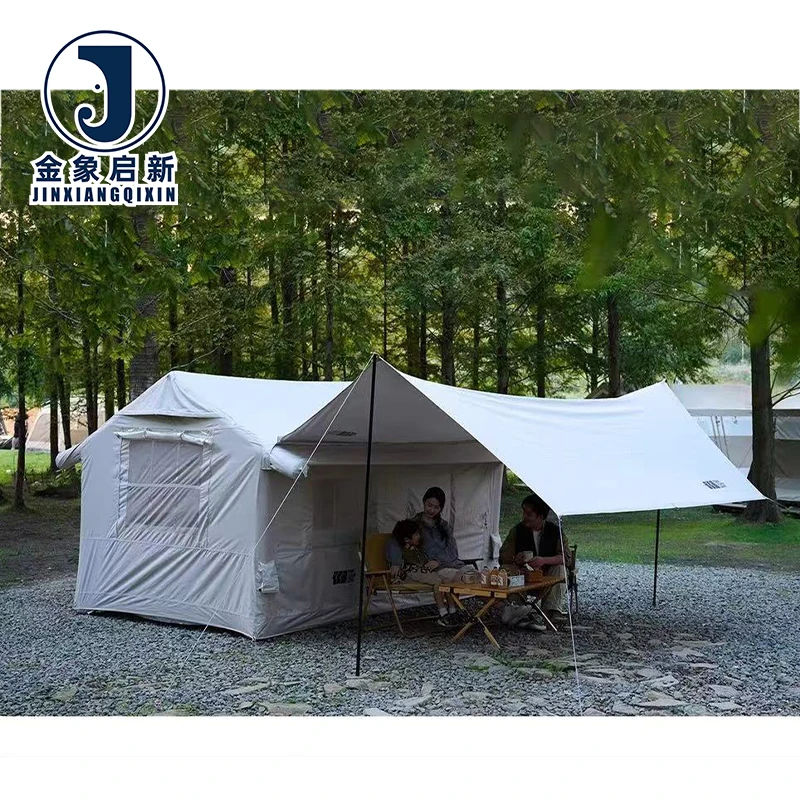
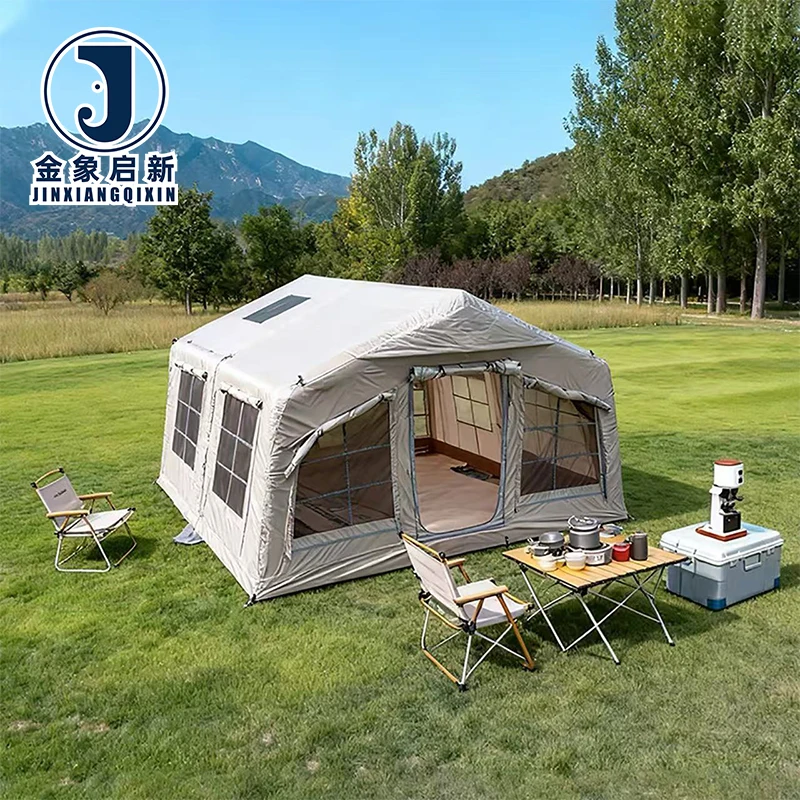
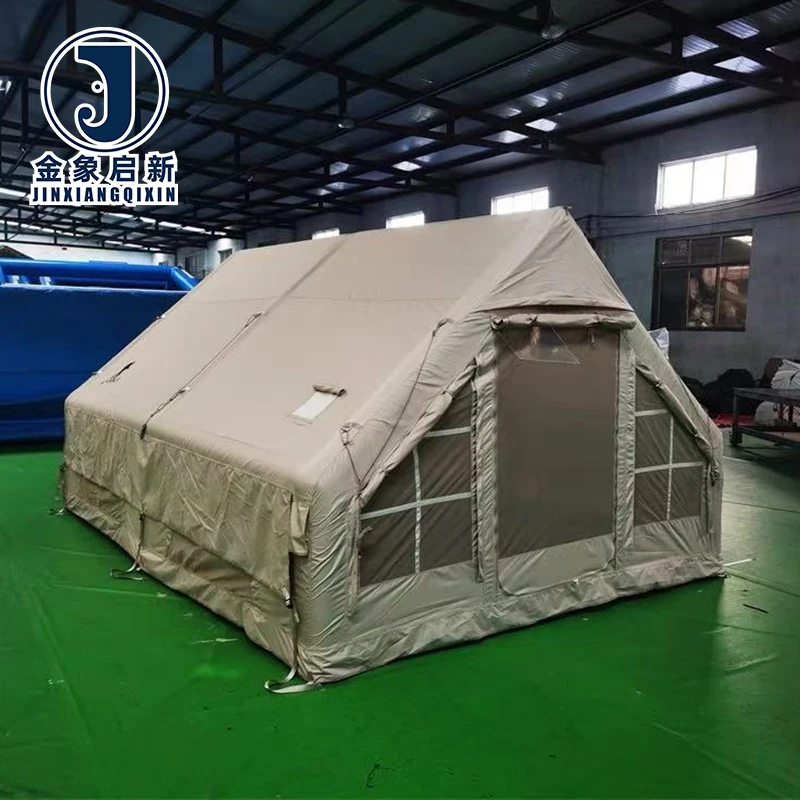
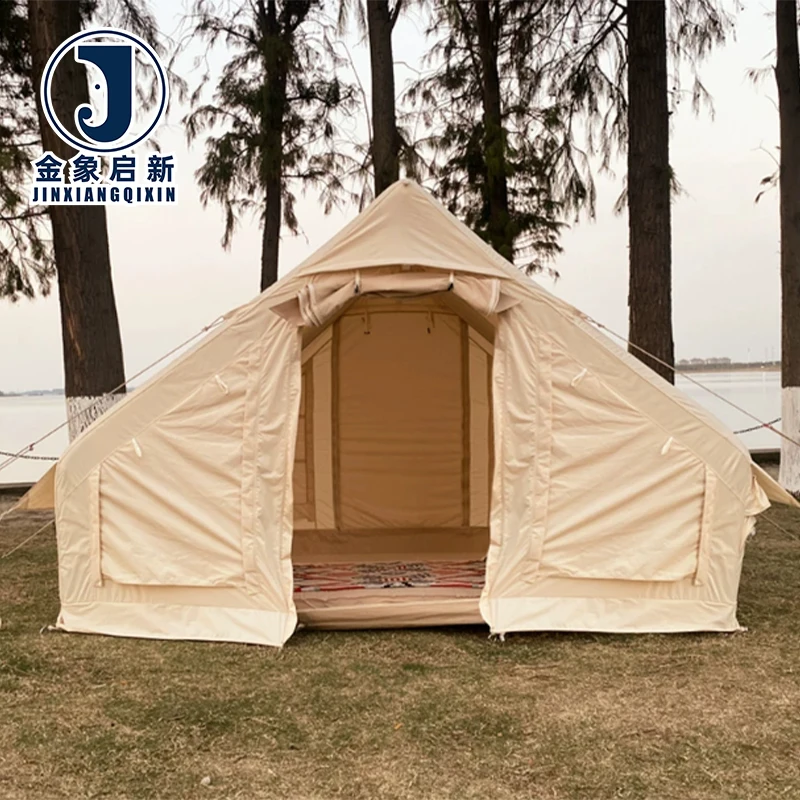
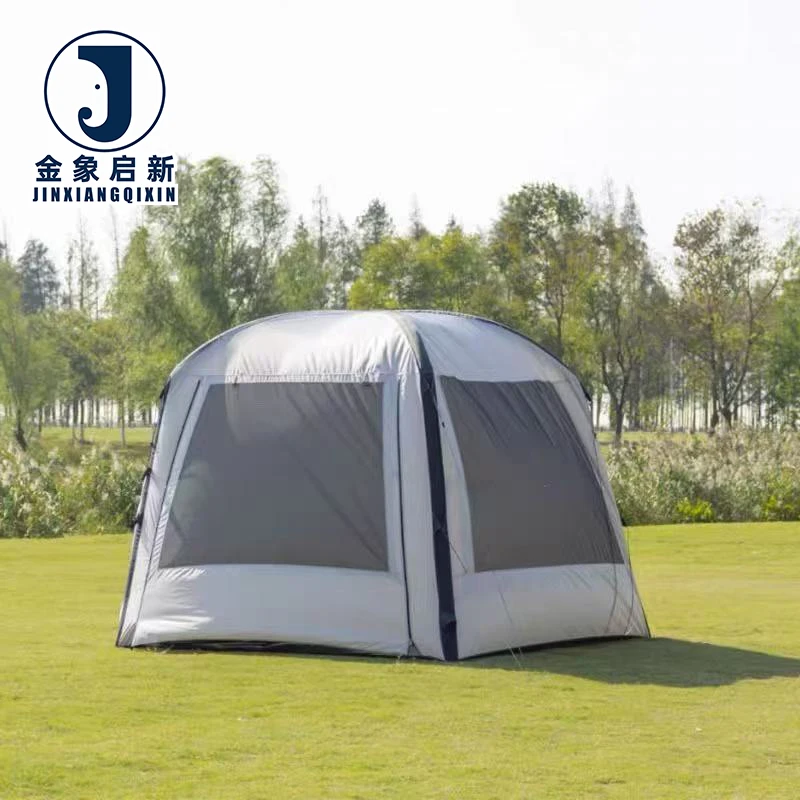
PVC Inflatable Tent — waterproof, UV-resistant, and tear-resistant PVC tarpaulin construction with automatic opening mechanism for rapid on-site deployment.
- Single-layer inflatable structure designed for four-season commercial and industrial use
- Full OEM & ODM support including custom dimensions, color, and pattern printing
- Deploy fast on construction sites, logistics yards, or industrial camps without heavy equipment
Backed by 100% pre-shipment inspection and dedicated QA at every production stage.
Description
Coated Fabric Process Control — Every roll of PVC inflatable tent fabric passes dedicated QA checks at the coating head and again before dispatch, catching weight and adhesion drift that generic suppliers miss.
Technical Specifications
| Parameter | Value |
|---|---|
| Product Type | PVC Inflatable Tent |
| Core Material | PVC Tarpaulin |
| Product Forms | Inflatable structure with automatic opening mechanism |
| Construction | Single-layer |
| Key Performance | Waterproof, UV-resistant, Tear-resistant, Four-Season Use |
| Customization Service | OEM & ODM (Sample customization, Pattern printing) |
| Standards & Certifications | ISO9001, ISO14001, ISO45001, CE |
| Production Facility | 9,180 m² with 3 full production lines |
| Processing Equipment | 36 sets of professional equipment |
| R&D Team | 10 technicians |
Application Suitability
| Application | Exposure & Requirement |
|---|---|
| Construction project temporary site shelters | Wind loading, rain ingress, daily deployment and takedown, UV exposure on open sites |
| Logistics mobile storage and equipment protection | Abrasion from ground contact, moisture barrier for stored goods, rapid inflation for time-sensitive loading schedules |
| Industrial camp auxiliary accommodation | Temperature fluctuation across seasons, occupant comfort, fire safety compliance for sleeping quarters |
| Commercial emergency preparedness scenarios | Immediate deployment under pressure, structural integrity in severe weather, reliability without maintenance windows |
What Happens When a PVC Inflatable Tent Fails Mid-Season
Coating adhesion and verified fabric weight determine whether an inflatable shelter holds pressure or sags into a costly site disruption.
I once watched a container of inflatable tent fabric get rejected at the port because the actual weight came in well below what was quoted. The buyer had every right to send it back. When an inflatable structure loses rigidity because the air tubes are sewn from underweight PVC tarpaulin, the entire shelter collapses — and so does your reputation on that project [NEED_CITE: pre-shipment inspection standards for coated fabric weight verification]. A PVC Inflatable Tent aftermarket supplier who skips inline coating weight checks passes that risk directly to you.
How Coating Weight Drives Inflatable Tube Rigidity
The air tubes on a PVC Inflatable Tent carry the entire structural load. If the PVC tarpaulin used for those tubes is lighter than specified, the walls flex under wind pressure and the shelter loses shape. Coating weight directly influences how much internal pressure the tube can hold before deformation begins. This is why we check coating weight at the coating head and again on the finished roll — not just from the batch ticket.
Why Single-Layer Construction Demands Precision Coating
A single-layer inflatable tent has no backup membrane. The PVC tarpaulin must deliver waterproofing, UV resistance, and structural integrity from one coated surface. Any inconsistency in the coating — thin spots, uneven adhesion to the base fabric — shows up immediately when the tube is inflated. Our 10-person R&D team adjusts coating parameters for each inflatable tent order based on the target pressure and environmental exposure [NEED_CITE: relationship between coating uniformity and air-holding performance in single-layer inflatables].
Reading the Specs That Actually Matter for Inflatable Shelters
Waterproof performance in a PVC inflatable tent depends on complete coating coverage across the base fabric weave. If the PVC does not fully penetrate and encapsulate the yarns, moisture finds the gaps under hydrostatic pressure. Tear resistance is governed by the base fabric denier and weave density working together with the coating — a heavy coating on a loosely woven base will crack before the fabric tears, while a tight weave with adequate coating weight distributes tear forces across multiple yarns. UV resistance requires treatment additives compounded into the PVC, not just a surface spray that wears off after one season. Pattern printing adhesion depends on the surface finish; glossy PVC holds ink differently than matte, and the print must survive repeated inflation cycles without flaking.
The Hidden Cost of Ignoring Batch Consistency in Inflatable Fabric
When you order PVC tarpaulin for inflatable tents across multiple production runs, colour drift between batches means the air tubes on one shelter look visibly different from the next — unacceptable when they stand side by side at an event or on a commercial site. Worse, inconsistent coating weight across batches means some tents hold pressure while others sag, and you cannot tell them apart until they are inflated [NEED_CITE: coating weight tolerance standards for PVC tarpaulin used in pressurised structures]. The rework cost of replacing failed units in the field dwarfs the savings from choosing a supplier without inline QA.
Why Procurement Teams Specify From This Line
Three full production lines mean your PVC inflatable tent order runs on dedicated equipment without competing with unrelated coated fabric jobs for machine time. Thirty-six sets of processing equipment handle everything from coating to cutting and heat-welding in one facility. The 10-person R&D team develops samples within days when you need a custom dimension, colour, or pattern for your inflatable tent project. Every roll undergoes 100% inspection before shipment — coating weight verified, not assumed from the production ticket. ISO and CE certifications back the documentation package that travels with your order.
Documentation & Verification
- Material specification sheet stating PVC tarpaulin type, coating formulation, and colour reference for each inflatable tent order
- Batch-specific test report confirming waterproof rating and tensile values for the PVC inflatable tent fabric supplied
- ISO9001, ISO14001, ISO45001, and CE certificates included in the shipment documentation package
- Pre-shipment inspection record verifying coating weight and visual quality of every roll before dispatch
- Certificate of origin and customs documentation prepared for international PVC inflatable tent shipments
Fabrication, Handling & Storage
- Heat-weld PVC tarpaulin tube seams using temperature and dwell settings matched to the single-layer coating weight to prevent delamination at pressure points
- Store PVC inflatable tent rolls upright on pallets to avoid flat-spotting that causes permanent crease marks in the coated surface
- Clean the PVC tarpaulin surface with mild detergent only; solvent-based cleaners attack the plasticiser in the coating layer
- Inflate test each PVC inflatable tent tube section before final assembly to confirm coating adhesion holds under target pressure
- Repair minor punctures in the PVC tarpaulin using compatible PVC adhesive patches, matching the coating formulation for bond strength
What to Include When Requesting a Quotation
Tell us the inflated dimensions, target internal pressure, and whether the tent will face sustained wind or snow loading so we can recommend the correct PVC tarpaulin specification. If your market requires fire safety compliance for accommodation use, state the classification standard your local authority demands. Confirm whether you need finished inflatable units or PVC tarpaulin rolls for your own fabrication line.
Frequently Asked Questions
Q: What customization options are available for dimensions and branding?
A: We produce PVC inflatable tents to your specified dimensions, with OEM and ODM services covering sample development and pattern printing. Our R&D team reviews your drawings and recommends the PVC tarpaulin weight and tube construction to match your pressure and deployment requirements before cutting begins.
Q: Which certifications does the inflatable tent carry for European markets?
A: Each PVC inflatable tent ships with ISO9001, ISO14001, ISO45001, and CE documentation. If your project requires additional fire classification for the PVC tarpaulin used in the inflatable tubes, confirm the specific standard at inquiry stage so we can arrange testing.
Q: Can samples be provided before committing to a production order?
A: Yes. We develop PVC inflatable tent samples within days of receiving your specifications. The sample uses the same PVC tarpaulin formulation and coating weight proposed for your full order, allowing you to verify inflation performance, seam strength, and surface finish before production.
Q: What is the typical production lead time for custom orders?
A: Custom PVC inflatable tent orders run on a multi-week production schedule from sample approval to dispatch. Lead time depends on order volume, customisation complexity, and PVC tarpaulin colour matching requirements. We confirm the exact schedule at quotation stage with a firm dispatch date.
Q: What quality documentation is included with each shipment?
A: Every PVC inflatable tent shipment includes a material specification sheet, batch test reports for waterproof and tensile performance, a pre-shipment inspection record, ISO and CE certificates, certificate of origin, and a detailed packing list. All documentation references the specific PVC tarpaulin batch used.
Related products
-
Tienda Inflable Impermeable para Exteriores para Camping, Refugio de Tienda de Aire Portátil
Read more -
Tienda Inflable de PVC Premium para Cuatro Estaciones para Camping Fácil de Usar Espaciosa Portátil Impermeable Tienda Exterior con Bomba
Read more -
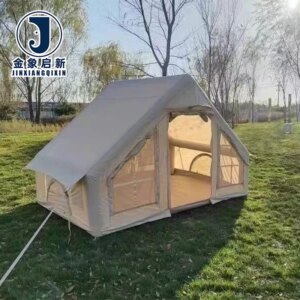
Tienda inflable portátil de camping al aire libre de lujo para uso en todas las estaciones, espacio grande, a prueba de lluvia, aislada, apertura automática rápida.
Read more -
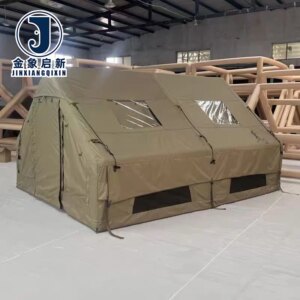
Tienda de camping inflable impermeable al aire libre, fácil de montar, tienda de aire para camping
Read more