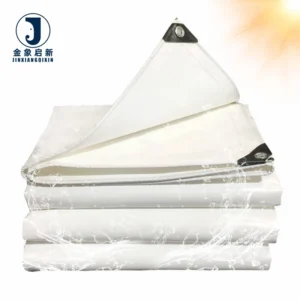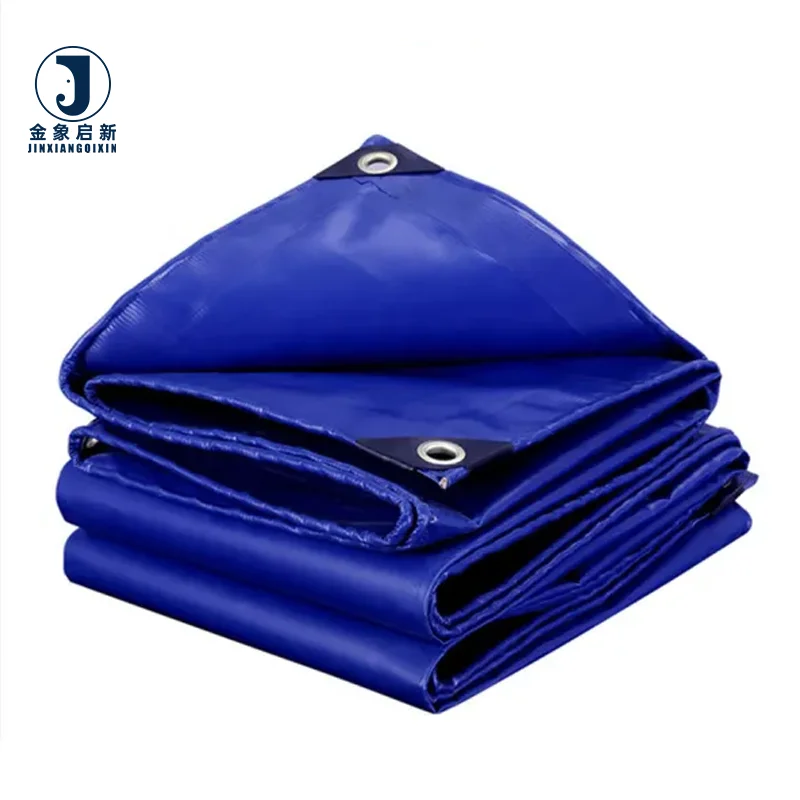
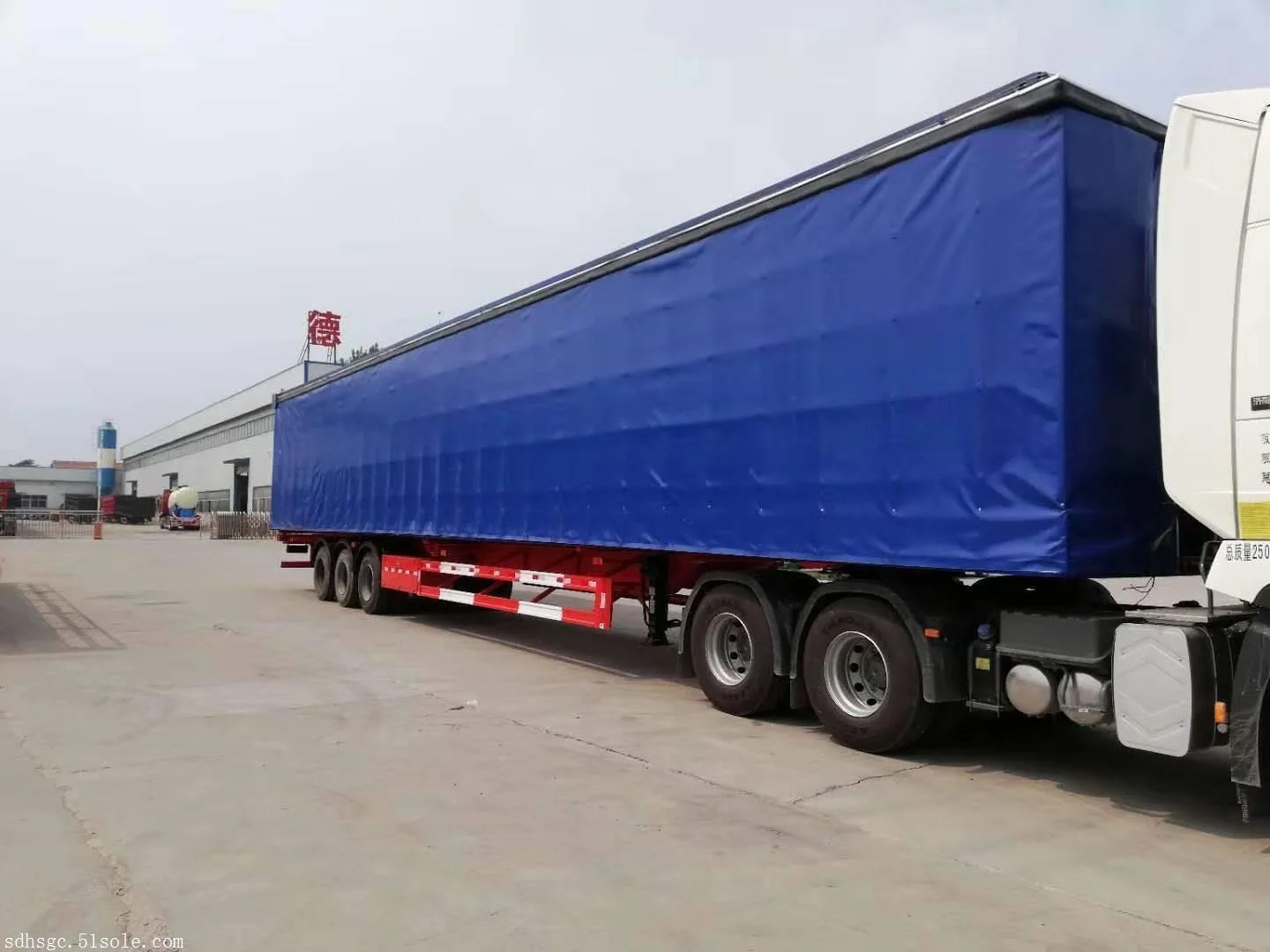
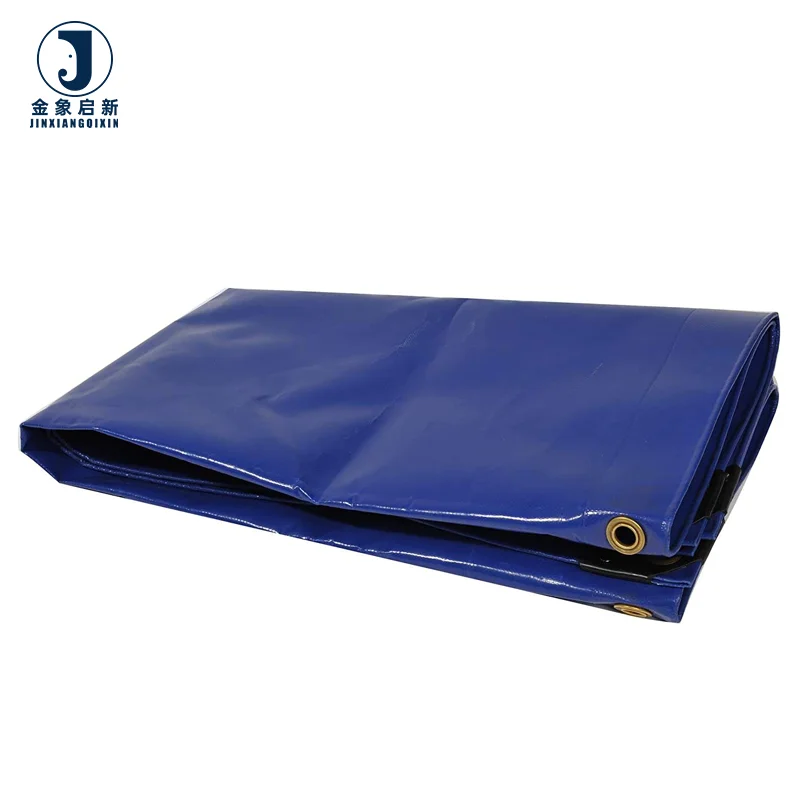
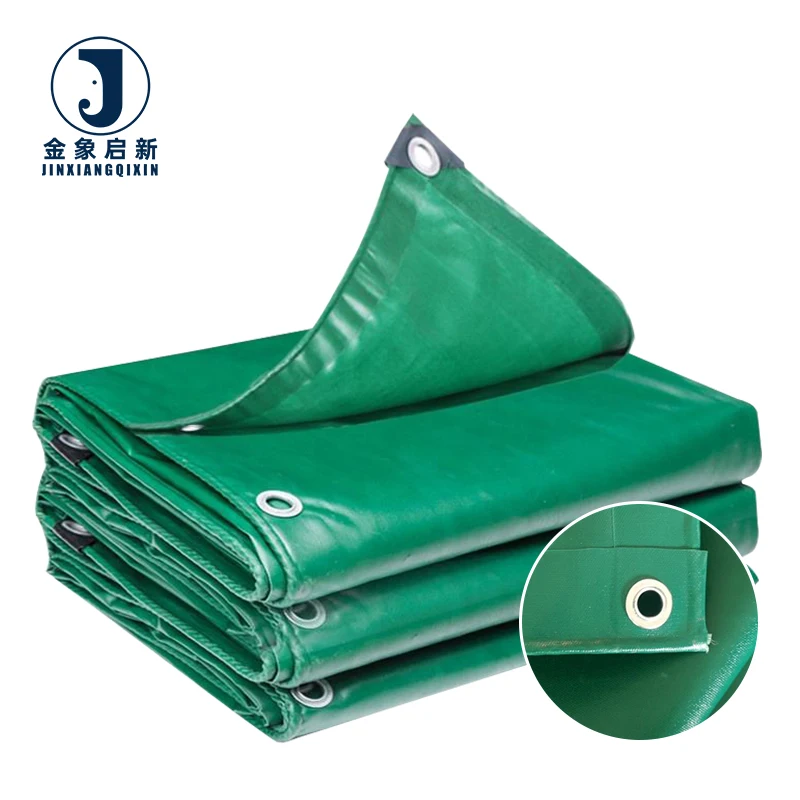
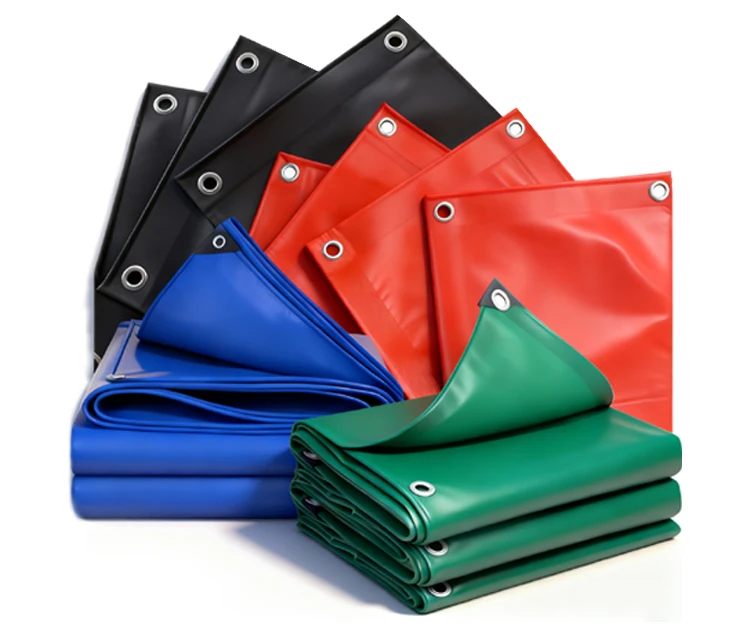
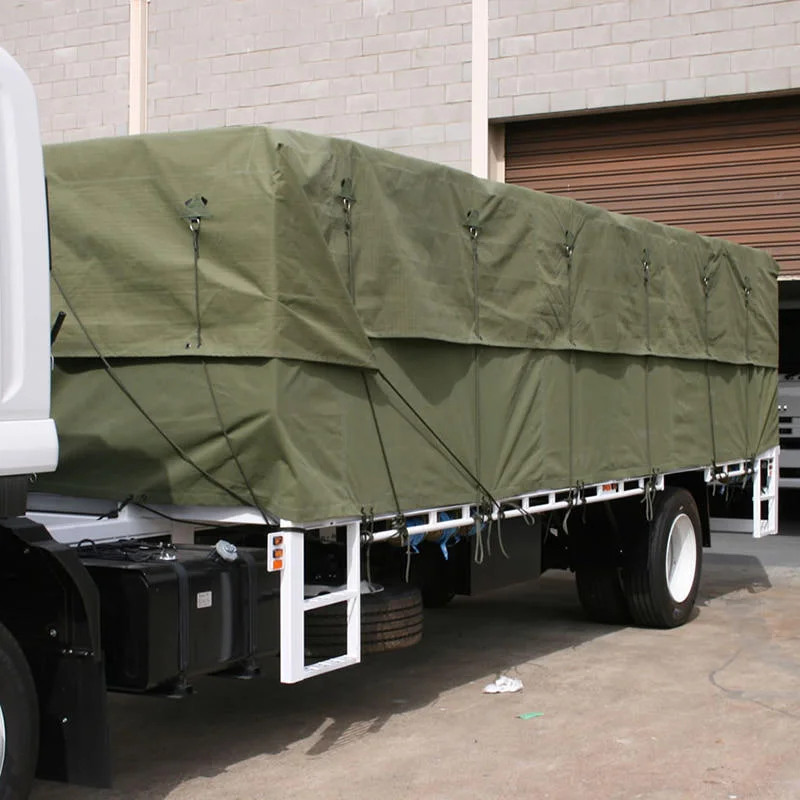
PVC Knife-Coated Fabric for Truck Canopy — 350–750gsm weight range, 0.32–0.65mm thickness, high-tenacity polyester mesh base with hot-melt PVC coating.
- Anti-mildew and cold crack resistant for year-round outdoor transport exposure
- Outstanding tearing strength at welded seams where truck loads flex most
Complete tarpaulin range from lightweight to heavy-duty grades, with custom width, color, and print options. Samples developed within days; dedicated QA/QC with 100% pre-shipment inspection across three full production lines.
Description
Process Control Over Coating Weight — Nearly 30 years of focused coated fabric production with dedicated QA/QC at every stage, ensuring each roll of PVC Knife-Coated Fabric for Truck Canopy meets the stated specification before dispatch.
Technical Specifications
| Parameter | Value |
|---|---|
| Product Type | PVC Knife-Coated Fabric |
| Base Material | PVC + High-strength polyester mesh fabric |
| Coating Method | Laminated technology & Hot-melt Coating technology |
| Weight Options | 350gsm / 420gsm / 500gsm / 550gsm / 600gsm / 750gsm |
| Thickness Options | 0.32mm / 0.35mm / 0.4mm / 0.45mm / 0.5mm / 0.65mm |
| Roll Width | 2m, 2.1m |
| Roll Length | 75m (2m width), 50m (2.1m width) |
| Color Options | Blue / Red / Yellow / Light blue / Grey (Customized) |
| Key Features | Waterproof, Cold crack resistance, Anti-mildew, Anti-static treatment (grade not stated — confirm requirement), Sunproof / Anti-UV (test basis not stated — confirm grade), Flame retardant options (grade not stated — confirm for your market) |
| Service Life | 3–7 years under normal circumstances |
| Certifications | ISO, CE |
Application Suitability
| Application | Exposure & Requirement |
|---|---|
| Truck and trailer side curtains | Constant flexing at load points, road debris abrasion, UV exposure, wind-driven rain ingress |
| Cargo ship covers | Salt-laden atmosphere, sustained UV, mechanical stress from cargo movement and mooring |
| Tent and awning structures | Prolonged outdoor weathering, repeated assembly and teardown, tension loading at frame points |
| Fish tank and pool liners | Continuous water immersion, hydrostatic pressure, chemical contact from water treatment |
Why a Tarpaulin Rated at 600 GSM Can Still Tear at the Weld Line
Coating adhesion and base fabric construction matter as much as the weight printed on the quotation.
When a PVC coated tarpaulin fails, the split rarely runs through the middle of the panel. It opens at the welded seam — the exact point where the load flexes most during transit. A heavy-grade fabric with poor hot-melt adhesion will delaminate under repeated stress, leaving the fleet operator with a cover that looks intact on the surface but separates at every heat-welded joint. This is why verifying coating method and bond strength matters more than comparing GSM figures across quotations. [NEED_CITE: tensile and tear test methods for coated fabrics per ISO 1421]
I have seen transport companies replace entire sets of truck covers within a single season because the welded seams failed while the body fabric remained sound. The cost of downtime, re-fabrication and load exposure claims far exceeded what a specification review would have prevented.
How Hot-Melt Coating Secures the Weld Zone
The PVC Knife-Coated Fabric for Truck Canopy uses hot-melt coating technology that bonds the PVC layer directly into the high-strength polyester mesh base. This process forces the coating compound into the interstices of the woven yarns, creating a mechanical lock rather than a surface bond. When the fabric is later heat-welded at seams and hems, the fused joint engages both the coating and the impregnated yarn structure, producing a weld zone that resists delamination under flex load.
Laminated Technology and Roll-to-Roll Consistency
Laminated technology provides a controlled, uniform coating layer across the full web width. For buyers ordering multiple rolls of PVC coated tarpaulin custom manufacturer stock for a fleet retrofit or a production run of awning panels, batch consistency in coating thickness and surface finish is critical. Visible variation between adjacent panels installed on the same trailer or structure is a complaint that traces back to uneven coating application — a variable that process-controlled lamination eliminates. [NEED_CITE: coating adhesion testing for PVC-polyester laminates]
Reading the Specification Sheet Beyond GSM
Weight in GSM is a useful starting point, but it does not isolate the base fabric contribution from the coating contribution. Two fabrics rated at 550gsm can have very different tensile and tear performance depending on whether the mass sits in a dense polyester mesh or in a thick, low-density PVC layer. The coating method — laminated versus hot-melt — further determines how the two layers interact under load. Thickness readings from 0.32mm through 0.65mm across the available weight grades give a secondary reference: a heavier grade that is disproportionately thick relative to its GSM may indicate a higher coating-to-yarn ratio, which affects flexibility, folding behaviour and long-term cold crack resistance. Width and roll length combinations — 2m by 75m or 2.1m by 50m — directly influence cutting layout efficiency and the number of transverse welds needed for large-format covers.
What Happens When the Specification Does Not Match the Route
A truck cover specified at a lighter grade for a long-haul, high-altitude route will face cold-temperature embrittlement and accelerated UV degradation that a general-purpose material cannot withstand. Conversely, ordering a heavy-grade flame retardant fabric without confirming the test standard accepted at the destination terminal can result in a shipment held at inspection — the material passes a fire test, just not the one the site safety officer requires. Batch color inconsistency across rolls in a single order forces fabricators to segregate panels or accept visible mismatches on the finished vehicle. These outcomes are preventable with a specification review before the order is placed, yet they remain among the most common reasons for tarpaulin replacement claims in the transport sector. [NEED_CITE: cold crack performance standards for flexible PVC in sub-zero transport environments]
Why Source From This Production Line
Three full production lines with 36 sets of professional equipment support volume orders of PVC coated tarpaulin custom manufacturer fabric without compressing lead times on custom widths or colors. A dedicated 10-person R&D team handles material selection, pattern development and sample production, with samples turned around within days so that the approved swatch locks the production standard before bulk coating begins. Dedicated QA/QC inspection at every production stage — from base fabric intake through coating, winding and packing — ensures that the GSM, color reference and treatment specifications stated on the quotation are the ones that arrive at the receiving dock. Full documentation accompanies every shipment: material specification sheets, test reports for applicable treatments, pre-shipment inspection records and certificates of origin. Hot-melt and laminated coating processes, refined over nearly 30 years of focused coated fabric production, deliver the adhesion and consistency that welded seams and batch-matched installations demand.
Documentation & Verification
- Material specification sheet stating exact GSM, base fabric type and coating method for every roll
- UV and flame retardant test reports provided for treated grades — confirm the grade your market requires
- Pre-shipment inspection record covering coating weight, color match and dimensional checks before dispatch
- Roll packing list with individual roll weights and measurements for receiving verification
- Certificate of origin and customs documentation included with each export shipment
Fabrication, Handling & Storage
- Heat-weld at temperatures matched to the specific GSM grade — 350gsm and 750gsm require different dwell times
- Reinforce eyelet zones with additional PVC patches to distribute tie-down loads across the polyester mesh
- Store rolls upright on pallets in a covered area to prevent flat-spot deformation of the coating surface
- Allow cold-stored rolls to reach ambient temperature before unrolling to avoid cracking the PVC layer
- Use mild detergent and soft brush for cleaning — solvent-based cleaners can degrade the anti-mildew treatment
- Plan cutting layout around the 2m or 2.1m roll width to minimize transverse welds on large-format covers
Request a Specification Review
Share the vehicle type, operating climate and any site-specific compliance requirements so the correct GSM grade and treatment package can be confirmed. If you are ordering by the roll for in-house fabrication, specify required widths, colors and whether sample approval is needed before bulk production. For finished covers, provide the trailer dimensions and eyelet placement drawing so the cutting and welding specification can be prepared alongside the fabric quotation.
Frequently Asked Questions
Q: How is the actual GSM of each roll verified before shipment?
A: Every roll undergoes coating weight and dimensional checks during pre-shipment inspection. The QA team samples from the production run and records the measured GSM against the stated specification. The inspection report accompanies the shipment, allowing the buyer to cross-check the delivered weight against the quotation without relying on a generic datasheet alone.
Q: Can color consistency be maintained across multiple rolls in one order?
A: Color reference is locked at the sampling stage, and the approved swatch sets the production standard for the entire batch. The lamination and hot-melt coating processes maintain consistent pigment dispersion across the web width. Rolls from the same production run are grouped together in the packing list, so fabricators installing panels side by side receive material from a matched batch.
Q: What flame retardant and anti-UV documentation comes with treated grades?
A: Where applicable, test reports for the specific flame retardant and anti-UV treatments applied to your order are included in the shipment documentation. The grade and test standard are stated on the material specification sheet. Buyers should confirm the acceptance criteria required by their end-user or local authority before placing the order, so the correct treatment grade is specified from the start.
Q: What are the lead times and minimums for custom widths or printed branding?
A: Custom widths, colors and printed branding are produced on the three full production lines alongside standard stock. Lead times depend on the specification complexity and order volume. A sample is developed within days for approval before bulk production begins, ensuring the custom requirement is locked and the production run meets the agreed standard without trial-and-error on the shop floor.
Q: Which welding methods are compatible with this PVC knife-coated fabric?
A: Hot-air welding and high-frequency welding are both compatible with the hot-melt and laminated PVC coating structure. The polyester mesh base provides dimensional stability during welding, and the coating’s adhesion to the yarn structure supports strong bond formation at the seam. Welding parameters should be adjusted to the specific GSM and thickness grade being fabricated.
Related products
-
500 GSM PVC Knife-Coated Fabric for Tent & Truck – Custom Made
Read more -
PVC Knife-Coated Fabric Tarpaulin 300-600gsm – Custom Made
Read more -
500gsm 600gsm Plain PVC Waterproof Truck Cargo Cover Tarpaulin Canopy for Boys & Girls
¥3.00 Select options This product has multiple variants. The options may be chosen on the product page -
650GSM PVC Knife Coated Tarpaulin for Truck Trailer Tent – Custom Made
Read more