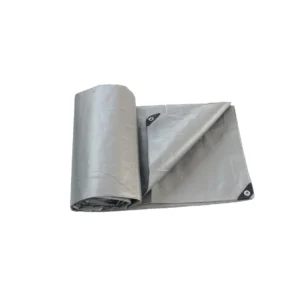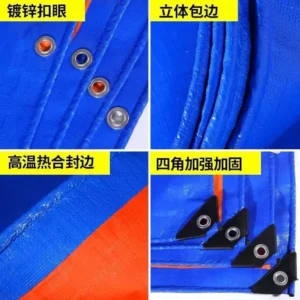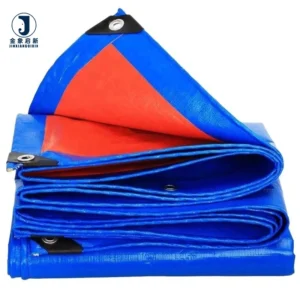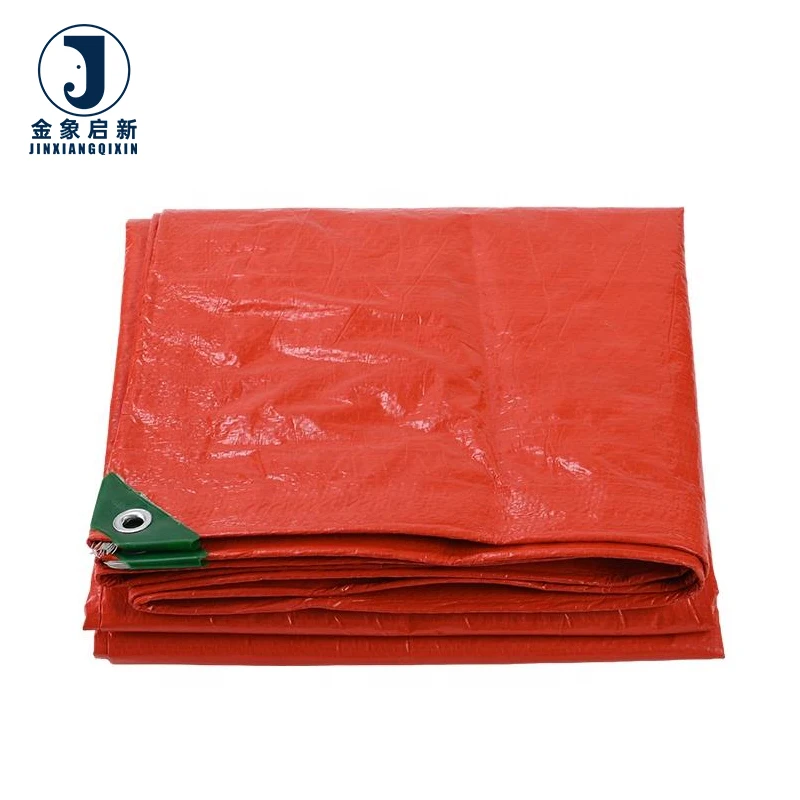
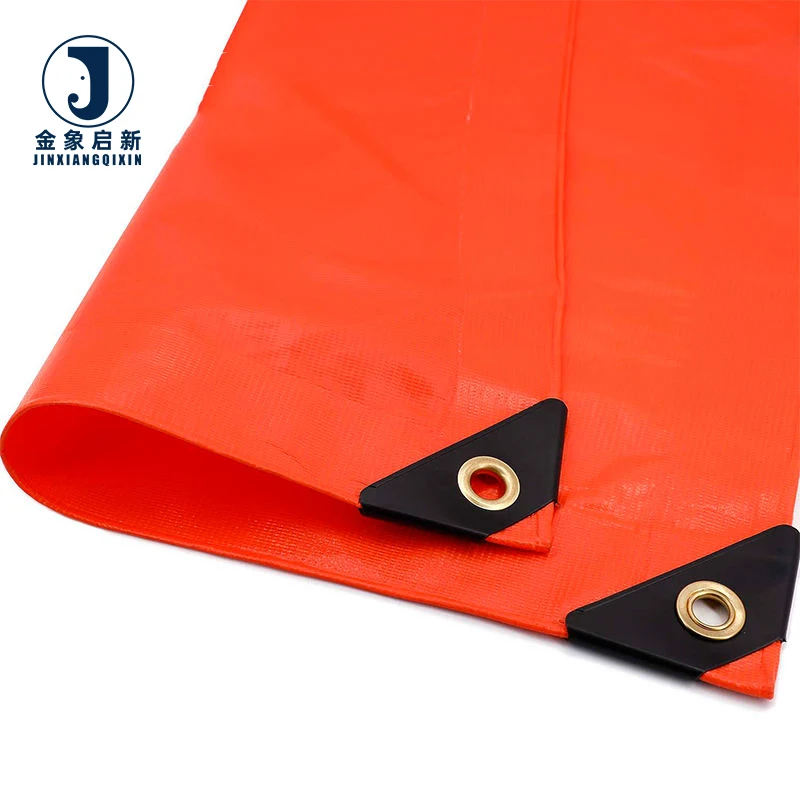
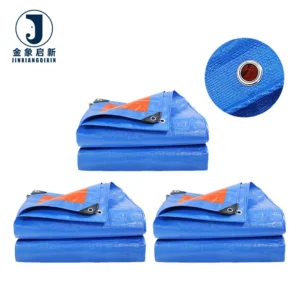
PE Tarpaulin for truck and trailer covers — 40–500g/m² weight range, 8×8 to 12×12 knitting density, double waterproof surfaces with UV treatment option. Custom sizing, colour matching and reinforced eyelets to fit specific vehicle models. Weight tier and base density together determine tensile and tear performance across agricultural, warehouse and transport use. Supported by 3 full production lines, 10-person R&D team and 100% pre-shipment inspection.
Description
Proven Process Control — Nearly 30 years focused on polyethylene coated fabric with dedicated QA at every production stage ensures the GSM and mesh count you specify is the material you receive.
Technical Specifications
| Parameter | Value |
|---|---|
| Product Type | PE Tarpaulin |
| Material | Polyethylene |
| Weight Range | 40g~500g/m² |
| Thickness | 0.18-0.35 mm |
| Mesh Density | 8×8 / 10×10 / 12×12 |
| Tensile Strength (Meridian) | 300-1200 N/5cm |
| Tensile Strength (Latitude) | 250-1000 N/5cm |
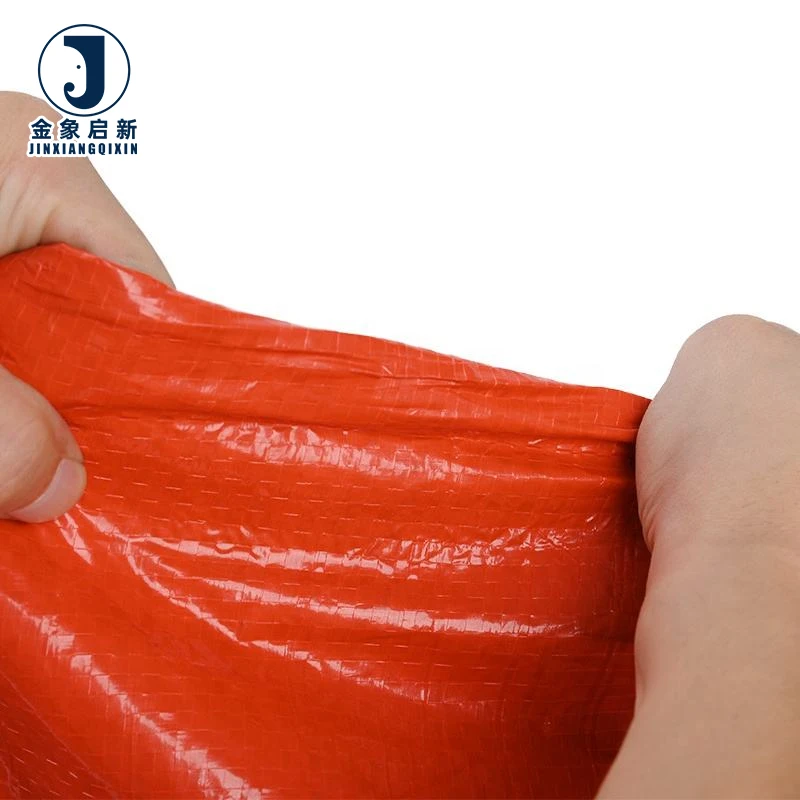
| Water Resistance | Double waterproof surfaces |
| UV Treatment | Available (test basis not stated) |
| Mildew Proof | Stated (grade not stated) |
| Anti-aging | Stated (grade not stated) |
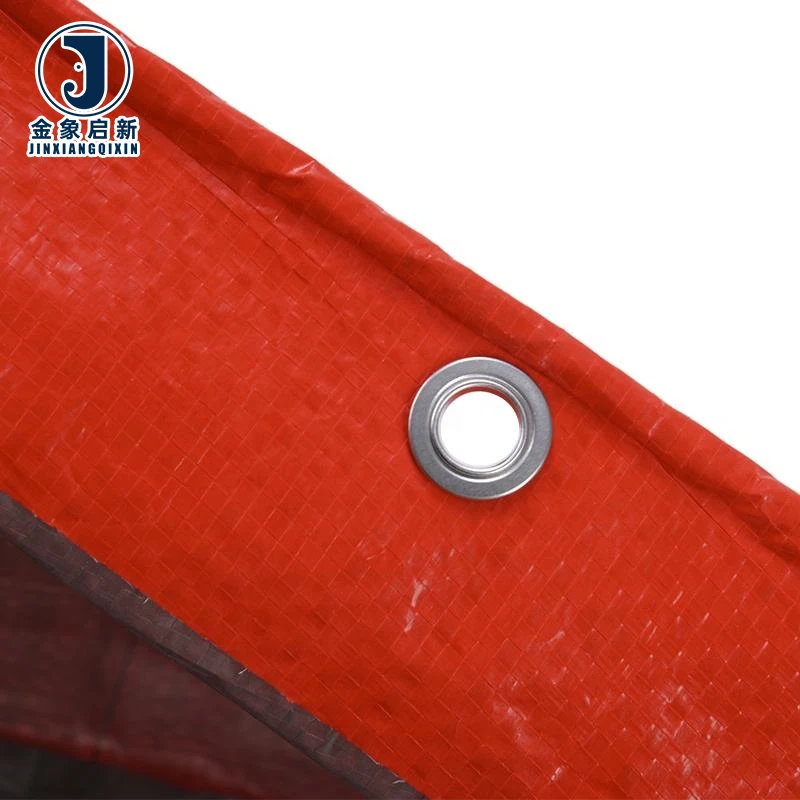
| Key Features | Tear-resistant, washable, reinforced corners |
Application Suitability
| Application | Exposure & Requirement |
|---|---|
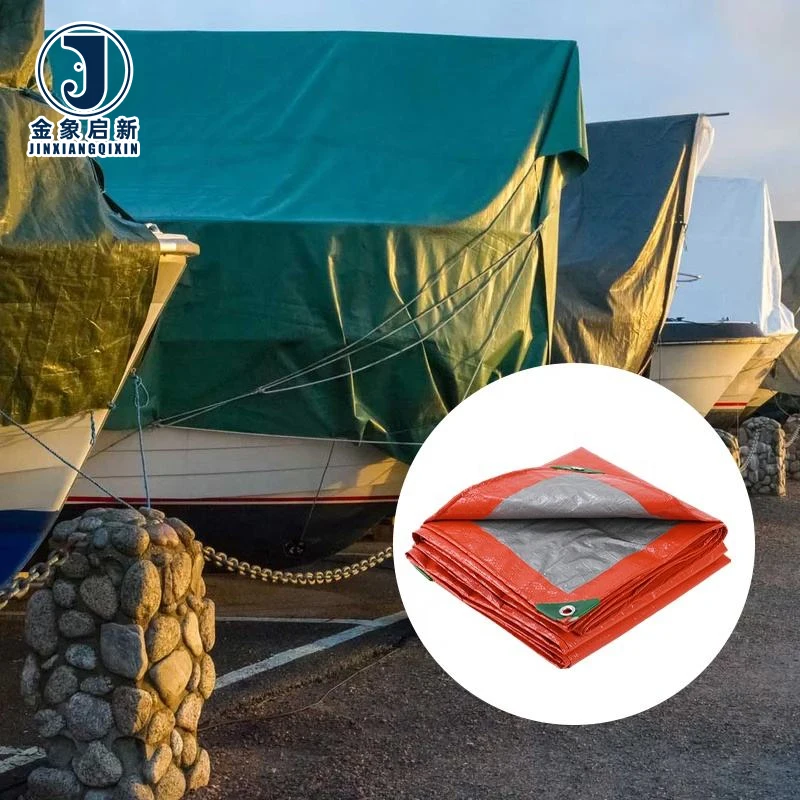
| Truck and trailer covering | Road abrasion, wind uplift at speed, tie-down stress at reinforced corners, UV exposure during transit |
| Agricultural stock covering | Prolonged sun exposure, moisture, mildew risk, mechanical handling damage |
| Warehouse and yard coverage | Weather exposure, puncture from stacked materials, long-term UV degradation |
| Industrial transport protection | Load flex during transit, friction against cargo edges, repeated folding and unfolding |
| Aquaculture pond lining | Continuous water immersion, soil chemistry contact, puncture from substrate |
Why Stated GSM Does Not Guarantee Real-World Cover Performance
A quotation weight is only as reliable as the inspection record that backs it up.
Sourcing a PE Tarpaulin manufacturer custom grade for fleet or construction use often begins with a target GSM. The problem buyers encounter is material arriving lighter than agreed, with the deficit hidden inside the coating layer where visual inspection cannot detect it. A 10% shortfall in weight on a heavy-duty transport cover directly reduces tensile reserves at the very flex points where load shift concentrates stress [NEED_CITE: tensile and tear test methods for coated fabrics per ISO 1421]. Without a pre-shipment inspection record confirming roll-by-roll weight, the specification sheet remains a claim rather than a verified fact.
Matching Mesh Density to the Mechanical Load
The mesh count — 8×8, 10×10, or 12×12 — defines the base fabric grid before coating is applied. A PE Tarpaulin manufacturer custom order should match the mesh to the expected mechanical load: lighter 8×8 construction suits static agricultural covers where the primary demand is weather shielding, while 12×12 mesh provides the yarn density required for transport covers that flex repeatedly under tie-down tension.
Waterproof Construction Beyond Surface Coating
Double waterproof surfaces mean both faces of the polyethylene sheet resist water ingress, which matters when covers are folded and the underside becomes exposed during handling or wind lift. Reinforced corners address the concentrated stress where eyelets or tie-downs transfer load into the fabric, preventing the tear initiation that typically starts at these attachment points on standard PE sheeting [NEED_CITE: stress concentration factors at eyelet positions in flexible covers].
How Weight, Mesh and Tensile Strength Interact
The relationship between GSM, mesh count and tensile strength is not linear. A 160–240 g/m² heavy-duty grade with 12×12 mesh delivers meridian tensile values of 900–1200 N/5cm because the denser base fabric distributes load across more yarns per centimetre. The same weight applied to an 8×8 mesh would produce a thicker coating but a weaker base structure, resulting in lower tear resistance despite the identical GSM reading. This is why the specification must state both weight and mesh together — treating GSM as a standalone measure of strength leads to under-engineered covers that fail prematurely under dynamic load.
The Hidden Cost of Ignoring Batch Consistency
When a logistics fleet orders multiple truck covers in one production run, colour variation between rolls becomes visible only after installation — when two adjacent trailers parked side by side show noticeably different shades. This forces rework or partial replacement at the buyer’s expense. Similarly, GSM variation within a single order means some covers meet specification while others fall below the threshold for the intended application, creating unpredictable service life across the fleet [NEED_CITE: quality control standards for batch consistency in coated fabric production].
Verified Supply From Coated Fabric Specialists
Three full production lines with 36 sets of professional equipment support the bulk volume and on-time delivery schedules that fleet operators and distributors depend on. A 10-person R&D team handles material selection and cut-to-fit sample development, confirming that the PE Tarpaulin manufacturer custom specification matches the actual vehicle dimensions before production begins. Dedicated QA and QC checkpoints at every stage, with 100% inspection before shipment, ensure that the GSM, colour and treatment stated on the quotation match the material dispatched. Samples for custom sizing, colour and printing are developed within days, allowing buyers to verify fit and appearance before committing to a production run.
Documentation & Verification
- Material specification sheet stating exact GSM, mesh count and polyethylene coating weight for each roll
- Pre-shipment inspection record confirming 100% weight and visual check before dispatch
- UV and treatment test report provided where applicable to support performance claims
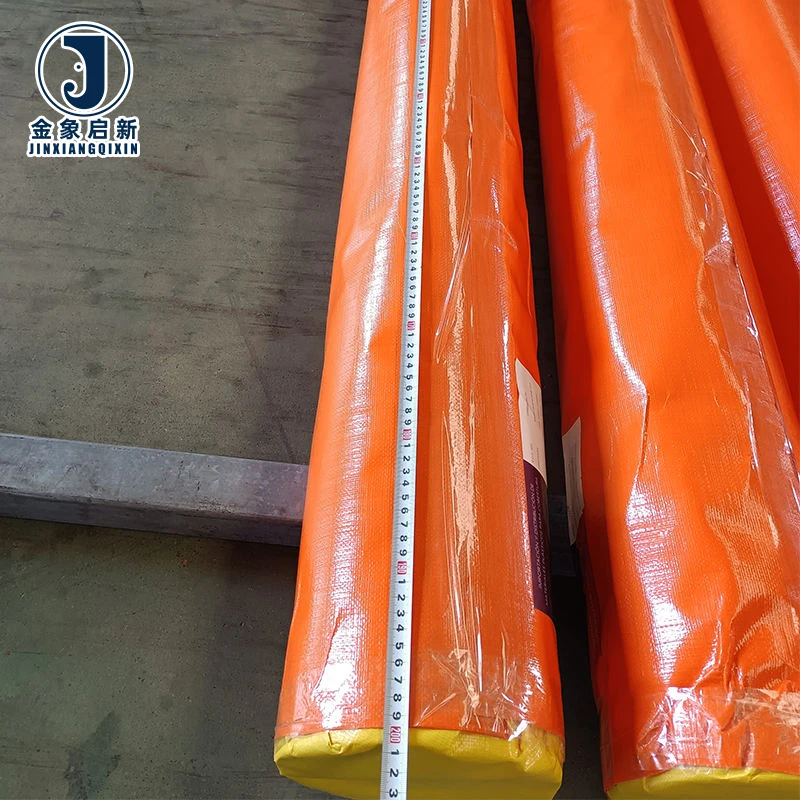
- Roll packing list with individual roll weights for receiving verification
- Certificate of origin and customs documentation for cross-border shipment
Fabrication, Handling & Storage
- Heat welding parameters must account for the specific polyethylene thickness range (0.18-0.35 mm) to avoid burning through lighter grades
- Reinforced corners should be specified at all tie-down positions to distribute load across the double waterproof surface layers
- Store rolls horizontally on pallets to prevent edge creasing that weakens the base mesh structure
- Unfold covers at ambient temperature; cold polyethylene becomes brittle and may crack at fold lines
- Clean with mild detergent only — aggressive solvents degrade the polyethylene coating surface
- Allow minimum 50mm overlap when joining panels to maintain waterproof continuity at seams
Starting Your Specification
To move from enquiry to sample, share your application environment and the mechanical loads the cover will face — transit speed, tie-down method, folding frequency and sun exposure duration. Specify the target GSM and mesh grade, or describe the service demand and let the R&D team recommend the appropriate weight tier. Confirm whether you need cut-to-size finished covers with edge finishing and reinforcement, or roll stock for your own fabrication.
Frequently Asked Questions
Q: What GSM do I need for my application — agricultural, warehouse or heavy transport?
A: Agricultural covering typically uses lightweight grades in the 80–110 g/m² range with 8×8 mesh. Warehouse and yard covers suit medium grades at 120–150 g/m² with 10×10 mesh. Heavy transport and truck covers require 160–240 g/m² with 12×12 mesh to withstand tie-down tension and road abrasion. We recommend confirming the grade based on your specific load and exposure conditions.
Q: Can you match our Pantone colour and print our branding on the tarpaulin?
A: Colour matching and pattern printing are handled by the R&D team, with samples produced for approval before production. Batch consistency across multiple rolls is verified during pre-shipment inspection so that colour does not vary between covers installed side by side. Share your Pantone reference and branding artwork at enquiry stage to confirm feasibility and sample lead time.
Q: How do you guarantee GSM and treatment claims on arrival?
A: Every roll ships with a material specification sheet stating the exact GSM and mesh count, backed by a pre-shipment inspection record from our 100% check before dispatch. UV and treatment claims are supported by test reports where applicable. This documentation allows you to verify the material received matches the quotation specification without relying on supplier claims alone.
Q: What is the lead time and minimum for custom width, colour or cut size?
A: Lead times depend on the specification complexity and order volume. Custom widths, matched colours and printed branding each add processing stages beyond standard roll production. Minimums vary by customisation type. Provide your full specification including quantity at enquiry stage so we can confirm the production schedule and any applicable minimums for your specific requirements.
Q: What documentation ships with the order?
A: Each dispatch includes a material specification sheet, pre-shipment inspection record, roll packing list, certificate of origin and applicable treatment test reports. ISO and CE certificates are available to support compliance requirements. Confirm any additional documentation your market or receiving facility requires at order placement so all paperwork is prepared before dispatch.
Related products
-
PE Coated Blackout Tarpaulin Poly Tarp with UV Protection Standard Size Fabric Sheet for Agriculture & Industrial Use
¥0.35 Select options This product has multiple variants. The options may be chosen on the product page -
Waterproof PE Tarpaulin Fabric 100-300gsm Anti-Uv Outdoor Use for Boys & Girls Activity Ponds
¥0.31 Select options This product has multiple variants. The options may be chosen on the product page -
Toldo de lona tejida plana JX PE con resistencia y características impermeables duraderas para uso en exteriores
¥0.30 Select options This product has multiple variants. The options may be chosen on the product page -
Multi-color & Size Waterproof Breathable Organic Blackout Coated PE Tarpaulin with UV Customizable Weft Knitted for Boys & Girls
¥0.21 Select options This product has multiple variants. The options may be chosen on the product page