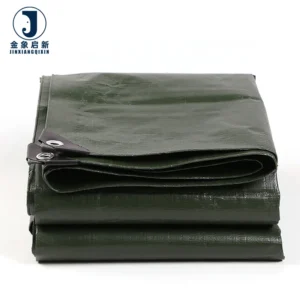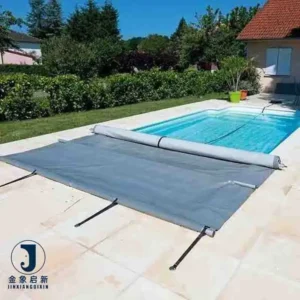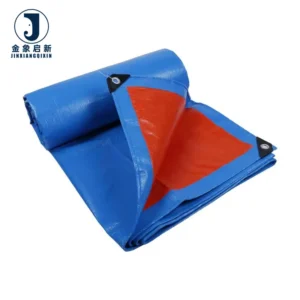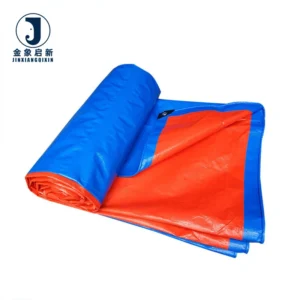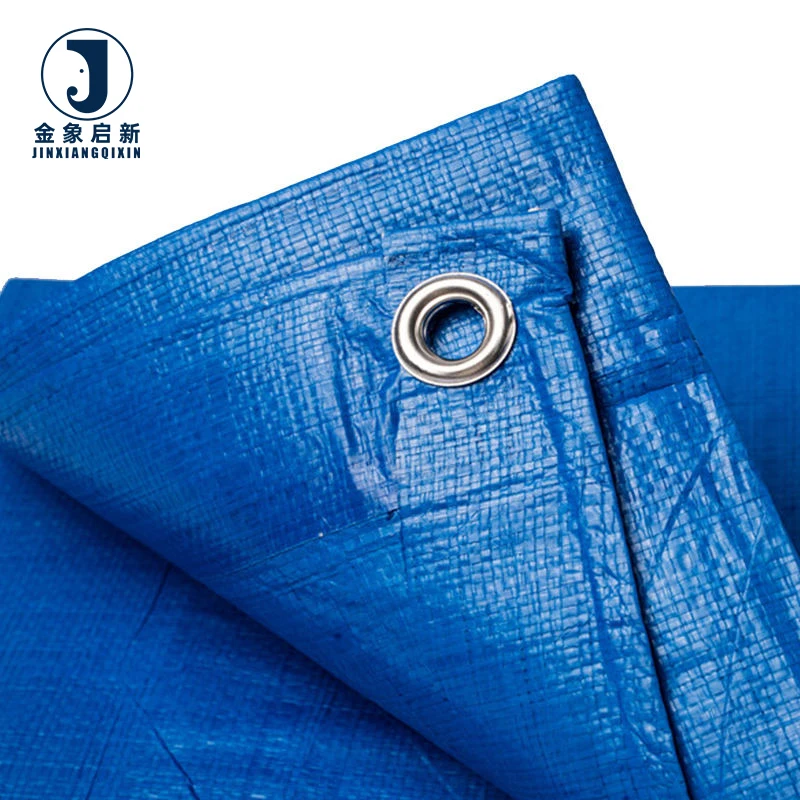
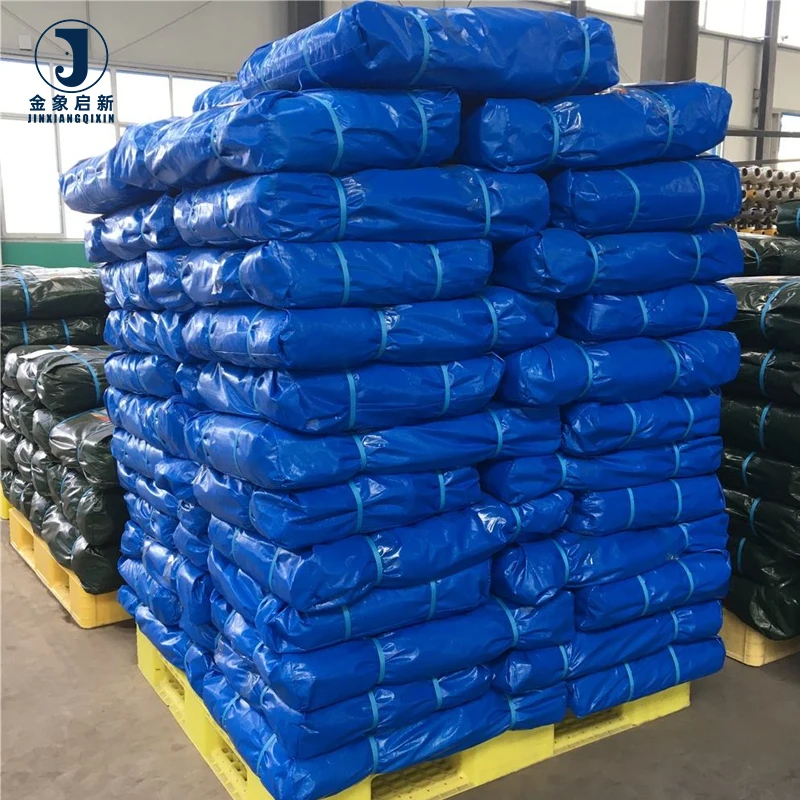
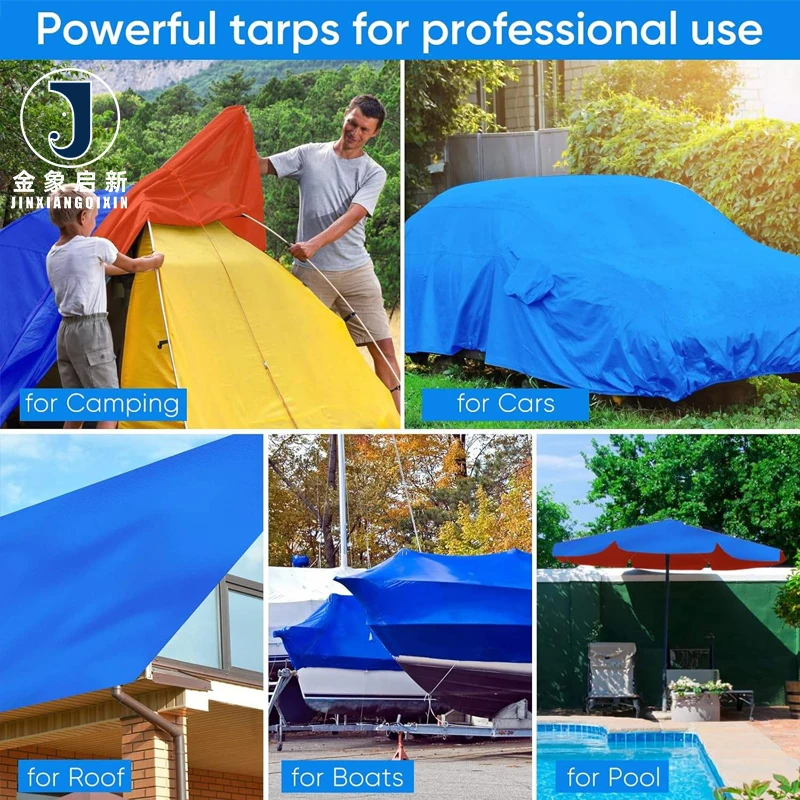
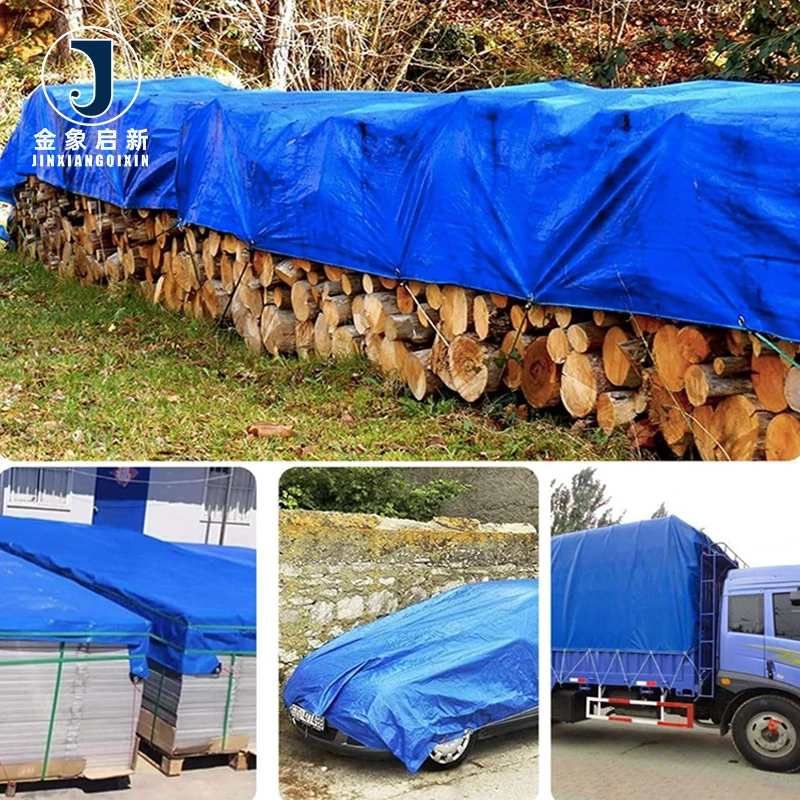
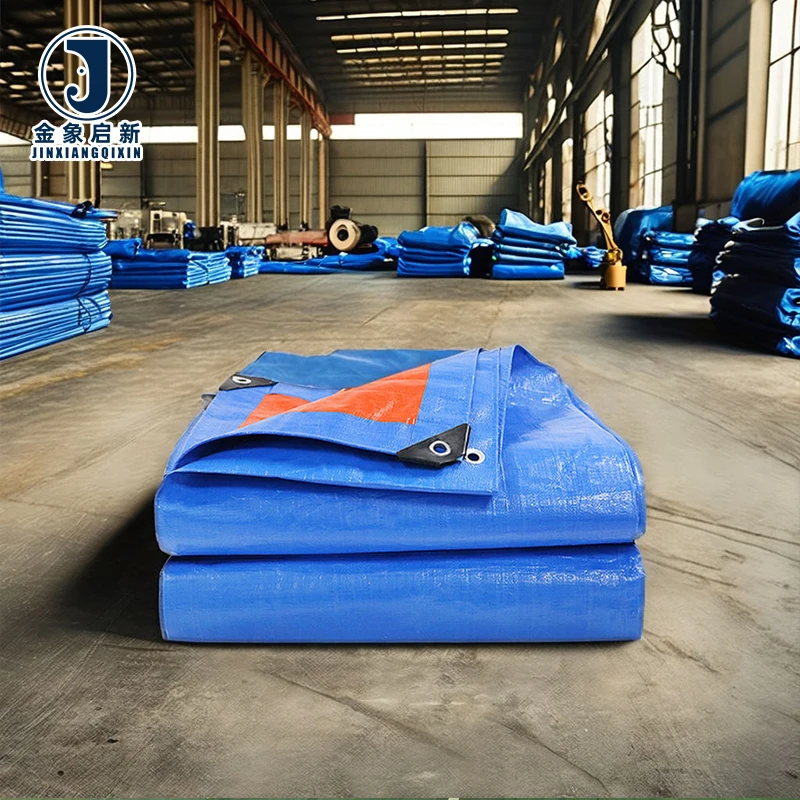
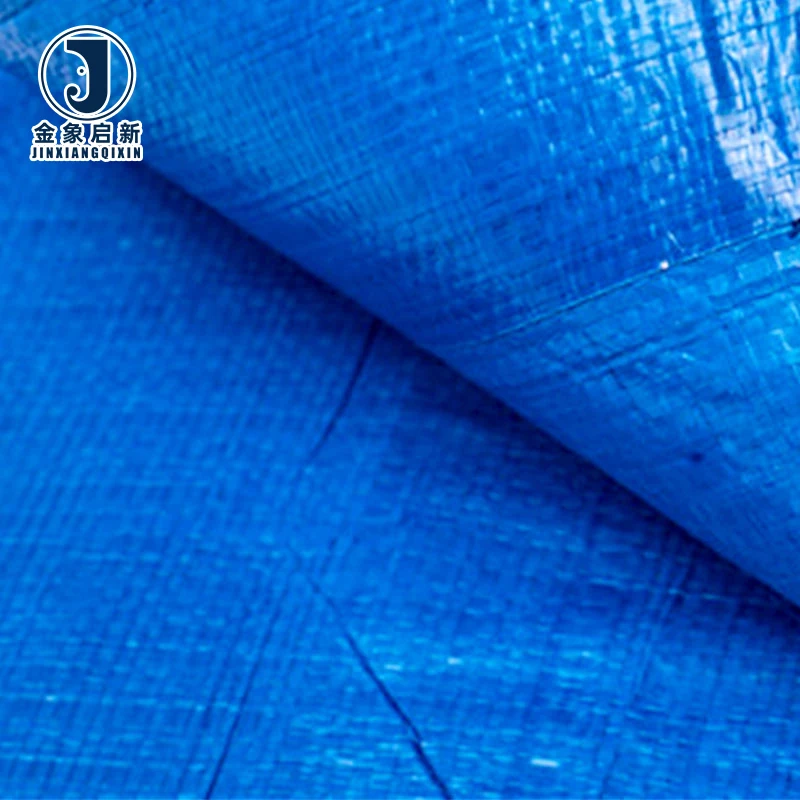
Waterproof PE Tarpaulin Sheets, 0.18-0.35 mm, 8×8 / 10×10 / 12×12 Knitting Density — double waterproof surfaces with UV treatment available, reinforced corners and rustproof grommets at 39.4-inch spacing for agricultural, transport and greenhouse covering applications.
- Full range from lightweight greenhouse covers to heavy-duty transport sheets, with custom size, colour and weight grades from one production source
- Colour and GSM consistency maintained roll-to-roll across bulk orders, eliminating visible mismatch on installation
30 years of coating process control with dedicated QA/QC at every stage and 100% pre-shipment inspection.
Description
Coated Fabric Process Control — Every roll of PE tarpaulin runs through dedicated coating lines with in-process weight checks, ensuring the GSM you specify is the GSM you receive.
Technical Specifications
| Parameter | Value |
|---|---|
| Product Type | PE Tarpaulin |
| Material | Polyethylene |
| Thickness | 0.18–0.35 mm |
| Weight Range | 40–500 g/m² |
| Knitting Density | 8×8 / 10×10 / 12×12 |
| Tensile Strength | Meridian 300–1200 / Latitude 250–1000 N/5cm |
| Surface | Double waterproof surfaces |
| UV Treatment | Available |
| Reinforcement | Reinforced corners, rustproof grommets |
| Grommet Spacing | 39.4 Inches |
| Size | Custom size |
| Color | Custom color |
Application Suitability
| Application | Exposure & Requirement |
|---|---|
| Agricultural and greenhouse covering | Prolonged UV exposure, condensation, wind uplift on lightweight frames |
| Warehouse and stockpile coverage | Rain ingress, dust, repeated handling and repositioning over pallets |
| Truck and transport tarpaulin | Road vibration, flex at load points, weather at highway speeds |
| Outdoor canopy and event tents | Sun and rain cycling, tension at grommet points, public visibility |
| Garden and landscaping sheeting | Soil contact, moisture, puncture from tools and debris |
Why GSM Alone Does Not Tell You How Durable Your PE Tarpaulin Will Be
GSM is a starting point for comparison, not a guarantee of service life — knitting density and base fabric denier determine what happens when the fabric is stressed.
I have watched procurement teams shortlist suppliers purely on quoted weight, only to find that a 120 g/m² sheet with 8×8 knitting pulls apart at the grommets within weeks, while a 90 g/m² sheet with 12×12 density holds firm under the same installation. The polyethylene yarn thickness and how tightly the weave is set govern tear propagation far more than the total mass per square metre. When a PE tarpaulin aftermarket supplier quotes weight without the corresponding density, you are buying blind [NEED_CITE: relationship between knitting density and tear resistance in woven PE fabrics].
Matching Weight Grade to the Actual Load Environment
Lightweight grades in the lower end of the range serve well as temporary greenhouse covers or short-term stockpile wraps where the fabric is not load-bearing and flex cycles are minimal. The PE Tarpaulin sheets here are available across a full weight spectrum, and the right pick depends on how much mechanical stress the material will absorb during its service window. Selecting a heavier grade than necessary adds cost and handling weight without proportional benefit in static, low-exposure applications.
Knitting Density and Its Role Beyond the Data Sheet
A 12×12 weave concentrates more yarn crossings per unit area, creating a tighter grid that resists puncture and slows tear spread when a cut or nick occurs in the field. For transport covers that experience constant vibration and flexing at tie-down points, this tighter construction matters more than marginal differences in total weight. When comparing quotes from a PE tarpaulin aftermarket supplier, always request the knitting density alongside the GSM to make a true like-for-like assessment [NEED_CITE: standard test methods for woven polyethylene fabric density].
Understanding Thickness as a Handling Indicator
Thickness in the 0.18–0.35 mm range correlates with stiffness and drape behaviour rather than waterproofness alone. Thinner sheets conform easily around irregular loads and fold compactly for seasonal storage, while thicker grades hold their shape over rigid frames and resist crease damage during repeated deployment. The double waterproof surfaces ensure water shedding across all thickness options, so the choice should be driven by installation geometry and handling frequency.
The Cost of Overlooking Colour Consistency Across Rolls
When a greenhouse or warehouse project requires multiple rolls installed side by side, even a slight shade variation becomes visible in daylight and signals poor process control to your own client. I have seen orders rejected not because the material failed mechanically, but because the colour drifted between production batches. A PE tarpaulin aftermarket supplier that cannot hold a single colour reference across the full order quantity creates rework risk that no unit-price saving will cover [NEED_CITE: colour fastness and batch matching standards for PE coated fabrics].
Why Procurement Here Reduces Specification Drift
Three full production lines allow this facility to run your specified weight and colour continuously, reducing the chance of mid-order machine changeovers that cause variation. The in-house R&D team develops samples within days when you need a non-standard size or colour matched to an existing installation. Every roll passes through stage-by-stage QA with 100% inspection before shipment, catching GSM deviation before it reaches the container rather than after it reaches your dock.
Documentation & Verification
- Material specification sheet stating GSM, knitting density and colour reference for each roll
- UV treatment test report supplied when outdoor exposure grade is specified
- Pre-shipment weight verification record per roll against quoted values
- Roll packing list with individual lot numbers for traceability
- Certificate of origin and customs documentation for international shipment
Fabrication, Handling & Storage
- Heat-seal at moderate temperature settings to avoid melt-through on thinner 0.18 mm grades
- Position grommets at reinforced corners to distribute tie-down load across the weave
- Store rolls upright on end caps to prevent flat-spot creasing on the polyethylene surface
- Deploy in cold conditions by unrolling slowly to avoid stiffness-related cracking
- Clean with mild detergent only — solvent-based cleaners degrade the double waterproof surface coating
- Cut with sharp blades following the weave line to maintain straight edges for seaming
What to Include with Your Enquiry
Provide the installation type and expected exposure conditions so the weight grade and UV treatment level can be matched to your project. Specify the required colour reference code and whether rolls need to be cut to finished sizes with grommets or supplied as stock rolls for your own fabrication. Confirm the knitting density preference if your application involves high wind load or repeated mechanical stress.
Frequently Asked Questions
Q: What GSM and knitting density should I choose for greenhouse covering versus truck transport use?
A: Greenhouse applications typically use lighter grades with moderate knitting density since the fabric sits on a static frame. Transport covers need heavier weight and tighter 12×12 density to withstand vibration and flex at tie-down points. Share your specific installation details so the right combination can be recommended from the available range.
Q: Can you match a specific colour code consistently across multiple production runs?
A: Yes — colour references are logged against each production batch, and subsequent orders are matched to the original standard. Request a physical sample from the production run before full shipment if your project demands strict visual consistency across installations in different seasons.
Q: What is the minimum order for custom size and colour PE tarpaulin?
A: Minimums depend on whether you need stock colour from the existing palette or a custom shade requiring a dedicated production run. Custom cut sizes with grommets carry different thresholds than full rolls. Submit your dimensions and quantity for a specific lead time and minimum confirmation.
Q: Do you provide UV treatment test reports with the shipment?
A: UV treatment test documentation is supplied when the UV-stable grade is specified at the order stage. If your project requires long-term outdoor exposure verification, confirm this requirement during the enquiry so the correct test protocol is applied and the report accompanies your dispatch documentation.
Related products
-
Custom Made PE Tarpaulin with Eyelets – Waterproof Tear-Resistant
Read more -
Rollo de Lona PE Impermeable de Oscurecimiento Orgánico Recubierto Baisite 4mx50m Carpa Exterior Personalizada 4mx6m Cubierta para Camiones
¥0.77 Select options This product has multiple variants. The options may be chosen on the product page -
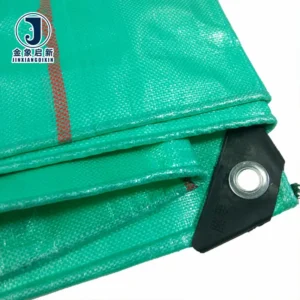
Sunshade Awning Waterproof Cloth. 7X8 Waterproof Polyurethane Waterproof Cloth – Multi-purpose Cover Water tank Waterproof Cloth
¥0.18 Select options This product has multiple variants. The options may be chosen on the product page -
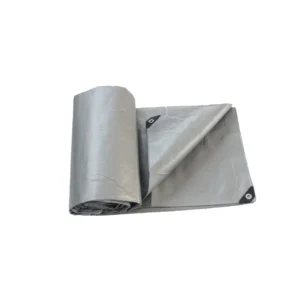
Lona de PE Impermeable para Jardín Exterior Hoja HDPE Laminada con Recubrimiento de PVC para Cubierta de Forro Cubierta de Camión Carpa Toldos Tejido Plano
¥0.31 Select options This product has multiple variants. The options may be chosen on the product page