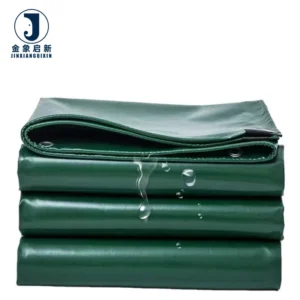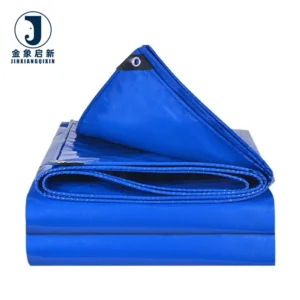
PVC Coated Tarpaulin, 0.35–1.5 mm, 500D–2000D Base, up to 6m Width — UV treated and waterproof for truck covers, tents and industrial enclosures.
- Specifying the right GSM and denier determines tensile and tear performance for each load type; our 400–1500 g/m² range lets you match fabric weight to duty cycle rather than over-specifying
- Custom width, length and colour with batch consistency across rolls, plus reinforced hems and galvanised eyelets at 1m spacing
- 100% pre-shipment inspection backed by material specification sheets and roll packing lists for every order
Description
Process-Controlled Coating — nearly 30 years focused on PVC coated fabric, with dedicated QA at every production stage and 100% pre-shipment inspection before dispatch.
Technical Specifications
| Parameter | Value |
|---|---|
| Product Type | PVC Coated Tarpaulin / PE Tarpaulin |
| Material | PVC coated polyester fabric / HDPE weaving with LDPE lamination |
| Weight (GSM) | 400-1500 g/m² (range covers product family — confirm the grade for this item) |
| Base Fabric Denier | 500D to 2000D |
| Total Thickness | 0.35–1.5 mm |
| Tensile Strength (N/5cm) | Warp 1500–3000 / Weft 1200–2800 (test standard not stated) |
| Roll Width Options | 2m, 4m, 6m (or 6ft, 8ft, 10ft, 12ft) |
| Roll Length Options | 100 yards, 100 meters, or custom |
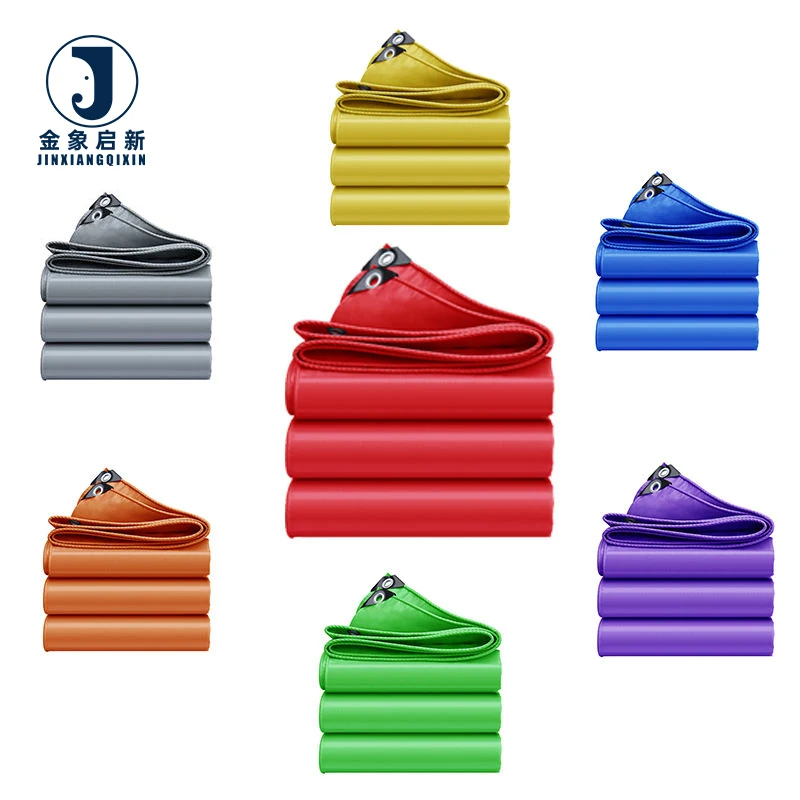
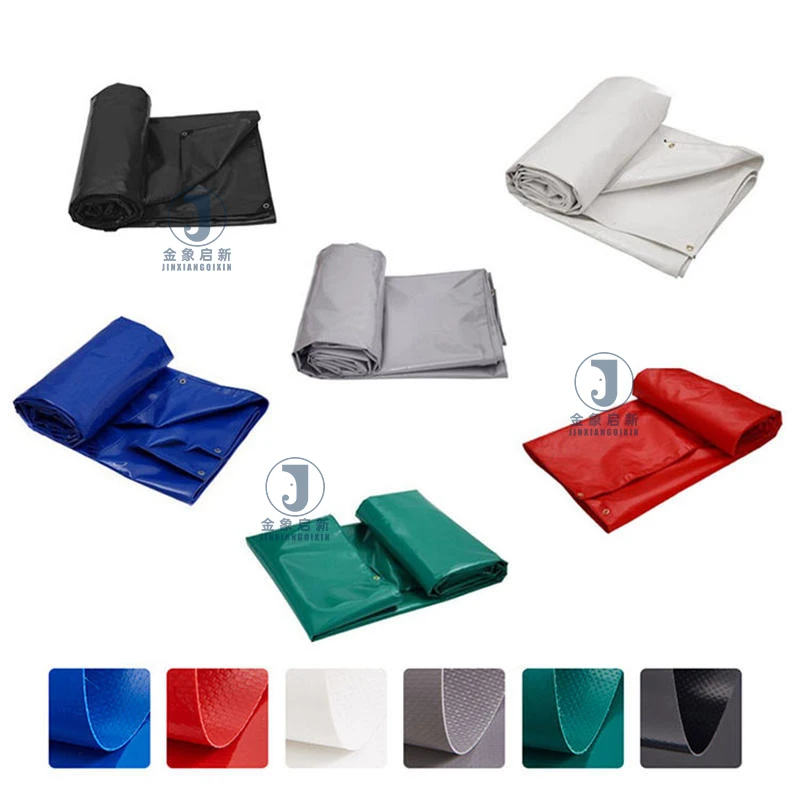
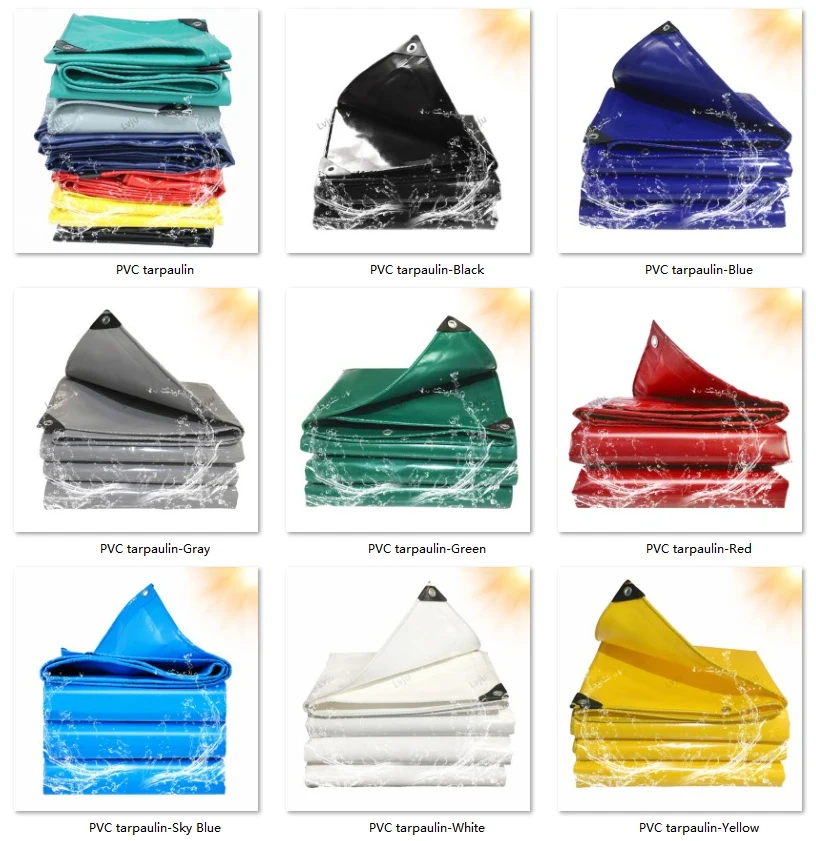
| Colour Options | Blue, Blue/Orange, Green, Grey, Black, Clear, Grey/Green, Orange, custom |
| Surface Treatment | UV treatment available (test basis not stated), waterproof, mildew proof, anti-aging |
| Finished Edge Options | Reinforced edges with PP rope, galvanized eyelets every 3ft/1m, reinforced plastic corners |
| Certifications | ISO, CE |
Application Suitability
| Application | Exposure & Requirement |
|---|---|
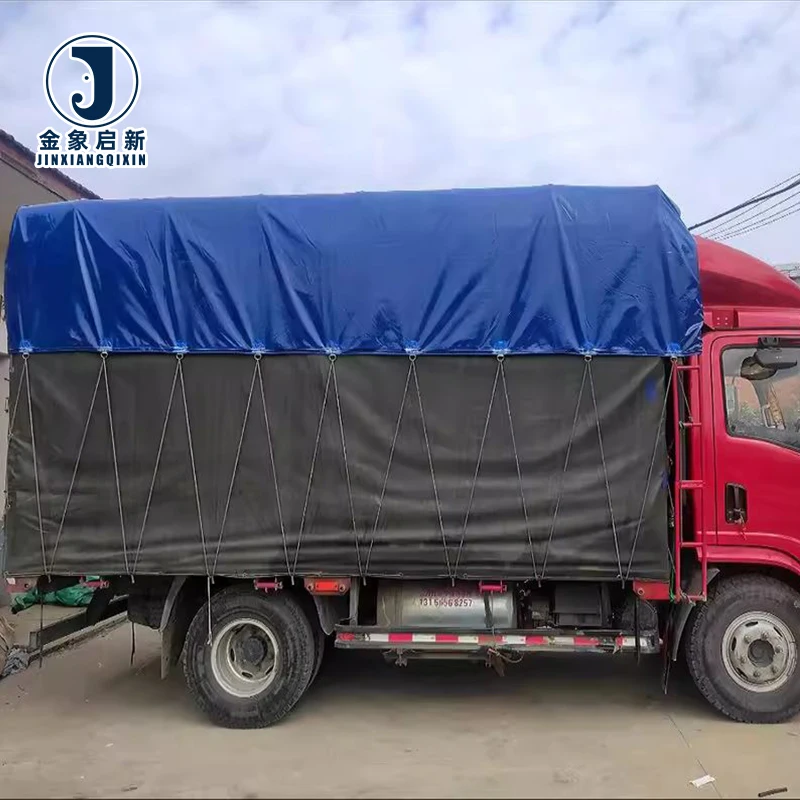
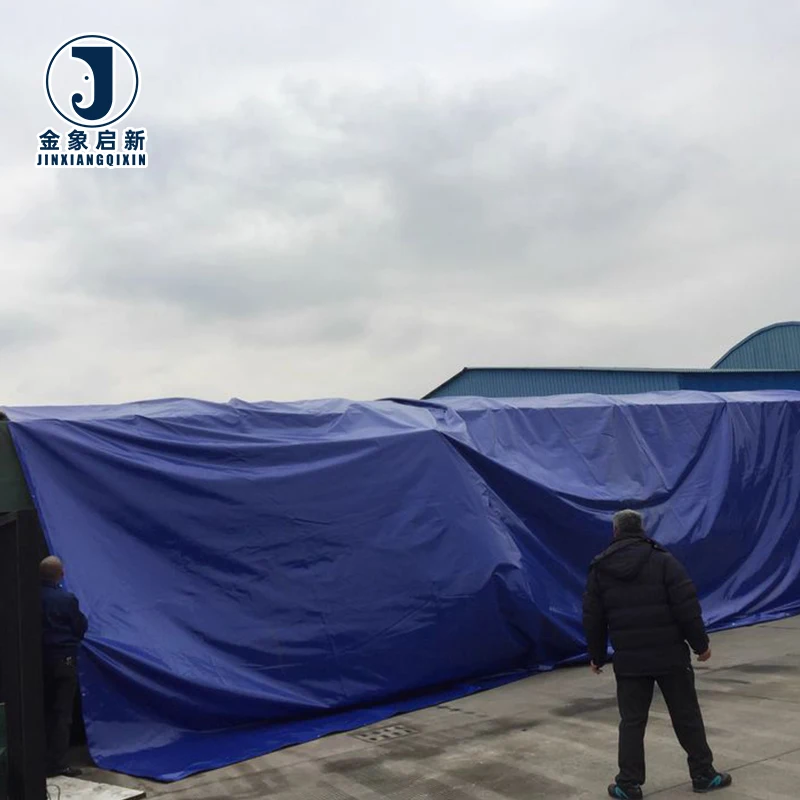
| Truck and heavy truck tarpaulin covers | Constant road abrasion, flexing at load points, UV exposure, wind uplift on highway transit |
| Tent and awning fabrication | Repeated folding and deployment, weather exposure, tension at frame contact points |
| Industrial pipe canopy and protective cloth | Prolonged sun exposure, chemical splash, dust and debris containment |
| Tensioned structural fabric | Sustained biaxial tension, wind loading, weld seam integrity at high stress zones |
| Lumber, steel and coil tarps | Abrasive cargo surfaces, sharp edge contact, heavy tie-down strap compression |
Why Specified GSM Rarely Arrives as Quoted — and What to Demand Instead
Verified coating weight per roll, not just a number on the quotation.
The PVC coated tarpaulin custom manufacturer market is full of quotes stating one weight and delivering another. Rolls arrive underweight because the coating application was adjusted downward during production without notifying the buyer. I have seen this pattern repeat across multiple sourcing cycles [NEED_CITE: coating weight variance in PVC tarpaulin supply chains]. When the material is lighter than agreed, tensile strength drops and the fabric fails earlier than the specification predicted. The only safeguard is a supplier who treats GSM as a controlled production variable, not a marketing claim.
Full Product Range in One Production Facility
This PVC coated tarpaulin custom manufacturer covers the complete spectrum from lightweight to super heavy-duty grades. Medium-duty rolls suit temporary site covers and lighter equipment wraps, while heavy-duty and super heavy grades serve permanent truck side curtains and structural membrane applications. The range spans base fabric deniers from 500D to 2000D, each matched to the appropriate coating weight for the target duty cycle. Buyers surveying options before specifying can evaluate the entire catalogue without contacting multiple mills.
Customisation from Fabric Selection to Finished Covers
Width, length, colour and pattern printing are all configurable within the same production run. Double-side colour options allow different interior and exterior tones. Samples are developed within days for custom requirements, so material approval happens before bulk production starts. The finished tarpaulin processing line adds reinforced PP rope hems, galvanized eyelets at specified intervals and reinforced plastic corners — eliminating the need for a separate fabrication contractor.
How Denier, Weave Density and Coating Weight Work Together
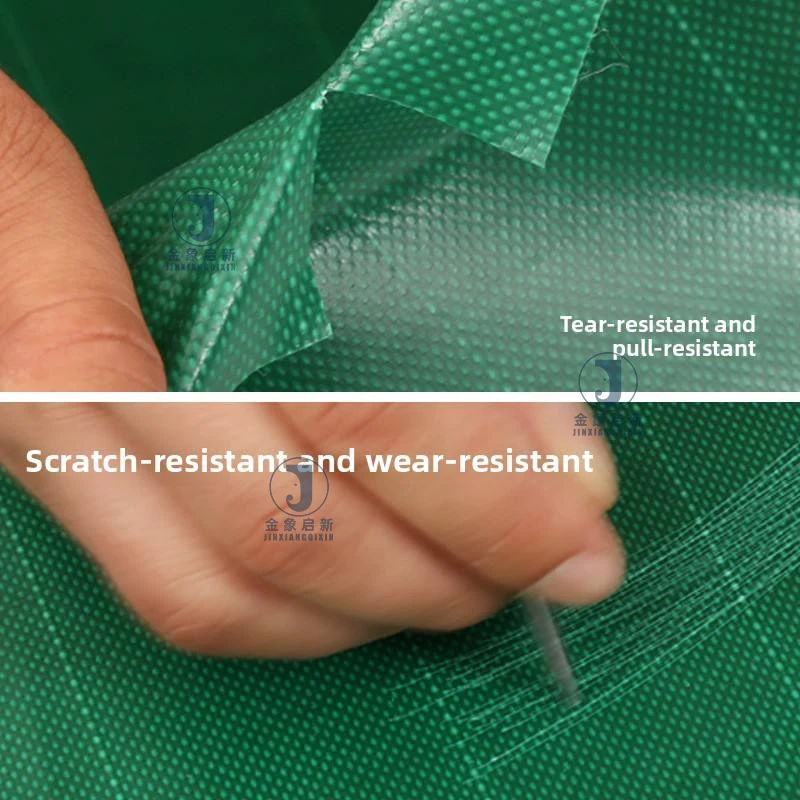
Base fabric denier and knitting density determine how the fabric handles tearing forces. A 1000D base with tight weave resists tear propagation better than a 500D base of the same weight, because more yarns share the load before a rip extends. Coating weight adds puncture resistance and waterproofing but does not compensate for a weak base fabric. The 0.35–1.5 mm thickness range across the product family reflects different combinations of base and coating, each suited to different stress profiles [NEED_CITE: relationship between base fabric denier and tear strength in coated textiles]. Tensile strength values from Warp 1500 to 3000 N/5cm correspond to specific denier and coating combinations — requesting the full specification sheet confirms which combination your order will receive. Roll width options of 2m, 4m and 6m affect how much fabric is wasted during cutting and how many weld seams are needed to cover a given area.
What Happens When the Wrong Grade Reaches the Site
A truck cover cut from a medium-duty roll will crack at the flex points within months if the load shifts during transit. A tent membrane specified without confirmed UV treatment will degrade unevenly across panels exposed to direct sunlight [NEED_CITE: UV degradation patterns in PVC coated polyester fabrics]. Colour variation between rolls in the same order becomes visible once panels are installed side by side — a problem that only surfaces after fabrication is complete. Welded seams on underweight fabric fail at the point of maximum flex, leaving the cargo exposed. These failures are not random; they trace back to a mismatch between the quoted specification and the material that actually shipped.
Why Buyers Source This PVC Coated Tarpaulin Range Here
Nearly 30 years of focus on coated fabric means the coating weight and adhesion process is controlled, not outsourced. Three full production lines with 36 sets of professional equipment support bulk capacity while maintaining reliable on-time delivery across container-load orders. A 10-person R&D team handles material selection, pattern printing, custom sizing and sample development in-house, reducing the back-and-forth between design and production. Dedicated QA at every production stage catches deviations before they reach the packing area. The 100% pre-shipment inspection means every roll is checked against the order specification before it leaves the facility.
Documentation & Verification
- Material specification sheet stating GSM, base fabric denier and coating type for each roll
- Test report for UV treatment and flame-retardant grades supplied where applicable — request upfront
- Pre-shipment inspection record confirming weight and dimensions before dispatch
- Roll packing list with individual roll numbers for traceability
- ISO and CE certificates available for customs and compliance submissions
- Certificate of origin and customs documentation support included
Fabrication, Handling & Storage
- Hot-air welding parameters vary by coating weight — confirm temperature settings for the specific GSM ordered
- Galvanized eyelets at 3ft/1m intervals distribute tie-down load; reinforce further at high-stress corners
- Store rolls upright on pallets to prevent flat-spot deformation across the 2m to 6m width range
- Unroll in temperatures above freezing to avoid cracking the PVC coating at low flex points
- Clean with mild detergent only; solvent-based cleaners can soften the coating surface
- Lay flat for cutting; the PP rope hem adds thickness that affects automated cutter blade depth
What to Include in Your Inquiry
Provide the application type, expected environmental exposure and any fire classification required in your target market. Specify whether you need roll stock or finished tarpaulins with eyelets and reinforced hems, along with required width, length and colour. State your annual volume so production can be planned for batch consistency across your orders. Request a sample if custom colour or print is involved — approval before production prevents colour mismatch issues later.
Frequently Asked Questions
Q: How is GSM verified on arrival against the quoted specification?
A: Every roll undergoes dedicated QA at each production stage with a 100% pre-shipment inspection before dispatch. The material specification sheet included with your order states the exact GSM, base fabric denier and coating type. If the weight on arrival does not match the specification sheet, the pre-shipment inspection record provides the documented basis for a claim.
Q: What test documentation supports UV and flame-retardant treatment claims?
A: Test reports for UV treatment and flame-retardant grades are supplied where applicable. Because specific test standards are not stated on all grades, buyers should request the documentation upfront and confirm the test basis matches their target market requirements before approving production.
Q: How is colour consistency maintained across multiple rolls in the same order?
A: Rolls within a single production run are processed with the same coating batch to minimise variation. The 10-person R&D team controls colour formulation and approves samples before bulk production begins. For critical colour matching, request a production sample from the actual batch before the full order ships.
Q: Can finished tarpaulins be cut to specific dimensions rather than standard sizes?
A: Yes. Custom width and length are available across the range, and finished tarpaulins can be produced with reinforced PP rope hems, galvanized eyelets and reinforced plastic corners to your specified dimensions. Samples are developed within days for custom sizing requirements.
Related products
-
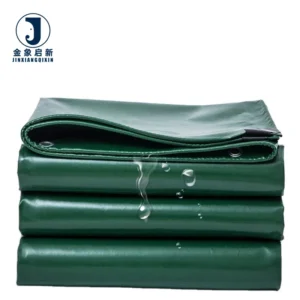
Venta Directa de Fábrica Lonas para Remolques de Plataforma Negras de Alta Resistencia Lona de PE para Madera Hoja de Lona para Transporte de Camiones de Plataforma
¥1.25 Select options This product has multiple variants. The options may be chosen on the product page -

Lona de PVC recubierta Lona de tela de PVC lona de alta resistencia retardante de fuego lona de PVC recubierta impermeable lona de PVC enrollable
¥1.00 Select options This product has multiple variants. The options may be chosen on the product page -
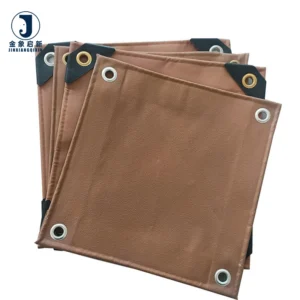
Cubierta de carga para camiones de PVC impermeable personalizable JX Fireproof 500gsm 600gsm
¥0.79 Select options This product has multiple variants. The options may be chosen on the product page -
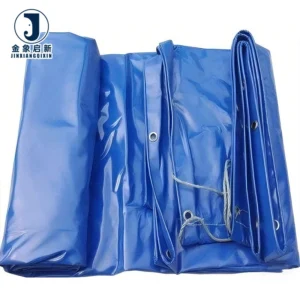
Material de tela de PVC Lona tejida Lona impermeable Tela tejida de lona
¥0.50 Add to cart