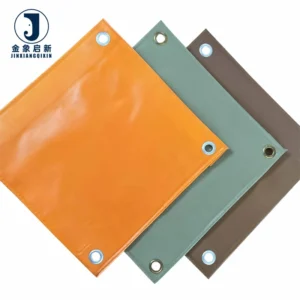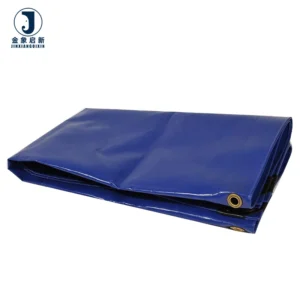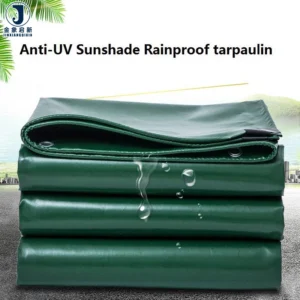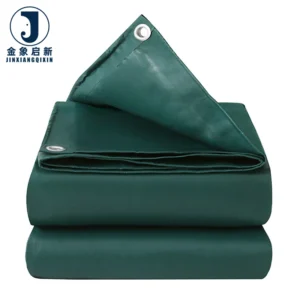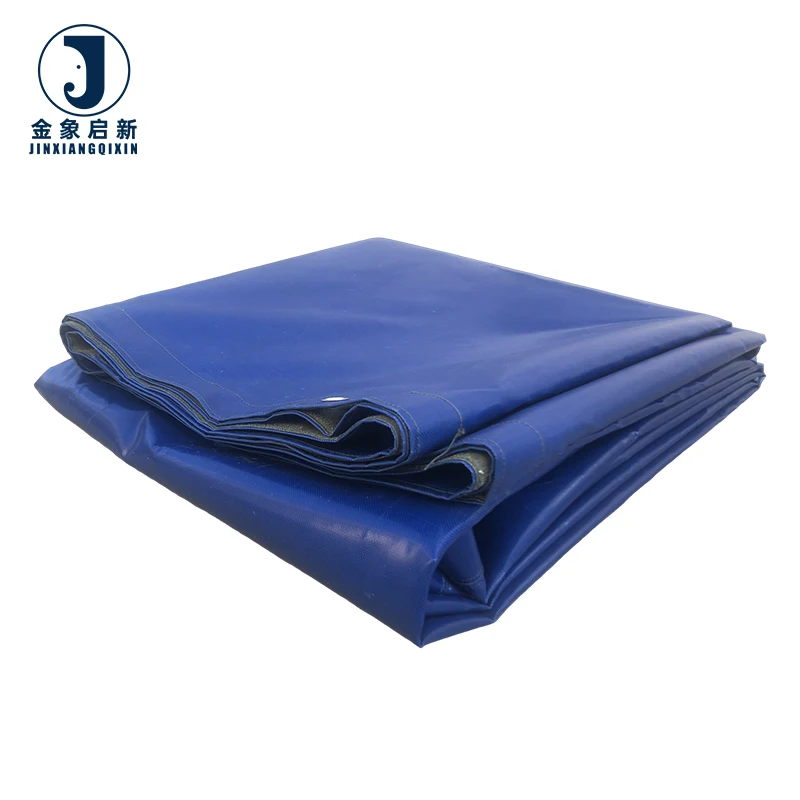
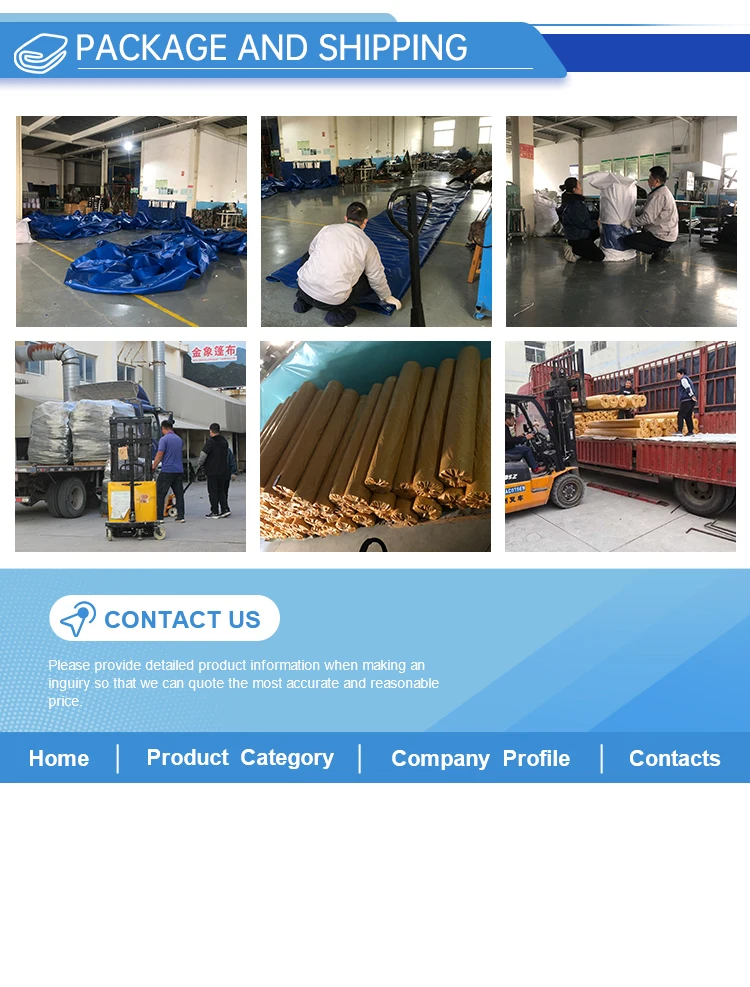
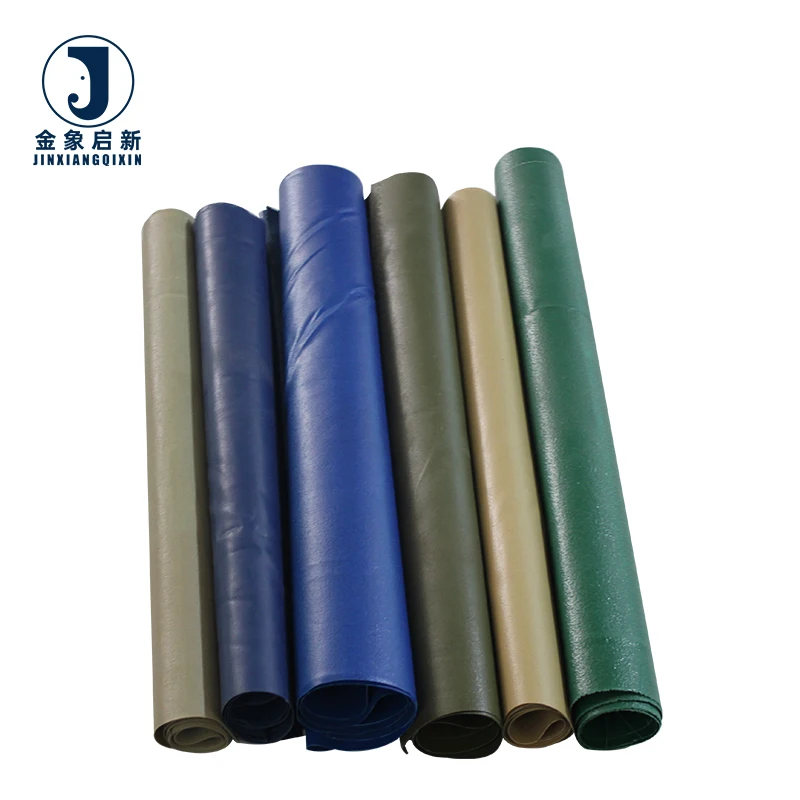
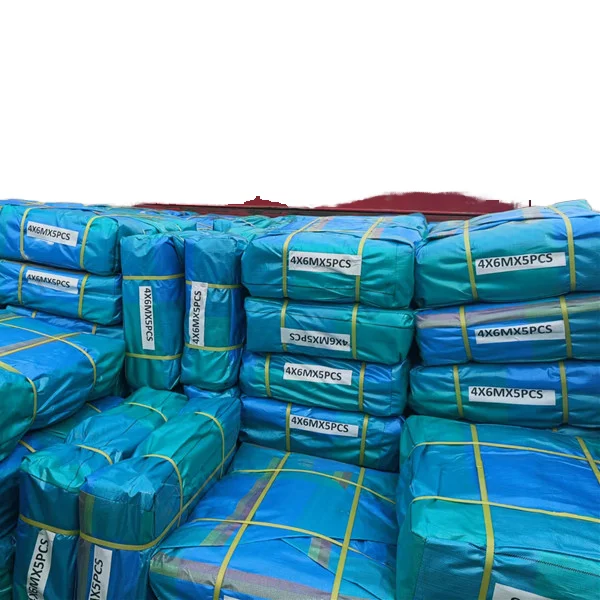
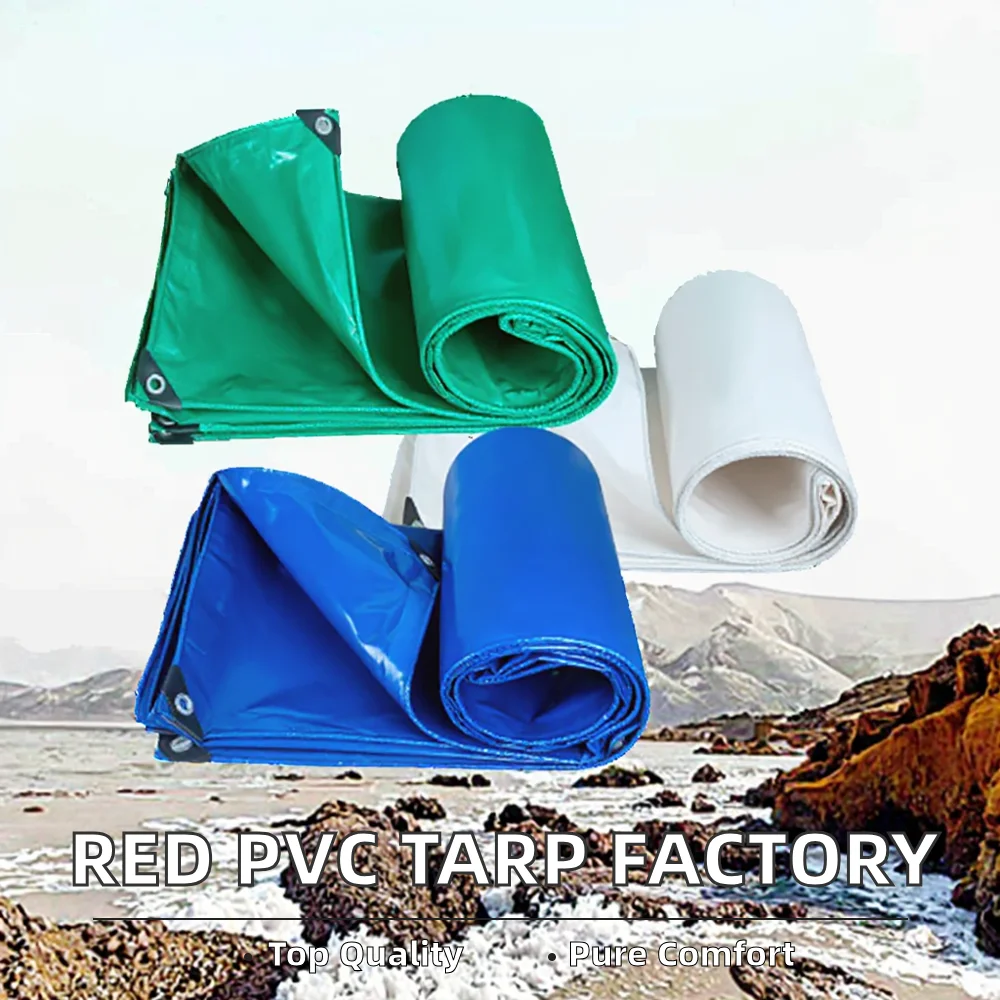
PVC Coated Tarpaulin Roll — 100% high toughness polyester yarn base with PVC coating, 400-1500 GSM range, lamination and hot melt coating technology, tensile strength up to 3000 N/5cm. Available across medium to super heavy-duty tiers with custom width, colour, flame retardant, anti-static, UV resistant and cold resistant treatments. Weld integrity is engineered into the coating process so seams hold at flex and load points. Backed by 36 sets of professional equipment, dedicated QA at every stage, and samples developed within days.
Description
Deep Process Control Over Coating Weight — Every PVC coated tarpaulin roll leaves the line with verified GSM, ensuring the fabric you specify is the fabric you receive.
Technical Specifications
| Parameter | Value |
|---|---|
| Product Type | PVC Coated Tarpaulin |
| Base Material | 100% high tenacity polyester yarn |
| Coating Technology | Lamination and hot melt coating |
| Thickness Range | 0.35–0.45 mm (medium), 0.70–1.0 mm (heavy-duty), 1.2–1.5 mm (super heavy) |
| Weight Range | 400–500 GSM (medium), 700–1000 GSM (heavy-duty), 1100–1500 GSM (super heavy) |
| Yarn Denier | 500D (medium), 1000D (heavy-duty), 500D–2000D (super heavy) |
| Tensile Strength (Medium) | Warp 1500–2000 / Weft 1200–1800 N/5cm |
| Tensile Strength (Heavy-Duty) | Warp 2000–2500 / Weft 1800–2200 N/5cm |
| Tensile Strength (Super Heavy) | Warp 2500–3000 / Weft 2200–2800 N/5cm |
| Weather Resistance | 3–5 years outdoor service life |
| Key Features | Waterproof, cold resistant cracking, excellent welding tear strength, best colour fastness |
| Treatment Options | Flame retardant, anti-static, cold resistant, mould proof, UV resistant (grade not stated) |
| Colour | Custom colours available |
| Certification | ISO, CE |
Application Suitability
| Application | Exposure & Requirement |
|---|---|
| Truck and trailer side curtains | Constant flexing at folds, road debris abrasion, UV and rain exposure |
| Construction site covers | Punctures from scaffolding and rebar, wind uplift, prolonged sun exposure |
| Tensioned membrane structures | Sustained biaxial stress, welding at panel joints, long-term weathering |
| Farm and logistics cargo covers | Abrasion from load shifting, moisture ingress, repeated folding and handling |
| Industrial pipe canopies | Chemical splash, heat proximity, mechanical contact with equipment |
| Inflatable and awning fabric | Repeated inflation cycles, fold memory, UV degradation on exposed surfaces |
Why Stated GSM Without Verification Leaves Your Load Exposed
Specified weight means nothing if it is not confirmed per roll before dispatch.
I once watched a Middle East buyer reject a full container because the PVC coated tarpaulin roll labelled as heavy grade came in measurably lighter than agreed. The coating line had drifted, and nobody checked. The buyer lost freight, the supplier lost credibility, and the cargo sat uncovered for weeks. That is the cost of treating a quotation number as if it were a finished product fact [NEED_CITE: pre-shipment weight verification methods for coated fabrics]. When you source a PVC coated tarpaulin roll aftermarket supplier, the question is not just what GSM appears on the spec sheet — it is whether every roll was weighed and recorded against that number before it left the factory.
Complete Product Families Under One Specification Framework
This catalogue covers every tier — from 400 GSM medium-duty rolls for short-term cargo protection to 1500 GSM super heavy-duty fabric for permanent tensioned structures. Each tier is matched to a specific yarn denier and tensile rating, so you select by measured performance rather than generic labels. The medium range suits farm and light logistics use, heavy-duty fits truck side curtains and construction enclosures, and super heavy handles membrane architecture and mining applications where the PVC coated tarpaulin roll aftermarket supplier must deliver structural-grade material.
Customisation From Colour Matching to Surface Finish
Beyond stock grades, the range supports custom width, length, colour matching, pattern printing, and branding applied during production. Samples are developed within days for your approval before full-run commitment. This matters when your specification calls for a colour that must remain consistent across dozens of rolls destined for the same installation — a variation visible once panels hang side by side can force an entire project to pause [NEED_CITE: colour consistency standards across production batches for PVC coated textiles].
How Denier, Coating Weight, and Tensile Strength Interact
GSM alone tells you how much material sits on the base fabric, but it is the yarn denier and weave density that determine how the PVC coated tarpaulin resists tear propagation once a puncture starts. A 1000D yarn at heavy-duty weight will arrest a tear far more effectively than a 500D yarn at the same GSM, because the individual filament bundles are thicker and more numerous per centimetre. Coating method matters equally — hot melt lamination bonds the PVC to the polyester scrim under heat and pressure, producing peel strength that lets welded seams hold as long as the parent fabric. Knife-over-edge coating builds a thicker surface layer, better for applications where abrasion resistance dominates. Tensile figures like Warp 2500 / Weft 2200 N/5cm in the super heavy tier reflect the combined contribution of a dense 2000D base fabric plus a high coating weight that locks yarn intersections in place. Understanding this relationship prevents overspecifying GSM when denier is the parameter that actually governs your failure mode.
What Happens When the Wrong Grade Goes Into Service
Deploying a medium-duty roll where heavy-duty flex fatigue is the daily reality leads to cracking along fold lines within the first season. Equally, selecting super heavy fabric for a light awning application adds dead weight and handling difficulty without delivering a benefit the structure actually needs. Colour inconsistency across rolls in a single order is another hidden cost — panels installed side by side reveal banding that no amount of tensioning hides, and the entire facade must be re-cut [NEED_CITE: visual impact of batch colour variation in installed PVC membrane panels]. Weld failures at high-stress flex points occur when the coating formulation was never matched to the thermal profile of the welding equipment on site.
Why Buyers Specifying PVC Coated Fabric Choose This Line
Three full production lines and thirty-six sets of dedicated equipment give the capacity to run multiple roll widths and GSM grades simultaneously without cross-contamination. A ten-person R&D team handles material selection, sample development, and custom pattern work rather than outsourcing specification decisions. Dedicated quality checks at every production stage mean coating weight, colour, and tensile properties are verified before the roll is wound, not after a buyer complaint. Nearly three decades focused on coated fabric have produced process controls over adhesion and surface finish that are difficult to replicate on newer lines. ISO and CE certification covers the management system behind these checks, and every shipment is accompanied by full documentation traceable to the production batch.
Documentation & Verification
- Material specification sheet stating confirmed GSM, base denier, and coating weight per roll
- Treatment test documentation for UV resistant and flame retardant grades where applicable
- Pre-shipment inspection record with individual roll weight verification against stated specification
- Roll packing list detailing quantity, net weight, and roll dimensions per container load
- Certificate of origin and customs documentation aligned to destination country requirements
Fabrication, Handling & Storage
- Hot air welding at temperatures matched to the lamination coating layer to prevent delamination at seams
- Reinforced hems and tie-down points must account for the tensile direction of the polyester base yarn
- Store rolls vertically on pallets to prevent flat-spot deformation on the outer coating surface
- Allow cold-stored heavy-duty rolls to reach ambient temperature before unrolling to avoid coating micro-cracks
- Use non-solvent cleaners on the PVC surface to preserve the colour fastness of custom-dyed batches
- Panel nesting plans should factor in available roll width to minimise offcuts and welded seam count
Before You Request a Quotation
Send your application scenario, expected load or wind conditions, and the environment the fabric will face — coastal salt air, industrial chemical exposure, or high-altitude UV. Confirm whether your market requires a specific fire classification or anti-static certification so the correct treatment grade is quoted from the start. Indicate your target roll width, colour reference, and whether you need finished panels or raw roll stock for your own fabrication line.
Frequently Asked Questions
Q: How do I select the correct GSM and yarn denier for my application?
A: Match the duty tier to your load environment rather than choosing by weight alone. Medium-duty 400–500 GSM with 500D yarn suits light cargo and farm covers, while truck side curtains and construction enclosures need the heavy-duty tier with 1000D yarn for tear resistance. For permanent membrane structures, specify super heavy with up to 2000D yarn. The team can recommend the correct tier once your application and exposure conditions are confirmed.
Q: Will I receive test reports for treatments like UV resistance or flame retardancy?
A: Treatment claims must be backed by documentation, not just stated on a quotation. Request the specific test report for the grade you require — flame retardant, anti-static, or UV resistant — and confirm which standard your destination market accepts. Reports are supplied with shipment documentation so you have traceable evidence for site inspectors and compliance audits.
Q: Can I order custom widths, colours, or printed branding on the roll?
A: Yes. Custom width, length, colour matching, pattern printing, and branding are all available. Samples are developed within days for approval before full production begins. Confirm your Pantone or RAL colour reference, required roll dimensions, and print artwork so the team can provide a sample and quotation with applicable minimums and lead times.
Q: How is colour consistency maintained across multiple rolls in one order?
A: Every roll in a single production run is formulated from the same coating batch, and colour is checked against the reference standard before winding. This prevents the visible banding that occurs when panels from different batches are installed side by side. If your project spans multiple production runs, request batch colour records to verify continuity.
Q: What documentation ships with my PVC coated tarpaulin roll order?
A: Each shipment includes a material specification sheet confirming GSM, denier, and coating weight, a roll packing list with individual weights, treatment test reports where applicable, ISO and CE certificates, a pre-shipment inspection record, and a certificate of origin. These documents are traceable to the production batch and support customs clearance and on-site compliance verification.
Related products
-
Lonas industriales reforzadas de vinilo pesado con recubrimiento de PVC, impermeables, para exteriores, para tiendas de campaña y cubiertas de camiones.
¥1.45 Add to cart -
Lona verde impermeable multiusos de 500gsm para refugio de emergencia contra la lluvia. Cubierta para exteriores.
¥7.72 Select options This product has multiple variants. The options may be chosen on the product page -
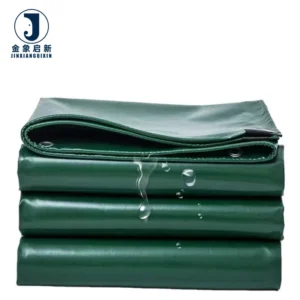
Lona de tarpaulin impermeable recubierta de PVC, lona de alta resistencia para techos de tiendas, lote de existencias de madera.
¥1.60 Add to cart -
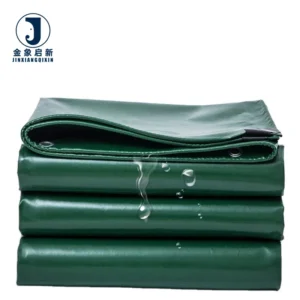
Venta Directa de Fábrica Lonas para Remolques de Plataforma Negras de Alta Resistencia Lona de PE para Madera Hoja de Lona para Transporte de Camiones de Plataforma
¥1.25 Select options This product has multiple variants. The options may be chosen on the product page