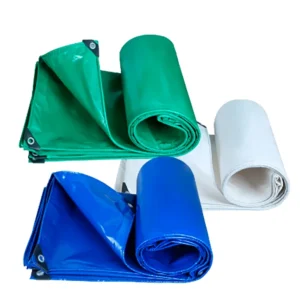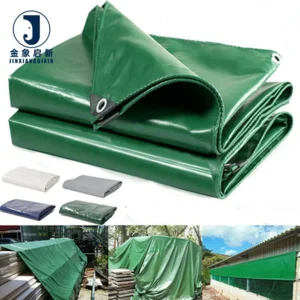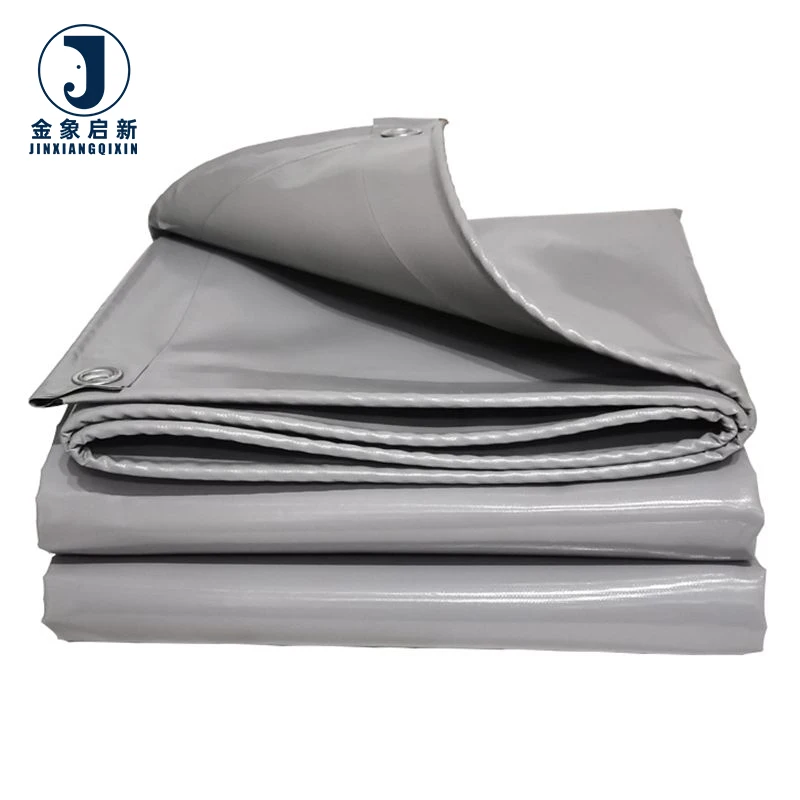
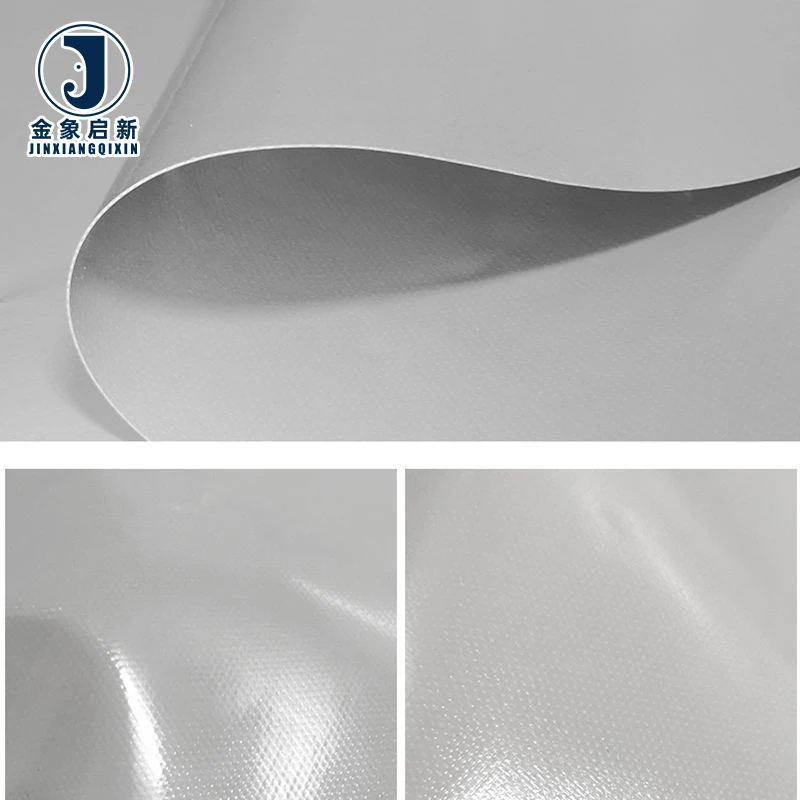
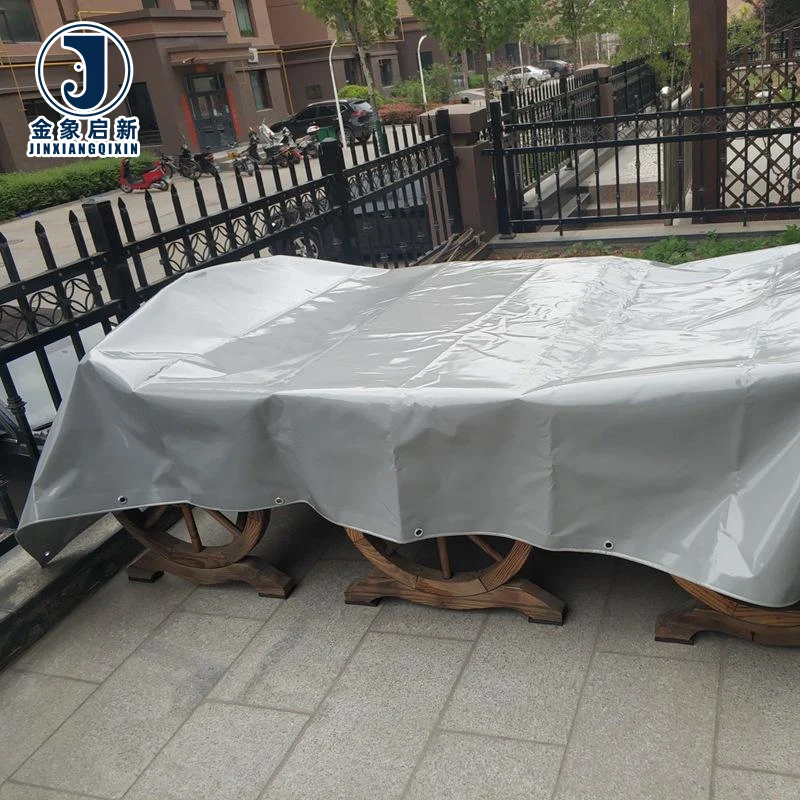
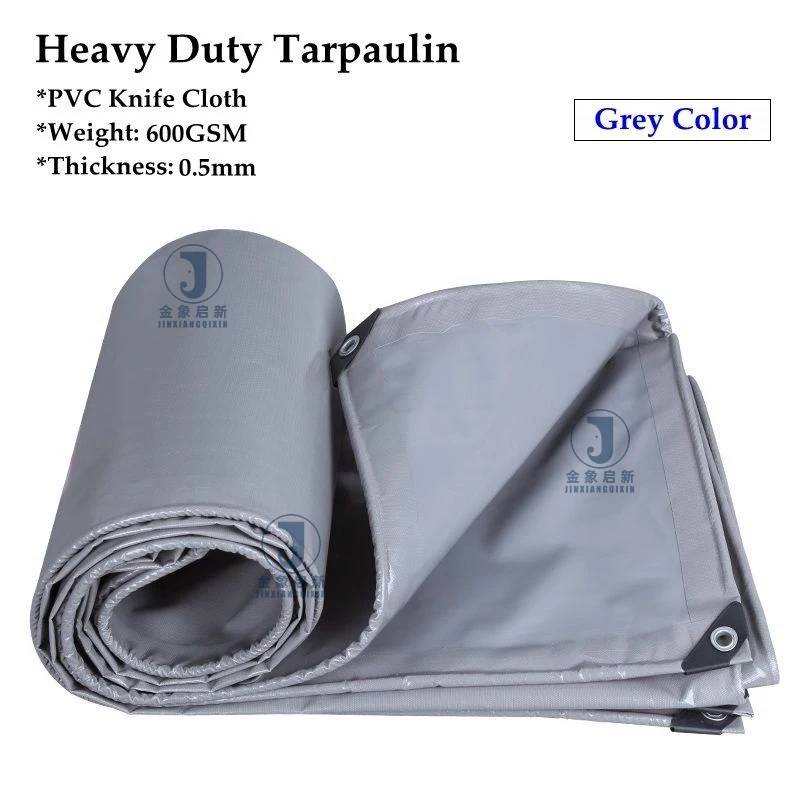
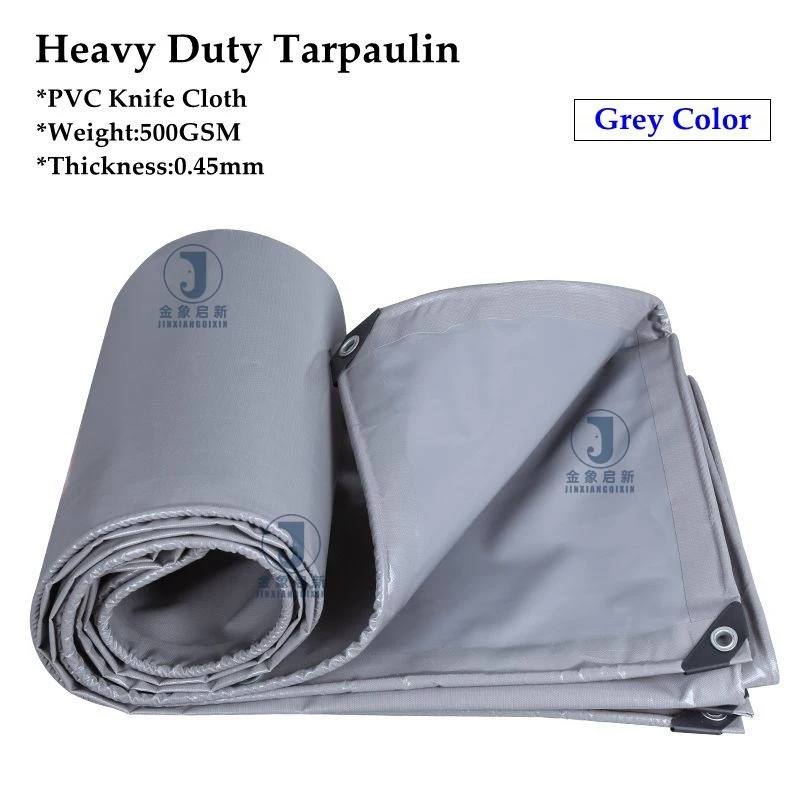
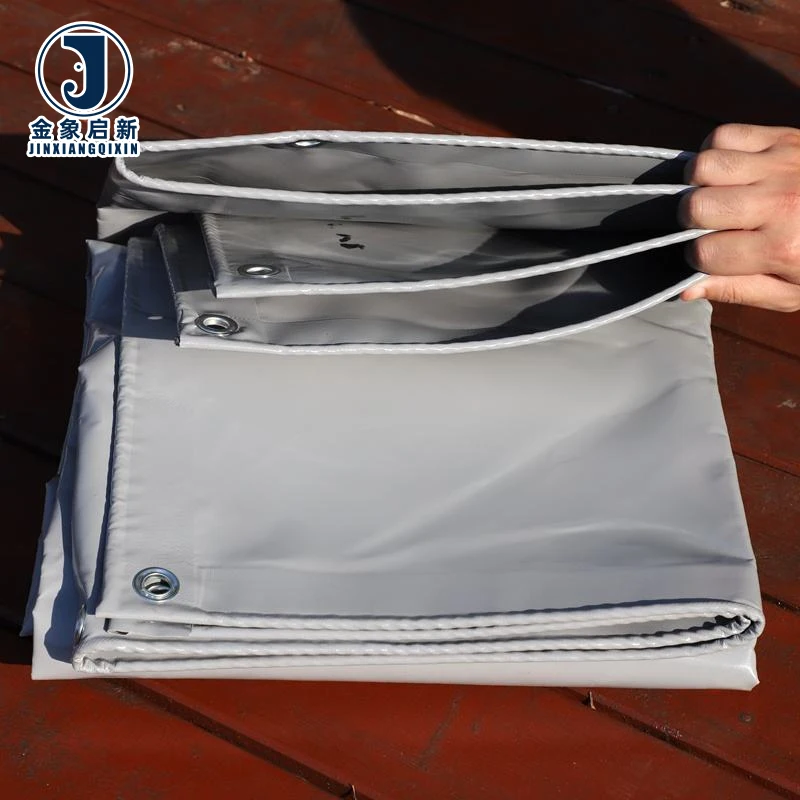
PVC Knife-Coated Tarpaulin Fabric — 500–800 g/m², anti-permeable ≥ 20KPa, flame retardant ≤ 10s, low-temp flexible at -30°C.
- Knife-coated PVC construction delivers strong coating adhesion and reliable high-frequency heat-welded seams that resist cracking at flex points
- Full range from light shelters to heavy-duty covers, with verified GSM on every shipment and custom width, colour and finishing options
- Supported by nearly 30 years of coated-fabric process control and 100% pre-shipment inspection across three dedicated production lines
Description
Verified GSM per Roll — material specification sheets and pre-shipment inspection confirm the weight you order is the weight you receive across every roll of PVC Knife-Coated Tarpaulin.
Technical Specifications
| Parameter | Value |
|---|---|
| Product Type | PVC Knife-Coated Tarpaulin |
| Weight (GSM) | 500 to 800 g/m² (confirm the grade for this item) |
| Coating Material | PVC |
| Coating Method | Heat combined with high-frequency |
| Waterproof Rating | Anti-permeable ≥ 20KPa |
| Flame Retardant | ≤ 10 seconds (grade not stated — confirm the grade required for your market) |
| Low-Temperature Flexibility | Will not fracture at -30°C |
| Anti-Corrosion | Acid, alkali and brine corrosion resistance |
| Anti-Mildew | Mildew-proof treated |
| Water Absorption | Almost none; dries quickly after rain |
| Tensile Strength | High tensile strength (test basis not stated) |
| Standards | ISO, CE |
Application Suitability
| Application | Exposure & Requirement |
|---|---|
| Car tents and vehicle shelters | Frequent assembly and disassembly, UV and rain exposure, need for lightweight yet tear-resistant fabric |
| Canopies and awnings | Long-term sun and weather exposure, wind load on seams, colour stability requirement |
| Outdoor event covers | Short-term weather protection, quick deployment, mildew risk in humid storage conditions |
| Industrial tarpaulin covers | Abrasion contact with equipment or materials, chemical splash risk, mechanical stress at tie-down points |
Why Stated GSM Often Fails the Physical Weight Check
Many buyers discover that the PVC Knife-Coated Tarpaulin specified on paper does not match the roll that arrives on the dock. The quotation confirms one weight, the invoice references the same figure, yet the material feels noticeably lighter once unrolled and handled. This gap between documentation and physical delivery is one of the most persistent sourcing failures in coated fabric procurement.
When the GSM is off, the consequences are not abstract. The fabric tears more easily at stress points, the coating degrades faster under sun exposure, and welded seams fail before the expected service life [NEED_CITE: tensile and tear test methods for coated fabrics per ISO 1421]. For manufacturers cutting and sewing tent or awning panels, an underweight roll means an end product that cannot meet the durability claims made to their own customers. Batch consistency suffers as well — one roll in a shipment may test within tolerance while the next falls short, creating visible performance variation across a single production run.
Coating Method and Waterproof Integrity
The PVC knife-coated process bonds the coating directly into the base fabric weave under controlled heat and pressure. This differs fundamentally from laminated constructions where the coating sits as a separate layer bonded by adhesive. The result is a fabric where waterproof performance — rated here at anti-permeable ≥ 20KPa — comes from the coating filling the interstices of the base cloth rather than sitting on top of it. High-frequency heat-bonded seams maintain this waterproof continuity at panel joins, which is where most coated fabric assemblies first develop leaks. PVC Knife-Coated Tarpaulin constructed this way resists delamination at flex points, a common failure in laminated alternatives used for car tents and awnings.
Cold-Climate and Humid-Environment Durability
Low-temperature flexibility verified at -30°C without fracture means this fabric remains workable and crack-resistant in winter deployment conditions. This matters for canopy and tent structures that stay erected through seasonal temperature swings. Combined with mildew-proof treatment and resistance to acid, alkali and brine corrosion, the material handles coastal and high-humidity environments where untreated PVC would develop surface fungal growth or chemical degradation [NEED_CITE: coated fabric degradation in marine and humid environments]. Distributors stocking PVC Knife-Coated Tarpaulin for resale into varied climates need these baseline resistance properties to reduce warranty claims from their downstream customers.
Reading the Specifications Beyond the Headline Weight
GSM alone is a poor predictor of how a PVC coated fabric will perform in actual use. A 500 g/m² fabric with a dense, high-denier base weave can outperform a heavier fabric built on a loose, low-density scrim. The base fabric construction determines how the material resists tear propagation — a critical property for tent panels under wind load or truck covers that flex during transit. The coating weight and method then determine waterproof performance, chemical resistance and seam-weld behaviour. Heat combined with high-frequency bonding, as specified here, supports reliable weld seams that resist cracking at fold lines. For buyers specifying PVC Knife-Coated Tarpaulin by the roll, requesting the base fabric denier and weave density alongside the GSM gives a far more complete picture of what the material will do in production and in service.
The Real Cost of Under-Specifying Coated Fabric
Sourcing decisions made on quoted GSM alone, without physical verification on arrival, create downstream costs that far exceed the price difference between grades. Rolls that arrive lighter than specified produce tent panels and awning covers that fail prematurely, generating warranty returns and damaging the fabricator’s reputation with their own clients. Batch colour inconsistency across rolls in the same order forces manufacturers into rework or scrap when panels cut from different rolls show visible shade variation once installed side by side [NEED_CITE: batch colour variation in coated textile production]. Welded seams that fail before the fabric itself — because the material’s coating composition was not suited to the specified welding parameters — compromise the entire assembly at its most vulnerable point.
What This Supply Arrangement Provides
Three full production lines and 36 sets of professional equipment support roll output at volumes needed for container-load orders, with capacity to handle custom widths without extended lead times. The 10-person R&D team develops samples for custom weight, colour and finish specifications within days, allowing buyers to approve physical material before committing to bulk production. Dedicated QA/QC runs at every production stage, with 100% inspection before shipment — meaning each roll is checked for weight consistency and visual quality, not just sampled from the batch. ISO and CE certification underpins the production system. The sourcing process moves from inquiry through specification recommendation, sample approval, production with in-process quality checks, and dispatch with complete documentation.
Documentation & Verification
- Material specification sheet stating exact GSM, base fabric and coating per roll ordered
- Pre-shipment inspection record confirming weight and visual consistency across all rolls
- Test reports for flame-retardant grades where applicable — confirm the standard your market requires
- ISO and CE certificates covering the production facility and quality system
- Roll packing list with roll count, net weight and container loading plan
- Certificate of origin and customs documentation for international shipment
Fabrication, Handling & Storage
- High-frequency welding suits this PVC knife-coated construction — test weld parameters on sample before full production runs
- Store rolls horizontally on racking to prevent permanent creasing in the 500–800 g/m² coated fabric
- Allow cold-stored rolls to reach ambient temperature before unrolling to avoid coating micro-cracking at -30°C flexibility limits
- Clean with mild detergent; acid and alkali resistance supports use in industrial environments without coating breakdown
- Plan cut-and-sew layouts to minimise offcuts — request custom widths to improve panel utilisation rates
Requesting the Right Quotation
Provide your application, the environmental exposure conditions your end product will face, and the specific GSM or weight range you need verified on delivery. Specify whether you require rolls in stock widths or custom widths, the colour reference if a specific shade is needed, and whether flame-retardant or anti-UV grades are required for your target market. PVC Knife-Coated Tarpaulin samples can be developed to confirm weight, colour and finish before bulk commitment.
Frequently Asked Questions
Q: How is GSM verified on arrival and what documentation supports the quoted weight?
A: Every roll ships with a material specification sheet stating the exact GSM ordered. A pre-shipment inspection record confirms physical weight checks were completed before dispatch. Buyers can cross-reference the delivered roll weight against these documents on arrival to verify consistency with the quotation.
Q: What flame-retardant grades are available for tent and awning fabric?
A: Flame-retardant grades achieving ≤ 10-second self-extinguishing time are available, though the specific test standard depends on your market’s regulatory requirements. Confirm the grade and certification your end application demands, and request supporting test documentation before production.
Q: How is batch colour consistency controlled across multiple rolls in the same order?
A: Colour consistency is managed through controlled pigment batching and 100% pre-shipment visual inspection across all rolls in an order. Pre-production samples are approved for colour reference, and every roll is checked against that approved standard before packing.
Q: What custom widths, roll lengths and printing options are available?
A: Custom widths and lengths are available subject to minimum order quantities that vary by specification. Pattern printing and branding can be applied to the coated surface. Request a sample with your required dimensions and print specification to confirm before bulk production.
Q: What welding methods work best with this PVC knife-coated fabric?
A: High-frequency welding and hot-air welding both suit this PVC knife-coated construction. The heat-bonded coating structure supports strong weld seams that resist cracking at flex points. Always test welding temperature and speed settings on a sample piece before running full production panels.
Related products
-
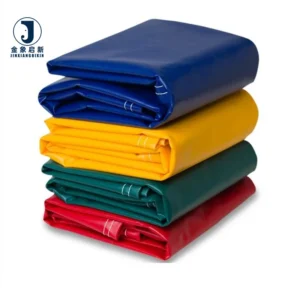
500gsm 600gsm Plain PVC Waterproof Truck Cargo Cover Tarpaulin Canopy for Boys & Girls
¥3.00 Select options This product has multiple variants. The options may be chosen on the product page -
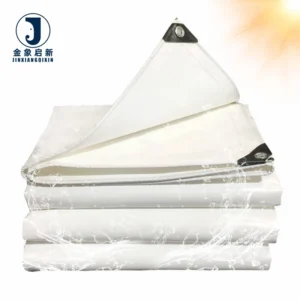
PVC Tarpaulin 650Gsm for Truck Cover – Custom Made
Read more -
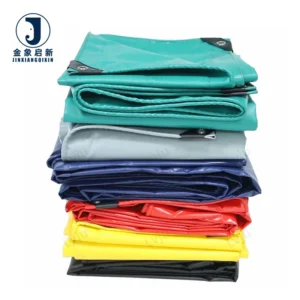
650GSM PVC Knife Coated Tarpaulin for Truck Trailer Tent – Custom Made
Read more -
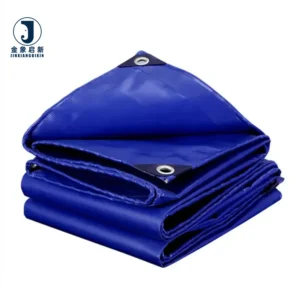
Waterproof Heavy-duty PVC Truck Canopy Plain Style Boys & Girls Use Customizable Sizes Anti-Mildew
¥0.99 Select options This product has multiple variants. The options may be chosen on the product page