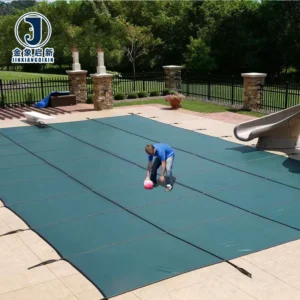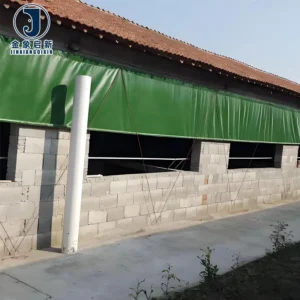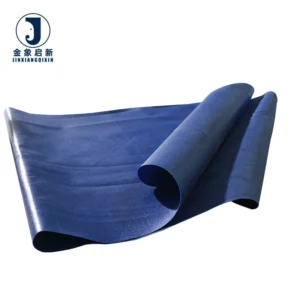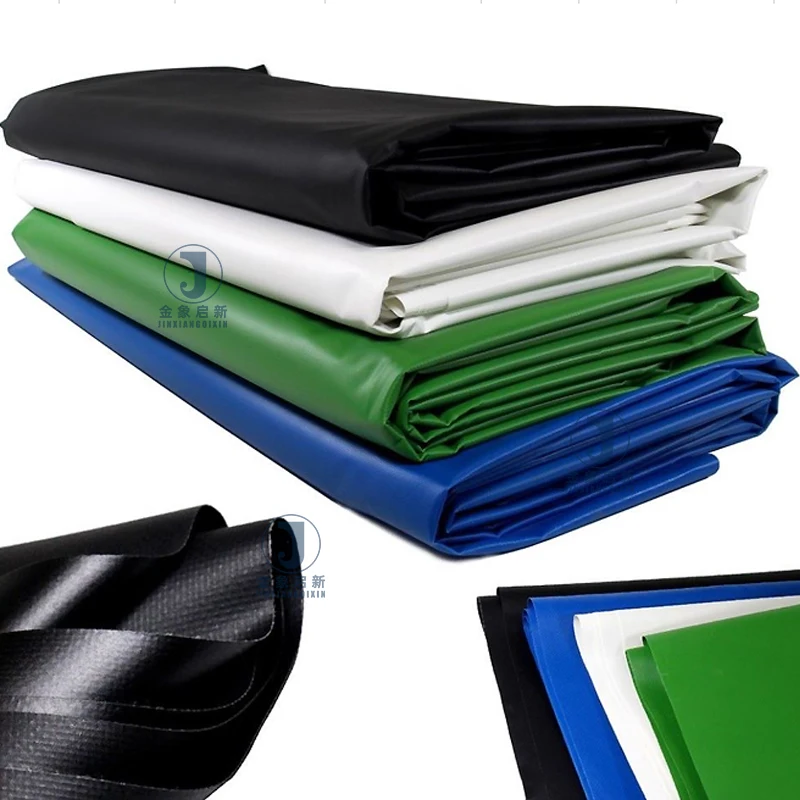
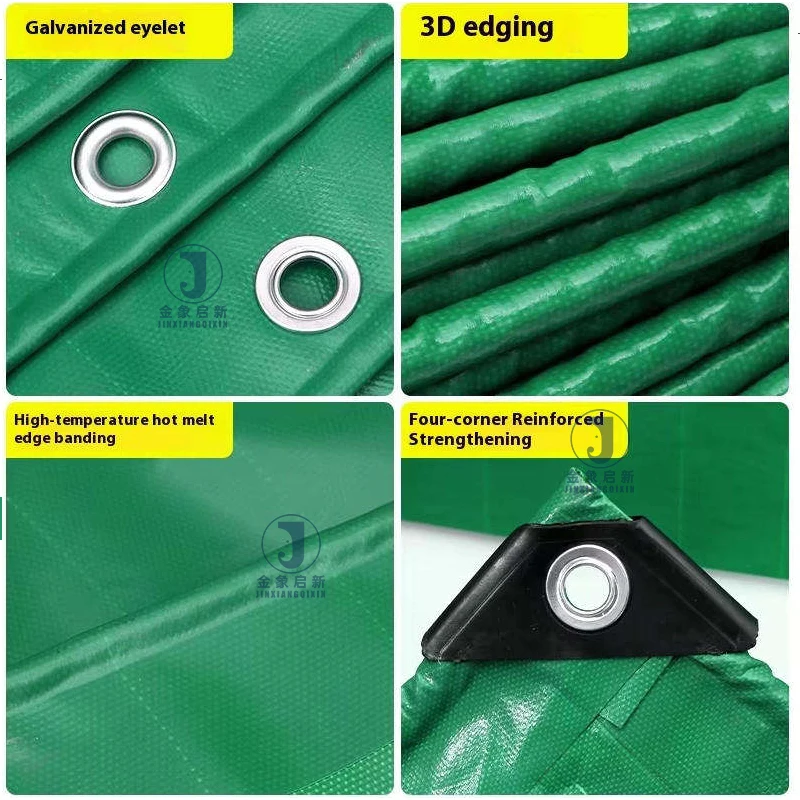
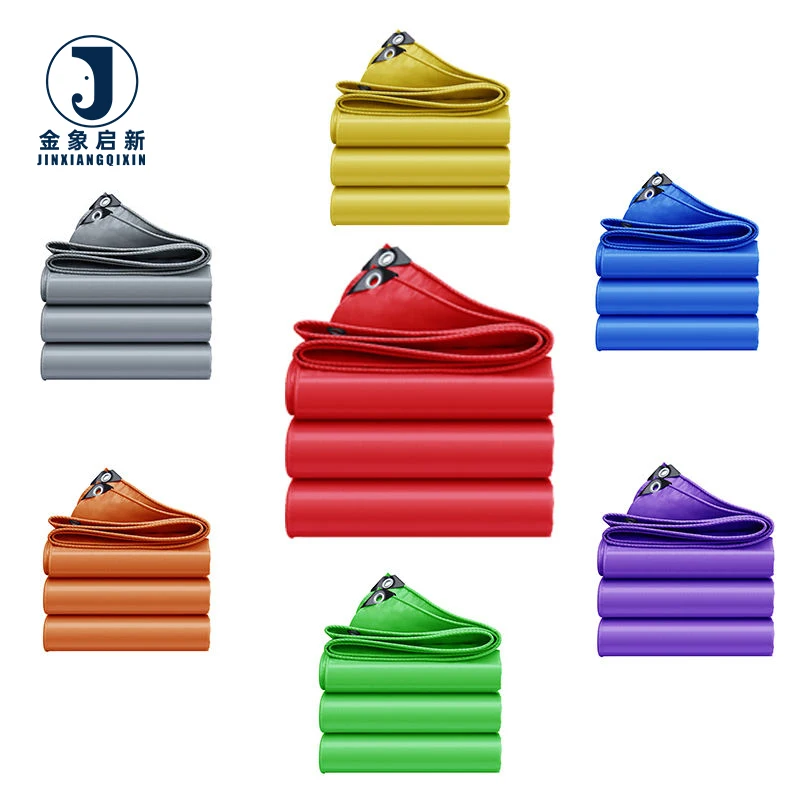
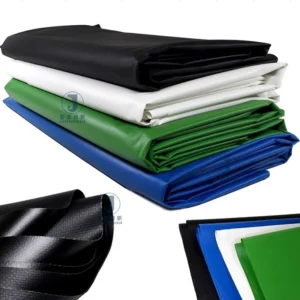
PVC Coated Tarpaulin Rolls — 100% high-tenacity polyester base with laminated and hot-melt coating for outstanding tearing strength at welded seams
- Full specification range from lightweight to heavy-duty GSM grades, with flame retardant, anti-static and anti-mildew treatments available on request
- Deep process control over coating weight and adhesion ensures roll-to-roll consistency across three production lines
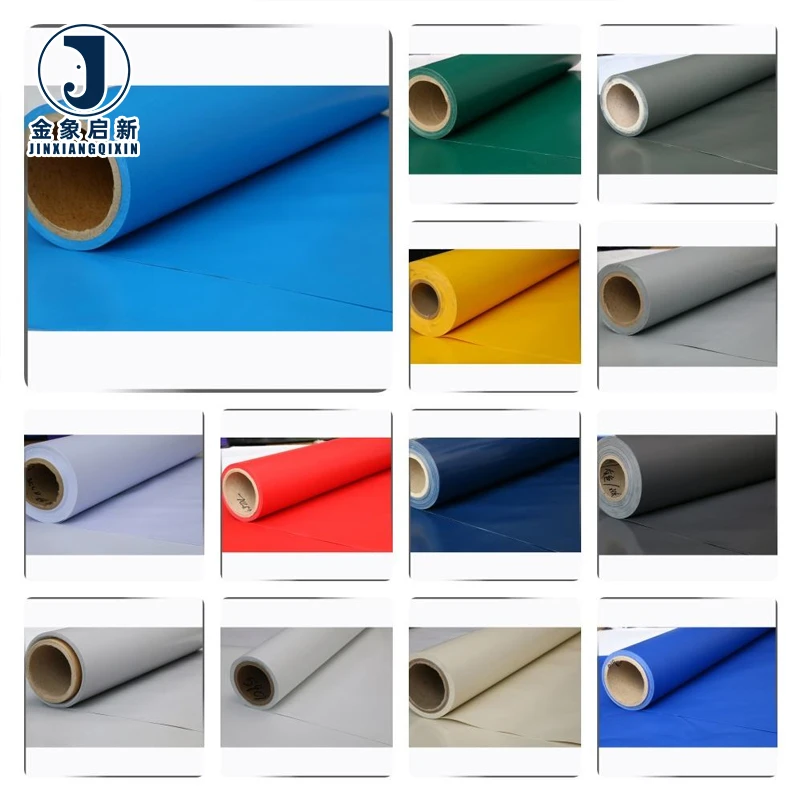
- Custom widths, colours and pattern printing handled by our 10-person R&D team with samples ready in days
- Each batch ships with material spec sheet, test reports and 100% pre-shipment inspection record for full traceability
Description
Coating Process Control — Maintained across three full production lines to hold GSM and adhesion within tolerance for every PVC tarpaulin roll that leaves the factory.
Technical Specifications
| Parameter | Value |
|---|---|
| Product Type | PVC Coated Tarpaulin |
| Base Fabric | 100% high tenacity polyester yarns |
| Coating Technology | Laminated & Hot-melt Coating |
| Waterproof | Yes |
| Cold Crack Resistance | Yes |
| Anti-Mildew Treatment | Yes |
| Anti-Static Treatment | Yes |
| Color Fastness | Best (source value — verify against manufacturer catalog) |
| Available Special Treatments | Flame Retardant, Anti-Static, Anti-cold, Anti-mildew, 3P |
| Tearing Strength | Outstanding tearing strength for welding |
| Weather Resistance | Good weather resistance (source value — verify against manufacturer catalog) |
| Outdoor Service Life | 3-5 years (source value — verify against manufacturer catalog) |
| Standards | ISO, CE |
Application Suitability
| Application | Exposure & Requirement |
|---|---|
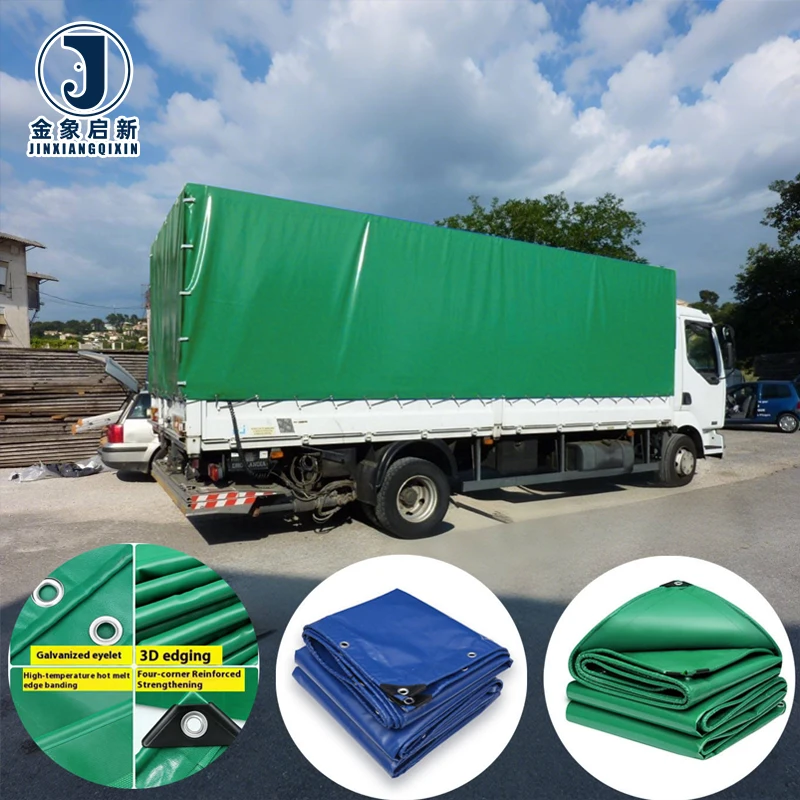
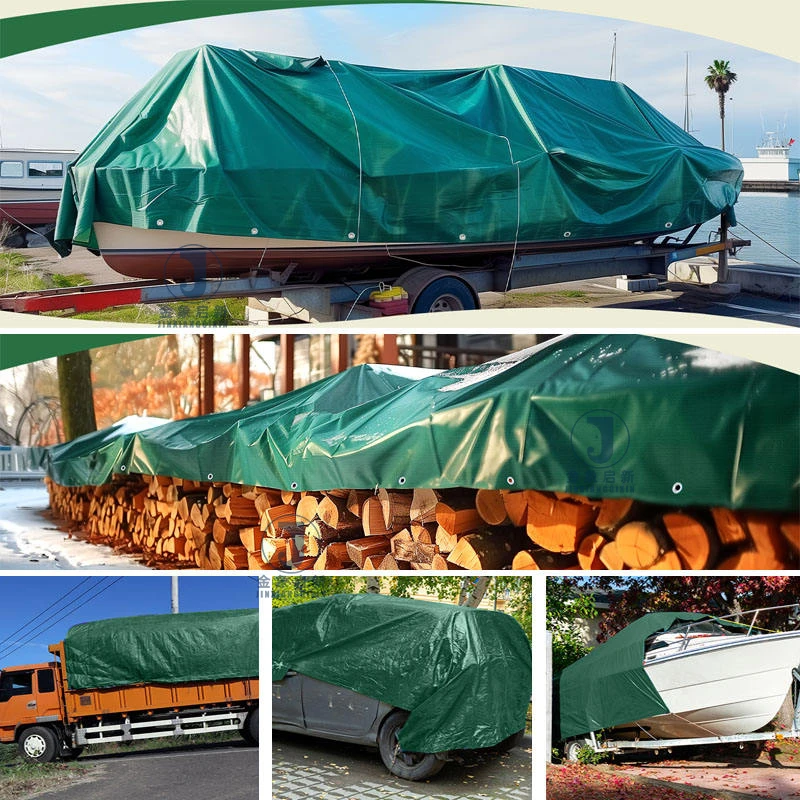
| Truck and trailer side curtains | Constant flexing at load points, road spray, UV exposure, abrasion from tie-downs |
| Construction site and equipment covers | Rain and dust ingress, flame retardant or anti-static certification for site compliance |
| Tent and awning fabrication by roll | Tensile load on frame structures, colour consistency across multiple panels, weldability |
| Industrial storage and warehouse covers | Long-term static load, forklift contact, mildew in humid environments |
Why GSM Alone Does Not Tell You How Strong the Fabric Is
A quoted weight means nothing if the coating adhesion fails before the base fabric reaches its rated tear load.
Buyers often receive rolls that measure lighter than the agreed GSM, then discover the real problem is not the weight but the bond between coating and yarn. The material delaminates at the weld line while the fabric itself still has plenty of tensile headroom. I have seen heavy-grade coated rolls fail at the weld line because the hot-melt parameters were never matched to the base fabric density [NEED_CITE: tensile and tear test methods for coated fabrics per ISO 1421]. When you evaluate a PVC tarpaulin roll aftermarket supplier, ask for the coating weight separately from the base fabric weight so you can see where the mass actually sits.
Hot-Melt Coating and What It Changes for Welded Seams
Hot-melt coating drives the PVC into the weave under heat and pressure rather than laying it on the surface. The result is a mechanical lock between coating and yarn that gives the PVC tarpaulin roll its tearing strength at the point where panels are joined. Welded seams on laminated fabrics often peel apart under cyclic flex because the coating separates from the base; hot-melt construction shifts the failure mode into the fabric itself, so the seam outlasts the panel.
Laminated Construction and Roll-to-Roll Consistency
Laminated technology bonds a pre-formed PVC film to the polyester base under controlled pressure, producing a uniform coating thickness across the full width. This matters when you are buying multiple rolls for a single project — colour shift and gloss variation between rolls usually trace back to uneven coating weight. Consistent lamination pressure across the production line keeps the surface finish and dimensional stability matched from the first roll to the last [NEED_CITE: coating weight tolerance standards for PVC coated fabrics].
Reading the Specification Sheet Beyond the Headline Numbers
The high tenacity polyester base provides the structural backbone; the PVC coating provides weather resistance and weldability. Together they determine how the material behaves when a truck side curtain flexes in crosswind or when a tent panel carries snow load. Cold crack resistance means the coating stays flexible in sub-zero handling, preventing brittle fractures during winter installation. Anti-mildew treatment addresses the biological degradation that occurs when rolls are stored in humid conditions before fabrication, a problem that shows up as staining long before structural damage appears.
The Hidden Cost of Specifying on Weight Alone
When procurement decisions rest on a single GSM figure, the material that wins the order is often the one that cuts corners on base fabric denier and makes up the difference with heavier coating. That roll arrives at the correct weight but tears easily because the yarn structure is thin. Once fabricated into a truck cover, the seams open at the flex points within months, and the replacement cost dwarfs the original savings. Flame retardant or anti-static treatments claimed without a test report create a different risk — the material passes visual inspection but fails the site safety audit, shutting down the project until compliant stock arrives [NEED_CITE: flame retardant classification requirements for industrial fabrics].
What Separates This Supply Chain
Three full production lines with dedicated equipment for each coating stage allow the PVC tarpaulin roll output to maintain batch consistency without sacrificing capacity. The 10-person R&D team develops custom width, colour and print samples within days rather than weeks, which compresses the approval cycle for made-to-order specifications. In-process QA at each production stage catches coating weight drift before the roll is wound, not after it arrives at the buyer’s warehouse. A 100% pre-shipment inspection protocol means every roll is checked against the specification sheet before dispatch. Nearly three decades of focused coated fabric production translates into process parameters that are already dialed in for this material category.
Documentation & Verification
- Material specification sheet confirming GSM, base fabric denier, coating weight and colour reference for each roll
- Test reports for flame retardant and anti-static treatments matched to the project compliance requirement
- ISO and CE certificates included with the dispatch documentation package
- Pre-shipment inspection record verifying roll-to-roll consistency before container loading
- Roll packing list and certificate of origin provided for customs clearance
Fabrication, Handling & Storage
- Hot-melt coated surface bonds well under standard high-frequency welding settings; adjust dwell time for heavier grades
- Laminated PVC construction tolerates industrial sewing but welded seams outperform stitched joints at flex points
- Store rolls upright on end caps to prevent flat-spot deformation of the polyester base fabric
- Unroll in temperatures above freezing to avoid cold-cracking the PVC coating surface
- Clean with mild detergent only; solvent-based cleaners degrade the anti-mildew treatment layer
- Plan panel layout to minimize cross-width seams where the laminated coating adds thickness to the weld zone
What We Need to Quote Accurately
Provide the end-use application and the environmental exposure conditions so we can recommend the correct treatment package. Confirm whether your market requires a specific flame retardant grade or anti-static certification level. Specify the roll width and any colour or print requirements, along with the estimated annual volume, so we can align production scheduling and confirm lead times.
Frequently Asked Questions
Q: How do I verify the GSM actually matches what was quoted before the rolls arrive?
A: We provide a material specification sheet that breaks down base fabric weight and coating weight separately, not just a combined GSM figure. Every roll undergoes weight verification during the pre-shipment inspection, and the inspection record travels with the dispatch documentation so you can cross-check on arrival.
Q: Can you supply a test report for flame retardant or anti-static treatment?
A: Yes, test reports are available for flame retardant and anti-static grades upon request. Specify the standard or classification required by your project or local regulation when you place the inquiry, and we will match the treatment to that requirement and document the result.
Q: What is the minimum order for a custom width, colour or printed branding?
A: Minimum quantities depend on the specific width, colour and print complexity. Our R&D team develops samples within days for approval before production commitment. Share your exact requirements and we will confirm the minimum alongside the lead time for your custom PVC tarpaulin roll order.
Q: Will colour vary between rolls in the same batch order?
A: Batch colour consistency is controlled through our lamination process, which maintains uniform coating thickness across the production run. A pre-shipment inspection verifies visual consistency roll-to-roll before dispatch, and any variation outside tolerance is caught before the shipment leaves the factory.
Q: How are welded seams reinforced to prevent failure at high-flex points?
A: The hot-melt coating technology creates a mechanical bond between PVC and polyester that shifts weld failure into the base fabric rather than the coating interface. This means the welded seam carries load through the yarn structure itself, which substantially outlasts surface-laminated constructions at flex points.
Related products
-
Cubierta de industria de tarpaulines de poliéster recubiertos de vinilo con bordes reforzados de PVC de caucho rip-stop para camiones
¥8.00 Select options This product has multiple variants. The options may be chosen on the product page -
Fabricante de Lona de PVC Resistente al Agua de Poliéster de 650gsm de Mejor Calidad
¥1.25 Select options This product has multiple variants. The options may be chosen on the product page -
Rollos de tela de lona de PVC en stock 500D*500D 18*17 Colores en venta caliente en stock Fabricación en China Venta al por mayor de telas Mejor precio
¥1.26 Select options This product has multiple variants. The options may be chosen on the product page -
Cubierta de industria de tarpaulines de poliéster recubiertos de vinilo con bordes reforzados de PVC de caucho rip-stop para camiones
¥8.00 Select options This product has multiple variants. The options may be chosen on the product page