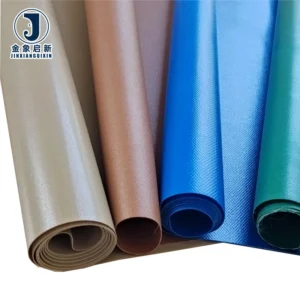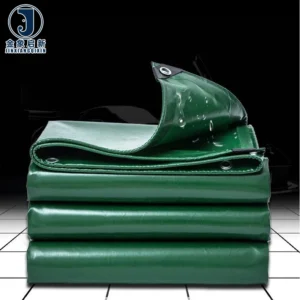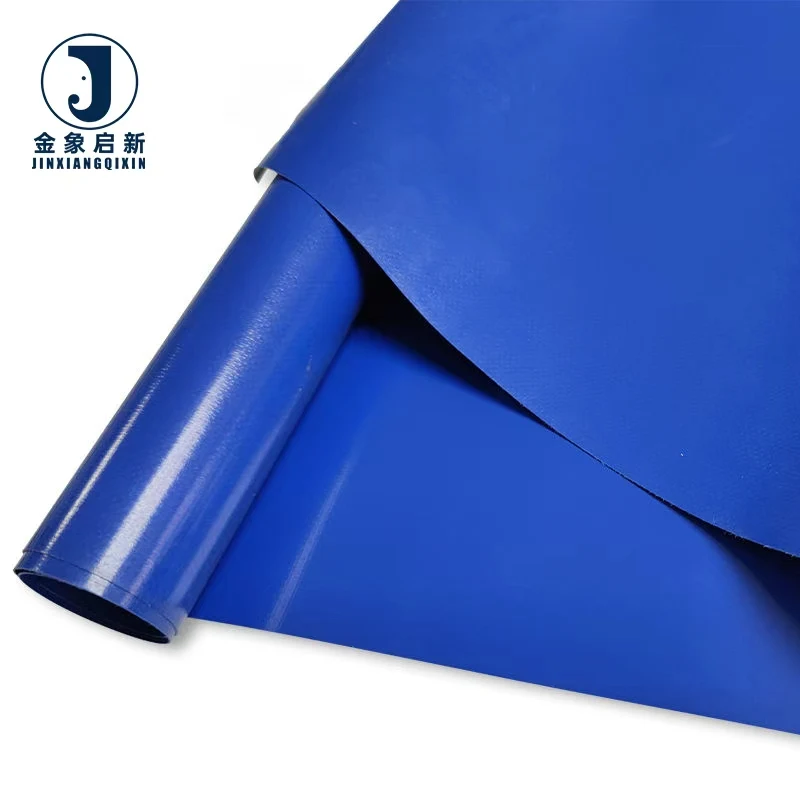
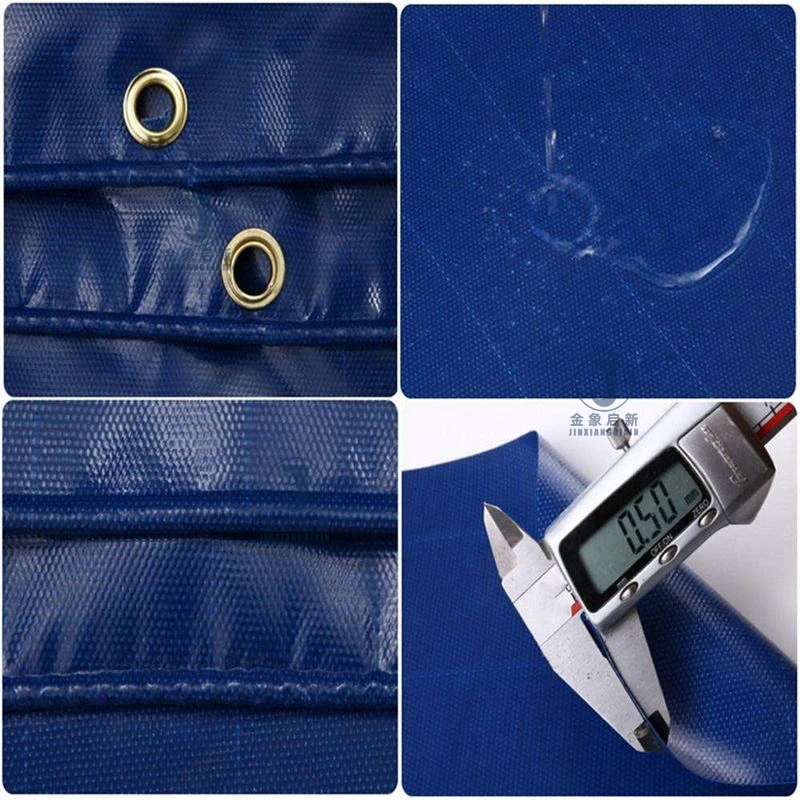
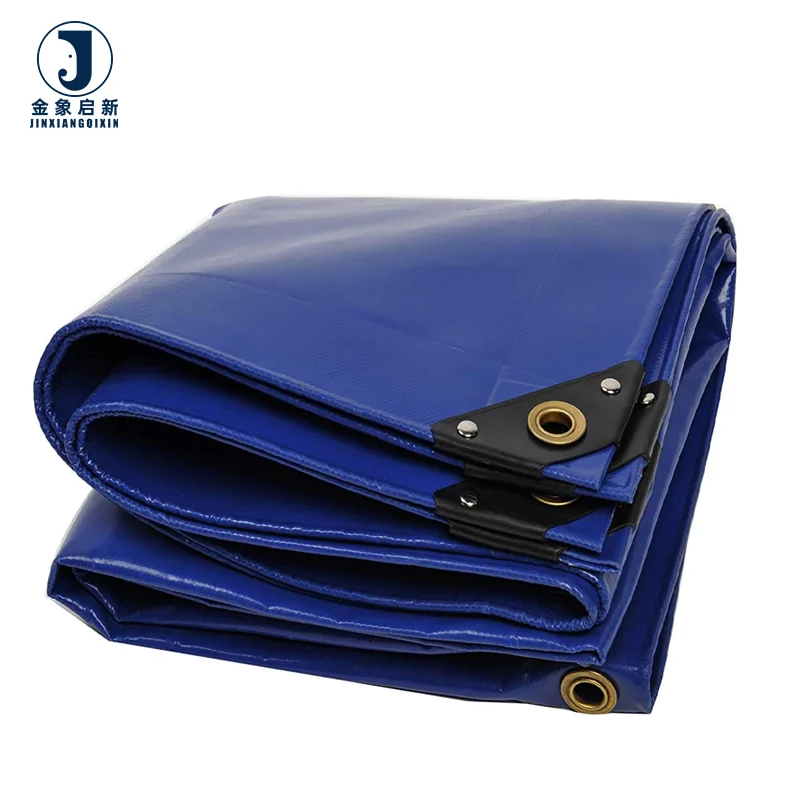
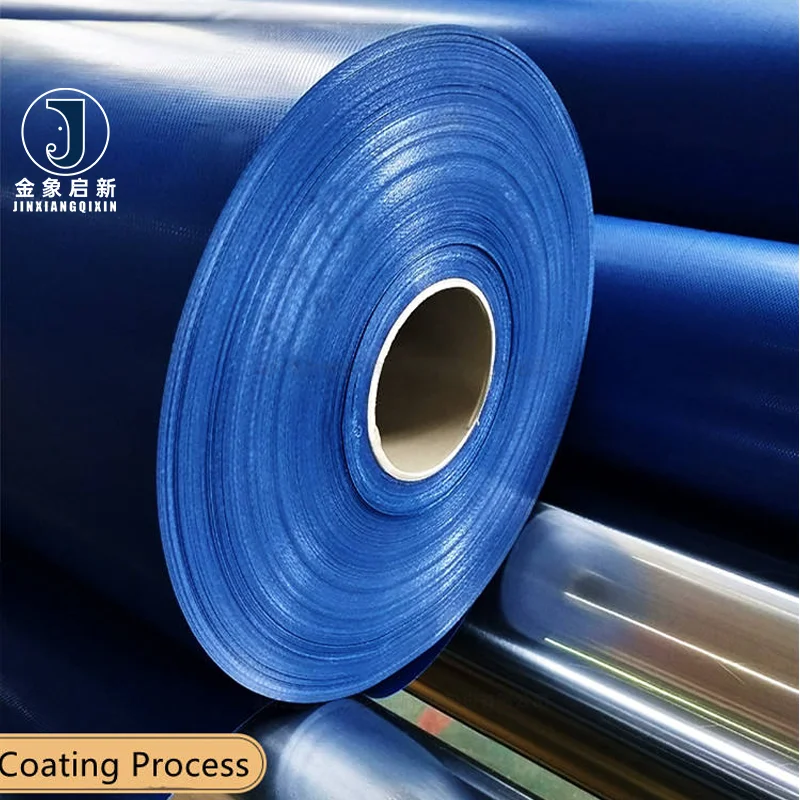
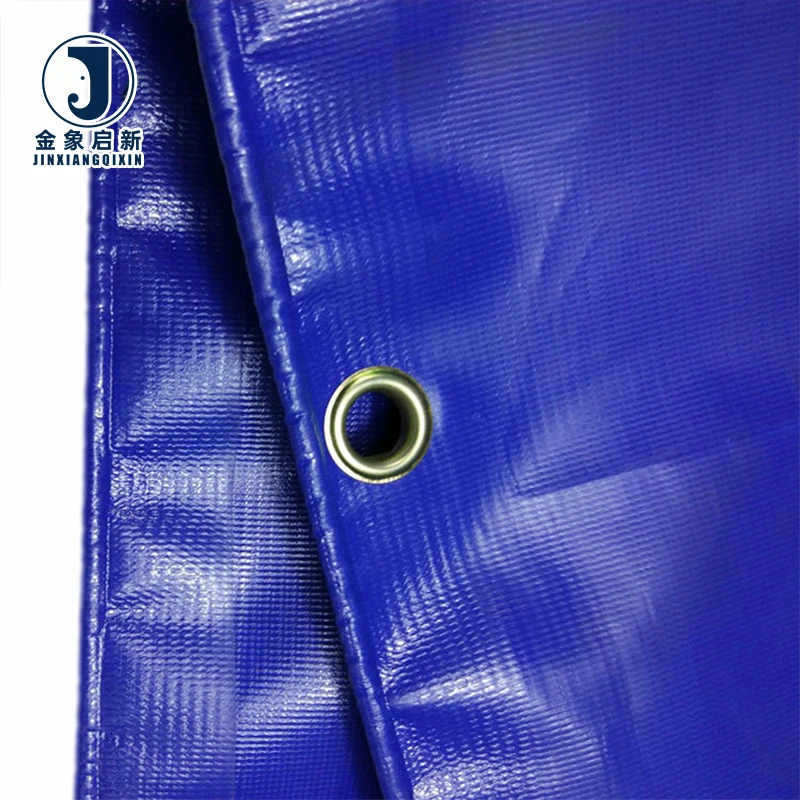
PVC Tarpaulin Roll in 400-1500 g/m², 0.35-1.5 mm thickness, with glossy or matte surface finish and full anti-UV, flame retardant and anti-static treatment options.
- Available in 2m, 4m, 6m or custom widths, 500D-2000D base fabric
- Coating weight and adhesion tightly controlled so stated GSM matches delivery
- Deep process control across three full production lines with 36 sets of equipment
- 10-person R&D team handles custom width, colour and pattern printing
- 100% pre-shipment inspection with dedicated QA/QC at every stage
Supported by nearly 30 years of coated fabric expertise, ISO & CE certified.
Description
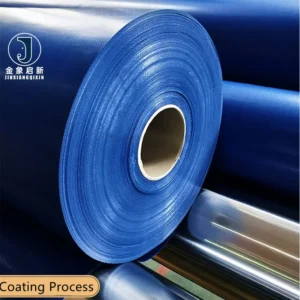
Deep Coating Control — verified GSM on every PVC tarpaulin roll dispatched, matching the material specification sheet exactly.
Technical Specifications
| Parameter | Value |
|---|---|
| Product Type | PVC Tarpaulin Roll |
| Material | PVC coated fabric (polyester base) |
| Thickness | 0.35-1.5 mm |
| Weight (GSM) | 400-1500 g/m² |
| Knitting Density | 500D – 2000D |
| Tensile Strength | Warp 1500-3000 N/5cm / Weft 1200-2800 N/5cm |
| Roll Width Options | 2m, 4m, 6m or custom |
| Roll Length Options | 100 yards, 100 meters or custom |
| Surface Finish | Glossy / Matte |
| Treatment Options | Anti-UV, Flame Retardant, Anti-static, Waterproof, Mildew-proof, Anti-aging |
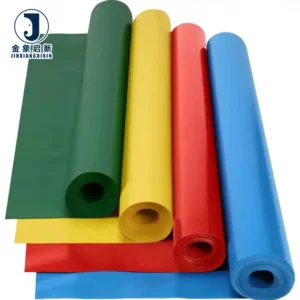
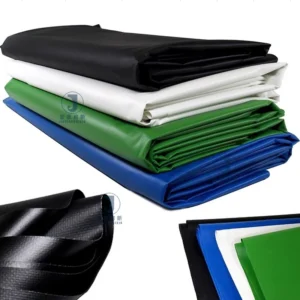
| Color Options | Blue, Blue/Orange, Green, Grey, Black, Clear, Grey/Green, Orange or custom |
| Construction Types | Knitting and plain weave |
| Certifications | ISO, CE |
Application Suitability
| Application | Exposure & Requirement |
|---|---|
| Truck tarpaulin covers | Constant flexing at load points, road abrasion, UV exposure, weather cycles |
| Side curtain fabric for trailers | Repeated rolling and tensioning, wind load, highway debris impact |
| Tent and awning manufacturing | Long-term sun exposure, rain ingress, fold creasing during storage |
| Inflatable and membrane structures | Sustained air pressure, seam integrity under tension, UV degradation risk |
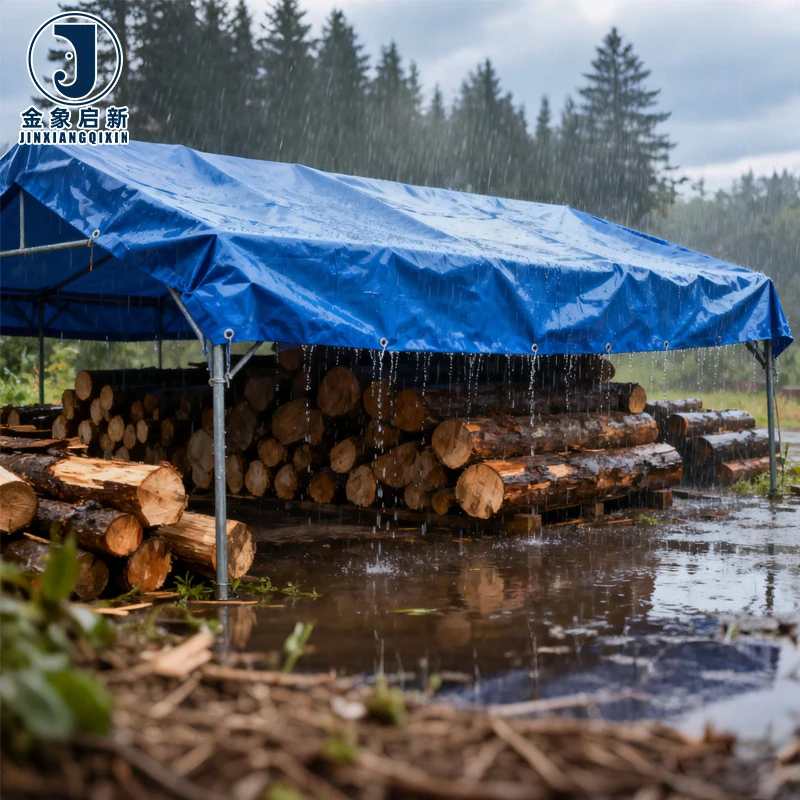
| Lumber, steel and coil tarps | Heavy sharp-edged loads, tie-down strap abrasion, forklift contact |
| Waterproof covers for outdoor equipment | Standing water, mildew in humid climates, frequent handling |
Why Stated GSM Is Not the Whole Story When Buying PVC Tarpaulin Roll Stock
A quoted GSM figure only matters if the roll that arrives actually weighs what the spec sheet says.
I have watched buyers compare quotations on GSM alone, only to receive PVC tarpaulin rolls that feel noticeably lighter once unrolled on the cutting table. The base fabric denier and the coating weight together determine the real tensile and tear behaviour of the material, not a single number on a quote. When the coating adhesion is poor, the PVC layer can delaminate from the polyester base under flexing, leaving you with a cover that fails at the worst possible moment [NEED_CITE: tensile and tear test methods for coated fabrics per ISO 1421]. Sourcing a PVC tarpaulin roll aftermarket supplier who verifies weight at every production stage removes this uncertainty before the material ever ships.
Matching Roll Weight to the Actual Load and Environment
A 400-500 GSM roll at 500D suits lighter-duty covers where the fabric is handled frequently and weight savings matter — think short-haul truck covers or temporary equipment wraps. Moving up to 700-1000 GSM at 1000D gives you the body needed for side curtains and long-distance load protection where the PVC tarpaulin roll must resist sustained wind load and strap abrasion. The heaviest grades at 1100-1500 GSM, spanning 500D to 2000D, handle steel coil wraps, lumber tarps and tensioned membrane structures where sharp edges and high point loads are routine. Each tier pairs base fabric density with coating thickness to produce a specific balance of flexibility and tear resistance.
Coating Adhesion and What It Means for Fabrication
The bond between the PVC coating and the polyester base fabric determines how well the material survives welding, sewing and long-term flexing. When adhesion is controlled at the coating stage, the heat-welded seams hold their strength because the coating layer does not separate from the yarn structure under thermal stress. Rolls with poor adhesion tend to show delamination first at the weld line, then at fold points where the material is repeatedly creased. Our coating lines maintain controlled paste application across the full GSM range, and every PVC tarpaulin roll undergoes in-process adhesion checks before winding [NEED_CITE: DIN 53354 peel strength test for coated textiles]. This matters especially when you are fabricating side curtains or inflatable structures where seam integrity is non-negotiable.
Reading the Spec Sheet Beyond the GSM Number
Tensile strength values from 1500 to 3000 N/5cm in the warp direction and 1200 to 2800 N/5cm in the weft show how much load the base fabric can carry before breaking, and these figures correlate more closely with denier and weave density than with coating weight alone. A 1000D plain weave base will resist tear propagation differently from a 500D knitting construction, even at similar GSM, because the yarn thickness and interlacing pattern determine how a tear spreads once initiated. Surface finish also plays a functional role: glossy surfaces shed water and dirt more readily on outdoor covers, while matte finishes reduce glare and improve print adhesion for branded applications. Roll widths of 2m, 4m and 6m directly affect how many weld seams your fabrication requires — wider rolls mean fewer joins, less labour and fewer potential failure points on large covers.
The Hidden Cost of Specifying Rolls on Price Per Kilogram Alone
When a buyer pushes for the lowest cost per kilogram, the supplier often compensates by reducing coating thickness while keeping the base fabric the same — the GSM on paper may not change much, but the material loses flexibility, weld strength and long-term weather resistance. I have seen rolls that passed GSM spot-checks yet cracked along fold lines within one season because the PVC coating layer was too thin to absorb repeated flexing. Colour inconsistency between rolls in the same batch forces fabricators to either reject entire sections or accept visible shade differences once the covers are installed side by side [NEED_CITE: batch colour consistency standards for coated fabrics]. Choosing a PVC tarpaulin roll aftermarket supplier who controls the full coating process in-house eliminates these production-floor surprises.
Why Fabricators and Distributors Source PVC Tarpaulin Rolls Here
Three full production lines and 36 sets of professional equipment give us the capacity to run multiple roll widths and GSM grades simultaneously without cross-contamination between batches. The 10-person R&D team develops custom colour matches, pattern prints and treatment formulations before production begins, so sample approval reflects what the full order will deliver. Every PVC tarpaulin roll passes through dedicated QA/QC checkpoints at coating, winding and pre-shipment stages, with 100% inspection rather than spot sampling. Custom widths, lengths and surface finishes are handled on the same lines as standard stock, maintaining batch-to-roll consistency whether you order ten rolls or a full container. Nearly 30 years of focused coated-fabric production means the process parameters for each GSM tier and treatment option are established and repeatable.
Documentation & Verification
- Material specification sheet confirming GSM, base fabric denier and coating type per roll
- UV and flame retardant test reports supplied for treated grades — confirm the grade required for your market
- Pre-shipment weight verification per roll against the stated GSM before dispatch
- ISO and CE certificates included with every shipment documentation package
- Roll packing list with batch number, colour reference and net weight per roll
- Certificate of origin and customs documentation for international PVC tarpaulin roll shipments
Fabrication, Handling & Storage
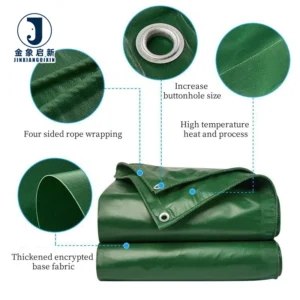
- Heat-weld seams at temperatures matched to the coating thickness, especially on heavier 1100-1500 GSM grades where excess heat causes base fabric damage
- Store rolls upright on pallets to prevent flat-spotting on the PVC coating surface, particularly for glossy finish grades
- Allow cold-stored rolls to acclimatise before unrolling to avoid cracking the PVC coating at low temperatures
- Use compatible PVC-based repair patches and solvent cements that match the coating chemistry of the roll stock
- Plan cutting layouts around the available 2m, 4m or 6m widths to minimise offcuts and weld seam count
- Clean glossy-finish rolls with mild detergent only — abrasive cleaners damage the surface layer and reduce weather resistance
What to Share When Requesting a Quotation
Tell us the end application and the environmental conditions the finished cover will face — sun exposure, chemical contact, mechanical abrasion and temperature range all influence which GSM and treatment combination works best. Specify whether you need the PVC tarpaulin roll delivered as raw stock or pre-cut to finished panel sizes, and let us know your target market so we can include the correct flame retardant or anti-static certification where required.
Frequently Asked Questions
Q: What GSM and denier combination fits my application?
A: Light-duty covers and temporary wraps work well at 400-500 GSM with 500D base fabric. Side curtains and long-haul truck covers typically require 700-1000 GSM at 1000D for flex resistance. Steel, lumber and coil tarps benefit from 1100-1500 GSM with up to 2000D for puncture and tear protection. Share your load type and exposure conditions so we can recommend the right tier.
Q: Can I order custom widths, colours and printing on the same production run?
A: Yes. Our production lines handle custom roll widths up to 6m, matched colour formulations and branded pattern printing within a single order. We confirm the colour reference and print layout through samples before the full run begins, and batch consistency is maintained across every roll in the order so that shade variation is not an issue during fabrication.
Q: How is GSM and colour consistency maintained across multiple rolls?
A: Each PVC tarpaulin roll passes through in-process QA checkpoints during coating and winding. Coating weight is monitored continuously on the line, and colour is verified against the approved reference under controlled lighting. Pre-shipment inspection covers every roll individually rather than relying on batch-level sampling, ensuring the material you receive matches the quotation throughout.
Q: What test reports ship with treated rolls?
A: Rolls with anti-UV or flame retardant treatments ship with the corresponding test reports. The specific grade and test standard are documented on the material specification sheet. If your market requires a particular fire classification such as B1 or M2, tell us at inquiry stage so we produce to that grade and include the correct documentation with your shipment.
Related products
-
Lona de tarpaulina recubierta de PVC para exteriores, lona de poliéster, rollo de lona plástica de 650 Gsm para tienda de camiones. Cubierta de techo.
¥2.70 Add to cart -
Lona de PVC Brillante 650GSM 1000D*1000D 23*23 1.50*50M/R para Cubierta Multiuso MUESTRA GRATIS
¥2.70 Add to cart -
Fabricante de Lona de PVC Resistente al Agua de Poliéster de 650gsm de Mejor Calidad
¥1.25 Select options This product has multiple variants. The options may be chosen on the product page -
Nuevo diseño de cubierta de piscina resistente al agua con recubrimiento, cubiertas de carga, lona para camiones.
¥1.15 Add to cart