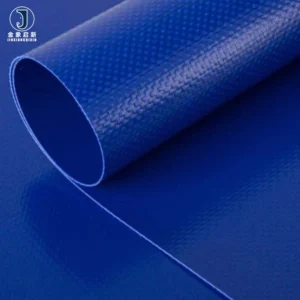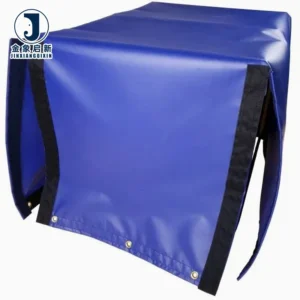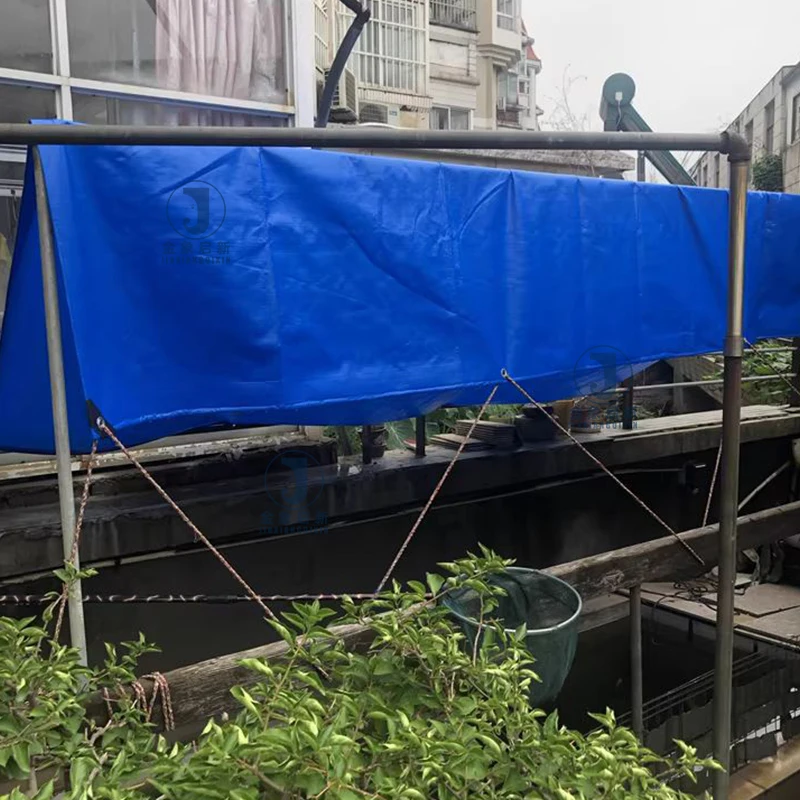
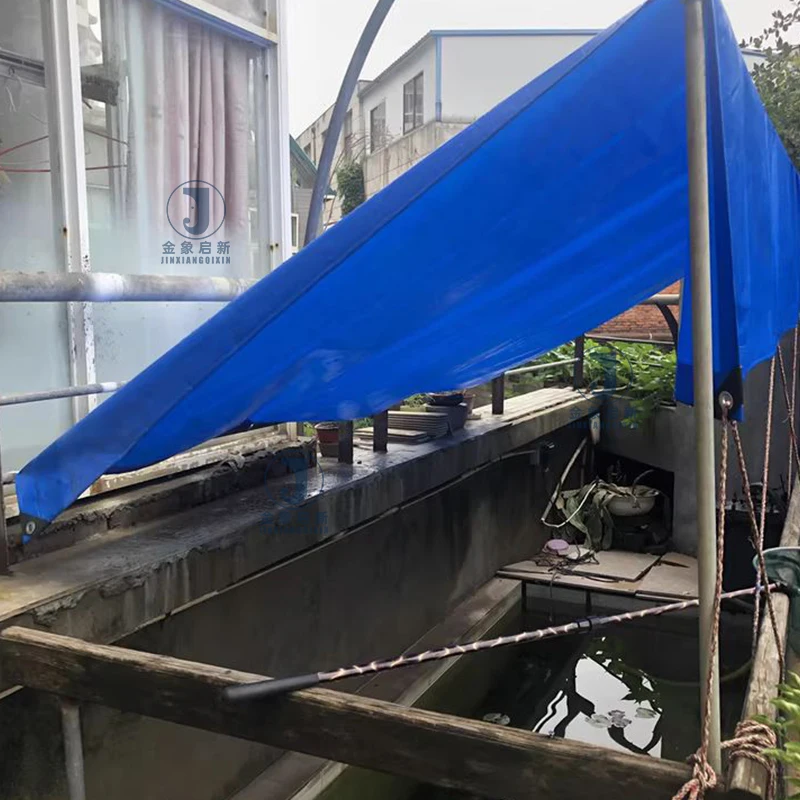
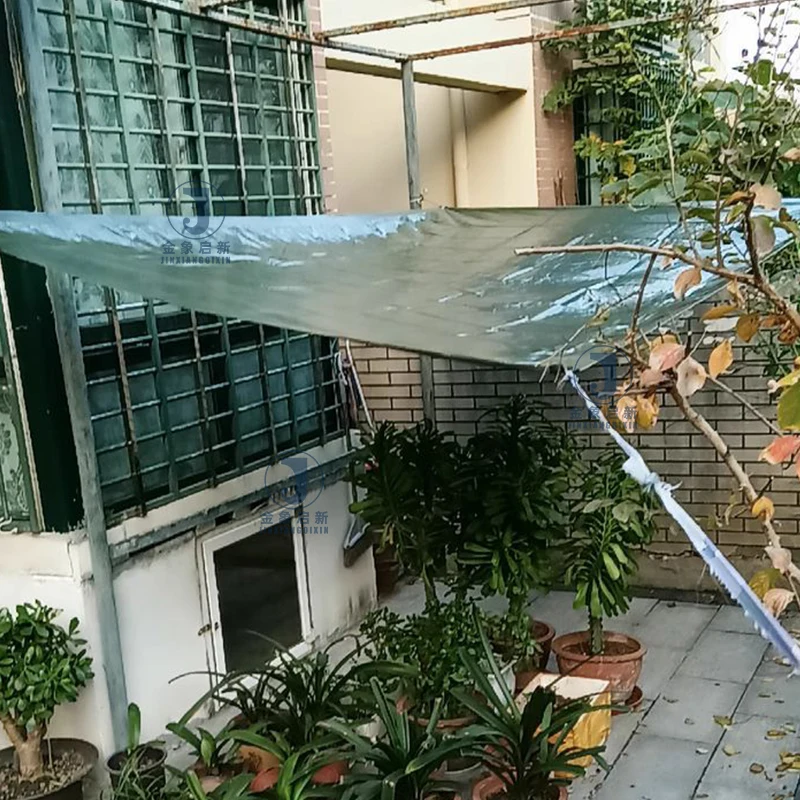
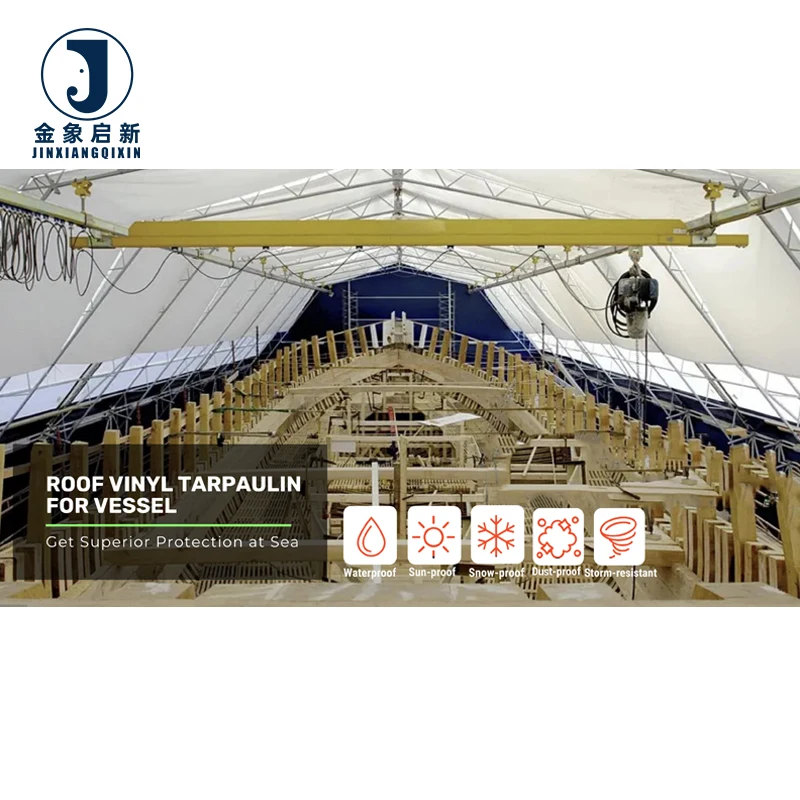
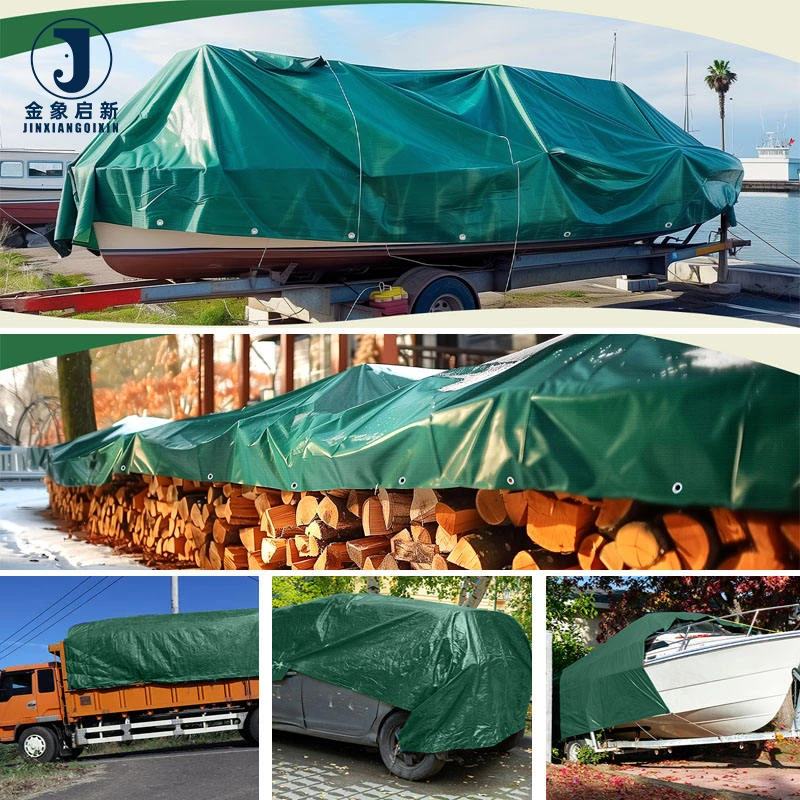
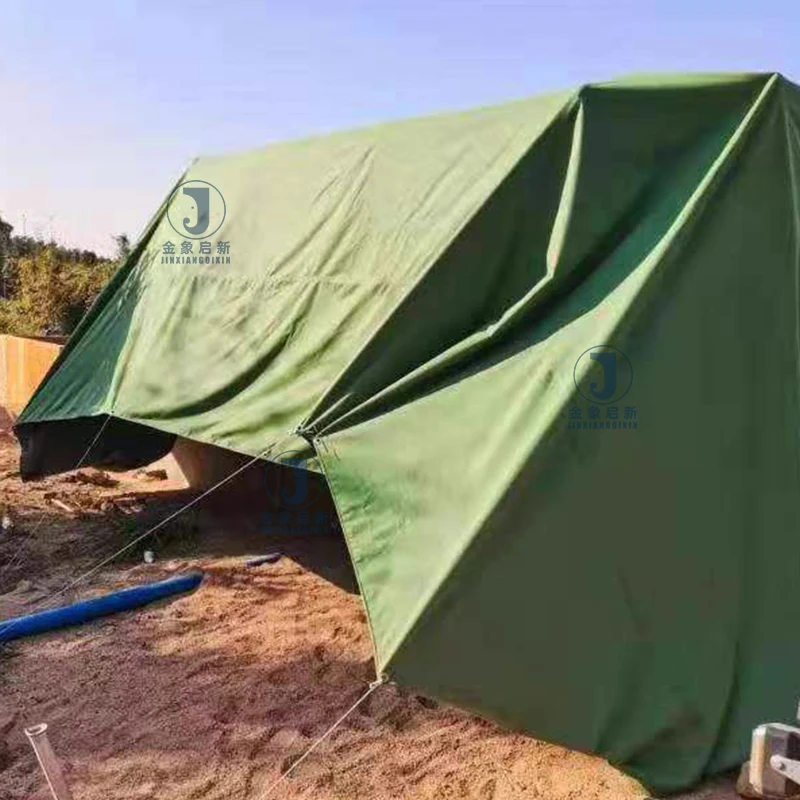
PVC Truck Cover — HDPE woven with LDPE lamination, 50–220 gr/m², waterproof and tear resistant with UV treatment available.
Custom cut to fit specific truck and trailer models, eliminating the generic sizing problem that leaves cargo exposed at the edges. Roll-to-roll colour consistency verified so installed covers match when viewed side by side across a fleet.
- Reinforced hems with PP rope and galvanized eyelets every 3 ft for secure tie-down
- Anti-UV treatment supported by test reports on request
- GSM verified on every roll before dispatch, matching the quoted specification
Backed by nearly 30 years of coated fabric process control, three full production lines for reliable bulk capacity, and 100% pre-shipment inspection on every order.
Description
Precision Coating Control — Our 36-set equipment line monitors PVC coating weight in real time, ensuring every truck cover roll meets the specified GSM without deviation.
Technical Specifications
| Parameter | Value |
|---|---|
| Product Type | PVC Tarpaulin |
| Material | HDPE weaving with LDPE lamination on both sides |
| GSM | 50gr/m² ~ 220gr/m² |
| Thickness | 0.2-0.4mm / 8 mil-16 mil / Custom |
| Roll Width Options | 6ft, 8ft, 10ft, 12ft or 2m, 4m, 6m |
| Roll Length Options | 100 yards, 100 meters, or custom |
| Edge Reinforcement | PP rope in hem |
| Eyelets | Galvanized, every 3ft or 1 meter interval |
| Corner Reinforcement | Reinforced plastic corners |
| Key Features | Waterproof, tear resistant, UV treatment available, mildew proof, anti-aging |
| Colour Options | Blue, Blue/Orange, Green, Grey, Black, Clear, Grey/Green, Orange, or custom |
| Certifications | ISO, CE |
Application Suitability
| Application | Exposure & Requirement |
|---|---|
| Truck and trailer load covering | Road vibration, constant flexing at corners, UV exposure, wind lift on highway speeds |
| Transport fleet weather protection | Rain ingress prevention, cargo moisture barrier, daily tie-down and removal cycles |
| Construction equipment covers | Job-site abrasion from concrete dust and gravel, prolonged outdoor stationary exposure |
| Agricultural and warehouse coverage | Mildew risk from trapped humidity, seasonal deployment and long-term storage folding |
Why a Generic-Size PVC Truck Cover Fails Your Fleet
A cover cut to a standard dimension will always leave stress points on a specific trailer model.
Transport operators routinely order PVC truck cover sheets based on a general length and width, only to discover that the corner hems pull away from the trailer frame or the eyelet line sits too high to secure the load properly. In my years supporting cutting operations here in Shandong, I once oversaw a batch of truck covers shipped in a one-size run. The customer’s trailers had a dropped-deck profile, and the standard cut left excess fabric pooling at the rear while the front eyelets could not reach the anchor rails. The welded seams tore within the first two weeks of highway use because the flex load concentrated exactly where the generic pattern did not account for the trailer geometry [NEED_CITE: tensile and tear test methods for coated fabrics per ISO 1421]. That entire shipment came back for re-cutting. A PVC truck cover aftermarket supplier who does not ask for your trailer drawings before cutting is selling you fabric, not a solution.
Cut Patterns Matched to Your Trailer Profile
Every trailer model distributes tension differently across the cover surface. A flatbed, a curtain-sider, and a tipper all place peak stress at different coordinates, and a PVC truck cover that ignores this will fail at the seams long before the fabric itself reaches its service limit. We work from the vehicle model drawings you supply — or from dimensional templates we develop together — to position eyelets, hems, and welded overlaps exactly where your anchor points and flex zones demand them.
Batch Consistency Across Every Roll in Your Order
Colour shift between rolls is a problem you only discover after installation, when two panels sit side by side on the same trailer and the difference is visible from the road. We run pigment dosing under closed-loop control so that every roll in your shipment matches the agreed colour reference. GSM is verified per roll before dispatch, meaning the fabric weight you approved on the sample is the fabric weight you receive across the full order quantity.
Specification Interpretation for Fleet Procurement
The GSM range of 50gr/m² to 220gr/m² covers light-duty temporary wraps through to heavy-duty side curtain material, and selecting the right point within that range depends on your exposure conditions rather than a general preference for "thicker is better." A heavier lamination coating adds puncture resistance against shifting cargo but also increases the dead weight the eyelets must carry when the cover is tensioned in crosswinds. The PP rope hem reinforcement distributes that eyelet load across a wider fabric strip, reducing the risk of tear-out at the grommet hole — a failure mode that accounts for a significant share of field returns [NEED_CITE: common failure modes in flexible transport covers]. Roll widths from 2m up to 6m determine how many longitudinal welds are needed to cover a wide load, and fewer welds mean fewer potential leak paths and fewer stiff ridges that can abrade the cargo surface during transit.
The Hidden Cost of Overlooking Edge and Eyelet Detail
A cover that meets every specification in the main panel can still be rejected if the edge finishing does not match the tie-down system on your trailers. Galvanized eyelets spaced at every 3ft or 1 meter interval work for standard ratchet strap patterns, but if your fleet uses a curtain-sider track with closer hook spacing, the mismatch forces operators to skip anchor points — and skipped anchors mean flapping fabric at highway speed, which accelerates UV degradation and fatigue cracking along the hem weld [NEED_CITE: fatigue behaviour of laminated fabrics under cyclic wind loading]. Reinforced plastic corners are specified in the product data, but if the cover is cut without allowing enough wrap-around material at the corner folds, the reinforcement sits in the wrong position and provides no benefit. These are cutting-floor decisions, not material decisions, and they determine whether the PVC truck cover performs as intended or generates a warranty claim.
Why Procurement Teams Source This PVC Truck Cover Here
Our three full production lines handle both roll stock and finished cut-to-size truck covers, so fleet buyers and distributors can consolidate orders without splitting between a fabric mill and a converter. The 10-person R&D team develops cut patterns and edge-finish prototypes within days, letting you validate fit on a sample before committing to a production run. Every roll passes 100% inspection before shipment — GSM spot-checked, colour compared against the approved reference, and eyelet pull strength verified on the hem — so the pre-shipment inspection record reflects actual measurements rather than a batch-level assumption. We supply material specification sheets, packing lists, and certificates of origin in the same documentation package, reducing the back-and-forth that delays customs clearance for international shipments.
Documentation & Verification
- Material specification sheet stating exact GSM, base fabric construction, and colour reference per roll
- UV treatment confirmation with test report where applicable to your market requirement
- Pre-shipment inspection record with measured GSM and visual grading for every roll
- Roll packing list with net and gross figures for container load planning
- Certificate of origin issued for customs clearance in destination market
Fabrication, Handling & Storage
- Heat-seal the PP rope hem at temperatures matched to the LDPE lamination to prevent delamination during tensioning
- Galvanized eyelets require a minimum 40mm hem fold-back to distribute pull load across the reinforced edge
- Store rolls horizontally on pallets in shaded, ventilated areas to prevent flat-spot creasing on the LDPE surface
- Avoid dragging finished covers across concrete surfaces during installation to protect the laminated coating layer
- Clean with mild detergent only; solvent-based degreasers can degrade the LDPE lamination bond over repeated use
What We Need to Quote Your Truck Cover Accurately
To move from inquiry to sample, send us your trailer model designation or dimensional drawings, the target GSM range you require, and your preferred roll width or finished cut size. If your fleet operates in a market with specific UV treatment or fire classification requirements, tell us the standard you need to meet so we can confirm whether our available grades align. Colour references in RAL or Pantone codes help us match your existing fleet livery without an extra sampling round.
Frequently Asked Questions
Q: What GSM and treatment options are available for truck covers?
A: Our PVC truck cover range spans 50gr/m² to 220gr/m². UV treatment is available — confirm the specific test standard your market requires so we can verify grade compatibility. Thickness options run from 0.2mm to 0.4mm, and custom values outside that band can be discussed during sampling.
Q: Can covers be cut to fit a specific trailer model?
A: Yes. We cut to your trailer drawings or develop a template from model dimensions you provide. Eyelet spacing, corner reinforcement placement, and hem fold-back are all adjusted to match your anchor rail configuration and tie-down hardware pattern.
Q: How do you ensure colour consistency across multiple rolls?
A: Pigment dosing runs under closed-loop control against an approved colour reference swatch. Every roll in a single order is visually compared before packing, and the inspection record documents the result so you can trace consistency across your shipment.
Q: What certifications and test reports are provided?
A: ISO and CE certificates accompany the documentation package. For UV treatment or any specialised grade, we supply the relevant test report where applicable. Confirm your destination market’s specific requirements at inquiry stage so we include the correct documents.
Q: What is the lead time for custom width, colour or print orders?
A: Custom widths and colours require dedicated production scheduling, so lead times vary with order volume and specification complexity. Request a quotation with your target roll width, GSM, and quantity, and we will confirm the production window in our response.
Related products
-
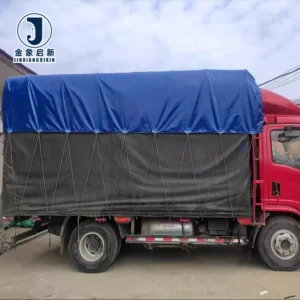
Custom PVC Truck Cover for Trailer – Manufacturer
Read more -
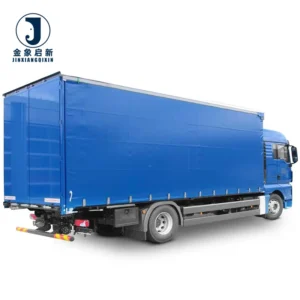
Custom PVC Tarpaulin Truck Cover for Trailer Side Curtain
Read more -
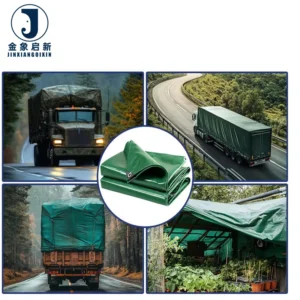
Custom Made PVC Truck Cover Tarps Mildew Resistant
Read more -
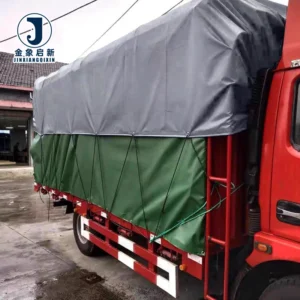
High-Quality Tarpaulin Products for Trucks. Trailers. and More – Coated Tarpaulin. 950 Gsm Pvc Tarpaulin Roll
¥1.48 Add to cart