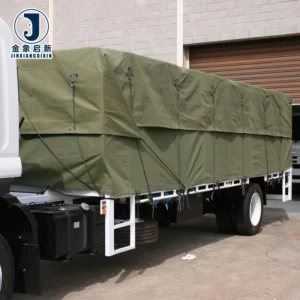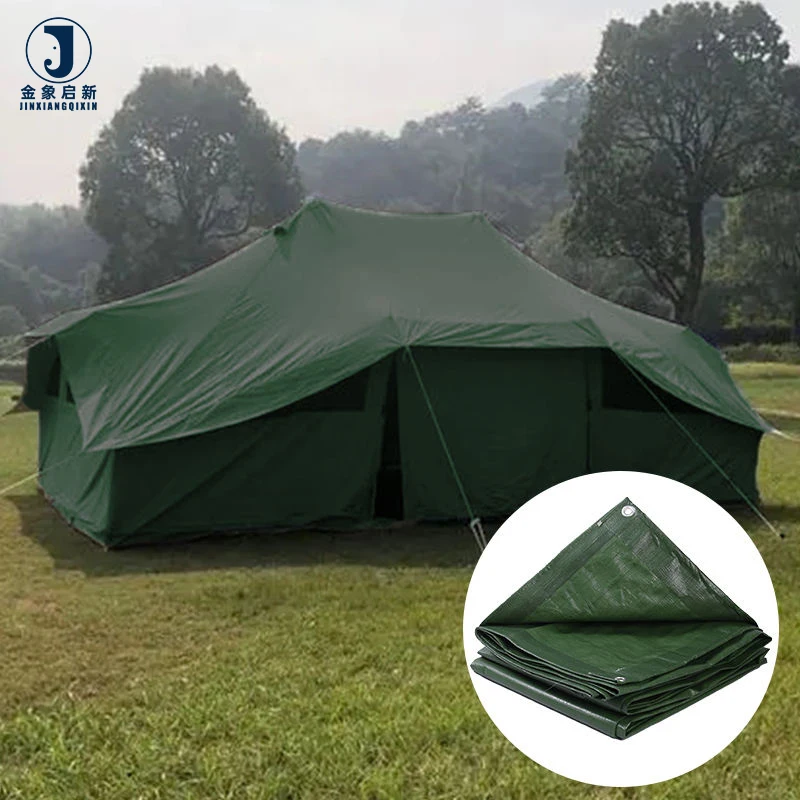
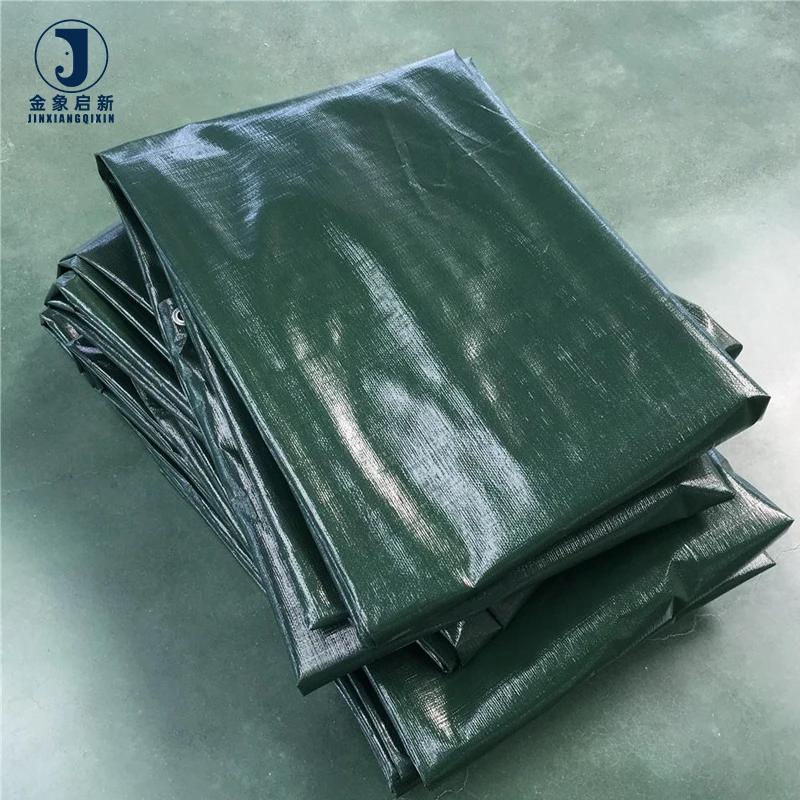
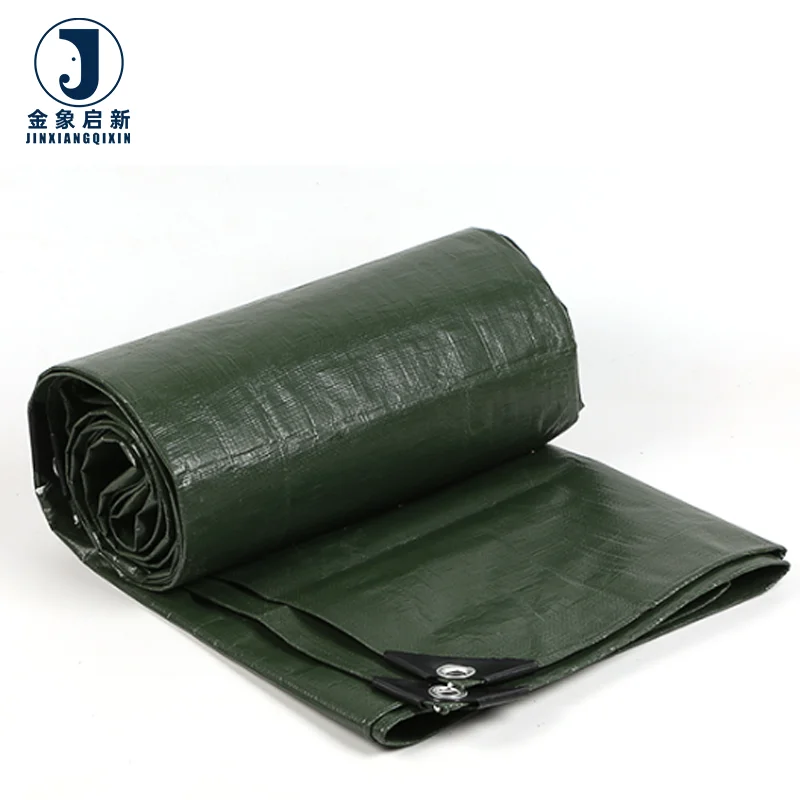
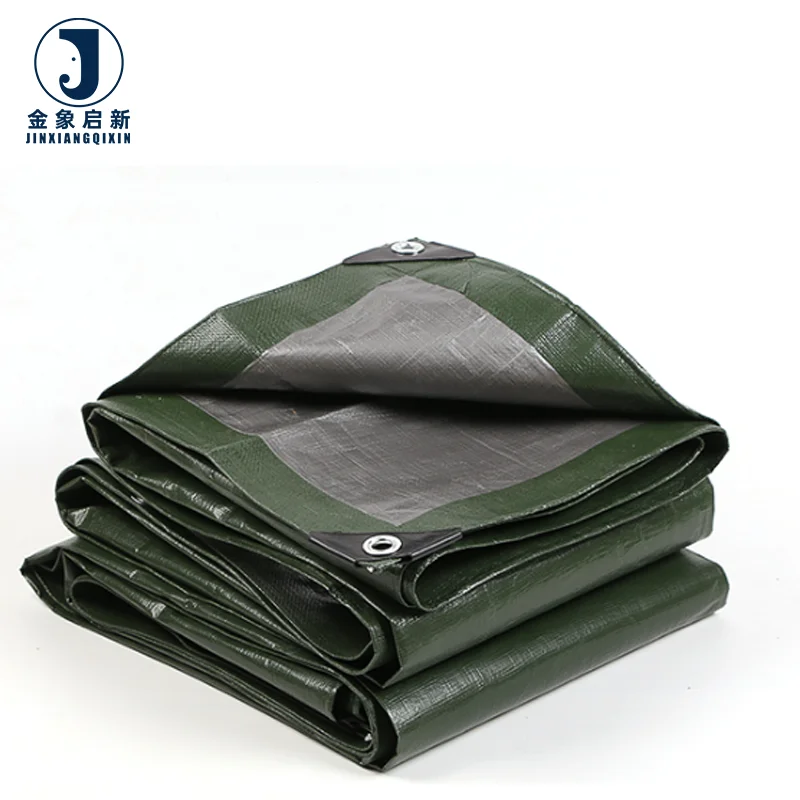
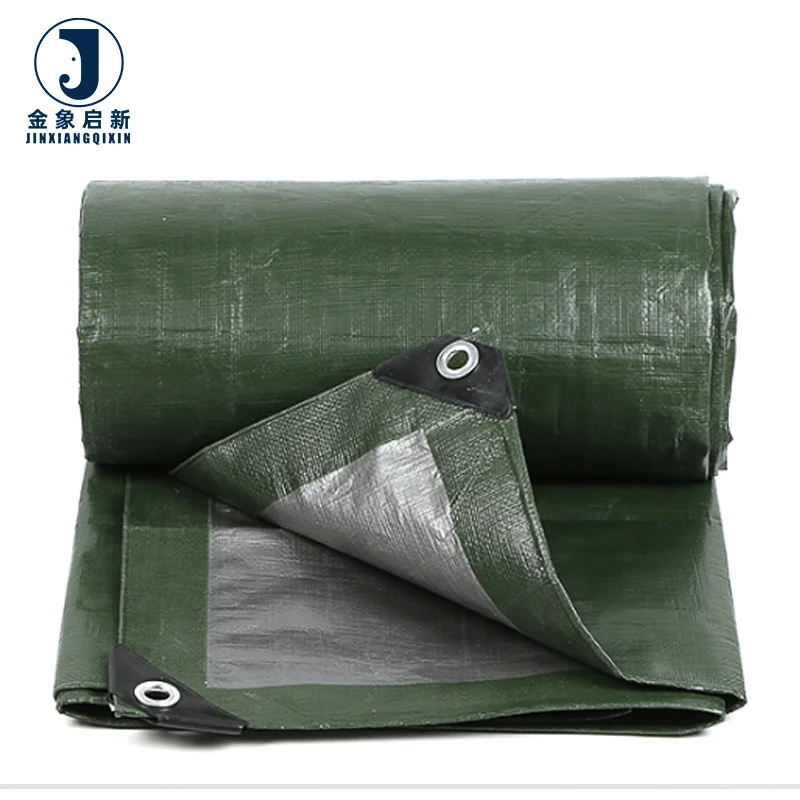
Heavy Duty PE Tarpaulin — HDPE woven fabric with LDPE coating, 50–300 g/m², 6×6 to 16×16 mesh density, custom cut sheets or 100m rolls
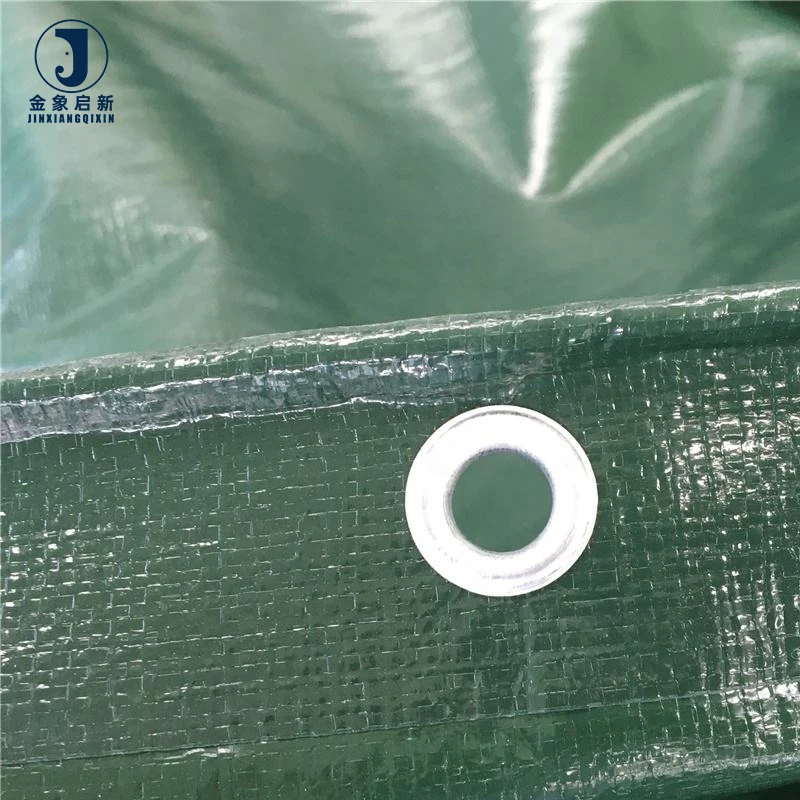
- Rustproof aluminum eyelets every 1m or 1.5m, PP rope hems, reinforced plastic corner triangles for secure tie-down at flex points
- UV protection and fire resistant treatments available with test reports on request
- Batch colour consistency controlled across full production runs so adjacent sheets show no visible variation
- Custom dimensions, GSM, and branding supported with pre-shipment inspection records and material specification sheets for every order
Description
Coating Weight Control — every roll of PE tarpaulin undergoes documented weight verification at multiple production stages, ensuring the GSM you approve is the GSM that arrives.
Technical Specifications
| Parameter | Value |
|---|---|
| Product Type | PE Tarpaulin |
| Material | HDPE woven fabric with LDPE coating on both sides |
| Mesh Density | 6×6 to 16×16 |
| Weight Range | 50 g/m² to 300 g/m² |
| Sheet Sizes | 2×3, 3×4, 3×5, 4×5, 5×6, 6×8, 10×10, 10×12, 12×14 m, or custom |
| Roll Length | 100 m per roll or custom |
| Hem Construction | PP rope in hem, plastic corner reinforcement triangles |
| Eyelets | Rustproof aluminum, spaced at 1 m or 1.5 m intervals, or custom |
| Color Options | Blue, Orange, White, Black, Grey, Yellow, Green, Red, or custom |
| Printing | Logo and company information available, reinforced strip option |
| Special Treatment | Fire resistant and UV protection available — confirm the grade required for your market |
Application Suitability
| Application | Exposure & Requirement |
|---|---|
| Construction site enclosure | Wind-driven rain, debris impact, frequent repositioning across rough surfaces |
| Truck and trailer load covering | Highway-speed airflow, UV exposure, tie-down stress at eyelets and hem |
| Equipment and machinery wrapping | Outdoor storage, dust ingress prevention, puncture from sharp edges |
| Agricultural stockpile covers | Moisture barrier, UV degradation from prolonged sun exposure, handling abrasion |
| General commercial protection | Temporary weatherproofing, moderate handling, varied climate conditions |
Why a Quoted GSM Can Still Leave Your Load Exposed
A weight figure on paper means nothing without documented verification before the container leaves the factory floor.
Buyers across logistics and construction sectors repeatedly encounter PE tarpaulin that arrives lighter than the quotation promised. The coating weight drops silently during production, and the shortfall only reveals itself when the fabric tears at a tie-down point or degrades under seasonal UV cycles. [NEED_CITE: pre-shipment inspection standards for coated fabric weight verification per ISO protocols]. When a custom PE tarpaulin manufacturer custom order spans multiple rolls, even minor coating deviations compound into visible performance gaps across a fleet or job site. The remedy is not a heavier specification — it is a documented inspection record that ties every roll to its stated weight before dispatch.
How Mesh Density Drives Real-World Load Performance
The base fabric of a PE tarpaulin is an HDPE woven grid, and the mesh count — from 6×6 to 16×16 — defines the number of yarns per unit area in each direction. A higher mesh count produces a tighter weave that distributes tie-down loads more evenly across the fabric face. For truck and trailer covers subjected to constant flexing and road-speed airflow, the denser weave resists tear propagation at stress concentrations near eyelets and hems. Lower mesh counts remain suitable for lighter duties such as temporary stockpile wraps or short-term construction barriers where handling frequency is lower.
Coating Adhesion and the Weld Line Problem
Both sides of the HDPE base receive an LDPE coating that provides waterproofing and surface durability. The bond between the coating and the woven substrate determines how the fabric behaves when heat-welded at seams — a critical process for custom-sized covers. If adhesion is uneven, the weld line becomes the weakest point, and the seam fails before the body of the fabric does. [NEED_CITE: peel strength test methods for laminated and coated fabrics]. This is why coating process control matters as much as the stated coating weight when sourcing a PE tarpaulin manufacturer custom order for heavy-duty transport or construction applications.
Reading the Specification Sheet Beyond GSM
Weight alone does not predict field performance. A 200 g/m² PE tarpaulin with a 14×14 mesh and balanced LDPE coating will outperform a 250 g/m² sheet built on a loose 6×6 weave with uneven coating distribution. The mesh density governs tensile and tear resistance, while the coating thickness on each side determines waterproofing integrity and surface abrasion resistance. The combination of base fabric construction and coating weight must be evaluated together — specifying either one in isolation leaves the other variable to shift during production without contractual recourse.
What Happens When Batch Consistency Fails
When colour varies between rolls in the same shipment, the problem is not cosmetic — it signals inconsistent coating formulation across the production run, which often correlates with uneven UV stabiliser distribution. On a construction site where multiple sheets are installed side by side as scaffolding wraps, or across a fleet of trucks, visible colour banding triggers rejection and rework. [NEED_CITE: quality control standards for colour consistency in coated fabric batches]. The cost of replacing rejected material far exceeds the effort of requiring batch-level colour documentation before production begins.
Why Production Control Matters More Than a Low Unit Price
Sourcing a heavy-duty PE tarpaulin from a facility with three full production lines and 36 sets of professional equipment means capacity exists to hold specifications across large orders without subcontracting coating stages to external parties. A 10-person R&D team handles material selection and sample development, so custom widths, colours, and print layouts are confirmed before bulk production starts rather than adjusted mid-run. Dedicated QA/QC at every production stage — not just final inspection — catches coating weight drift before it reaches the cutting table. Samples developed within days allow buyers to validate hand feel, flexibility, and seam behaviour before committing to container volumes.
Documentation & Verification
- Material specification sheet stating exact GSM, HDPE base fabric mesh count, and LDPE coating weight per side
- UV and fire-resistant test reports supplied where applicable — request the standard basis before ordering
- Pre-shipment inspection record with per-roll weight verification against the quoted specification
- Roll packing list with container loading plan by roll count, bale count, and carton count per container type
- Certificate of origin and customs documentation prepared for the destination market
Fabrication, Handling & Storage
- Heat-weld seams at manufacturer-recommended temperature ranges to preserve LDPE coating adhesion on the woven HDPE base
- Specify aluminum eyelet spacing at 1 m or 1.5 m to distribute tie-down loads evenly across the PP rope hem
- Store rolls horizontally on pallets to prevent permanent creasing that weakens the LDPE coating layer
- Unfold sheets in moderate temperatures to avoid stress cracking in the coating at low-temperature brittleness thresholds
- Use mild detergent and soft brush for cleaning — avoid solvents that degrade the LDPE surface coating
- Plan cutting layouts around standard sheet sizes to minimise offcuts and seam count on large custom covers
What to Include in Your Next Enquiry
Specify the application environment — whether the covers will face constant highway-speed airflow on a truck trailer or static outdoor exposure on a construction site. State the target mesh density range, required GSM, and whether fire-resistant or UV-treated grades are mandated by local regulations. Confirm whether you need cut sheets to exact dimensions with branded printing, or roll stock at 100 m or custom length for your own fabrication. Request a physical sample to validate coating hand feel and weld behaviour before placing the production order.
Frequently Asked Questions
Q: How is GSM verified before dispatch?
A: Every roll is weighed and recorded during pre-shipment inspection. The inspection document ties each roll number to its measured weight, compared against the GSM stated on your material specification sheet. This record ships with the container packing list, giving you traceability from quotation to arrival.
Q: What fire-resistant and UV test standards are available?
A: Fire-resistant and UV protection treatments are available in various grades depending on market requirements. Confirm the specific standard your destination market mandates — such as local building code classifications — and the test report will be supplied with the shipment documentation accordingly.
Q: How is colour consistency maintained across multiple rolls?
A: Coating formulation is locked before the full production run begins, and colour checks are performed at intervals across the run. Rolls from the same order are grouped in the packing list so you can verify uniformity upon receipt before installation.
Q: What custom dimensions and roll lengths can be ordered?
A: Standard sheet sizes range from 2×3 m to 12×14 m, with fully custom dimensions available. Roll stock is supplied at 100 m per roll or at your specified length. Provide your required width, length, and quantity to receive a lead time and minimum order confirmation.
Q: What reinforcement options are available at stress points?
A: All edges are hemmed with PP rope for load distribution. Corners receive plastic reinforcement triangles, and rustproof aluminum eyelets are installed at 1 m or 1.5 m intervals — or at your custom spacing — to handle tie-down tension without tearing through the woven base.
Related products
-
Custom Heavy Duty Woven PVC Laminated Canvas Tarpaulin – Full Range
Read more -
Lona de lona tejida laminada de PVC de 0.9 mm de grosor para camiones, toldo impermeable para exteriores, vela de sombra, accesorios para casas de mascotas.
¥20.00 Add to cart -
Heavy Duty Canvas Tarpaulin for Truck Cover – Custom Made
Read more -
Custom Made PVC Laminated Canvas Tarpaulin for Truck Cover – Full Range
Read more