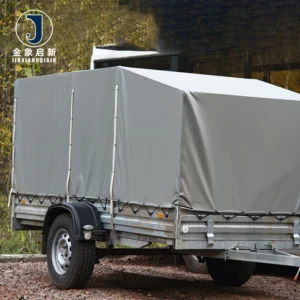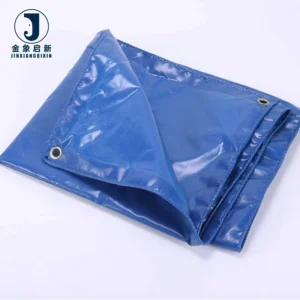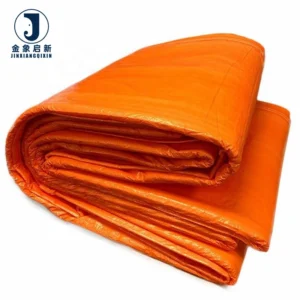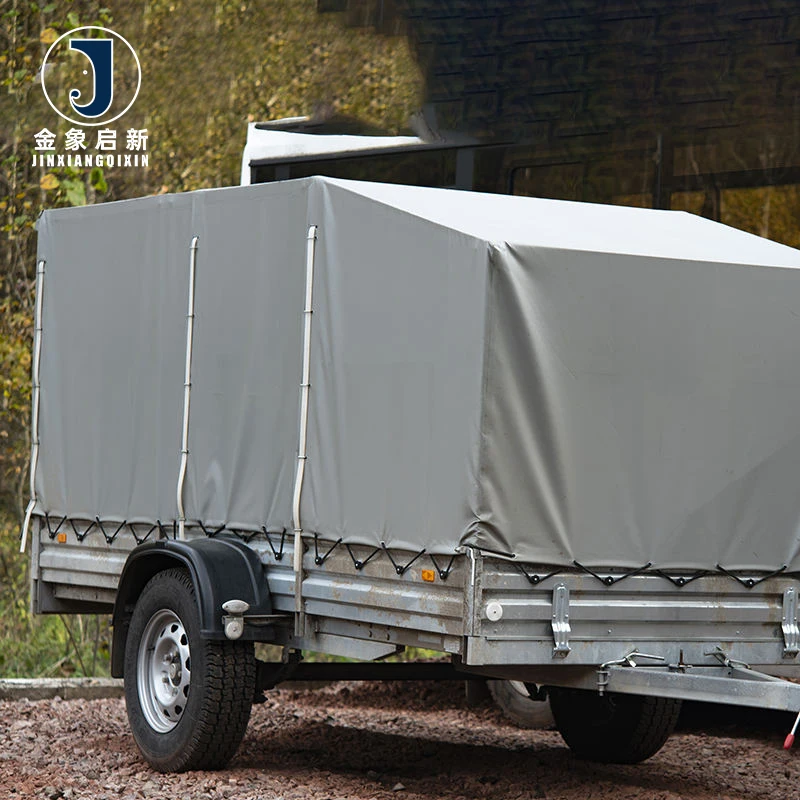
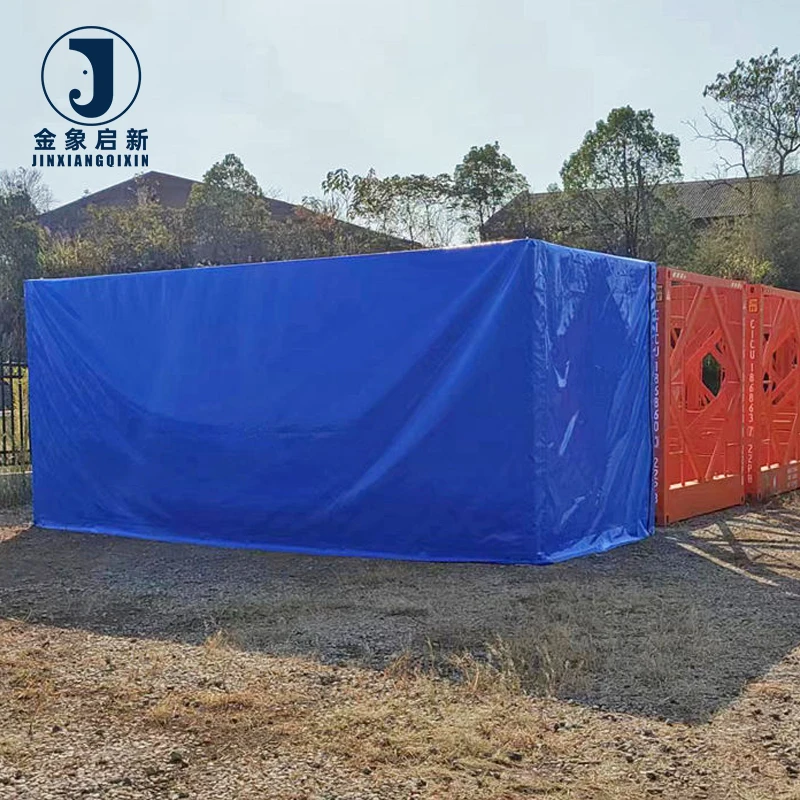
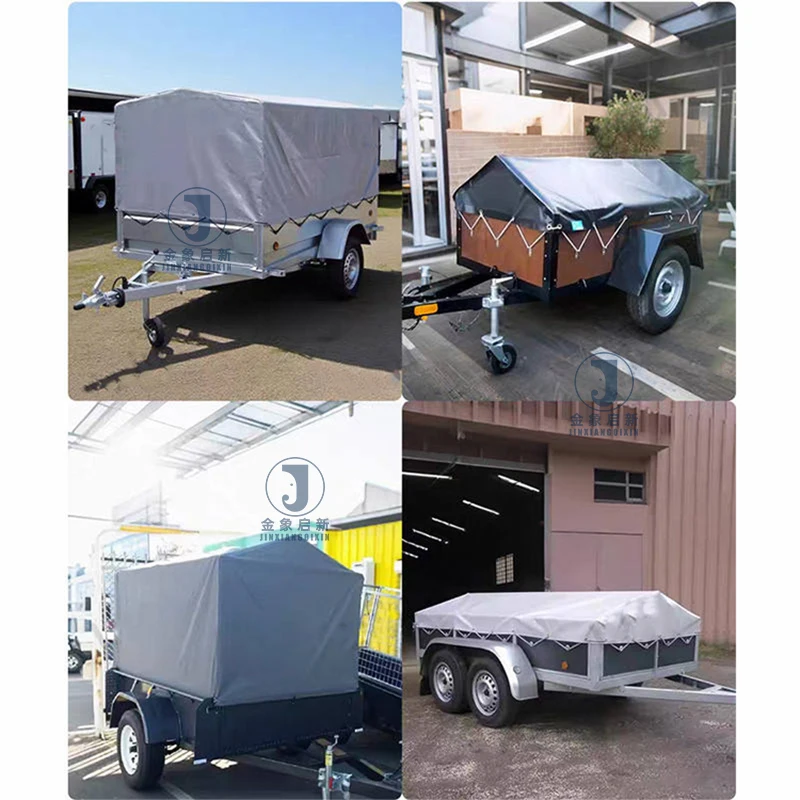
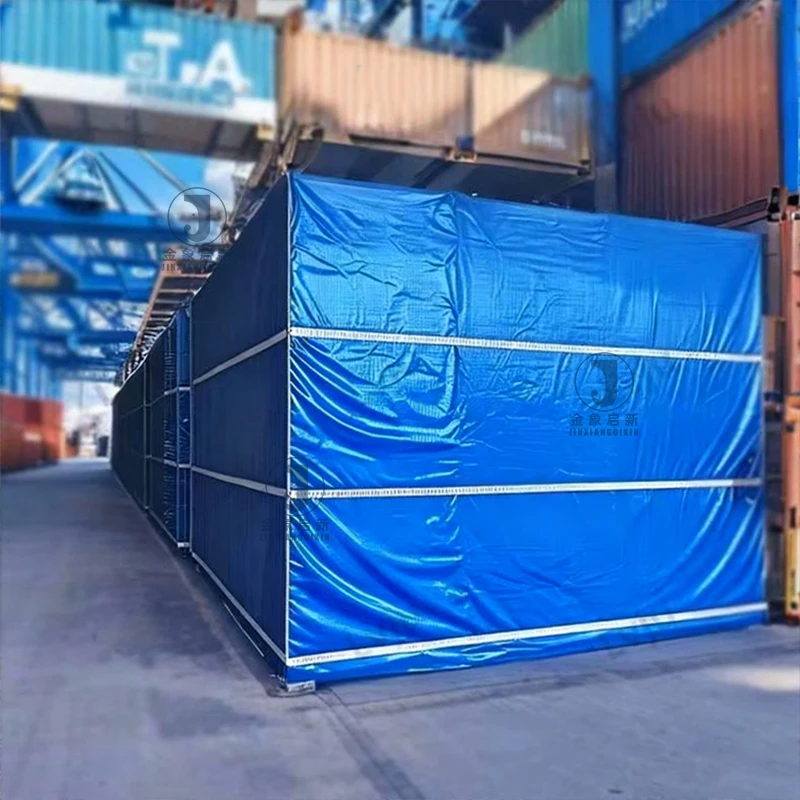
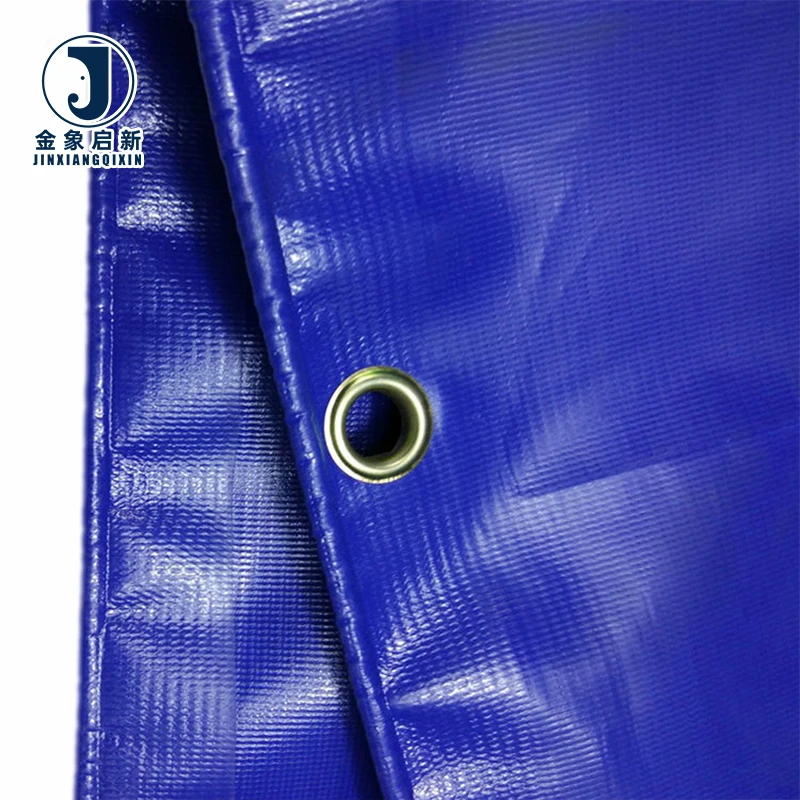
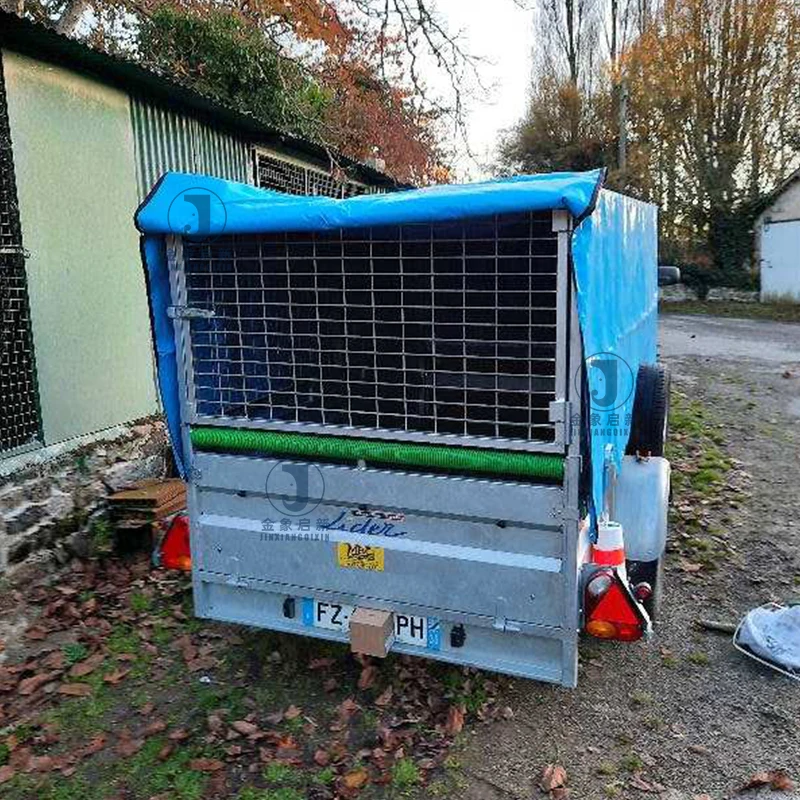
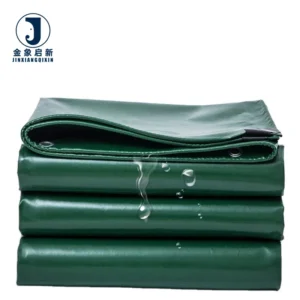
Fire Retardant PVC Coated Tarpaulin Roll, 400–1500 g/m², B1 Standard — hot melt coated on 100% high-toughness polyester yarn, delivering strong adhesion and excellent welding tear strength at flex points. Three weight tiers (medium, heavy, super heavy) map to warehouse covers, truck curtains and construction enclosures, with batch-to-batch colour consistency across rolls. Fire retardant B1, anti-static and UV treatments documented with test reports for site compliance. 10-person R&D team handles custom width, colour and pattern printing with samples developed within days.
Description
Process Control Over Coating Weight — Every roll is verified against the stated GSM at multiple production stages, so the fabric delivered matches the specification approved at sampling.
Technical Specifications
| Parameter | Value |
|---|---|
| Product Type | PVC Coated Tarpaulin |
| Base Fabric | 100% high toughness polyester yarn |
| Coating Material | PVC |
| Coating Method | Lamination and hot melt coating technology |
| Flame Retardant Grade | B1 per DIN 4102 |
| Waterproof | Yes |
| Cold Resistant | Yes (grade not stated) |
| Anti-Static | Yes (surface resistance not stated) |
| Anti-Mildew | Yes |
| Weather Resistance | 3–5 years outdoor exposure (test basis not stated) |
| Color Fastness | High (grade not stated) |
| Welding Tear Strength | Excellent (test basis not stated) |
| Adhesive Strength | Good (test basis not stated) |
| Color | Custom colors available |
| Printing | Custom printing available |
Application Suitability
| Application | Exposure & Requirement |
|---|---|
| Warehouse cover | Wind-driven rain, dust ingress, fire safety compliance on site |
| Construction site enclosure | UV exposure, mechanical abrasion, temporary flame retardant requirement |
| Truck side curtain | Constant flexing at tie-down points, road debris impact, weather cycling |
| Industrial pipe canopy | Long-term UV and thermal exposure, corrosion-prone atmosphere |
| Tensioned structural fabric | Sustained load, UV and weather cycling, fire code compliance |
Why a B1 Rating Matters More Than the Word "Flame Retardant"
A flame retardant claim without a grade leaves your project exposed at inspection.
When sourcing a PVC coated tarpaulin manufacturer for warehouse or construction covers, many suppliers quote "flame retardant" without referencing a test standard. On site, the fire inspector asks for documentation tied to a recognised classification — and a generic claim does not satisfy the requirement. B1 per DIN 4102 is the classification most commonly required across European and Middle Eastern construction projects for temporary enclosures and warehouse covers. [NEED_CITE: DIN 4102 fire classification for building materials] Without that grade printed on the test report, the material may be rejected regardless of actual performance.
Matching Cover Grade to the Right Application Tier
This PVC coated tarpaulin product family spans three weight tiers — medium, heavy-duty and super heavy-duty — each mapped to different stress profiles. A warehouse dust cover does not demand the same base fabric denier as a tensioned membrane structure. Specifying the correct tier at inquiry stage avoids both over-ordering and under-performance.
How Hot Melt Coating Secures the Weld Line
Hot melt coating technology bonds the PVC layer to the polyester base yarn under heat and pressure, producing high adhesive strength that directly affects welding tear strength. When fabric panels are joined by hot air welding on a truck curtain or structural canopy, the weld must hold at least as strongly as the parent fabric. Coating adhesion is what prevents delamination at the seam under flex load. [NEED_CITE: tensile and tear test methods for coated fabrics per ISO 1421]
Reading Between GSM, Denier and Tensile Strength
GSM alone does not determine how a PVC coated tarpaulin performs under load. Tensile strength depends on the base fabric denier and knitting density working together with the coating weight. A fabric with higher GSM but lower denier yarn may resist puncture well yet tear more easily than a lighter fabric woven from thicker yarn. This is why the specification sheet states base fabric denier alongside weight — both values are needed to predict how the material will behave when tensioned, folded or exposed to wind gust.
The Cost of Overlooking Batch Consistency
Colour variation between rolls in the same shipment becomes visible the moment panels are installed side by side on a warehouse facade or a row of truck trailers. Batch inconsistency forces selective panel replacement and delays project handover. Controlling colour at the coating stage — not just the pigment stage — is what prevents visible mismatch once the material is under natural light. [NEED_CITE: colour fastness evaluation methods for coated textiles]
What Backs This Product Beyond the Quotation
Dedicated QA and QC at every production stage means GSM, coating adhesion and colour are checked before the roll leaves the line — not sampled after the fact. Three full production lines and 36 sets of professional equipment provide the capacity to deliver bulk roll orders on schedule without compressing quality checks. A 10-person R&D team develops samples within days for custom GSM, width, colour and treatment combinations, allowing you to confirm the material before committing to volume. Pre-shipment inspection covers every roll, and documentation travels with the shipment.
Documentation & Verification
- Material specification sheet stating GSM, base fabric denier, coating method and colour reference per roll
- Flame retardant B1 test report per DIN 4102 supplied where applicable
- UV and anti-static test reports available on request for project compliance
- Pre-shipment inspection record covering GSM, colour and surface quality
- Roll packing list with certificate of origin and customs support documentation
Fabrication, Handling & Storage
- Hot air weld temperature and speed must be calibrated to the hot melt coating layer for full seam integrity
- Store rolls upright on pallets to prevent flat-spot creasing across the PVC coating surface
- Unroll and allow material to relax before cutting to release tension from winding
- Use compatible PVC-based repair patches that match the lamination coating chemistry
- Clean with mild detergent only — solvent-based cleaners degrade the PVC coating finish
What We Need to Move Your Inquiry Forward
Provide the application type and the exposure conditions the cover will face — wind load, chemical atmosphere, fire code requirement. Specify the target width, roll length or cut panel dimensions, along with annual volume expectation. If your market mandates a particular flame retardant or anti-static grade beyond B1, state the standard at inquiry so we can confirm availability and test documentation before sampling.
Frequently Asked Questions
Q: How do I verify the GSM of PVC tarpaulin on arrival matches the quotation?
A: Every shipment includes a pre-shipment inspection record with GSM measurement per roll. You can cross-check with a calibrated scale on site by cutting a measured sample from the roll edge. Any deviation is flagged before dispatch, not after delivery.
Q: What flame retardant grades are available and how do they map to my market?
A: This product carries B1 per DIN 4102. If your market requires NFPA 701, M2 or another classification, state the required standard at inquiry. We confirm grade availability and supply the matching test report with documentation.
Q: How is batch-to-batch colour consistency controlled across multiple rolls?
A: Colour is controlled at the coating compounding stage, not just pigment mixing. Each production run references a master colour standard, and rolls from the same order are compared side by side during pre-shipment inspection before packing.
Q: What custom widths, lengths and printing options are available?
A: Custom width, roll length, colour and pattern printing are available with minimums depending on the specification tier. Submit your target dimensions and volume at inquiry, and samples are developed within days for your approval before bulk production.
Q: How are welded seams tested to prevent failure at high-flex points?
A: Welding tear strength is evaluated as part of in-process quality control. Hot melt coating technology produces high adhesive bonding between coating and base fabric, which is the primary factor in preventing seam delamination where the cover flexes under load.
Related products
-
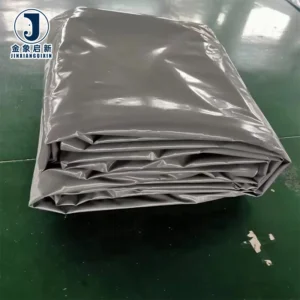
Rollo de Lona de PVC Azul/Gris/Naranja de 630 Gsm Lona de PVC para Camiones Lona de PVC Recubierta
¥1.66 Add to cart -
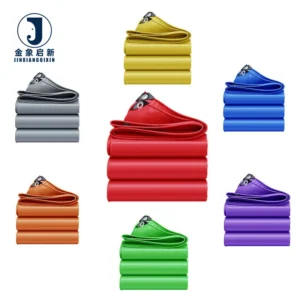
Lonas industriales reforzadas de vinilo pesado con recubrimiento de PVC, impermeables, para exteriores, para tiendas de campaña y cubiertas de camiones.
¥1.45 Add to cart -
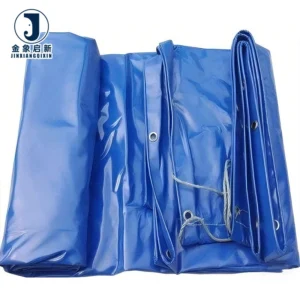
Material de tela de PVC Lona tejida Lona impermeable Tela tejida de lona
¥0.50 Add to cart -
Venta Directa de Fábrica Lonas para Remolques de Plataforma Negras de Alta Resistencia Lona de PE para Madera Hoja de Lona para Transporte de Camiones de Plataforma
¥1.25 Select options This product has multiple variants. The options may be chosen on the product page