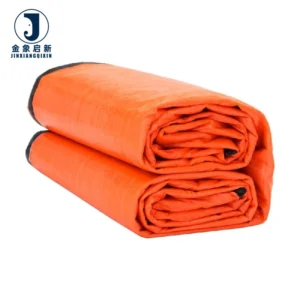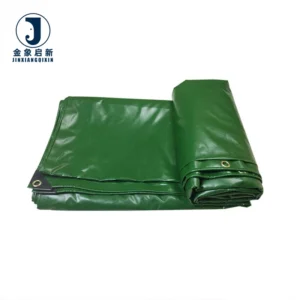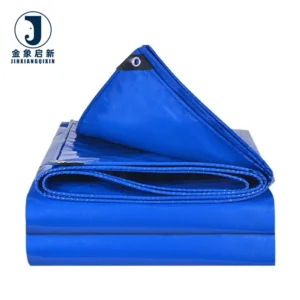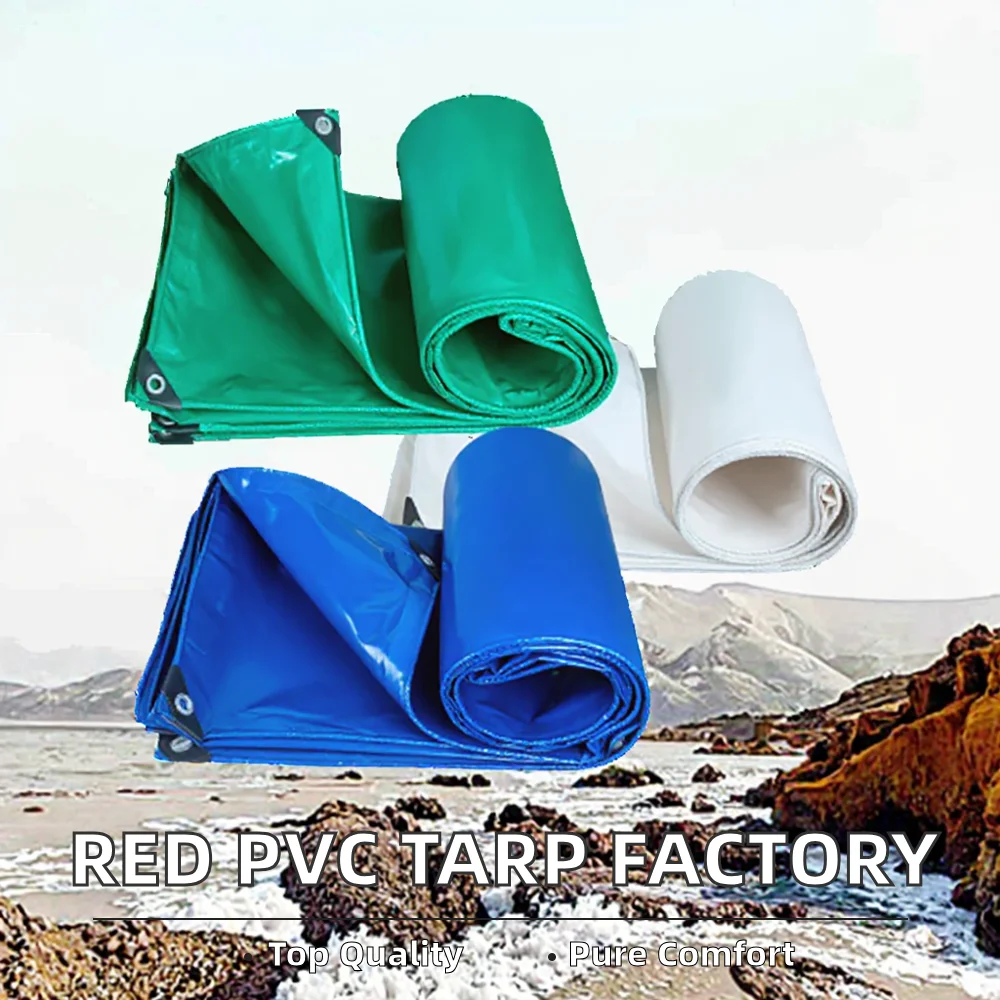
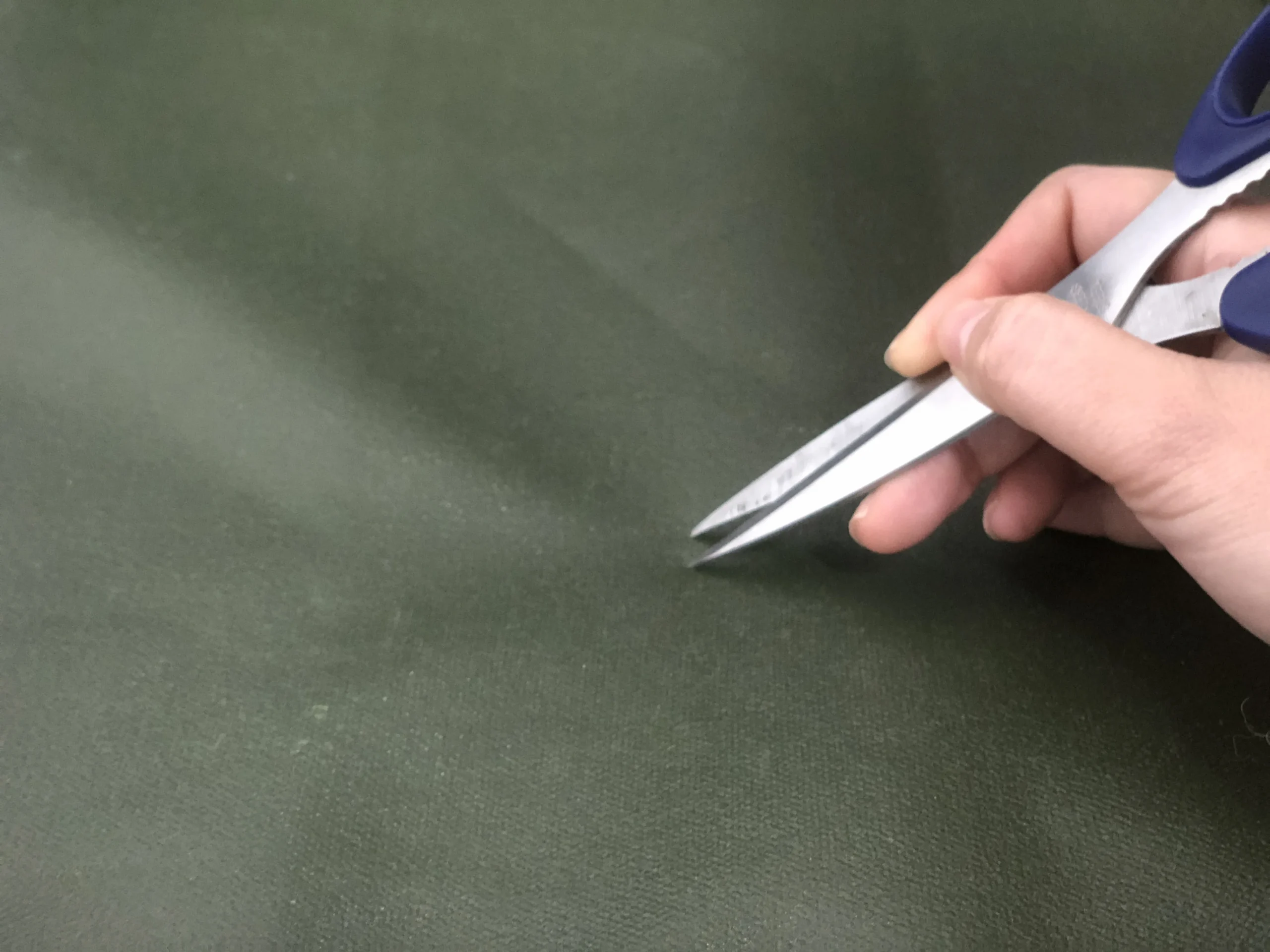
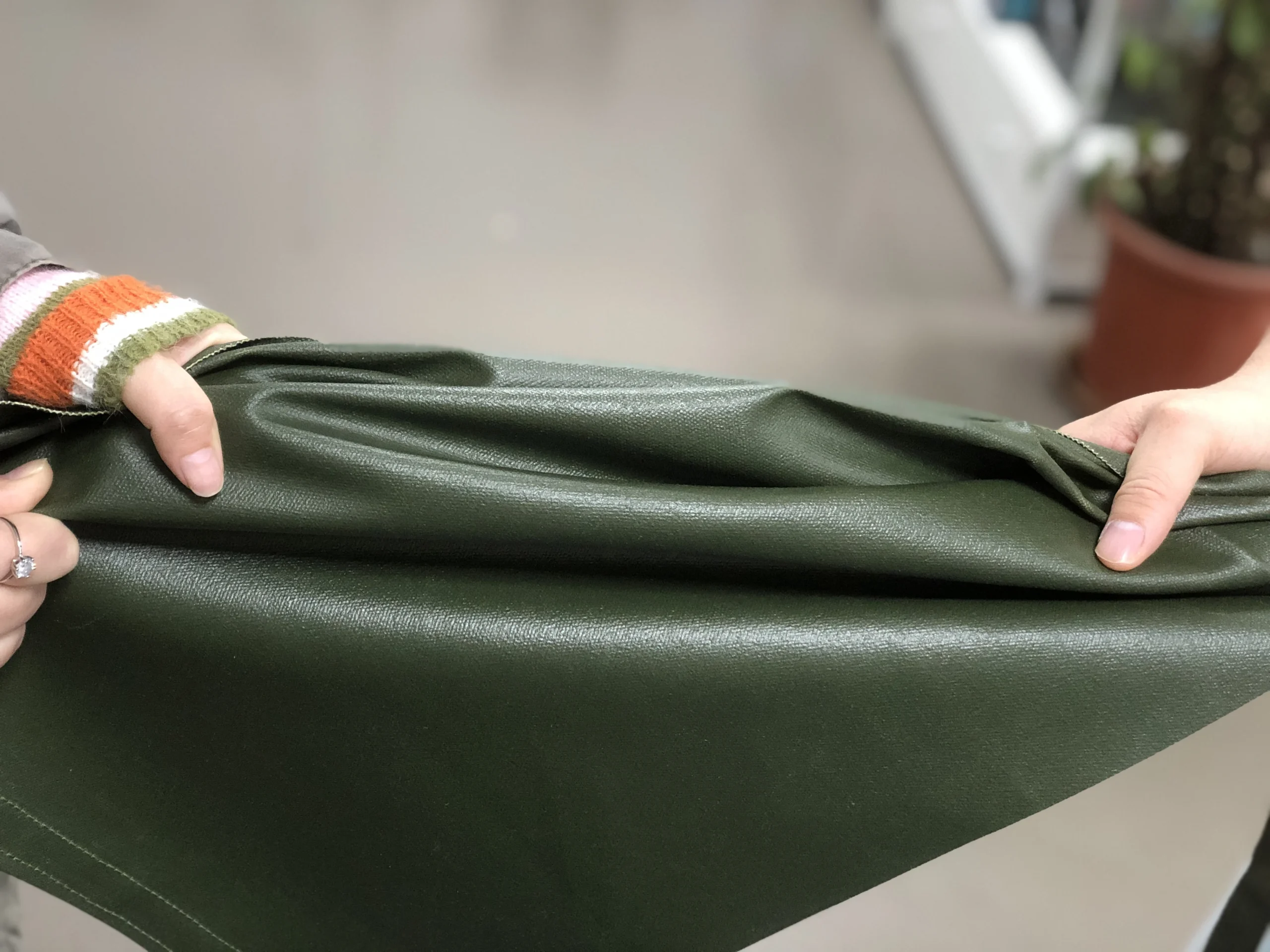
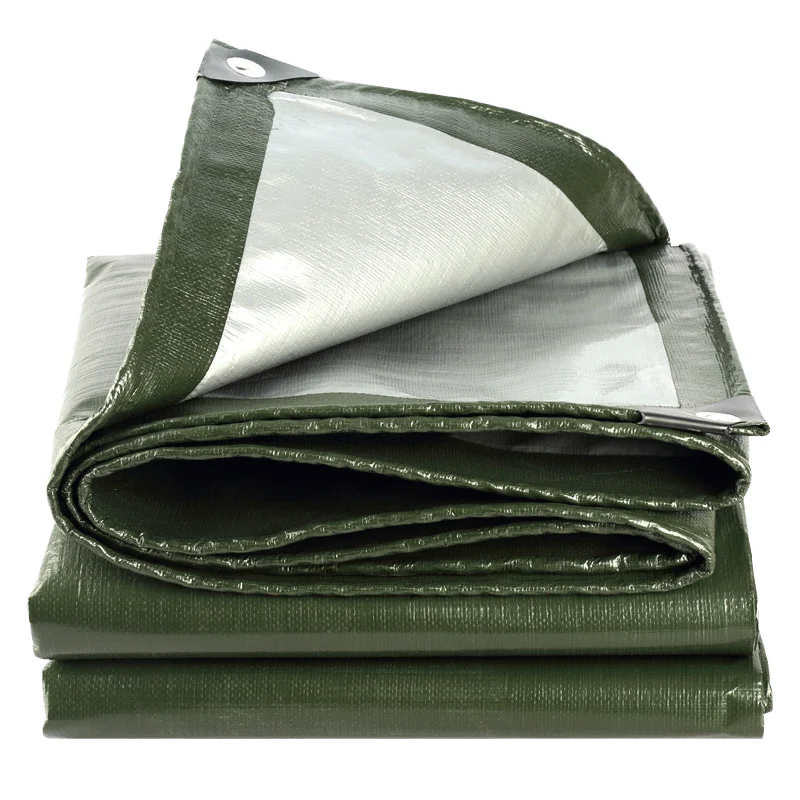
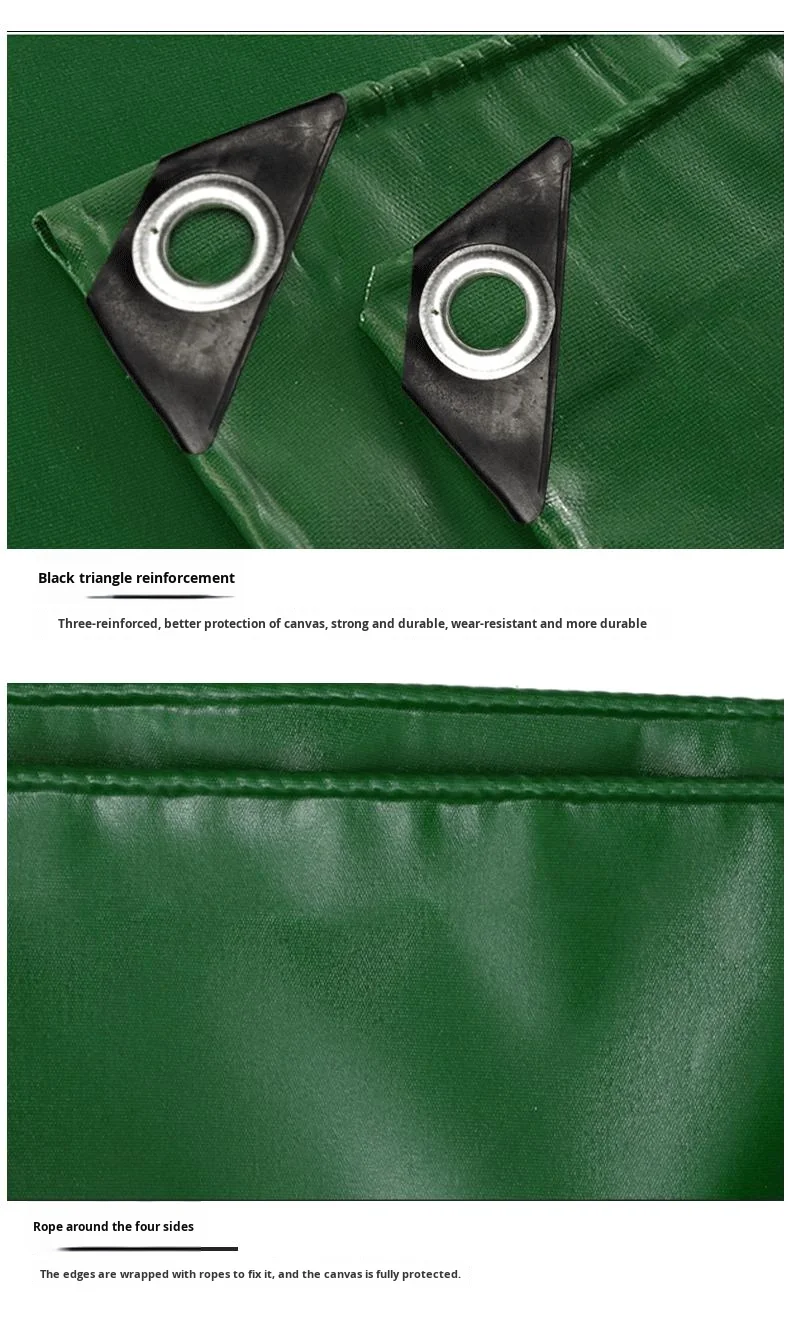
PVC Coated Tarpaulin Fabric, 1000×1000 Denier, Knife Coated — delivered in roll form with glossy or matte surface finish and treatment options including waterproof and oilproof.
Engineered for truck covers, trailer side curtains and construction site covers, this knife-coated fabric ensures strong adhesion between the PVC layer and polyester base. Coating weight and base weave density are verified at every production stage to maintain consistent tensile performance across rolls.
Backed by nearly 30 years of coating process expertise, 100% pre-shipment inspection, and full documentation including material spec sheets and test reports.
Description
Precision-Coated Roll Consistency — Every roll undergoes documented weight checks across all three production lines, ensuring the GSM you order is the GSM that arrives at your warehouse.
Technical Specifications
| Parameter | Value |
|---|---|
| Product Type | PVC Coated Tarpaulin |
| Base Fabric | 1000×1000 denier polyester |
| Coating Method | Knife coated |
| Coating Material | PVC |
| Weight | 420 g/m² |
| Surface Finish | Available in glossy or matte |
| Flame Retardant | Available in flame retardant grades — confirm the grade required for your market |
| Anti-Static | Available — test standard to be confirmed |
| Anti-Mildew | Treated |
| UV Treatment | Anti-UV available — test basis to be confirmed |
| Waterproof | Yes |
| Form | Roll |
| Custom Size | Available |
| Key Features | Anti-cold treatment, oilproof option, 3P treatment available |
Application Suitability
| Application | Exposure & Requirement |
|---|---|
| Truck side curtains | Continuous flexing at load points, road debris abrasion, UV and weather exposure |
| Outdoor tent and awning fabric | Tension under wind load, seasonal UV, repeated folding and packing |
| Industrial equipment covers | Dust ingress, moisture, chemical splash, mechanical contact |
| Construction site enclosures | Wind-driven rain, scaffold abrasion, site fire safety requirements |
| Inflatable and membrane structures | Internal air pressure stress, UV degradation, welded seam integrity |
Why the Weight on the Quotation Does Not Always Match the Roll You Receive
Specification integrity starts with verified coating weight at every production stage, not just a number on a proforma invoice.
Buyers who source PVC coated tarpaulin by the roll often discover on arrival that the fabric feels lighter than expected. A shortfall of even a small percentage in coating weight reduces the material’s ability to resist abrasion at high-flex zones and compromises the thickness available for reliable heat-welded seams. When the PVC coated tarpaulin manufacturer custom order spans multiple rolls, inconsistent coating across the batch creates visible variation once the fabric is installed side by side. The cost of discovering this after fabrication is far higher than verifying it before the container leaves the factory [NEED_CITE: coating weight verification methods for PVC tarpaulin per ISO testing protocols].
Coating Adhesion and the Knife Coating Advantage
The knife coated construction used for this PVC coated tarpaulin forces PVC paste directly into the 1000×1000 denier polyester base under controlled pressure. This produces a mechanical bond between coating and yarn that laminated fabrics cannot replicate, giving the material the peel strength needed for applications where welded seams carry structural load. For a PVC coated tarpaulin aftermarket supplier, this distinction matters because end users who re-weld or repair panels in the field depend on that bond remaining intact through repeated heat cycles.
Treatment Selection and What Documentation Should Accompany It
The available treatment menu — flame retardant, anti-static, anti-cold, anti-mildew, and 3P options — must be specified at inquiry stage so that the correct additives are compounded into the PVC coating formulation. Each treatment alters the surface chemistry and processing parameters, meaning a roll produced with anti-cold additives will behave differently under heat welding than a standard grade. Requesting test documentation for each treatment ensures the PVC coated tarpaulin rolls you receive carry verified performance data rather than unconfirmed claims [NEED_CITE: flame retardant classification standards for coated textiles in industrial applications].
Reading the Specifications Beyond the GSM Number
The 420 g/m² weight sits in a range that serves general heavy-duty covering applications, but weight alone does not determine field performance. The 1000×1000 denier base fabric provides the tensile backbone — the yarn count and weave density work together with coating weight to produce the final tear and tensile values. Knife coating ensures the PVC fully encapsulates each yarn intersection, which is what prevents delamination when the fabric flexes repeatedly at stress points. The glossy or matte surface option affects more than appearance: a glossy finish sheds dirt and resists staining in exposed installations, while a matte surface reduces glare and provides better adhesion for printed graphics or applied labels. Anti-UV treatment, where specified, extends the usable life of the coating by slowing plasticiser migration that leads to embrittlement, but the expected service duration depends on installation angle, latitude, and seasonal exposure patterns.
What Happens When Specifications Are Chosen on Price Alone
Selecting a lighter grade to reduce roll cost often surfaces as premature failure at the point the load flexes most. Welded seams on underweight coating fail before the fabric body does, because there is insufficient PVC thickness for the weld to fuse properly. Colour variation between rolls from different production runs forces fabricators to reject entire panels, turning a material saving into a rework cost. Where flame retardant treatment is specified but the grade is not confirmed against local fire codes, the finished installation may fail inspection entirely, delaying project handover [NEED_CITE: common causes of premature tarpaulin failure at welded seams].
Why Sourcing This Fabric Here Makes Sense
Three full production lines running dedicated PVC coating operations mean that roll-to-roll consistency is controlled through in-process checks rather than end-of-line sampling. The 10-person R&D team handles material selection, treatment formulation, and sample development, producing trial rolls within days so you can verify weldability and colour before committing to volume. A 100% pre-shipment inspection covers every roll against the ordered specification, with documented GSM and coating weight checks recorded before packing. Custom widths and lengths are produced on the same lines as standard grades, meaning the quality controls apply equally regardless of order size. The documentation package travels with each shipment, giving your receiving team the data they need to verify the material against your purchase order without delay.
Documentation & Verification
- Material specification sheet confirming 420 g/m² weight, 1000×1000 base fabric, and knife coating method
- Test reports for flame retardant and anti-UV grades where those treatments are specified
- Pre-shipment inspection record with per-roll coating weight verification
- ISO and CE certificates included with customs documentation package
- Roll packing list detailing individual roll weights, widths, and lengths
Fabrication, Handling & Storage
- Heat weld at temperatures matched to the 420 g/m² knife coated construction to avoid burning through the PVC layer
- Store rolls horizontally on racking to prevent permanent creasing in the 1000×1000 base fabric
- Allow cold-stored rolls to reach ambient temperature before unrolling to prevent surface cracking
- Use PVC-compatible cleaners on glossy surfaces to avoid stripping the anti-UV treatment layer
- Plan cutting layouts around available roll widths to minimise offcuts and transverse weld seams
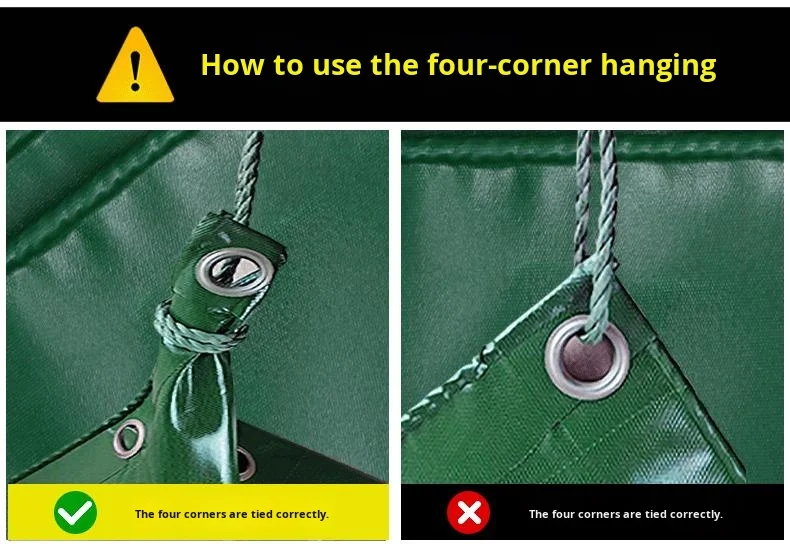
- Reinforce eyelet zones with additional PVC patches where the 420 g/m² fabric will carry tie-down loads
What We Need From You to Quote Accurately
Provide the end-use application and the environmental conditions the fabric will face — wind load, UV exposure, temperature range, and any fire safety classification your market requires. Specify the roll widths and lengths you need, along with annual volume, so we can confirm production scheduling and minimum quantities. If colour matching or printed branding is part of the project, share your reference standards so the R&D team can develop samples for your approval before bulk production runs.
Frequently Asked Questions
Q: How do you verify GSM on arrival and what does your pre-shipment inspection cover?
A: Every roll is weighed and measured against the stated 420 g/m² specification before packing. The pre-shipment inspection records coating weight, base fabric integrity, surface finish consistency, and roll dimensions. This documentation ships with the order so your receiving team can cross-reference each roll against the packing list and material specification sheet on arrival.
Q: What flame retardant grades are available and which test standards do they meet?
A: Flame retardant treatment is available for this PVC coated tarpaulin, and the specific grade must be confirmed based on your market’s fire safety requirements. Share the classification standard your project specifies — such as the relevant building material or textile fire code — and we will match the formulation and supply the corresponding test report with the shipment.
Q: How do you control batch-to-batch colour consistency across multiple rolls in one order?
A: Colour is formulated at the compounding stage and checked against reference standards before coating begins. Rolls within a single order are produced consecutively on the same line using the same batch of PVC compound. The pre-shipment inspection includes a visual consistency check across all rolls, and any variation outside tolerance is flagged before dispatch.
Q: What custom widths, lengths and printing options are available, and what are the minimums?
A: Custom widths and roll lengths are produced on the same three production lines as standard grades. Minimum order quantities depend on the width and treatment combination requested. Pattern printing and branding can be incorporated during production. Share your required dimensions and annual volume, and we will confirm minimums and lead times specific to your specification.
Q: What is the anti-UV test basis and how does it relate to expected outdoor service life?
A: Anti-UV treatment is available as an additive in the PVC coating formulation. The test basis should be confirmed against the exposure conditions at your installation site — latitude, mounting angle, and seasonal intensity all influence degradation rates. Request the UV test report for the specific treatment grade, and we will supply it alongside the material documentation package.
Related products
-
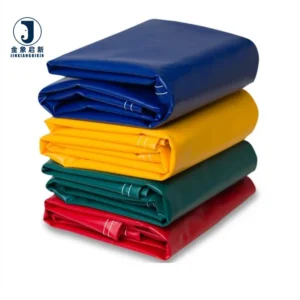
Lona para camiones de servicio pesado 1000d PVC Lona impermeable de lona de PVC
¥1.20 Add to cart -
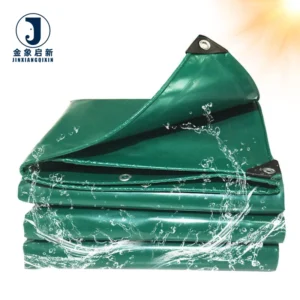
Lona impermeable de alta resistencia Funda impermeable Fabricante de lonas
¥1.48 Add to cart -
Lona de PVC recubierta de 900GSM de alta resistencia, cortinas de lona Panamá para camiones.
¥7.78 Add to cart -
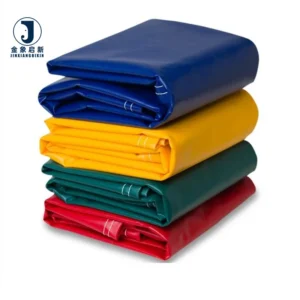
Cubierta de lona de PVC impermeable de alta resistencia para carpa de camión, almacenamiento al aire libre y uso industrial
¥1.48 Add to cart