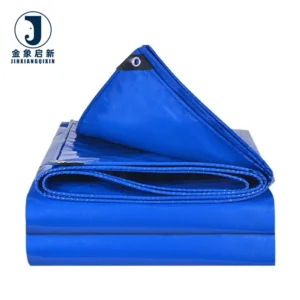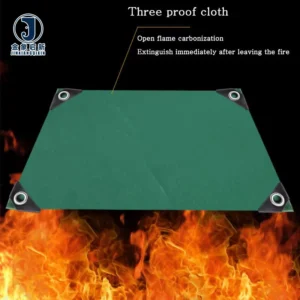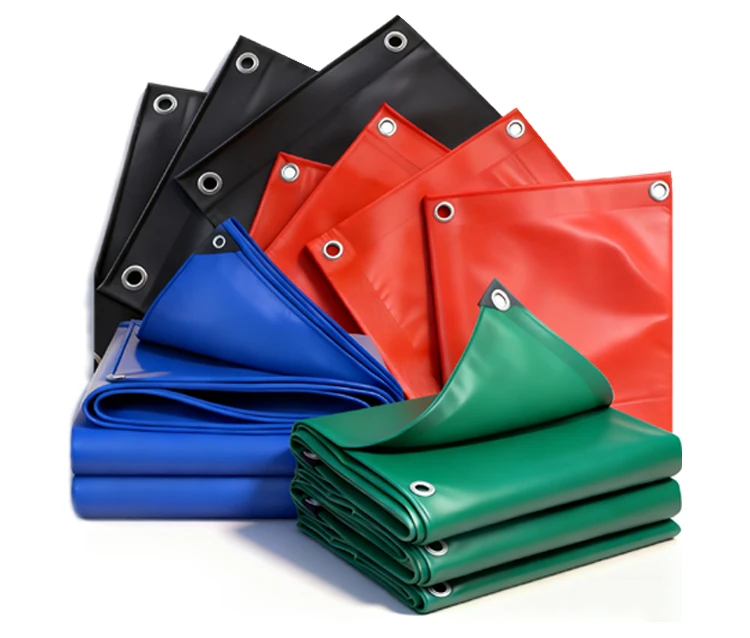
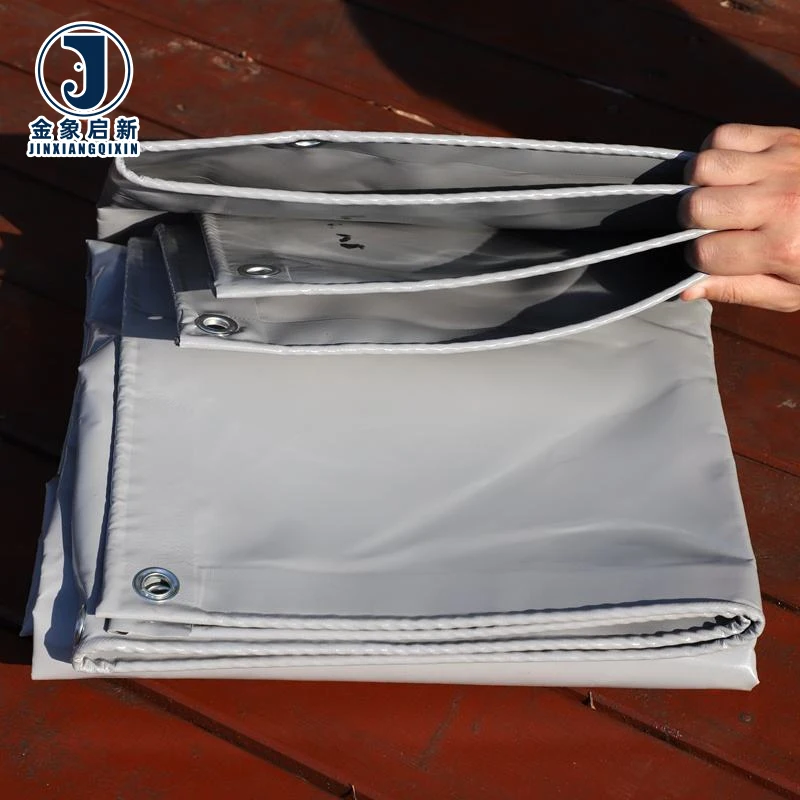
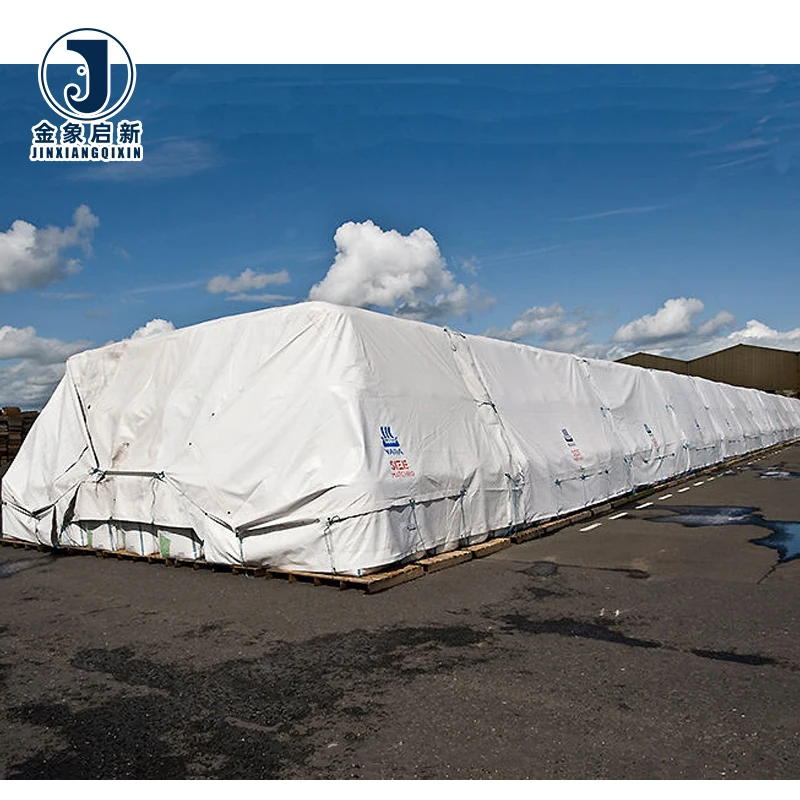
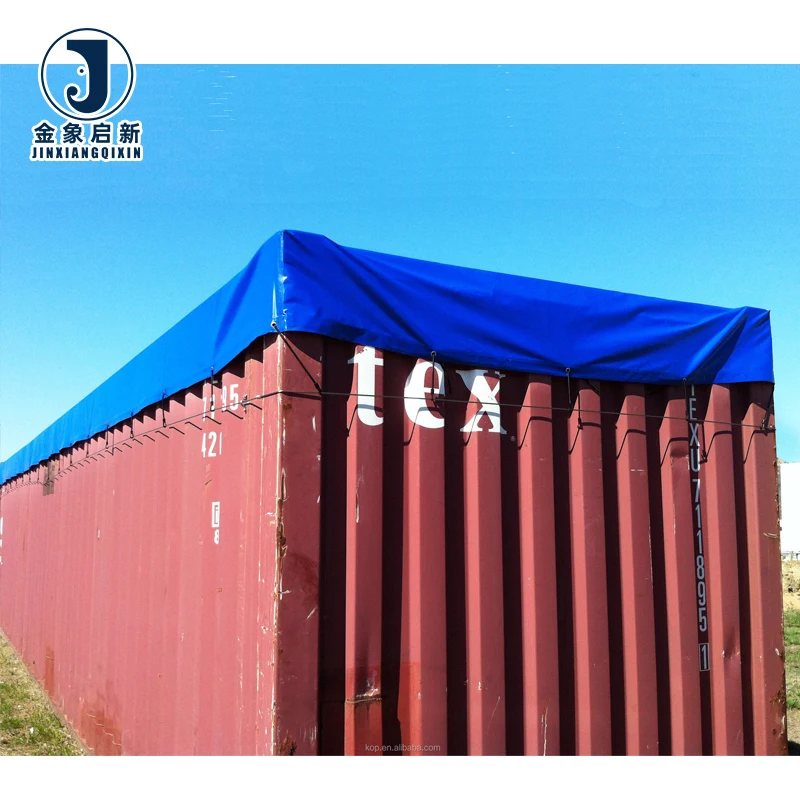
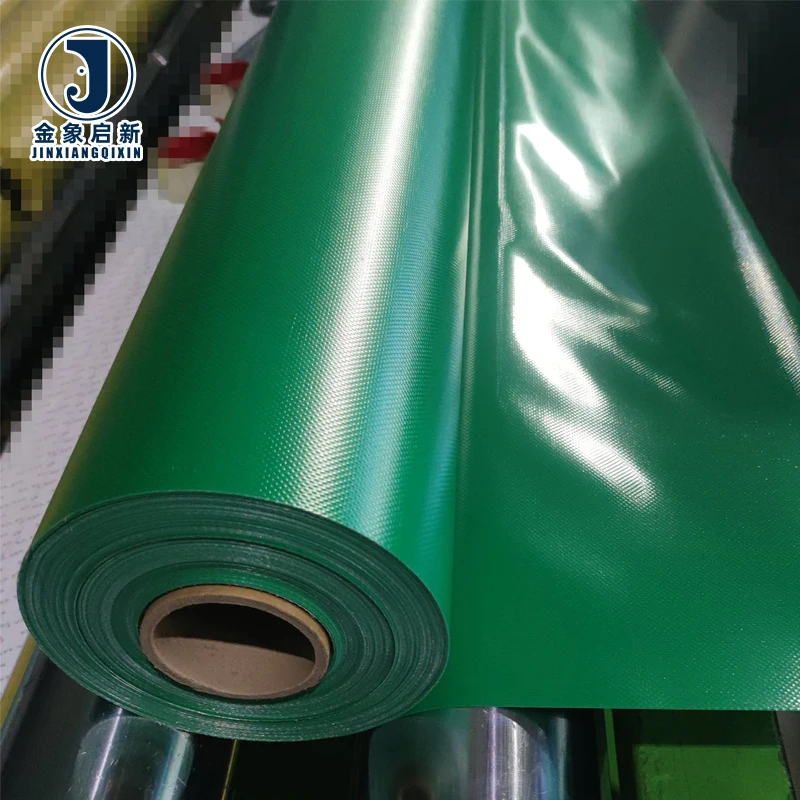
PVC Coated Tarpaulin — 400-1500 g/m² range with 500D-2000D polyester base, hot melt coated for strong adhesion and reliable heat-welded seams.
- Choose GSM and denier matched to your tensile and tear requirements, not just weight alone
- Lamination or hot melt coating options depending on peel strength and fabrication needs
- UV, flame retardant and anti-static treatments available with test documentation on request
Nearly three decades of coated fabric process control, 100% pre-shipment inspection, and full cut-to-size capability from one production source.
Description
Proven Process Control — Every roll of PVC coated tarpaulin fabric passes weight verification and coating adhesion checks before leaving the line, ensuring the GSM and finish you specify is what arrives on your dock.
Technical Specifications
| Parameter | Value |
|---|---|
| Product Type | PVC Coated Tarpaulin |
| Base Fabric | 100% high toughness polyester yarn |
| Coating Technology | Lamination and hot melt coating |
| Thickness Range | 0.35–1.5 mm |
| Weight Range | 400–1500 g/m² |
| Yarn Denier | 500D–2000D |
| Tensile Strength (Warp) | 1500–3000 N/5cm |
| Tensile Strength (Weft) | 1200–2800 N/5cm |
| Welding Tear Strength | Excellent |
| Surface Finish | Glossy or matte (grade not stated) |
| Key Features | Waterproof, cold resistant cracking, mold proof |
| Treatment Options | Anti-static (grade not stated), flame retardant (grade not stated), UV treatment (test basis not stated) |
| Color Options | Custom colors available |
| Outdoor Weather Resistance | 3–5 years outdoor guarantee |
| Standards | ISO, CE |
Application Suitability
| Application | Exposure & Requirement |
|---|---|
| Truck tarpaulin and side curtains | Constant flexing at hinges, road debris abrasion, sustained UV exposure, wind load tension |
| Construction site protection | Puncture from sharp materials, prolonged weather exposure, repeated handling and repositioning |
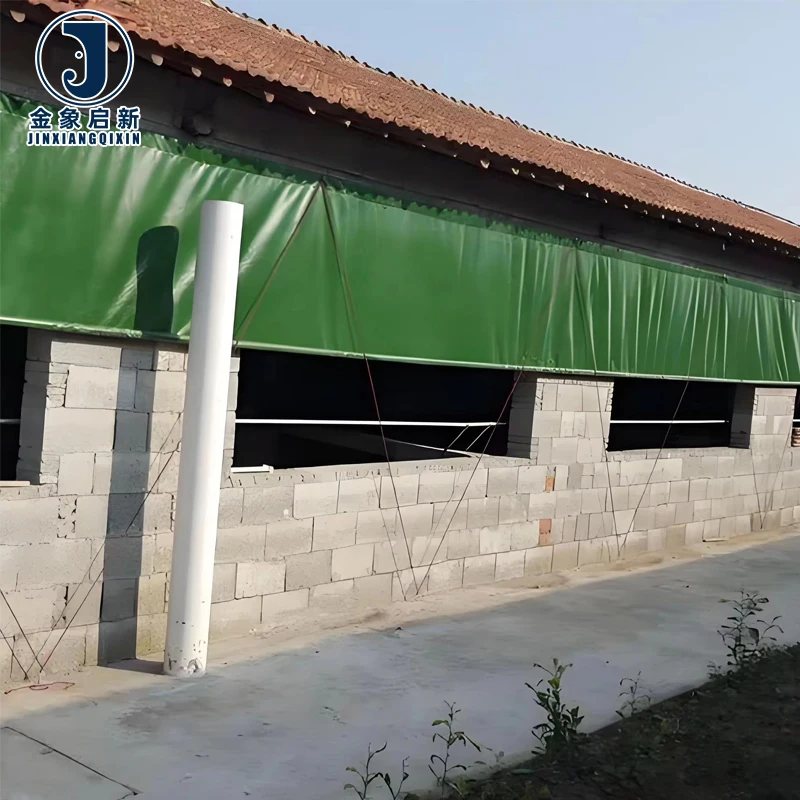
| Agricultural and pond covers | Permanent water contact, soil chemistry interaction, UV degradation risk, algae and mold buildup |
| Lightweight engineering covers | Moderate tensile demand, occasional deployment, need for easy folding and transport |
| Heavy truck and trailer covers | High tensile and tear load, tie-down point stress, abrasion at contact edges, cold weather cracking risk |
| Industrial pipe canopy | Chemical exposure, thermal fluctuation, need for structural welding integrity |
| Tensioned structural fabric | Sustained biaxial load, UV and weather exposure over large spans, color consistency across panels |
| Inflatable and membrane structures | Air pressure load, repeated inflation cycles, weld seam integrity under stress |
Why the GSM on Your Quote Does Not Guarantee the Strength You Paid For
A PVC coated tarpaulin fabric aftermarket supplier who quotes a specific GSM but ships lighter material is passing cost savings onto you as premature failure. Verified coating weight and base fabric denier together determine real-world performance, not a number on a quotation.
I have watched heavy-grade coated rolls come back rejected because the material on the scale read well below what the purchase order stated. The buyer pays for 650 GSM and receives something that behaves like 590 GSM — thinner, less tear resistance, and a coating that delaminates earlier than expected [NEED_CITE: weight discrepancy complaints in coated fabric imports]. That gap is not a rounding error. It is the difference between a cover that survives two seasons and one that splits at the first heavy wind.
Coating Adhesion and What It Means for Your Weld Seams
The lamination and hot melt coating processes used on this PVC coated tarpaulin fabric directly affect how well the coating bonds to the polyester base. Strong adhesion means the weld seam holds through repeated flex cycles on a truck curtain or a tensioned structure without peeling at the join. When adhesion is weak, the seam becomes the first failure point even though the base fabric itself is intact.
Hot melt coating drives the PVC compound into the weave under heat and pressure, producing a mechanical bond that resists delamination better than simple knife-over-roll applications. For fabricators welding panels together, this translates to a more predictable heat response and a cleaner weld line that does not lift after cooling.
How Yarn Denier and Knitting Density Shape Tear Behaviour
A 500D yarn in a tight weave will resist initial puncture differently from a 2000D yarn in a looser construction, even if both end up at the same GSM. The denier determines how much energy a single yarn can absorb before it snaps, while the knitting density controls how that load transfers across neighbouring yarns once one breaks [NEED_CITE: tensile and tear test methods for coated fabrics per ISO 1421].
For applications like construction site covers where sharp objects create point loads, a higher denier base with balanced density limits tear propagation. On truck side curtains that flex thousands of times, the weave must allow movement without concentrating stress on individual yarns. The range from 500D to 2000D in this PVC coated tarpaulin fabric lets you match the base fabric construction to the actual stress pattern your application imposes.
Reading the Specification Sheet Beyond GSM
The weight range of 400–1500 g/m² spans lightweight covers to super heavy-duty truck and structural membranes, but GSM alone does not tell the full story. A 650 GSM fabric with a thick coating over a light base may show the right number on the scale but lack the tensile backbone for a tensioned structure. Conversely, a fabric at the same GSM with a leaner coating over a dense 2000D base will deliver higher tensile and tear values because more of the weight comes from the structural yarn rather than the coating compound.
Thickness from 0.35 to 1.5 mm correlates with puncture resistance and stiffness, which matters when the fabric must hold a shape under wind load or resist abrasion from cargo edges. The coating technology — lamination versus hot melt — influences the surface finish, the peel strength at laminated joints, and the ease with which a fabricator can achieve a clean heat weld. Surface finish choices between glossy and matte affect dirt shedding, print adhesion for branded panels, and the visual appearance once installed across a fleet or a building facade [NEED_CITE: surface finish impact on coated fabric cleanability and print adhesion].
Treatment options for flame retardancy, UV resistance, and anti-static properties are available in varying grades. Confirm the specific grade or test standard your market requires — a building membrane in Europe may need a different fire classification than a mining ventilation duct — so the test report supplied matches the compliance path for your project.
What Happens When the Specification Does Not Match the Job
Sending a lightweight grade to a heavy truck application means the tie-down points pull through and the fabric tears from the eyelet outward. Specifying flame retardant treatment without confirming the grade can result in a failed site inspection, with the entire installed cover coming down and the contractor absorbing removal and replacement costs [NEED_CITE: fire classification compliance failures in temporary structures].
Color variation between rolls in the same shipment becomes visible the moment panels hang side by side on a fleet of trailers or across a tensile roof. Weld seams that fail before the base fabric does leave operators patching in the field instead of relying on a cover that was engineered to last. Each of these outcomes traces back to a gap between what was specified on paper and what the production run actually delivered.
Why Sourcing This PVC Coated Tarpaulin Fabric Here Makes Sense
Deep process control over coating weight and adhesion comes from years of running coating lines focused exclusively on PVC fabric, which means the GSM stated is the GSM shipped. Three full production lines with 36 sets of equipment support the volume required for container-load orders without pushing lead times out. A dedicated R&D team handles material selection, sample development, and custom sizing, so a new width or color request does not stall the order.
QA inspection at every stage, with 100% pre-shipment checks, catches weight deviations and surface defects before they reach the container. Samples for custom requirements are developed within days, letting buyers approve material and color before the main production run begins.
Documentation & Verification
- Material specification sheet listing GSM, base fabric denier, coating weight, and color reference per roll
- Test reports for UV and flame retardant treatments supplied against the specific grade ordered
- Pre-shipment inspection record confirming weight and visual checks completed before dispatch
- Roll packing list with net and gross weights matched to container loading plan
- Certificate of origin and full customs documentation for international shipment
Fabrication, Handling & Storage
- Heat weld parameters should match the hot melt coating thickness to avoid burn-through on lighter grades below 500 g/m²
- Reinforced hems and tie-down points must distribute load across multiple yarns to prevent tear-out on heavy-duty grades
- Store rolls upright on a flat surface to prevent permanent creasing across the 0.35–1.5 mm thickness range
- Allow cold-stored rolls to reach ambient temperature before unrolling to avoid coating crack on cold-resistant grades
- Use mild detergent for cleaning glossy surfaces to preserve the coating finish and color fastness over time
- Plan cut layouts to minimize waste when working with custom widths and to keep weld seams away from high-flex zones
What to Include in Your Inquiry
To get an accurate specification match, share the end use, the environmental exposure the fabric will face, and any fire or safety classification your market demands. Indicate whether you need rolls at a specific width or finished cut sizes with hems and reinforcement. If color consistency across rolls or custom printing is required, state the quantity and reference color so a sample can be prepared before the production run.
Frequently Asked Questions
Q: How can I confirm the GSM matches my order before the shipment leaves?
A: Each roll is weighed individually against the stated GSM during the pre-shipment inspection. The inspection record with actual measured values is included in the documentation package. If you require third-party verification, we can arrange an independent inspection at the factory before the container is sealed.
Q: Are test reports available for UV and flame retardant treatments?
A: Yes. Test reports are supplied for the specific treatment grade applied to your order. Because fire classifications and UV standards vary by market, confirm the exact standard your project requires so the report matches your compliance documentation.
Q: What is the minimum order for custom width, color, or printing?
A: Minimums depend on the specific width and color requested, as custom runs require line setup and color matching. Share your target dimensions and annual volume so we can confirm the minimum and batch consistency across your required roll count.
Q: How do welded seams perform compared to the base fabric itself?
A: The hot melt coating technology produces strong adhesion between the PVC layer and the polyester base, which allows heat-welded seams to approach the strength of the parent fabric. Proper weld temperature and dwell time must match the coating thickness to achieve full seam integrity.
Q: What documentation is included with each shipment?
A: Orders ship with a material specification sheet, applicable test reports, a pre-shipment inspection record, roll packing list, and certificate of origin. Additional customs or compliance documents can be prepared based on the destination country requirements.
Related products
-
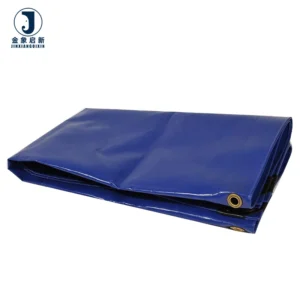
Lona de PVC recubierta de 900GSM de alta resistencia, cortinas de lona Panamá para camiones.
¥7.78 Add to cart -
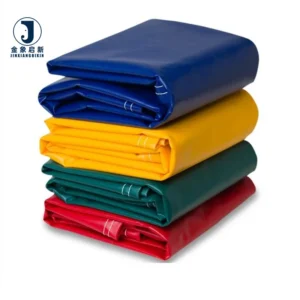
Cubierta de lona de PVC impermeable de alta resistencia para carpa de camión, almacenamiento al aire libre y uso industrial
¥1.48 Add to cart -
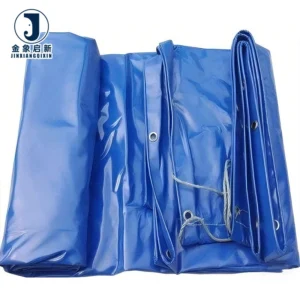
Material de tela de PVC Lona tejida Lona impermeable Tela tejida de lona
¥0.50 Add to cart -
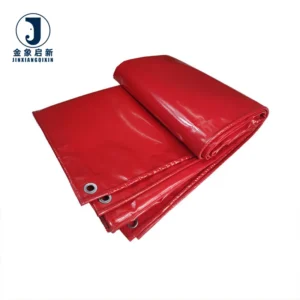
Lona de venta caliente 30M X 30M Lona de PVC terminada para agricultura Lona
¥1.48 Add to cart