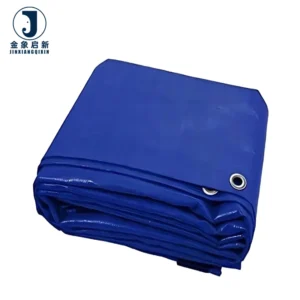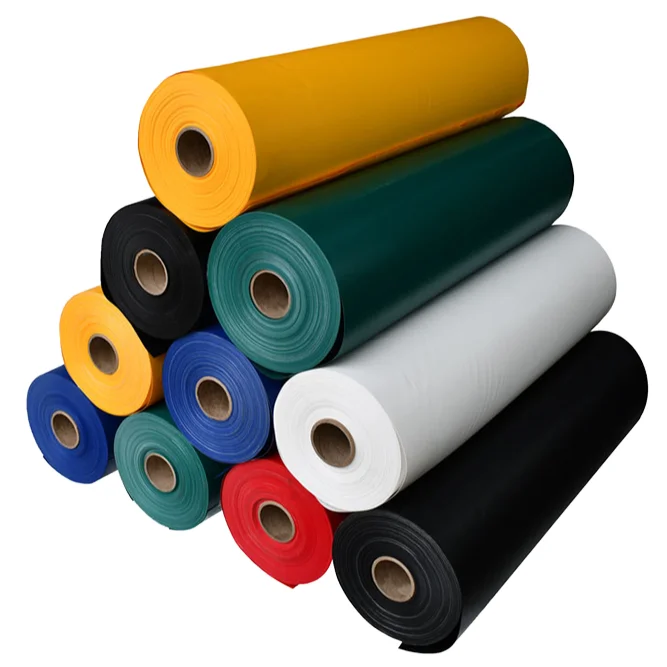
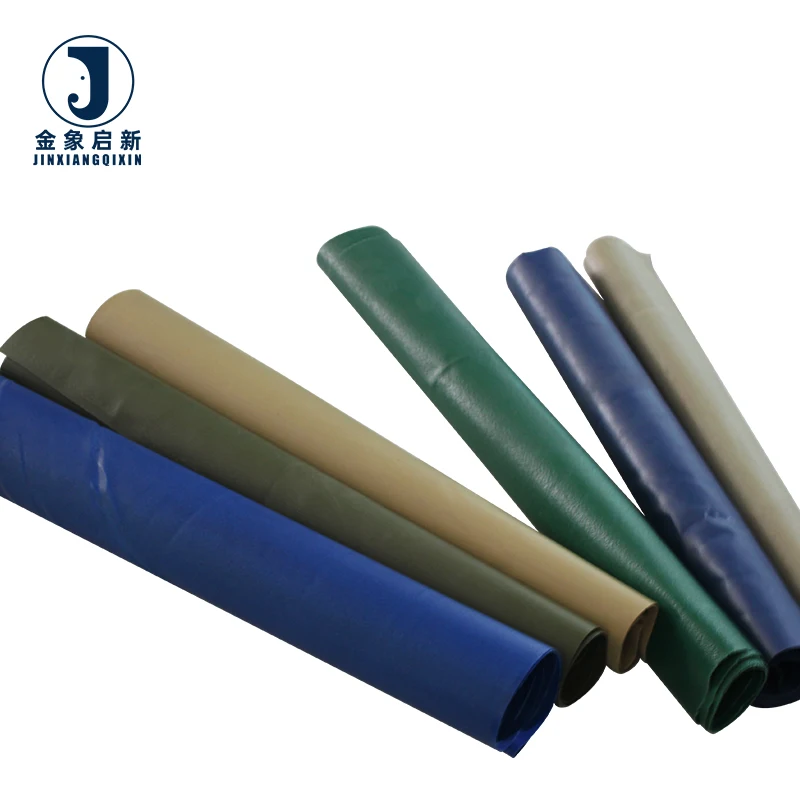
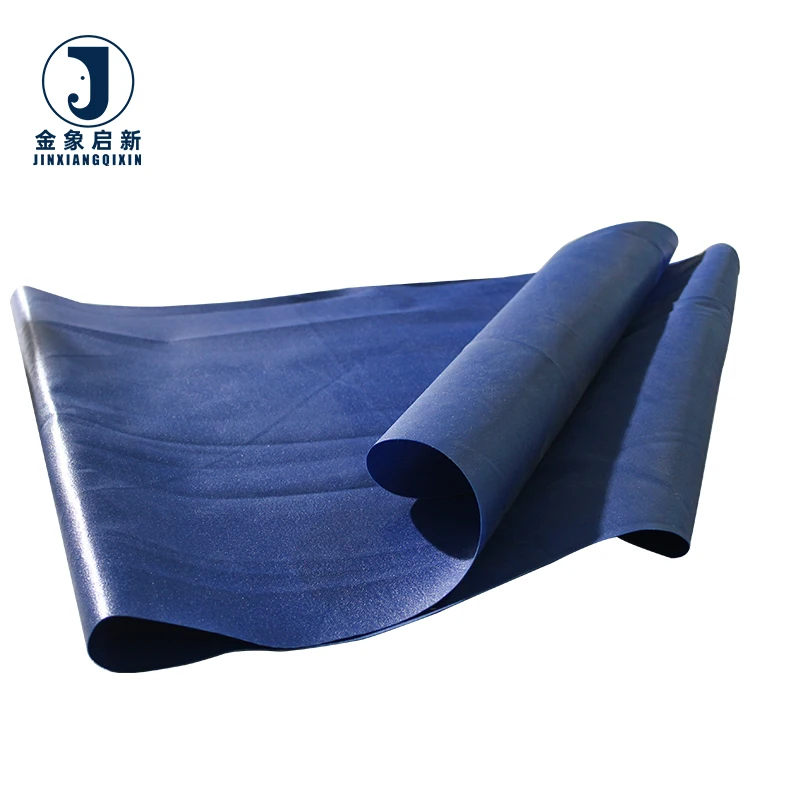
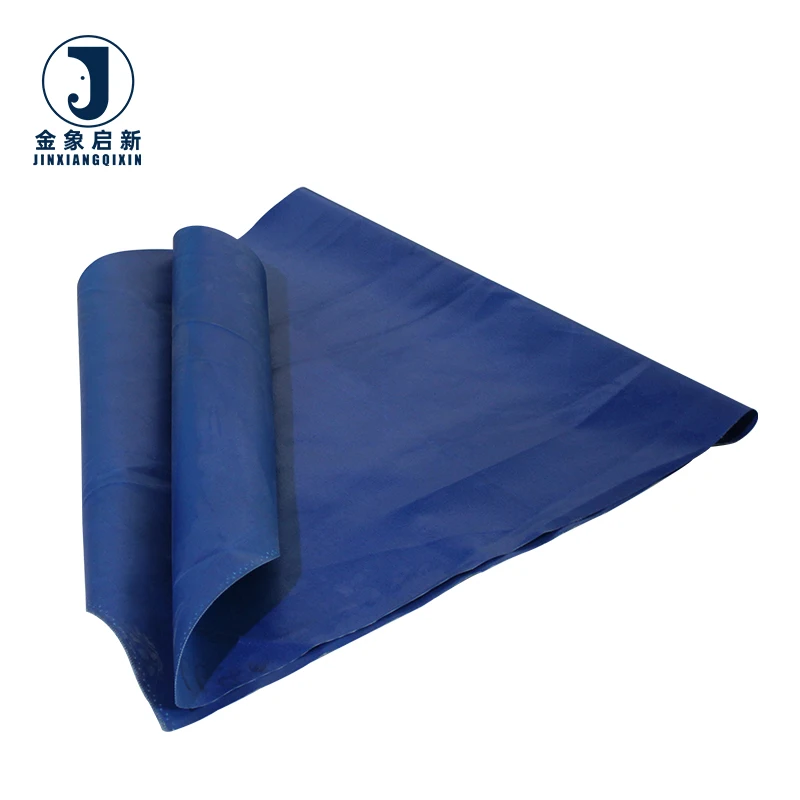
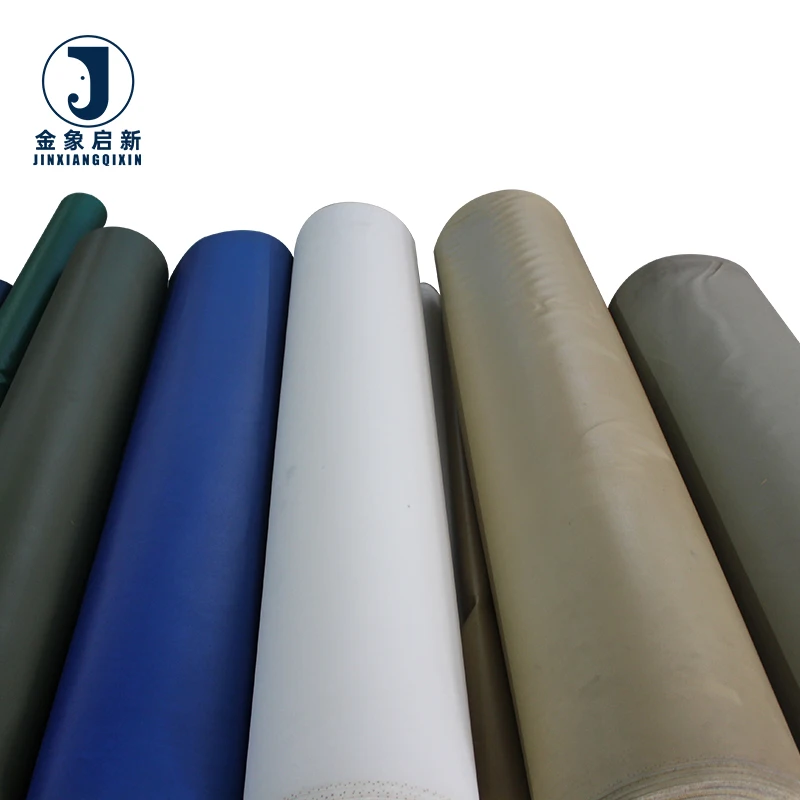
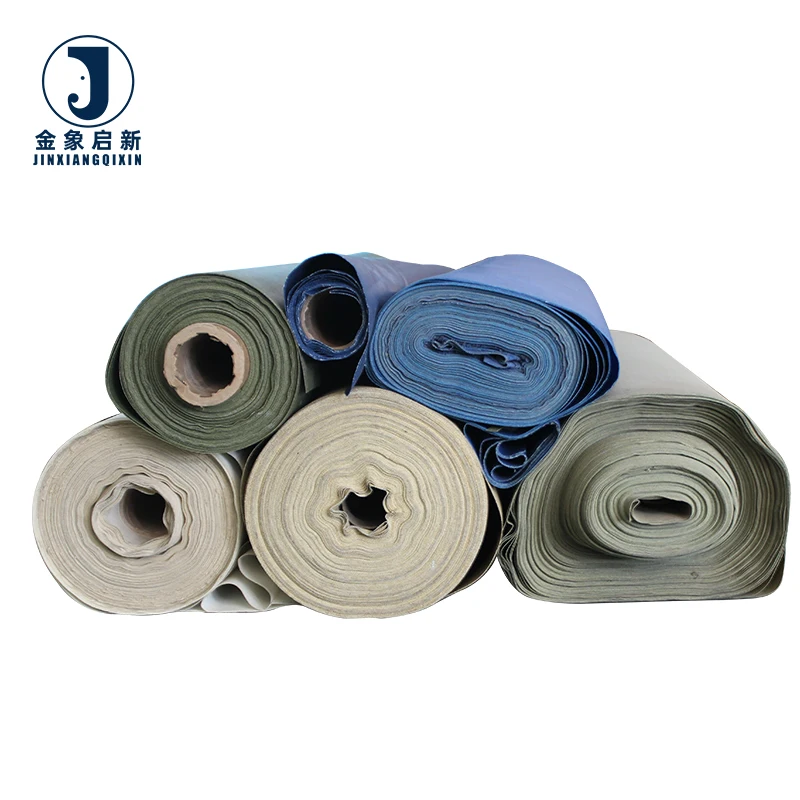
PVC Coated Tarpaulin Fabric for Awning and Tents — available in 350gsm to 750gsm with hot-melt coating technology and anti-mildew treatment for tent and awning fabrication.
- Laminated and hot-melt coating options balance peel strength with heat-weldability, reducing seam failure at flex points during installation and use
- Batch-level color control ensures uniform shade across rolls in a single order, eliminating visible mismatch on finished structures
Supported by a 10-person R&D team developing custom widths, colors and samples within days for awning and tent makers.
Description
Coating Weight Control — Every roll of PVC coated tarpaulin fabric we ship is verified against the stated GSM at multiple production stages, ensuring the weight you specify on the inquiry is the weight that arrives at your facility.
Technical Specifications
| Parameter | Value |
|---|---|
| Product Type | PVC Coated Tarpaulin Fabric |
| Material | PVC + High-strength polyester mesh fabric |
| Weight Options | 350gsm / 420gsm / 500gsm / 550gsm / 600gsm / 750gsm |
| Total Thickness | 0.32mm / 0.35mm / 0.4mm / 0.45mm / 0.5mm / 0.65mm |
| Coating Technology | Laminated technology & Hot-melt coating technology |
| Roll Size | 2m width × 75m length / 2.1m width × 50m length |
| Color | Blue / Red / Yellow / Light Blue / Grey (customized available) |
| Finish Product Size | Custom sizes per customer requirements or sold by inventory |
| Key Features | High tenacity polyester yarns, cold crack resistance, anti-mildew, waterproof, anti-static treatment (grade not stated), sunproof (test basis not stated), color fastness |
| Standards | ISO 9001, CE |
Application Suitability
| Application | Exposure & Requirement |
|---|---|
| Tent and awning fabrication | Repeated assembly and disassembly, UV exposure, wind loading, seam integrity under flex |
| Truck awning covers | Road abrasion, constant vibration, weather exposure, tension at tie-down points |
| Fish tank and pool liners | Permanent water contact, chemical exposure from treatment agents, puncture risk from substrate |
| Cargo ship covers | Salt spray, heavy wind load, prolonged sun exposure, securing under dynamic movement |
When the Roll Weight Does Not Match the Quote
Consistent GSM across every meter is the foundation of predictable fabrication cost and structural performance.
Buyers who source PVC coated tarpaulin fabric from multiple suppliers frequently report that the material arriving on the dock weighs less per square meter than the quotation stated. The difference may be small on a single roll, but across a container load it compounds into lost coverage area, weaker tensile performance, and fabrication margins that no longer hold. I have seen tent fabricators discover mid-production that lighter-grade rolls require more panels to cover the same frame, adding seam time and waste [NEED_CITE: tensile and tear test methods for coated fabrics per ISO 1421].
What the Complete Range Means for Your Production Line
This PVC coated tarpaulin fabric range covers six weight grades — 350gsm, 420gsm, 500gsm, 550gsm, 600gsm, and 750gsm — which maps directly from lightweight awning membranes to heavy-duty truck covers. Fabricators running multiple product lines can consolidate sourcing under one supplier and one quality standard, rather than qualifying separate mills for each weight class. The laminated and hot-melt coating technologies used across the range deliver the adhesion strength needed for high-frequency welding on automated fabrication lines.
Batch Consistency Across Multi-Roll Orders
Colour variation between rolls in a single shipment is a recurring complaint among awning installers and tent rental companies. When two panels cut from different rolls are stitched side by side on a large marquee, even a slight shade shift becomes visible to the end customer. Our coating process controls pigment dispersion and coating weight simultaneously, so that rolls produced in the same batch maintain uniform colour and surface finish. For buyers placing standing orders on a specific colour code, this means replacement panels fabricated months later will match the original installation [NEED_CITE: color fastness test standards for coated polyester fabrics].
Reading the Specification Sheet Beyond GSM
The relationship between GSM and actual field performance is not linear. A 550gsm fabric with a dense, high-tenacity polyester base and thin coating may outperform a 600gsm fabric that achieves its weight through heavy filler in the PVC layer. The base fabric denier and weave density determine how the material resists tear propagation once a puncture occurs, while the coating weight primarily governs waterproofing, abrasion resistance, and weldability. Hot-melt coating technology bonds the PVC layer to the polyester mesh at higher temperatures, producing stronger adhesion at the interface and reducing the risk of delamination during welding or long-term flexing. Thickness values from 0.32mm to 0.65mm across the range correspond to different ratios of base fabric to coating, and the right choice depends on whether your priority is tear strength or surface durability.
The Hidden Cost of Choosing the Wrong Grade
Specifying a lighter weight grade to save on material cost can shift failure risk downstream. A 420gsm fabric used for a truck awning that should have been specified at 600gsm may hold for the first season, but the constant flexing at the roller bar and abrasion against the cargo frame will expose the base fabric earlier than expected. Similarly, specifying PVC coated tarpaulin fabric without confirming the anti-static or flame-retardant grade required by the end-use market can result in failed site inspections and rejected installations. Welded seams on material with insufficient coating adhesion will separate at the flex point long before the fabric body fails, turning a minor specification error into a warranty claim [NEED_CITE: coated fabric weld strength testing per ISO 1421].
Why Fabricators Consolidate Orders Here
Deep process control over coating weight and adhesion means the GSM on your specification sheet is verified at every production stage, not assumed from a pre-production sample. Three full production lines and 36 sets of equipment support container-volume orders with reliable scheduling. A 10-person R&D team handles custom width, colour matching, and sample development so that your approval sample reflects the actual production run. Dedicated QA/QC with 100% pre-shipment inspection catches weight deviation, colour drift, and coating defects before rolls are packed. Samples for custom requirements are developed within days, shortening the qualification cycle before your first production order.
Documentation & Verification
- Material specification sheet stating GSM, base fabric, coating type, and colour reference for every roll
- Test reports for UV and flame-retardant grades where applicable to the selected specification
- Pre-shipment inspection record with weight verification per roll against the quoted GSM
- Roll packing list with batch tracking for colour consistency verification across the shipment
- ISO 9001 and CE certificates included with dispatch documentation
- Certificate of origin and customs support for international shipments
Fabrication, Handling & Storage
- Hot-melt coated rolls deliver strong adhesion during high-frequency welding; confirm weld temperature settings per grade
- Cold crack resistance allows fabrication in cooler environments without pre-warming the PVC surface
- Store rolls upright on pallets to prevent flat-spot deformation on the 2m or 2.1m width
- Allow rolled fabric to relax after unrolling before cutting to avoid tension distortion in lighter 350gsm grades
- Use non-solvent cleaners on the PVC surface to preserve coating integrity and colour fastness
- Plan panel layout against the 75m or 50m roll length to minimize cross-seams on large awning structures
Requesting a Specification Match
To help us recommend the correct grade from the range, share the end-use application and the environmental conditions the finished product will face — wind load, UV exposure duration, contact with water or chemicals. If your market requires flame-retardant or anti-static compliance, specify the standard your customer or local authority references. Let us know whether you need full roll stock or cut-to-size finished panels, and whether colour matching or pattern printing is part of the project scope.
Frequently Asked Questions
Q: How do you verify GSM matches the quotation specification on arrival?
A: Each roll undergoes weight verification during our 100% pre-shipment inspection. We measure grams per square meter at multiple points along the roll and record the results in the inspection report that ships with your documentation, so you can cross-check the actual delivered weight against your purchase order.
Q: Can you provide test certificates for anti-UV and flame-retardant claims?
A: Test reports are available for UV resistance and flame-retardant grades where these treatments are specified in your order. Because requirements vary by market and end-use standard, confirm the grade needed for your application and we will supply the corresponding documentation with your shipment.
Q: What customization options exist for width, color, and pattern printing?
A: Rolls are available in standard widths of 2m and 2.1m, with custom widths handled by our R&D team. Colours beyond the standard range of blue, red, yellow, light blue, and grey can be matched to your reference, and pattern printing or branding is available for finished products.
Q: How do you ensure color consistency across multiple rolls in one order?
A: Rolls within a single production batch are coated under controlled pigment dispersion parameters. We track batch identity through the packing list so that all rolls in your order share the same production run, minimizing shade variation when panels are installed side by side.
Q: What documentation ships with each order for customs and quality verification?
A: Every shipment includes a material specification sheet, roll packing list with batch tracking, pre-shipment inspection record, and certificate of origin. ISO 9001 and CE certificates are provided, along with applicable test reports for treated grades and full customs support documentation.