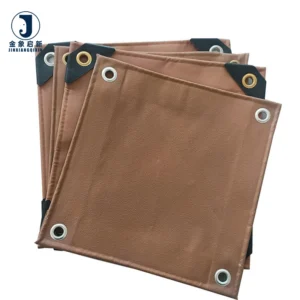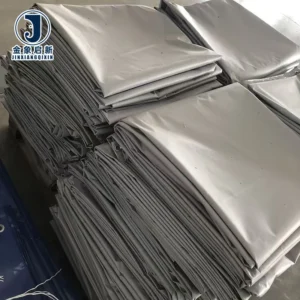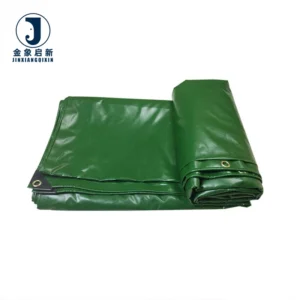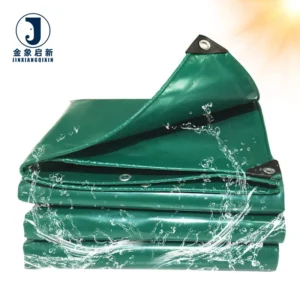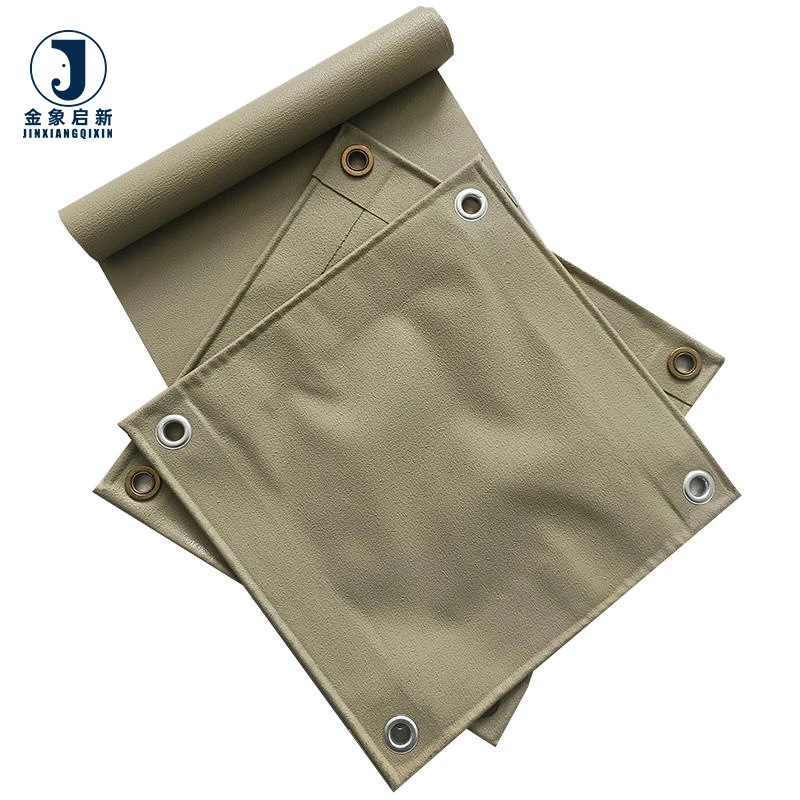
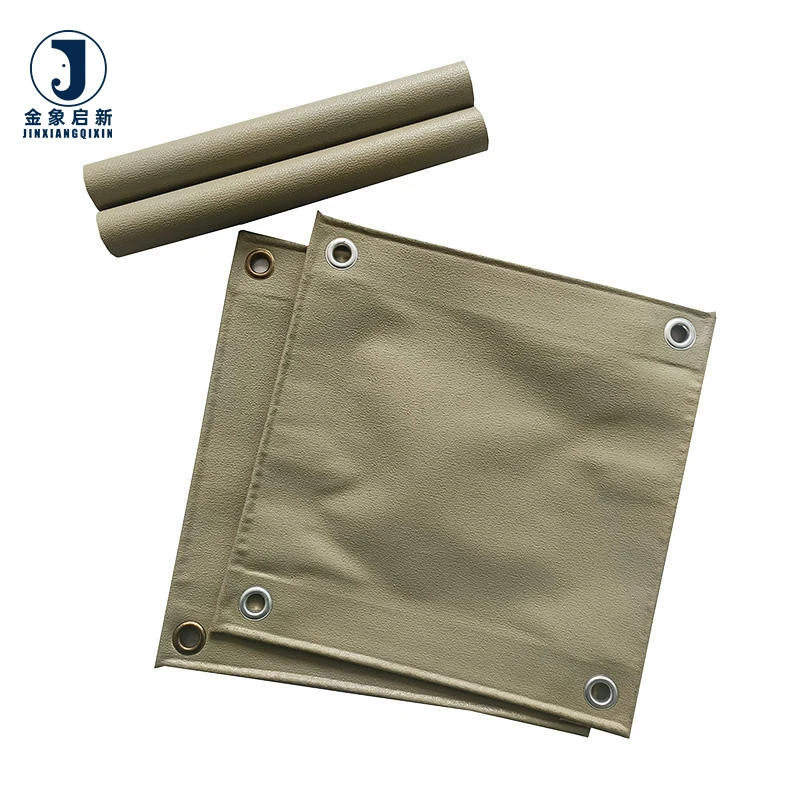
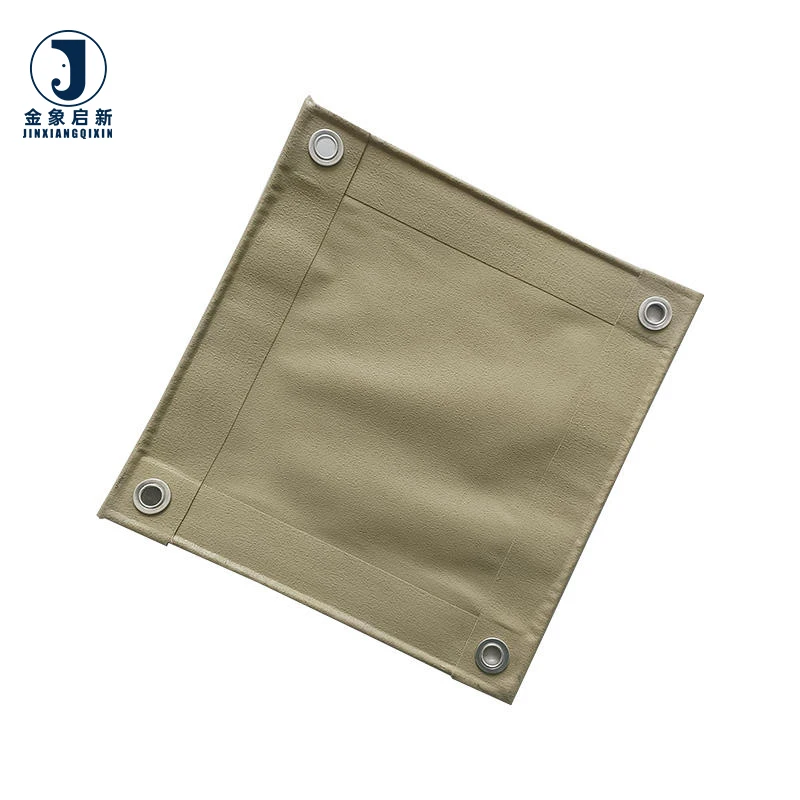
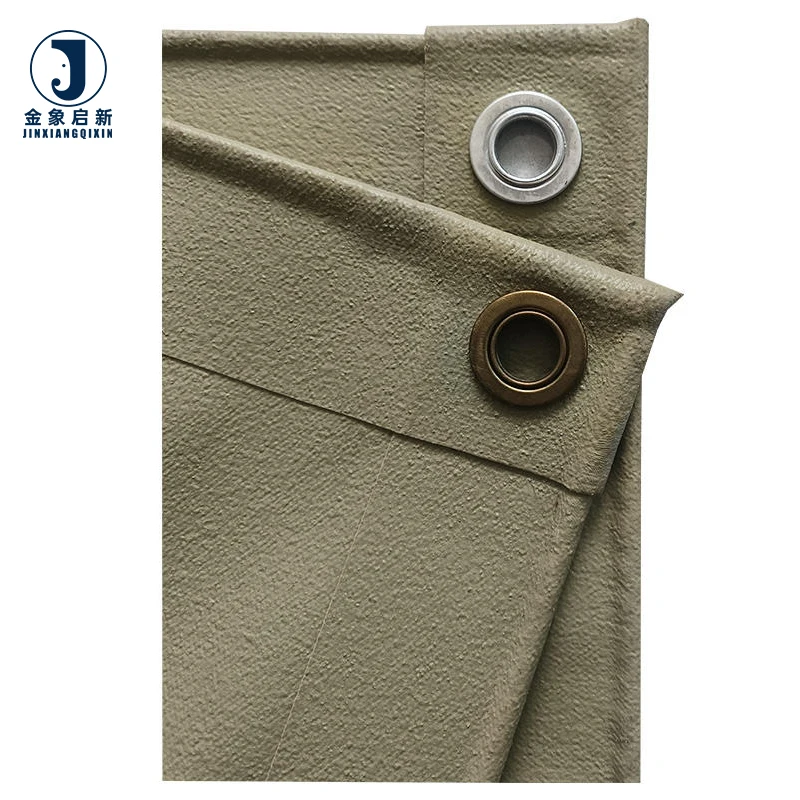
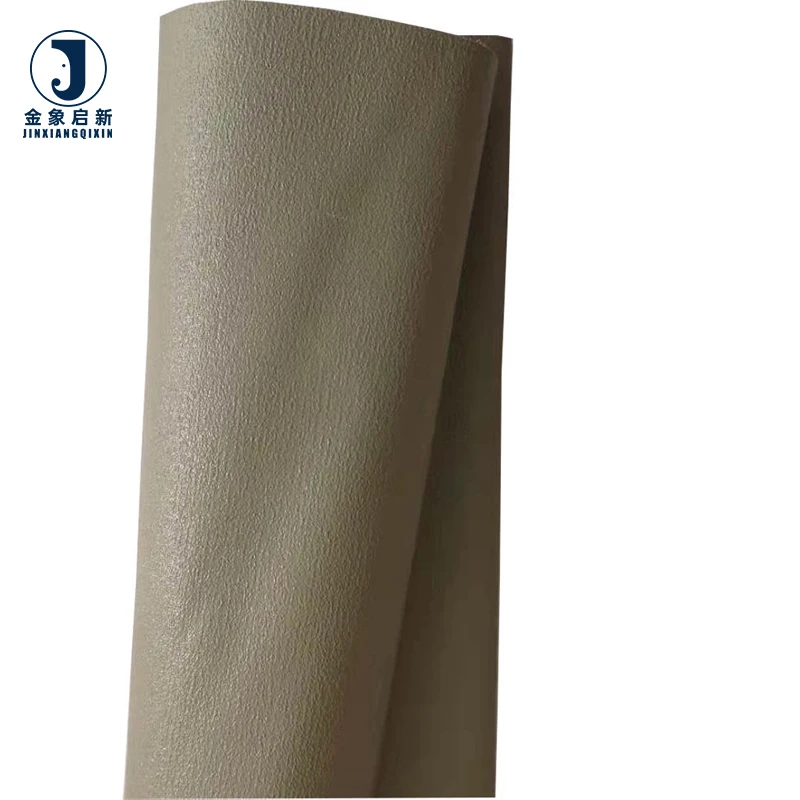
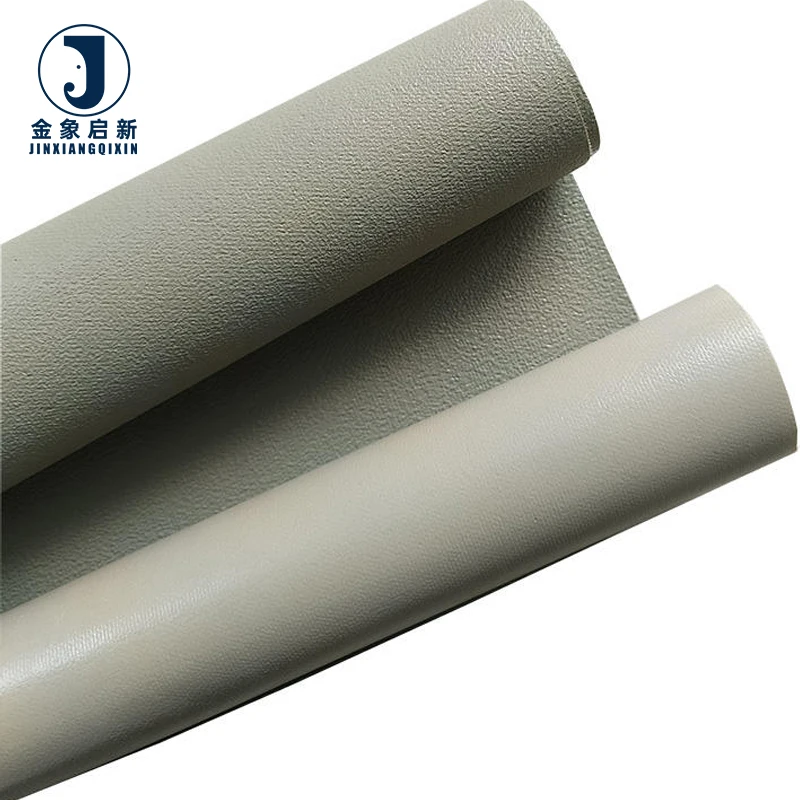
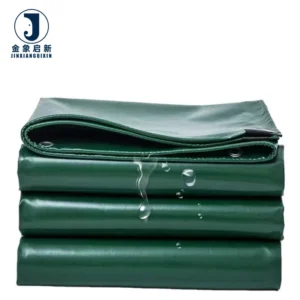
PVC Coated Tarpaulin Fabric with 450+ GSM, 1000×1000 denier base, knife coated for consistent coating weight and adhesion across every roll.
- Anti-UV and flame retardant treatments available with test reports
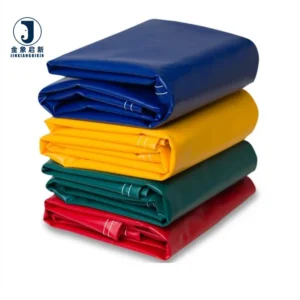
- Glossy or matte surface, single or double side colour
- Custom width, length, eyelets and reinforced hems
Our 10-person R&D team develops samples within days for custom sizing, treatment and branding requirements, giving you a complete specification from material selection to finished delivery.
Description
Coating Weight Control — Every roll of PVC coated tarpaulin fabric we produce is checked against the quoted GSM at the coating head and again at winding, eliminating the gap between what was promised and what arrives on your dock.
Technical Specifications
| Parameter | Value |
|---|---|
| Product Type | PVC Coated Tarpaulin |
| Base Fabric | 1000×1000 Denier Woven Polyester |
| Coating Method | Knife Coated |
| Minimum Weight | At least 450 GSM |
| Waterproof | Yes |
| Anti-UV Treatment | Yes (test report available on request) |
| Flame Retardant | Available in flame retardant grades — confirm the grade required for your market |
| Surface Finish | Available in glossy or matte finish |
| Colour Options | Single and double side colour available |
| Custom Sizing | Width, length, eyelets and reinforced hems available to order |
| Pattern Printing | Available on request |
| Standards | ISO, CE |
Application Suitability
| Application | Exposure & Requirement |
|---|---|
| Truck and trailer side curtains | Constant flexing at load points, road abrasion, UV exposure, wind-driven rain ingress |
| Outdoor tent and awning structures | Prolonged sun exposure, repeated packing and unfolding, pooled water on low-pitch roofs |
| Industrial equipment covers | Dust and debris impact, chemical splash, crane and forklift contact during placement |
| Construction site protection | Abrasive particulate, UV degradation over multi-month installs, high wind load on exposed faces |
| Agricultural pond liners | Permanent water contact, soil chemistry, puncture risk from subgrade irregularities |
| Inflatable and membrane structures | Continuous air pressure cycling, UV exposure on curved surfaces, welded seam integrity under tension |
Why the Quoted Weight Does Not Guarantee the Fabric You Receive
A PVC coated tarpaulin fabric aftermarket supplier must close the gap between specification and delivery, because the most common buyer complaint in coated fabrics is not a failed seam — it is a roll that weighs less than the quotation stated.
Buyers approve a sample, sign off on a spec sheet, and then receive a container of material that feels lighter in hand. When the GSM is lower than agreed, tensile strength drops proportionally, and the fabric fails earlier under wind load or mechanical stress. Knife coating allows tight control over coating weight, but only if the line is calibrated per batch and verified before the roll leaves the factory. [NEED_CITE: relationship between GSM deviation and tensile performance in PVC coated fabrics] We measure every roll at the coating head and again at winding, so the weight on the packing list matches what you measure when the container is opened.
How Knife Coating Builds Consistent Adhesion Across the Roll
The knife coating process meters liquid PVC onto the woven base fabric under controlled blade pressure and gap, producing a uniform layer that penetrates the weave and bonds mechanically to each yarn. This is what gives the PVC coated tarpaulin fabric its peel strength — the coating does not delaminate when the material flexes repeatedly at a truck curtain fold or a tent roof seam. Glossy and matte surface finishes are both achievable within this process by adjusting the topcoat formulation, without changing the structural bond between coating and base fabric.
Base Fabric Density and What It Controls in the Field
The 1000×1000 denier woven polyester base provides the tensile backbone of the material. Denier refers to the linear mass of each yarn, and the weave density determines how many load-bearing yarns sit in any given square metre. A tighter weave distributes point loads — such as a tie-down strap pulling on an eyelet — across more yarns, reducing the chance of a localised tear propagating into a full panel failure. [NEED_CITE: woven base fabric density and tear propagation resistance per ISO 1421] When a buyer specifies a heavier coating but the base fabric is loosely woven, the coating carries load the yarns should be carrying, and the material tears more easily despite the higher GSM.
Reading GSM in Context — Why Weight Alone Misleads Purchasing Decisions
GSM tells you how much PVC sits on the base fabric, but it does not tell you how the material will perform under load. A fabric with a heavy coating on a low-denier base can have the same GSM as a lighter-coated fabric on a high-denier base, yet the two behave very differently in the field. The knife coating process here ensures that coating weight is applied to a 1000×1000 denier base, so the ratio of coating to yarn is consistent from roll to roll. Flame retardant grades are available across the range, but the specific grade must match the fire classification required by the end-use market — confirm the standard your project specifies before ordering. Anti-UV treatment is included, and a test report is supplied on request to verify the level of protection.
When the Wrong Spec Costs More Than the Price Difference Between Grades
A buyer orders flame retardant fabric for a construction enclosure but does not specify which standard the material must meet. The rolls arrive with a general-purpose treatment that does not satisfy the local fire inspector, and the entire installation is rejected before the first tenant moves in. In another scenario, rolls from the same production batch show a visible shade difference once unrolled side by side on a fleet of trucks — the colour drift happened because the pigment dosing was not locked between coating runs. [NEED_CITE: batch-to-batch colour consistency tolerance in PVC coated fabric production] Both problems are avoidable when the specification is defined at inquiry stage and verified before dispatch.
What Separates This Supply From Generic Tarpaulin Sourcing
Three full production lines run this coated fabric range, giving capacity for bulk roll orders without compressing the coating cure time that ensures adhesion. A 10-person R&D team develops samples within days when custom width, colour or printed branding is required, so the buyer can approve material before committing to volume. Every roll passes inspection before packing, with GSM measured and recorded against the quotation value. The facility holds ISO and CE certification, and documentation travels with each consignment rather than being requested after the fact. Custom sizing — including eyelets, reinforced hems and cut-to-size panels — is handled on the same lines that produce stock rolls, so lead time does not double when the order moves from commodity to configured product.
Documentation & Verification
- Weight verification per roll against the stated GSM before dispatch, recorded on pre-shipment inspection report
- Material specification sheet covering base fabric denier, coating method, colour reference and surface finish
- Anti-UV and flame retardant test reports supplied where treatment has been specified for the order
- ISO and CE certificates included in the shipping documentation package
- Roll packing list with individual roll weights and dimensions for receiving verification
- Certificate of origin and customs documentation prepared per destination country requirements
Fabrication, Handling & Storage
- Heat welding parameters should be matched to the knife coated PVC layer thickness — test on an offcut before running production seams
- Eyelet placement at reinforced hem sections distributes tie-down load across multiple weave yarns in the 1000×1000 denier base
- Store rolls upright on end caps to prevent permanent creasing across the coated surface of the PVC tarpaulin fabric
- Allow cold-stored rolls to reach ambient temperature before unrolling to avoid cracking the PVC coating at low temperatures
- Clean glossy finish surfaces with mild detergent only — solvent-based cleaners can soften the plasticised PVC topcoat
- Cut panels should be laid flat and measured twice to maximise yield from each roll width and minimise welded seam count
How to Frame Your Enquiry
Tell us the application the fabric will serve, the environmental exposure it will face, and whether you need rolls in stock width or cut-to-size panels with edge finishing. If your market requires a specific fire classification or anti-UV test standard, include that reference in your enquiry so we match the correct treatment grade. Colour, print and branding requirements should be confirmed with a physical sample before volume production begins.
Frequently Asked Questions
Q: How is GSM verified before shipment and on arrival?
A: Every roll is weighed at the coating head during production and again at winding. The recorded GSM is printed on the pre-shipment inspection report that ships with the consignment. Buyers can cross-check on arrival using a scale and a measured sample cut, and the documentation provides the baseline for comparison.
Q: Can I get a test report for UV or flame retardant treatment with my order?
A: Yes. Where anti-UV or flame retardant treatment has been specified on your order, the corresponding test report is included in the shipping documentation. The report identifies the standard tested against, so you can verify it matches the regulatory requirement in your destination market before installation begins.
Q: What is the lead time and minimum for custom width, colour or printed branding?
A: Custom width, colour and pattern printing are handled on the same production lines as stock rolls. Lead times vary with order volume and the complexity of the custom requirement. A sample is developed and sent for approval before volume production starts, so the final product is confirmed before the main run begins.
Q: How do you ensure colour consistency across multiple rolls in one order?
A: Pigment dosing is locked at the start of each production batch and monitored throughout the coating run. Rolls from the same order are grouped under a single batch reference on the packing list. If your project requires panels installed side by side, flag this at enquiry stage so batch grouping is prioritised during production planning.
Q: What documentation ships with each consignment?
A: Each shipment includes a material specification sheet, pre-shipment inspection record with GSM verification, roll packing list, ISO and CE certificates, and certificate of origin. Flame retardant or anti-UV test reports are included where the corresponding treatment was specified on the purchase order.
Related products
-
JX Tela Impermeable de PVC Hoja de Alta Resistencia para Cubiertas Industriales y al Aire Libre
¥1.90 Select options This product has multiple variants. The options may be chosen on the product page -
Lona de PVC recubierta de 900GSM de alta resistencia, cortinas de lona Panamá para camiones.
¥7.78 Add to cart -
Lona de tarpaulin impermeable recubierta de PVC, lona de alta resistencia para techos de tiendas, lote de existencias de madera.
¥1.60 Add to cart -
Lona para camiones de servicio pesado 1000d PVC Lona impermeable de lona de PVC
¥1.20 Add to cart