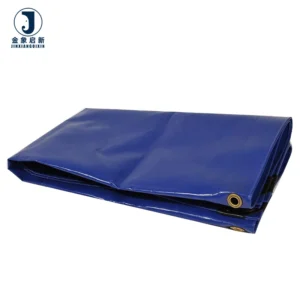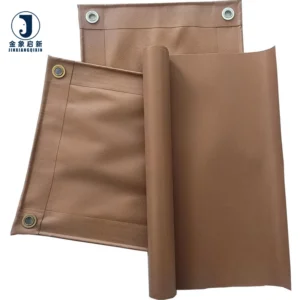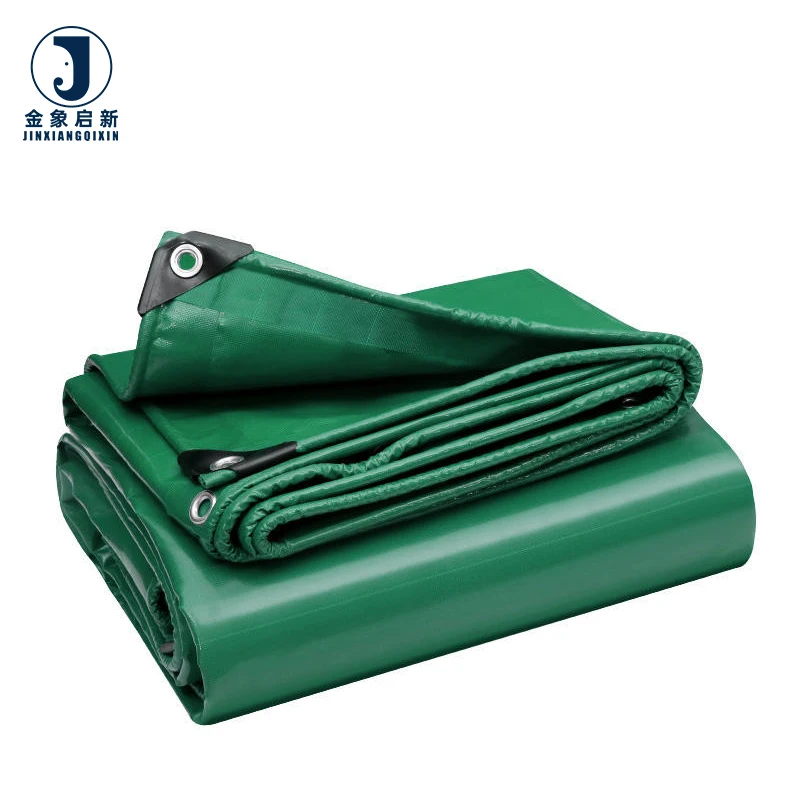
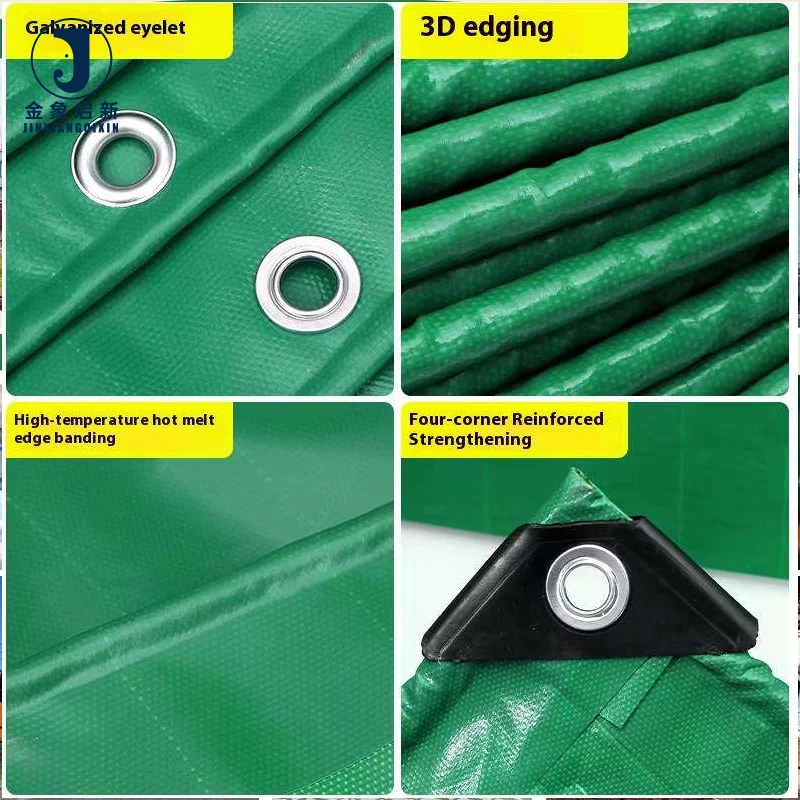
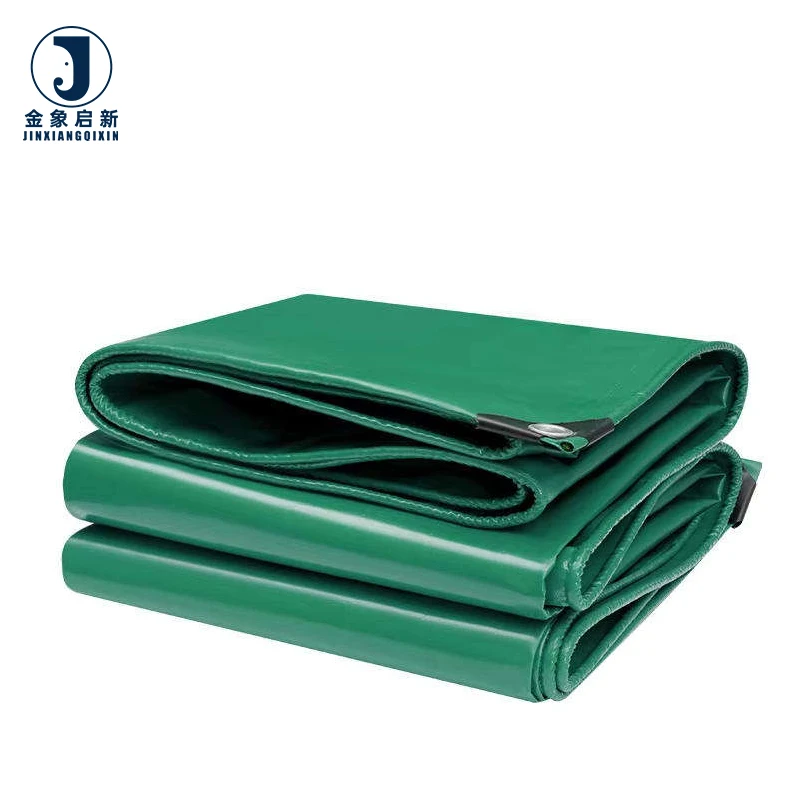
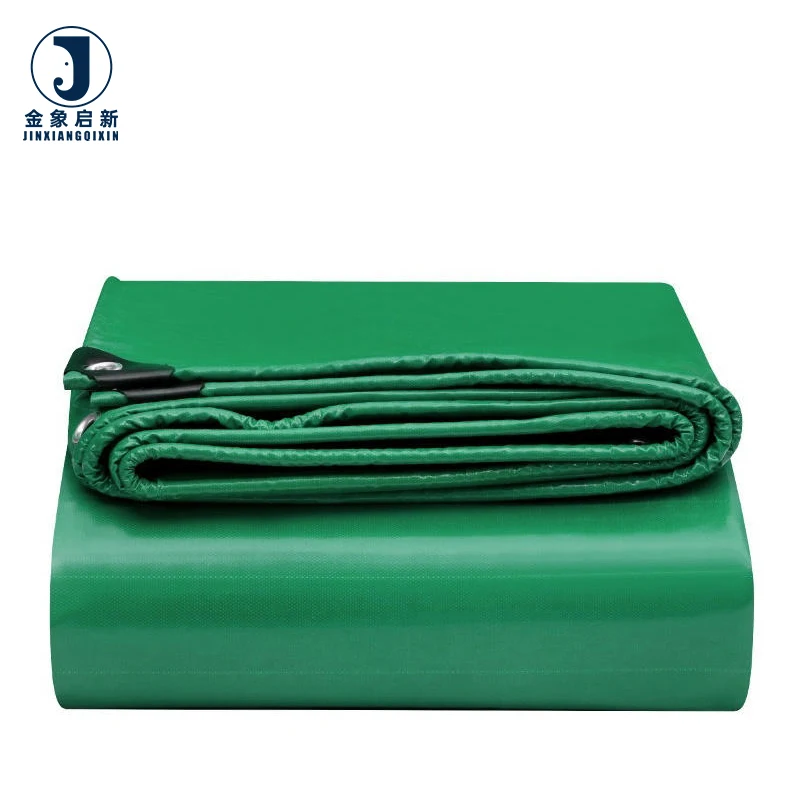
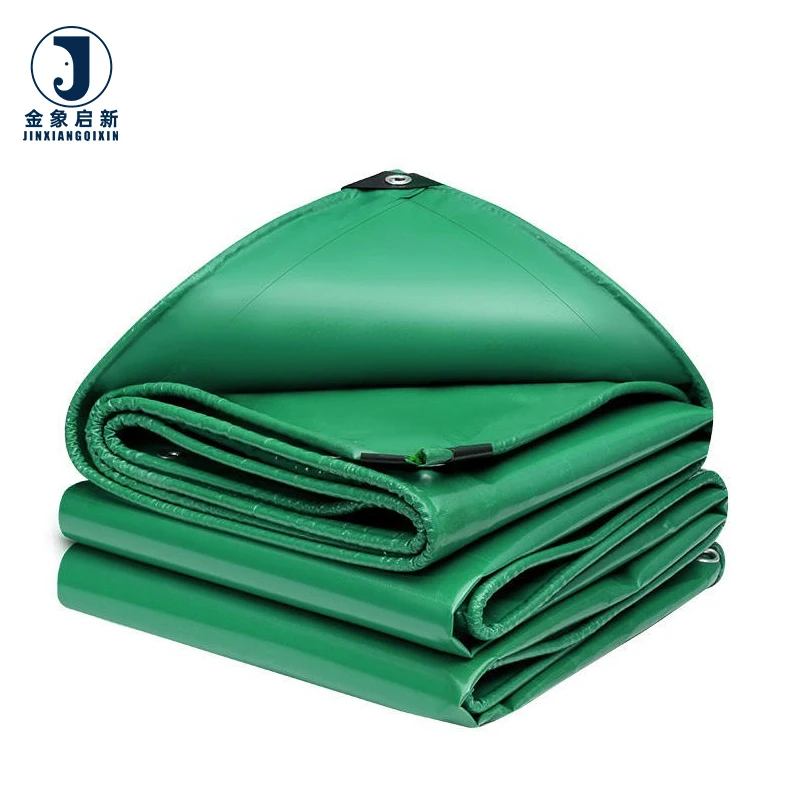
PVC Coated Tarpaulin for Firewood Roof Camping — available in 250gsm-1500gsm weight range with 200D×300D to 1000D×1000D base fabric options.
- Waterproof, UV and flame-retardant treated with glossy or matte surface finish
- Custom sizing from 3×4m to 10×12m or fully bespoke dimensions
- Operating temperature range of -15ºC to 70ºC with good flexibility and abrasion resistance
Coating weight and adhesion are tightly controlled across our three production lines, ensuring the GSM on your quotation matches the fabric delivered. Our 10-person R&D team develops samples within days for custom width, colour or print requirements, with 100% pre-shipment inspection on every order before dispatch.
Description
Proven Process Control — Every roll of PVC Coated Tarpaulin for Firewood Roof Camping we ship carries a verified coating weight and adhesion record, backed by dedicated QA inspection before it leaves the line.
Technical Specifications
| Parameter | Value |
|---|---|
| Product Type | PVC Coated Tarpaulin |
| Weight | 250gsm-1500gsm |
| Denier | 200Dx300D, 500Dx500D, 840Dx840D, 1000Dx1000D |
| Color | Blue, Yellow, Black, Green, White, etc. |
| Surface Finish | Glossy or matte |
| UV Treatment | Customized (test basis not stated) |
| Flame Retardant | Available in FR grades — confirm the grade required for your market |
| Treatment | Waterproof, UV, FR and anti fungal treated |
| Temperature Range | -15ºC to 70ºC |
| Working Life | 3-10 years depend on different usage environment |
| Size Options | 3x4m, 6x8m, 8x10m, 10x12m or custom made |
| Key Features | Water-proof, rain-resistant, tear-resistant, durable, good flexibility, good abrasion resistance |
| Standards | ISO, CE |
Application Suitability
| Application | Exposure & Requirement |
|---|---|
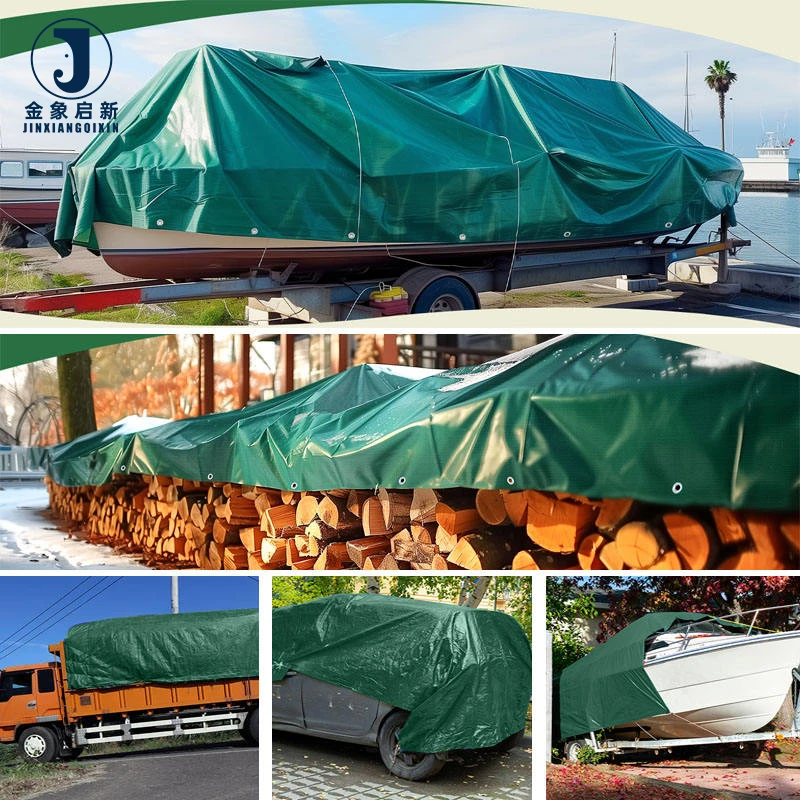
| Firewood covering | Prolonged UV exposure, rain and snow, frequent handling and dragging, ground moisture |
| Roofing and patio covers | Continuous sun load, wind uplift stress, thermal cycling, water pooling risk |
| Camping and tent flysheets | Abrasion from branches and ground contact, repeated folding, condensation exposure |
| Pool and boat covers | Standing water, chemical splash, UV reflection from water surface, wind flap fatigue |
| Dump trailer covering | Heavy load abrasion, road debris impact, high-speed wind flex, tie-down point stress |
Why Stated GSM Does Not Guarantee the Cover Will Survive the Season
When buyers evaluate a PVC Coated Tarpaulin aftermarket supplier, the first number they check is grams per square metre — and that is exactly where many sourcing mistakes begin. GSM measures mass, not structural integrity or coating adhesion.
A heavier sheet with poor coating bond will delaminate at the weld lines before the fabric itself shows any wear. I have watched heavy-grade coated rolls fail along the heat-welded seam while the base fabric remained intact, simply because the coating formulation did not fuse properly to the polyester scrim. The desert sun accelerates every shortcut. [NEED_CITE: tensile and tear test methods for coated fabrics per ISO 1421]
What matters is how the base fabric denier, the weave density, and the coating weight work together. A 500Dx500D base with a balanced coating weight will outperform a 200Dx300D base at a higher GSM in almost every tear and peel test. That is why we build specifications around the full material stack, not a single number on a quotation.
How Base Denier Selection Shapes Tarpaulin Behaviour Under Load
The denier of the polyester yarn — whether 200Dx300D for lighter covers or 1000Dx1000D for heavy industrial use — determines how the fabric handles point loads and tear propagation. A PVC Coated Tarpaulin aftermarket supplier offering the full denier range allows buyers to match the yarn weight to the actual mechanical stress the cover will face. Higher denier yarns resist tear initiation at eyelet points and tie-down edges, where most field failures start. Lower denier constructions reduce roll weight and improve handling for applications where the cover is moved and folded regularly.
Coating Adhesion and Why It Separates Performance from Specification
The bond between the PVC coating and the polyester base fabric is what prevents delamination during thermal cycling and flexing. On our three production lines, we control coating weight and adhesion through the full process sequence — from base fabric preparation through coating application and curing. A cover that shows good peel strength in a lab sample but was produced without consistent line speed or temperature control will behave differently in the field. Every batch we run is checked against adhesion targets before it clears in-process QA. [NEED_CITE: coating adhesion peel test standards for PVC-coated polyester fabrics]
Reading the Specification Sheet Beyond the Headline Numbers
The weight range of 250gsm-1500gsm covers applications from light camping flysheets to heavy dump trailer covers, but selecting the right grade requires understanding what drives each number. Coating weight and base fabric density together determine GSM — a high GSM achieved through thick coating on a sparse base fabric will feel stiff and crack at fold lines, while a balanced construction delivers flexibility alongside tensile strength. The denier options from 200Dx300D to 1000Dx1000D define the tear resistance grid: tighter weave at higher denier resists tear propagation once a puncture occurs. The temperature range of -15ºC to 70ºC indicates the operational window where the PVC maintains flexibility without softening or becoming brittle — critical for buyers in climates with sharp seasonal swings. Surface finish, whether glossy or matte, affects dirt retention and the suitability for printed branding, with matte surfaces generally showing less visible soiling in dusty environments.
What Happens When Colour Consistency Fails Across Rolls
One of the most frustrating field complaints we hear from distributors involves opening a container and finding that two rolls in the same order produce a visible colour mismatch once installed side by side on a patio or structure. The buyer is forced to rearrange panels, absorb return costs, or explain the inconsistency to their own client. Batch-to-batch colour control depends on pigment dosing accuracy and coating line consistency — factors that require dedicated QA attention at every production stage, not just a final visual check. [NEED_CITE: colour consistency measurement standards for coated textile production]
Why Procurement Confidence Starts with Process Evidence
Our capability in PVC coated fabric is built on nearly 30 years of focused production, which translates into specific process advantages for this product. Three full production lines and 36 sets of professional equipment give us the capacity to run bulk orders without compressing curing times or skipping QA steps. A 10-person R&D team handles material selection and custom sizing, developing samples within days so buyers can verify weight, colour and finish before committing to a full order. Every roll passes 100% pre-shipment inspection with documented results, and custom width or print orders carry the same QA rigour as stock grades. We supply the material specification sheet, colour reference, and test documentation where applicable — because a quotation without supporting data is just a claim.
Documentation & Verification
- Material spec sheet stating exact GSM, base denier and coating composition for each roll
- Colour reference card matched to production batch for cross-roll consistency checks
- UV and flame-retardant test reports provided where treatment grades are specified
- Pre-shipment inspection record with individual roll weight and dimension verification
- Roll packing list with lot traceability for container-level shipment documentation
Fabrication, Handling & Storage
- Heat welding parameters must match the selected coating weight to prevent seam delamination
- Store rolls upright on pallets to avoid flat-spot creases across the 250gsm-1500gsm range
- Use UV-stable thread for sewn hems on heavier denier grades to match fabric lifespan
- Avoid dragging cut panels across abrasive ground to protect the coating surface integrity
- Clean glossy finish panels with mild detergent to preserve surface appearance over time
- Allow material to acclimatise before unfolding in temperatures near -15ºC to prevent cracking
How to Frame Your Enquiry for a Fast Technical Match
To help us recommend the right construction from the 250gsm-1500gsm range, share the specific application — firewood cover, rooftop canopy, camping structure, or trailer sheeting — along with the exposure conditions your market demands. Let us know if your region requires flame-retardant certification or specific UV treatment levels, and whether you need finished cut sizes with hemming or roll stock for your own fabrication. Colour requirements and any printed branding should be included so we can develop a matching sample before bulk production begins.
Frequently Asked Questions
Q: How do you verify GSM and coating weight match the quotation?
A: Every roll is weighed and measured during pre-shipment inspection against the stated specification. We record the actual GSM per roll and provide the inspection data with your shipment. If a buyer wants to confirm independently, we can supply a witness sample from the same production batch for third-party lab testing before the container is sealed.
Q: What is the lead time and minimum for custom width, colour or print?
A: Custom orders on width, colour and branding are run on our dedicated production lines, with minimums set to maintain coating consistency across the batch. Our R&D team develops samples within days so you can approve material, colour and finish before we schedule bulk production. Exact timing depends on the specification complexity and current line loading.
Q: Can you provide test reports for UV and flame-retardant treatment claims?
A: Where UV or flame-retardant grades are specified in the order, we supply the corresponding test documentation with the shipment. The specific grade and test standard depend on your market requirements — share the regulation or certification your end-use demands so we match the treatment and provide the correct supporting report.
Q: How do you ensure colour consistency across rolls in the same order?
A: Pigment dosing is controlled per batch, and every roll passes through QA inspection where colour is checked against the production reference standard. Rolls for a single order are grouped by production lot to minimise variation. If your project requires panels installed side by side, flag this in your enquiry so we apply tighter matching tolerances.
Q: What documentation ships with the order?
A: Each shipment includes a material specification sheet, colour reference, roll packing list with lot numbers, pre-shipment inspection record, and certificate of origin. For orders specifying UV or flame-retardant treatment, the relevant test reports accompany the documentation package. ISO and CE certificates are available for customs and compliance purposes.
Related products
-

Lona de PVC recubierta Lona de tela de PVC lona de alta resistencia retardante de fuego lona de PVC recubierta impermeable lona de PVC enrollable
¥1.00 Select options This product has multiple variants. The options may be chosen on the product page -
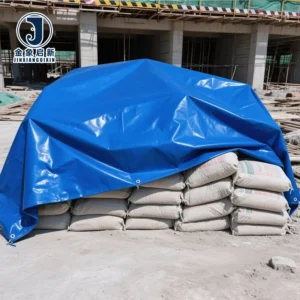
Lona de PVC al por mayor, resistente al desgaste, impermeable, lona multiusos, resistente al calor.
¥2.00 Add to cart -
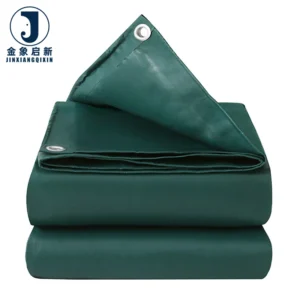
Cubierta de tienda para camiones de lona negra recubierta de PVC verde seguro, diseño plegable, impermeable, anti-envejecimiento, técnica de tejido transpirable.
¥0.83 Select options This product has multiple variants. The options may be chosen on the product page -
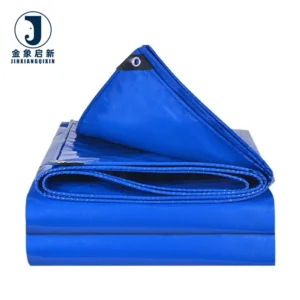
Factory Custom 9×11 Poultry Curtains Tarpaulin PVC Coated Waterproof Anti-Static Eco-Friendly Tarp for Chicken Coop Boys Girls
¥0.90 Select options This product has multiple variants. The options may be chosen on the product page