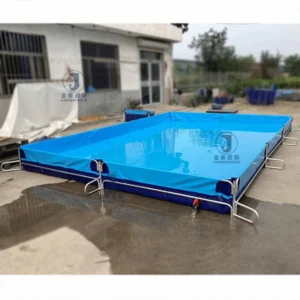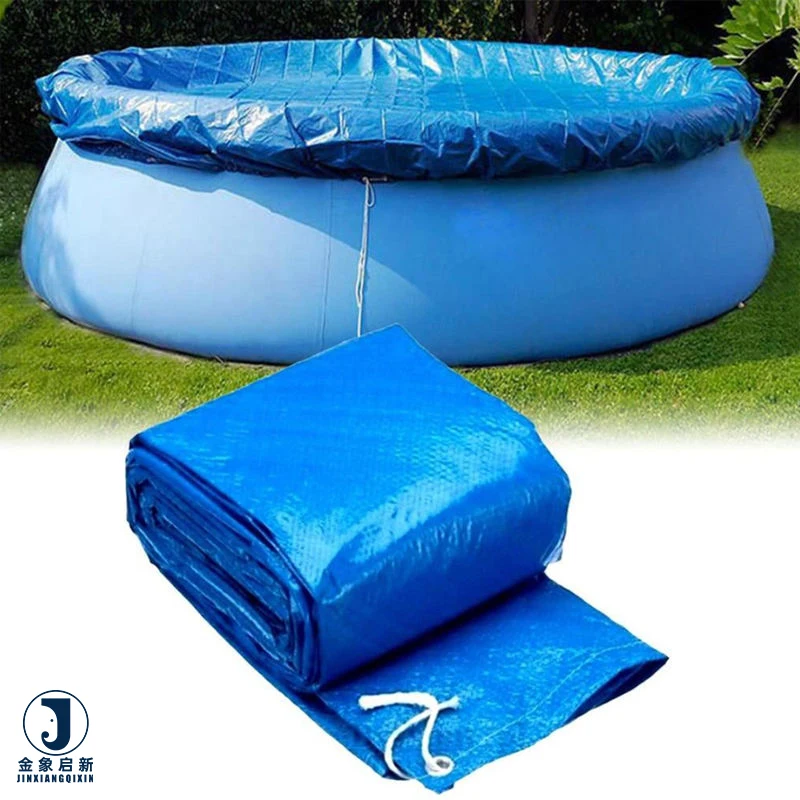
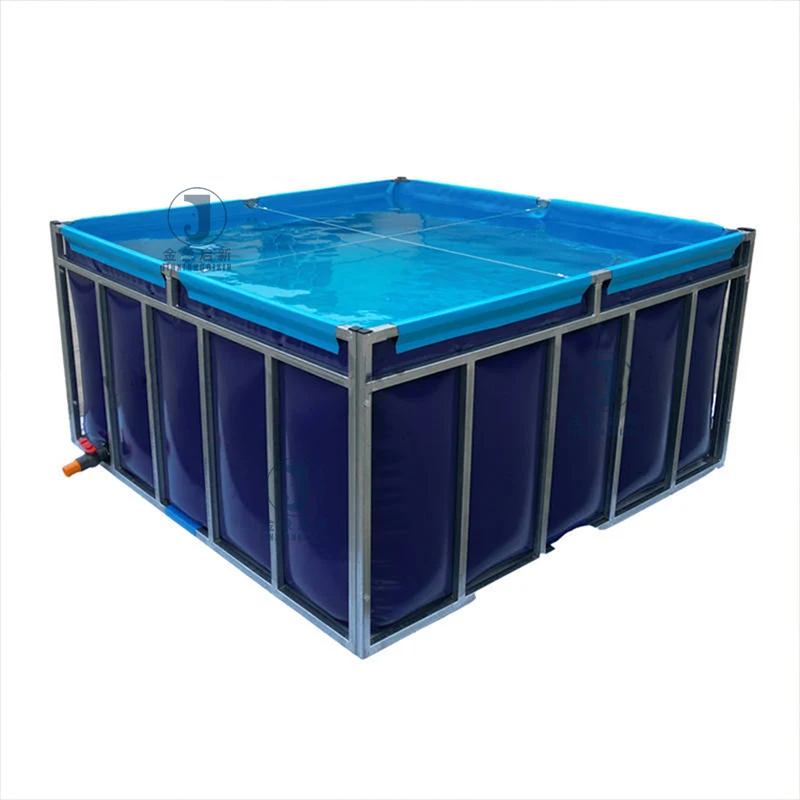
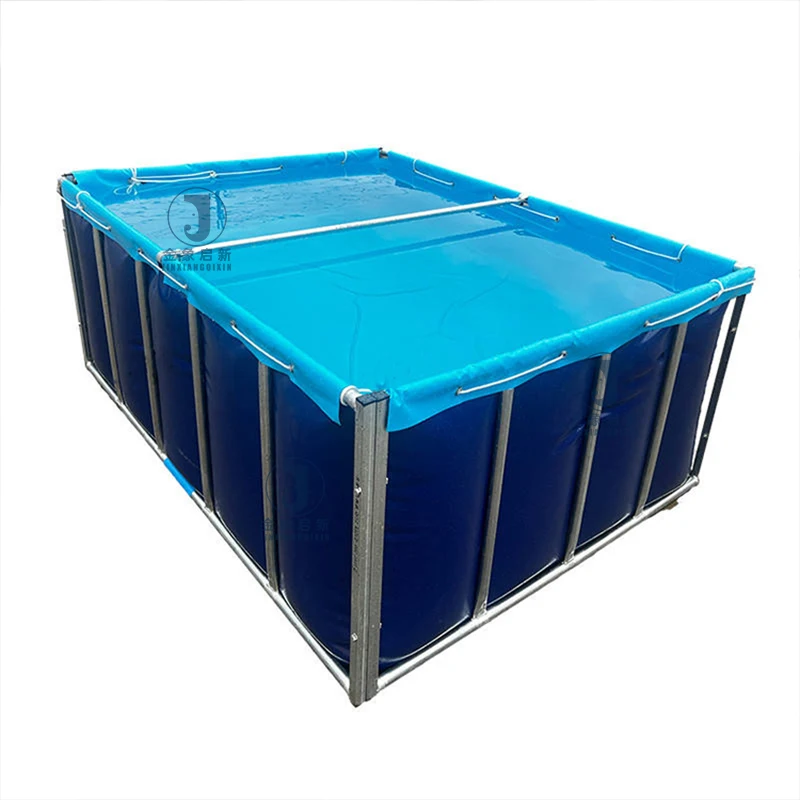
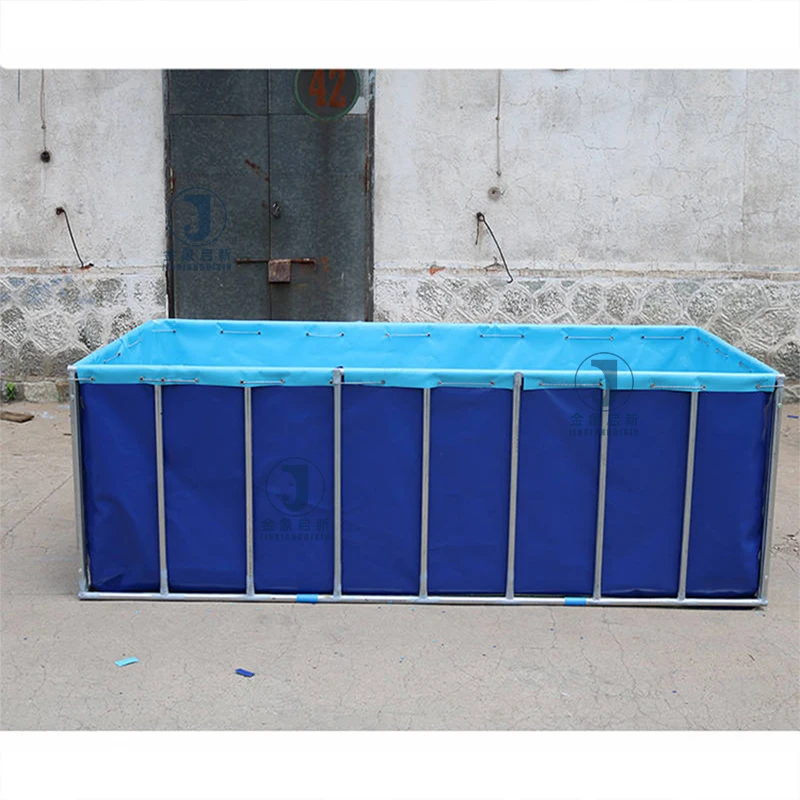
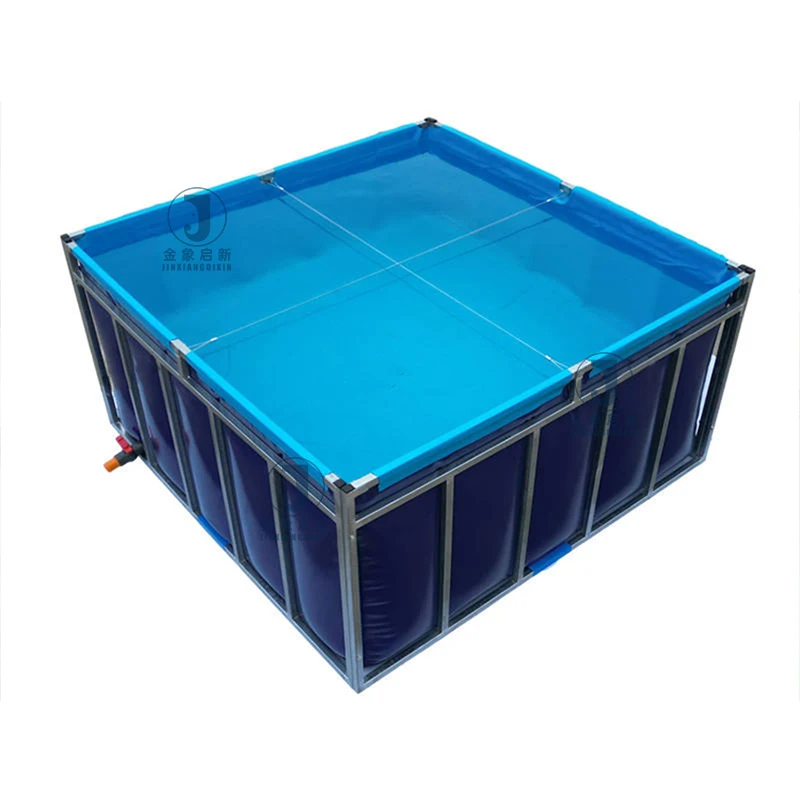
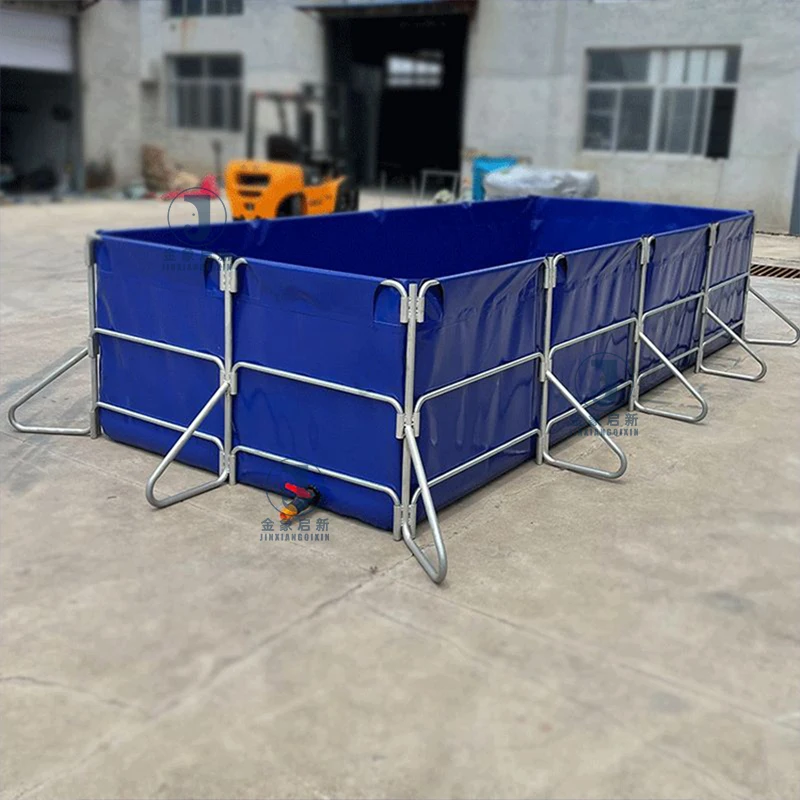
PVC Coated Tarpaulin in 350–750gsm, 0.32–0.65mm thickness — hot-melt coated over high-tenacity polyester mesh for fish pond liners and pool covers.
- Laminated and hot-melt coating ensures strong PVC-to-base adhesion under prolonged water immersion, preventing delamination at seams
- Weldable with outstanding tear strength at the weld line, so seams hold where hydrostatic pressure cycles are highest
- Selectable GSM grades let you match puncture resistance to pond depth and substrate conditions
Backed by dedicated QA at every production stage with 100% pre-shipment inspection, a 10-person R&D team handling custom sizing, and nearly 30 years of coating process control for consistent weight across rolls.
Description
Precision-Coated Consistency — Every roll of PVC coated tarpaulin for fish pond and pool cover leaves our facility with verified GSM and uniform colour, backed by 100% pre-shipment inspection across three dedicated production lines.
Technical Specifications
| Parameter | Value |
|---|---|
| Product Type | PVC Coated Tarpaulin |
| Material | PVC + High-strength polyester mesh fabric |
| Weight Options | 350gsm / 420gsm / 500gsm / 550gsm / 600gsm / 750gsm |
| Thickness Options | 0.32mm / 0.35mm / 0.4mm / 0.45mm / 0.5mm / 0.65mm |
| Roll Size | 2m width × 75m length / 2.1m width × 50m length |
| Coating Technology | Laminated technology & Hot-melt coating technology |
| Finish Product Size | Custom cut-to-size or sold by inventory roll |
| Key Features | Waterproof, cold crack resistance, anti-mildew, anti-static treatment available, sunproof, high colour fastness |
| Special Treatments | Flame retardant (grade available on request — confirm required standard), anti-static, anti-cold, anti-mildew |
| Colour Range | Blue, Red, Yellow, Light blue, Grey (custom colours available) |
| Service Life | 3–7 years under normal circumstances |
| Standards | ISO and CE certified production |
Application Suitability
| Application | Exposure & Requirement |
|---|---|
| Fish pond liner | Permanent water immersion, soil chemistry contact, puncture risk from substrate debris |
| Shrimp and aquaculture pond | Saline water exposure, bio-fouling, frequent cleaning cycles |
| Inground pool safety cover | UV exposure, debris load, seasonal tensioning and removal |
| Winter pool cover | Standing water, ice formation, prolonged sun exposure during off-season |
| Water reservoir liner | Large surface area, wind uplift at edges, sub-grade irregularities |
| Decorative water feature | Tight radii, visible surface finish, colour consistency across panels |
Why the GSM on the Quote Often Disagrees With the Fabric on the Dock
Coating weight control at the knife gap determines whether your pond liner performs as specified or delaminates within one season.
Aquaculture operators and pool contractors regularly face a frustrating scenario: the PVC coated tarpaulin for fish pond arrives lighter than the quotation stated, and the coating feels thinner at the edges than in the centre. This happens when the coating head is not calibrated per roll pass, or when base fabric tension varies during lamination. For water containment applications, even a small deviation in coating weight reduces puncture resistance and shortens the membrane’s effective life [NEED_CITE: coating weight variance and tensile performance correlation in PVC-coated polyester fabrics]. The consequence is a liner that fails at the weld seam before the fabric body shows any sign of degradation.
How Coating Technology Affects Liner Longevity Under Water
The choice between laminated technology and hot-melt coating technology directly influences how well the PVC layer bonds to the polyester mesh base. Hot-melt coating drives the PVC compound into the weave interstices under heat and pressure, creating a mechanical lock that resists delamination during prolonged water immersion. Laminated technology applies pre-formed PVC films to each side of the base fabric, yielding a smoother surface finish suited to visible pool covers where appearance matters. For buried fish pond liners where adhesion strength outweighs surface aesthetics, hot-melt coating is typically the preferred specification. Selecting the correct coating method at the inquiry stage prevents costly field failures that no amount of seam reinforcement can correct.
Seam Integrity at the Weld Line: Where Most Pond Liners Actually Fail
Welded seams on a PVC coated tarpaulin for fish pond must withstand cyclic hydrostatic pressure — water levels rise and fall, and the membrane flexes at every fold point. The tearing strength at the weld line depends on both the base fabric denier and the coating’s compatibility with the heat input from hot-air or high-frequency welding equipment. When the coating is too thin relative to the base yarn, the weld burns through*eak bond. When the coating is too thick, excess plasticiser migrates to the surface and contaminates the weld zone [NEED_CITE: PVC weld peel strength testing per coated fabric industry methods]. Requesting a seam peel-strength value for your chosen GSM grade before committing to bulk production eliminates this variable.
Reading the Specification Sheet Beyond the GSM Number
GSM alone does not tell you how a pond liner will resist puncture or how well it will weld. A 550gsm fabric with a dense 1000-denier base and thin coating will tear differently from a 550gsm fabric with a lighter base and heavier coating. The total thickness — ranging from 0.32mm to 0.65mm across this product family — correlates with both puncture resistance and flexibility during installation. Thinner grades fold tightly into complex pond geometries, while heavier grades resist sharp aggregate in the sub-grade. The polyester mesh density, measured in threads per inch in warp and weft, governs how far a tear propagates once initiated. A higher thread count limits tear spread, which matters when a single puncture occurs near a weld seam under hydrostatic load. Coating technology — laminated versus hot-melt — further determines the peel strength between layers, affecting whether a lifted edge at the anchor trench can be repaired in the field or requires full panel replacement.
The Hidden Cost of Specifying the Wrong Grade for Water Containment
Choosing a lighter GSM to reduce material cost on a large pond liner often triggers downstream expenses that far exceed the initial savings. A liner that is too thin for the substrate conditions will puncture during backfilling or when root structures shift beneath the membrane, requiring drainage, excavation, and patching under time pressure. Colour inconsistency between rolls becomes visible immediately when panels are welded side by side on a residential pool cover, forcing the contractor to reorder or accept a patchwork appearance that the client rejects [NEED_CITE: colour batch consistency standards in coated fabric production runs]. Flame retardant treatments claimed without a supporting test report create compliance risk if the installation site requires documented fire classification for temporary water containment structures near public areas.
Why Buyers Specify This PVC Coated Tarpaulin for Water Projects
Three full production lines allow concurrent runs of different GSM grades, so a 600gsm pond liner order does not sit behind a 350gsm pool cover run in the queue. A dedicated QA process verifies coating weight per roll against the stated GSM before the material enters the finishing area, catching deviations before they ship. The 10-person R&D team develops custom colour matches and cut-to-size panels with welded hems within days, reducing the sampling loop for large aquaculture projects. Roll-to-roll colour consistency is managed through controlled pigment dosing at the mixing stage, which matters when multiple rolls are laid out across a single pond surface. ISO and CE certified production provides the documentation trail that importers and compliance officers require for cross-border shipments.
Documentation & Verification
- Material specification sheet stating base fabric denier, coating weight, and total GSM per roll
- Test reports for UV and flame retardant treatments where specified for your market
- Pre-shipment inspection record confirming GSM and colour against the approved sample
- Roll packing list with individual roll numbers for traceability on large pond installations
- Certificate of origin and customs documentation for cross-border water containment projects
Fabrication, Handling & Storage
- Hot-air weld temperature must match the coating technology selected — hot-melt coated grades tolerate higher heat input than laminated grades without surface scorching
- Store rolls horizontally on padded racking to prevent flat-spot deformation that telegraphs through the pond liner surface after unrolling
- Allow cold-stored rolls of 0.65mm heavy-grade material to reach ambient temperature before unfolding to avoid cold-crack damage at fold lines
- Cut-to-size panels should be welded within days of fabrication to prevent plasticiser migration at exposed cut edges from affecting seam adhesion
- Clean PVC coated tarpaulin surfaces with neutral-pH detergent only; solvent-based cleaners degrade the anti-mildew treatment applied at the factory
- Reinforce anchor trench edges with an additional strip of the same GSM grade to distribute soil backfill load across a wider area
What to Include in Your Inquiry
Tell us the pond or pool dimensions, the substrate type (compacted clay, sand, concrete shell), and the water chemistry if known — freshwater, saline, or treated pool water each influence the coating formulation we recommend. Specify whether you need roll stock for your own fabrication line or finished cut-to-size panels with welded hems and eyelets. If your market requires documented flame retardant or anti-UV performance, state the standard your project must meet so we can include the corresponding test report with the quotation.
Frequently Asked Questions
Q: What GSM and thickness do I need for a fish pond versus a pool cover?
A: Fish pond liners typically require a heavier grade to resist puncture from sub-grade irregularities and root penetration, while pool covers prioritise UV stability and flexibility for seasonal tensioning. Share your pond dimensions, substrate type, and whether the cover is permanent or removable — we will recommend the appropriate GSM and coating technology combination from the available range.
Q: Can you supply custom cut sizes with reinforced edges for a specific pool dimension?
A: Yes. We fabricate cut-to-size panels from roll stock with welded hems sized to your pool measurements. The hot-melt coated grades provide strong adhesion at the hem weld, and edge reinforcement can be added where tie-down hardware concentrates load. Provide the pool outline drawing and we will return a panel layout for approval.
Q: How do you guarantee GSM on arrival matches the quotation?
A: Every roll undergoes coating weight verification during production and a 100% pre-shipment inspection before dispatch. We provide a material specification sheet stating base fabric denier and total GSM, and we can supply a production sample from the actual batch for your own verification before the full order ships.
Q: Are flame retardant and anti-UV treatments supported by a test report?
A: Where these treatments are specified, we supply the corresponding test documentation. Because fire classification requirements vary by market — some projects require a specific national standard — confirm the exact grade or standard your installation must meet, and we will include the matching report with your shipment documentation.
Q: What is the lead time for custom width or colour on roll stock?
A: Custom colours and non-standard widths require a dedicated production run on one of our three coating lines. Typical lead times depend on the order volume and the complexity of the colour match. Submit your required width, colour reference, and estimated annual volume, and we will confirm the schedule with the quotation.
Related products
-
Lona de PVC flexible, plegable y opaca personalizada para tanque de peces, 500gsm, rollo recubierto de PVC.
¥1.00 Select options This product has multiple variants. The options may be chosen on the product page -
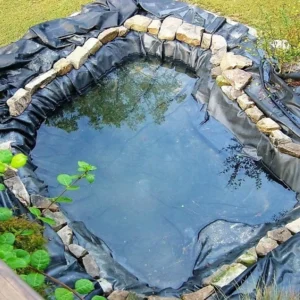
Lona de camión impermeable de alta resistencia recubierta para estanque de peces, cubierta de lona, tienda, liner para piscina, anti UV
¥1.00 Select options This product has multiple variants. The options may be chosen on the product page -
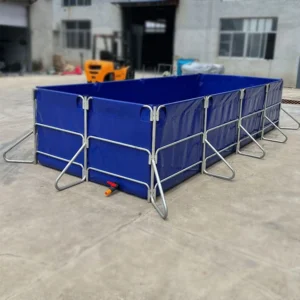
Lona de PVC rectangular circular plegable para estanque de peces para acuario
¥0.53 Select options This product has multiple variants. The options may be chosen on the product page -
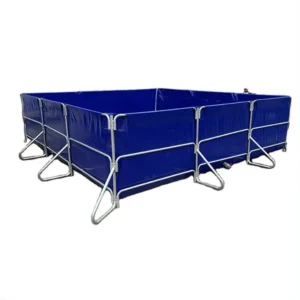
Lona de PVC rectangular circular plegable para estanque de peces para acuario
¥0.53 Select options This product has multiple variants. The options may be chosen on the product page