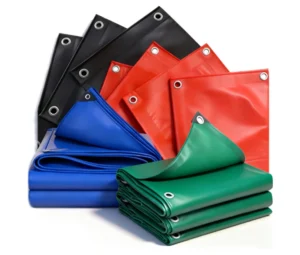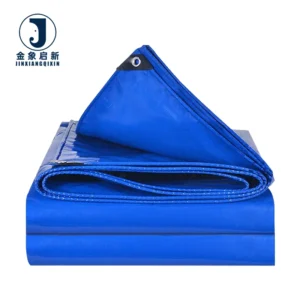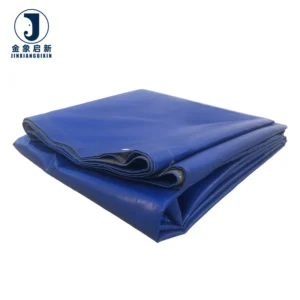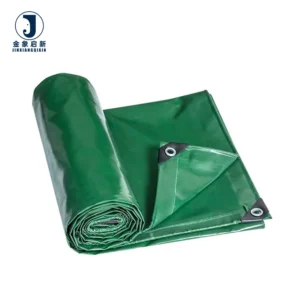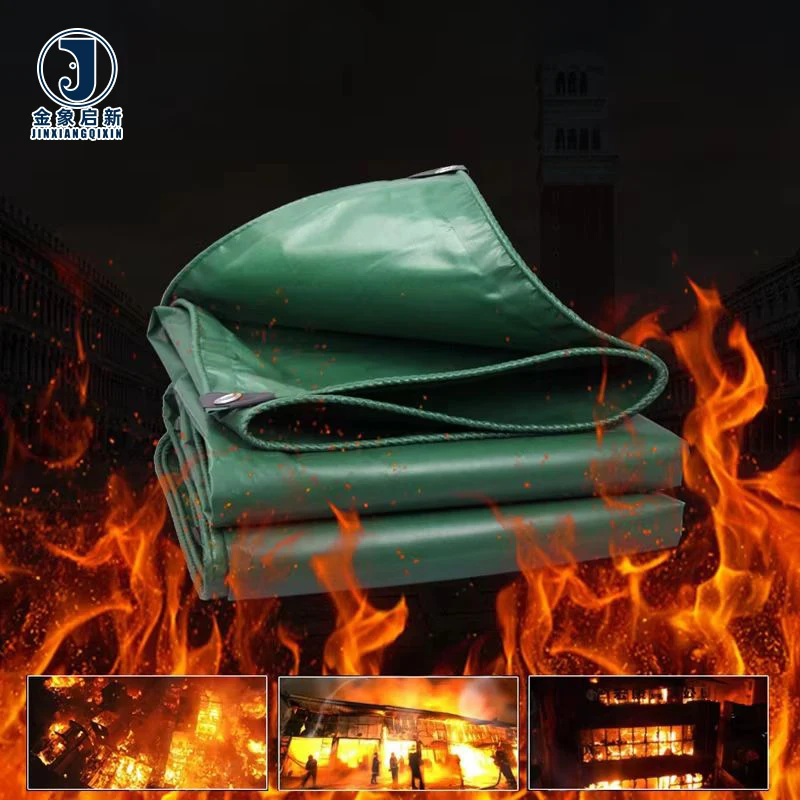
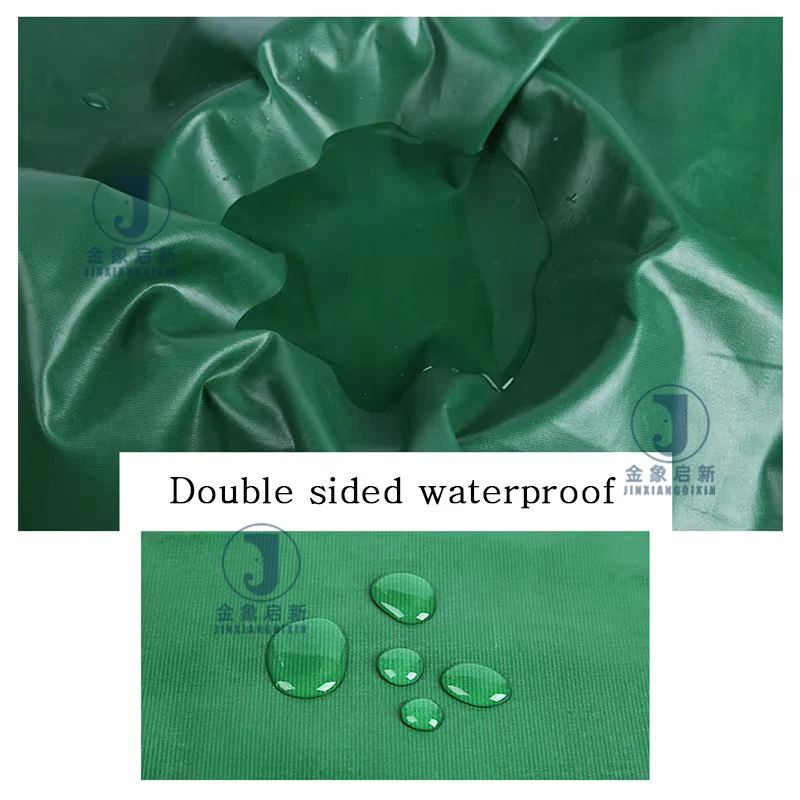
PVC Coated Tarpaulin with waterproof PVC vinyl coating, tear-resistant woven base fabric, and anti-UV treatment for extended outdoor service life.
- Knife-coated PVC on woven fabric delivers dimensional stability and consistent coating adhesion, ensuring heat-welded seams match the fabric’s own durability at flex and stress points.
Full roll supply with batch-to-batch color consistency, 100% pre-shipment inspection, and custom width or sizing developed within days.
Description
Coating Adhesion Control — Three decades of process refinement on the coating line ensures the PVC film bonds to the woven base at a molecular level, eliminating the delamination failures that plague generic PVC coated tarpaulin rolls arriving at fabrication shops.
Technical Specifications
| Parameter | Value |
|---|---|
| Product Type | PVC Coated Tarpaulin |
| Material | PVC Vinyl |
| Fabric Type | Woven Fabric |
| Weight | At least 450 grams |
| Key Features | Waterproof, Tear-Resistant, Anti-UV |
| Finish Options | Available in glossy or matte finish |
| Colour Options | Single and double side colour available |
| Custom Width | Available in custom widths |
| Custom Length | Available in custom lengths |
| Eyelets & Hems | Eyelets and reinforced hems available |
| Pattern Printing | Pattern printing and branding available |
| UV Treatment | Anti-UV treatment available — confirm grade required for your market |
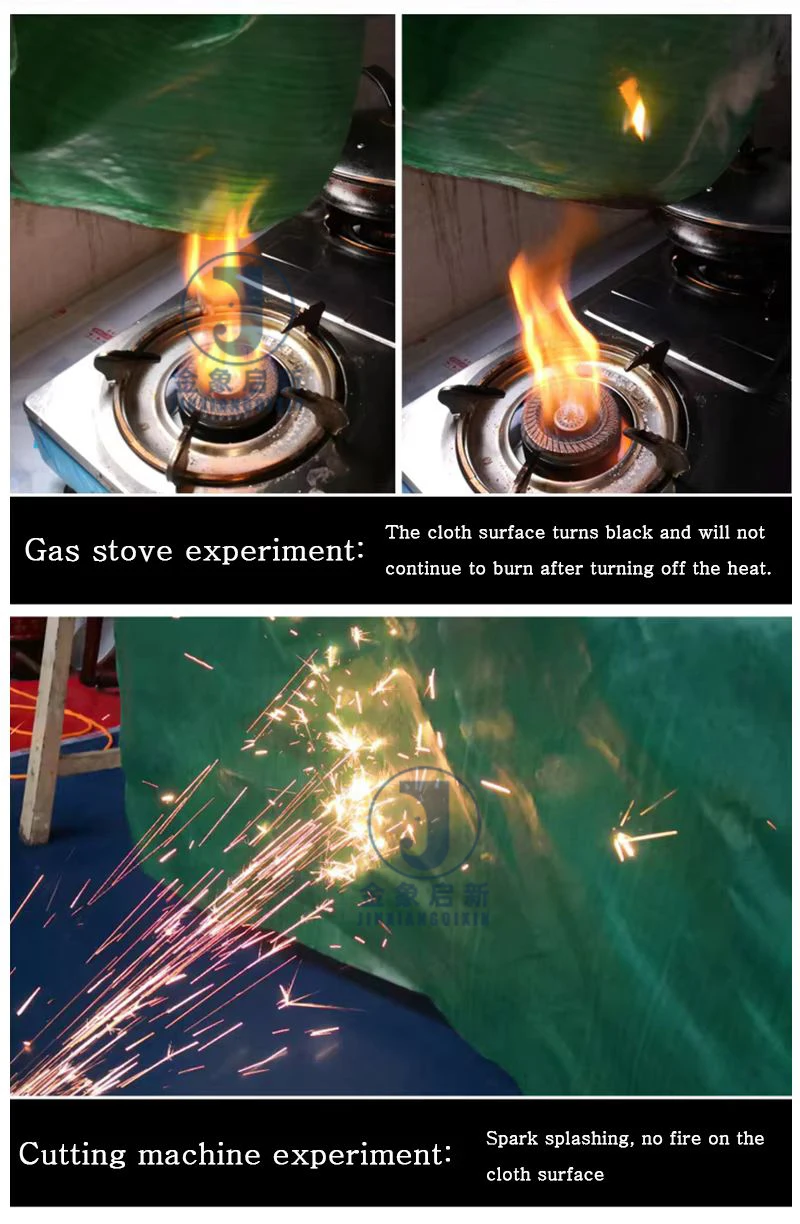
| Flame Retardant | Available in flame retardant grades — confirm the grade required for your market |
Application Suitability
| Application | Exposure & Requirement |
|---|---|
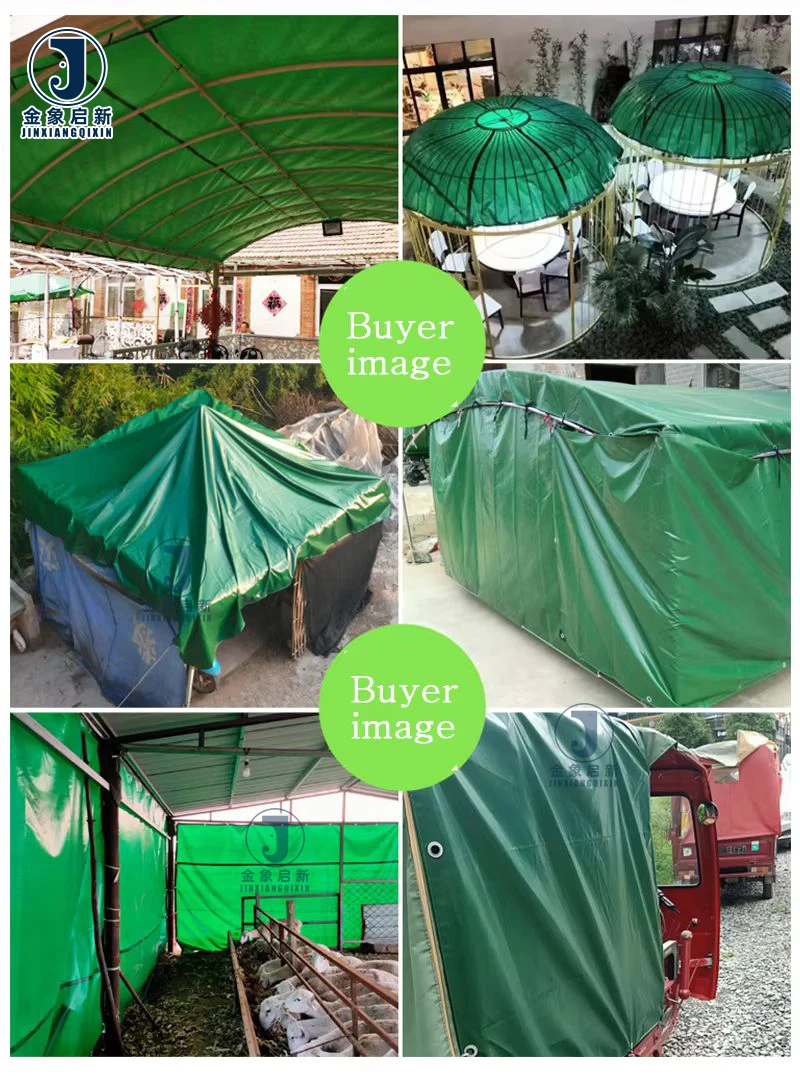
| Truck and trailer side curtains | Constant flexing at load points, road abrasion, UV exposure, wind loading |
| Construction site equipment covers | Punctures from sharp materials, daily drag across rough ground, sun and rain |
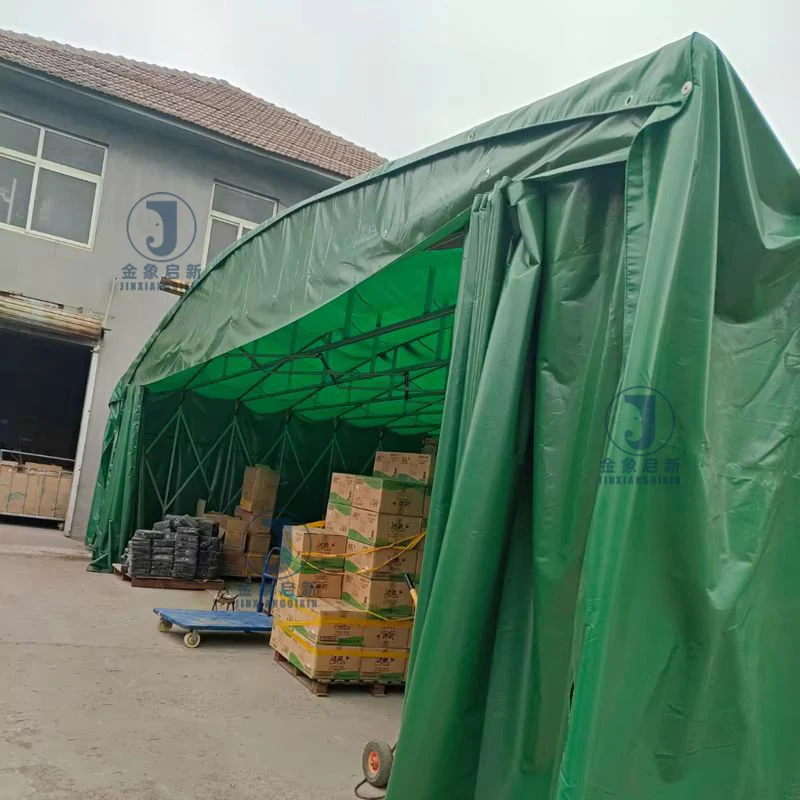
| Tent and awning fabrication | Tension stress at poles and tie-downs, long-term UV, seasonal thermal cycling |
| Agricultural pond liners | Permanent water contact, soil chemistry, puncture from substrate, UV on exposed edges |
| Inflatable structure fabric | Internal air pressure, repeated inflation cycles, seam integrity under stress |
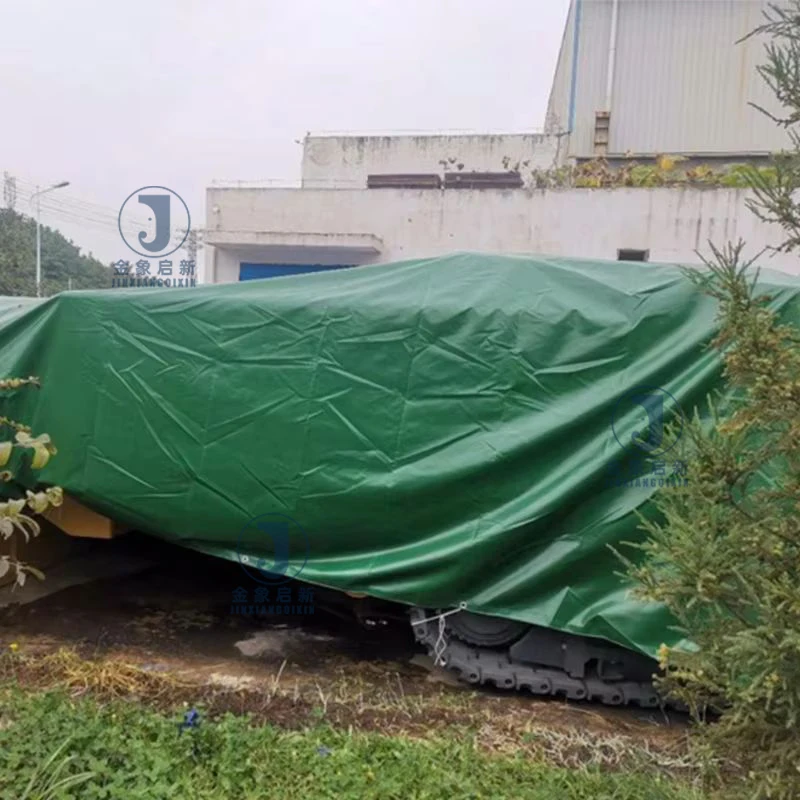
| Vehicle and equipment covers | Abrasion against body panels, UV bleaching, wind flap fatigue at grommet points |
Why Roll-to-Roll Colour Consistency Matters More Than You Think
One bad roll in a batch can force a fabricator to reject an entire container, not because the fabric fails mechanically, but because two adjacent panels look visibly different under daylight.
I remember standing at a fabricator’s shop in Belgium when they unrolled three consecutive rolls of the same spec across the floor. The first two matched, the third had a slight hue shift. That single roll was going into the same tent roof as the other two, and the customer would see the line where they met. The whole shipment was held. [NEED_CITE: colour consistency standards for PVC coated tarpaulin in architectural applications] This is why PVC coated tarpaulin aftermarket supplier selection often comes down to the QA discipline behind the coating line, not the spec sheet alone.
How the Coating Process Affects What You Receive
The PVC vinyl coating applied to this woven base fabric uses a controlled application method that determines how evenly the plasticiser and stabilisers distribute through the material. Uneven coating weight is what causes the GSM you measure in your warehouse to differ from the GSM on the quotation. When the coating process is properly managed, the weight per square metre stays consistent across the full roll length and width.
What Happens at the Weld Line Under Load
Heat-welded seams on PVC coated tarpaulin are only as strong as the bond between coating and base fabric. If the coating adhesion is weak, the weld may hold but the coating peels away from the weave under tension, leaving the seam flapping open at the worst possible moment. [NEED_CITE: ISO 1421 tensile and peel test methods for coated fabrics] This PVC coated tarpaulin aftermarket supplier runs adhesion tests at regular intervals during production to catch delamination risk before the roll leaves the line.
Reading the Weight, Denier and Weave Together
A 450-gram PVC coated tarpaulin does not tell you the full story of its mechanical behaviour. The woven base fabric’s denier and thread count determine how the material resists tear propagation — a high-density weave stops a small cut from becoming a long rip under wind load. The coating weight adds stiffness and surface protection but contributes less to structural strength than the base. When evaluating this PVC vinyl fabric for truck covers or tent panels, ask for the base fabric specification alongside the total GSM, because two materials at the same total weight can behave very differently on a trailer side curtain that flexes thousands of times per journey. A glossy surface will shed water and dirt more readily than a matte finish, which matters for applications where cleaning frequency affects appearance over time. [NEED_CITE: relationship between base fabric weave density and tear strength in PVC coated fabrics]
The Hidden Cost of Unverified Specifications
When a quotation states one GSM and the roll that arrives measures lighter, every downstream decision based on that weight becomes unreliable. The fabricator who specified the material for a truck side curtain assumed a certain flex life; the lighter material fatigues sooner at the fold points. The tent maker who calculated pole spacing based on quoted tensile values finds the fabric sagging between supports. Welding parameters set for a heavier grade burn through a lighter one. [NEED_CITE: effects of GSM deviation on heat-weld parameters for PVC tarpaulin] The cost is never just the price difference in the fabric — it is the rework, the rejected installation, and the customer who does not reorder.
Why Fabricators Source This PVC Coated Tarpaulin Here
Three full production lines and 36 sets of professional equipment mean capacity is available when you need bulk volume, without squeezing your order between larger runs. The 10-person R&D team develops samples within days when you require a custom width, colour match, or printed branding layout — not weeks of back-and-forth. Every roll passes through dedicated QA/QC stations at each production stage, with 100% inspection before dispatch, so the material arriving at your shop matches what was approved on the sample. Coating weight and adhesion are controlled through deep process knowledge accumulated over nearly 30 years of focused PVC coated fabric production, reducing the risk of delamination failures in the field.
Documentation & Verification
- Material specification sheet stating total GSM, base fabric construction, and coating compound for each roll
- Weight verification measured per roll against the stated GSM before dispatch clearance
- UV and flame retardant test reports provided with grade confirmation where applicable
- Colour reference swatch cut from the production run included with the packing list
- Pre-shipment inspection record documenting roll count, dimensions, and visual defects check
- Certificate of origin and customs documentation prepared for international shipment
Fabrication, Handling & Storage
- Heat-weld at temperatures suited to the PVC vinyl coating weight; test a scrap piece first to avoid burn-through on lighter grades
- Store rolls upright on their cores to prevent flat spots that show as visible creases when unrolled
- When installing eyelets, reinforce the hem with a double fold to distribute tie-down load across the woven base fabric
- Use PVC-compatible cleaners only; solvent-based products can soften the coating and reduce surface integrity
- Allow rolls shipped in cold weather to acclimatise before unrolling to prevent coating crack at low temperature
- Plan cutting layout across the available custom width to minimise offcut waste on large panel applications
How to Get an Accurate Quotation on Your Next Order
Tell us the end use and the conditions the fabric will face — whether it is permanent outdoor exposure, daily mechanical flexing, or contact with water and chemicals. Specify the width and roll length you need, along with annual volume, so we can confirm availability and batch consistency across your production schedule. If your market requires flame retardant or anti-UV certification, state the standard your customer expects so we match the correct grade.
Frequently Asked Questions
Q: How do you verify the actual GSM matches the quotation?
A: Every roll is weighed and measured during pre-shipment inspection. The inspection record documents the verified weight per square metre against the stated specification. If you require independent verification, we can arrange third-party testing before the container is sealed.
Q: Can I get consistent colour across multiple rolls in the same order?
A: Yes. We pull a physical swatch from every roll in the batch and compare them side by side under standard lighting before approving the shipment. Any roll showing a visible deviation is pulled from your order and replaced before dispatch.
Q: What test reports are available for UV and flame retardant grades?
A: Test reports are provided with the specific grade and standard achieved. Confirm the certification your market requires at the inquiry stage so we produce the correct grade and include the matching documentation with your shipment.
Q: What custom sizing and finishing options do you offer?
A: Custom widths and lengths are available, along with eyelet spacing, reinforced hems, pattern printing and branding. The R&D team develops a sample for your approval before production begins, typically within days of specification confirmation.
Q: What is the lead time for custom width or printed fabric?
A: Lead times depend on the specification complexity and order volume. Custom colours and printed branding require additional setup. Confirm your required delivery date at the inquiry stage and we will provide a production schedule with the quotation.
Related products
-
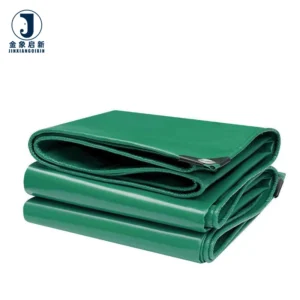
450gsm Green Heavy-duty Waterproof Tarps & Groundsheets Pvc Tarpaulin
¥1.25 Select options This product has multiple variants. The options may be chosen on the product page -
Material de tela de PVC Lona tejida Lona impermeable Tela tejida de lona
¥0.50 Add to cart -
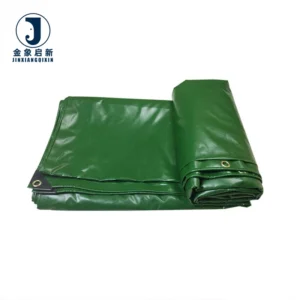
Lona verde impermeable multiusos de 500gsm para refugio de emergencia contra la lluvia. Cubierta para exteriores.
¥7.72 Select options This product has multiple variants. The options may be chosen on the product page -
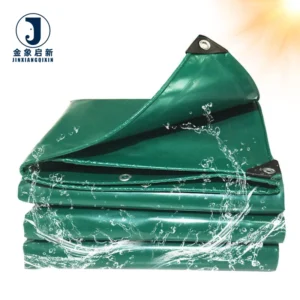
Lona impermeable de alta resistencia Funda impermeable Fabricante de lonas
¥1.48 Add to cart