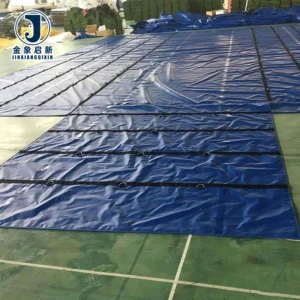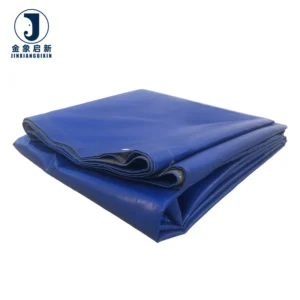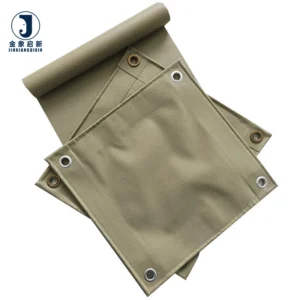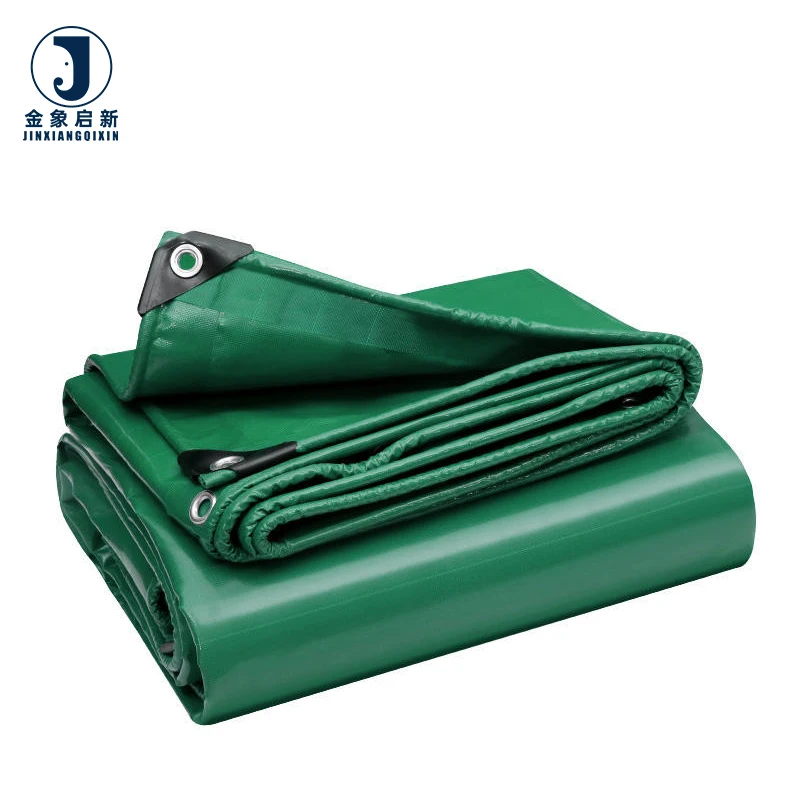
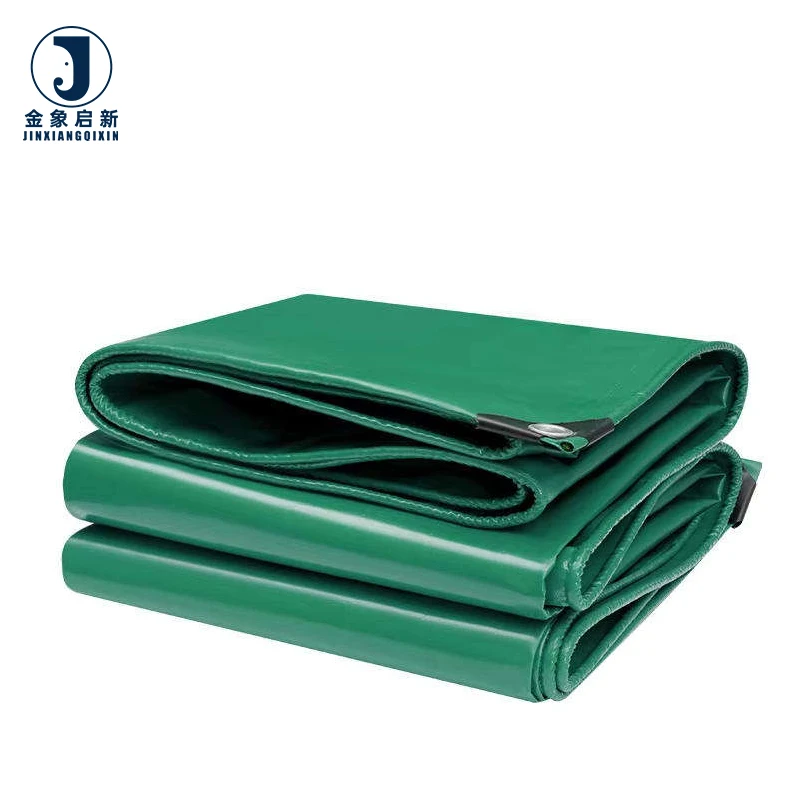
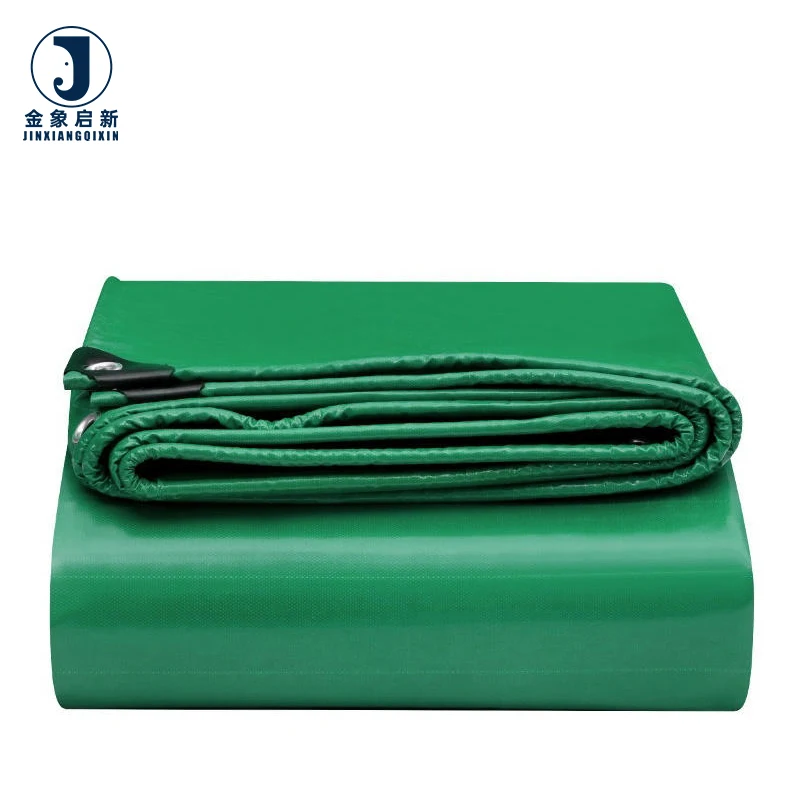
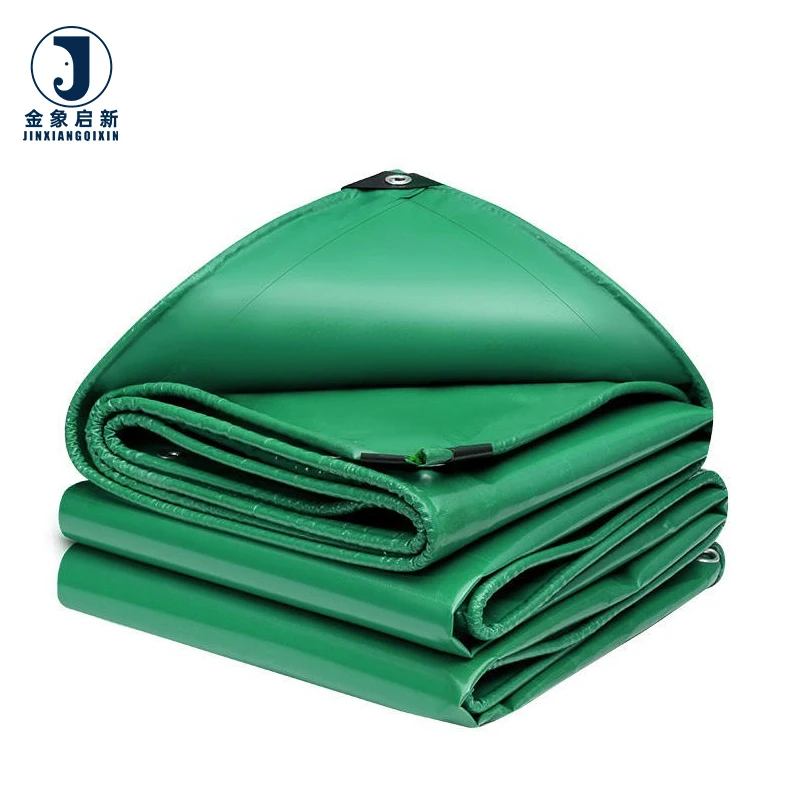
Heavy-Duty Vinyl PVC Coated Tarpaulin — 250gsm–1500gsm, 200D×300D to 1000D×1000D denier base, glossy or matte finish. Full custom range from lightweight to heavy-duty grades for truck, trailer and industrial covering applications. Coating weight and adhesion tightly controlled so quoted GSM matches delivered material, with UV and flame-retardant treatments backed by test reports.
- Waterproof, anti-fungal and temperature rated -15°C to 70°C
- Custom sizes, colours and pattern printing available
- 100% pre-shipment inspection with roll-by-roll verification records
Description
Specification Integrity Guaranteed — every roll or cut piece leaves the factory with a QA-verified weight and denier match against the agreed purchase specification.
Technical Specifications
| Parameter | Value |
|---|---|
| Product Type | PVC Coated Tarpaulin |
| Weight Range | 250gsm-1500gsm (confirm the grade for this item) |
| Base Fabric Denier Options | 200D×300D, 500D×500D, 840D×840D, 1000D×1000D |
| Surface Finish | Available in glossy or matte finish |
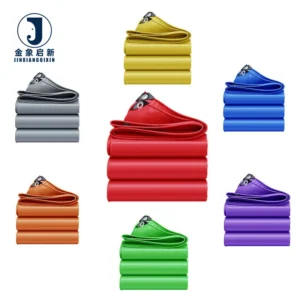
| Color Options | Blue, yellow, black, green, white, etc. |
| Size Options | 3x4m, 6x8m, 8x10m, 10x12m or custom made |
| UV Treatment | Customized (test basis to be confirmed per order) |
| Flame Retardant | Available in flame retardant grades — confirm the grade required for your market |
| Anti-Fungal Treatment | Available |
| Waterproof Construction | Fully coated |
| Temperature Range | -15°C to 70°C |
| Environment | Eco-friendly |
| Key Features | Waterproof, rain-resistant, durable, good flexibility, good abrasion resistance, high adhesion strength |
Application Suitability
| Application | Exposure & Requirement |
|---|---|
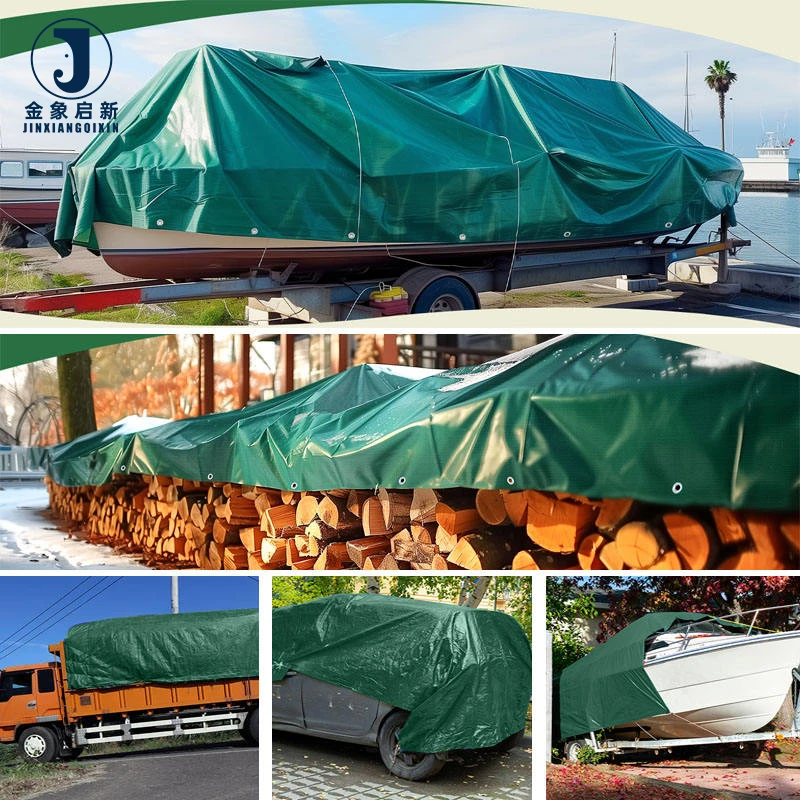
| Truck and trailer load covering | Constant road vibration, UV exposure, wind flex, tie-down abrasion at edge reinforcement points |
| Construction site equipment protection | Debris impact, ground moisture, prolonged sun exposure, requirement for verified flame retardant grades on some sites |
| Dump trailer operations | Heavy aggregate contact, repeated flexing during hydraulic tipping, edge wear from loading |
| Firewood and agricultural stock covering | Seasonal weather cycling, ground moisture wicking, handling abrasion from repeated repositioning |
| Boat and pool covers | Continuous water contact, UV degradation, chemical exposure from pool treatments |
| Roof protection during renovation | Direct rainfall, wind uplift loads, thermal expansion and contraction across the surface |
Why GSM Alone Does Not Tell You How Strong the Fabric Is
Coating weight and base fabric denier must be evaluated together to understand real-world tarpaulin performance.
Many buyers specify a PVC coated tarpaulin by its GSM figure and assume higher numbers always mean better service life. In practice, a 650 GSM fabric built on a loosely woven 200D×300D base can tear far more easily than a lighter material constructed on a dense 1000D×1000D yarn. The coating adds weight and waterproofing, but the base yarn provides the structural backbone. [NEED_CITE: tensile and tear test methods for coated fabrics per ISO 1421]. When sourcing PVC coated tarpaulin, request both the GSM and the denier construction to make an informed comparison between suppliers.
Selecting the Correct Denier for Your Load Type
The base fabric denier directly determines how a PVC coated tarpaulin behaves under mechanical stress. Lighter 200D×300D constructions suit temporary covers and short-term site protection where the fabric is handled infrequently. Mid-range 500D×500D options balance weight and durability for general transport covering. Heavy 840D×840D and 1000D×1000D grades are specified for dump trailer curtains, side curtain trucks, and long-term outdoor installations where the material must resist sustained wind loads and repeated flexing without yarn breakage.
Coating Weight and Its Role in Seam Performance
Coating thickness governs more than just waterproofing. A PVC coated tarpaulin with insufficient coating weight relative to its base fabric will show poor adhesion at heat-welded seams, because there is not enough molten material to fuse the overlap into a continuous bond. The seams then fail at the exact point where load flex is greatest. Our process control over coating weight ensures the ratio between coating and base fabric supports reliable welding across the full range from 250gsm to 1500gsm. [NEED_CITE: peel strength testing methods for coated fabric seams].
Understanding Surface Finish Selection
The choice between glossy and matte finish on a PVC coated tarpaulin affects both function and appearance. Glossy surfaces shed water more readily and are easier to wipe clean, making them suitable for truck side curtains and transport covers that see frequent road grime. Matte finishes reduce glare and provide a better substrate for printed branding and pattern application. Both finishes are available across the full denier and weight range, and the selection should align with the end-use environment rather than being treated as a purely cosmetic decision.
Specification Trade-Offs That Cause Field Failures
When specifications are chosen on cost alone, the consequences appear weeks or months after installation. A PVC coated tarpaulin specified at too light a grade for a dump trailer application will develop pinholes at flex points and eventually tear along the weld line. Material ordered without confirming the flame retardant grade can fail site safety inspection, forcing the contractor to replace the entire cover at their own expense. Batch-to-batch colour variation becomes visible only after multiple pieces are installed side by side on a fleet of trailers. [NEED_CITE: common causes of premature tarpaulin failure in transport applications]. These issues are avoidable with a specification-first sourcing approach that confirms every parameter before production begins.
Why Procurement Verification Matters Here
Material specification sheets accompany every PVC coated tarpaulin order, stating the exact GSM, base fabric denier, and coating formulation agreed at the quotation stage. QA checks at each production stage verify that coating weight matches the specification before the roll or cut piece moves to finishing. Samples are developed within days for custom sizing, colour, and treatment requirements, allowing buyers to validate the material in their own application before committing to bulk production. Pre-shipment inspection covers 100% of the order, not a statistical sample, ensuring every piece meets the documented standard before dispatch.
Documentation & Verification
- Material specification sheet confirming GSM, denier, and coating type per roll or piece
- UV and flame retardant test reports supplied where applicable to the specified grade
- Pre-shipment inspection record detailing quantity, dimensions, and visual QA results
- Roll packing list enabling weight and count verification at the receiving warehouse
- Certificate of origin and customs documentation for cross-border shipment
Fabrication, Handling & Storage
- Heat-weld seams at temperatures calibrated to the specific GSM and coating formulation of the ordered grade
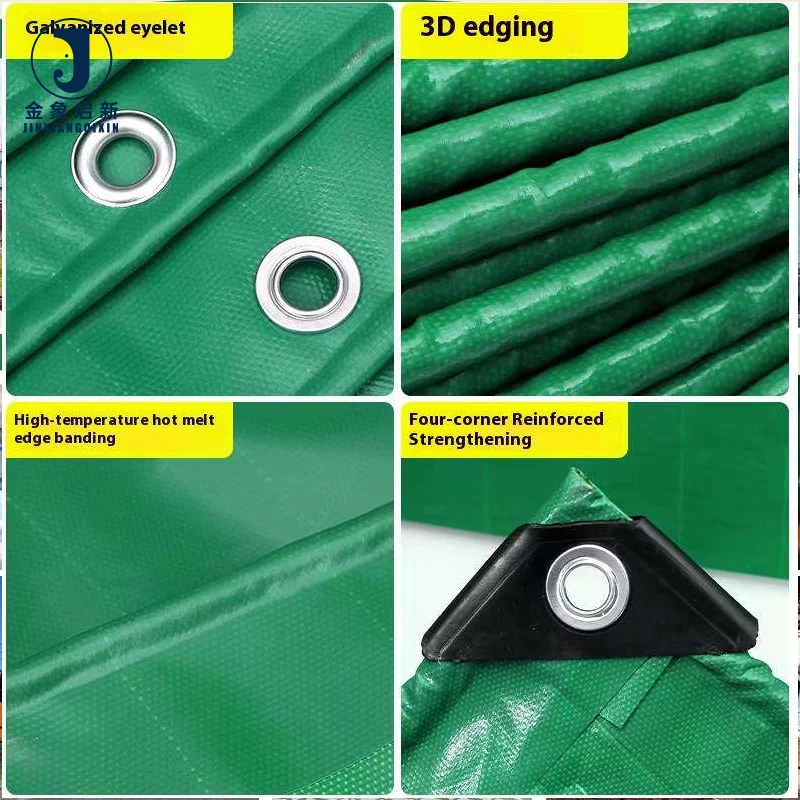
- Reinforce edge hems and tie-down points based on the denier construction and anticipated load stress
- Store rolls horizontally on racking to prevent flat-spot deformation of the coating surface
- Allow cold-stored PVC coated tarpaulin to acclimatise before unrolling to avoid cracking at low temperatures near -15°C
- Clean glossy finishes with mild detergent; avoid solvent-based cleaners that can degrade the PVC surface
- Use compatible PVC repair tape or patch material matching the coating type for field repairs
What We Need to Quote Accurately
Provide the intended application, the environmental exposure conditions, and any fire safety or compliance requirements specific to your market or job site. Let us know whether you need rolls at a specific width or finished cut pieces with edge reinforcement, and share your colour or printing requirements along with the estimated annual volume. If you are unsure about the correct denier and weight combination, we can recommend a specification and develop a sample for your evaluation before any production commitment.
Frequently Asked Questions
Q: How do I verify that the GSM matches what was quoted when the goods arrive?
A: Every order ships with a material specification sheet stating the agreed GSM, denier, and coating weight. Our QA team performs weight checks against this specification at production and again during pre-shipment inspection. You can cross-check using a calibrated scale and a standard sample cutter upon receipt.
Q: What flame retardant test standards can you supply documentation for?
A: Flame retardant treatment is available across our PVC coated tarpaulin range, but the applicable test standard depends on your market and site requirements. Confirm the specific grade or standard needed for your region — such as DIN 4102, NFPA 701, or local building code classifications — and we will supply the matching test report where applicable.
Q: What is the lead time and minimum order for custom cut sizes?
A: Standard sizes like 3x4m and 8x10m are produced on regular schedules. Custom dimensions, colours, and printed branding involve dedicated production runs, and lead times vary with order volume and treatment requirements. Request a quotation with your specific dimensions and quantities for an accurate timeline.
Q: Can colour be kept consistent across multiple pieces in one order?
A: Batch-to-batch colour variation is a common complaint with PVC coated tarpaulin sourced from multiple production runs. We control colour at the compounding stage and run all pieces from the same order in a single production batch, with visual QA checks during pre-shipment inspection to confirm uniformity before dispatch.
Q: What UV treatment options are available and how are they verified?
A: UV stabilisation is customised based on the expected service environment and exposure duration. The specific test basis for UV performance claims varies by market and application requirement. Provide your end-use conditions and any testing standard your project specifies, and we will confirm the appropriate treatment level with supporting documentation.
Related products
-
Cubierta de lona de PVC impermeable de alta resistencia para carpa de camión, almacenamiento al aire libre y uso industrial
¥1.48 Add to cart -
Cubierta de tienda para camiones de lona negra recubierta de PVC verde seguro, diseño plegable, impermeable, anti-envejecimiento, técnica de tejido transpirable.
¥0.83 Select options This product has multiple variants. The options may be chosen on the product page -
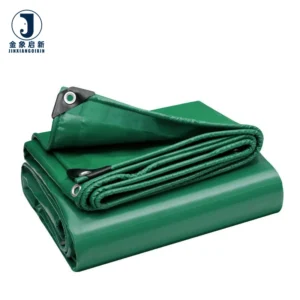
Factory Direct 20×30 Feet 13mil Heavy-Duty Vinyl Tarps PVC Tarpaulin for Firewood Roof Camping Patio Pool Boat Dump Trailer
¥2.60 Add to cart -
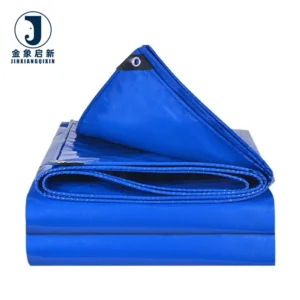
Factory Custom 9×11 Poultry Curtains Tarpaulin PVC Coated Waterproof Anti-Static Eco-Friendly Tarp for Chicken Coop Boys Girls
¥0.90 Select options This product has multiple variants. The options may be chosen on the product page