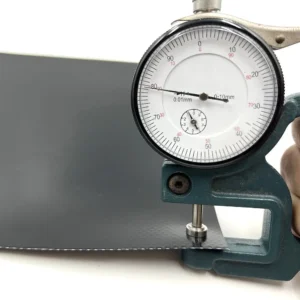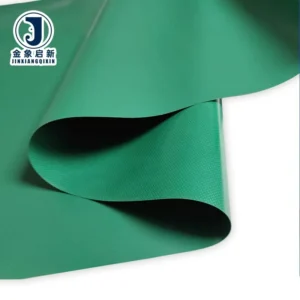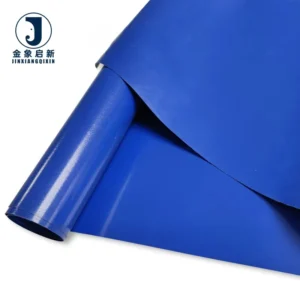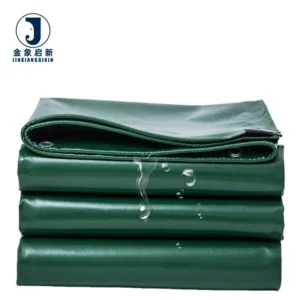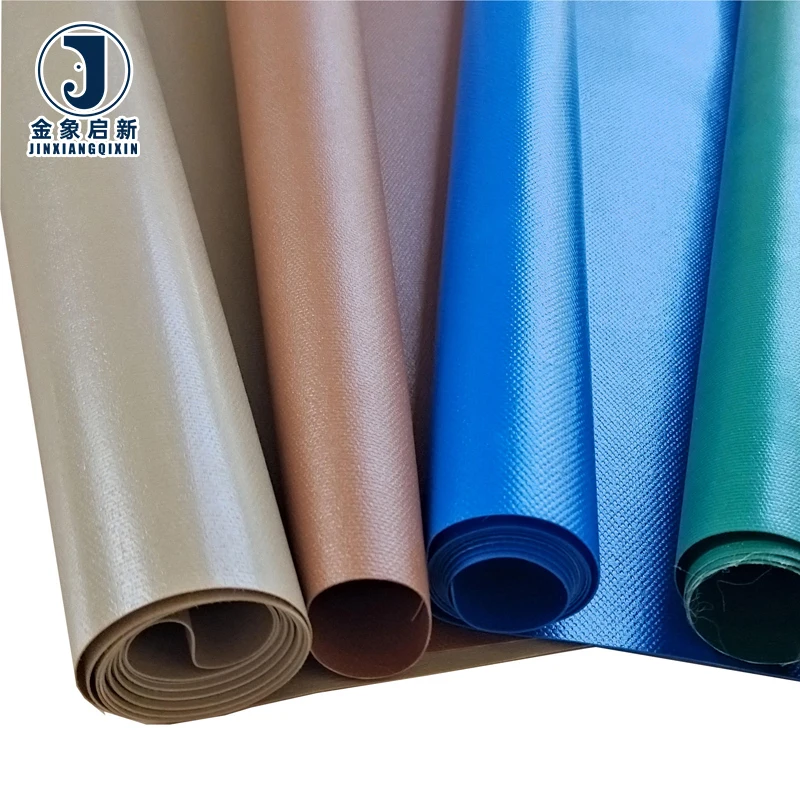
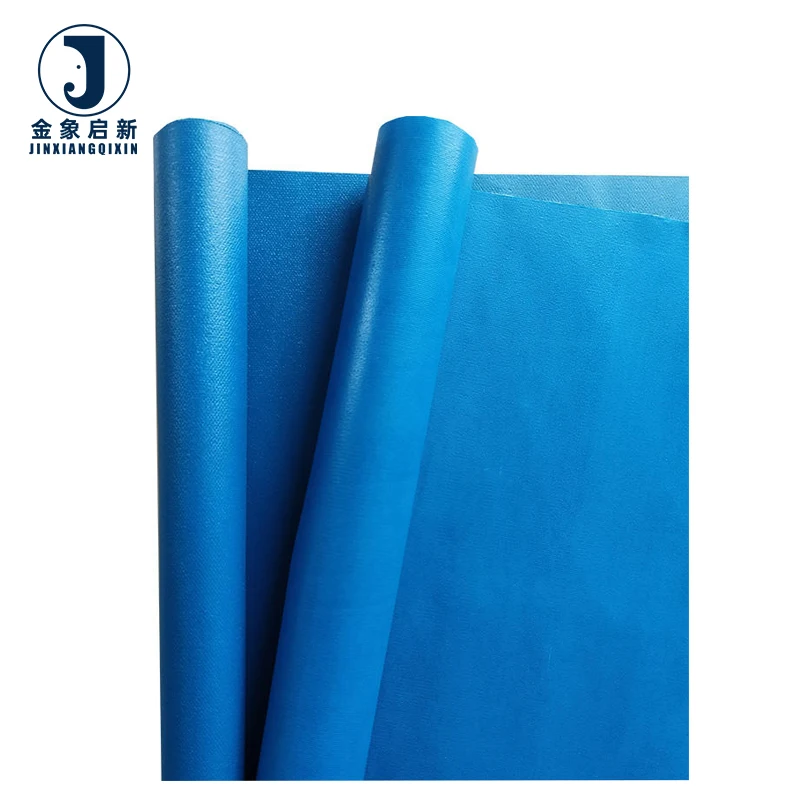
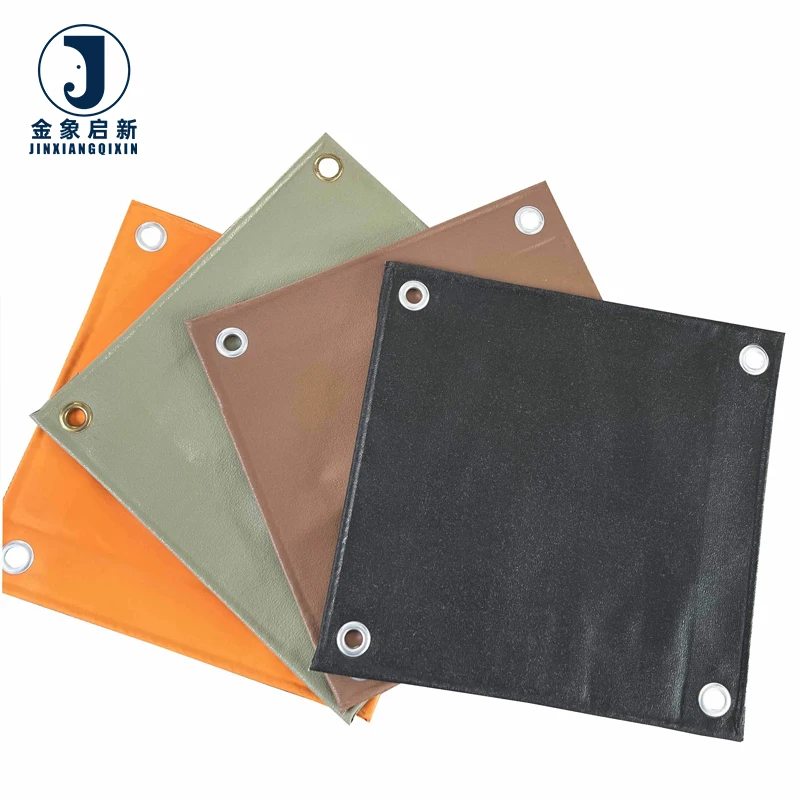
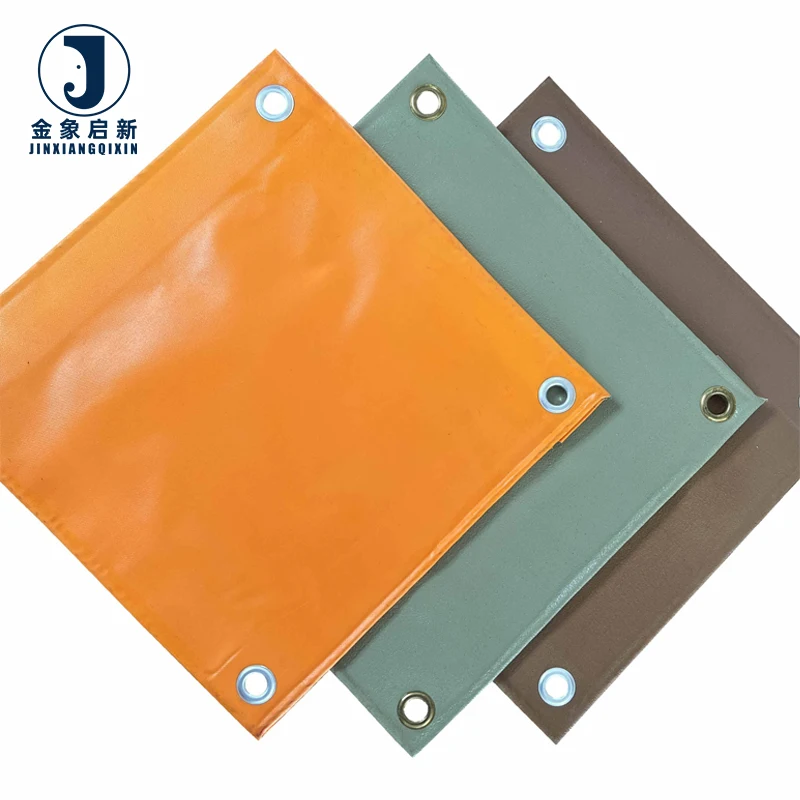
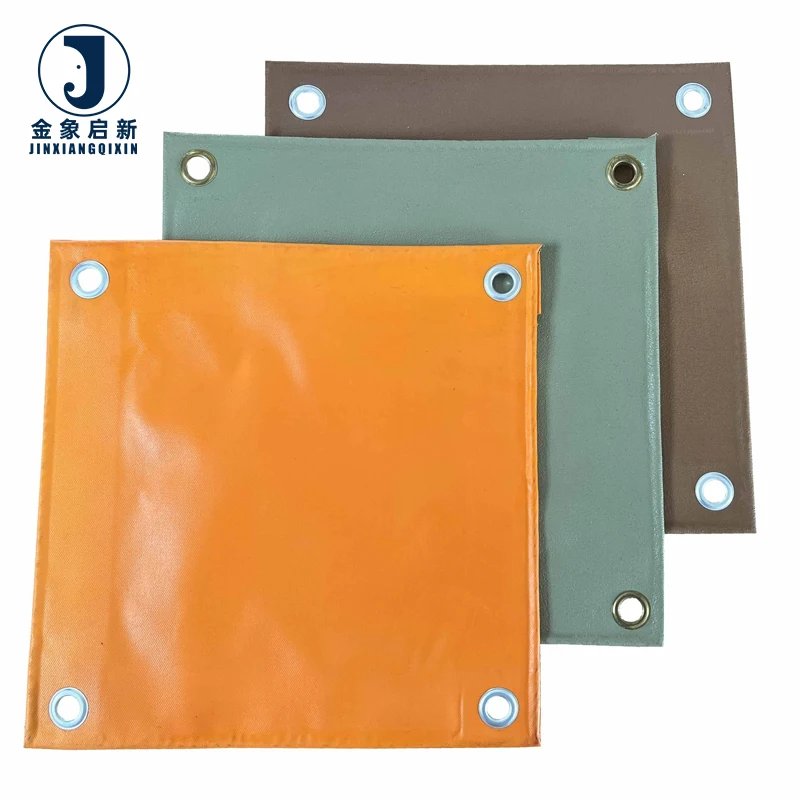
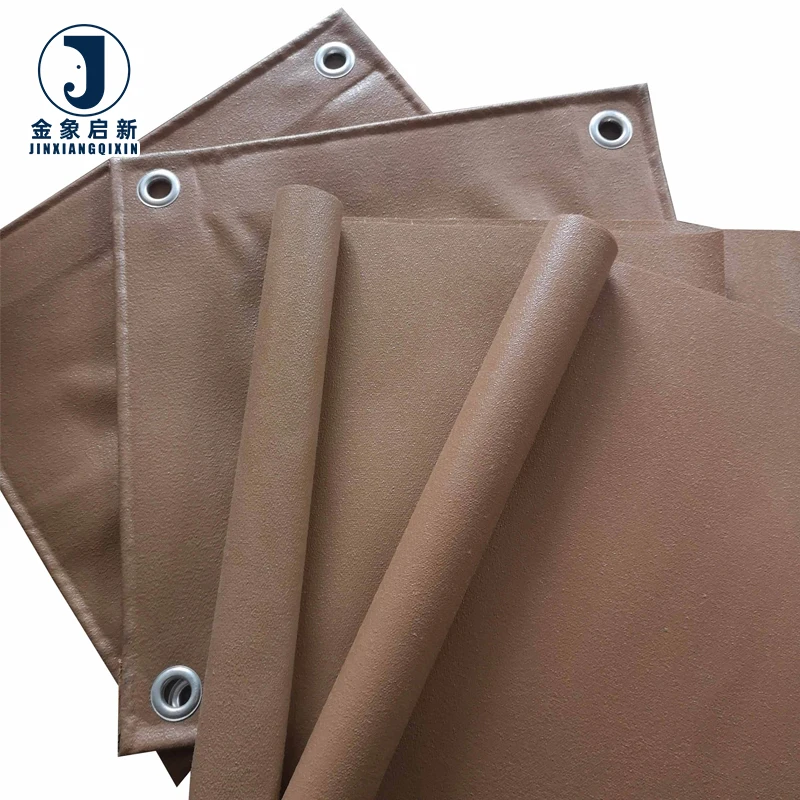
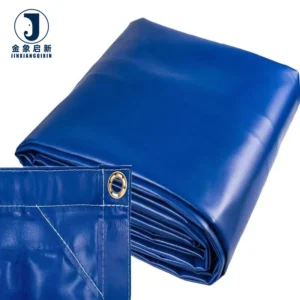
PVC Coated Tarpaulin Roll — 500 GSM, 1000D base fabric, waterproof to ≥20KPa, heat-welded seams, low-temp flexibility to -30°C.
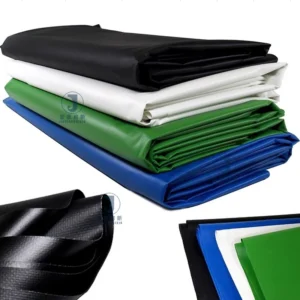
- Available in glossy or matte surface with custom width and length options
- Designed for truck covers, trailer side curtains, tents, awnings and heavy-duty outdoor protection
Roll-to-roll colour and thickness consistency maintained through in-process coating control across bulk orders, with 100% pre-shipment inspection and full documentation including test reports where applicable.
Description
Process-Controlled Coating — Every roll of PVC Coated Tarpaulin passes through dedicated QA/QC stages where weight and adhesion are verified before leaving the line, eliminating the guesswork buyers face when quoted specs do not match delivered material.
Technical Specifications
| Parameter | Value |
|---|---|
| Product Type | PVC Coated Tarpaulin |
| Base Fabric | 1000D |
| Weight | 500 GSM |
| Waterproof Performance | Anti-permeable ≥20KPa |
| Flame Retardant | ≤10 seconds |
| Low-Temperature Flexibility | Flexible at -30°C without fracture |
| Heat Seaming | High-frequency heat combined, water tight and crack resistant |
| Surface Options | Available in glossy or matte finish |
| Custom Width and Length | Available |
| Standards | ISO, CE |
Application Suitability
| Application | Exposure & Requirement |
|---|---|
| Truck and trailer side curtains | Constant flexing at tie-down points, road debris abrasion, sustained UV exposure |
| Tent and awning fabric | Prolonged sun exposure, wind-driven rain, repeated assembly and folding |
| Shipping boat covers | Salt spray, standing water, UV degradation, marine chemical contact |
| Carport and roof covers | Hail impact, thermal cycling, snow load, pooling water |
| Lumber and construction tarps | Outdoor storage exposure, forklift handling abrasion, wind uplift stress |
Why GSM Verification Matters More Than the Number on the Quote
A quoted GSM means nothing unless the roll on your dock weighs the same as the sample you approved.
Buyers who have received shipments lighter than specified know the cost is not just the missing grams — it is the failed tensile test, the rejected container, and the project delay. I have watched production runs where coating weight drifted during the shift, and the roll at the end of the line was measurably lighter than the first. That drift goes unnoticed unless someone is checking every roll against the stated specification before it is wrapped. [NEED_CITE: ISO 1421 tensile and tear test methods for coated fabrics] When the PVC Coated Tarpaulin Roll leaves the factory without that verification step, the buyer absorbs all the risk. This is why our QC protocol locks the coating parameters at the sampling stage and re-checks weight at multiple points through production, not just at the final audit.
Coating Adhesion and What It Controls in the Field
The bond between the PVC coating and the 1000D base fabric determines how the material behaves when it is heat-welded, flexed under load, or exposed to thermal cycling. Poor adhesion shows up first at the weld line — the coating separates from the yarn structure before the fabric itself reaches its tear limit. Every PVC Coated Tarpaulin Roll we produce goes through in-process adhesion checks so that the high-frequency heat seaming holds at flex points without delamination. This matters most on truck side curtains where the fabric flexes thousands of times per journey.
How Surface Finish Selection Affects Installation and Maintenance
Choosing between glossy and matte finish is not only about appearance. A glossy surface sheds dirt and water more readily, making it practical for truck covers and outdoor tarps that face road grime and mud. A matte finish reduces glare and provides better ink adhesion for printed branding, which matters when tent or awning manufacturers need logos to stay sharp through repeated weathering cycles. [NEED_CITE: surface treatment effects on print adhesion for PVC coated fabrics] The decision should match the end-use environment and any post-fabrication printing requirements.
Reading the Specification Sheet Beyond the Headline Number
The 1000D base fabric provides the structural skeleton, but the actual tear propagation resistance depends on the weave density and how tightly the PVC coating penetrates the yarn intersections. A 500 GSM weight achieved through heavy coating on a loose weave will perform differently from the same GSM achieved with a tight weave and controlled coating thickness. The anti-permeable rating of ≥20KPa confirms waterproof integrity under hydrostatic pressure, which matters for pond liners and boat covers where standing water creates sustained load. Low-temperature flexibility to -30°C without fracture ensures the material does not become brittle during winter transport or cold-storage applications, preventing crack propagation at fold lines.
What Happens When the Wrong Specification Reaches the Job Site
Specifying a PVC Coated Tarpaulin Roll without confirming flame retardant grades against local fire codes can halt a construction project at the inspection stage. The ≤10-second flame retardant rating must be matched to the specific classification your market requires — B1, M2, NFPA 701, or another standard — and backed by a test report that references the actual batch supplied. [NEED_CITE: DIN 4102 fire classification for building materials] Colour inconsistency across rolls in the same container becomes visible the moment two panels are installed side by side on a tent or awning frame, forcing a full replacement rather than a panel swap. Welded seams that fail before the fabric does usually trace back to heat-seaming parameters that were not calibrated to the specific coating formulation and GSM of the batch being fabricated.
Why Buyers Keep Coming Back for Repeat Orders
Our production runs maintain roll-to-roll colour and thickness consistency because coating parameters are locked after sample approval and monitored through every shift, not adjusted by operator judgment alone. The 10-person R&D team handles material selection and sample development so that custom width, colour, or treatment requirements are resolved at the sampling stage rather than discovered as defects in the bulk shipment. Dedicated QA/QC at every production stage means the 100% pre-shipment inspection is a verification of controls already in place, not a first-time check. High-frequency heat-welded seams are calibrated to the specific coating formulation so the weld outlasts the fabric at the points where load flex is highest. Custom sizing and treatment options are developed within days at the sample stage, keeping lead times predictable for bulk orders.
Documentation & Verification
- Material specification sheet confirming 500 GSM, 1000D base fabric, coating weight, and colour reference per roll
- Test reports for flame retardant ≤10-second rating matched to the specific production batch
- ISO and CE certificates covering the PVC coated tarpaulin production process
- 100% pre-shipment inspection record with roll-by-roll weight verification against quoted GSM
- Roll packing list and certificate of origin included for customs clearance
- Sample approval documentation linking bulk production to the buyer-signed specification
Fabrication, Handling & Storage
- High-frequency heat seaming parameters must be calibrated to 500 GSM coating weight for water-tight welds
- Store rolls upright on pallets to prevent permanent creasing in the 1000D base fabric
- Allow material to acclimatise before unrolling in low-temperature conditions below -30°C
- Use PVC-compatible cleaners only — solvent-based products degrade the glossy or matte coating surface
- Cut patterns should account for custom width to minimise offcuts and seam count on large covers
- Reinforce tie-down and eyelet zones with additional heat-welded patches at high-stress flex points
Getting a Quote That Matches Your Actual Requirement
To price and specify accurately, share the end-use application and the environmental exposure conditions the fabric will face — sustained UV, chemical contact, or mechanical abrasion. Confirm whether your market requires a specific flame retardant classification and whether third-party certification is needed for site inspection. Let us know the required roll width and whether you need the PVC Coated Tarpaulin Roll supplied as stock rolls or pre-cut to finished dimensions. If colour consistency or printed branding is critical, request a production sample before bulk confirmation so that the finish and weight are locked to your approval.
Frequently Asked Questions
Q: How is the actual GSM verified against the quoted specification before shipment?
A: Each roll is weighed during the pre-shipment inspection and compared against the 500 GSM stated on the material specification sheet. The inspection record documents the result per roll, and any deviation is flagged before dispatch. Coating parameters are locked at sample approval and monitored throughout production to prevent weight drift.
Q: Can flame-retardant treatment be certified with third-party test reports?
A: Yes. The ≤10-second flame retardant rating can be supported by test reports referencing the specific batch. Buyers should confirm which classification — such as DIN 4102, NFPA 701, or M2 — their local fire code requires so the correct test standard is applied and documented before shipment.
Q: What is the lead time and minimum order for custom width or colour?
A: Custom width and colour orders go through a sample approval step where the specification is locked before bulk production. Lead times and minimums depend on the specific width and treatment combination required. Share your target dimensions and annual volume so we can confirm the production schedule.
Q: How do you ensure colour consistency across multiple rolls in the same container?
A: Coating colour is matched to a reference standard approved at the sample stage and monitored through in-process controls during each production shift. The pre-shipment inspection includes a visual check across rolls. Any variation outside the approved tolerance is held back before the container is loaded.
Q: What documentation is included with each shipment for customs and compliance?
A: Every shipment includes a material specification sheet confirming GSM and base fabric details, ISO and CE certificates, a roll packing list, certificate of origin, and the pre-shipment inspection record. Test reports for applicable treatments are matched to the production batch and included where required by the buyer’s market regulations.
Related products
-
Lona de PVC Brillante 650GSM 1000D*1000D 23*23 1.50*50M/R para Cubierta Multiuso MUESTRA GRATIS
¥2.70 Add to cart -
Lona plana recubierta de PVC de alta calidad, a prueba de viento y agua, para uso en refugios industriales.
¥0.53 Add to cart -
Cubierta de industria de tarpaulines de poliéster recubiertos de vinilo con bordes reforzados de PVC de caucho rip-stop para camiones
¥8.00 Select options This product has multiple variants. The options may be chosen on the product page -
Fabricante de Lona de PVC Resistente al Agua de Poliéster de 650gsm de Mejor Calidad
¥1.25 Select options This product has multiple variants. The options may be chosen on the product page