11346
Description
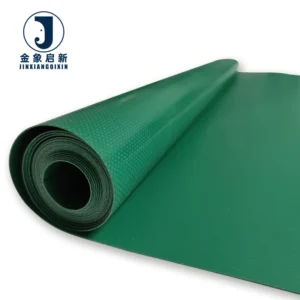
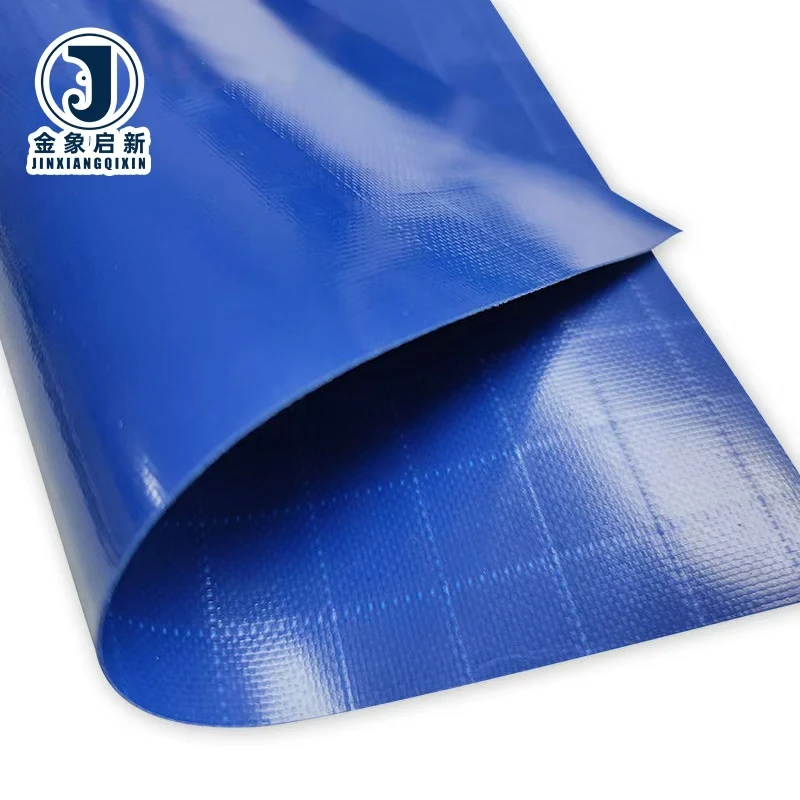
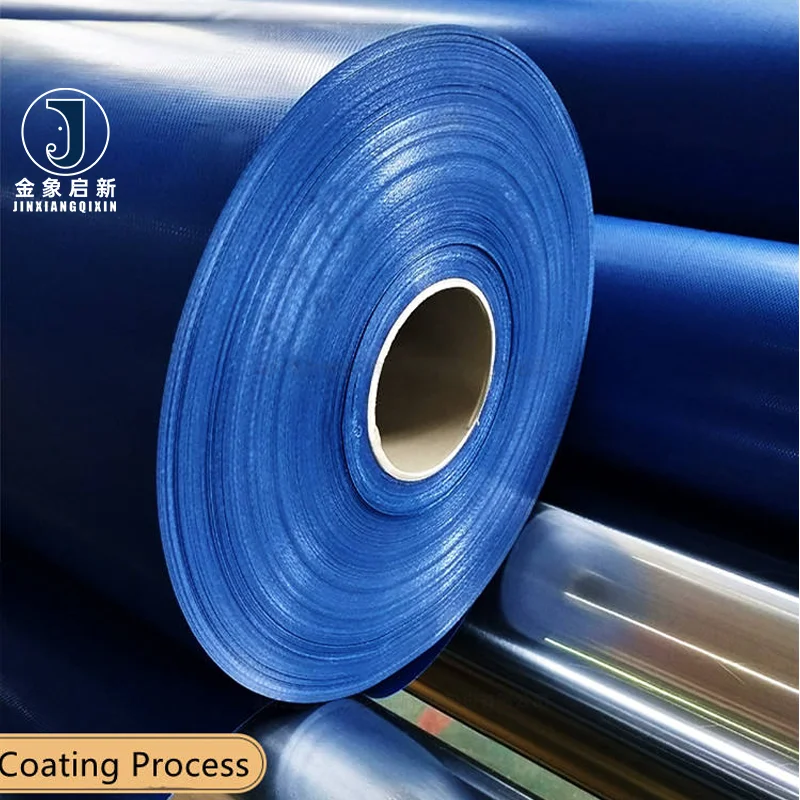
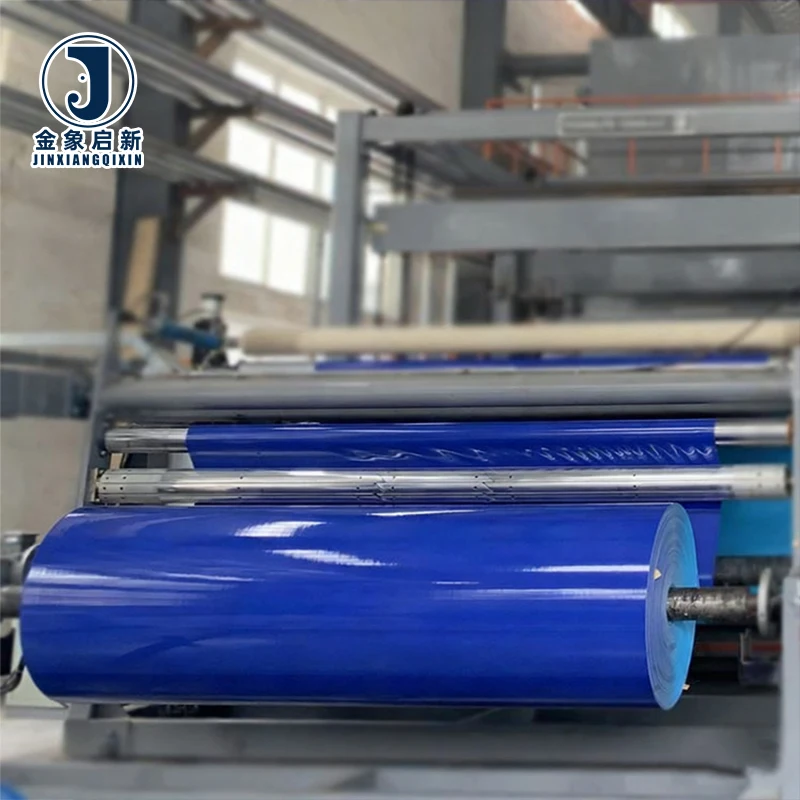
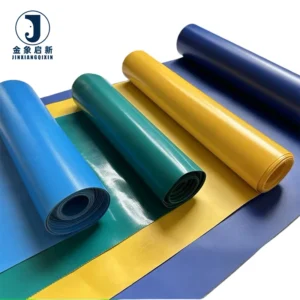
Process Control Depth — Coating weight and adhesion are managed across every production run, ensuring the PVC tarpaulin roll you receive matches the agreed specification before it leaves the factory.
Technical Specifications
| Parameter | Value |
|---|---|
| Product Type | PVC Tarpaulin Roll |
| Material | HDPE weaving with LDPE lamination on both sides |
| Weight (GSM) | 50 g/m² – 300 g/m² (confirm grade for your application) |
| Thickness | 0.2 mm – 0.4 mm (8 mil – 16 mil) |
| Mesh Count Options | 6×6, 6×7, 7×7, 7×8, 8×8, 9×9, 8×10, 10×10, 12×12, 14×14, 14×16 |
| Roll Width | 6 ft, 8 ft, 10 ft, 12 ft, 2 m, 4 m, 6 m |
| Roll Length | 100 yards, 100 meters, or custom |
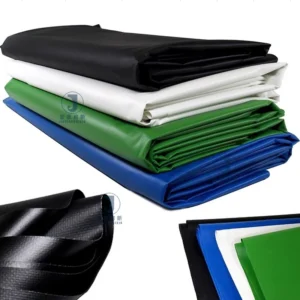
| Color | Blue, Blue/Orange, Green, Grey, Black, Clear, Grey/Green, Orange, or custom |
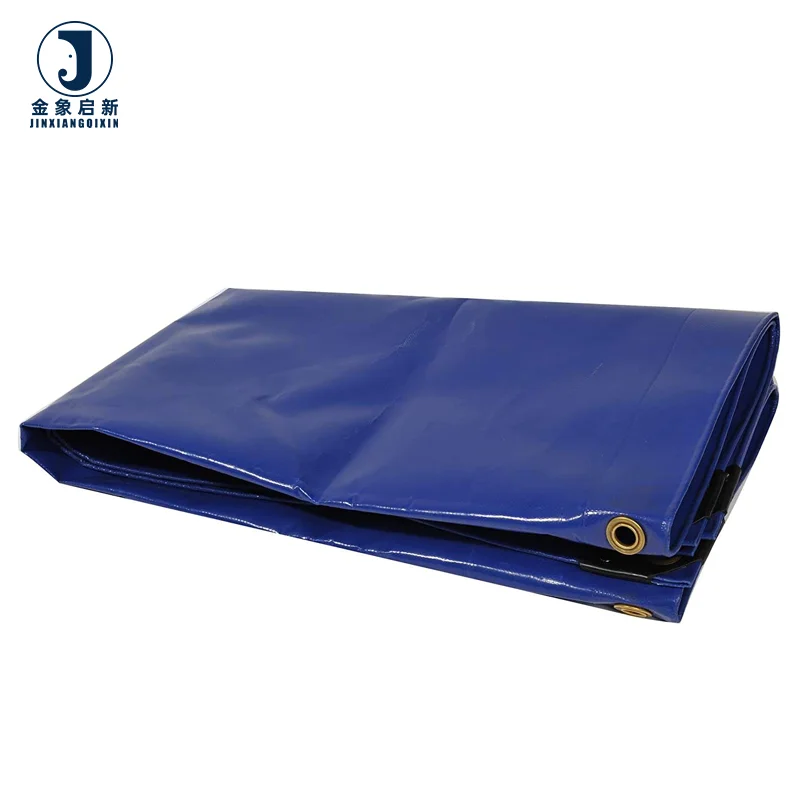
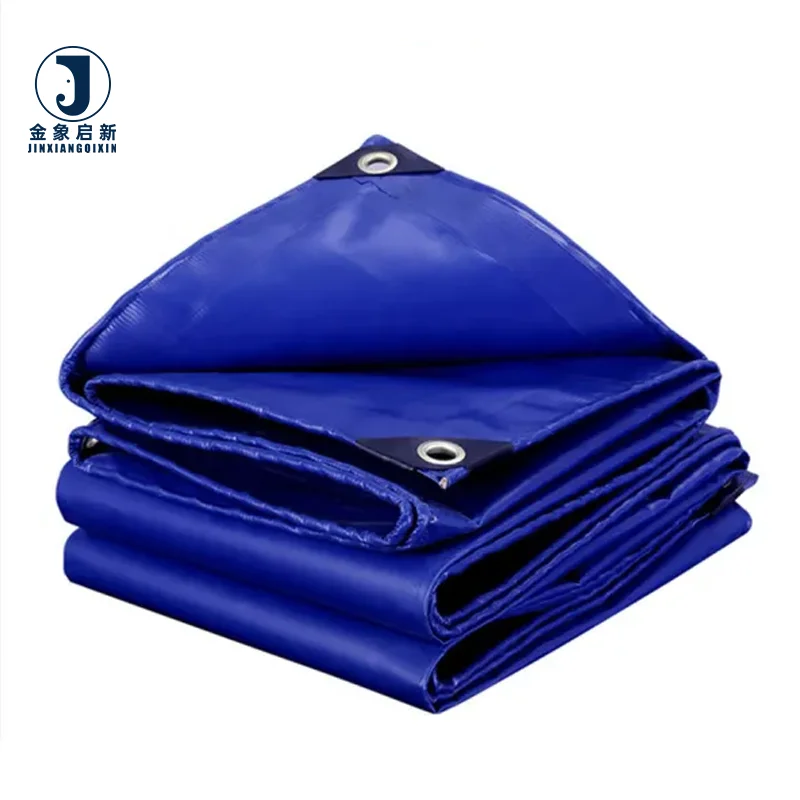
| Edge Reinforcement | PP rope in hem on all four edges (finished tarpaulin) |
| Eyelets | Galvanized, every 3 ft or 1 m interval (finished tarpaulin) |
| Corner Reinforcement | Reinforced plastic corners (finished tarpaulin) |
| UV Treatment | Available (confirm grade required for your market) |
| Key Features | Waterproof, washable, tear resistant, mildew proof, anti-aging |
| Certifications | ISO and CE (company level — confirm product-specific scope) |
Application Suitability
| Application | Exposure & Requirement |
|---|---|
| Tent and temporary structure construction | Continuous outdoor weathering, wind load, repeated assembly and teardown |
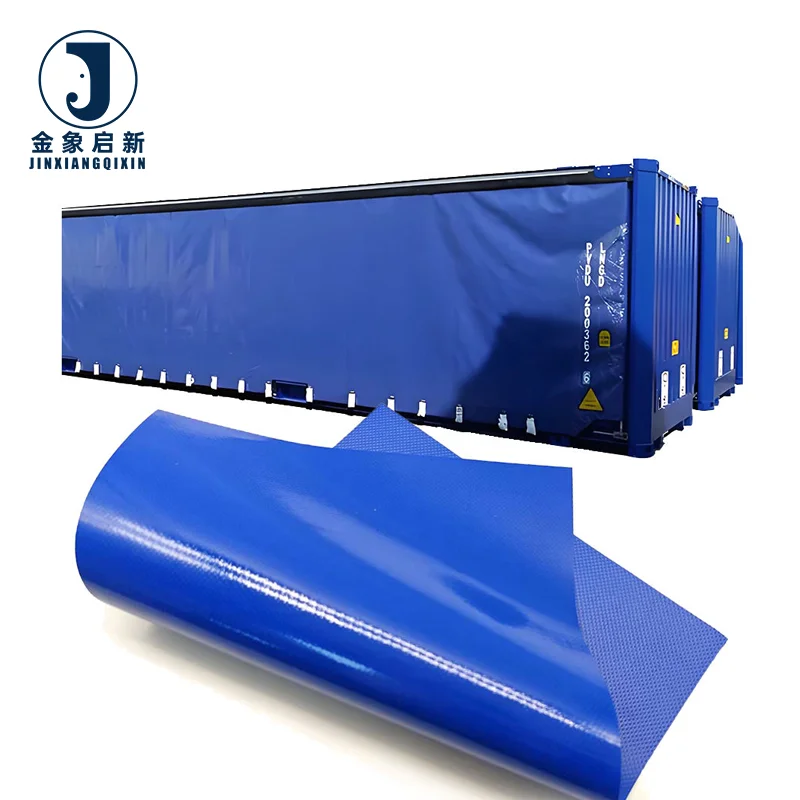
| Truck and vehicle covers | Road abrasion, flexing at load points, rain and spray exposure |
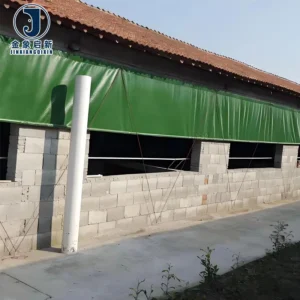
| Construction scaffolding wraps | UV exposure, wind-driven rain, site dust and debris contact |
| Agricultural crop and timber covers | Prolonged sun exposure, moisture ingress prevention, fungal growth resistance |
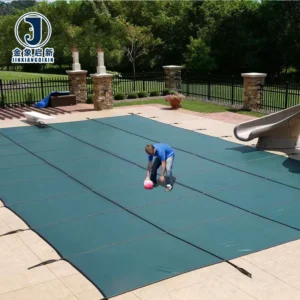
| Swimming pool and garden furniture covers | Permanent water contact, chlorine or chemical splash, seasonal storage cycles |
| Container and boat covers | Salt spray, UV degradation, mechanical abrasion during transit |
Why a Specification Sheet Means Little Without Per-Roll Verification
Every roll is weighed and checked against the stated GSM before dispatch — the number on the quotation is the number on the inspection record.
Purchasing PVC tarpaulin roll stock in bulk often reveals a gap between what was quoted and what arrives. The material feels lighter on the roll, the weave looks less dense under light, and the tensile behaviour during fabrication does not match expectations. These discrepancies compound when the roll is cut and welded into finished covers or tent panels, where underweight fabric fails first at stress points. [NEED_CITE: GSM verification methods for coated and laminated fabrics per ISO 3801] Sourcing from a single production line with in-process quality checks eliminates the variability that multi-source supply chains introduce.
Full Product Family Coverage from One Production Source
Consolidating your PVC tarpaulin roll requirements across multiple grades and widths usually means dealing with several suppliers, each with different lead times, minimums, and colour matching standards. This range spans 11 mesh count options from 6×6 to 14×16, with widths from 6 ft to 6 m and lengths at 100 yards or 100 metres standard. Custom widths and lengths are available for project-specific cutting plans, reducing off-cuts and weld seams in the finished product.
Batch Consistency Across an Entire Container Order
Colour variation between rolls in the same shipment is a common complaint among tarpaulin distributors who supply end users installing covers side by side. Consistent pigment dosing and lamination temperature control across the production run keep colour uniform from the first roll to the last. Pre-shipment inspection records document per-roll checks so you can verify consistency before the container is sealed. [NEED_CITE: colour fastness and batch matching standards for coated textiles]
Weave Density, GSM, and What They Mean for Tent Fabrication
The relationship between mesh count and GSM determines how the fabric behaves during cutting, welding, and installation. A 6×6 weave at lower GSM produces a flexible, lightweight sheet suited to temporary covers where drape matters more than structural load. Moving to a 10×10 or 14×16 weave increases the yarn count per square inch, raising tear resistance and providing a more stable substrate for heat-welded seams. The LDPE lamination on both sides of the HDPE woven base delivers balanced waterproof performance, while the total thickness range of 0.2 mm to 0.4 mm positions this fabric across light-duty and medium-duty application bands. Specifying the correct weave and GSM combination at the inquiry stage avoids the cost of replacing rolls that prove too light or too stiff for the intended fabrication method.
The Hidden Cost of Choosing the Wrong Weave for Your Market
Stocking a single weave density across all applications leads to over-supply in some segments and premature failure in others. A 6×6 mesh sold to a construction contractor for scaffolding wrap will tear at the eyelet under wind load, generating claims and eroding margin. Conversely, specifying a 14×16 weave for agricultural crop covers adds cost the farmer will not pay for. The financial impact shows up as dead stock, returns, and lost accounts — all traceable to a specification mismatch that could have been resolved with a sample test before the container order. [NEED_CITE: tear propagation test methods for woven laminated fabrics per ISO 13937]
Production Capability Behind Every Roll Shipped
Three full production lines and 36 sets of professional equipment maintain throughput on bulk PVC tarpaulin roll orders while preserving coating consistency across long runs. The 10-person R&D team develops custom width, colour, and print samples within days, shortening the approval cycle before production starts. A dedicated QA/QC process at every production stage catches GSM deviation, colour drift, and lamination adhesion issues before they reach the packing area. The 100% pre-shipment inspection means every roll in your container has been individually verified against the order specification. Material specification sheets ship with each order, stating GSM, base fabric weave, and coating type so your downstream customers receive documented traceability.
Documentation & Verification
- Per-roll GSM verification record matching the stated weight before dispatch
- Material specification sheet listing weave density, coating type, and colour reference for each grade
- Test reports for UV treatment grades where applicable to the selected product variant
- ISO and CE certificates covering the production facility scope
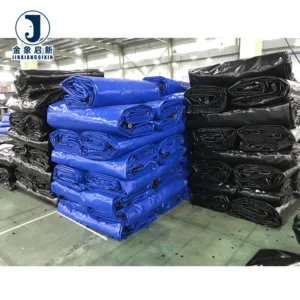
- Roll packing list with hard paper tube core and outer tarpaulin wrap identification
- Container loading plan by roll count and weight for 20’GP and 40’HQ
Fabrication, Handling & Storage
- Heat-weld settings should be adjusted to the specific GSM and lamination thickness before production runs begin
- Galvanized eyelets at 1 m intervals distribute tie-down loads across the PP rope reinforced hem
- Store rolls upright on the hard paper tube core to prevent flat-spotting and permanent crease damage
- Allow rolls to acclimatise before unrolling in cold conditions to avoid cracking the LDPE lamination surface
- Use mild detergent and soft brush for cleaning — avoid solvents that degrade the laminated coating bond
- Plan cut patterns around the roll width to minimise transverse welds and maximise yield per roll
Start Your Specification Conversation
Tell us the application, the exposure conditions your end users face, and the target compliance requirements in your market. Confirm the weave density and GSM you need, the roll width and length for your cutting layout, and whether you require finished sheets with eyelets or roll stock only. If colour matching or custom printing is part of the brief, request a sample before committing to production volume.
Frequently Asked Questions
Q: How is GSM verified per roll before shipment?
A: Each roll passes through a weighing and measurement checkpoint where the actual GSM is recorded against the specification sheet. The pre-shipment inspection report lists per-roll values so you can confirm the weight matches what was quoted before the container is loaded and sealed.
Q: What weave density and GSM should I stock for my market?
A: It depends on your downstream applications. Light-duty agricultural and temporary covers typically use lower GSM with 6×6 or 7×7 weave, while construction scaffolding and truck covers benefit from denser 10×10 or 14×16 mesh at higher GSM. We can provide samples across grades so you can test before committing to volume.
Q: How do you ensure colour consistency across rolls in one order?
A: Pigment dosing and lamination temperature are controlled across the full production run. Rolls from the same batch are inspected side by side before packing. The inspection record documents colour consistency checks so you can verify uniformity before the shipment leaves the facility.
Q: What container loading options are available?
A: Rolls can be loaded by roll on hard paper tube cores, compressed into bales, or packed in cartons depending on your handling preference and the grade ordered. Loading plans specify the tonnage and unit count for both 20’GP and 40’HQ containers so you can optimise freight cost per kilogram.
Q: Can I order custom width and colour, and what is the minimum per SKU?
A: Custom widths up to 6 m and bespoke colours are available with sample approval before production. Minimum quantities depend on the specific width, colour, and GSM combination requested. Submit your requirements and we will confirm the minimum and lead time for your particular specification.
Related products
-
Venta caliente de lona de camping grande y resistente al agua para uso exterior, lona laminada de PVC de 500gsm.
¥3.20 Add to cart -
Wholesale PVC Coated Breathable Tarpaulin Fabric Rolls Waterproof Fire-Retardant for Boys & Girls Outdoor Use
¥0.79 Select options This product has multiple variants. The options may be chosen on the product page -
Lona enrollable de PVC recubierta resistente al fuego y al agua para materiales de cubierta de camiones, tiendas de campaña y uso al aire libre.
¥1.40 Add to cart -
Venta al por mayor de rollo de lona impermeable para exteriores de 650 Gsm, rollo de tarpaulina industrial recubierta de PVC para tienda.
¥1.26 Select options This product has multiple variants. The options may be chosen on the product page