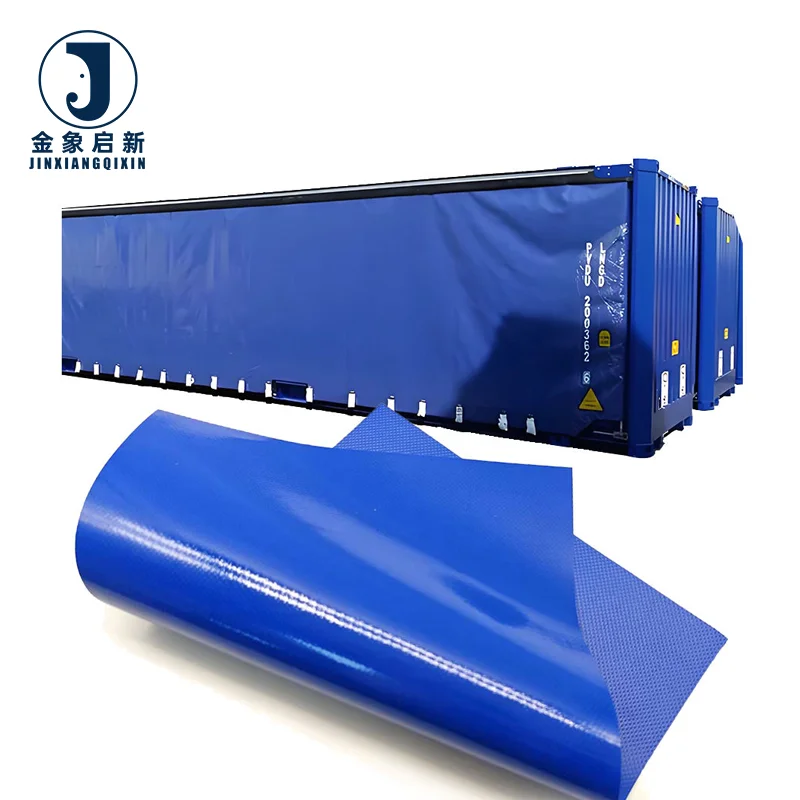
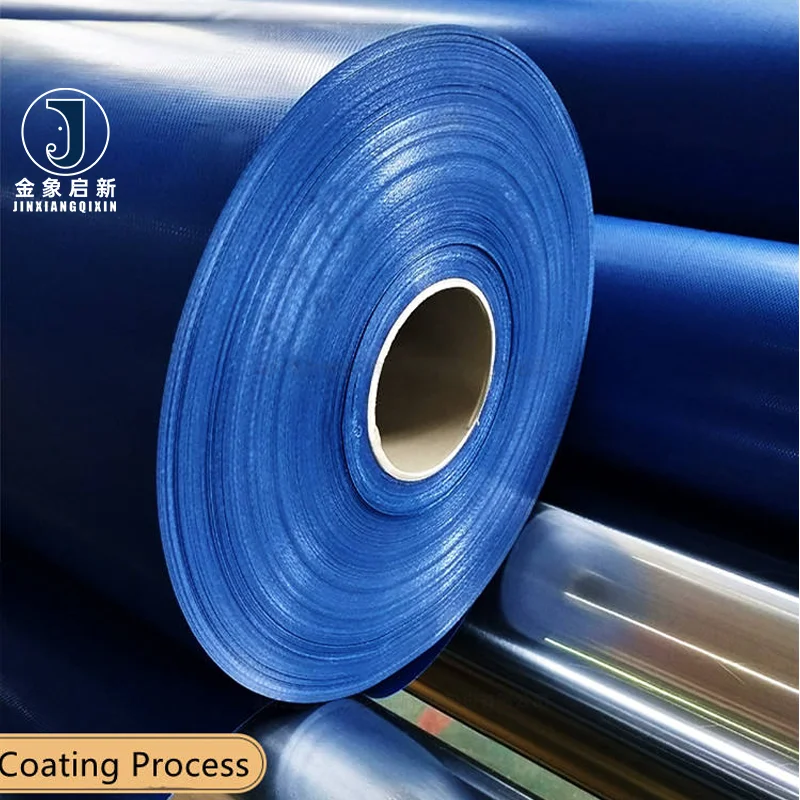
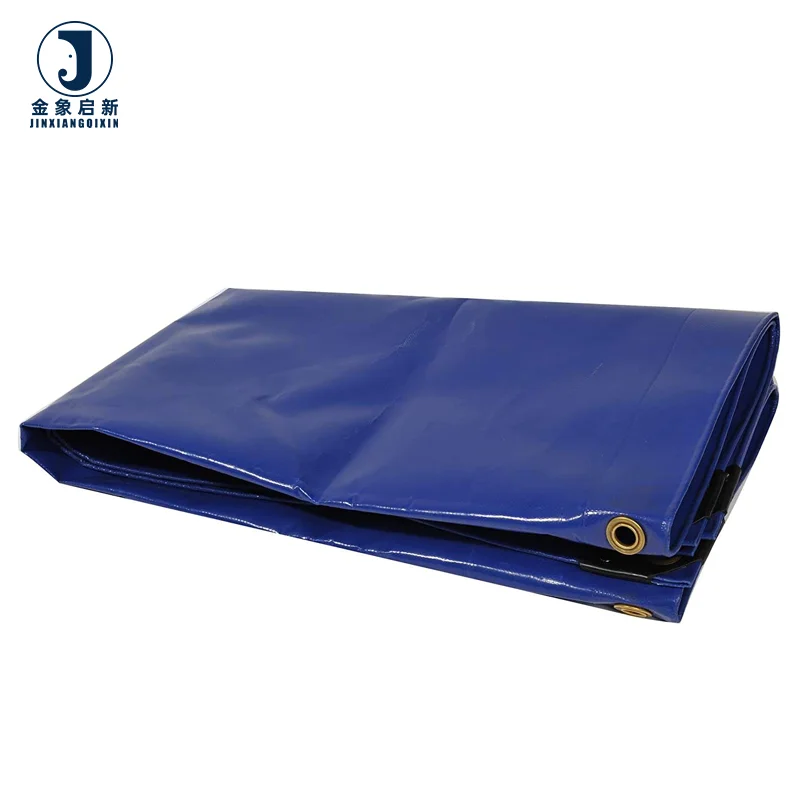
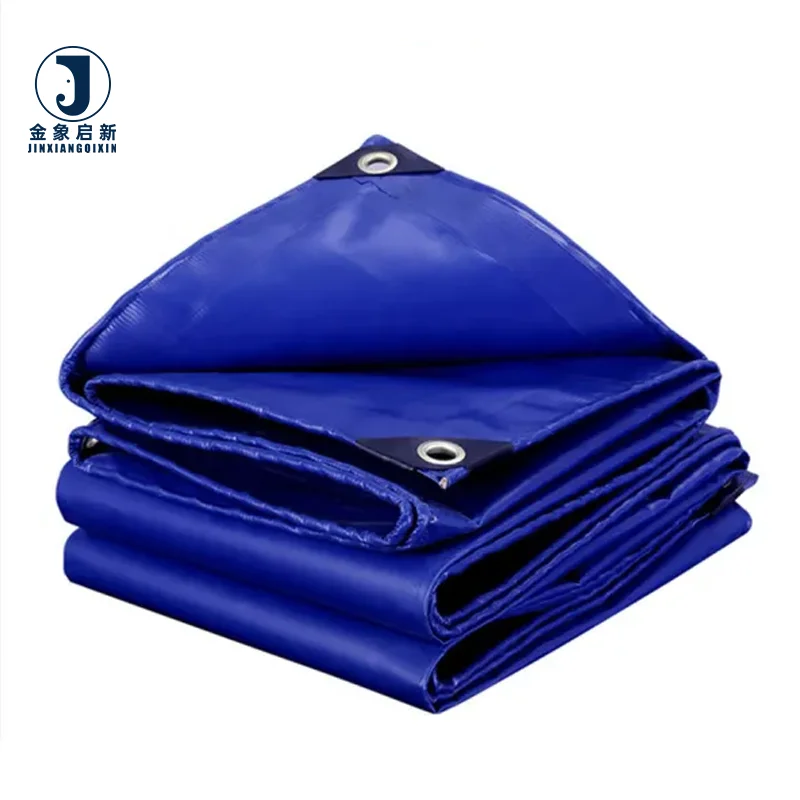
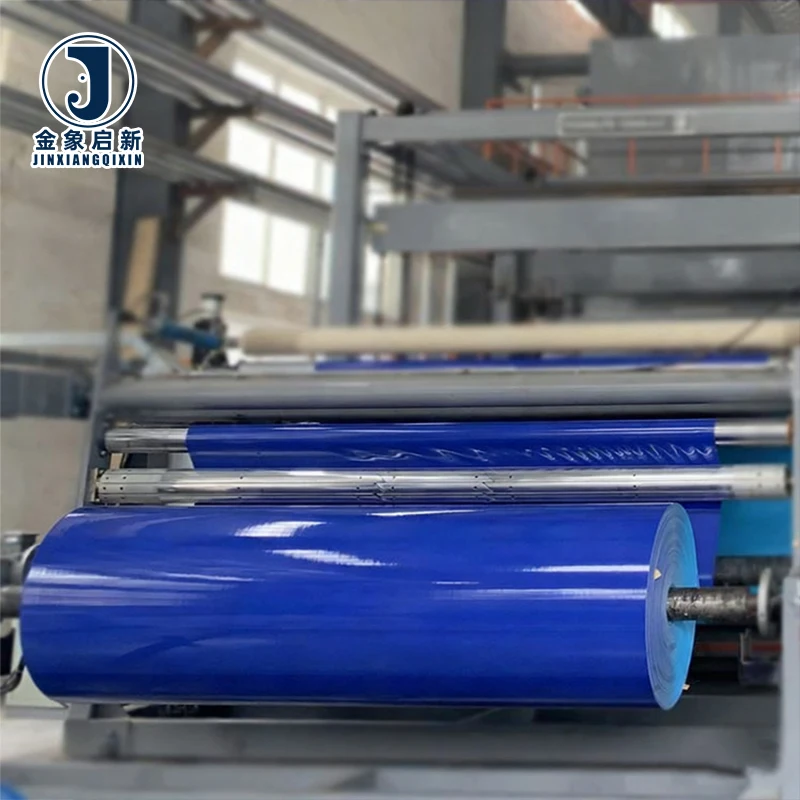
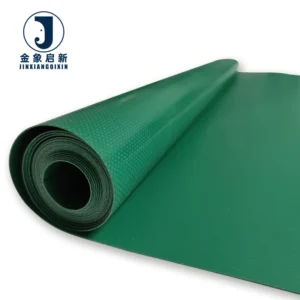
PVC Coated Tarpaulin Roll for tent construction, available in 2m–6m widths and 50–220gr/m² GSM grades with HDPE woven base and LDPE lamination.
Roll-to-roll weight and colour consistency depend on coating control at every stage. Weave density from 6×6 to 14×16 directly affects tensile strength and cut-to-fit yield for tent panels.
- Backed by 30 years of coated fabric expertise, 3 full production lines, and 100% pre-shipment inspection with full test documentation.
Description
Process-Controlled Coating — Every roll of PVC Tarpaulin Roll is weighed and inspected against the stated specification before leaving the line, preventing short-weight delivery.
Technical Specifications
| Parameter | Value |
|---|---|
| Product Type | PVC Coated Tarpaulin |
| Material | HDPE weaving with LDPE lamination on both sides |
| Width Options | 6ft / 8ft / 10ft / 12ft / 2m / 4m / 6m |
| Length Options | 100 yards / 100 meters / Custom |
| GSM Range | 50gr/m² ~ 220gr/m² |
| Thickness | 0.2-0.4mm / 8mil-16mil / Custom |
| Weave Density | 6×6 / 6×7 / 7×7 / 7×8 / 8×8 / 9×9 / 8×10 / 10×10 / 12×12 / 14×14 / 14×16 |
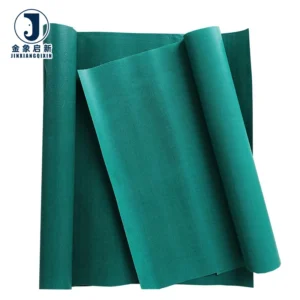
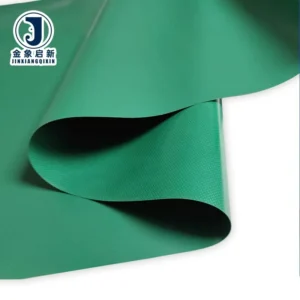
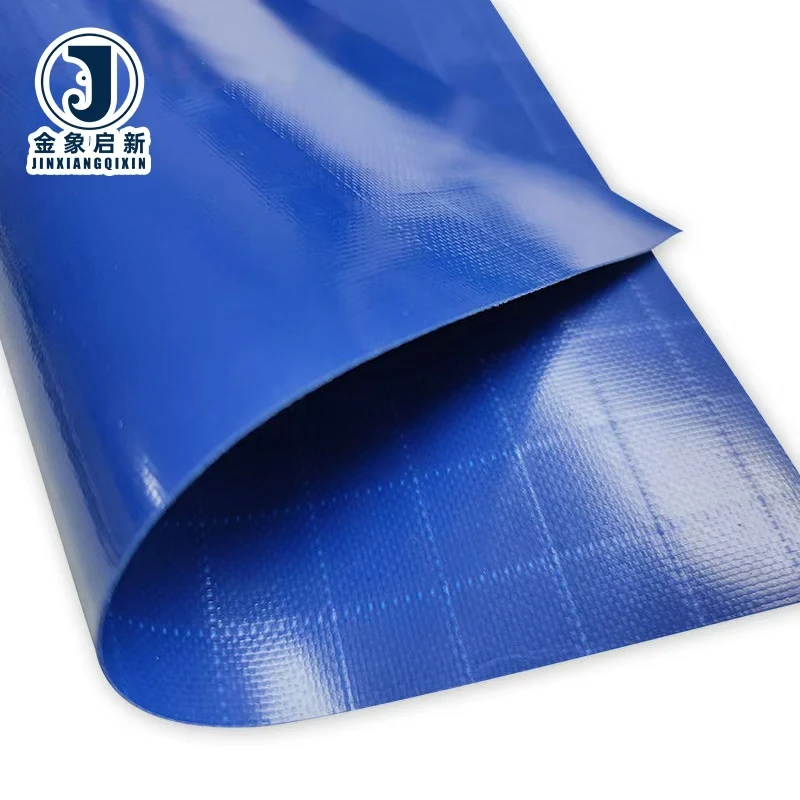
| Color Options | Blue / Blue-Orange / Green / Grey / Black / Clear / Grey-Green / Orange / Custom |
| Treatment | Waterproof / UV Resistant / Anti-aging / Mildew Proof |
| Standards | ISO / CE |
Application Suitability
| Application | Exposure & Requirement |
|---|---|
| Tent construction | Sustained wind load, rain ingress, repeated assembly and tear-down stress at seams |
| Truck covers | Road vibration, constant flexing at load points, abrasion from cargo contact |
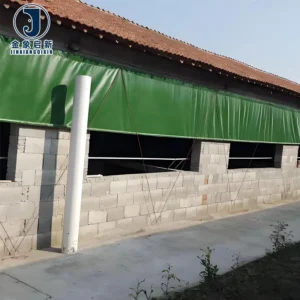
| Agricultural covers | Prolonged sun exposure, moisture trapping, chemical contact from fertiliser dust |
| Construction site covers | Debris impact, standing water, UV degradation over multi-month site duration |
| Industrial tarps | Machinery contact, forklift abrasion, dust and particulate contamination |
Why the GSM on the Quotation Is Not What You Receive
GSM deviation between the quoted specification and the delivered PVC Tarpaulin Roll is a coating-weight control failure, not a material defect.
I have watched containers get rejected at destination because the rolls arrived 10% lighter than the agreed weight. The buyer scales a sample cut, records the shortfall, and the entire shipment is held. In tent construction, where fabric tension carries the structural load, a lighter base fabric combined with a thinner coating layer means the panel stretches beyond design limits during wind events. The welds then separate at the stress concentration points before the fabric itself fails. [NEED_CITE: common causes of tarpaulin weld failure at flex points per ISO 1421]
How Roll-to-Roll Weight Consistency Is Achieved
When a PVC Tarpaulin Roll leaves the coating line, the GSM is a function of base fabric weight, coating formulation viscosity, and knife gap setting. On our three production lines, the coating head is calibrated at the start of each run and re-checked at intervals during continuous production. The R&D team adjusts formulation ratios when ambient temperature shifts alter coating viscosity. This process control is what keeps each roll within the specified weight tolerance across a full container load.
What Happens When Coating Adhesion Fails Before the Fabric Does
A coated fabric is only as strong as the bond between the HDPE weave and the LDPE lamination layer. If the lamination temperature or pressure is insufficient, the coating peels away from the base fabric at the point where the material flexes most — typically at welded seams or folded edges on tent frames. Once the coating separates, water channels through the delaminated zone and the structural integrity of the panel is compromised. [NEED_CITE: peel strength test methods for laminated tarpaulin fabrics]
Reading the Weave Density Against Your Application
The weave density — ranging from 6×6 up to 14×16 threads per square inch — determines how the load distributes across the fabric. A 6×6 weave with a lighter GSM suits temporary agricultural covers where cost and weight matter more than long-term tear resistance. A 14×16 weave at the upper GSM range gives tent builders the tensile stability needed for tensioned membrane panels that must resist sustained wind load without excessive stretch. The thickness, from 0.2mm to 0.4mm, further influences how the material handles at the folding and welding stage. Thinner gauges feed through high-frequency welders more predictably, while thicker gauges demand slower weld speeds and higher pressure to achieve full fusion at the seam.
The Hidden Cost of Specifying Width Without Considering Yield
Buyers often order a standard width and accept the offcuts as waste. When tent panels are cut from a 2m roll versus a 6m roll, the number of welded seams in the finished structure doubles or triples. Every additional seam is a potential failure point under load and an extra labour step on the factory floor. Specifying the correct roll width from the available range — 6ft, 8ft, 10ft, 12ft, 2m, 4m, or 6m — against your panel cutting layout reduces seam count and improves both structural reliability and production throughput.
When Colour Consistency Across a Container Load Breaks Down
A buyer orders two hundred rolls in the same blue for a tent rental fleet. Half the rolls come off one production run and the other half from a separate batch weeks later. When the tents are erected side by side at an event, the colour shift is immediately visible. This happens when pigment masterbatch ratios drift between runs or when the lamination temperature alters the surface gloss. [NEED_CITE: colour consistency measurement standards for coated fabric batches] Matching every roll in a single order to the same production run eliminates this risk.
Why This Source Supports Your Tarpaulin Programme
Three full production lines running 36 sets of professional equipment mean that volume orders of PVC Tarpaulin Roll are completed without outsourcing to secondary facilities where process control cannot be verified. The 10-person R&D team handles material selection and sample development, producing sample rolls within days so you can test weld parameters and confirm colour before committing to bulk. Dedicated QA/QC personnel inspect at every production stage rather than relying on end-of-line sampling. Full customization in width, length, colour, and treatment is supported without the extended lead times typically associated with made-to-order fabric.
Documentation & Verification
- Material specification sheet confirming GSM, HDPE base fabric weave, and LDPE lamination type per roll
- UV resistance and anti-aging treatment supported by test report upon request
- ISO and CE certificates included with shipment documentation
- Pre-shipment inspection record with per-roll weight verification
- Roll packing list with individual roll identification for traceability
- Certificate of origin and customs documentation provided for destination clearance
Fabrication, Handling & Storage
- Heat-seal LDPE-laminated rolls at moderate temperatures to avoid melting through the HDPE base weave
- Store rolls upright on hard paper tubes to prevent flat-spot deformation on the coating surface
- Allow cold-stored rolls to reach ambient temperature before unrolling to prevent coating crack
- Clean mildew-proof treated surfaces with mild detergent to preserve the anti-aging finish
- Cut panels from the specified width option to minimise welded seams in tent and cover assemblies
- Use sharp blades on 14×16 weave densities to prevent thread pull at the cut edge
What to Include in Your Enquiry
Specify the end-use application and the environmental exposure conditions — whether the fabric will face sustained UV, chemical contact, or mechanical abrasion. State the required roll width from the available range and the target annual volume so that production scheduling and batch consistency can be planned. If you need a custom colour or treatment combination, confirm whether a sample roll is needed for welding trials before bulk production proceeds.
Frequently Asked Questions
Q: How do you confirm the GSM of each PVC Tarpaulin Roll matches the quoted weight?
A: Every roll is weighed individually on calibrated scales after production and before packing. The recorded weight is logged against the roll identification number on the pre-shipment inspection record. Any roll falling outside the agreed tolerance is pulled from the shipment. The inspection record travels with the documentation package so you can verify on arrival.
Q: Can UV-resistant and anti-aging treatments be verified with test reports?
A: Yes. When UV-resistant or anti-aging treatment is specified, the corresponding test report is prepared and included with the shipment documentation. The test report references the treatment type applied and the test method used. Confirm the specific performance standard required by your destination market at the enquiry stage so the correct treatment grade is applied.
Q: What is the minimum order for custom widths or colours outside the standard range?
A: Custom widths and colours within the available range of 6ft to 6m and the listed colour options follow the standard production minimums. Fully bespoke colours or widths outside the listed range require a sample development phase. The R&D team typically produces sample rolls within days, and the confirmed minimum is quoted once the sample is approved.
Q: How is colour consistency maintained across multiple rolls in a single order?
A: All rolls in one order are scheduled on the same production run using the same pigment masterbatch and lamination settings. The QA team checks colour against the approved reference at intervals during the run. Rolls from separate batches are not mixed within a single order, which prevents the visible shade variation that occurs when tents are erected side by side.
Related products
-
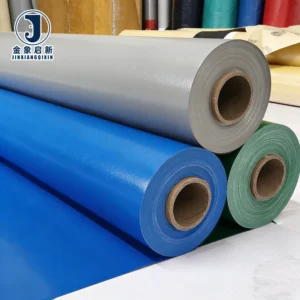
Fábrica de lonas 610gsm 650gsm 800gsm Toldos Tienda Tela Recubierta de PVC Impermeable Bache Lona PVC Lona de Tarpaulin Roll
¥1.45 Select options This product has multiple variants. The options may be chosen on the product page -
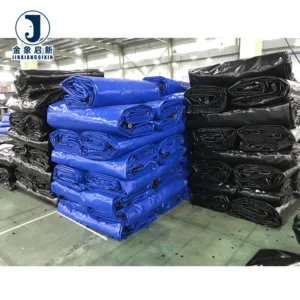
Venta al por mayor de rollo de lona impermeable para exteriores de 650 Gsm, rollo de tarpaulina industrial recubierta de PVC para tienda.
¥1.26 Select options This product has multiple variants. The options may be chosen on the product page -
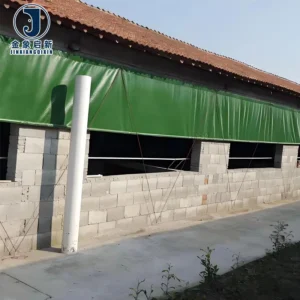
JX Lona de PVC Recubierta/Cubierta para Granja Impermeable Tienda de Tejido de Punto para Cerdo Broiler Oveja Pollo Estilo Sencillo
¥1.40 Add to cart -
Lona plana recubierta de PVC de alta calidad, a prueba de viento y agua, para uso en refugios industriales.
¥0.53 Add to cart