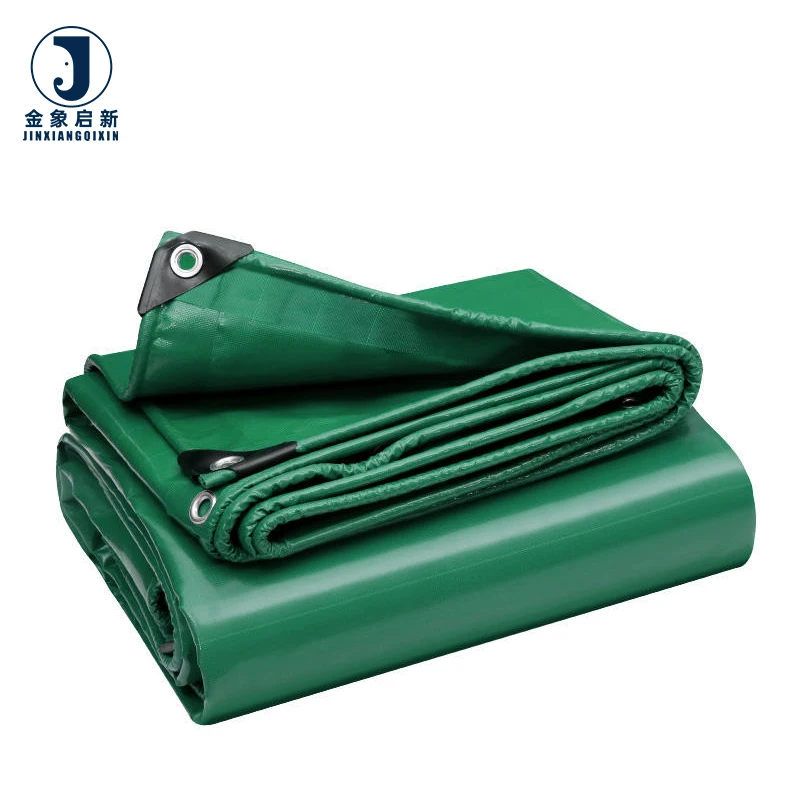
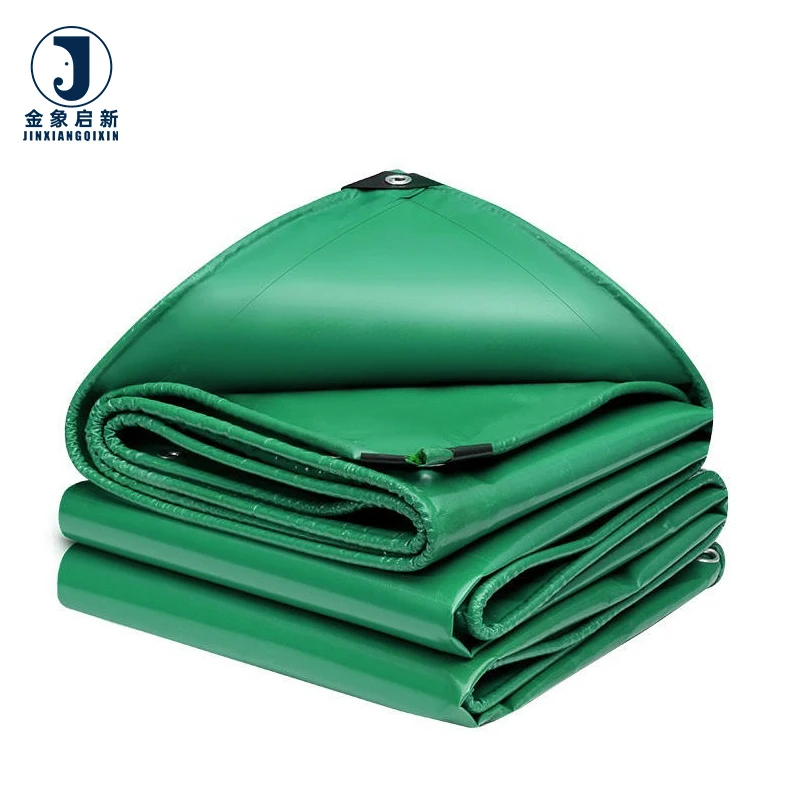
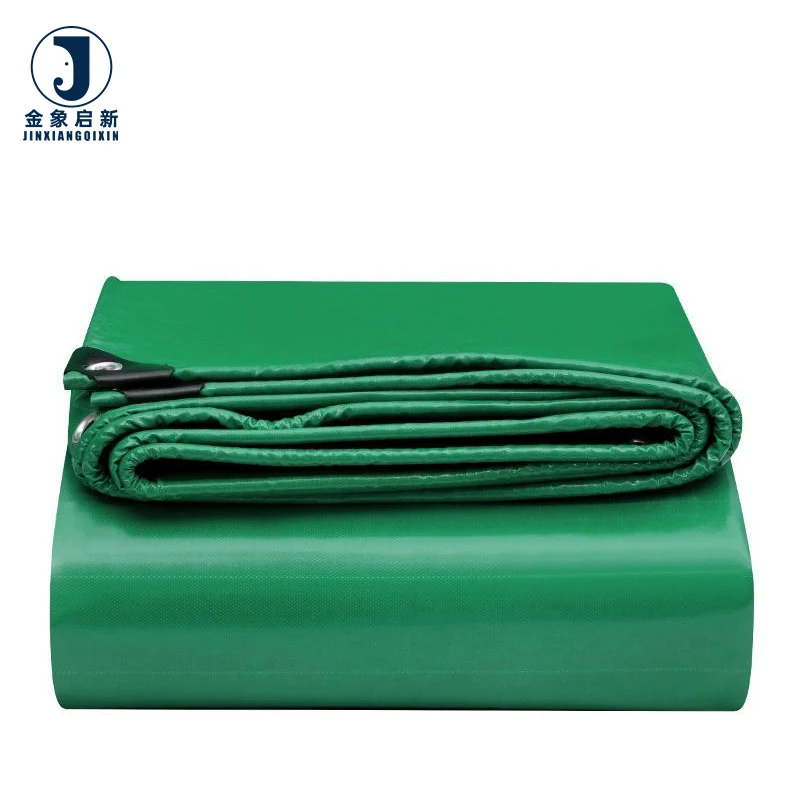
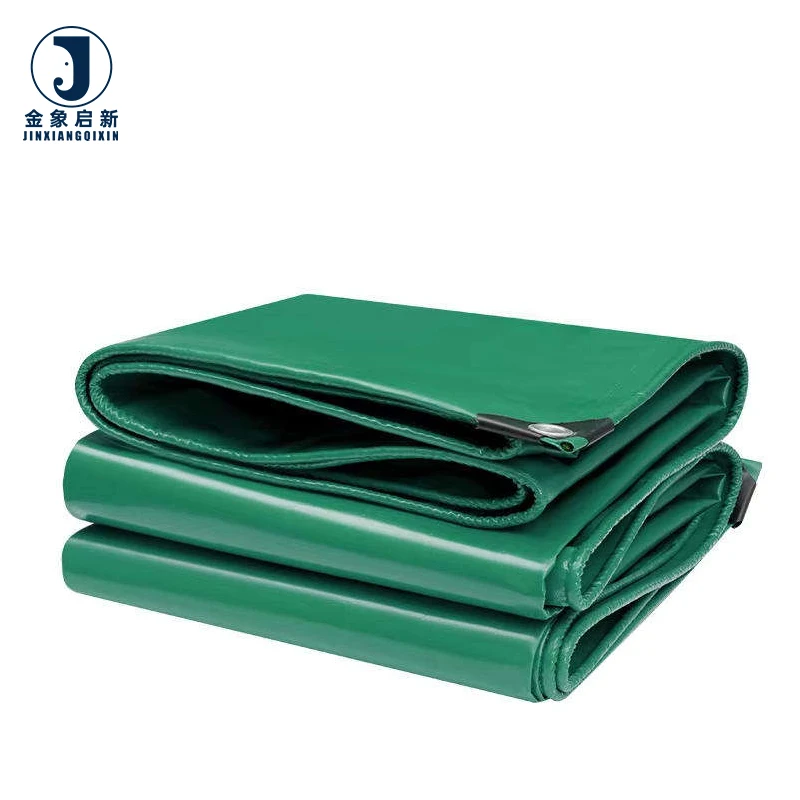
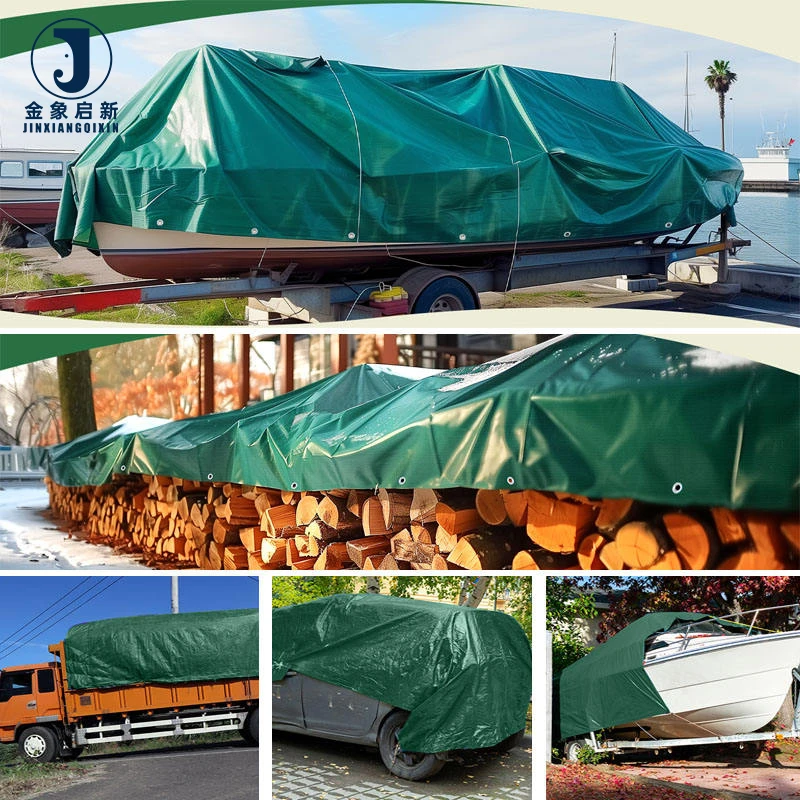
Backed by 30 years of coated-fabric process control, 100% pre-shipment inspection on every roll, and a 10-person R&D team for custom width, colour and print development.
Description
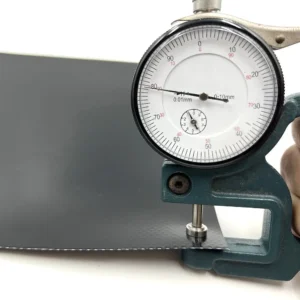
Process-Controlled Coating — every roll of PVC coated tarpaulin is backed by in-process QA at each production stage, with coating weight verified against the stated GSM before dispatch.
Technical Specifications
| Parameter | Value |
|---|---|
| Product Type | PVC Coated Tarpaulin |
| Coating Material | PVC |
| Weight (GSM) | 500 to 800 g/m² |
| Waterproof Rating | Anti-permeable ≥20KPa |
| Flame Retardant Grade | ≤10 seconds (grade not stated in source) |
| Low-Temperature Flexibility | Not fractured at -30°C |
| Coating Method | Heat combined with high-frequency |
| Water Absorption | Almost none |
| Corrosion Resistance | Acid, alkali and brine |
| Anti-Mildew | Stated (test basis not stated in source) |
| Key Features | Waterproof, anti-mildew, corrosion resistant, low-temperature flexible |
Application Suitability
| Application | Exposure & Requirement |
|---|---|
| Truck side curtain and trailer cover | Constant flexing at load points, road debris abrasion, prolonged UV and rain exposure |
| Outdoor equipment and machinery wrap | Standing water, dust ingress, temperature swings between day and night |
| Agricultural stock cover and pond liner | Permanent water contact, soil chemistry exposure, puncture risk from substrate |
| Temporary construction enclosure | Wind loading on large panels, scaffolding abrasion, site dust and chemical splash |
| Tent and awning fabrication by roll | Repeated folding and unfolding, seam stress at ridge and valley points |
Why the Quoted GSM Does Not Match What Arrives on Your Dock
Roll-to-roll weight verification before shipment is the only reliable guard against short-weight delivery.
Buyers routinely receive PVC coated tarpaulin that measures lighter than the quotation stated. The shortfall is rarely obvious until the roll is unrolled and cut — by which point the container has sailed and the claim window has narrowed. A PVC coated tarpaulin manufacturer custom-focused on process control addresses this by verifying coating weight at every production stage, not just at final packing. [NEED_CITE: ISO 1421 tensile and tear test methods for coated fabrics]
Coating Adhesion and the Weld Line Problem
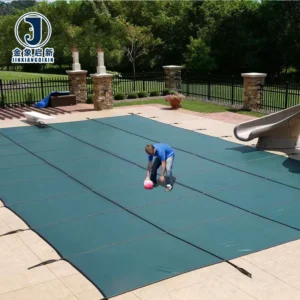
PVC coated tarpaulin rolls in this range use a heat-combined high-frequency coating method. This process bonds the PVC layer to the base fabric under controlled temperature and pressure, producing a coating adhesion level that supports high-frequency heat-sealed seams. When fabricators weld panels together for truck covers or large enclosures, the seam must carry the same flex load as the body fabric. Poor adhesion causes delamination at the weld before the fabric itself shows wear. A PVC coated tarpaulin manufacturer custom-capable in this process ensures the coating bond holds through repeated flex cycles at seam junctions.
Low-Temperature Flexibility in Cold-Climate Service
The -30°C low-temperature flexibility rating means the PVC compound remains pliable in winter transport and outdoor storage conditions. In cold environments, standard PVC formulations stiffen and crack at fold lines and tie-down points. This formulation resists fracture at those stress concentrations, maintaining waterproof integrity through seasonal temperature swings. Fabricators working with this material should note that heat-sealing parameters may need adjustment at lower ambient temperatures to achieve consistent weld quality across the full panel. [NEED_CITE: low-temperature flexibility test methods for plasticised PVC]
Reading the Specification Sheet Beyond GSM
Weight per square metre alone does not predict how a PVC coated tarpaulin will perform in service. The base fabric denier and mesh count determine tensile and tear strength, while the coating weight governs waterproofing, abrasion resistance and UV shielding. Two rolls at the same GSM can differ substantially in tear propagation resistance if one uses a heavier base fabric with a thinner coating and the other reverses the balance. The coating method — heat combined with high-frequency in this product family — influences peel strength between layers, which directly affects how well welded seams hold under load. Anti-permeability rated at ≥20KPa confirms waterproof performance for standing water and driving rain, but the corrosion resistance profile (acid, alkali and brine) is equally relevant for agricultural and marine-adjacent applications where chemical exposure accelerates coating breakdown.
What Happens When Colour Varies Between Rolls in One Order
Batch-to-batch colour inconsistency is one of the most visible defects once tarpaulin panels are installed side by side on a truck fleet or construction hoarding. The mismatch often goes undetected in the warehouse because rolls are packed individually and only revealed during fabrication or on-site installation. This forces costly rework — either replacing affected panels or accepting a patchwork appearance that damages the end user’s brand perception. Colour consistency must be verified roll-by-roll during pre-shipment inspection, not sampled from a single reference swatch. [NEED_CITE: colour fastness and batch consistency standards for coated textiles]
Why Process Control Matters for Every Roll You Receive
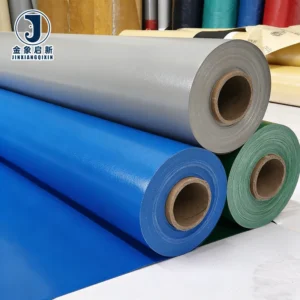
Coating weight and adhesion are controlled through in-process QA at every production stage, not left to end-of-line sampling. Three full production lines and 36 sets of professional equipment support bulk roll output while maintaining consistent coating thickness across the web width. A 10-person R&D team handles material selection and sample development for custom GSM, width and treatment requirements. Pre-shipment inspection covers every roll individually, verifying weight, colour and surface quality before packing. Material specification sheets accompany each dispatch, stating the exact coating weight, base fabric and treatment applied to that batch.
Documentation & Verification
- Material specification sheet stating exact GSM, base fabric and coating method per roll
- Test report for flame retardant grade where applicable — confirm standard required
- Pre-shipment inspection record with roll-by-roll weight and colour verification
- Certificate of origin and customs documentation for export container shipments
- Roll packing list identifying each roll by batch and specification reference
Fabrication, Handling & Storage
- High-frequency heat sealing recommended for seams on 500–800 g/m² PVC coated fabric
- Store rolls upright on pallets to prevent flat-spot deformation of the coating surface
- Allow cold-stored rolls to reach ambient temperature before unrolling to avoid crease cracking
- Avoid dragging rolls on unprotected ground — the PVC coating surface can pick up embedded abrasion
- Clean with mild detergent only; solvent-based cleaners may soften the plasticised PVC coating layer
Before You Request a Quotation
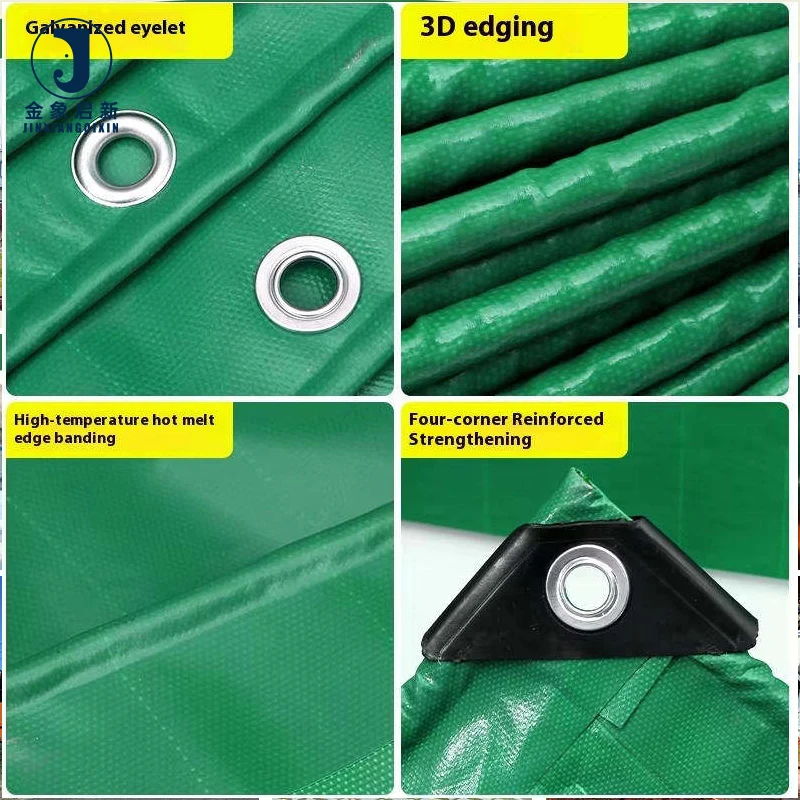
Specify the end-use environment and the exposure conditions your finished product will face — this determines the GSM grade, treatment package and fabric construction you need. Confirm whether your market requires a specific flame retardant standard and which certification body your local authority recognises. State your required roll widths, annual volume and whether you need fabric only or finished cut-to-size panels with eyelets and reinforced hems. Providing this information upfront shortens the sampling cycle and ensures the quotation matches your actual production requirements.
Frequently Asked Questions
Q: How is GSM verified on arrival and what documentation supports the quoted weight?
A: Every roll ships with a material specification sheet stating the exact coating weight and base fabric construction. Pre-shipment inspection records include roll-by-roll weight verification against the quoted GSM. Buyers can cross-check on arrival using a calibrated scale and the documented roll dimensions to confirm compliance before fabrication begins.
Q: What flame retardant grades are available and which standards do they meet?
A: Flame retardant grades are available within this product family, but the specific grade and test standard must be confirmed against your local market requirements. Common standards include M2, B1 per DIN 4102 and NFPA 701. Request the applicable test report before placing your order so the certification matches your project specification.
Q: How do you control colour consistency across multiple rolls in one order?
A: Colour is verified roll-by-roll during pre-shipment inspection, not sampled from a single batch reference. Production batches are managed to minimise variation, and inspection records document the colour consistency check before packing. For critical applications, approved colour swatches can be established before production begins.
Q: What custom widths and lengths are available, and what are the minimums?
A: Custom widths and roll lengths are available within the capability of the production lines. Minimum order quantities depend on the specific width, GSM grade and treatment package requested. Submitting your target dimensions and annual volume allows a precise quotation covering lead time, packing format and container loading plan.
Related products
-
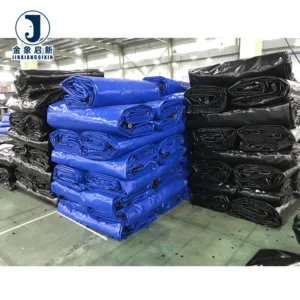
Venta al por mayor de rollo de lona impermeable para exteriores de 650 Gsm, rollo de tarpaulina industrial recubierta de PVC para tienda.
¥1.26 Select options This product has multiple variants. The options may be chosen on the product page -
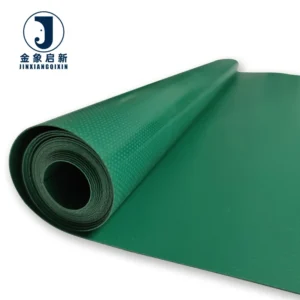
Precio mayorista alta calidad lona impermeable para exteriores rollo de tarpaulina de PVC personalizada
¥1.20 Add to cart -
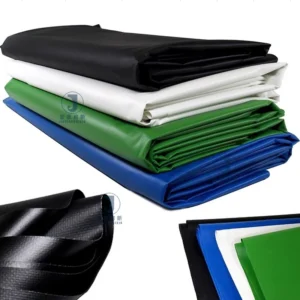
Fabricante de Lona de PVC Resistente al Agua de Poliéster de 650gsm de Mejor Calidad
¥1.25 Select options This product has multiple variants. The options may be chosen on the product page -
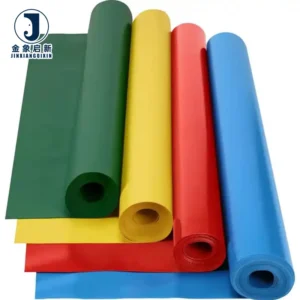
Rollos de tela de lona de PVC en stock 500D*500D 18*17 Colores en venta caliente en stock Fabricación en China Venta al por mayor de telas Mejor precio
¥1.26 Select options This product has multiple variants. The options may be chosen on the product page