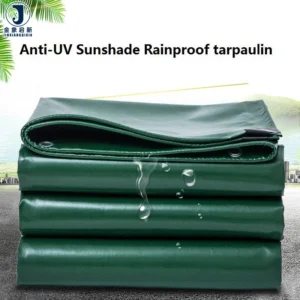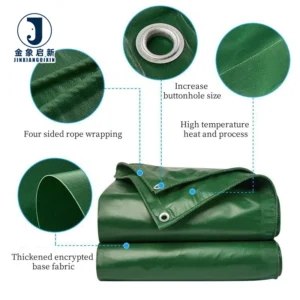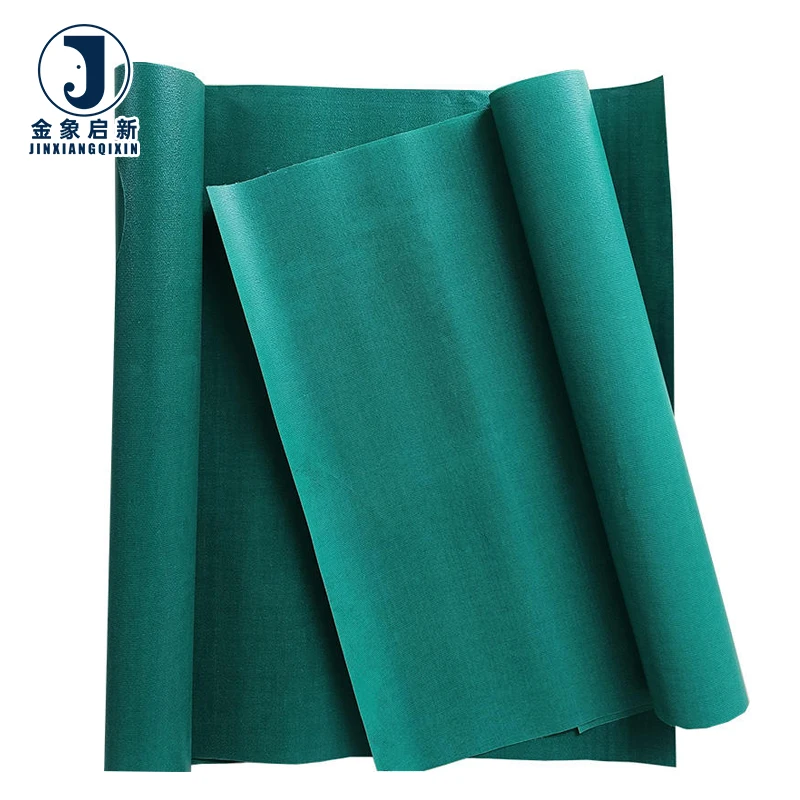
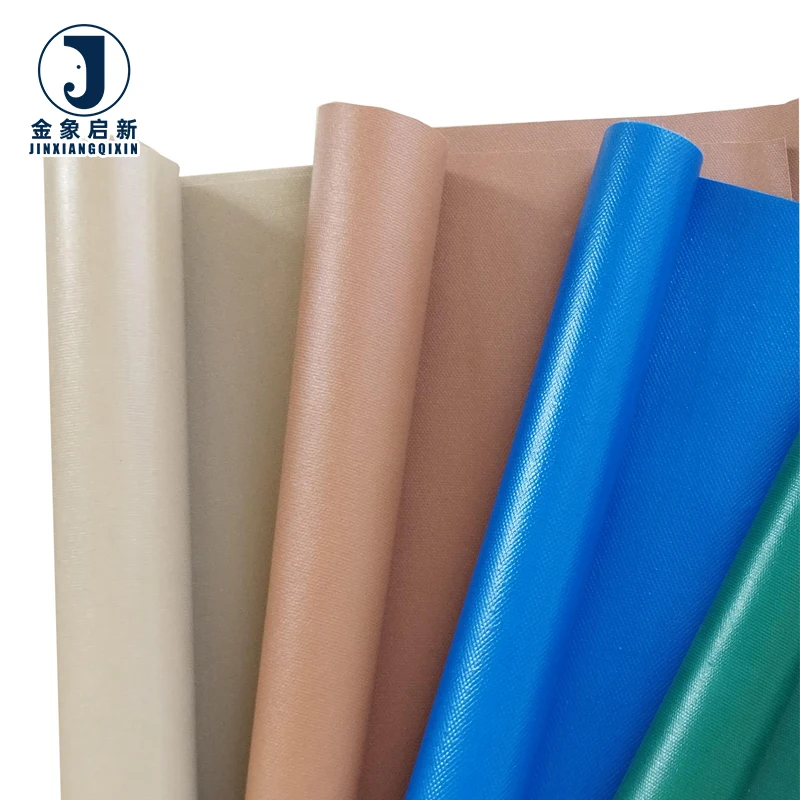
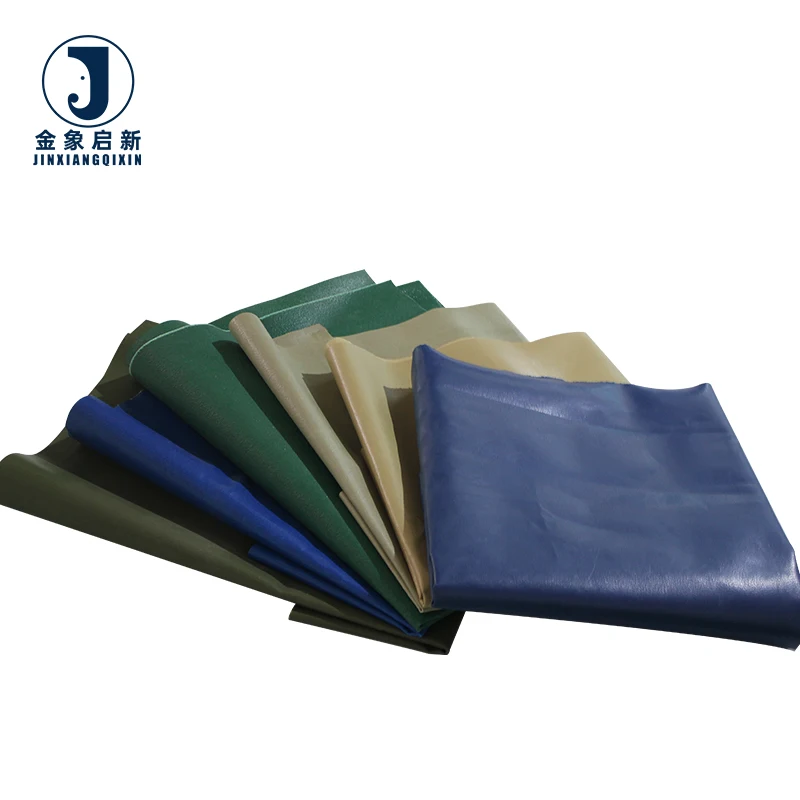
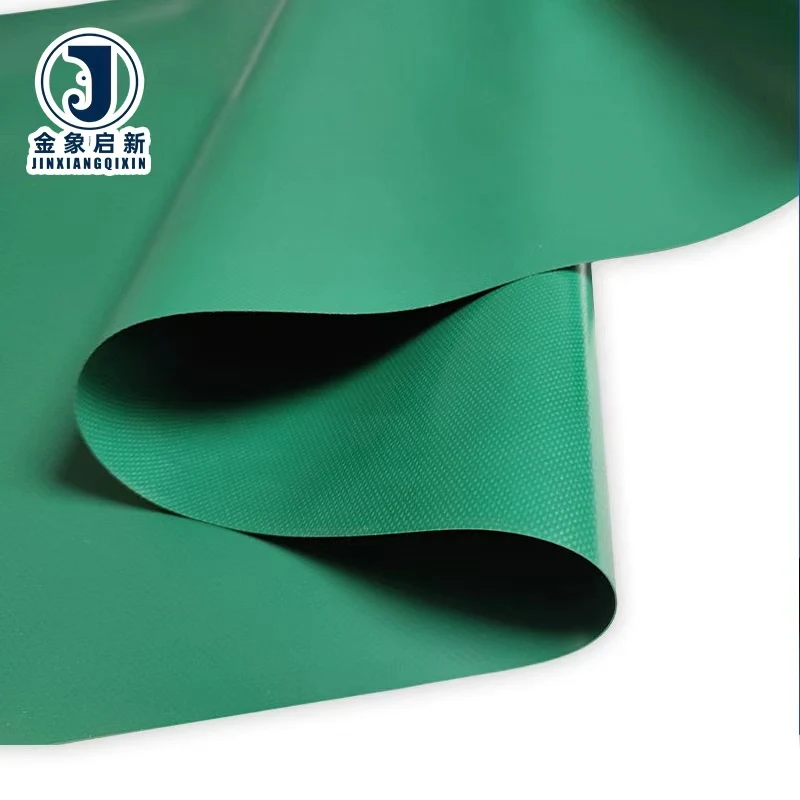
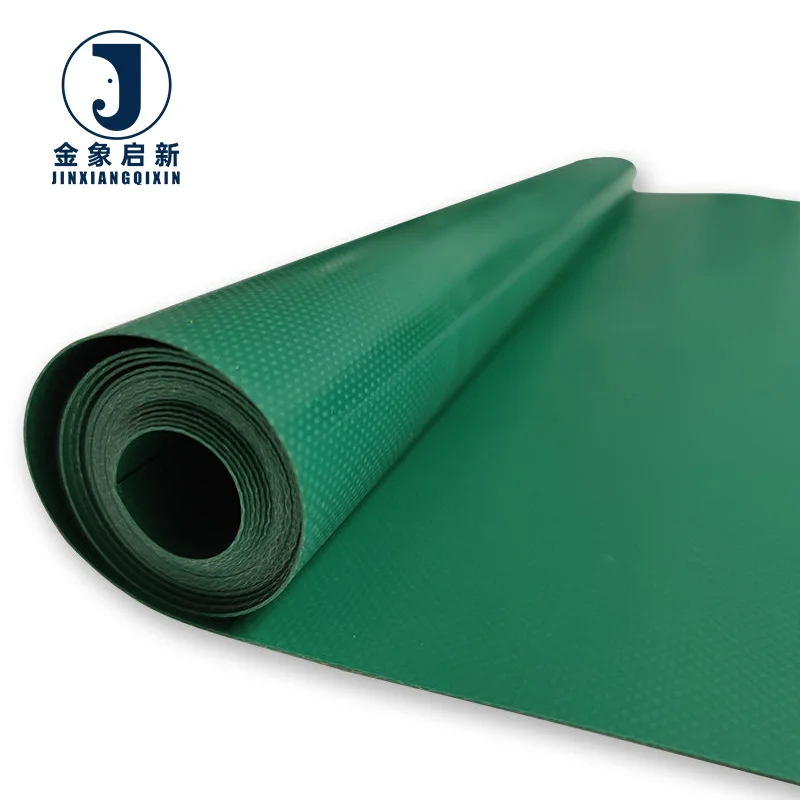
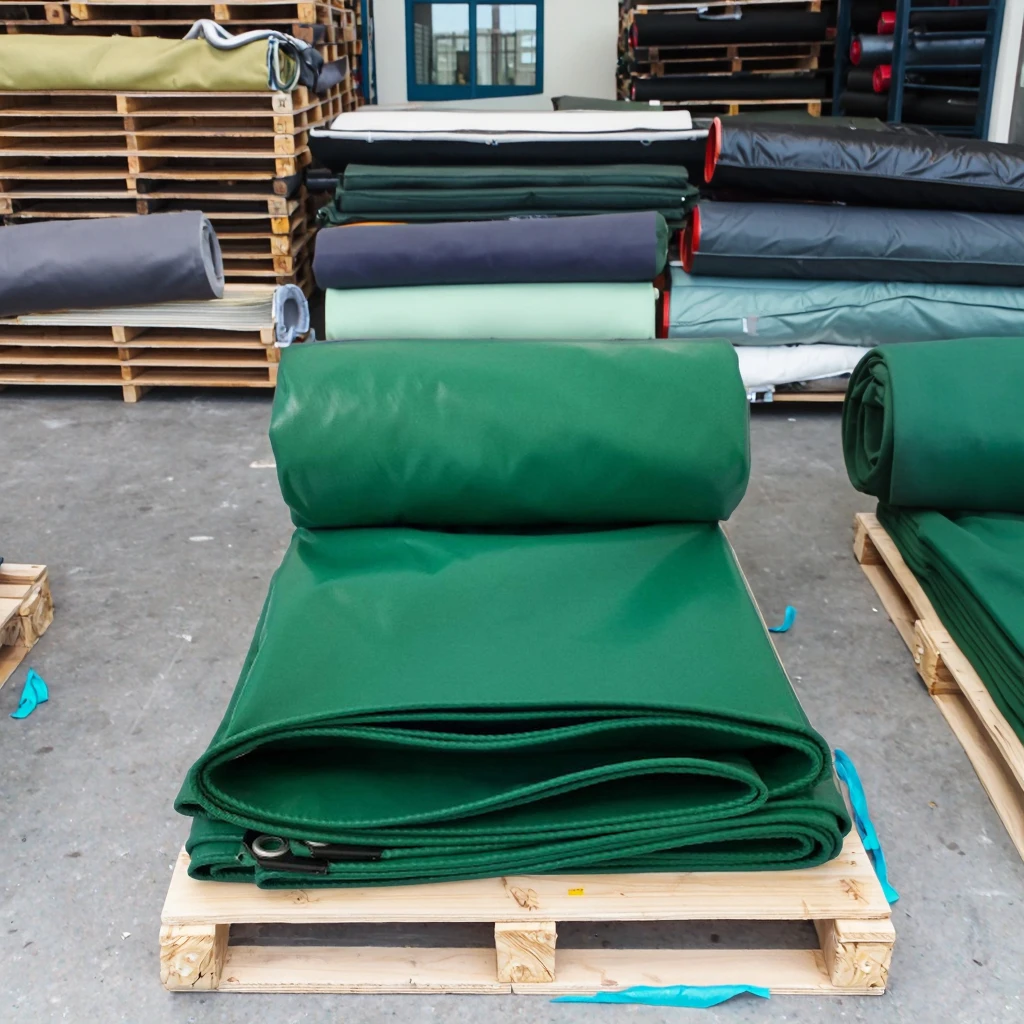
PVC Tarpaulin Roll, 350–750gsm, Laminated & Hot-Melt Coated — available in multiple weight grades and standard widths of 2m×75m or 2.1m×50m, with optional UV resistant, flame retardant and anti-static treatments.
- Hot-melt laminated coating ensures strong PVC-to-polyester adhesion, reducing delamination risk at welded seams during fabrication and field use.
- Roll-to-roll colour consistency maintained across 3 full production lines with dedicated QA at each stage.
Samples developed within days for custom width, colour, print or treatment requirements.
Description
Proven Coating Control — Every PVC tarpaulin roll is weighed and inspected against the stated GSM before it leaves the facility, backed by nearly three decades of coated fabric process expertise.
Technical Specifications
| Parameter | Value |
|---|---|
| Product Type | PVC Tarpaulin Roll |
| Material | PVC + High-strength polyester mesh fabric |
| Coating Method | Laminated Technology & Hot-melt Coating Technology |
| Weight (GSM) | 350gsm, 420g, 500gsm, 550gsm, 600gsm, 750gsm |
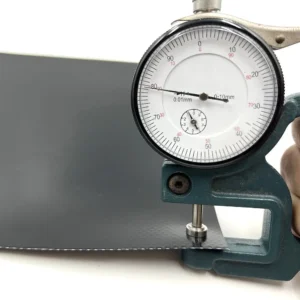
| Total Thickness | 0.32mm, 0.35mm, 0.4mm, 0.45mm, 0.5mm, 0.65mm |
| Roll Width | 2m, 2.1m |
| Roll Length | 75m, 50m |
| Color Options | Blue, Red, Yellow, Light blue, Grey (Customized) |
| Waterproof | Yes |
| Anti-Mildew | Yes |
| Cold Crack Resistance | Yes |
| UV Treatment | Available — confirm test basis required for your market |
| Flame Retardant | Available in flame retardant grades — confirm the grade required for your market |
| Anti-Static | Available — confirm standard required for your market |
| Custom Printing | Supported |
| Custom Color | Supported |
| Service Life | 3-7 years under normal circumstances |
| Standards | ISO, CE |
Application Suitability
| Application | Exposure & Requirement |
|---|---|
| Construction site enclosure | Constant UV exposure, wind loading, scaffold contact abrasion, puncture from debris |
| Tent and awning fabrication | Roll consistency across production batches, weld seam integrity, colour uniformity |
| Truck awning and transport cover | Road vibration, flex fatigue, weather cycling, tie-down point stress |
| Agricultural and stock protection | Rain immersion, soil chemistry contact, mildew-prone environments, repeated handling |
| Equipment and pallet covers | Warehouse stacking pressure, forklift contact, dust and moisture barrier |
| Marine and offshore covers | Salt spray corrosion, high humidity, sustained wind stress |
| Inflatable and membrane structure | Air-holding integrity, weld adhesion under inflation pressure, UV stability |
| Fish tank and pond liner | Permanent water submersion, biofouling resistance, anti-mildew requirement |
Why the Roll You Receive Must Match the Roll You Quoted
GSM verification at every production stage is the only reliable safeguard against underweight material arriving at your warehouse.
Quotations routinely state one weight while the delivered roll measures lighter — a discrepancy that directly reduces tensile capacity and shortens service life in the field. When flame retardant is claimed without a supporting test report, the material may fail site inspection or insurance audit. Colour variation between rolls in the same shipment becomes immediately visible once panels are installed side by side, forcing costly rework or partial rejection. [NEED_CITE: common tarpaulin procurement complaints documented in industrial textile buyer surveys] These are not edge cases; they are recurring friction points across the PVC tarpaulin supply chain. A PVC Tarpaulin Roll custom manufacturer that controls coating weight in-house and inspects every roll before dispatch removes these variables from your procurement cycle.
What Laminated and Hot-Melt Coating Means for Your Fabric
The coating method determines how the PVC layer bonds to the high-strength polyester mesh base. Laminated technology fuses the coating to the fabric under heat and pressure, producing strong adhesion that resists delamination when the material flexes repeatedly. Hot-melt coating technology adds an additional bonding pathway, further reinforcing the interface between coating and substrate. For buyers sourcing PVC tarpaulin rolls, this dual-method approach means the weld line is less likely to fail before the fabric itself — a critical advantage when fabricated covers are subjected to load flexing at seam points.
Batch Consistency Across Multiple Rolls in One Shipment
Colour drift between rolls is one of the most visible defects once material is cut and installed alongside adjacent panels. Maintaining colour consistency across 350gsm to 750gsm grades requires tight control over pigment dosing and coating temperature throughout each production run. With three full production lines running under unified process parameters, each roll within an order is held to the same colour reference. [NEED_CITE: batch colour consistency standards for coated industrial textiles] This matters most for tent and awning manufacturers who cut panels from multiple rolls in sequence, and for distributors reselling cut-to-size pieces under a single colour code.
Reading the Specification Sheet Beyond GSM
GSM alone does not define the mechanical performance of a PVC tarpaulin roll. A 550gsm fabric woven from high-tenacity polyester yarns at tight weave density will outperform a 600gsm fabric built on a looser, heavier base yarn — yet the spec sheet may suggest the opposite. Total thickness correlates with puncture resistance but not necessarily with tear propagation resistance, which depends more heavily on base fabric denier and weave construction. The laminated and hot-melt coating technologies used here produce a coating layer that contributes to adhesion strength at welded seams, directly influencing whether the joint or the body fabric fails first under load. Width options of 2m and 2.1m affect cutting layout efficiency and the number of weld seams needed for large-format covers. Roll lengths of 50m and 75m determine container loading configuration and per-roll handling weight on your shop floor. [NEED_CITE: relationship between base fabric density and tear strength in coated polyester textiles per ISO 1421]
The Hidden Cost of Choosing the Wrong Grade
Selecting a lighter GSM to reduce unit cost often shifts the expense downstream. A cover fabricated from underweight material tears at stress points during the first season of wind loading, triggering warranty claims from your end customer. Rolls specified as flame retardant without a matching test report are rejected at the building site, halting project timelines and forcing emergency re-procurement. Colour inconsistency across rolls forces your fabrication team to sort and segregate panels, adding labour hours and material waste to every production run. [NEED_CITE: cost impact of tarpaulin material rejection at construction and transport sites] These consequences compound when your PVC Tarpaulin Roll custom manufacturer does not provide roll-by-roll weight verification and documented inspection records before shipment.
Why Source PVC Tarpaulin Rolls Here
Nearly 30 years of focused coated fabric production means coating weight and adhesion control are embedded in every production stage, not treated as a final-step check. Three full production lines and 36 sets of professional equipment support bulk roll orders with reliable scheduling, whether you need a single container of 500gsm or a mixed-load shipment across multiple grades. A 10-person R&D team handles material selection, custom width, colour matching, and pattern printing — developing samples within days rather than weeks. Dedicated QA/QC operates at every production stage, with 100% pre-shipment inspection verifying GSM, colour, and coating integrity on every roll before it is packed. Documentation accompanies each dispatch: material specification sheets, packing lists, certificates of origin, and test reports where applicable, providing the traceability your procurement team requires.
Documentation & Verification
- Material specification sheet stating GSM, base fabric, coating type, and colour reference per roll
- Pre-shipment inspection record confirming weight and visual quality before dispatch
- UV and flame retardant test reports supplied where applicable to the grade ordered
- Roll packing list with roll count, net weight, and dimensions for container planning
- Certificate of origin and customs documentation prepared per destination country requirements
- ISO and CE certificates available as part of shipment documentation package
Fabrication, Handling & Storage
- Hot-air welding parameters vary by GSM — confirm temperature and speed settings for each grade from 350gsm to 750gsm
- Reinforce eyelet and hem zones with additional material layers, especially on heavier 600gsm and 750gsm rolls under high tie-down load
- Store rolls horizontally on racking to prevent flat-spot deformation on the 2m and 2.1m wide formats
- Allow cold-stored rolls to reach ambient temperature before unrolling to avoid coating crack on 0.45mm and thicker grades
- Use mild detergent for cleaning; avoid solvent-based agents that attack the PVC coating surface and compromise waterproof integrity
- Plan cutting layouts around 50m or 75m roll lengths to minimise offcut waste and weld seam count in large-format covers
What to Include in Your Inquiry
Specify the exposure conditions your end-use demands — whether the roll will be fabricated into truck awnings facing road abrasion, tent panels requiring weld consistency, or pond liners in permanent water contact. Confirm whether your market requires flame retardant or UV test certification and to which standard. Provide your preferred roll width, target GSM grade, and any custom colour or print requirements so that samples can be prepared and lead times confirmed accurately.
Frequently Asked Questions
Q: How is GSM verified on each roll before shipment?
A: Every roll undergoes weight verification against the stated GSM at dedicated QA/QC stations during production. A pre-shipment inspection record accompanies each dispatch, documenting roll-by-roll weight and visual quality checks. Material specification sheets confirming base fabric, coating type, and GSM are included in the documentation package.
Q: How do you maintain colour consistency across multiple rolls?
A: Colour is controlled through unified pigment dosing and coating temperature management across all production lines. Each order is produced under a single colour reference, and rolls are visually compared during pre-shipment inspection. For critical applications, request a colour approval sample before full production begins.
Q: What custom width, length, and print options are available?
A: Standard widths are 2m and 2.1m with 50m and 75m roll lengths. Custom widths, colours, and pattern printing are supported, with samples developed within days for approval. Minimum order quantities vary by specification — confirm your requirements during inquiry for exact terms.
Q: What flame retardant and UV test reports can you provide?
A: Flame retardant and UV treatments are available in multiple grades. Test reports are supplied where applicable to the specific grade ordered. Confirm the standard required by your market or project specification during inquiry so the correct grade is selected and documented.
Q: How are rolls packed for container shipment?
A: Rolls are packed to prevent transit damage, with packing lists detailing roll count, weight, and dimensions for container loading planning. The PVC coating surface is protected to avoid compression marks during sea freight. Full customs documentation and certificates of origin are prepared per destination requirements.
Related products
-
Lona plana recubierta de PVC de alta calidad, a prueba de viento y agua, para uso en refugios industriales.
¥0.53 Add to cart -
Venta caliente de lona de camping grande y resistente al agua para uso exterior, lona laminada de PVC de 500gsm.
¥3.20 Add to cart -
Fabricante de Lona de PVC Resistente al Agua de Poliéster de 650gsm de Mejor Calidad
¥1.25 Select options This product has multiple variants. The options may be chosen on the product page -
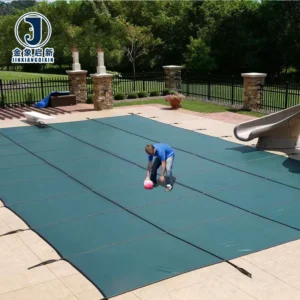
JX Ventas Directas del Fabricante Cubierta de Piscina Recubierta de PVC. Tela de Cubierta de Piscina de Suelo Duradera, Impermeable y Resistente a los UV
¥1.78 Select options This product has multiple variants. The options may be chosen on the product page