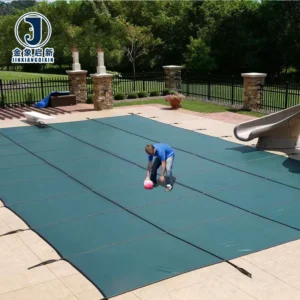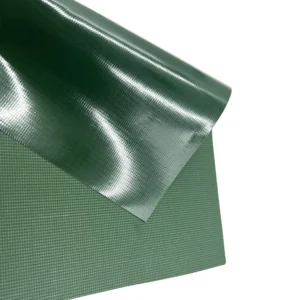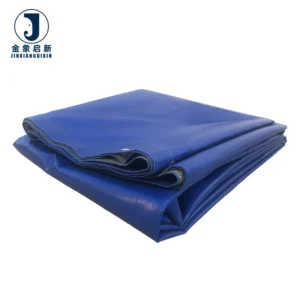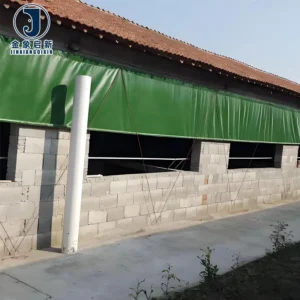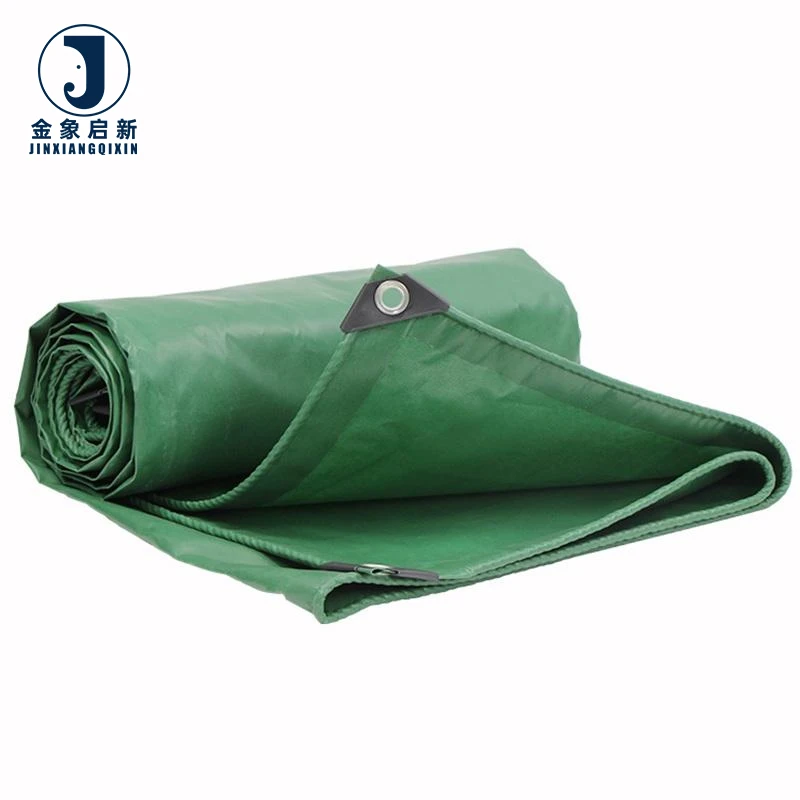
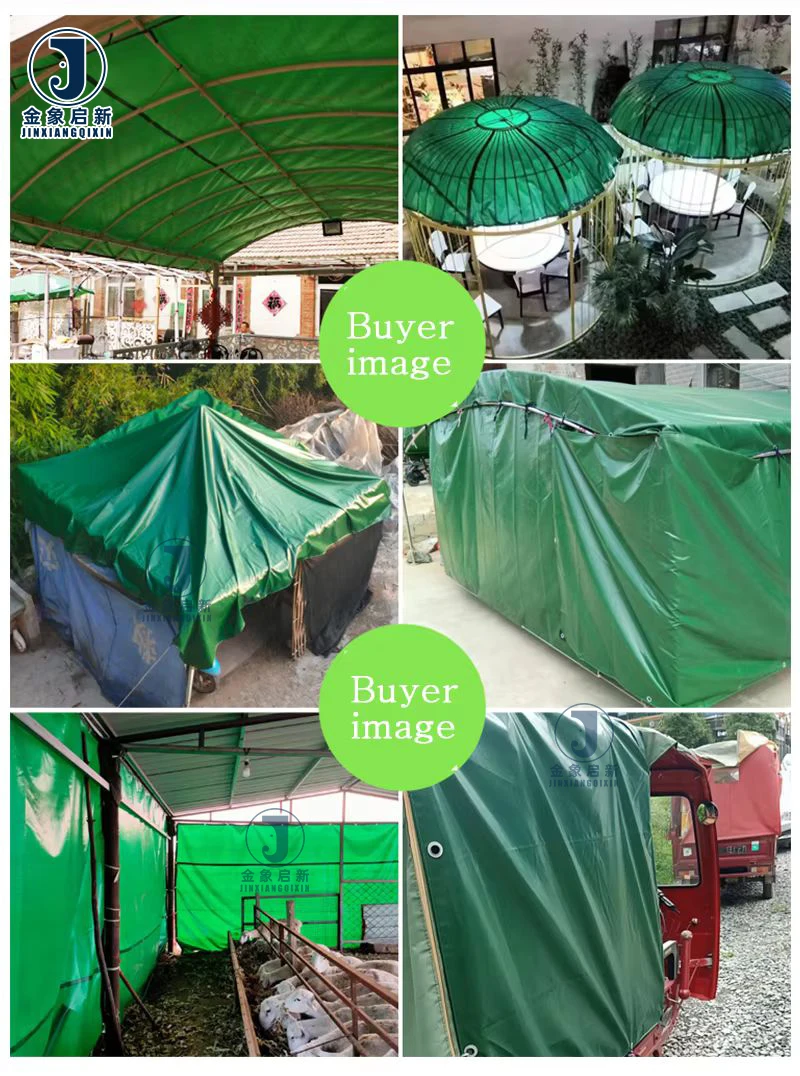
PVC Coated Tarpaulin Roll — 350–750 gsm, hot-melt coated and laminated technology, glossy or matt surface finish. Rolls available in 2 m × 75 m or 2.1 m × 50 m, supporting awning, tent, truck cover and pond liner fabrication. Coating weight and adhesion are controlled at every stage to ensure reliable weld strength and roll-to-roll colour consistency across container loads.
- Supported by nearly 30 years of coated fabric process expertise, three full production lines, and 100% pre-shipment inspection on every roll.
Description
Coating Adhesion Control — hot-melt and laminated technology on three dedicated lines ensures consistent bond strength across every roll of PVC tarpaulin roll stock shipped.
Technical Specifications
| Parameter | Value |
|---|---|
| Product Type | PVC Coated Tarpaulin |
| Base Material | High-strength polyester mesh fabric |
| Coating Technology | Laminated technology & Hot-melt coating technology |
| Weight Options | 350 GSM / 420 GSM / 500 GSM / 550 GSM / 600 GSM / 750 GSM |
| Thickness Options | 0.32 mm / 0.35 mm / 0.4 mm / 0.45 mm / 0.5 mm / 0.65 mm |
| Surface Finish | Available in glossy surface or matt surface |
| Colour Options | Blue / Red / Yellow / Light Blue / Grey (custom colours available) |
| Standard Roll Size | 2 m × 75 m / 2.1 m × 50 m |
| Performance Features | Cold crack resistance, anti-mildew, anti-static treatment, waterproof, sunproof, high tension strength, high tear strength, high stiffness |
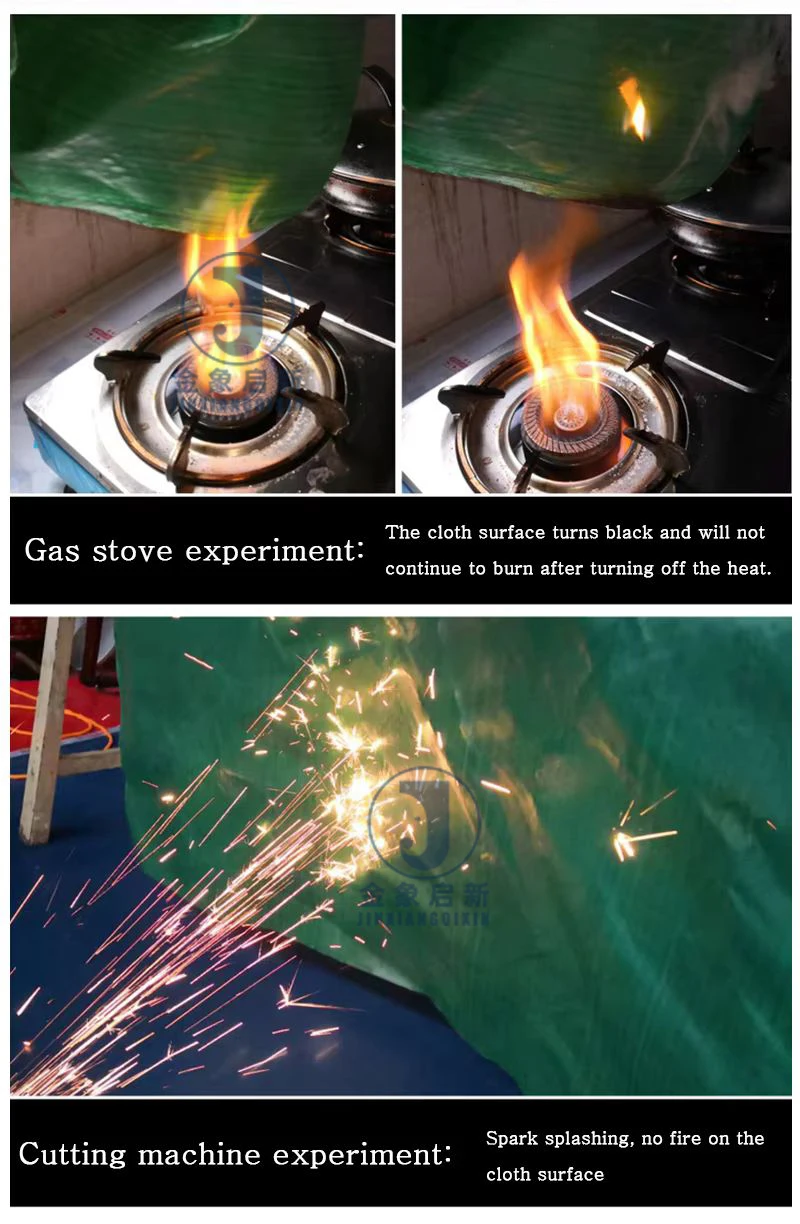
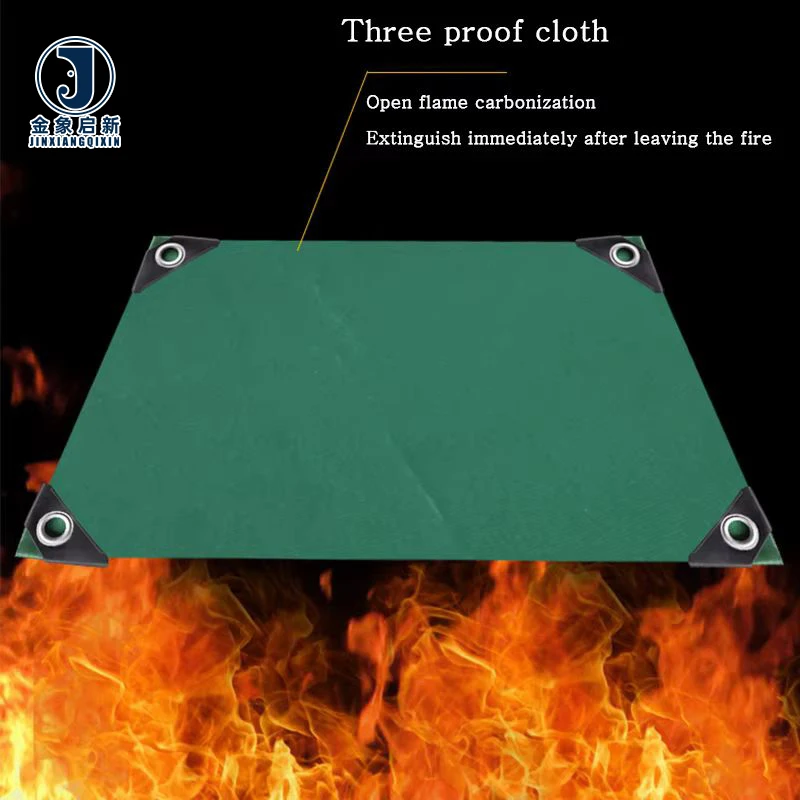
| Fire Retardancy | Available in flame retardant grades — confirm the grade required for your market |
| UV Treatment | Anti-UV treatment available — test report provided per batch on request |
| Certifications | ISO, CE |
Application Suitability
| Application | Exposure & Requirement |
|---|---|
| Fish tank and pool liners | Permanent water immersion, hydrostatic pressure, puncture from substrate, chemical leaching from concrete |
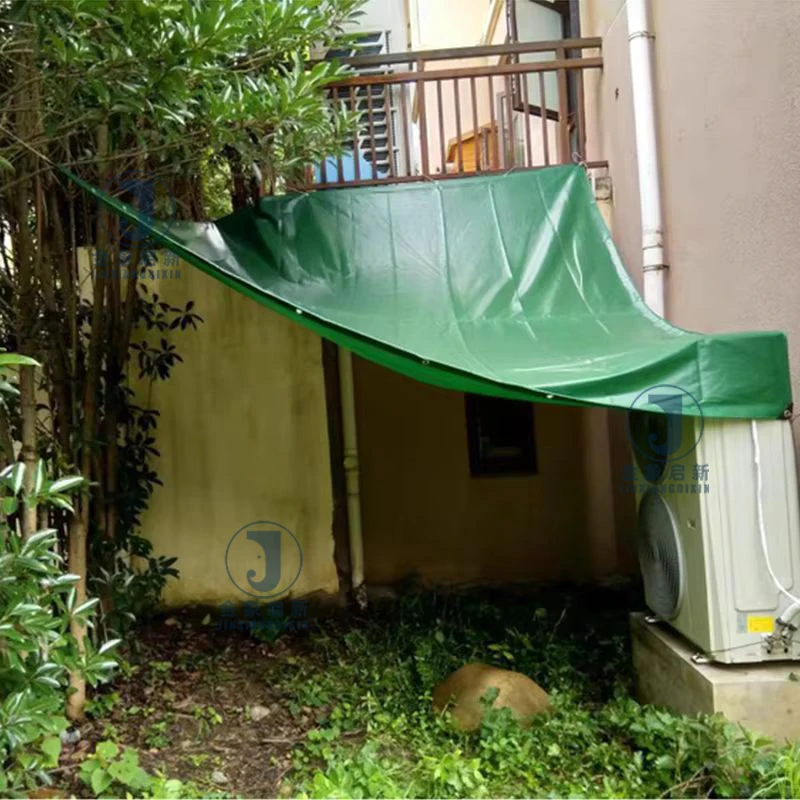
| Tent and awning covers | Repeated folding and packing, UV exposure, wind-driven rain, seam stress at ridge poles |
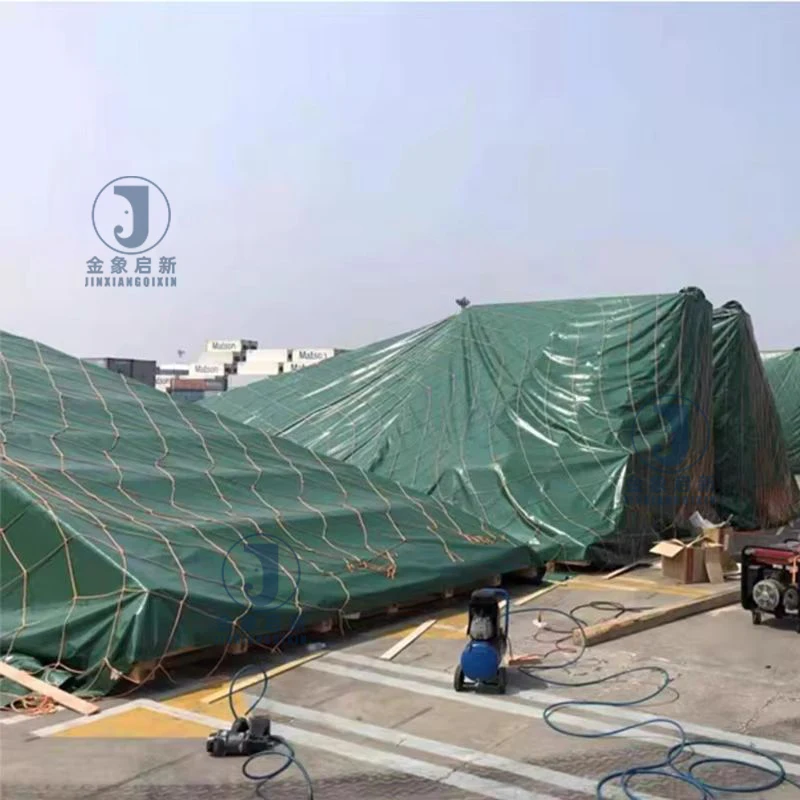
| Cargo ship and marine covers | Salt spray, heavy wind load, prolonged moisture, abrasion from shifting loads |
| Truck awning and side curtains | Daily flexing at roller mechanisms, road debris impact, UV from constant outdoor parking |
Why GSM Alone Does Not Determine How Long a Roll Stays in Service
The base fabric denier, weave density and coating adhesion together determine real-world service life — not the printed GSM number on the label.
When a PVC tarpaulin roll aftermarket supplier quotes a weight figure, that number tells you the combined mass of coating and base fabric per square metre. It does not tell you how the coating bonds to the mesh, whether the yarn count can resist tear propagation, or whether the laminate will delaminate after the first season of flexing. I have seen rolls arrive at the correct GSM on the warehouse scale yet fail at the welded seam within months because the coating chemistry was not matched to the polyester mesh structure. Sourcing consistent PVC tarpaulin roll stock requires verifying coating weight, base fabric construction and peel strength — not just the headline number. [NEED_CITE: tensile and tear test methods for coated fabrics per ISO 1421]
Coating Technology and What It Controls on the Production Line
The two coating methods available — hot-melt coating and laminated technology — produce different peel-strength profiles. Hot-melt coating drives PVC paste directly into the mesh under heat, creating a mechanical lock between the coating and the yarn filaments. Laminated technology bonds a pre-formed PVC film to the base fabric through a heated nip roll. Each method has implications for how the fabric behaves at welded seams and how it responds to repeated flexing at fold lines. For a PVC tarpaulin roll aftermarket supplier, selecting the right method depends on whether the end use demands high peel strength for heat-welded fabrication or a smoother surface for printing and visual applications.
How Surface Finish Selection Affects Downstream Fabrication
Choosing between a glossy surface and a matt surface is not purely aesthetic. A glossy finish sheds dirt more easily and resists mildew buildup in humid storage, making it the default for pond liners and outdoor covers that face constant moisture. A matt surface diffuses light and accepts pattern printing with better ink adhesion, which matters for tent and awning manufacturers branding their products. The surface finish also influences how the fabric tracks through automated welding equipment — gloss surfaces can slip on feed belts, while matt surfaces grip more predictably. [NEED_CITE: coating surface energy and print adhesion on PVC coated textiles]
Reading the Specification Sheet Beyond the Headline Weight
The weight range from 350 GSM to 750 GSM spans fundamentally different use cases. At the lighter end, the fabric suits temporary awnings and short-term tent structures where packing weight and fold flexibility take priority over long-term abrasion resistance. At the heavier end, 750 GSM with a 0.65 mm thickness provides the stiffness and tear resistance needed for permanent pond liners and cargo ship covers that must resist puncture from substrate irregularities. Thickness and GSM do not always move in lockstep — a tightly woven base fabric with a thin coating can outperform a loosely woven fabric with a thick coating in tear tests. The cold crack resistance and anti-static treatment options further differentiate grades within the same weight band, so the specification sheet should always be read as a system of interdependent values rather than a single number.
What Happens When Roll-to-Roll Consistency Fails in a Container Load
A buyer ordering a full container of roll stock expects every roll to match the approved sample. When colour drifts between rolls — one roll reading slightly more yellow under daylight than the next — the problem only becomes visible once the fabric is unrolled and installed side by side on adjacent truck bays or tent panels. Similarly, if the coating weight varies across the batch, some rolls will weld cleanly at the fabricator’s standard temperature setting while others scorch or fail to bond. This kind of inconsistency costs fabricators far more than the price difference between a verified batch and an unverified one. [NEED_CITE: batch colour consistency standards for coated fabric roll stock]
Why Sourcing PVC Tarpaulin Roll Stock Here Reduces Specification Risk
Three full production lines and 36 sets of professional equipment support bulk capacity without sacrificing coating consistency, meaning a container load of rolls maintains uniform GSM from first roll to last. The 10-person R&D team develops custom samples within days when a buyer needs a specific width, colour or surface finish validated before committing to production volume. Every roll passes 100% pre-shipment inspection with weight and visual checks, so the material arriving at the port matches the specification sheet signed off at the order stage. Hot-melt and laminated coating processes are controlled in-house, eliminating the adhesion variability that comes from outsourcing the coating step. Pattern printing and brand marking are handled on the same line, keeping colour registration consistent with the base fabric batch.
Documentation & Verification
- Material specification sheet stating exact GSM, base fabric denier, coating type and colour reference per order
- UV and flame retardant test reports matched to production batch where applicable
- Pre-shipment inspection record verifying weight, colour and surface finish roll by roll
- Roll packing list with individual roll net weight, dimensions and container loading plan
- ISO and CE certificates available with shipment documentation
- Certificate of origin and customs support documents for destination clearance
Fabrication, Handling & Storage
- Hot-weld seam temperature should be calibrated to the specific GSM and coating technology of each roll batch
- Store rolls horizontally on padded racks to prevent permanent creasing on the glossy or matt surface
- Allow cold-weather rolls to acclimatise before unrolling to avoid cracking the PVC coating at low temperature
- Cut patterns to account for 2 m or 2.1 m standard roll widths and minimise off-cuts at seams
- Use mild detergent and soft brush cleaning to preserve the anti-mildew and anti-static treatment layer
- Repair field damage with compatible PVC adhesive patches matched to the coating technology used
What to Include When Requesting a Quotation
Provide the target application and the environmental conditions the fabric will face — water immersion, UV intensity, temperature range and mechanical stress such as flexing or abrasion. Specify whether you need roll stock in standard widths or finished panels with custom dimensions, and indicate any colour matching or branding requirements. Confirm whether your market requires a specific flame retardant grade or anti-static certification so the correct treatment is applied from the start.
Frequently Asked Questions
Q: What GSM and thickness should I choose for truck awnings versus pond liners?
A: Truck awnings benefit from mid-range weights that balance flexibility for daily rolling with tear resistance against wind load and road debris. Pond liners need heavier grades with greater thickness to resist puncture from the substrate and hydrostatic pressure over long periods. The base fabric weave also shifts between these two uses — confirm the exact application so the correct construction is recommended.
Q: Can I mix multiple colours in one container order without increasing the minimum?
A: Mixing two or three colours in a single container is possible, and the minimum per colour depends on the GSM and width selected. Lighter grades in standard widths typically allow more flexibility for mixed-colour loading. Share your colour list and required roll count per colour so we can confirm the loading plan and lead time before production.
Q: How is roll-to-roll colour consistency verified before dispatch?
A: Every roll passes a visual inspection against the approved colour reference under standardised lighting conditions before packing. Rolls that show visible drift from the reference are pulled and replaced. The pre-shipment inspection record documents this check, and you can request photographic evidence of the batch comparison before the container is sealed.
Q: Do you supply flame retardant fabric with documentation for site compliance?
A: Flame retardant grades are available, and the specific grade must be matched to the fire safety standard required at your installation site. Confirm the standard your local authority references — such as DIN 4102, NFPA 701 or a regional equivalent — and the correct treatment will be applied with a test report issued per batch.
Q: What is the process for ordering a custom width or printed branding?
A: Share the required width, roll length and artwork file for branding. A sample roll or swatch is produced within days for your approval of colour registration, print sharpness and surface finish. Once the sample is signed off, production proceeds on the same line with the same coating parameters, ensuring the bulk order matches the approved sample exactly.
Related products
-
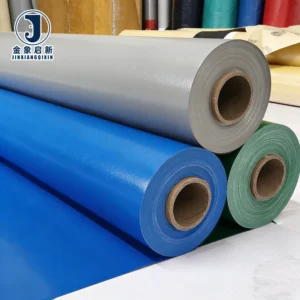
Fábrica de lonas 610gsm 650gsm 800gsm Toldos Tienda Tela Recubierta de PVC Impermeable Bache Lona PVC Lona de Tarpaulin Roll
¥1.45 Select options This product has multiple variants. The options may be chosen on the product page -
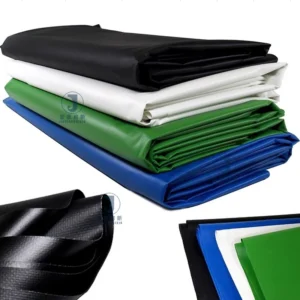
Fabricante de Lona de PVC Resistente al Agua de Poliéster de 650gsm de Mejor Calidad
¥1.25 Select options This product has multiple variants. The options may be chosen on the product page -
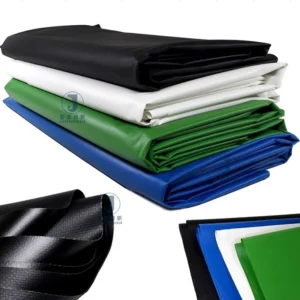
Cubierta de industria de tarpaulines de poliéster recubiertos de vinilo con bordes reforzados de PVC de caucho rip-stop para camiones
¥8.00 Select options This product has multiple variants. The options may be chosen on the product page -
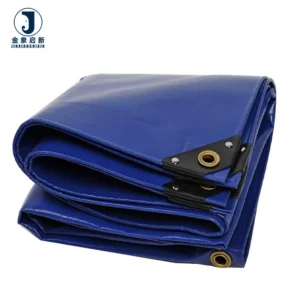
Factory Custom 9×11 Poultry Curtains Tarpaulin PVC Coated Waterproof and Anti-Static Tarp for Chicken Coop Farms
¥0.85 Add to cart