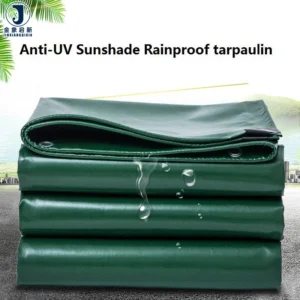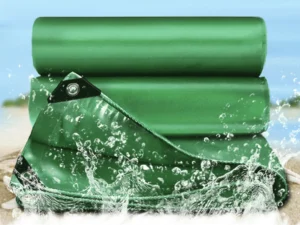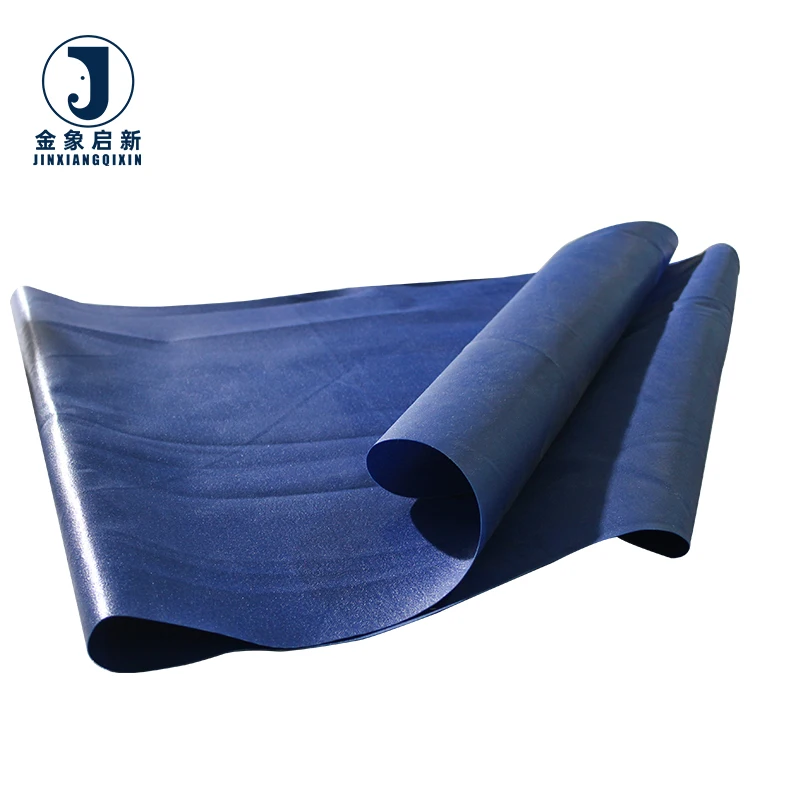
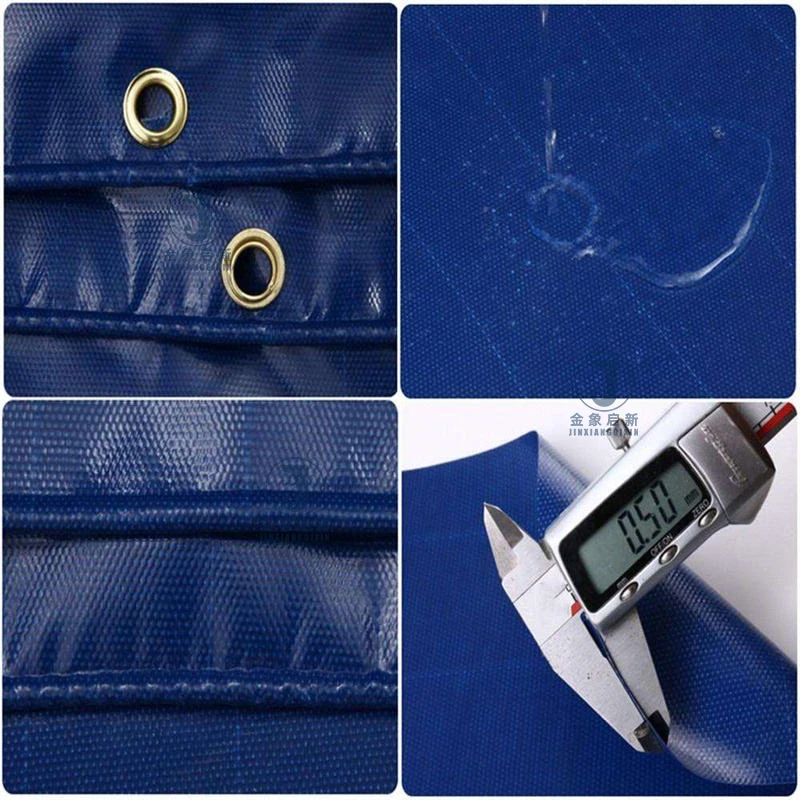
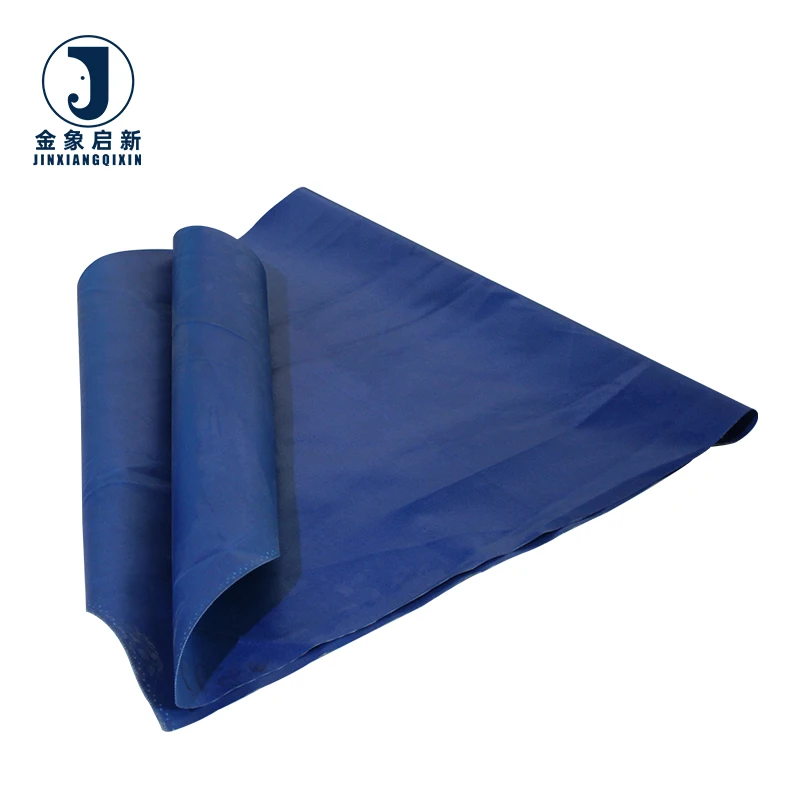
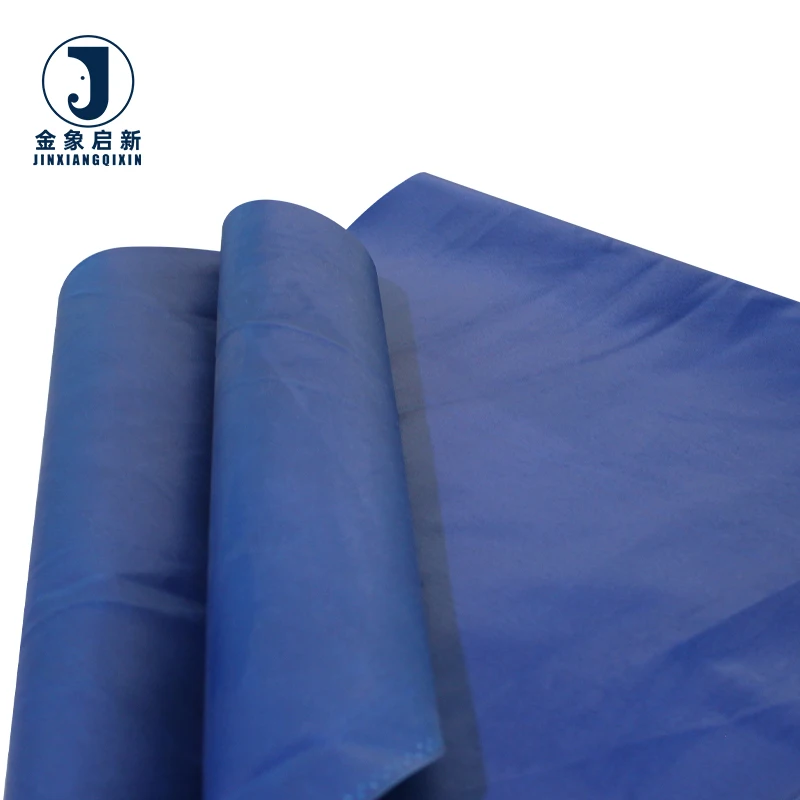
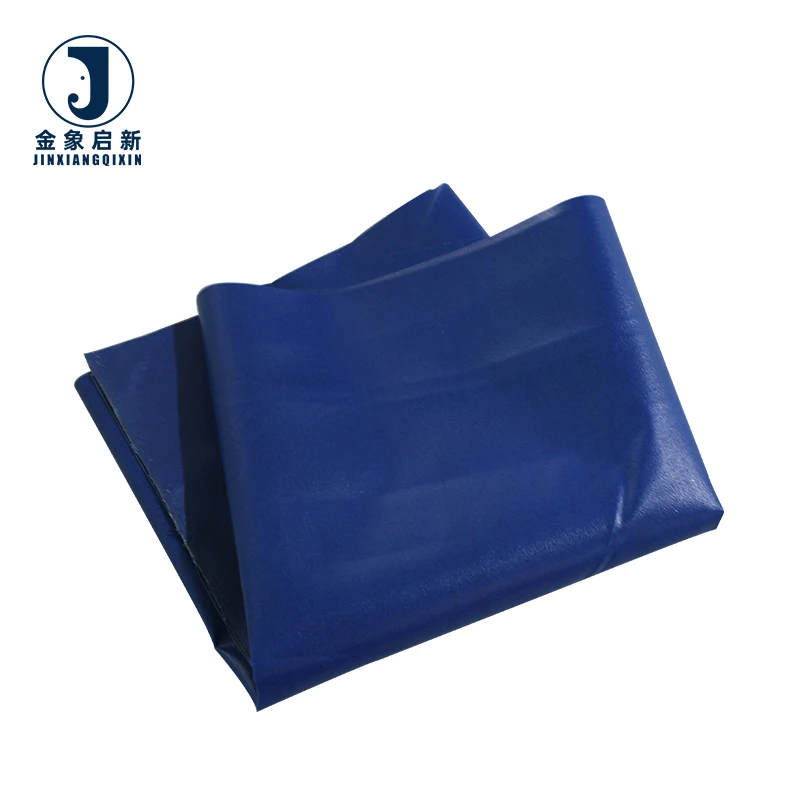
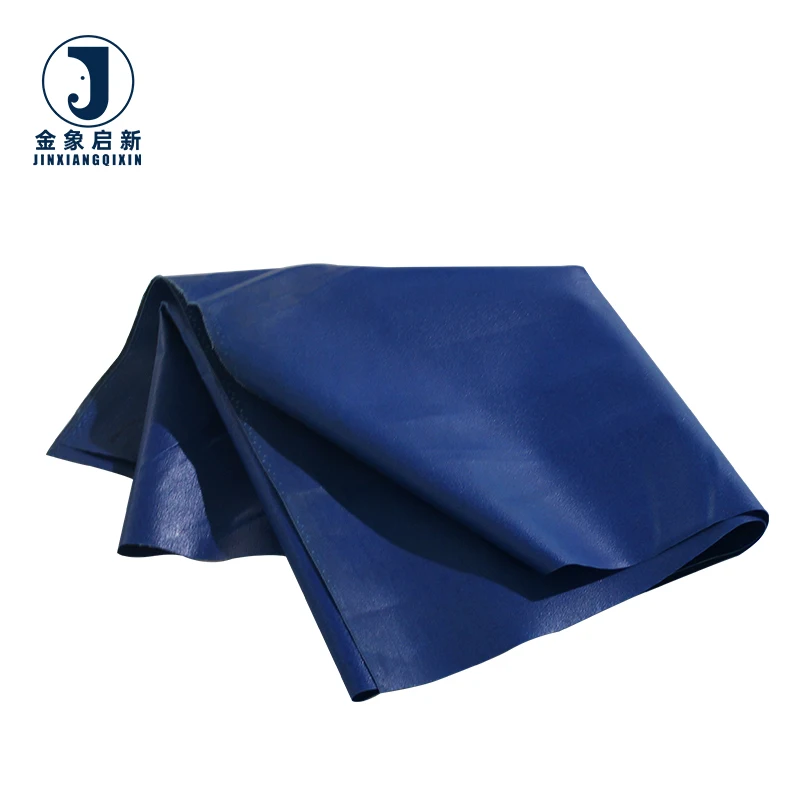
PVC Coated Fabric Tarpaulin Roll, 550g / 600g / 650g / 900g GSM, Waterproof & Tear Resistant — available in glossy or matte finish with single and double side colour options. Anti-UV treatment offered for extended outdoor exposure across truck, trailer and tent applications.
Coating weight and adhesion are tightly controlled at every production stage, ensuring the GSM stated on your quotation is the GSM you receive on arrival. Custom width, length, colour and pattern printing are developed in-house with samples ready within days.
Backed by nearly 30 years of coated fabric expertise, 100% pre-shipment inspection on every roll, and full documentation including material spec sheets and test reports.
Description
Coating Weight Control — every roll of PVC coated tarpaulin is checked against the stated GSM at the coating head and again before dispatch, so the fabric you receive matches the specification on your purchase order.
Technical Specifications
| Parameter | Value |
|---|---|
| Product Type | PVC Tarpaulin Roll |
| Material | PVC Coated Fabric |
| Weight Options | 550 GSM / 600 GSM / 650 GSM / 900 GSM |
| Colour Options | Blue, Blue/Orange, Green, Grey, Black, Clear, Grey/Green, Orange, or custom |
| Finish | Glossy or matte available |
| Waterproof | Yes — fully coated construction |
| UV Treatment | Available on request (test basis not stated in source — confirm grade for your market) |
| Flame Retardant | Available in flame retardant grades — confirm the grade required for your market |
| Anti-Mildew | Mildew proof and anti-aging treatment available |
| Tear Resistance | Tear resistant construction (standard not stated in source) |
| Custom Printing | Brand and pattern printing accepted |
| Certification | ISO 9001, CE |
Application Suitability
| Application | Exposure & Requirement |
|---|---|
| Truck and trailer side curtains | Constant flexing at load points, road spray, UV from direct sun exposure, abrasion from tie-down straps |
| Roof tent and awning fabric | Repeated fold-unfold cycles, prolonged UV exposure, rain and condensation resistance |
| Site and equipment covers | Wind uplift force on eyelets, puncture from sharp edges, standing water on horizontal surfaces |
| General outdoor waterproof covering | Seasonal temperature swings, moisture ingress prevention, handling and repositioning wear |
Why the Roll That Arrives Feels Lighter Than the One You Specified
A GSM figure on a quotation means nothing unless the coating weight is verified roll by roll before the container is sealed.
Buyers who have sourced PVC coated tarpaulin across multiple suppliers know the pattern: the sample feels right, the quotation states the agreed weight, and the bulk shipment arrives feeling noticeably thinner. The discrepancy is not always deception — it can be batch variation at the coating head or a substitution of base fabric denier that reduces total weight without changing the visual appearance. By the time you notice, the container has been unpacked and the return logistics are prohibitive [NEED_CITE: common causes of GSM variance in coated fabric production].
What Process Control at the Coating Line Actually Means
The weight of a PVC coated tarpaulin roll is determined by the base fabric denier, the weave density, and the coating thickness applied to each side. Controlling all three variables within tolerance requires inline measurement rather than end-of-line sampling. A PVC coated tarpaulin roll manufacturer custom-built for specification-driven buyers will monitor coating weight at the knife or roller head continuously, adjusting feed rate and line speed to hold the target GSM within the agreed band.
This is where production experience separates consistent output from variable output. The 10-person R&D team develops the coating formulation and line parameters for each grade, and dedicated QA/QC personnel verify the result at every stage — not just at final inspection.
How Colour Consistency Is Held Across an Entire Shipment
When a transport fleet orders enough PVC coated tarpaulin to cover dozens of trailers, or a tent manufacturer cuts panels from multiple rolls for a single structure, even a slight colour shift between rolls becomes visible once the panels are installed side by side. This is a complaint that reaches the buyer only at the point of fabrication or installation, long after the material has left the factory.
Batch-to-batch colour matching requires controlled pigment dosing and consistent curing temperature across the coating line. Each production run is referenced against a colour standard, and rolls from different batches destined for the same order are compared before packing. The pre-shipment inspection record confirms the match [NEED_CITE: colour measurement methods for coated textiles].
Reading Beyond the GSM Number
The stated GSM of a coated fabric is a combined figure — base fabric weight plus coating weight on both sides. Two rolls can share the same total GSM but perform very differently depending on how that weight is distributed. A heavier base fabric with a thinner coating gives higher tensile and tear strength but less surface durability. A lighter base with a thicker coating gives better waterproofing and abrasion resistance at the surface but may tear more easily under point load.
The coating method also shapes how the fabric behaves in fabrication. Knife-over-roll coating produces a strong mechanical bond between PVC and base yarn, supporting repeated flexing without delamination. Lamination methods can achieve similar surface appearance at lower cost but may separate at welded seams under load. For buyers cutting and welding this PVC coated tarpaulin roll into finished covers, the coating-to-substrate bond strength is as critical as the total weight.
Surface finish — glossy or matte — affects more than appearance. Glossy surfaces shed dirt and water more readily and accept printed branding with sharper definition. Matte surfaces reduce glare and show scuff marks less, which matters for visible installations like awnings and tent roofs.
The Hidden Cost of Specifying on Price per Kilogram Alone
When purchasing decisions are driven primarily by cost per unit weight, the incentive for the supplier is to hit the minimum GSM within tolerance rather than the nominal target. Over a container load of PVC coated tarpaulin, the cumulative shortfall in coating weight can mean a fabric that is measurably lighter than specified — lighter in ways that only reveal themselves after months of UV exposure or when a welded seam fails under wind load.
Colour inconsistency between rolls is another downstream cost. A fleet operator who receives rolls from two different production batches may face the choice of installing mismatched panels on adjacent trailers or absorbing the cost and delay of a partial replacement order. Neither outcome was priced into the original quotation [NEED_CITE: financial impact of material inconsistency in bulk fabric procurement].
Why Buyers Source This Fabric Here
Three full production lines and 36 sets of professional equipment provide the capacity to run bulk orders without compressing the curing time that proper coating adhesion requires.
The 10-person R&D team handles material selection, pattern development, and custom sizing — producing samples within days rather than weeks so that buyers can verify colour, weight, and hand feel before committing to a production run.
Dedicated QA/QC at every production stage, with 100% inspection before shipment, means every roll is checked against the purchase specification rather than sampled on a statistical basis.
Nearly 30 years of focused experience in coated fabric gives the production team pattern recognition for defects — coating streaks, adhesion failures, colour drift — that automated inspection alone may not flag.
ISO 9001 and CE certification provide the documentation framework that importers and distributors need for customs clearance and market compliance in North America, Europe, and Asia.
Documentation & Verification
- Material specification sheet stating exact GSM, base fabric denier, coating type, and colour reference per roll
- UV and flame retardant test reports provided where applicable — confirm the grade your market requires
- Pre-shipment inspection record with weight verification against the stated GSM
- Roll packing list detailing roll count, net weight, and dimensions for container planning
- Certificate of origin and full customs documentation included with every dispatch
Fabrication, Handling & Storage
- Heat welding parameters should be tested on a sample cut from the actual 550–900 GSM roll before production welding begins
- Eyelet placement at reinforced hems must account for the specific GSM grade to prevent pull-through under wind load
- Store rolls upright on pallets in a dry, shaded area to prevent surface compression marks on the PVC coating
- Allow cold-stored rolls to reach ambient temperature before unrolling to avoid cracking the coating at low temperatures
- Use mild, non-solvent cleaners on glossy finish surfaces to preserve the coating integrity and printed branding
Before You Send the Inquiry
To specify the right roll for your application, share the end-use environment — whether the fabric will be flexed daily on a truck curtain, exposed statically as a roof tent, or stored as reserve stock for resale. State the GSM grade, colour, and any treatment requirements such as UV or flame retardant performance, along with the compliance standard your market demands. If you need custom width, printed branding, or finished panels with eyelets and hems rather than raw roll stock, include the cut dimensions and quantity so the sample can be developed to match.
Frequently Asked Questions
Q: How is the GSM verified on each roll before shipment?
A: Coating weight is monitored inline during production and verified again at the pre-shipment inspection stage. Every roll ships with a material specification sheet that states the exact GSM, base fabric denier, and coating type, so you can cross-reference the documentation against your purchase order specification when the container arrives.
Q: Can I get a test report for UV or flame retardant treatment before ordering?
A: UV and flame retardant treatments are available on request, and supporting test documentation is provided where applicable. Because certification requirements vary by market, confirm the specific grade or standard your application demands so the correct formulation is applied and documented for your shipment.
Q: How is colour consistency controlled across multiple rolls in one order?
A: Pigment dosing and curing temperature are held constant across the production run, and rolls destined for the same order are compared against the colour reference standard during pre-shipment inspection. The inspection record confirms batch-to-batch colour match before the rolls are packed for dispatch.
Q: What custom options are available for width, printing, and finishing?
A: Rolls can be produced in custom widths and lengths with single or double side colour, glossy or matte finish, and brand or pattern printing. Eyelet spacing and hem reinforcement are configurable. The R&D team develops a sample within days so you can approve the specification before full production begins.
Q: What documentation is included for customs and market compliance?
A: Each shipment includes a material specification sheet, roll packing list, certificate of origin, and ISO 9001 and CE certificates. Where UV or flame retardant treatments are specified, the relevant test reports accompany the documentation package for customs clearance and downstream compliance verification.
Related products
-
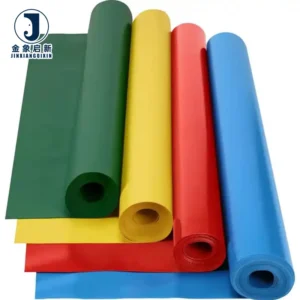
Rollos de tela de lona de PVC en stock 500D*500D 18*17 Colores en venta caliente en stock Fabricación en China Venta al por mayor de telas Mejor precio
¥1.26 Select options This product has multiple variants. The options may be chosen on the product page -
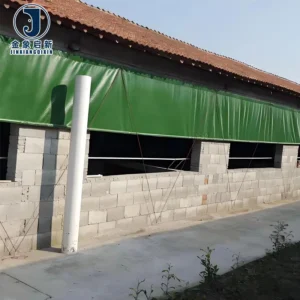
JX Lona de PVC Recubierta/Cubierta para Granja Impermeable Tienda de Tejido de Punto para Cerdo Broiler Oveja Pollo Estilo Sencillo
¥1.40 Add to cart -
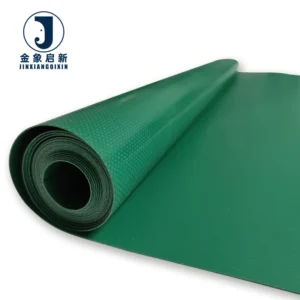
Lona plana recubierta de PVC de alta calidad, a prueba de viento y agua, para uso en refugios industriales.
¥0.53 Add to cart -
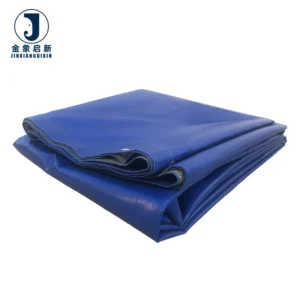
Venta caliente de lona de camping grande y resistente al agua para uso exterior, lona laminada de PVC de 500gsm.
¥3.20 Add to cart