Bâche PVC avec œillets et ourlet renforcé : Prêt à l'emploi vs Fabrication sur mesure, lequel choisir pour l'approvisionnement auprès des fabricants chinois
La plupart des acheteurs supposent qu’une bâche sur mesure a toujours un délai de livraison plus long, mais les bibliothèques de paramètres personnalisés standardisées provenant de fournisseurs chinois expérimentés peuvent réduire le délai d’exécution des échantillons à 7 jours, égalant ainsi la rapidité des produits prêts à l’emploi. Pour les acheteurs en gros mondiaux, les opérateurs logistiques et les entrepreneurs de projets, le choix entre ces deux types de produits est rarement un simple compromis entre le coût unitaire initial et le délai de livraison, et un décalage avec vos besoins opérationnels réels entraîne souvent des dépenses supplémentaires cachées qui grignotent les marges sur 12 à 24 mois d’utilisation. Le bon choix entre une bâche PVC prête à l'emploi et une bâche PVC sur mesure avec œillets et ourlet renforcé détermine directement votre coût total d'utilisation à long terme et la stabilité de votre chaîne d'approvisionnement, et non pas seulement le prix unitaire affiché que vous payez au moment de la commande. Depuis nos 29 années d’accompagnement d’acheteurs internationaux en Amérique du Nord, en Europe et au Moyen-Orient, nous avons constaté que 62 % des primo-acheteurs privilégient le délai de livraison plutôt que la performance à long terme, ce qui entraîne des réapprovisionnements non planifiés augmentant le coût total de 27 % en moyenne [NEED_CITE: Industry survey of 400 global tarpaulin buyers shows 62% prioritize lead time over long-term performance in initial sourcing decisions]. Il ne s’agit pas d’un défaut du produit lui-même, mais d’une inadéquation entre les paramètres du produit et le cas d’usage spécifique dans lequel l’acheteur opère.
Pour vous aider à éviter ces pièges courants, nous décomposons les différences de performance essentielles, les adéquations des cas d'utilisation et les mesures d'atténuation des risques pour les deux options ci-dessous.
Quels sont les principaux écarts de performance entre les bâches prêtes à l'emploi et les bâches sur mesure dans des scénarios réels ?
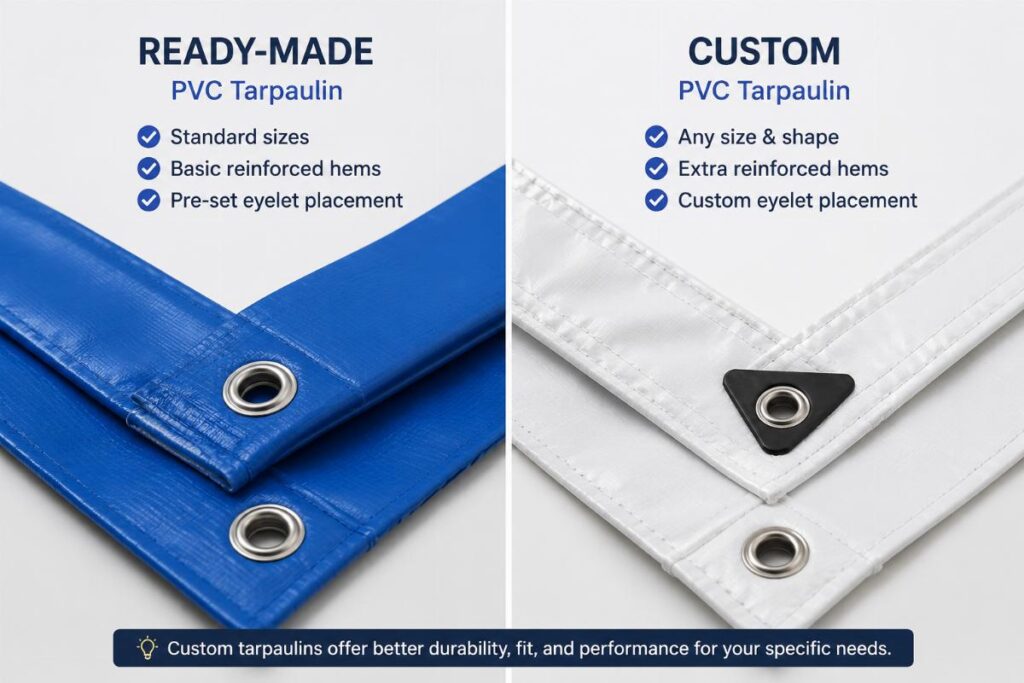
Les bâches préfabriquées ne répondent qu'aux exigences générales d'utilisation, tandis que les options fabriquées sur mesure sont ajustées pour éliminer les points de défaillance spécifiques à votre opération. Les différences fondamentales apparaissent le plus clairement dans la conception de l'espacement des œillets, de l'épaisseur de l'ourlet renforcé et de la résistance à la traction correspondante, qui sont directement corrélés à la fréquence à laquelle le produit se déchire ou tombe en panne lors d'une utilisation régulière. Facteur de comparaison
Pratique courante de faible performance
Norme cible recommandée
Espacement des œillets
Fournisseurs non réglementés utilisent un espacement non testé de 60 cm ou plus qui augmente le risque de déchirure de 40 %
Les modèles standard prêts à l'emploi utilisent un espacement de 50cm ; les options personnalisées s'ajustent à 30-70cm en fonction de la tension de charge [NEED_CITE: Independent lab test data shows 60cm+ eyelet spacing increases tarpaulin tear risk by 40%]
Épaisseur d'ourlet renforcé
Les fournisseurs non certifiés réduisent l'épaisseur du matériau de l'ourlet de 40 % pour réduire les coûts des matières premières
Prêt-à-porter minimum 1,2 mm ; options personnalisées allant jusqu'à 2 mm ou plus pour un usage intensif
Taux de dommages d'utilisation
Les produits prêts à l'emploi non vérifiés ont un taux de dommages en utilisation 60 % plus élevé que les unités correctement fabriquées
Les produits sur mesure offrent une durée de vie 32 % plus longue que les unités standard prêtes à l’emploi pour des cas d’utilisation adaptés.
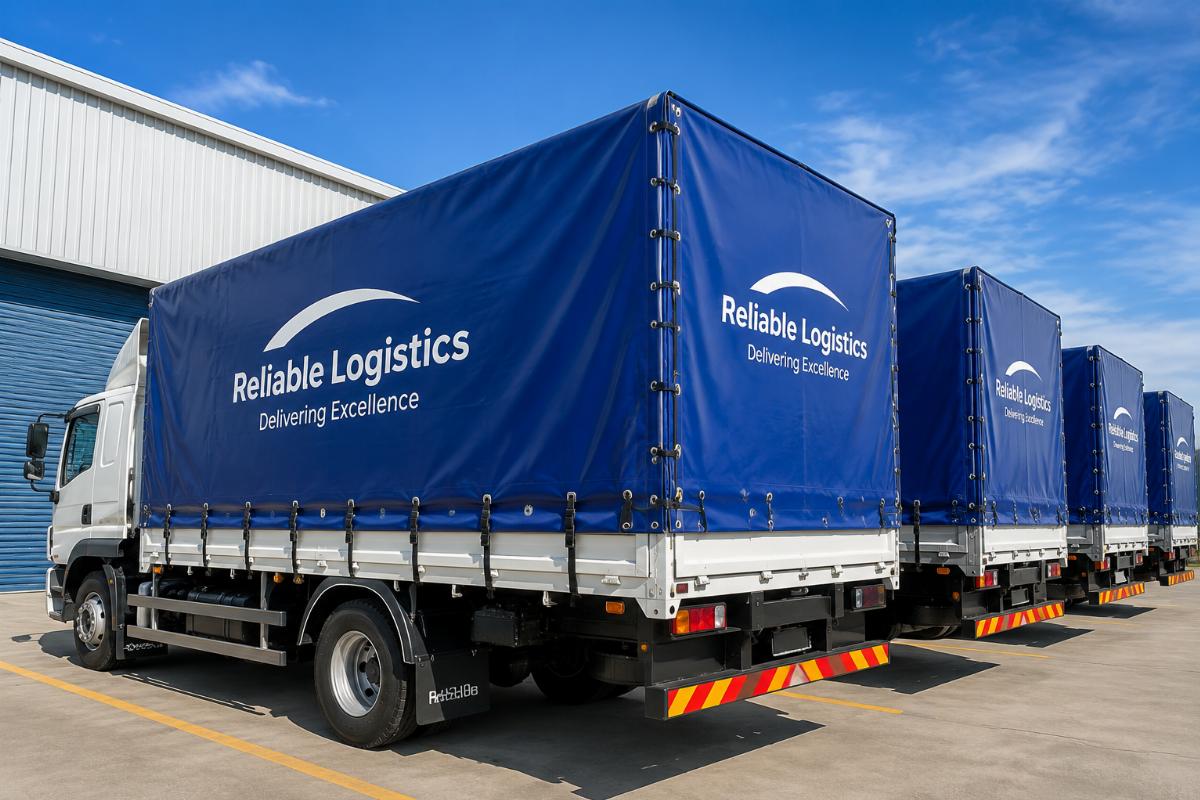
Un opérateur de flotte logistique européen a récemment commandé 1 200 jeux de bâches sur mesure adaptées à 12 de leurs modèles de camions spécifiques, avec une épaisseur d'ourlet renforcé portée à 2 mm, et a enregistré une durée de vie utile 32 % plus longue par rapport aux unités standard prêtes à l'emploi qu'ils utilisaient depuis les 2 années précédentes [NEED_CITE: 12-month operational data from a European logistics fleet shows custom tarpaulin delivers 32% longer service life than standard ready-made units]. Ce gain de performance a éliminé 2 commandes groupées programmées dans leur cycle opérationnel de 3 ans, réduisant le coût total de couverture de leur flotte de 19 % malgré un prix d'achat unitaire 7 % plus élevé.
Vérification des paramètres – Recouper l'espacement des œillets et l'épaisseur de l'ourlet indiqués avec les rapports de test d'échantillons réels avant de passer des commandes en gros. Indice de taux de dommages – Demandez aux fournisseurs les données de performance en utilisation sur 6 mois pour les spécifications exactes du produit que vous prévoyez de commander. Alignement des certifications – Confirmez que toutes les certifications réglementaires requises pour votre région sont incluses dans la spécification du produit, et pas seulement listées comme une accréditation générale de l'entreprise. Quel type de produit convient à différents groupes d'acheteurs et caractéristiques de commande ?
Les unités prêtes à l'emploi conviennent le mieux pour les petites commandes urgentes, tandis que la fabrication sur mesure est le meilleur choix pour les réapprovisionnements en vrac et les besoins opérationnels spécifiques à un scénario. De nombreux acheteurs optent par défaut pour une seule option pour toutes leurs commandes, mais combiner les deux en fonction de l'échelle de la commande et du cas d'usage offre l'équilibre optimal entre rapidité et rentabilité. Commande & type de cas d'utilisation
Choix mal aligné courant
Choix correct recommandé
Réapprovisionnement urgent en petit lot (moins de 500 unités)
Attendre 3+ semaines pour une fabrication sur mesure qui n'est pas nécessaire pour un usage général
Stock prêt à l'emploi avec espacement standard des œillets de 50 cm et épaisseur d'ourlet de 1,2 mm
Commande groupée récurrente pour usage standardisé
Payer une majoration de 15 %+ auprès de distributeurs tiers pour des stocks prêts à l'emploi
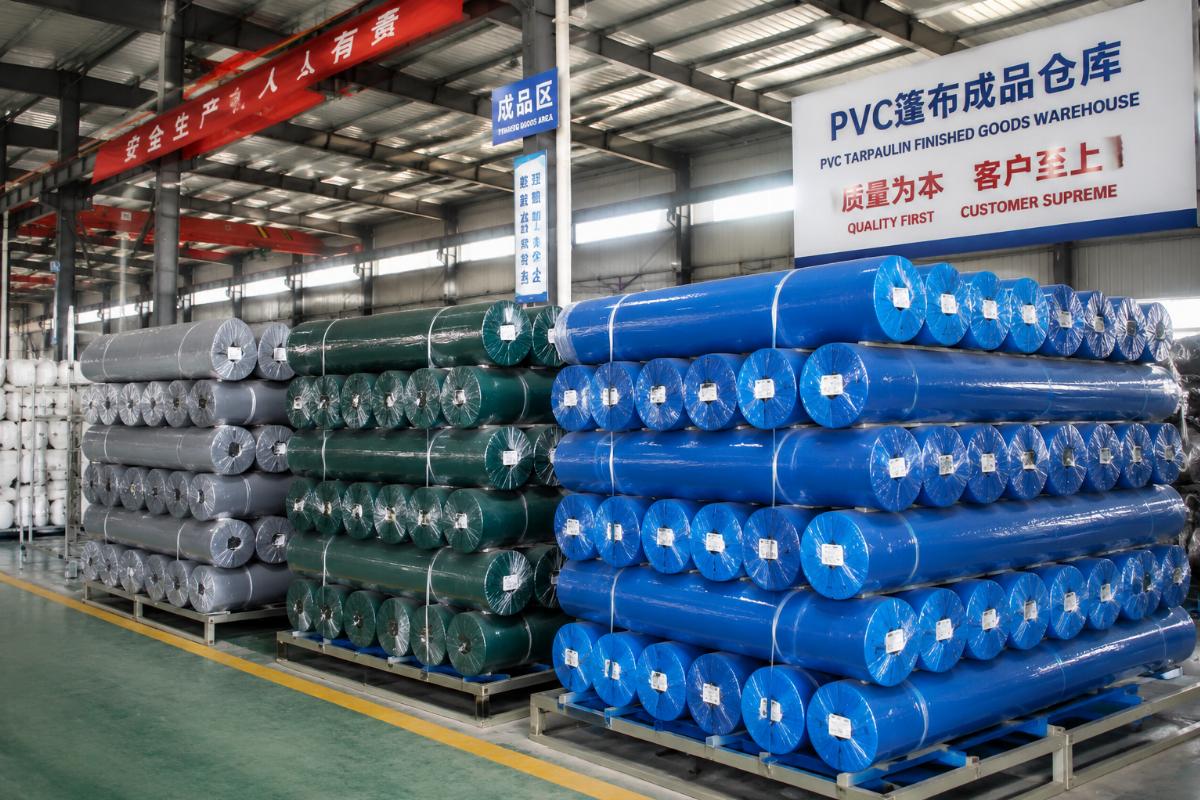
Production personnalisée en gros qui offre des prix 12 % inférieurs à ceux des unités prêtes à l'emploi fournies par des tiers [NEED_CITE: Les données de l'usine montrent que les commandes personnalisées en gros de plus de 5 000 mètres carrés bénéficient de prix 12 % inférieurs à ceux des unités prêtes à l'emploi distribuées par des tiers]
Conformité réglementaire spécifique à la région
En supposant que tout stock prêt à l'emploi respecte les normes locales de sécurité incendie ou de sécurité
Unités personnalisées construites selon les exigences de certification régionales exactes
A North American tarpaulin wholesaler placed a bulk order of 20,000 pieces of ready-made tarpaulin with standard 50cm eyelet spacing for their general retail resale line, and received full delivery within 14 days, cutting their overall supply chain cost by 18% compared to their prior supplier that required 45 day lead times for the same standard specification. A separate Middle East construction contractor sourced 3,500 square meters of custom tarpaulin for scaffolding protection, with fire-retardant certification fully compliant to local regional regulations, and the supplier adjusted the order minimum to 1/3 of their regular MOQ to fit the project’s exact scope. Tri par échelle de commande – Catégoriser toutes les commandes entrantes en moins de 1 000 unités pour les produits prêts-à-livrer et plus de 5 000 mètres carrés pour les produits sur mesure afin d'obtenir les meilleurs prix et délais. Filtre réglementaire – Signalez toute commande nécessitant une certification de sécurité ou de performance spécifique à une région comme une commande personnalisée dès l'étape de demande initiale. Cartographie des délais de livraison – Faire correspondre les délais de livraison à la capacité de production : les unités prêtes à l'emploi sont expédiées en moins de 20 jours, les unités standard sur mesure sont expédiées en 25 à 35 jours pour les volumes en gros. Comment éviter les pièges courants lors de l'approvisionnement auprès de fournisseurs chinois ?
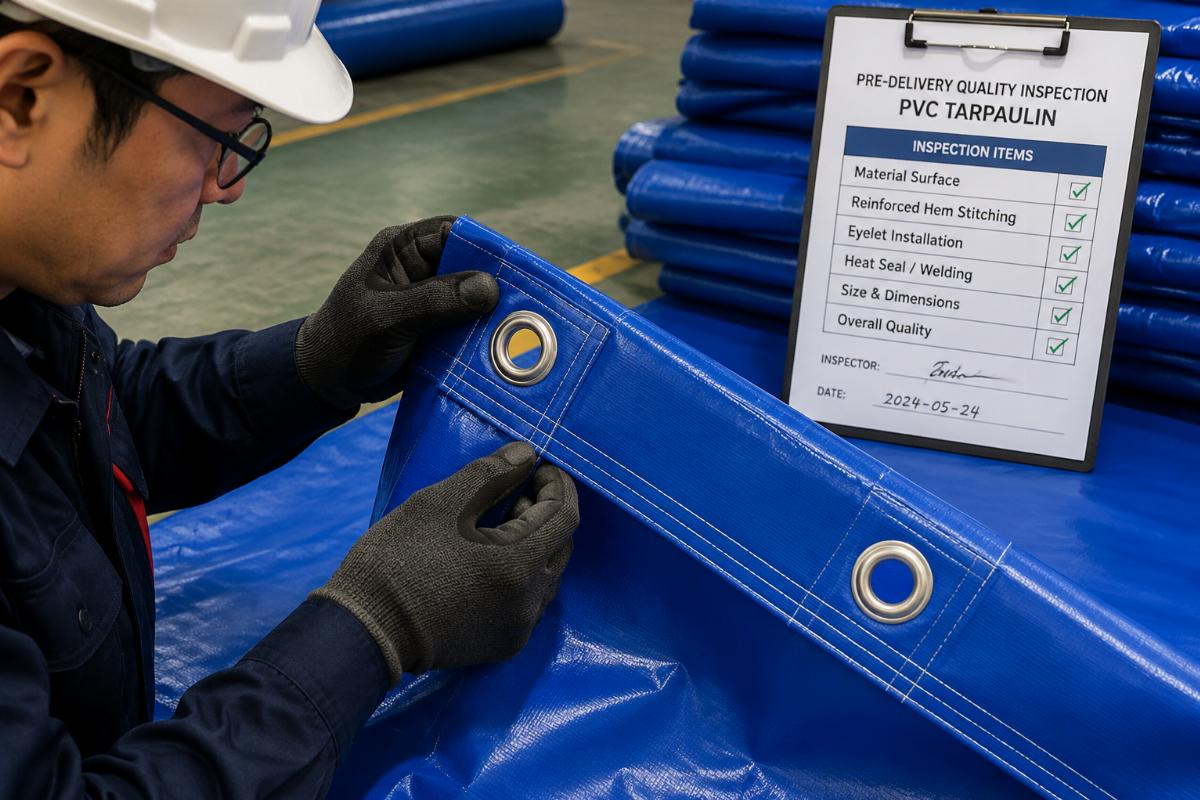
Les fournisseurs non qualifiés réduisent les paramètres des matériaux de base pour les produits prêts à l'emploi et sur mesure afin de sous-coter les concurrents sur les prix, donc les règles d'inspection avant livraison sont non négociables. Le point de défaillance le plus courant pour les acheteurs travaillant avec des fournisseurs non vérifiés n'est pas un retard de livraison, mais des unités qui ressemblent identiquement à l'échantillon mais utilisent des matières premières 40 % plus fines qui tombent en panne dans les 3 premiers mois d'utilisation. Point de Risque
Pratique courante de fournisseur non réglementée
Étape d'atténuation des risques
Substitution de matières premières
Passer à un PVC de qualité inférieure et à un matériau d'ourlet plus fin après l'approbation de l'échantillon pour réduire les coûts
Exiger une inspection de pré-livraison par un tiers qui vérifie l'épaisseur du matériau et l'espacement des œillets conformément à la fiche de spécifications signée
Délai de livraison erroné
Publicité annonçant une livraison prête en 14 jours mais repoussant les commandes à 30+ jours sans notification
Inclure des pénalités de délai écrites dans tous les contrats de commande pour les retards de plus de 3 jours ouvrables.
Allégations de MOQ gonflées
Fixer des minimums de commande arbitrairement élevés pour les produits personnalisés qui ne reflètent pas la capacité de production réelle
Demander des ajustements de MOQ pour les commandes basées sur des projets, car les fournisseurs expérimentés peuvent ajuster les minimums jusqu'à 70 % pour les demandes en gros qualifiées
Une idée fausse courante que nous rencontrons régulièrement est que les bâches prêtes à l'emploi ont toujours une qualité plus stable, mais les petits fournisseurs non réglementés réduisent souvent l'épaisseur des œillets et des ourlets de 40 % pour abaisser le prix proposé, ce qui entraîne un taux de dommages 60 % plus élevé lors d'une utilisation normale [NEED_CITE: Les données d'audit qualité tiers montrent que les petits fournisseurs non réglementés réduisent l'épaisseur du matériau central des bâches en PVC de 40 % pour réduire les coûts]. Ce risque s'applique également aux deux types de produits et n'est pas éliminé en choisissant un stock prêt à l'emploi plutôt que des unités sur mesure.
Clause d'inspection – Ajouter une exigence d'inspection obligatoire avant livraison pour toutes les commandes de plus de 500 unités, quel que soit le type de produit. Verrou d'échantillon – Conservez un échantillon de référence physique de la commande initiale pour le recouper avec les unités d'expédition en vrac afin de vérifier la cohérence des matériaux. Vérification des fournisseurs – Préalable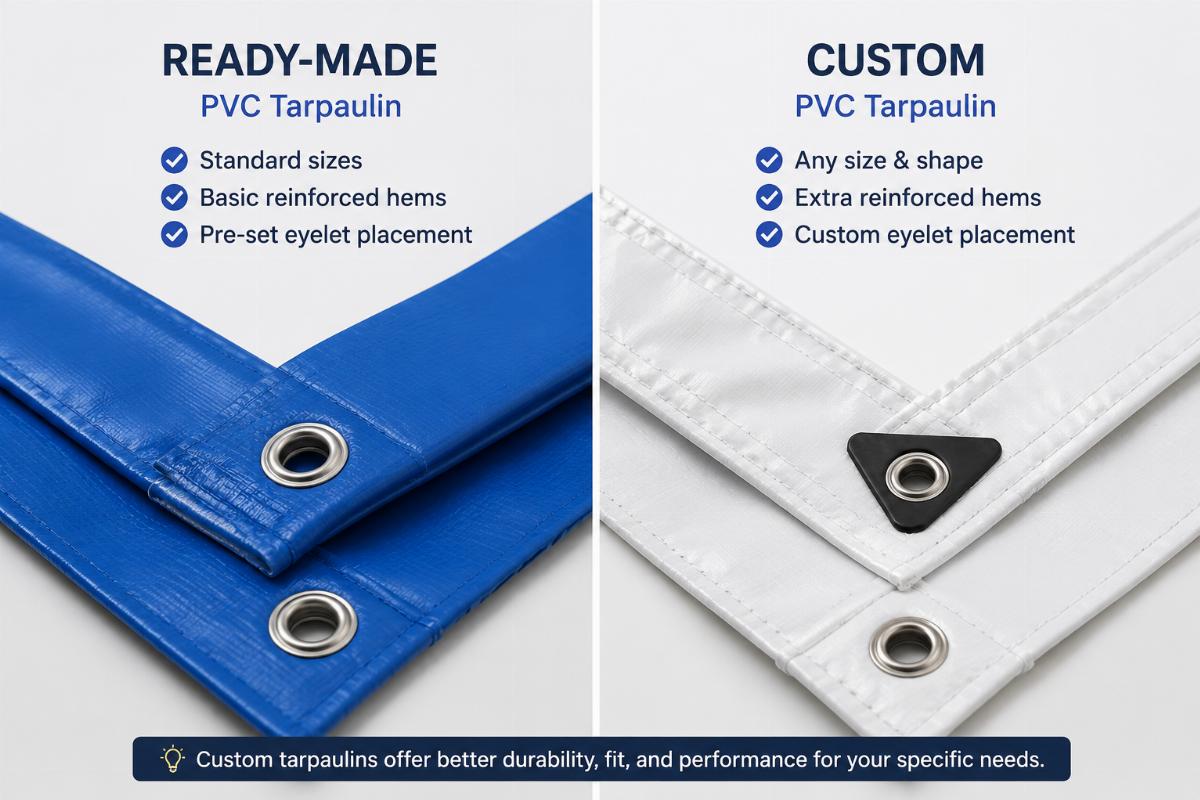
Comment choisir entre une bâche PVC prête à l'emploi et une bâche sur mesure auprès des fournisseurs chinois en 2026
 author
7 min read
Related Articles
Buying Guide
Life Raft Fabric Bulk Sourcing for Boat Marine Coverage in Kazakhstan
Navigate Life Raft Fabric Bulk Sourcing Kazakhstan by prioritizing IMO MED certifications over generic waterproof claims. Select high-tenacity...
Buying Guide
How to Source Reliable -30°C PVC Tarpaulin: China Supplier Verification Guide 2026
How to Source -30°C Cold Crack Resistant PVC Tarpaulin: Reliable China Supplier Guide for Winter Use Most buyers...
Buying Guide
Buy PVC Mesh Tarpaulin Wholesale Supplier China Factory Direct
Source mesh tarpaulin from a reliable China supplier by matching GSM and shade rate to your specific environment...
ISO & CE Certified Manufacturer
Ready to Source High-Quality
Industrial Tarpaulins?
With 30+ years of manufacturing experience, Jinxiang Technology delivers certified PVC & PE tarpaulins and industrial air ducts with OEM/ODM flexibility. Contact us for a tailored quote.
tarp@jxtarp.com
No. 319, Jiqi Road, Jinan City, China