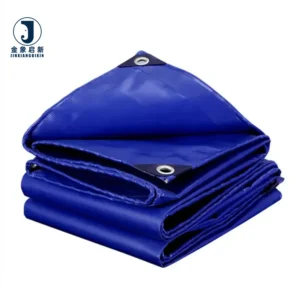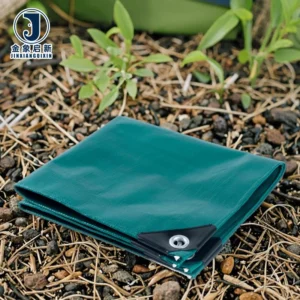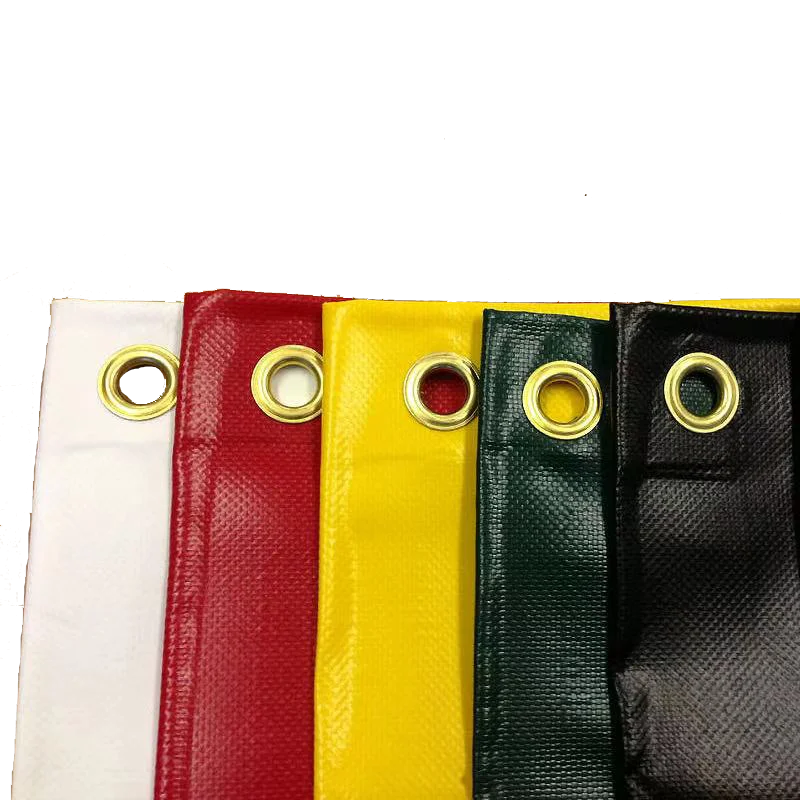
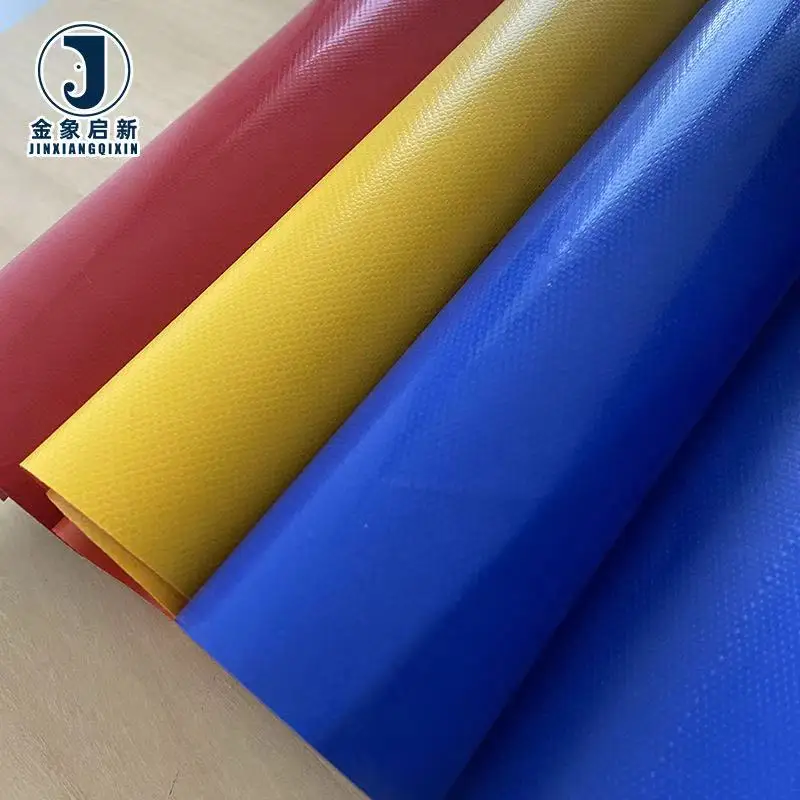
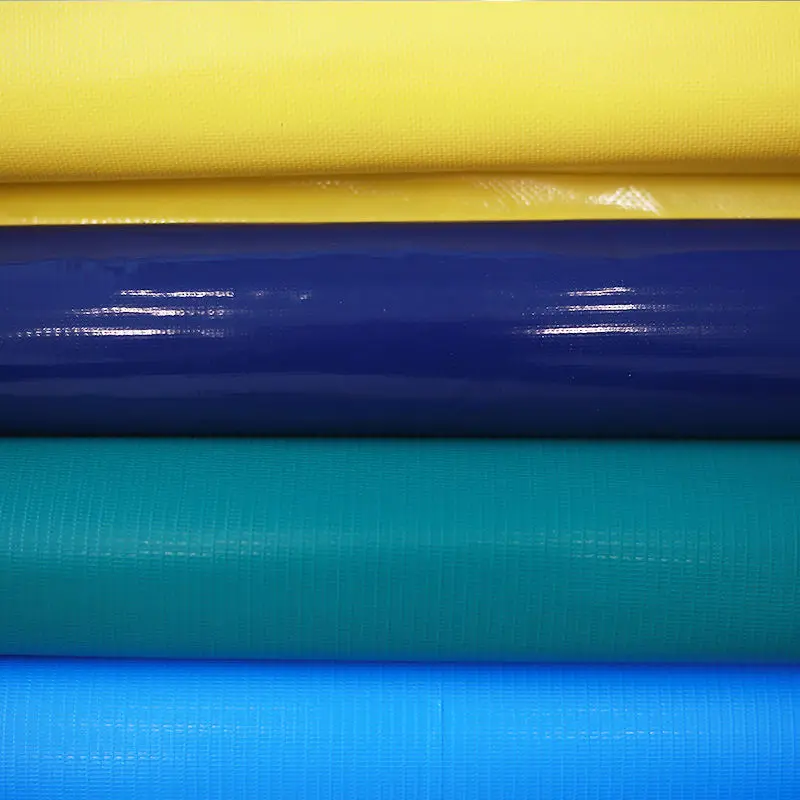
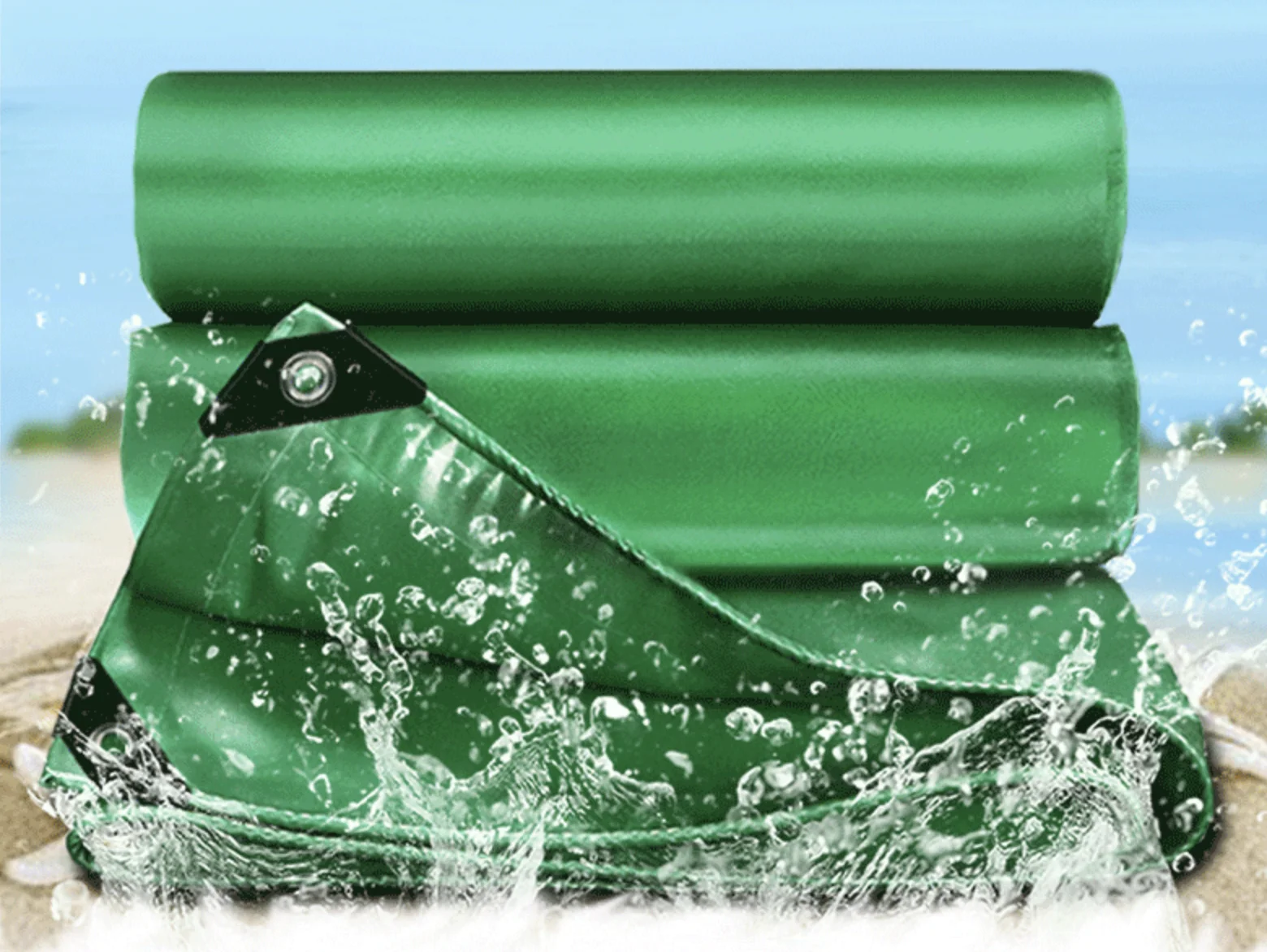
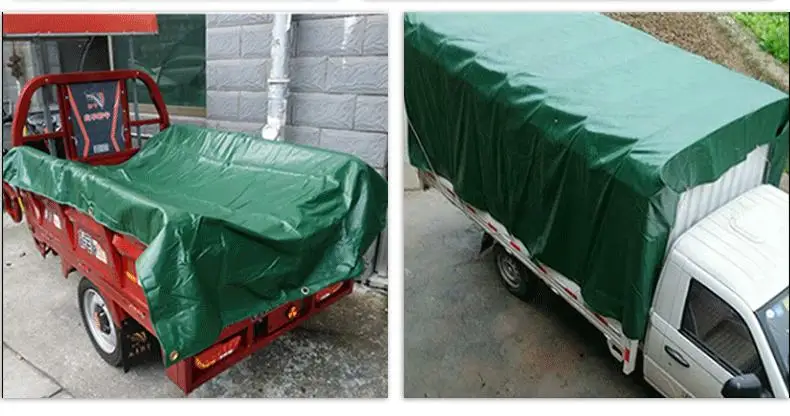
PVC Knife-Coated Fabric with 300-600 gsm range, waterproof and tear-resistant — available in rolls or custom cut sizes with flame retardant, anti-static, anti-cold and anti-mildew treatments.
From GSM verification to roll-to-roll colour consistency, every batch is controlled across three full production lines so your specification arrives exactly as quoted. Custom width, length and branding handled in-house.
- Backed by nearly 30 years of coated fabric process control and 100% pre-shipment inspection
Description
Coating Weight Control — Every roll of 300-600gsm PVC knife-coated tarpaulin leaves the line with a material specification sheet stating exact GSM, base fabric, and coating weight, allowing you to verify on receipt what was agreed at quotation.
Technical Specifications
| Parameter | Value |
|---|---|
| Product Type | PVC Knife-Coated Fabric |
| Weight Range | 300-600gsm (confirm the specific grade for your application) |
| Coating Method | Knife coated |
| Coating Material | PVC |
| Waterproof | Yes |
| Oilproof | Yes |
| Anti-Mildew | Available |
| Anti-Cold | Available |
| UV Treatment | Available (test basis not stated in source — request report for your market) |
| Flame Retardant Grade | Available in flame retardant grades — confirm the grade required for your market |
| Anti-Static | Available (standard not stated in source — specify requirement) |
| Roll Format | Tarpaulin roll |
| Custom Size | Available |
| Printing Option | Available |
| Outdoor Life | Suited to extended outdoor exposure |
| Certifications | ISO, CE certified production |
Application Suitability
| Application | Exposure & Requirement |
|---|---|
| Truck and trailer covers | Constant flexing at load points, road debris abrasion, sustained UV exposure, tie-down stress at hems |
| Outdoor tents and awnings | Prolonged sun and rain exposure, repeated folding and deployment, wind-load tension on fabric panels |
| Construction site covers | Dust containment, equipment protection, abrasion from scaffolding contact, weather resistance |
| Agricultural and pond liners | Permanent water contact, soil chemistry exposure, puncture risk from substrate irregularities |
| Industrial equipment covers | Oil and chemical splash resistance, outdoor storage exposure, repeated handling and draping |
Why a Quoted GSM Does Not Guarantee What Arrives on the Dock
The number on the quotation only matters if the roll you receive can prove it.
Buyers in the coated fabric trade have encountered a familiar pattern: the specification sheet states a PVC knife-coated tarpaulin custom weight, but the material on arrival feels lighter, and when tested, the GSM falls below the agreed range. The coating weight and base fabric denier together determine how the material performs under load, yet many suppliers quote a single number without documenting how it was measured or at what stage of production it was verified. A 300-600gsm range covers a broad span of duty levels, and without a per-roll inspection record, the buyer carries all the risk. [NEED_CITE: tensile and tear test methods for coated fabrics per ISO 1421]
How Knife Coating Differs From Alternative Methods
PVC knife-coated fabric production involves drawing the base fabric through a coating head where a precise layer of PVC compound is applied directly onto the textile substrate. This method produces a strong mechanical bond between coating and yarn, which supports higher peel strength at welded seams compared to laminated alternatives. For buyers sourcing a PVC coated tarpaulin manufacturer, the coating method directly affects how the material behaves during fabrication — particularly at heat-welded joints where adhesion failure is a common field complaint.
Treatment Options Must Match the Installation Environment
The available treatment menu — flame retardant, anti-static, anti-mildew, anti-cold, and UV-stabilized — addresses specific exposure conditions rather than general-purpose improvement. A tent fabric installed in a region with strict fire codes needs a documented flame retardant grade, not an unsupported claim. Anti-cold treatment matters for tarpaulins deployed in freezing climates where untreated PVC becomes brittle. When you specify treatments, request the corresponding test report so the claim can be verified by your compliance team. [NEED_CITE: DIN 4102 fire classification for building materials]
Reading the Specifications That Actually Matter
The GSM figure alone does not define strength. A 500gsm fabric with a high-denier base yarn and tight weave will outperform a 550gsm fabric built on a loosely woven, low-denier scrim — because tensile and tear resistance come from the base fabric architecture as much as from coating weight. Knife coating adds to overall GSM but also fills the weave interstices, improving waterproofing and providing a continuous surface for printing. The balance between base fabric density and coating thickness determines the roll’s hand feel, flexibility at low temperature, and suitability for heat welding versus sewing.
The Hidden Cost of Specification Gaps
When flame retardant treatment is claimed without a test report, the consequence surfaces at site inspection — the project is halted, the material is rejected, and replacement lead times delay the entire installation. Similarly, when batch-to-batch colour varies across rolls in the same shipment, the mismatch becomes visible once panels are installed side by side, forcing a full re-order. Coating weight inconsistency between rolls can cause some panels to weld properly while adjacent ones delaminate under identical heat settings, creating unpredictable fabrication yields. [NEED_CITE: coating adhesion and peel strength testing for PVC tarpaulin]
Why Production Process Control Reduces Your Receiving Risk
Three full production lines and 36 sets of professional equipment support bulk capacity with consistent roll-to-roll output, meaning batch colour and GSM stay within tolerance across large orders. A dedicated 10-person R&D team handles material selection and sample development, so custom width, colour, and printing specifications are resolved before production begins rather than corrected after arrival. QA/QC checkpoints at every production stage — from base fabric incoming inspection to final coating weight verification — ensure each roll meets the specification before it is packed. The 100% pre-shipment inspection record accompanies every order, giving you a documented baseline to check against on receipt.
Documentation & Verification
- Material specification sheet per shipment stating exact GSM, base fabric denier, and coating weight
- Test reports for UV stability and flame retardant grades supplied where specified
- Pre-shipment inspection record included with every order for receiving verification
- Roll packing list with weight and dimensions for customs clearance support
- Certificate of origin and ISO/CE production certificates provided
Fabrication, Handling & Storage
- Heat weld PVC knife-coated fabric using temperature settings matched to the specific coating thickness
- Store rolls horizontally on pallets to prevent edge crushing and permanent crease marks
- Allow cold-stored rolls to reach ambient temperature before unrolling to avoid coating crack
- Clean surfaces with mild detergent only; avoid solvents that degrade the PVC coating layer
- Plan panel layout from roll width to minimise off-cuts and reduce welded seam count
What to Include in Your Inquiry
To receive an accurate specification recommendation, provide the intended application and the environmental conditions the fabric will face — including temperature range, UV exposure level, and any fire code requirements for your target market. Specify whether you need rolls at a particular width and length, or cut-to-size finished panels with hemming and eyelets. If colour consistency across a multi-roll order is critical, note this so a production batch can be reserved. Request a sample for approval before full production runs.
Frequently Asked Questions
Q: How is GSM verified on arrival and what documentation supports the quoted weight?
A: Every roll ships with a material specification sheet stating the exact GSM, base fabric denier, and coating weight. A pre-shipment inspection record is included, documenting the verified weight per roll before packing. On receipt, you can cross-check these figures against a sample cut and weigh test.
Q: What flame retardant grades are available and which test standards do they meet?
A: Flame retardant treatment is available in multiple grades to suit different market requirements. The specific grade and corresponding test standard — such as DIN 4102, NFPA 701, or local building code classifications — should be confirmed at inquiry stage so the correct formulation is applied and a test report is issued with the shipment.
Q: How do you control batch-to-batch colour consistency across multiple rolls in the same order?
A: Colour matching is managed through the in-house R&D team using reference standards agreed at sample approval. Production for a single order runs as one batch where possible. If multiple production runs are required, colour consistency is verified against the approved reference before each roll is released for packing.
Q: What custom width, length and printing options are available for PVC knife-coated tarpaulin?
A: Custom width and length are available beyond standard roll dimensions, along with pattern printing and branding options. Minimums and lead times depend on the specific colour, width, and print complexity. A sample is developed for approval before the full production run begins.
Related products
-
Custom 500-600GSM PVC Knife-Coated Fabric for Tents – Full Range
Read more -
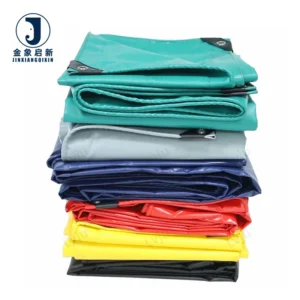
650GSM Heavy Duty Waterproof Black PVC Knife Coated Tarpaulin Truck Trailer Tent Cover Tarp Outdoor Storage Industrial Truckers
¥1.10 Add to cart -
Customize 500-600GSM Heavy Duty Waterproof Anti-UV Knife Fabric PVC Tarpaulin for Car Tents Canopies Awnings
¥0.90 Select options This product has multiple variants. The options may be chosen on the product page -
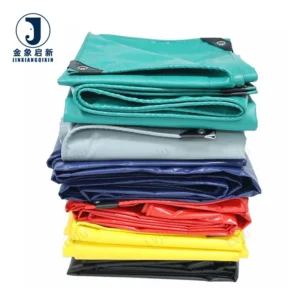
Different Colors 500 GSM Heavy Duty PVC Tarpaulin Knife Fabric Cloth Tent Canopy Awnings Truck Ship Rainproof Tarp Cover
¥1.45 Select options This product has multiple variants. The options may be chosen on the product page