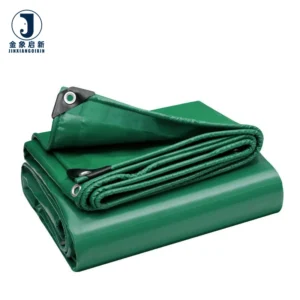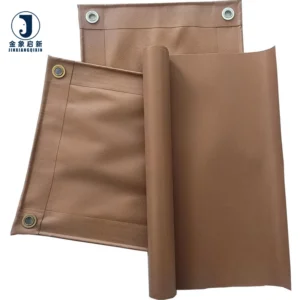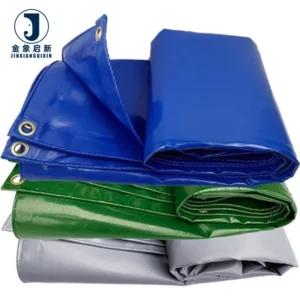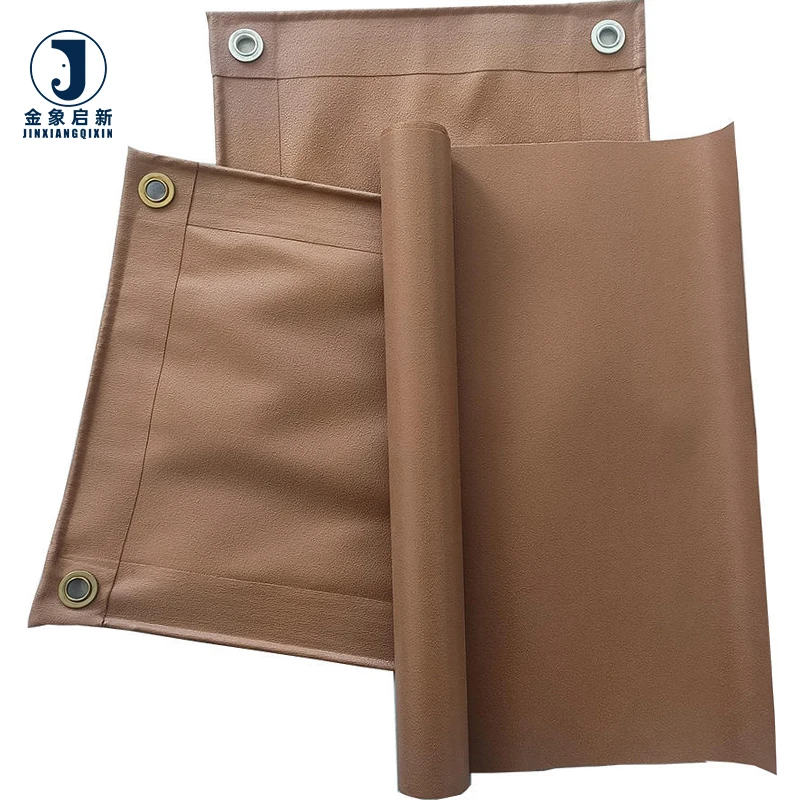
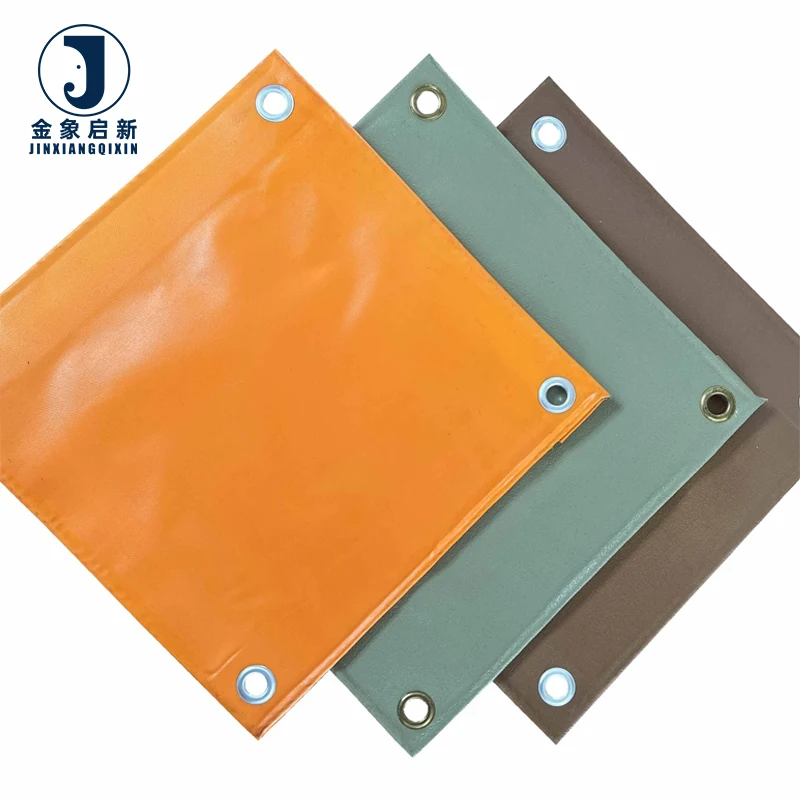
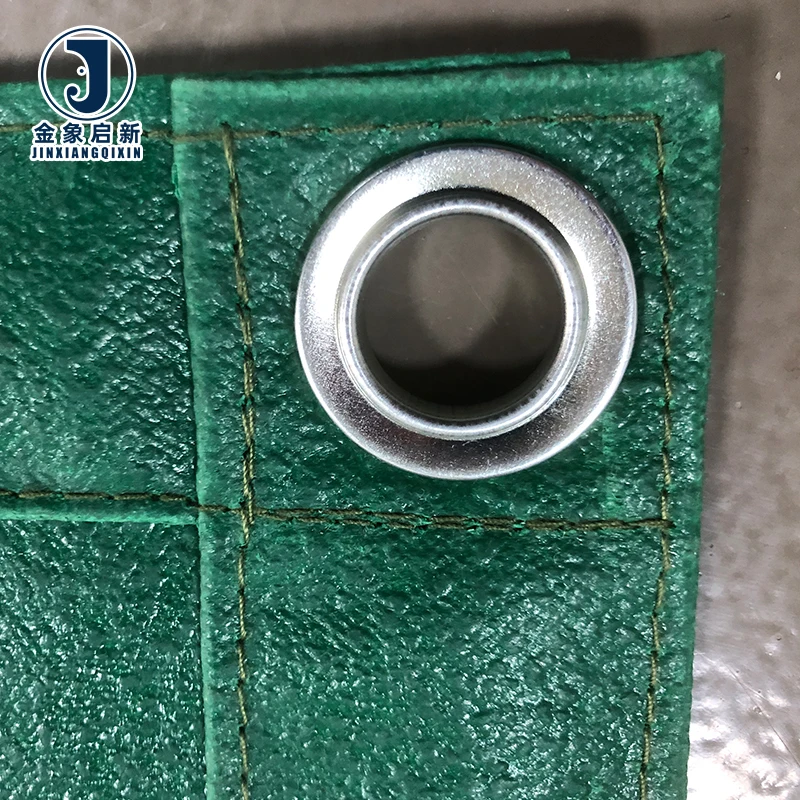
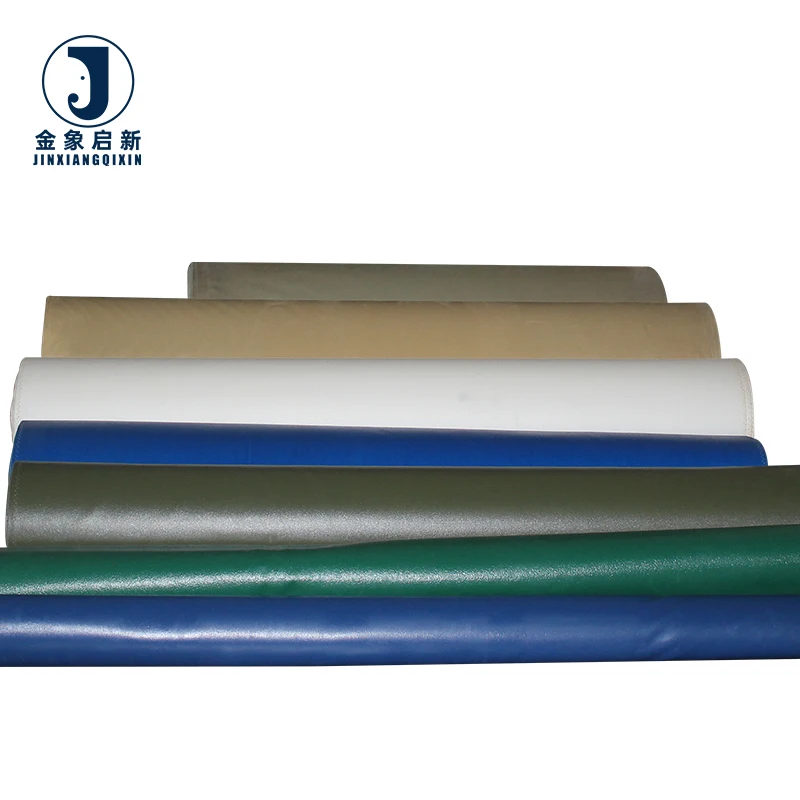
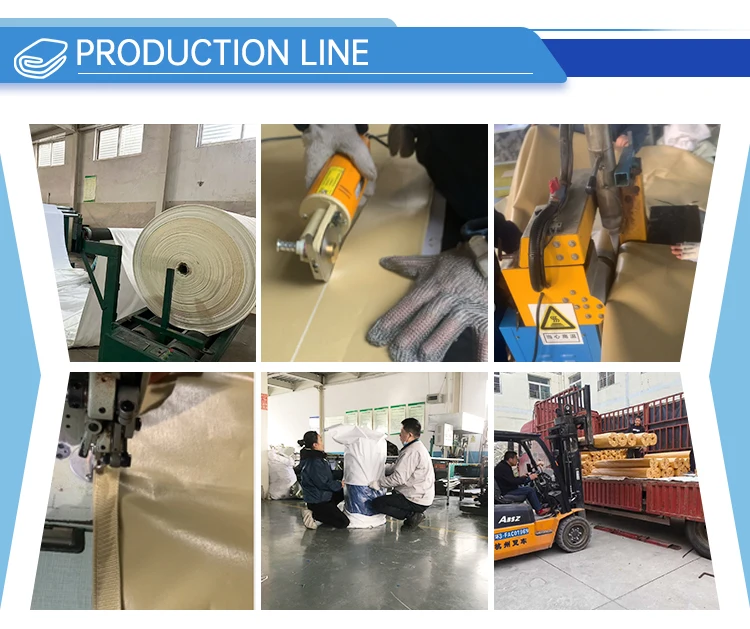
PVC Coated Tarpaulin 520gsm, 1000D Polyester Base, Hot-Melt Coated — engineered for truck covers, side curtains, and transport load protection.
- Lamination and hot-melt coating process ensures stable GSM and strong seam welds at flex points
- Available with flame retardant, anti-static, cold-crack and mold-proof treatments (test reports provided)
- Width, length, colour and pattern printing fully customisable per roll
Backed by nearly 30 years of coating expertise, 100% pre-shipment inspection, and a dedicated R&D team delivering samples within days.
Description
Deep Process Control Over Coating Weight — Maintained across three dedicated production lines with in-process QA and 100% pre-shipment inspection for every PVC coated tarpaulin roll shipped.
Technical Specifications
| Parameter | Value |
|---|---|
| Product Type | PVC Coated Tarpaulin |
| Base Fabric | 100% high toughness polyester yarn |
| Coating Material | PVC |
| Coating Method | Lamination technology and hot melt coating technology |
| Weight (GSM) | 400–500 g/m² (medium-sized), 700–1000 g/m² (heavy-duty), 1100–1500 g/m² (super heavy) |
| Thickness | 0.35–0.45 mm (medium-sized), 0.70–1.0 mm (heavy-duty), 1.2–1.5 mm (super heavy) |
| Base Fabric Denier | 500D (medium-sized), 1000D (heavy-duty), 500D–2000D (super heavy) |
| Tensile Strength | Longitude 1500–2000 / Latitude 1200–1800 N/5cm (medium); Meridian 2000–2500 / Latitude 1800–2200 N/5cm (heavy-duty); 2500–3000 warp / 2200–2800 weft N/5cm (super heavy) — test basis not stated |
| Functional Treatments | Flame retardant (grade not stated), anti-static (standard not stated), anti-UV (test basis not stated), mold proof, cold resistant cracking |
| Welding Performance | Excellent welding tear strength |
| Color Fastness | Best color fastness (grade not stated) |
| Waterproof | Yes |
| Certifications | ISO, CE |
Application Suitability
| Application | Exposure & Requirement |
|---|---|
| Truck tarpaulin and side curtain | Constant flexing at load points, road abrasion, UV exposure, weather extremes, tie-down stress at eyelets |
| Heavy truck tarpaulin and engineering protective cloth | High mechanical stress, equipment contact, prolonged outdoor weathering, puncture risk |
| Industrial pipe canopy and tensioned structural fabric | Sustained tension loading, wind uplift, thermal cycling, long-term UV exposure |
| Lightweight engineering fabric and waterproof fabric | General weather protection, moderate mechanical handling, moisture ingress prevention |
Why GSM Alone Does Not Tell You How Strong the Fabric Is
Coating weight and base fabric denier together determine real-world performance, not a single GSM figure on a quotation.
A PVC coated tarpaulin custom manufacturer may quote a specific weight, yet the base yarn count and weave density dictate how that weight translates into tear propagation resistance and seam integrity. I have seen buyers focus on GSM during sourcing only to discover that the fabric splits at stress points under load because the base fabric was too loosely woven for the coating applied. The PVC coated tarpaulin custom manufacturer you choose should provide both the base denier and the coating method so you can evaluate the full construction, not just the finished weight [NEED_CITE: tensile and tear test methods for coated fabrics per ISO 1421].
Lamination and Hot Melt Coating: How Adhesion Affects Weld Integrity
The lamination technology and hot melt coating technology used in this PVC coated tarpaulin determine how firmly the PVC bonds to the polyester base fabric. Strong adhesion prevents delamination when the material flexes repeatedly at seams and fold lines. For truck side curtain applications, this bond directly influences whether heat-welded joints hold or peel apart under road vibration and wind load.
Matching Denier Grade to Application Severity
The base fabric denier ranges from 500D for medium-sized grades up to 2000D for super heavy constructions. Lower denier fabric suits light-duty covers and temporary enclosures, while higher denier yarn resists tear propagation when the fabric is subjected to sharp contact or sustained tension in structural applications. Selecting the correct denier tier prevents over-engineering lightweight uses and under-engineering heavy-load environments [NEED_CITE: relationship between yarn denier and tear propagation in coated polyester fabrics].
What Thickness Means Beyond the Number
Thickness values span from 0.35 mm in medium grades to 1.5 mm in super heavy variants. Thickness correlates with puncture resistance and stiffness, which affects how the fabric handles during fabrication and installation. Thicker grades resist abrasion from contact with rough surfaces but require more powerful heat welding equipment and wider seam allowances to achieve full bond strength.
When Specifying the Wrong Grade Costs More Than the Fabric
Ordering a PVC coated tarpaulin that is too light for the application leads to premature failure at weld lines and flex points, forcing replacement far sooner than expected. Conversely, specifying a super heavy 1500 g/m² grade for a lightweight canopy wastes material cost and adds unnecessary weight that complicates handling and installation. Colour variation between rolls in a single order becomes visible once panels are installed side by side, turning a material savings decision into a rework problem [NEED_CITE: batch colour consistency standards for coated fabric in architectural applications].
Why Sourcing PVC Coated Tarpaulin Here Is Different
Three full production lines running lamination and hot melt coating allow bulk orders of this PVC coated tarpaulin to ship on schedule without shifting between subcontracted facilities. A dedicated 10-person R&D team develops custom samples — including width, colour matching, and pattern printing — within days rather than weeks. Every production stage carries in-process quality checks, with 100% inspection before shipment verifying roll weight and visual consistency against the order specification. The coating process maintains tight control over GSM, preventing the common failure of arrival weight falling short of what was quoted.
Documentation & Verification
- Material specification sheet stating exact GSM, base denier, and coating method for every roll
- Test reports for flame retardant and anti-UV grades — request specific standards before production
- Pre-shipment inspection record with roll-by-roll weight verification against quoted GSM
- Colour reference and batch consistency check across all rolls in the same order
- Certificate of origin and customs documentation included with every dispatch
Fabrication, Handling & Storage
- Heat welding parameters must match the specific coating method — lamination and hot melt coatings respond differently to temperature and dwell time
- Seam allowances on heavy-duty 1000D grades should be wider to ensure full bond across the weld zone under flex stress
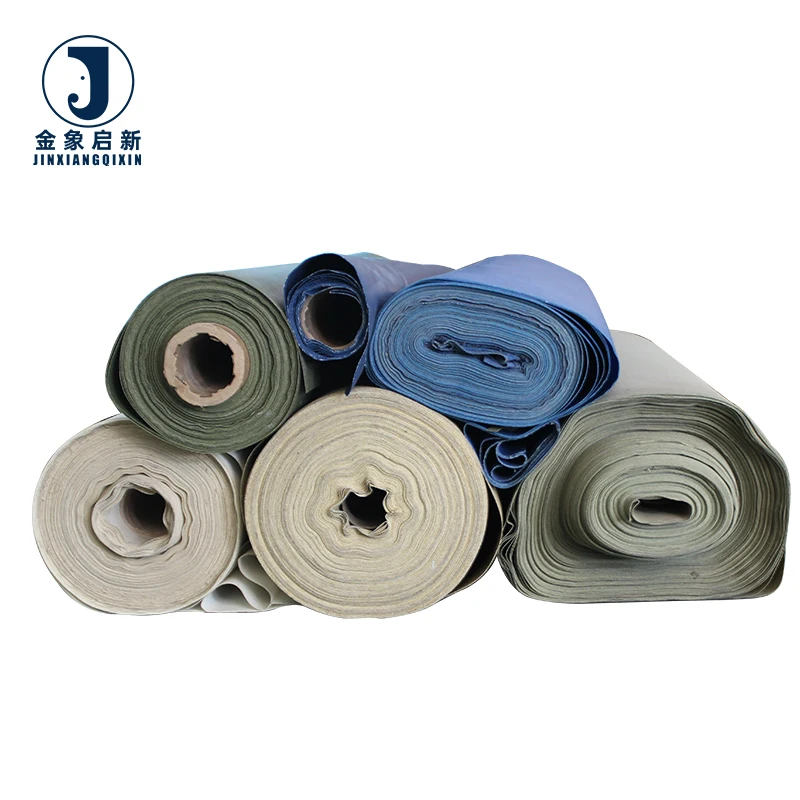
- Store rolls horizontally on padded racks to prevent permanent creasing in thicker 1.2–1.5 mm super heavy grades
- Unroll super heavy grades in warm conditions; cold-stiffened PVC coating can crack if forced open at low temperatures
- Clean surfaces with mild detergent only; harsh solvents degrade the PVC coating and reduce weather resistance over time
- Plan cutting layouts to minimize offcuts, particularly when working with wider custom widths to reduce material waste
What We Need to Quote Accurately
Provide the specific application — whether truck side curtain, equipment cover, or structural membrane — along with the environmental conditions the PVC coated tarpaulin will face. Confirm any fire safety or anti-static requirements for your target market so we can select the correct treatment grade. Indicate preferred roll width, colour reference, and whether you require finished cut sizes or raw roll stock, and request a sample if colour or print matching is critical.
Frequently Asked Questions
Q: How do I verify the GSM on arrival matches the quotation?
A: Request a pre-shipment inspection record that documents roll-by-roll weight measurements. Our 100% inspection protocol verifies each roll against the stated GSM before dispatch. On arrival, spot-check sample cuts from multiple rolls using a calibrated scale and compare against the material specification sheet provided with the shipment.
Q: What flame retardant grades are available for my market?
A: Flame retardant treatment is available, but specific grades must be confirmed against your local fire safety regulations. Request the test report and classification standard before production begins. Different markets require different certifications, and we match the treatment to your documented compliance requirement rather than applying a generic claim.
Q: How do you ensure colour consistency across multiple rolls?
A: Each production run uses a controlled colour reference with batch consistency checks at the coating stage. Rolls from the same order are inspected side by side before packing to detect any visible drift. If your project requires panels installed adjacent to each other, specify this during inquiry so we prioritize tight colour tolerance.
Q: What is the sample development timeline for custom requirements?
A: Our 10-person R&D team develops samples for custom width, colour, and printed branding within days rather than weeks. Samples go through the same lamination or hot melt coating process as production material, ensuring the approval sample accurately represents what you receive in bulk.
Q: Should seams on truck covers be heat welded or sewn?
A: Heat welding is preferred at high-flex points because it creates a continuous bond without needle holes that allow water ingress. The lamination and hot melt coating technology used in this PVC coated tarpaulin supports strong weld tear strength. Sewn seams with thread may fail before the fabric itself when subjected to constant flexing under load.
Related products
-
Tarpaulin Hot Selling 30M X 30M Finished PVC Tarpaulin for Farming Tarpaulin
¥1.48 Add to cart -
900GSM Heavy Duty PVC Coated Tarpaulin Panama Tarpaulin Curtains for Lorries
¥7.78 Add to cart -
Pvc Plastic Canvas Strong Waterproof PVC Tarpaulin HDPE Coated Tarpaulin
¥1.80 Select options This product has multiple variants. The options may be chosen on the product page -

PVC Coated Tarpaulin PVC Fabric Tarpaulinheavy duty fire retardant waterproof pvc coated tarpaulin rolling pvc tarp
¥1.00 Select options This product has multiple variants. The options may be chosen on the product page