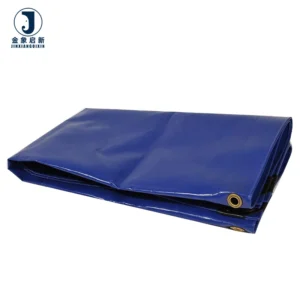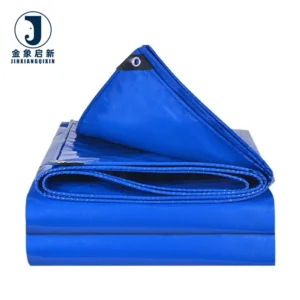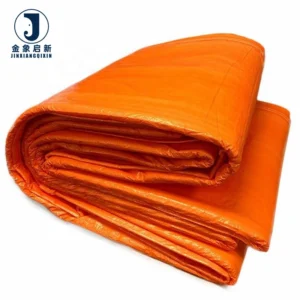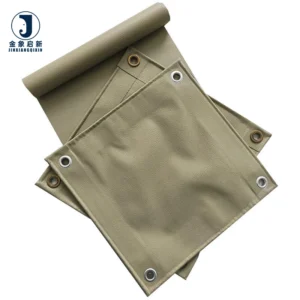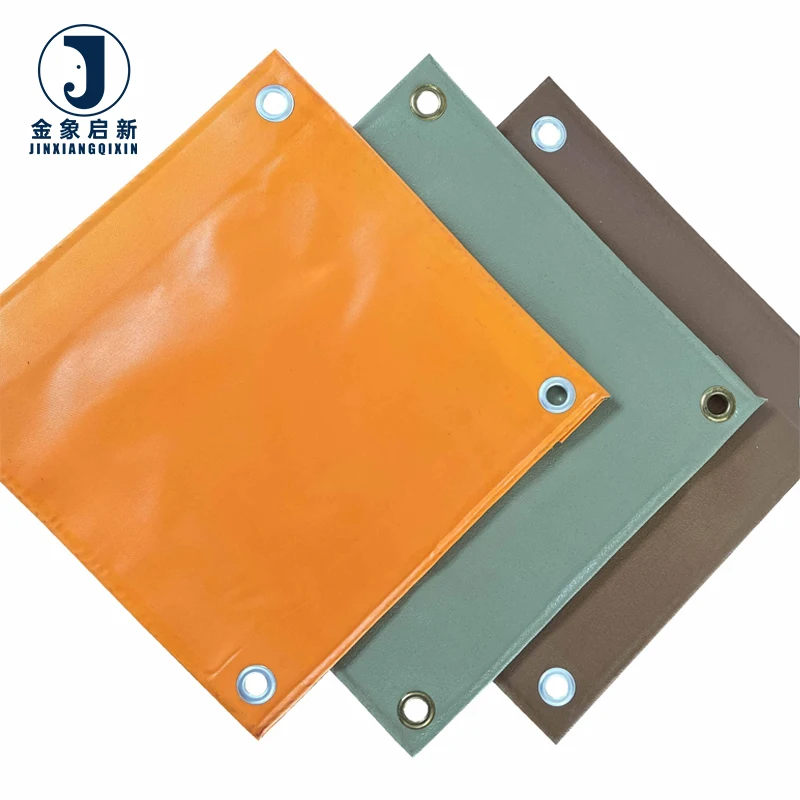
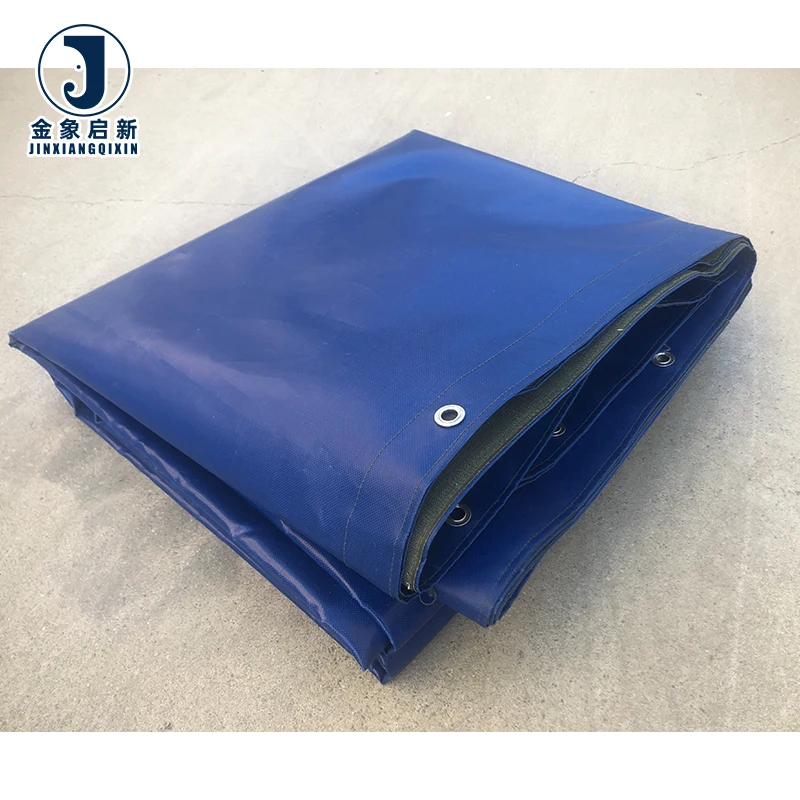
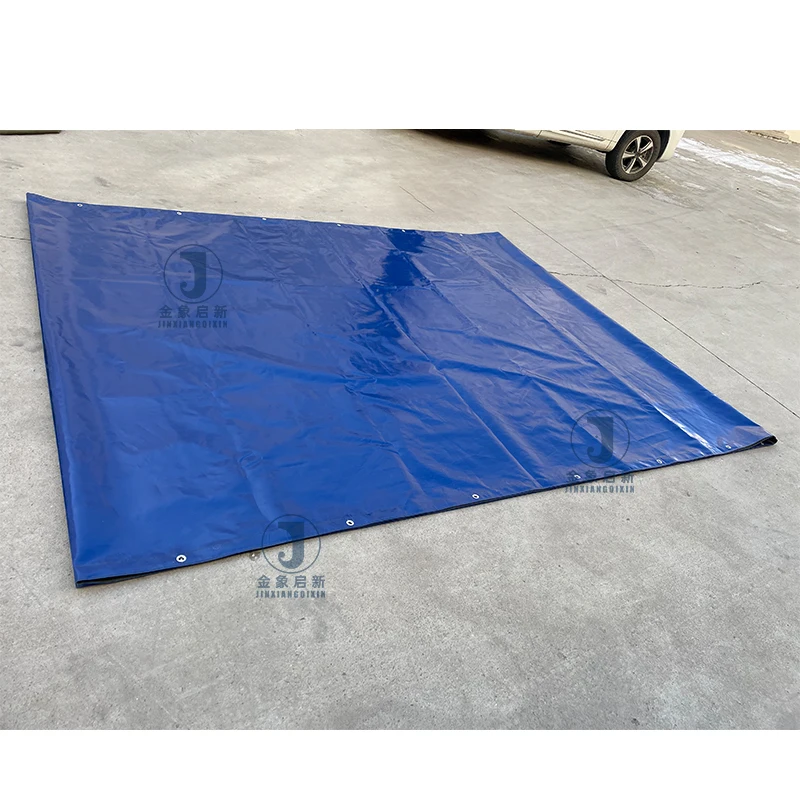
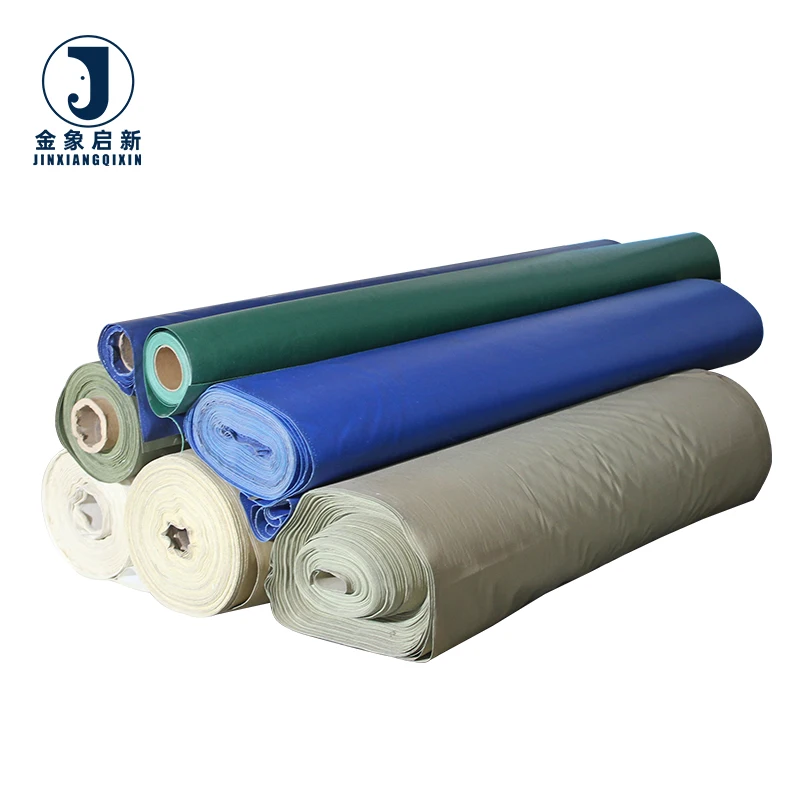
Anti-Static Printable PVC Coated Tarpaulin, 100% high toughness polyester yarn with PVC coating, lamination and hot melt coating technology — designed for exhibition backdrops and event structures requiring a printable, anti-static surface.
- Medium to super heavy-duty grades available with custom width, length, colour, pattern printing and branding
- Glossy and matte finish options; cold crack resistant (-30°C), waterproof and mold proof
- Flame retardant and UV resistant options offered alongside anti-static treatment
Backed by nearly 30 years of coated fabric process control, a 10-person R&D team for rapid sample development, and 100% pre-shipment inspection on every roll.
Description
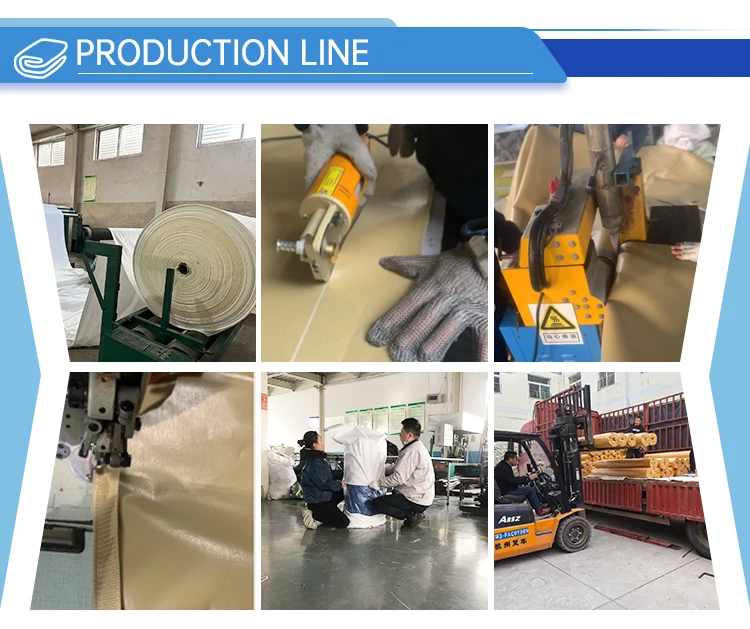
Coating Line Expertise — Our three production lines apply hot melt and lamination coating with consistent adhesion, verified by 100% pre-shipment inspection on every roll of Anti-Static Printable PVC Coated Tarpaulin.
Technical Specifications
| Parameter | Value |
|---|---|
| Product Type | PVC Coated Tarpaulin |
| Base Material | 100% high toughness polyester yarn with PVC coating |
| Coating Technology | Lamination technology and hot melt coating technology |
| Thickness (Medium-duty) | 0.35-0.45 mm |
| Weight (Medium-duty) | 400-500 g/m² |
| Knitting Density (Medium-duty) | 500D |
| Tensile Strength (Medium-duty) | Longitude 1500-2000 / Latitude 1200-1800 N/5cm |
| Thickness (Heavy-duty) | 0.70-1.0 mm |
| Weight (Heavy-duty) | 700-1000 g/m² |
| Knitting Density (Heavy-duty) | 1000D |
| Tensile Strength (Heavy-duty) | Meridian 2000-2500 / Latitude 1800-2200 N/5cm |
| Thickness (Super Heavy) | 1.2-1.5 mm |
| Weight (Super Heavy) | 1100-1500 g/m² |
| Knitting Density (Super Heavy) | 500D-2000D |
| Tensile Strength (Super Heavy) | Warp 2500-3000 / Weft 2200-2800 N/5cm |
| Key Features | Waterproof, cold crack resistant (-30°C), mold proof, anti-static treatment available, flame retardant option available, UV resistant option, excellent welding tear strength, good color fastness |
| Outdoor Weather Resistance | 3-5 years |
| Custom Treatment Options | Flame retardant, anti-static, cold resistant, mold prevention |
| Finish | Glossy and matte options available |
| Width | Custom width available |
| Length | Custom length available |
| Color | Custom color available |
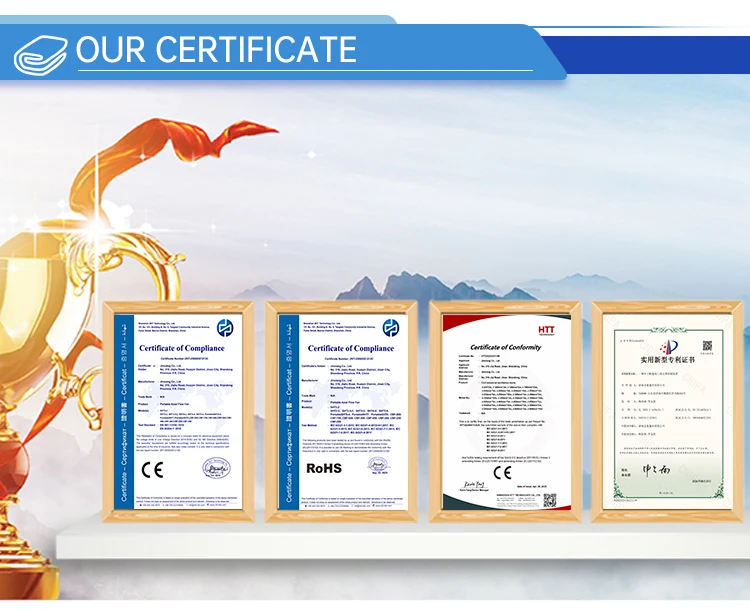
| Standards | ISO, CE |
Application Suitability
| Application | Exposure & Requirement |
|---|---|
| Exhibition booth and event backdrop | Indoor or short-term outdoor display, large-format print surface requiring anti-static treatment to repel dust and ensure ink adhesion, frequent handling and repositioning |
| Truck and trailer side curtain | Constant flexing at tie-down points, road debris abrasion, UV exposure, cold crack risk in winter transit |
| Tensioned membrane and inflatable structure | Sustained tension load, wind uplift, requirement for certified flame retardant grades in public assembly spaces |
| Waterproof fabric and lightweight engineering cover | Intermittent water contact, moderate mechanical stress, requirement for mildew resistance in humid storage |
| Heavy truck tarpaulin and engineering protective cloth | High abrasion from shifting loads, exposure to industrial environments, need for high tensile and tear resistance |
| Outdoor camping cover and car cover | UV exposure, temperature cycling, need for flexible yet durable waterproof barrier |
What "Anti-Static" Means When the Print Comes Out Grey
Static charge on the fabric surface pulls dust into the wet ink, killing colour saturation before it dries.
Sourcing a PVC Coated Tarpaulin aftermarket supplier for wide-format exhibition printing often means discovering the problem only after the first roll is on the printer. The electronic file shows vibrant brand colours, but the physical output looks flat and desaturated. This is rarely an ink or printer issue. It is a surface charge problem on the PVC coating that attracts airborne particles during printing and causes micro-level ink dispersion irregularities. [NEED_CITE: electrostatic discharge requirements for printable PVC coated fabrics]
The Surface Charge Factor in Large-Format Printing
Anti-static treatment on PVC Coated Tarpaulin reduces surface resistivity so that static charge dissipates before the print head deposits ink. Without this treatment, the coated surface accumulates charge during unwinding from the roll, particularly in low-humidity exhibition halls. This charge attracts dust particles that embed in the ink layer and creates uneven ink absorption across the print field. For wide-width backdrop panels printed as a single sheet, any visible inconsistency across the surface becomes immediately apparent when panels are joined side by side.
Coating Adhesion and Weld Integrity Under Flex Load
The hot melt coating and lamination technology used on this PVC Coated Tarpaulin produces a bonded layer that resists delamination at the weld line. In truck side curtain applications, the fabric flexes continuously at tie-down and frame contact points. When the coating bond is weak, the failure starts at the heat-welded seam rather than in the body of the fabric. Lamination technology creates a mechanical interlock between the PVC layer and the polyester base yarn that maintains adhesion through repeated flex cycles, while hot melt coating delivers uniform thickness across the full roll width. [NEED_CITE: weld peel strength test methods for PVC coated polyester fabrics per ISO 1421]
Reading the Weight, Denier, and Tensile Numbers Together
GSM alone tells you how much material is on the roll but not how that weight is distributed between base fabric and coating. A 700 g/m² fabric with a 1000D base yarn and tight weave will resist tear propagation far better than a 700 g/m² fabric that achieves its weight primarily through a thick PVC coating over a lighter yarn. The knitting density — 500D in medium-duty, 1000D in heavy-duty — determines how many yarn crossings exist per unit area, and each crossing point acts as a tear arrest. Tensile strength figures in both warp and weft directions confirm that the base fabric carries the structural load, not just the coating. The three weight tiers — 400-500 g/m², 700-1000 g/m², and 1100-1500 g/m² — each pair a specific denier with a coating weight to produce a balanced performance profile for the intended application.
The Cost of a Specification That Doesn’t Match the Print Run
Colour variation between rolls in a single exhibition backdrop order is one of the most expensive failures in the print supply chain. The panels are printed, installed, and only then does the colour shift become visible under exhibition lighting. This happens when coating whiteness or surface treatment varies from roll to roll, changing how the ink sits on the surface. Similarly, specifying a medium-duty grade for a tensioned structure because it prints well, without accounting for the sustained wind load, leads to fabric stretch and seam failure within weeks. The reverse mistake — using a super heavy-duty 1100-1500 g/m² grade for a roll-up banner — adds unnecessary weight that strains the retraction mechanism. [NEED_CITE: colour consistency standards across production rolls for printable coated fabrics]
Why This PVC Coated Tarpaulin Source Works for Print and Fabrication Buyers
Our ten-person R&D team develops custom colour and print samples within days, confirming base fabric whiteness and coating ink absorption before the production run starts. The dedicated QA/QC process inspects every roll before shipment, catching colour deviation at the factory rather than on the exhibition floor. Three full production lines with 36 sets of professional equipment support bulk orders with consistent output across the run. We supply the material specification sheet, pre-shipment inspection record, and treatment test reports so you can verify GSM, coating weight, and anti-static or flame retardant grades against your quotation. The custom width and length capability eliminates unnecessary seams in large-format backdrop panels.
Documentation & Verification
- Material specification sheet stating GSM, base fabric denier, and coating weight for each roll
- Test report for anti-static and flame retardant grades confirming the treatment level applied
- Pre-shipment inspection record verifying colour consistency across all rolls in the order
- ISO and CE certificates supplied with dispatch documentation
- Certificate of origin and customs documentation for cross-border shipment
Fabrication, Handling & Storage
- Heat-weld seams at manufacturer-recommended temperature to preserve the anti-static surface treatment layer
- Store rolls upright on pallets to prevent flat-spot creasing on the printable PVC coating surface
- Avoid dragging heavy-duty 700-1000 g/m² rolls across unprotected concrete to prevent coating abrasion
- Use mild detergent for cleaning printed surfaces; solvent-based cleaners can degrade the anti-static finish
- Allow cold-stored rolls to reach ambient temperature before unrolling to prevent cracking at -30°C rated coating
What to Include in Your Enquiry
Tell us the end use — exhibition backdrop, truck side curtain, or tensioned structure — along with the required width and whether you need the fabric supplied in roll form or cut to finished panel size. Specify if anti-static treatment is needed for digital printing, or if flame retardant certification is required for your venue or market. If custom colour or pattern printing is involved, indicate the colour reference so we can develop a physical sample for approval before bulk production.
Frequently Asked Questions
Q: How do I verify the GSM and treatment match the quotation before shipment?
A: We supply a material specification sheet and pre-shipment inspection record with every order. The inspection confirms GSM, base fabric denier, and coating weight against the agreed specification. For anti-static or flame retardant treatments, a test report documenting the treatment level applied is included in the dispatch documentation.
Q: Can you develop a custom colour or printed sample before bulk production?
A: Yes. Our R&D team produces physical samples within days, confirming base fabric whiteness, coating ink absorption, and colour match against your reference. The sample goes through the same coating line as bulk production, so it accurately represents the final output before you commit to the full order.
Q: What certifications are supplied for flame retardant and anti-static grades?
A: We supply test reports confirming the specific flame retardant and anti-static treatment applied to your order, along with ISO and CE certificates. If your project requires a particular fire classification for your market, confirm the required grade so we can match the treatment and provide the corresponding documentation.
Q: What is the lead time and minimum order for custom width or printed tarpaulin?
A: Lead times depend on the customisation scope — standard widths and colours move faster than fully custom print runs. We confirm the production schedule and minimum quantity at the quotation stage based on your specification. Physical samples are developed first so you can approve before the production run begins.
Q: How do you ensure colour consistency across multiple rolls in one order?
A: Every roll is inspected under controlled lighting before shipment, and the results are recorded in the pre-shipment inspection report. Coating whiteness and surface treatment are verified roll by roll to prevent the colour shift that becomes visible when printed panels are installed side by side at the venue.
Related products
-
Heavy Duty Truck Tarpaulin 1000d Pvc Tarp Waterproof Pvc Canvas
¥1.20 Add to cart -
500gsm MULTI-PURPOSE Green Waterproof Green Tarp for Emergency Rain Shelter. Outdoor Cover
¥7.72 Select options This product has multiple variants. The options may be chosen on the product page -
450gsm Green Heavy-duty Waterproof Tarps & Groundsheets Pvc Tarpaulin
¥1.25 Select options This product has multiple variants. The options may be chosen on the product page -
Factory Direct Sale Flatbed Trailer Tarps Black Heavy Duty Lumber Pe Tarp Flatbed Truck Transportation Tarpaulin Roll Sheet
¥1.25 Select options This product has multiple variants. The options may be chosen on the product page