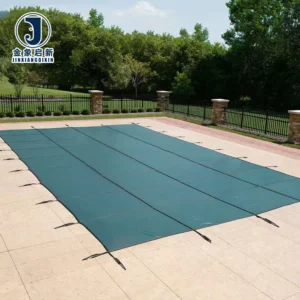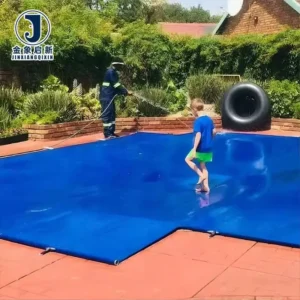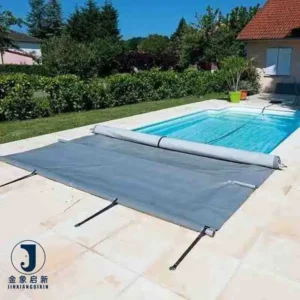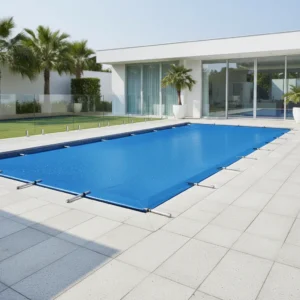
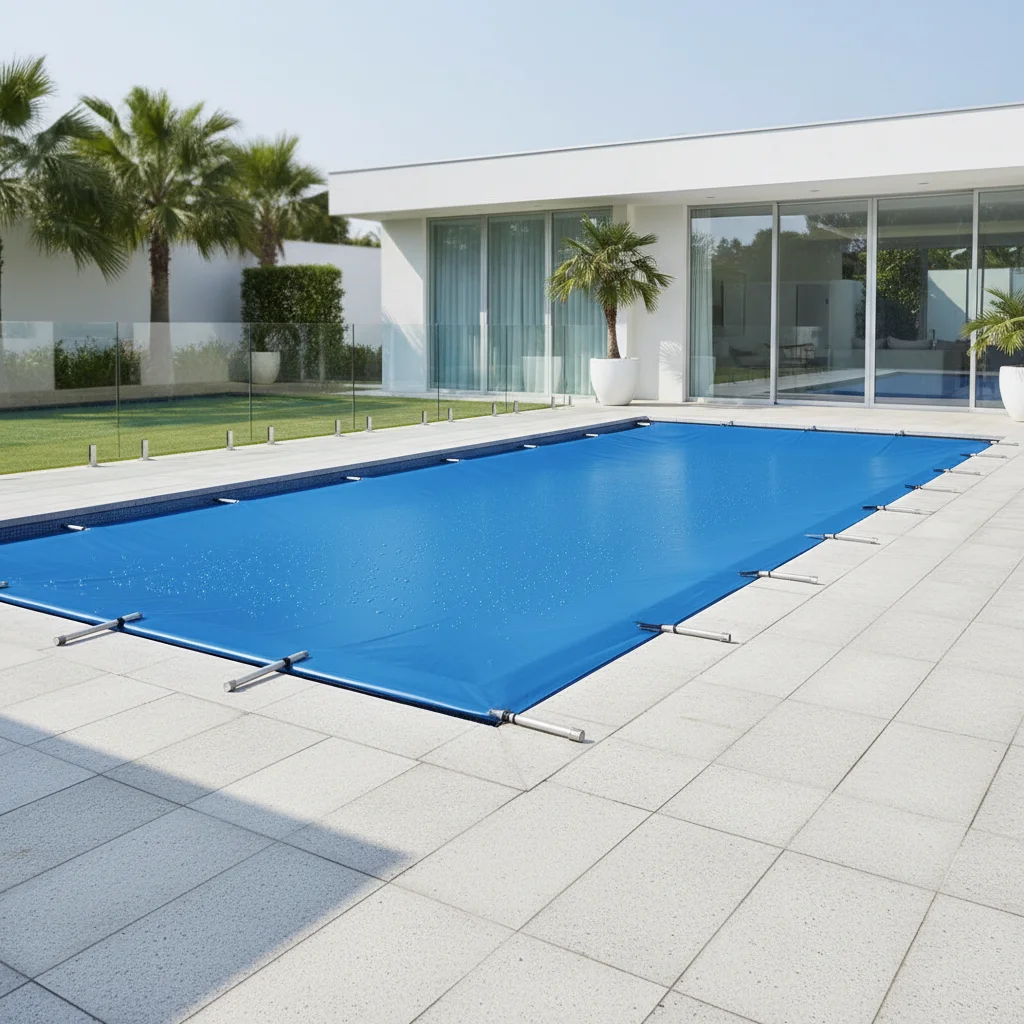
Automatic Retractable PC Pool Cover — custom-sized PC polycarbonate panels with 12V/24V low-voltage motor, UV-resistant and waterproof for inground pools.
- PC polycarbonate material delivers high impact resistance and eliminates yellowing under prolonged sunlight exposure
- One-button automatic retraction with stable, low-noise motor for effortless daily operation
- Safe low-voltage electrical system compatible with standard household installations
Supported by a 10-person R&D team handling custom sizing and sample development, with 100% pre-shipment inspection ensuring every cover meets verified dimensions and mechanism performance before dispatch.
Description
Process Control — We coat every roll in-house and inspect weight per square metre before it leaves the line, ensuring the GSM on your invoice matches the material on your pool.
Technical Specifications
| Parameter | Value |
|---|---|
| Product Type | Pool Cover |
| Material | PC polycarbonate |
| Operation | Automatic retractable, one-button opening and closing |
| UV Resistance | Available in UV-stabilised grades — confirm the grade required for your market |
| Waterproof | Yes, fully sealed panel construction |
| Voltage | 12V / 24V low voltage system |
| Pool Fitment | Custom size, fits rectangular inground pools |
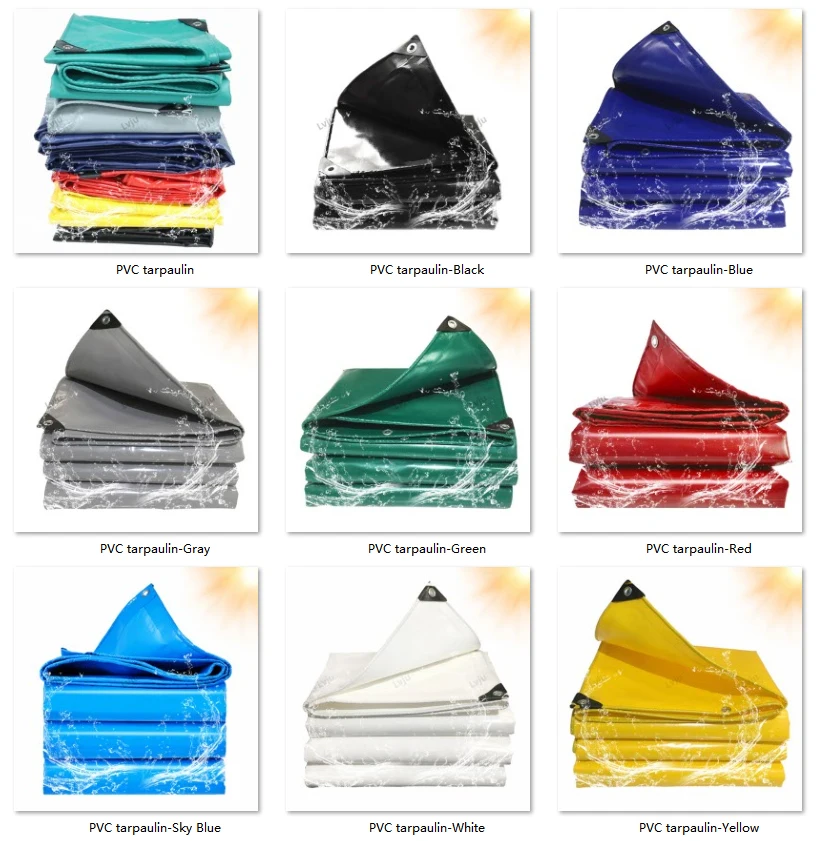
| Color Options | Light blue, transparent blue, beige, ivory white |
| Impact Resistance | High — bears heavy weight without cracking |
| Sunlight Durability | Resists yellowing and embrittlement under prolonged UV exposure |
| Motor | Low-noise, stable output for smooth travel |
Application Suitability
| Application | Exposure & Requirement |
|---|---|
| Residential inground pool | Constant UV, standing water, child and pet fall prevention |
| Hotel and resort pool deck | Daily automated cycling, guest safety compliance, appearance retention |
| New-build pool project | Custom dimension matching, integration with pool surround, contractor handover |
| Seasonal winterisation | Snow load bearing, freeze-thaw cycling, algae prevention under cover |
When a Pool Cover Fails, It Is Almost Always the Fit
A retractable pool cover aftermarket supplier ships a unit cut to a nominal size. The pool shell, however, is never perfectly nominal — coping overhangs vary, and a few centimetres of gap at the rail lets debris and water through, defeating the purpose of the cover.
I once supplied a batch of PVC-coated roll stock to a fabricator who was making pool covers for a housing development. The panels were cut to the architect’s drawing, not the as-built pool dimensions. When the covers arrived on site, every single one needed trimming, and the trimmed edges sat outside the track. The installer called us, but the real problem was upstream — nobody had measured the finished concrete opening [NEED_CITE: importance of as-built dimension verification for custom-fabricated pool covers]. With the retractable pool cover aftermarket supplier route, that measurement step is the buyer’s responsibility, and it is the one most often skipped.
How the Retractable Mechanism Handles Daily Cycling
The motor assembly on this automatic retractable pool cover runs on a 12V or 24V low voltage supply, which eliminates the need for a dedicated high-voltage circuit at the pool equipment pad. The drive mechanism pulls the polycarbonate slats along a hidden track with consistent tension, so the panels stack evenly at the housing end. Low noise output matters in residential settings where the cover may open and close while people are on the deck. The one-button operation removes the daily friction that causes pool owners to abandon manual covers after a single season.
Why PC Polycarbonate Outperforms Standard PVC in This Application
Polycarbonate carries a fundamentally different impact profile than flexible PVC fabric. When a child, pet, or heavy branch lands on the cover, the rigid slat distributes the load across its full width rather than stretching and bottoming out. Under prolonged sunlight, standard PVC plasticisers migrate to the surface, leaving the material brittle — polycarbonate does not rely on those plasticisers, so it resists yellowing and cracking through repeated UV cycles [NEED_CITE: UV degradation mechanisms in rigid polycarbonate versus plasticised PVC]. For inground pools in full sun, this distinction determines whether the cover still looks acceptable after several seasons.
Reading the Spec Sheet: What Actually Matters for a Pool Cover
The voltage rating — 12V or 24V — is not a trivial detail. A 24V system delivers higher torque for larger pool spans and longer track runs, while 12V suits smaller residential pools where the motor only needs to pull a shorter slat bed. Specifying the wrong voltage for the pool length leads to sluggish operation or motor burnout. Colour selection goes beyond aesthetics: transparent blue admits some light to the water surface, which affects algae growth rates and chemical dosing, while opaque beige or ivory white blocks light entirely, reducing chlorine demand but darkening the pool visually. The waterproof rating depends on the interlock seal between adjacent slats — if the panel profile does not seat tightly, water penetrates through capillary action regardless of the material itself. Impact resistance is determined by slat wall thickness and the rib structure inside each panel, not just the base resin grade.
The Hidden Cost of Ordering Without As-Built Dimensions
When a retractable pool cover arrives and does not match the pool opening, the consequences compound quickly. The track cannot be repositioned once the deck concrete is poured around it, so the cover either rides with excessive friction against the coping or leaves a visible gap where debris enters the water. In colder climates, that gap also allows warm pool water to evaporate overnight, increasing heating costs and defeating the energy-saving purpose of the cover [NEED_CITE: heat loss through uncovered pool surface area]. A cover that fits poorly also puts uneven load on the motor, shortening its service life. The cost of a site visit to re-measure and re-order is always higher than getting the dimensions right on the first purchase order.
Why Source This Cover Through Our Facility
Three full production lines give us capacity to run custom-width slat profiles without delaying standard orders, so your pool cover project stays on the contractor’s schedule. Our ten-person R&D team develops slat cross-sections and interlock geometries specific to the span and load requirement of each pool, rather than forcing every installation into a single off-the-shelf profile. QA inspection covers every slat batch for colour consistency across the full order — when light blue panels from two different production runs sit side by side on a pool, any variation is immediately visible to the homeowner. We supply the complete system: slats, track, motor, housing, and control unit, so there is no finger-pointing between component vendors when a warranty issue arises [NEED_CITE: single-source supply advantage for integrated pool cover systems]. Pre-shipment photos document the assembled mechanism running on the test rig before it is crated for dispatch.
Documentation & Verification
- Material data sheet confirming polycarbonate resin grade and UV stabiliser package
- Dimensional inspection record showing each slat batch against the confirmed pool drawing
- Motor voltage and amperage test certificate matching the specified 12V or 24V system
- Colour reference card matching the approved sample for light blue, beige, or ivory white
- Certificate of origin and customs documentation for cross-border shipment
Fabrication, Handling & Storage
- Handle polycarbonate slats flat — bending under their own weight during transport can stress the interlock profile
- Store panels horizontally in shaded staging area to prevent heat warping before track installation
- Confirm track alignment within tolerance before mounting slats; misalignment causes uneven wear on the panel edges
- Use only polycarbonate-compatible cleaners — solvent-based products will craze the surface
- Protect the motor housing from direct water spray during pool deck pressure washing
- Keep spare slats from the same production batch on site for field replacement if a panel is damaged during landscaping work
What We Need to Quote Your Pool Cover Accurately
Send us the as-built pool dimensions — length, width, and coping overhang — measured after the deck is finished, not from the architectural plan. Specify the voltage available at your pool equipment pad and whether the track will mount on the deck surface or recess into a slot. Confirm your preferred colour from the available range and whether the project requires individual covers for multiple pools on the same site.
Frequently Asked Questions
Q: How is the custom size measured and confirmed before production?
A: We require as-built dimensions of the finished pool opening, including coping overhang and track mounting position. Our engineering team reviews the measurements against the slat profile and motor capacity before releasing the order to production. Any discrepancy triggers a clarification request — we do not proceed on assumed or architectural-plan dimensions alone.
Q: What is the difference between PC polycarbonate and PVC for pool covers?
A: PC polycarbonate is a rigid engineering resin that distributes impact load across the full slat width and does not rely on plasticisers that migrate over time. PVC covers are flexible fabric or thin sheet that can stretch under load. For safety-rated fall prevention on inground pools, the structural rigidity of polycarbonate provides a more predictable load-bearing surface.
Q: Is the 12V/24V motor system compatible with my local electrical supply?
A: The low voltage motor runs from a transformer connected to your local mains supply. We supply the transformer rated for your region’s input voltage and frequency. Confirm your site voltage with your electrician before ordering, and we will match the transformer specification to ensure the motor receives correct input.
Q: Can the cover withstand heavy snow load or standing water in winter?
A: The polycarbonate slats bear significant static load, but winter performance depends on the span, slat thickness, and whether water drains off or ponds on the surface. Provide your typical winter snow load and we will confirm whether the standard profile is adequate or a heavier slat section is required for your climate zone.
Q: What documentation and warranty come with the cover and motor system?
A: Each shipment includes a material data sheet, dimensional inspection record, motor test certificate, and colour reference documentation. Warranty terms cover the polycarbonate slats and the motor drive assembly separately — request the warranty schedule with your quotation so you can review coverage before placing the order.
Related products
-
Rain Permeability Coated Organic Weft Plain Boys Blackout Blue Mesh Pool Safety Cover 18x36ft Rectangular Inground 4x8ft Center
¥0.83 Select options This product has multiple variants. The options may be chosen on the product page -
China Manufacturer 18oz 610gsm Heavy Duty Pvc Swimming Pool Cover Pvc Coated Tarpaulin Fabric Roll Roofing Cover Tarp Sheet
¥2.50 Select options This product has multiple variants. The options may be chosen on the product page -
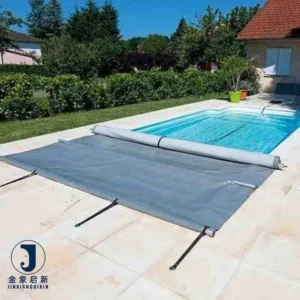
Custom PVC Pool Cover Tarpaulin for Pools – Manufacturer
Read more -
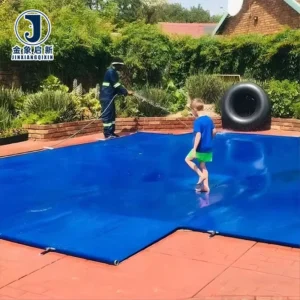
Custom PVC Pool Cover Tarpaulin – Waterproof Anti-UV
Read more