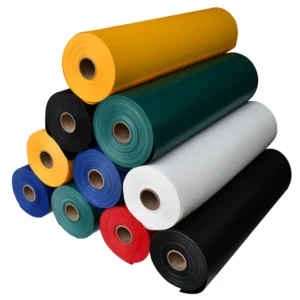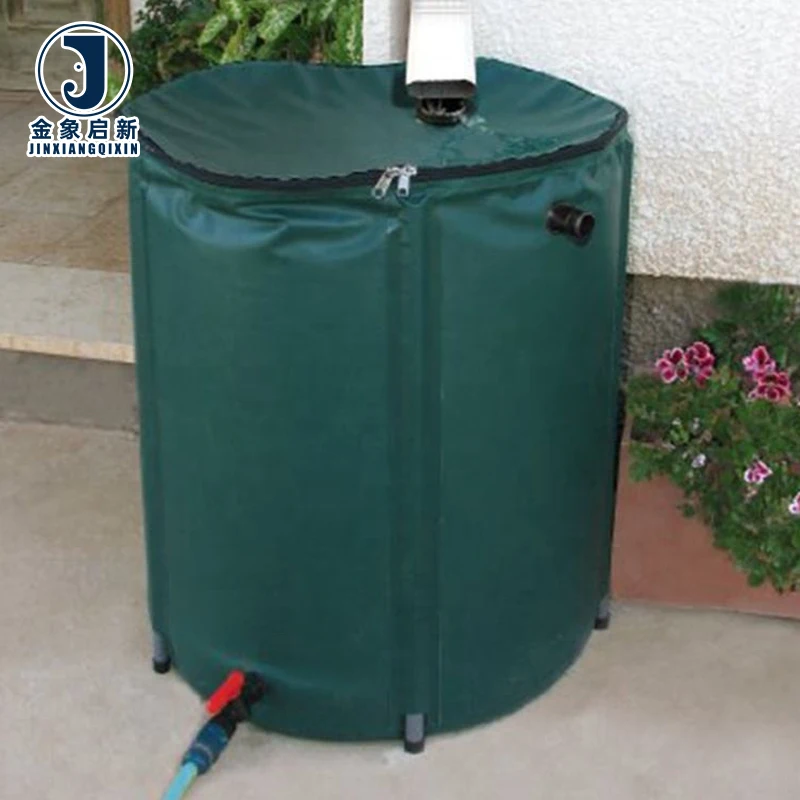
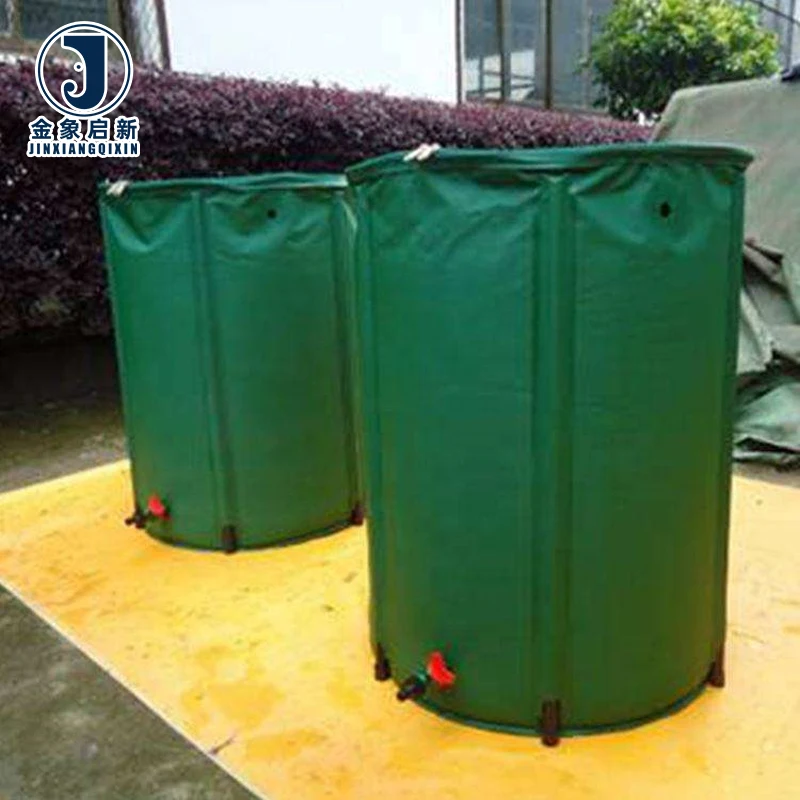
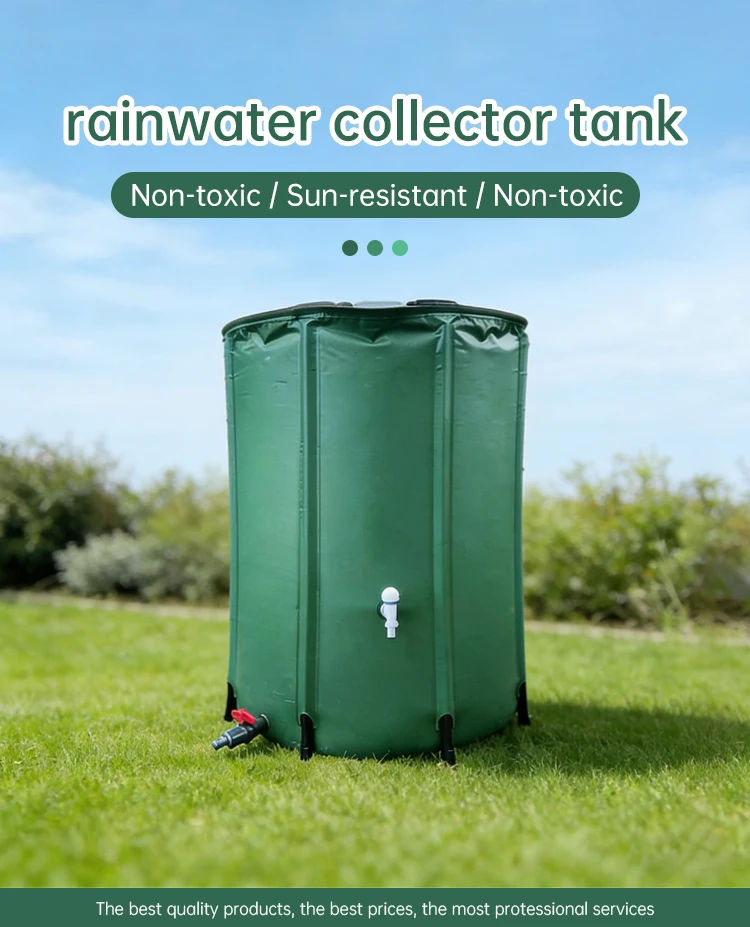
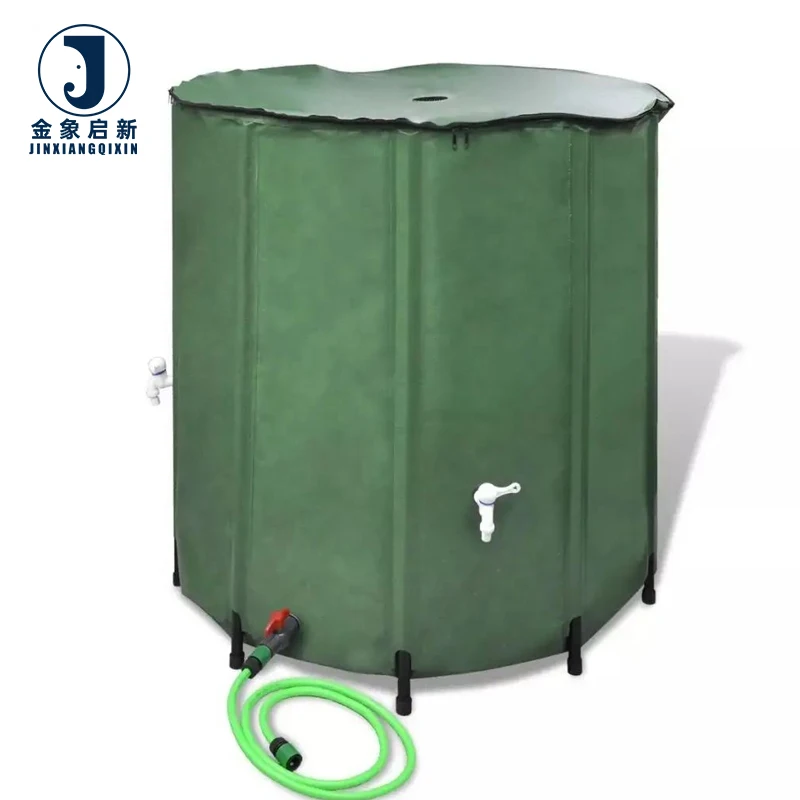
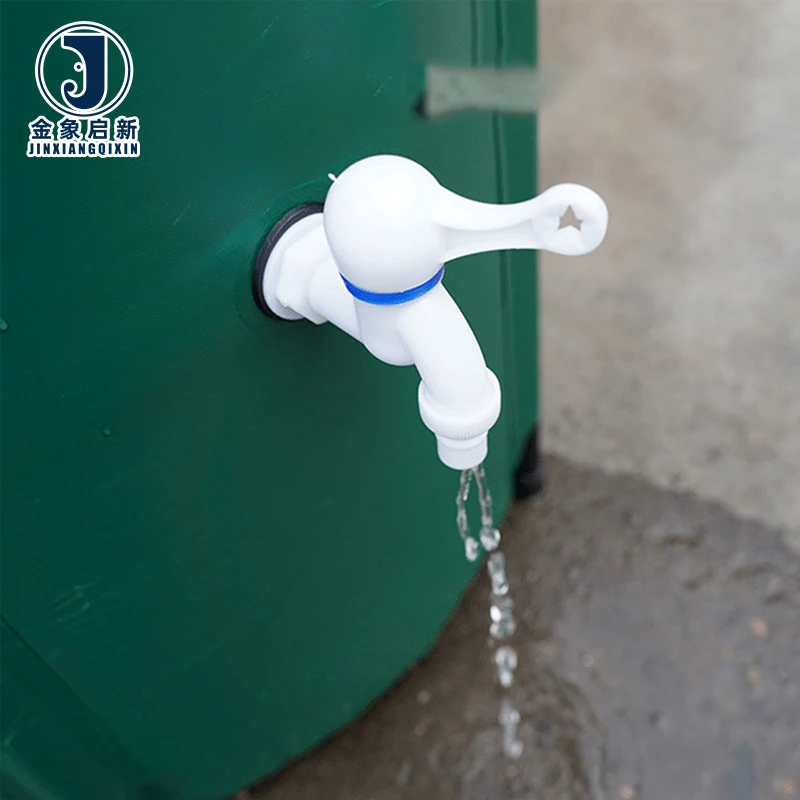
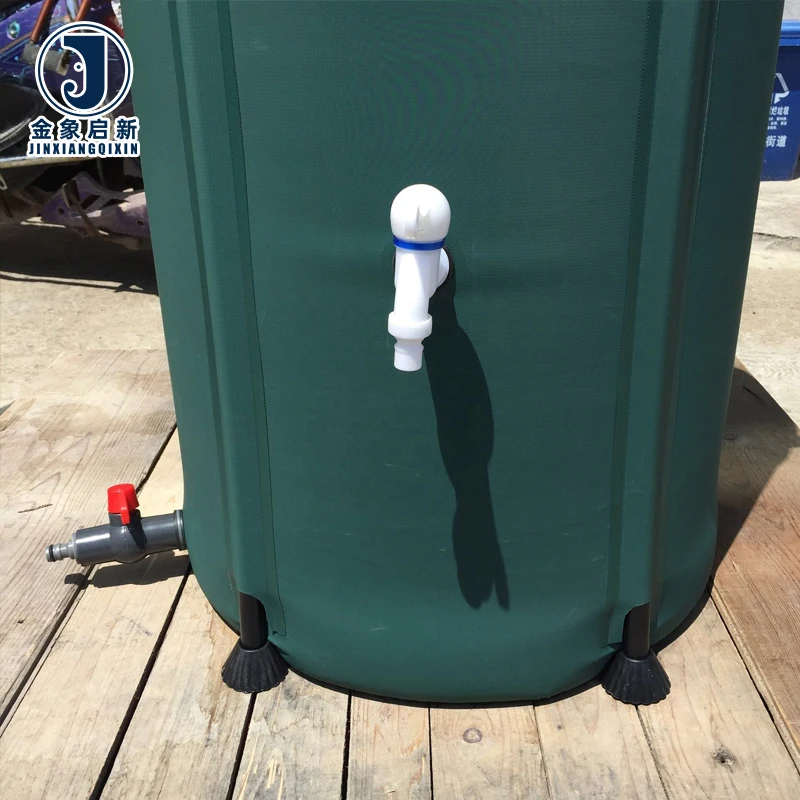
Collapsible Rain Barrel with 750L capacity, PVC mesh cloth construction, and PVC support rod structure — designed for durable outdoor water storage.
- Waterproof, anti-mildew, and tear-resistant PVC mesh fabric
- Heat-welded seams to prevent leakage at flex and stress points
- Collapsible frame for easy transport and off-season storage
Built for garden irrigation, construction site catchment, and agricultural water containment where long-term UV and weather exposure demand more than rigid plastic barrels.
Sample development and 100% pre-shipment inspection ensure each unit meets your site specifications before dispatch.
Description
Process-Controlled Fabrication — A 10-person R&D team develops samples within days, matching PVC coating weight and base fabric denier to your specific rain barrel capacity and site exposure conditions.
Technical Specifications
| Parameter | Value |
|---|---|
| Product Type | Waterproof Storage Tank |
| Capacity | 750L |
| Base Fabric | PVC Mesh Cloth |
| Support Structure | PVC Support Rod |
| Assembly State | Collapsible |
| Waterproof | Yes |
| Anti-UV | Available (confirm test basis required for your market) |
| Anti-Mildew | Available (verify against manufacturer catalog) |
| Flame Retardant | Available in flame retardant grades — confirm the grade required for your market |
| Anti-Static | Available (surface resistance or standard not stated — confirm compliance need) |
| Abrasion-Resistant | Available (verify against manufacturer catalog) |
| Tear-Resistant | Available (verify against manufacturer catalog) |
| Anti-Bacteria | Available (verify against manufacturer catalog) |
Application Suitability
| Application | Exposure & Requirement |
|---|---|
| Residential garden rainwater harvesting | Continuous UV exposure, seasonal temperature swings, algae and mildew prevention for irrigation-safe water |
| Agricultural and aquaculture water storage | Long-term outdoor deployment, contact with organic matter, resistance to bacterial growth and fabric degradation |
| Environmental sustainability catchment projects | Portable and collapsible requirement, repeated deployment and storage cycles, compliance with site environmental standards |
| Construction site water containment | Abrasion from ground contact, wind and weather exposure, flame retardant or anti-static grades where site regulations mandate |
What Happens When UV or Flame Retardant Is Claimed Without a Test Report
Every treatment claim must be backed by verifiable test data before the barrel leaves the factory.
The coated fabric industry is saturated with quotation sheets listing anti-UV and flame retardant as standard features. Buyers receive material that degrades under sustained sun exposure within a single season, or fails a site fire inspection because no recognised standard was referenced [NEED_CITE: UV stabiliser migration and depletion in PVC coated fabrics under prolonged solar exposure]. When a Collapsible Rain Barrel sits in full sun collecting water for garden irrigation, the coating must retain its flexibility and barrier properties — not just on day one, but through months of thermal cycling. Without a documented test basis, you have no way to distinguish a properly stabilised PVC mesh cloth from one that will crack and leach into stored water. The same applies to flame retardant and anti-static grades on construction or industrial sites: a checkbox on a spec sheet does not satisfy a safety auditor.
Mesh Cloth Construction and Structural Behaviour When Filled
The PVC mesh cloth base fabric provides the structural backbone of this collapsible rain barrel. Unlike solid woven fabrics, the open mesh structure allows the PVC coating to penetrate through the weave, creating a mechanical lock between coating layers on both sides. This through-coating adhesion is what prevents delamination when the barrel flexes under the hydrostatic pressure of 750L of stored water. When the PVC support rod is deployed, the barrel stands freely without an external frame, and the mesh cloth distributes the load across its entire surface rather than concentrating stress at the base.
Treatment Options and What They Actually Protect Against
The treatment package — anti-mildew, anti-bacteria, anti-UV, and abrasion resistance — addresses the specific degradation pathways that outdoor water storage triggers. Standing water in a warm environment promotes microbial growth on the inner coating surface, which can compromise water quality for garden use and degrade the PVC plasticiser system from the inside. The anti-mildew and anti-bacteria treatment targets this inner-surface risk. On the exterior, UV stabilisers slow the breakdown of the polymer chain under solar radiation, while abrasion resistance protects the base of the barrel where ground contact and wind-driven debris cause the most wear [NEED_CITE: PVC plasticiser migration and microbial colonisation in water containment applications].
How Base Fabric and Coating Work Together in Water Storage
The relationship between the PVC mesh cloth and the coating weight determines how the barrel behaves under load. A heavier coating fills the mesh structure more completely, increasing water-tightness and resistance to puncture, but also adding stiffness that affects how cleanly the barrel collapses for storage. The mesh denier and weave density control the tear propagation path — if a sharp object punctures the wall, a tighter mesh limits how far the tear can spread before the PVC support rod and the surrounding coated fabric arrest it. This is why specifying the barrel by capacity alone is incomplete: the base fabric construction and coating penetration depth together define the service behaviour. The heat-welded seams are the critical junction where coating adhesion and mesh alignment must be precisely controlled; a poorly welded seam will separate under hydrostatic pressure long before the fabric body fails [NEED_CITE: tensile and tear test methods for coated fabrics per ISO 1421].
The Hidden Cost of Undocumented Treatment Claims
A rain barrel specified with anti-UV treatment but supplied without a test report may appear identical to a properly stabilised product on delivery. The difference becomes visible only after sustained outdoor exposure: the coating surface chalks, loses flexibility, and develops micro-cracks that allow water to reach the base fabric. Once moisture penetrates the mesh, mildew colonises the interior yarn structure, and the barrel develops an odour that contaminates stored water. On the structural side, a barrel that specifies flame retardant without a grade may pass a casual visual inspection but fail when a site safety officer requests documentation [NEED_CITE: DIN 4102 fire classification for building materials]. The replacement cost, downtime, and reputational exposure from a failed inspection or a degraded water supply far exceed the marginal cost of specifying and verifying the correct treatment grade at the order stage.
Why Buyers Source This Product Through Jinan Jinxiang
The 10-person R&D team develops custom capacity configurations and treatment combinations, producing samples within days so you can verify fit and material behaviour before committing to bulk. Three full production lines and 36 sets of professional equipment support volume orders with consistent coating weight and colour across every unit in a batch. Dedicated QA/QC runs at every production stage, with 100% pre-shipment inspection confirming seam integrity and water-tightness on each barrel. The PVC mesh cloth and coating formulation are controlled in-house, meaning treatment adjustments for UV, flame retardant, or anti-microbial requirements are made at the compounding stage, not added as an afterthought. Nearly 30 years of coated fabric process control translates to predictable material behaviour from sample approval through container loading.
Documentation & Verification
- Material specification sheet stating PVC mesh cloth base fabric, coating type, and treatment details for each barrel
- Test report for UV stabilisation and flame retardant grades where applicable to the order
- Pre-shipment inspection record confirming heat-welded seam integrity and water-tightness
- Roll-level packing list identifying each unit with its capacity, treatment configuration, and batch reference
- Certificate of origin and customs documentation for international shipment
Fabrication, Handling & Storage
- Heat-weld seams using temperature and dwell time settings matched to the PVC mesh cloth coating thickness
- Deploy PVC support rod fully before filling to distribute hydrostatic load evenly across the mesh cloth wall
- Store collapsed barrel in a dry, shaded location to prevent UV exposure of the un-stabilised inner coating surface
- Clean interior with mild, non-solvent detergent to avoid stripping anti-mildew and anti-bacteria treatment from the PVC coating
- Inspect welded seams at base and outlet junctions before each redeployment for signs of coating separation
- Avoid dragging the barrel base across abrasive ground surfaces to preserve the abrasion-resistant outer coating layer
Requesting a Quote with the Right Detail
To receive an accurate specification and lead time, provide your target capacity, deployment environment, and any site-specific compliance requirements such as flame retardant grade or anti-static surface resistance. If you need a custom capacity beyond the standard 750L configuration or require a specific colour or branding print on the outer surface, include those details in your initial inquiry. Confirm whether you need the barrel supplied as a finished, welded unit or as cut fabric with support rod components for on-site assembly.
Frequently Asked Questions
Q: How do I verify the PVC coating weight and mesh cloth denier on a collapsible rain barrel when it arrives?
A: Request a material specification sheet with stated coating weight and base fabric denier before production. On receipt, compare the physical feel and stiffness of the mesh cloth against the approved sample. For quantitative verification, a cross-section cut of the seam area allows measurement of coating penetration depth through the mesh structure.
Q: What test basis supports the anti-UV treatment claim for long-term outdoor rainwater storage?
A: Anti-UV treatment must be specified with a recognised test standard or exposure protocol relevant to your climate zone. Confirm with the manufacturer whether the treatment is compounded into the PVC coating or applied as a surface finish, as compounded stabilisers provide protection throughout the coating thickness rather than only at the surface.
Q: Can the collapsible rain barrel be produced in custom capacities beyond 750L?
A: Custom capacity development is available, with sample production typically completed within days of specification confirmation. The PVC support rod configuration and mesh cloth panel dimensions are adjusted to maintain free-standing stability at the target fill volume. Minimum order quantities apply to custom sizes.
Q: How is welded seam strength and water-tightness verified before the barrel is shipped?
A: Every barrel undergoes 100% pre-shipment inspection, which includes visual examination of all heat-welded seams for coating continuity and adhesion. Seam integrity is checked at the base, wall junctions, and any outlet or valve connection points. Inspection records documenting the results accompany each shipment.
Q: What care is required when collapsing and storing the rain barrel between seasons?
A: Drain all stored water completely and allow the interior PVC coating surface to dry before collapsing to prevent mildew growth during storage. Fold the barrel along the same lines each time to avoid creating new stress points in the mesh cloth. Store in a dry, shaded environment away from direct sunlight and sharp objects.
Related products
-
NST Green 50 Gallon Collapsible Rain Barrel Rainwater Collection System Portable Garden Water Storage Tank Water Catcher
¥15.70 Add to cart -
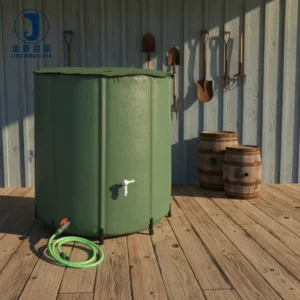
Collapsible PVC Rain Water Tank for Garden Use – Custom Made
Read more -
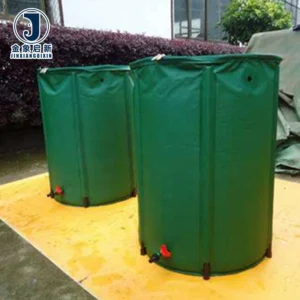
Custom PVC Tarpaulin Water Storage Tank for Irrigation – Manufacturer
Read more -
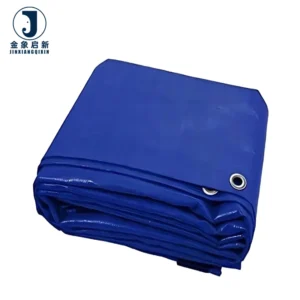
FLFX 650 Gsm 630 Gsm High Strength Truck Cover Waterproof PVC Tarp Ripstop Tarpaulin
¥1.80 Select options This product has multiple variants. The options may be chosen on the product page