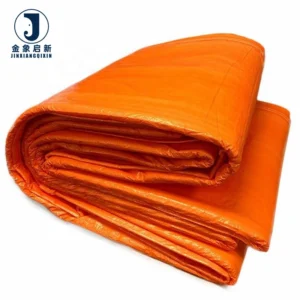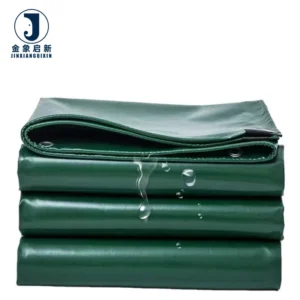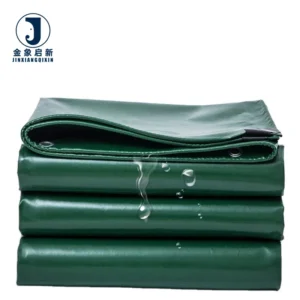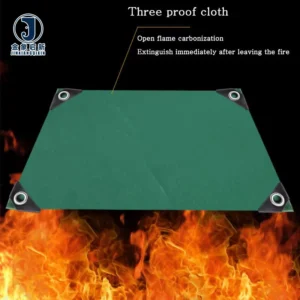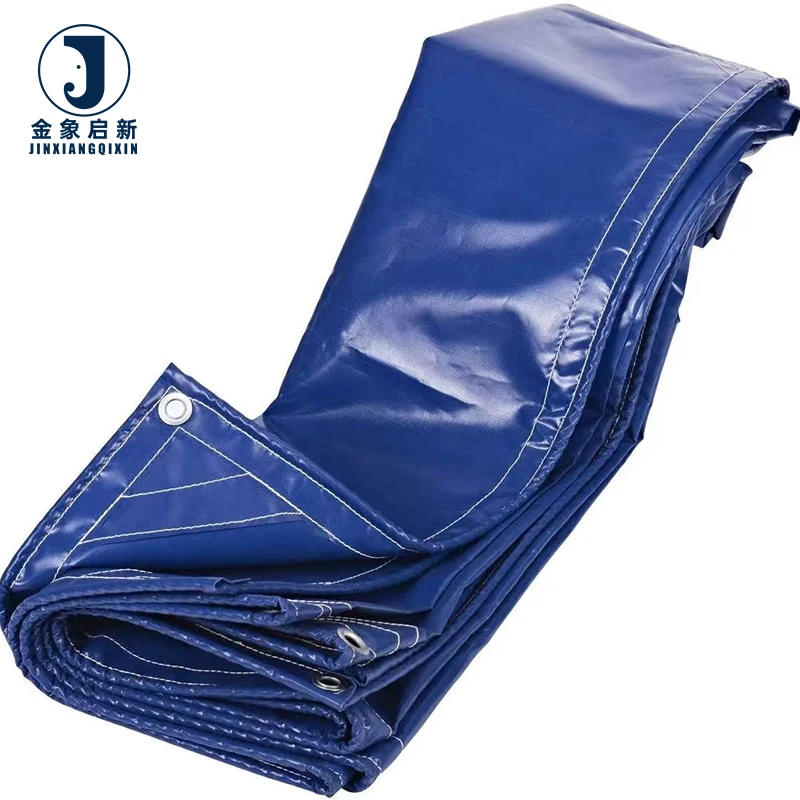
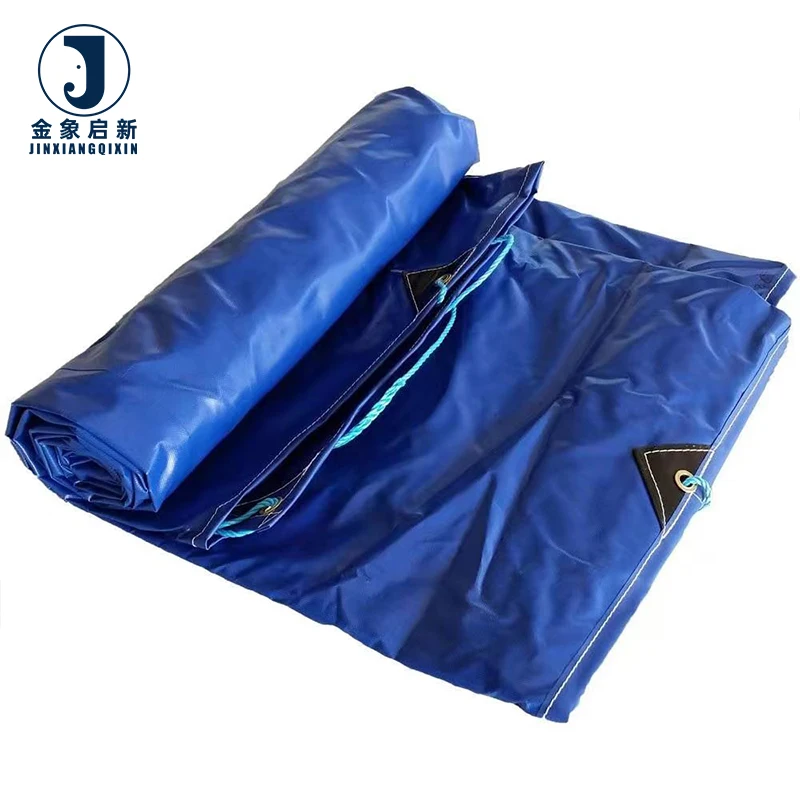
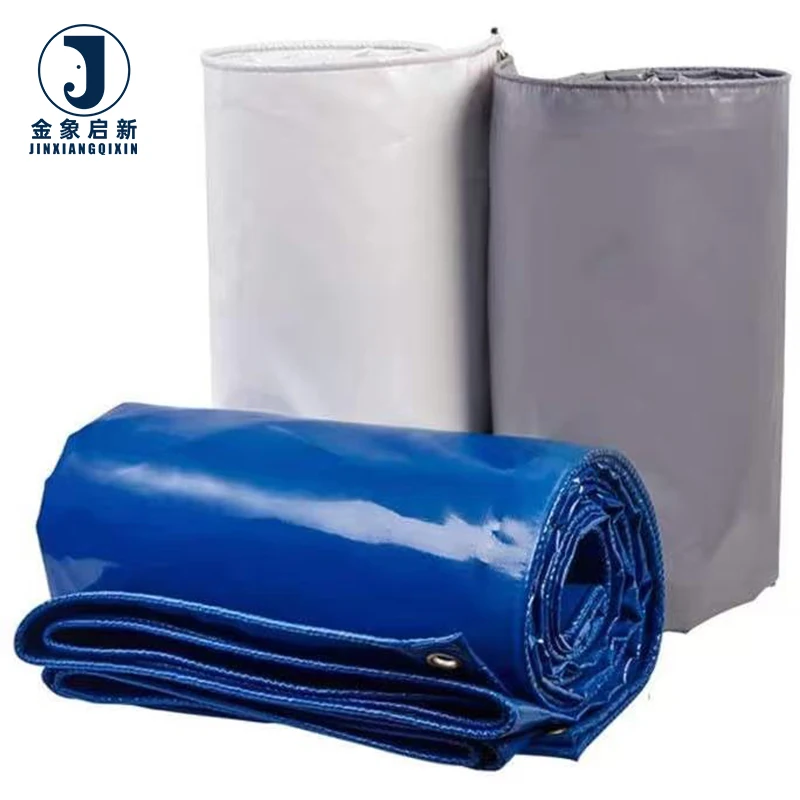
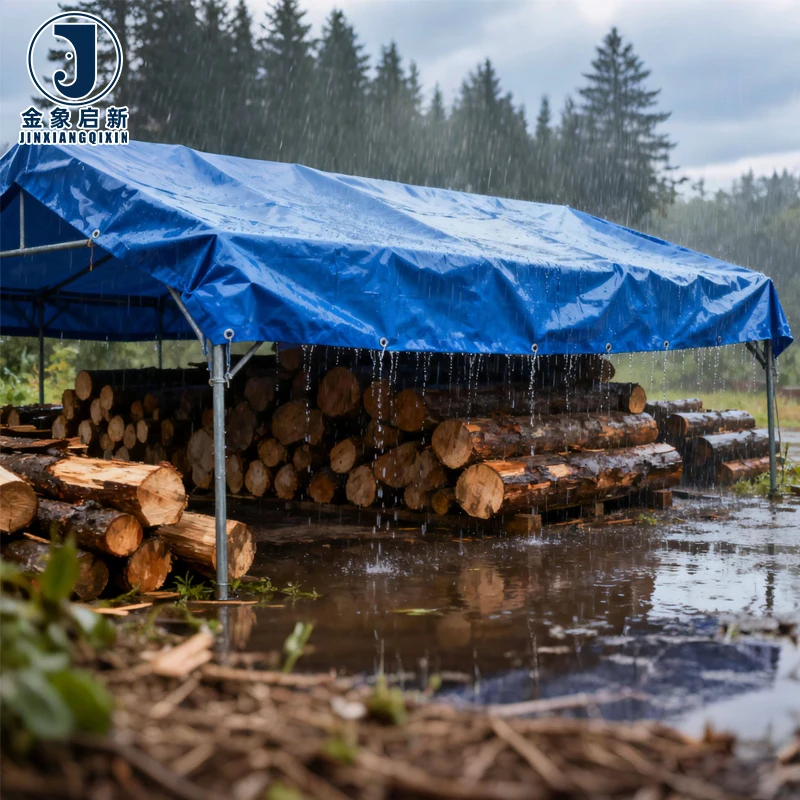
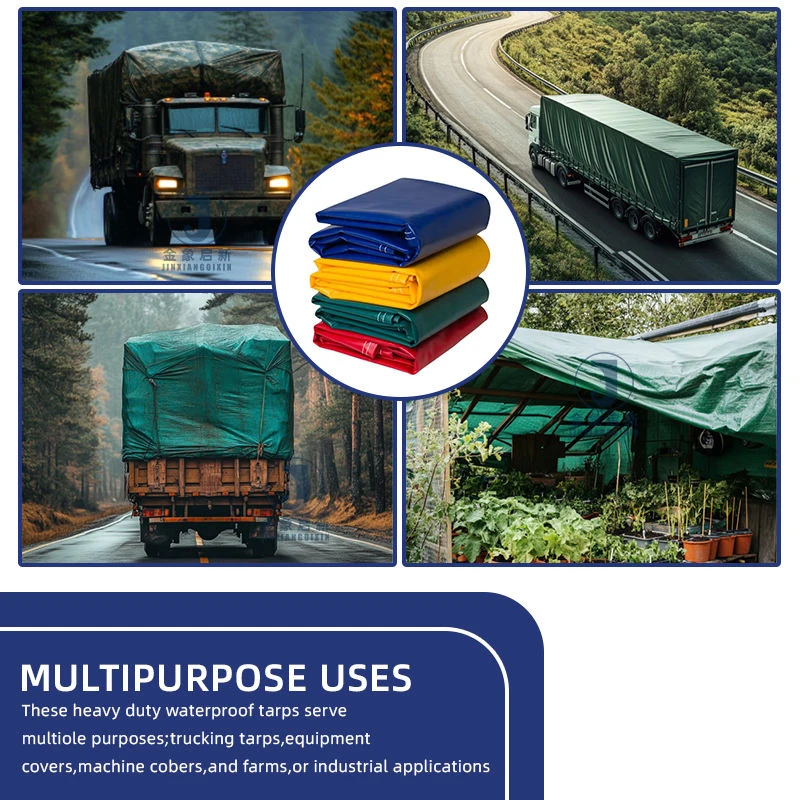
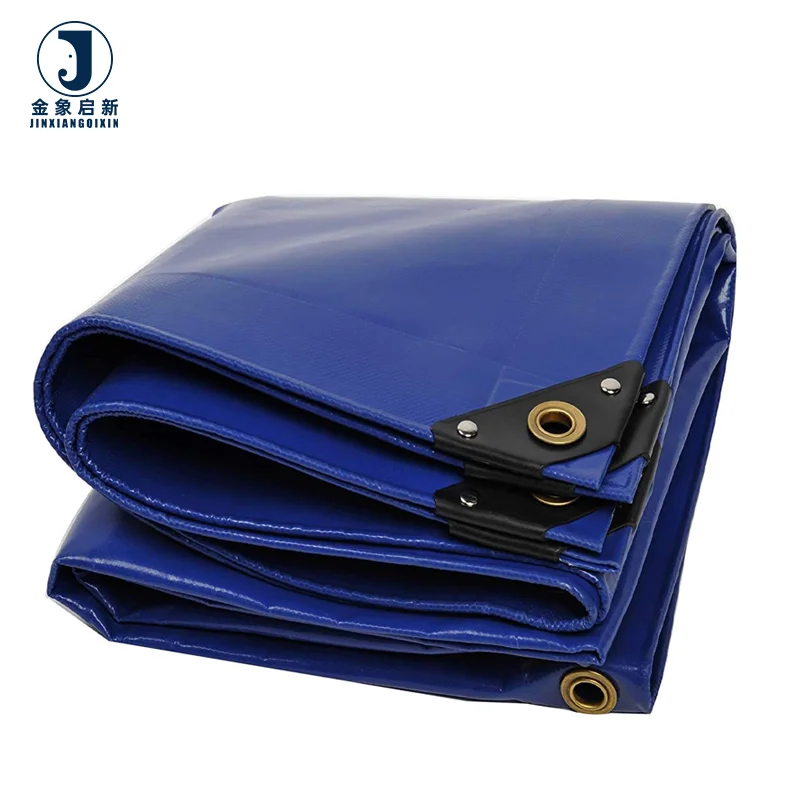
PVC Coated Tarpaulin 680GSM RIPSTOP, waterproof and UV treated for builders roof and construction site protection. Ripstop weave limits tear propagation across the sheet, while verified GSM ensures the material you receive matches the specification on the quotation. Custom cut sizes from 3×4m to 10×12m with eyelet placement and reinforced hems to suit your structure.
- 200D×300D to 1000D×1000D base fabric options
- Glossy or matte surface finish
- 100% pre-shipment inspection with full QA documentation before dispatch
Description
Deep Process Control Over Coating Weight and Adhesion — every roll of 680GSM RIPSTOP PVC Tarpaulin leaving our facility undergoes 100% pre-shipment inspection, ensuring the fabric specified is exactly the fabric delivered to your project site.
Technical Specifications
| Parameter | Value |
|---|---|
| Product Type | PVC Coated Tarpaulin |
| Identifier | 680GSM RIPSTOP PVC Tarpaulin |
| Weight | 680GSM |
| Base Fabric Options | 200DX300D / 500DX500D / 840DX840D / 1000DX1000D |
| Coating Material | PVC |
| Finish | Available in glossy or matte |
| Color Options | Blue, Yellow, Black, Green, White, custom colors available |
| Standard Sizes | 3x4m, 6x8m, 8x10m, 10x12m or custom made |
| Temperature Range | -15ºC to 70ºC |
| Treatments | Waterproof, Anti-fungal; UV and FR available (confirm grade required for your market) |
| Key Features | Ripstop weave, Tear-resistant, Abrasion resistance, Eco-friendly, Rain-resistant |
Application Suitability
| Application | Exposure & Requirement |
|---|---|
| Builders roof tarp | Direct rainfall, wind uplift, scaffolding abrasion, prolonged outdoor weathering |
| Construction site sheeting | Dust containment, temporary weather enclosure, equipment protection from debris |
| Industrial grade covers | Heavy machinery storage, outdoor pallet protection, forklift handling abrasion |
| Temporary structure wrapping | Wind load, UV exposure, thermal expansion and contraction cycles |
Why Quoted GSM Often Fails the Physical Cut Test
A stated weight on paper means nothing if the roll you unroll on site weighs less.
When sourcing PVC coated tarpaulin for construction and roofing applications, procurement teams frequently encounter material that arrives lighter than the quotation indicated. The 680GSM grade you specified gets substituted with a thinner coating pass or a lighter base scrim, and the shortfall only becomes visible once the fabric is cut, handled, and put under tension on a building frame. [NEED_CITE: ISO 3801 methods for determining mass per unit area of coated fabrics] This discrepancy compromises tear resistance at the exact points where builders rely on the material to hold against wind and scaffolding contact. Our approach locks the weight at every production stage, verified before the roll leaves the factory floor.
Complete Customisation From Roll Stock to Finished Cut Sheets
Buyers surveying the full PVC coated tarpaulin range need a source that covers every variable — weight, base fabric denier, color, finish, and final dimensions — under one production roof. The 680GSM RIPSTOP PVC Tarpaulin sits within a broader catalogue that spans multiple weight grades, but this particular specification targets contractors who need a mid-to-heavy duty balance between handling flexibility and structural resilience. Custom widths and lengths are produced with the same coating process controls applied to standard stock sizes, meaning batch consistency carries across every roll and cut piece in a single order.
Color and Finish Consistency Across an Entire Project Order
Construction sites and industrial yards often require multiple rolls or dozens of cut sheets installed side by side, where even slight shade variation becomes immediately visible once the material is in place. Our pigment matching and coating line calibration address this directly. [NEED_CITE: spectrophotometer color difference standards for industrial textiles] Whether you specify a matte finish to reduce glare on a temporary roofing application or a glossy surface for easier wipe-down cleaning on equipment covers, the finish is held uniform from the first roll to the last within the same production batch.
How Base Fabric and Coating Weight Interact to Determine Real Performance
The 680GSM figure represents the combined mass of the PVC coating and the base polyester scrim, but it is the denier of that scrim — whether 500DX500D or 1000DX1000D — that governs how the fabric handles concentrated point loads and tear propagation. The ripstop weave inserts heavier yarns at regular intervals in both warp and weft directions, creating a grid that arrests any tear before it travels across the panel. Coating weight separately influences abrasion resistance, waterproof integrity, and the thermal envelope for hot-air welding. A heavier coat protects the base yarns from mechanical wear but adds stiffness that affects handling on site. The temperature operating window of -15ºC to 70ºC defines the boundary where the PVC stays pliable enough to fold without cracking yet firm enough to resist stretching under load.
The Hidden Cost of Specifying on Price Per Square Metre Alone
When a 680GSM PVC coated tarpaulin arrives underweight, the first failure typically appears at welded seams where the fabric flexes most — precisely where builders and installers depend on consistent material behavior. A lighter coating means less PVC available to fuse during hot-air welding, producing a bond that peels away from the scrim under tension rather than tearing through the fabric itself. [NEED_CITE: hot air welding peel strength test methods for PVC coated textiles] Color inconsistency between rolls forces contractors to either reject partial shipments or accept a patchwork appearance on visible site hoardings and temporary roofs. Both outcomes generate costs far exceeding the initial per-metre savings.
What Sets This Production Line Apart for Coated Fabric Buyers
Three full production lines and 36 sets of professional equipment support bulk capacity for the 680GSM RIPSTOP PVC Tarpaulin without sacrificing the coating weight accuracy that lighter-scale operations struggle to maintain. A dedicated 10-person R&D team handles sample development for custom sizing, color matching, and treatment specifications, typically turning samples around within days rather than weeks. QA/QC checkpoints at every production stage — from base fabric inspection through coating, curing, and final winding — catch deviations before they compound across a full order run. The 100% pre-shipment inspection protocol means every roll or cut pack is weighed and visually checked against the material specification sheet before dispatch, eliminating the arrival-weight discrepancy that plagues the sector.
Documentation & Verification
- Material specification sheet stating exact 680GSM weight, base fabric denier, and coating type for this product
- Pre-shipment inspection record confirming roll-by-roll weight verification against specification
- UV and FR test documentation where applicable treatments are specified — confirm grade required
- ISO and CE certificates alongside certificate of origin and full customs paperwork
- Color reference swatch and batch consistency record for multi-roll orders
Fabrication, Handling & Storage
- Hot-air welding temperature and speed must be calibrated to the 680GSM coating thickness for optimal peel strength
- Eyelet placement on cut sheets should align with ripstop grid intersections for maximum pull-out resistance
- Store rolls horizontally on pallets to prevent permanent creasing in the PVC coating layer
- Unfold and deploy above -15ºC to avoid cracking the coating at low temperatures
- Clean glossy finish surfaces with mild detergent; avoid solvent-based cleaners that attack the PVC
- Cut-sheet layout should account for seam overlap width to minimize offcuts from custom-size orders
Requesting a Quotation That Matches Your Site Reality
Provide the specific exposure conditions your project faces — wind loading on a temporary roof, abrasion from scaffolding contact, or chemical exposure in an industrial yard — so the correct base fabric denier and treatment package can be recommended. Confirm whether you need full rolls at stock width or finished cut sheets with specific dimensions and edge treatment. If your market requires a particular flame retardant or UV classification for building compliance, state the standard so matching test documentation is included with the shipment.
Frequently Asked Questions
Q: How is the 680GSM weight verified before the PVC coated tarpaulin reaches us?
A: Every roll undergoes individual weight measurement as part of the 100% pre-shipment inspection. The actual GSM value is recorded on the inspection report and compared against the material specification sheet you approved. Any roll falling outside tolerance is pulled before packing, so the weight stated on your quotation is the weight that arrives on site.
Q: What test documentation accompanies UV or flame retardant treatments?
A: Where UV or FR treatments are specified, the applicable test report is provided with the shipment documentation. The specific grade and test standard depend on your market requirements — confirm the classification needed for your jurisdiction before production begins so the correct treatment is applied and verified.
Q: How is color consistency maintained across multiple rolls in one order?
A: Pigment formulation is locked after sample approval, and coating line parameters are held constant throughout the production run. Each roll is visually compared against the approved color reference during pre-shipment inspection. This ensures cut sheets installed side by side on a construction site show no visible shade variation.
Q: What custom sizing and edge treatment options are available?
A: Cut sheets can be produced to any specified dimension beyond the standard 3x4m through 10x12m range. Edge treatment includes heat-sealed hems, reinforced webbing, and eyelet placement at specified intervals. Custom widths are also available for roll stock orders — provide your required dimensions for lead time and minimum quantity confirmation.
Q: What is the typical lead time for custom specifications?
A: Lead times depend on the extent of customization — color matching, non-standard widths, and specific treatment requirements each add stages to the production sequence. Requesting a sample first allows specification confirmation before bulk production begins. Contact with your full requirements for a production schedule aligned to your project timeline.
Related products
-
Factory 12ftx20ft Construction Cold Weather Insulated Pe Tarps Poly Tarp Heavy Duty Concrete Curing Blanket Tarpaulin Roll Sheet
¥0.66 Add to cart -

450gsm Green Heavy-duty Waterproof Tarps & Groundsheets Pvc Tarpaulin
¥1.25 Select options This product has multiple variants. The options may be chosen on the product page -
Tarpaulin Hot Selling 30M X 30M Finished PVC Tarpaulin for Farming Tarpaulin
¥1.48 Add to cart -
JX Fireproof 500gsm 600gsm Customizable PVC Tarpaulin Waterproof Truck Cargo Cover
¥0.79 Select options This product has multiple variants. The options may be chosen on the product page