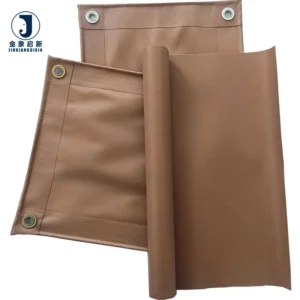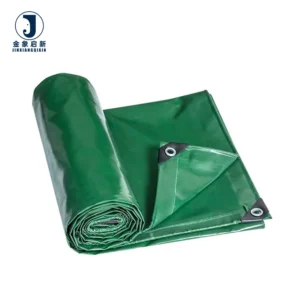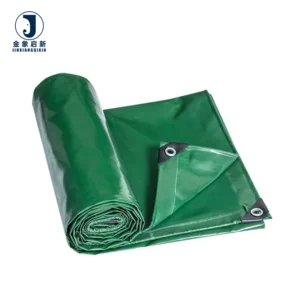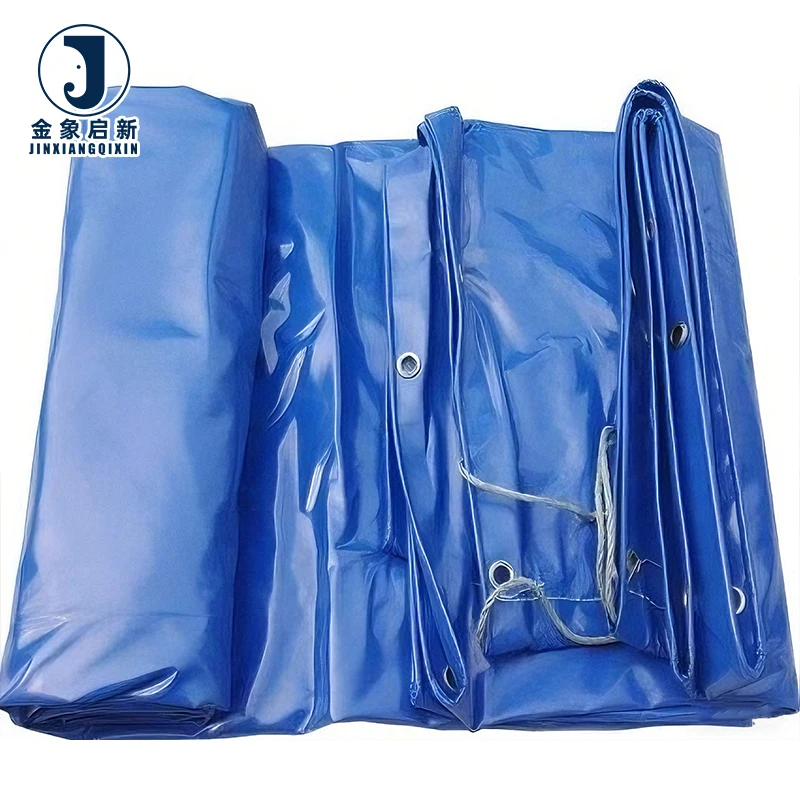
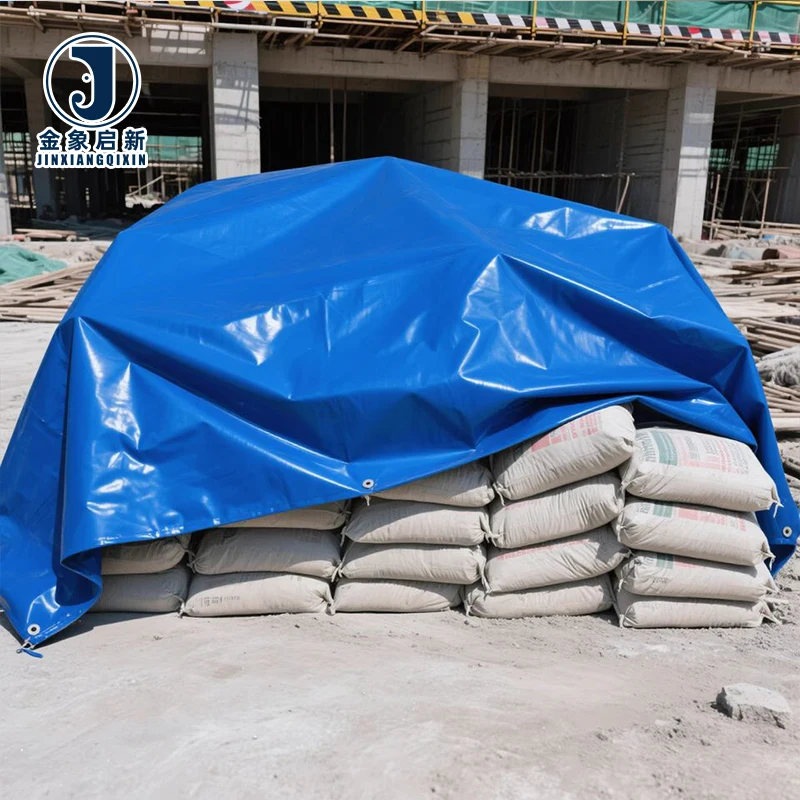
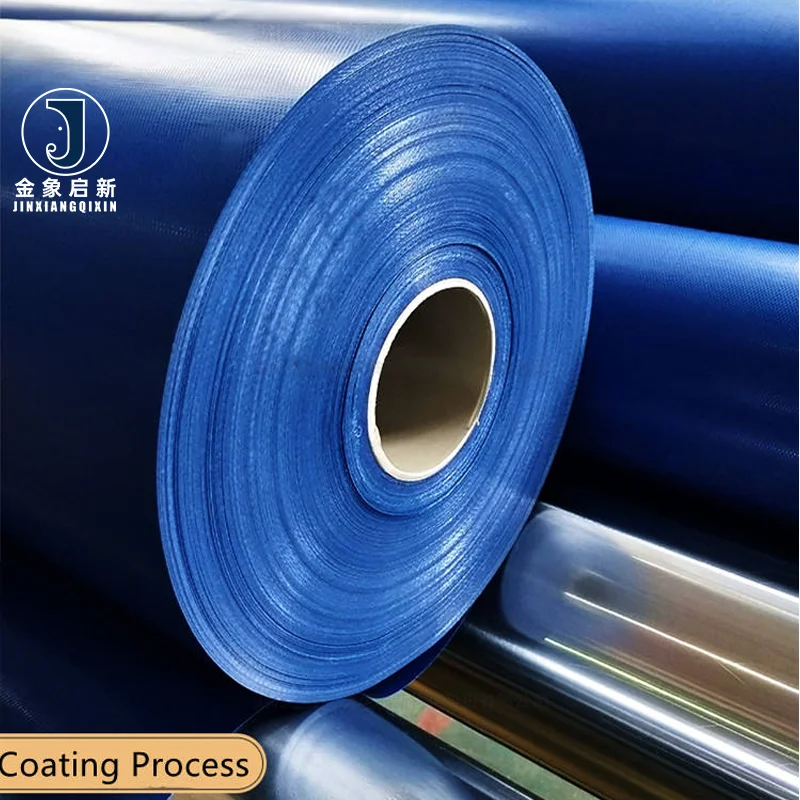
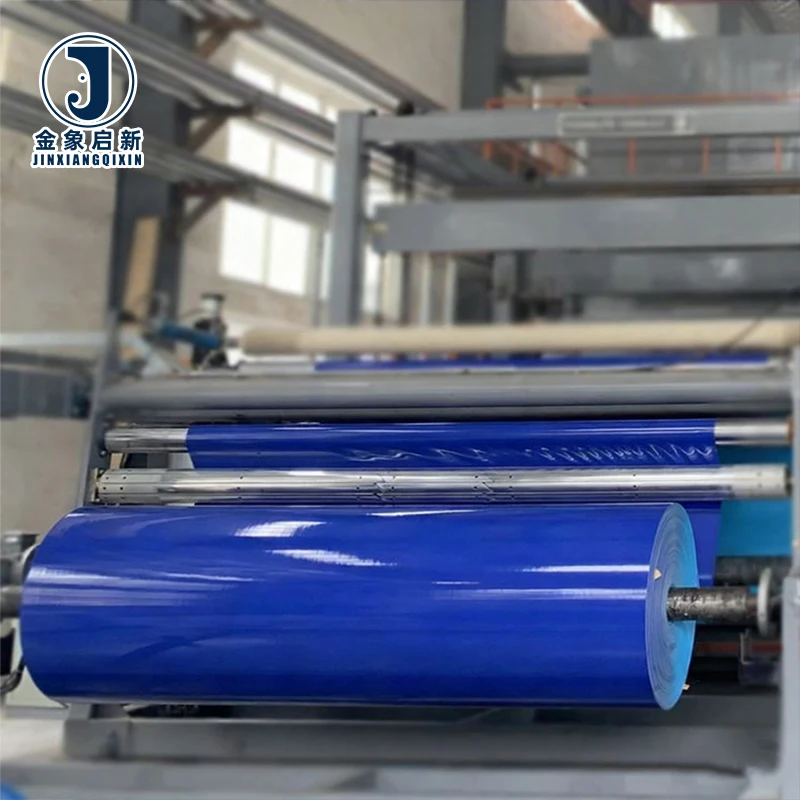
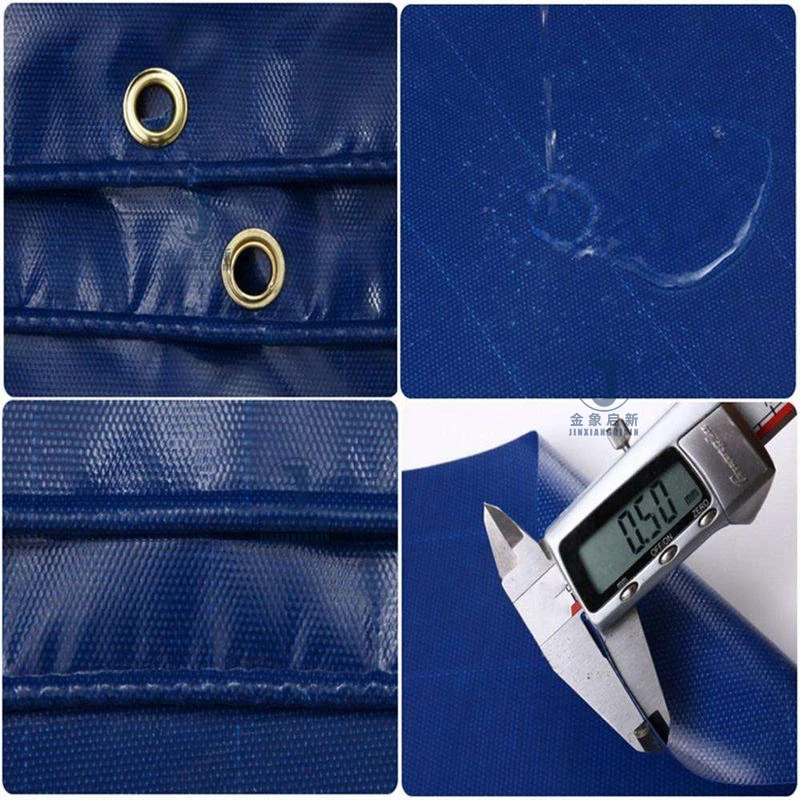
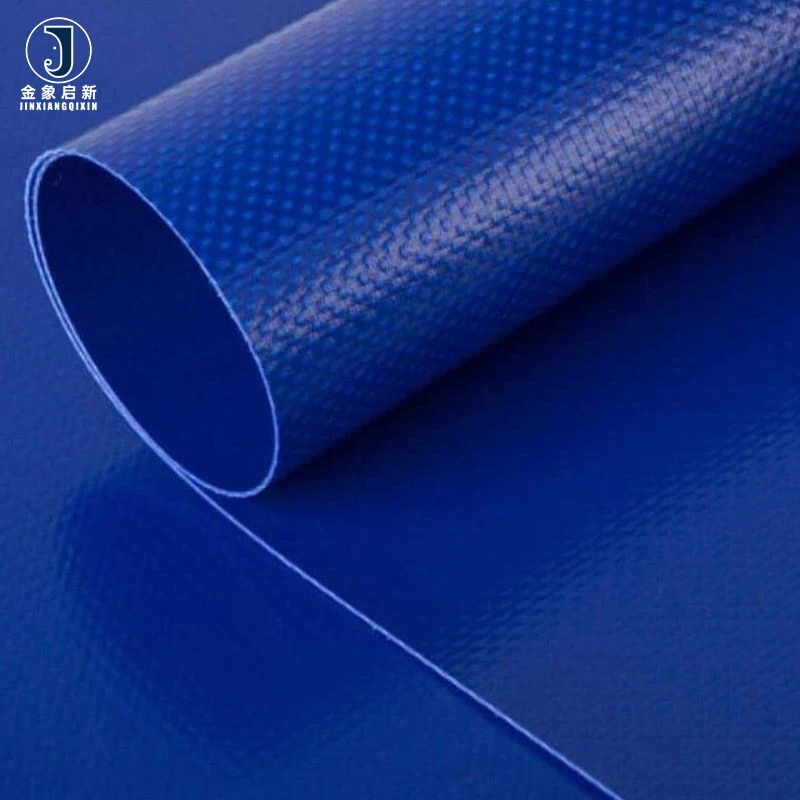
PVC Coated Tarpaulin Fabric — 250gsm to 1500gsm weight range, 200D×300D to 1000D×1000D base fabric, glossy or matte surface finish.
- Waterproof, UV and flame-retardant treated options with verified coating weight and adhesion control
- Custom width, length, eyelets, reinforced hems and pattern printing for roll or cut-to-size orders
- Single and double side color with batch consistency across the same production run
Full catalogue and custom capability from design to delivery — 3 production lines and 36 sets of equipment supporting bulk capacity with 100% pre-shipment inspection.
Description
Proven coating consistency — Every roll of PVC coated tarpaulin fabric runs through weight and adhesion checks before leaving the line, so the GSM you approve is the GSM you receive.
Technical Specifications
| Parameter | Value |
|---|---|
| Product Type | PVC Coated Tarpaulin |
| Weight Range | 250gsm–1500gsm |
| Base Fabric Denier | 200D×300D, 500D×500D, 840D×840D, 1000D×1000D |
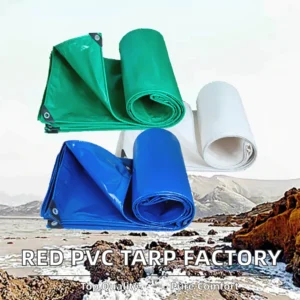
| Available Colors | Blue, Yellow, Black, Green, White, others on request |
| Surface Finish | Glossy or matte |
| UV Treatment | Customized — confirm the UV grade required for your market |
| Flame Retardant | Available in flame retardant grades — confirm the grade required for your market |
| Anti-Fungal Treatment | Available upon specification |
| Temperature Range | -15°C to 70°C |
| Waterproof | Fully waterproof coated construction |
| Standard Sizes | 3×4m, 6×8m, 8×10m, 10×12m or custom made |
| Environmental Profile | Eco-friendly formulation |
| Certifications | ISO, CE |
Application Suitability
| Application | Exposure & Requirement |
|---|---|
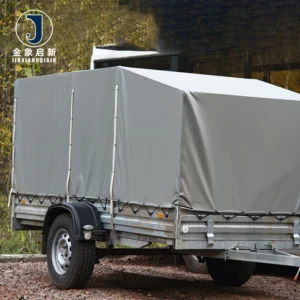
| Truck and trailer covers | Constant flexing at load points, road debris abrasion, prolonged UV and rain exposure |
| Construction site equipment protection | Dust ingress, heavy rain, mechanical contact with steel and concrete edges |
| Agricultural and aquaculture pond lining | Permanent water contact, soil chemistry, puncture risk from substrate |
| Tent and awning fabrication | Repeated folding and unfolding, wind load stress, solar heat buildup |
| Inflatable structure manufacturing | Internal air pressure, seam integrity under tension, outdoor weathering |
Why the Quoted GSM Is Only Half the Story for PVC Coated Tarpaulin Fabric
Coating weight and base fabric density must be verified together, because a heavy coating on a thin scrim will tear before a lighter coating on a dense weave does.
I have watched buyers reject entire shipments because the roll felt right but the scale told a different story. The supplier quoted one weight class and delivered another, sometimes hundreds of grams lighter across the batch. A PVC coated tarpaulin fabric aftermarket supplier worth working with will let you see the weight ticket for every roll before it leaves the factory floor [NEED_CITE: tensile and tear test methods for coated fabrics per ISO 1421]. Without that transparency, you are trusting a number on a proforma invoice against material that has already been cut, packed, and shipped beyond your reach.
What the Full Product Range Actually Covers for Buyers
Sourcing PVC coated tarpaulin fabric across multiple weight classes from different mills introduces color drift and finish inconsistency that only becomes visible once the material is unrolled side by side on site. A single supplier handling 250gsm through 1500gsm on the same coating lines means the base fabric chemistry, plasticizer system, and pigment batch stay matched across your entire order. This matters especially when tent panels or truck side curtains from one project must share the same visual appearance.
How Custom Sizing and Finish Options Reduce Fabrication Waste
Buying standard cut sizes forces fabricators to trim and discard material that does not fit the pattern. When width, length, and hem reinforcement are specified at the ordering stage, the PVC coated tarpaulin fabric arrives closer to the finished dimension, reducing off-cuts and the labor hours spent re-cutting on the shop floor. Glossy and matte surface choices also affect how well printed branding adheres and how easily field dirt wipes off during service life [NEED_CITE: surface energy and ink adhesion on plasticized PVC].
Reading the Specification Sheet Beyond the Weight Number
The denier options — from 200D×300D up to 1000D×1000D — define the base scrim density, which governs how a tear propagates once the fabric is punctured. A high GSM built on a loose weave will resist initial puncture but allow a tear to run; a moderate GSM on a tight 1000D×1000D scrim will stop tear spread more effectively. Coating adhesion to the base fabric determines whether the PVC layer delaminates at the weld line under repeated flexing, which is where most field failures originate. The stated temperature range of -15°C to 70°C sets the boundary for cold-crack risk during winter transport and softening under direct summer sun. Matte and glossy finishes influence both cleanability and the grip behavior when the material is stacked or rolled during fabrication.
The Hidden Cost of Skipping Pre-Shipment Weight Verification
When the delivered GSM falls short of what was quoted, the fabric reaches its tensile limit sooner under wind load or tie-down tension. Seams that were heat-welded to a specific temperature profile for the agreed thickness will over-penetrate or under-bond on a thinner material, creating weak points that fail before the body of the fabric does. I have seen field crews spend more time patching premature failures than they would have spent inspecting rolls at the loading dock [NEED_CITE: weld strength versus coating thickness in PVC tarpaulin assembly]. Batch color variation across the same purchase order forces installers to either sort and segregate rolls before deployment or accept a patchwork appearance on a finished structure.
Why Procurement Teams Consolidate Their PVC Coated Fabric Orders Here
Three full production lines and dedicated equipment sets keep bulk orders moving without pushing delivery dates out to accommodate capacity bottlenecks. A ten-person R&D team handles material selection, pattern printing layouts, and custom sizing samples that are turned around in days rather than weeks. Quality checkpoints at each production stage — coating weight, adhesion, color match — mean the pre-shipment inspection record reflects actual measured data, not a rubber-stamp form. Roll-to-roll consistency across one purchase order eliminates the sorting labor that buyers otherwise absorb on the warehouse floor. Custom width and color runs carry practical minimums that do not shut out mid-volume buyers.
Documentation & Verification
- Material specification sheet listing GSM, base fabric denier, and coating type per roll
- UV and flame retardant test reports supplied when those treatments are specified in the order
- Pre-shipment inspection record with measured weight and visual check for every roll
- Roll packing list matched to container load plan for straightforward receiving
- Certificate of origin and customs documentation prepared for destination market requirements
Fabrication, Handling & Storage
- Heat-weld temperature profiles must be adjusted for each GSM grade to avoid over-penetration on lighter weights
- Eyelet and hem reinforcement placement should account for the base fabric denier to distribute tie-down loads
- Store rolls upright on pallets to prevent flat-spot creases that persist after unrolling
- Allow cold-stored rolls to reach ambient temperature before unrolling to avoid coating crack at -15°C threshold
- Use mild detergent rather than solvent-based cleaners to protect the plasticizer system in the PVC coating
- Off-cut layout planning should account for the ordered width to maximize panel yield per roll
What to Include in Your Inquiry
Tell us the end-use application, the environmental exposure conditions your market demands, and whether you need UV or flame retardant treatment with a specific certification grade. Provide the target width, color references or Pantone codes, and whether you require finished cut sizes with hems and eyelets or roll stock only. If custom printing or branding is part of the project, include the artwork files so we can assess print registration on the chosen surface finish.
Frequently Asked Questions
Q: How do you verify GSM matches the quotation on arrival?
A: Every roll is weighed on calibrated scales during pre-shipment inspection. The measured weight is recorded against the quoted specification and included in the inspection report you receive before dispatch. Any roll falling outside the agreed tolerance is held back and not loaded into the container.
Q: Can you provide test reports for UV and flame retardant claims?
A: Yes, when UV or flame retardant treatment is specified in your order, the corresponding test report is included in the shipment documentation. Confirm the grade or standard required for your destination market so we can match the treatment formulation and test scope to your compliance needs.
Q: What customization options are available for color and printing?
A: We produce single and double side color in blue, yellow, black, green, white, and custom Pantone references. Pattern printing and branding are handled in-house, with print registration checked against your artwork proof before the production run begins.
Q: How do you ensure color consistency across multiple rolls in one order?
A: All rolls within a single purchase order use pigment from the same batch, coated on the same production line under consistent temperature and speed settings. Color is checked against the approved reference at multiple points during the run, not just at the final inspection stage.
Q: What documentation comes with each shipment?
A: You receive a material specification sheet per roll, test reports where applicable, a pre-shipment inspection record, a detailed roll packing list, certificate of origin, and customs support documents matched to your destination country requirements.
Related products
-
JX PVC Waterproof Fabric High-strength Sheeting for Industrial and Outdoor Coverings
¥1.90 Select options This product has multiple variants. The options may be chosen on the product page -
Factory Direct 20×30 Feet 13mil Heavy-Duty Vinyl Tarps PVC Tarpaulin for Firewood Roof Camping Patio Pool Boat Dump Trailer
¥2.60 Add to cart -
PVC Coated Tarpaulin PVC Fabric Tarpaulinheavy duty fire retardant waterproof pvc coated tarpaulin rolling pvc tarp
¥1.00 Select options This product has multiple variants. The options may be chosen on the product page -
Factory Direct Sale Flatbed Trailer Tarps Black Heavy Duty Lumber Pe Tarp Flatbed Truck Transportation Tarpaulin Roll Sheet
¥1.25 Select options This product has multiple variants. The options may be chosen on the product page