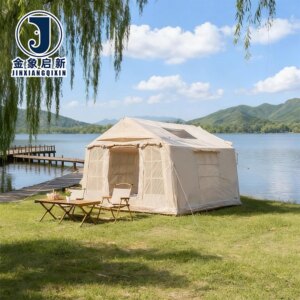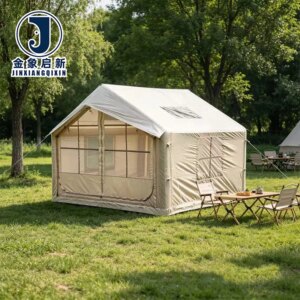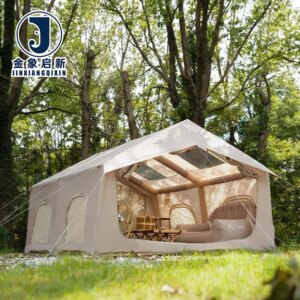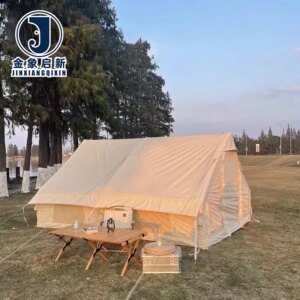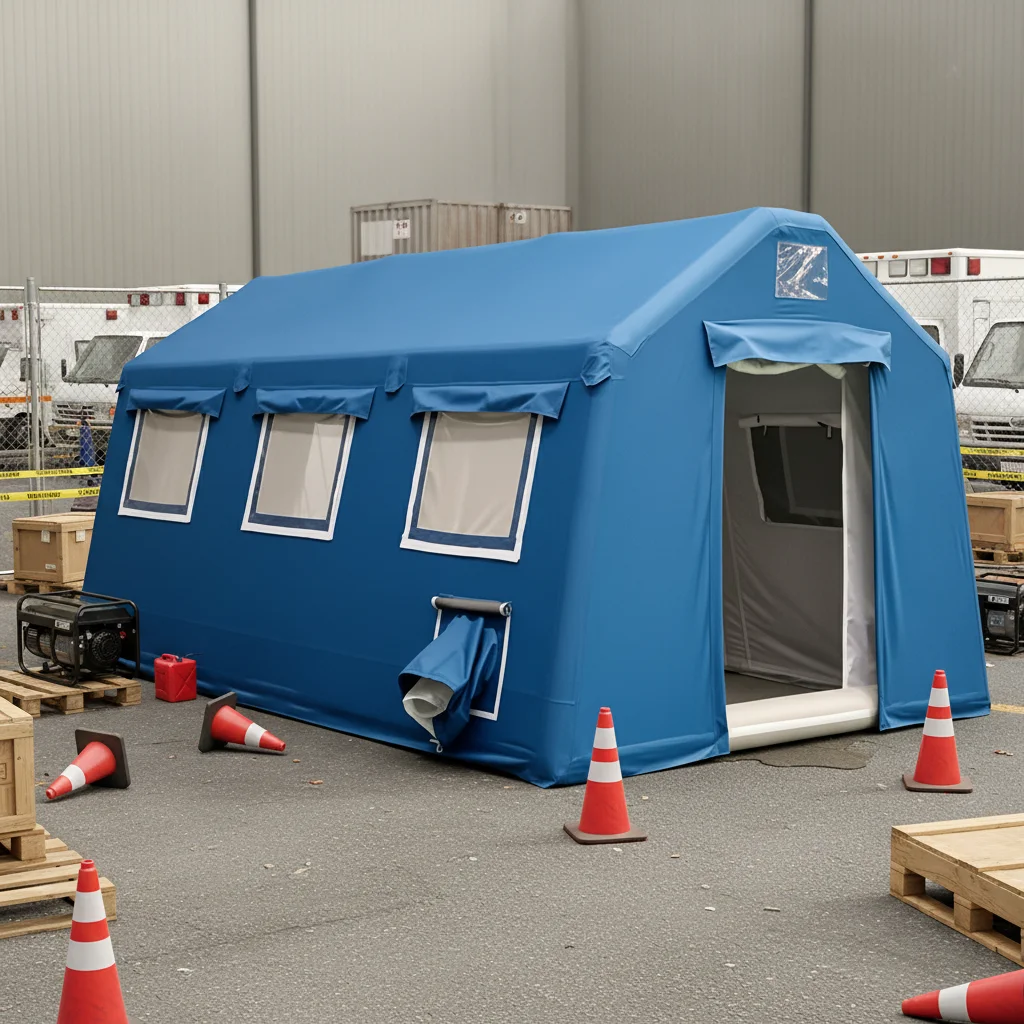
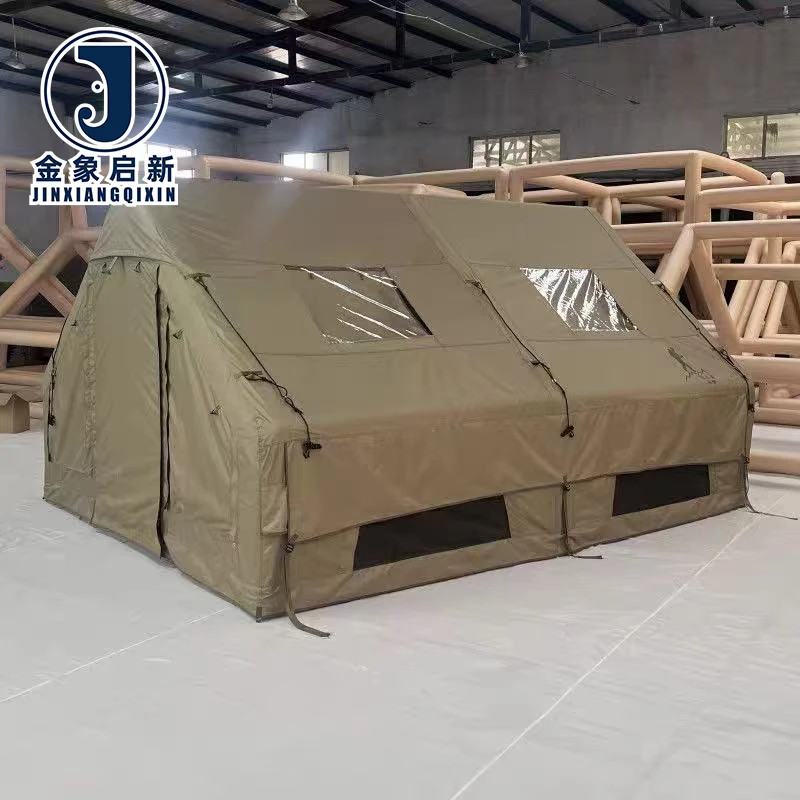
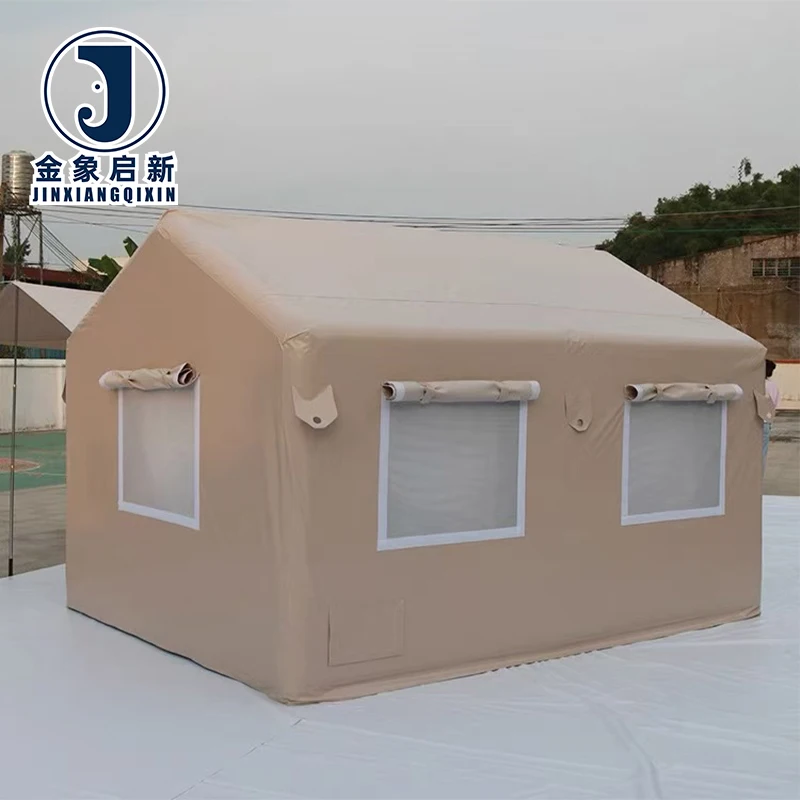
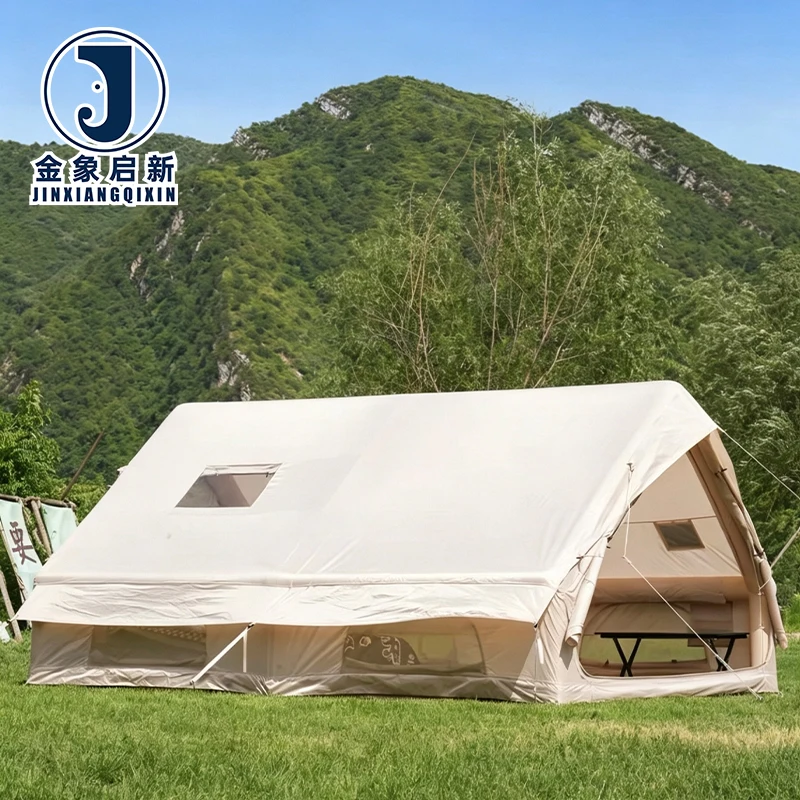
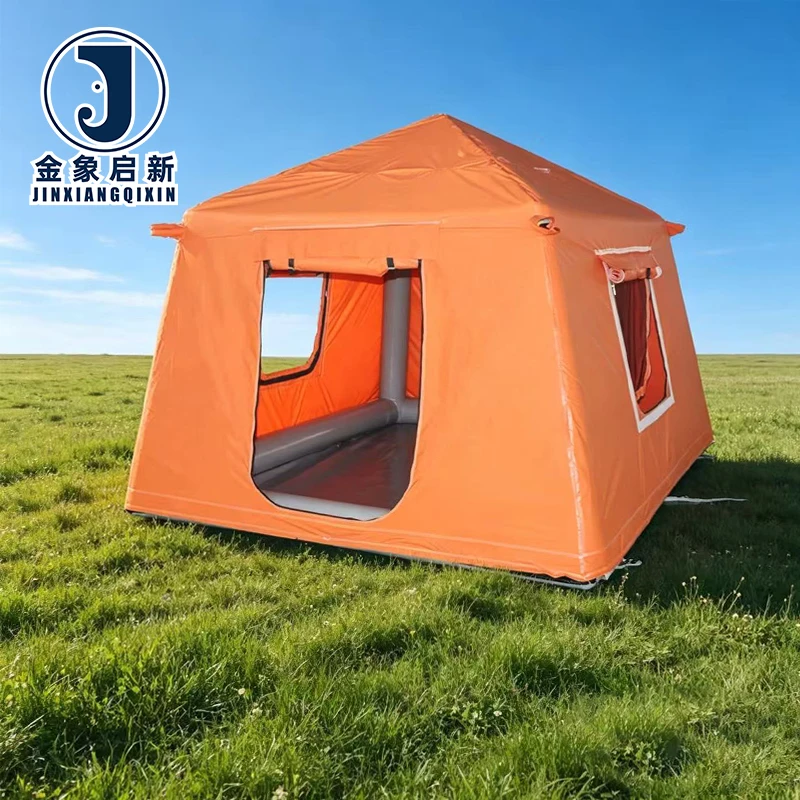
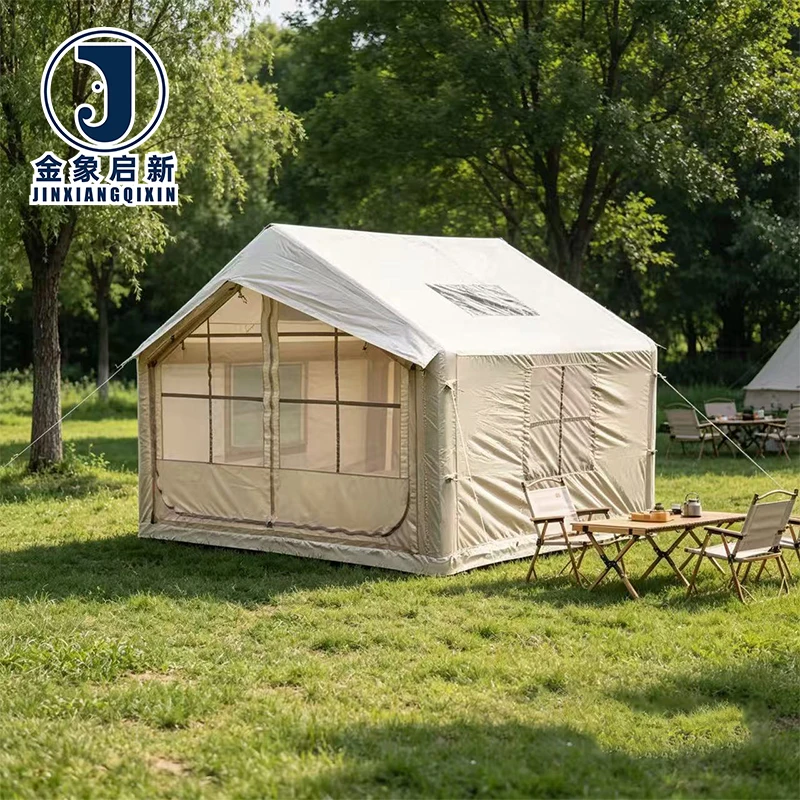
PVC Inflatable Camping Tent — waterproof, UV-resistant and tear-resistant single-layer portable shelter, fully OEM/ODM customisable.
- PVC tarpaulin construction with heat-welded seams inspected at flex and stress points
- Rapid-deploy design suited to outdoor events, construction sites and mobile commercial operations
- Backed by dedicated QA/QC with 100% pre-shipment inflation inspection and batch-specific test documentation.
Description
Full-Catalogue Custom Sizing — a 10-person R&D team develops samples within days for your inflatable structure dimensions, pattern printing and bespoke roll widths.
Technical Specifications
| Parameter | Value |
|---|---|
| Product Type | Inflatable Tent |
| Core Material | PVC Tarpaulin |
| Key Performance | Waterproof, UV-Resistant, Tear-Resistant |
| Product Forms | Portable, Single Layer Construction |
| Customization Service | OEM & ODM (sample customization, pattern printing) |
| Flame Retardant Grade | Available in flame retardant grades — confirm the grade required for your market |
| Anti-Static | Availability subject to confirmation |
| Certifications | ISO9001, ISO14001, ISO45001, CE |
Application Suitability
| Application | Exposure & Requirement |
|---|---|
| Tent and inflatable structure manufacturing | Roll-to-roll colour consistency, predictable heat-weld behaviour, repeatable GSM across production runs |
| Event and exhibition contractors | Rapid deployment, repeated inflation and deflation cycles, surface abrasion from ground contact and transport |
| Construction and industrial site facilities | Prolonged outdoor weather exposure, wind loading on inflated membranes, UV degradation resistance |
| Commercial emergency deployment | Immediate readiness from stored rolls, reliable waterproof integrity, quick on-site inflation |
| Wholesale distribution of temporary structures | Batch-consistent supply, container-loading efficiency, verifiable documentation for cross-border trade |
Why Colour Varies Between Rolls and What That Means for Your Inflatable Tent Build
Batch colour drift is a process control issue, not an inevitable material trait.
When you source inflatable tent fabric from multiple production runs without a single colour reference locked at the quoting stage, the panels on one inflatable dome can look visibly different from the next once erected side by side at an event site. For a manufacturer building commercial inflatable shelters, this means rejected batches, re-cutting from new rolls, and delayed project handover [NEED_CITE: colour consistency control methods for PVC coated fabrics]. The cost is not just in wasted material but in the downtime of your fabrication floor while waiting for replacement rolls that actually match.
Specifying the Right PVC Inflatable Tent Fabric for Commercial Shelter Production
Selecting the correct PVC inflatable tent fabric custom manufacturer means looking beyond the initial quotation weight figure. A commercial inflatable shelter needs material that holds a consistent coating weight across every metre of the roll, because the inflation pressure puts uniform stress on every seam and panel. Our three production lines maintain this consistency through controlled coating application, so the inflatable tent fabric you receive in roll form behaves predictably when you cut, weld and inflate.
Single-Layer Portable Construction and What It Demands from the Coating
A single-layer inflatable tent has no secondary membrane to share the load — the PVC coating itself must deliver waterproof integrity, resist UV exposure over extended outdoor deployment, and tolerate the mechanical stress of repeated inflation cycles. The tear-resistant construction is critical here, because any puncture or tear propagation in a single-layer structure compromises the entire shelter immediately. This is why our QA process inspects the coating adhesion and base fabric integrity before any roll leaves the facility.
Understanding GSM, Base Fabric and Coating Weight Together
GSM alone tells you how much the inflatable tent fabric weighs per square metre, but it does not tell you how that weight is distributed between the base fabric and the PVC coating. A high GSM achieved through heavy coating on a light base fabric will weld easily but may lack the tear strength needed for a large inflatable structure under wind load. Conversely, a heavy base fabric with thin coating saves cost but risks pinhole leakage at flex points where the membrane inflates and deflates repeatedly. The relationship between base fabric denier, weave density and coating weight determines whether your inflatable tent panels resist tearing at the weld lines and hold pressure without stretching unevenly [NEED_CITE: tensile and tear test methods for coated fabrics per ISO 1421]. For custom inflatable tent projects, we recommend reviewing the full material specification sheet rather than quoting on GSM alone.
The Hidden Cost of Specifying Inflatable Tent Fabric on Price Per Kilogram
Choosing inflatable tent fabric based on the lowest cost per kilogram often means accepting rolls where the stated GSM is not verified on arrival. The material arrives lighter than agreed, the coating is thinner at the edges, and the welded seams on your finished inflatable shelter fail before the fabric itself does — typically at the point the load flexes most during inflation. For a tent manufacturer producing commercial inflatable structures, this means warranty claims from your own clients and a damaged reputation in a market where reliability is the primary purchasing criterion [NEED_CITE: common failure modes in inflatable membrane structures].
Why Source Your Inflatable Tent Fabric Here
Our 10-person R&D team handles your pattern printing, custom sizing and sample development directly, so your inflatable tent fabric specification is locked before bulk production begins. Three full production lines with 36 sets of professional equipment give us the capacity to deliver container-load volumes with reliable on-time dispatch. Dedicated QA/QC at every production stage means 100% pre-shipment inspection — every roll is checked against your agreed GSM, colour reference and coating weight before packing. Samples are developed within days for custom inflatable tent requirements, allowing you to confirm weld behaviour and colour match before committing to the full order.
Documentation & Verification
- Material specification sheet stating GSM, base fabric denier, coating weight and colour reference per roll
- Test report for UV-resistant grades tied to the specific batch number of your inflatable tent fabric
- ISO9001, ISO14001, ISO45001 and CE certificates included with each shipment for customs clearance
- Pre-shipment inspection record confirming GSM, colour consistency and coating adhesion before dispatch
- Roll packing list with certificate of origin for cross-border inflatable tent fabric trade
Fabrication, Handling & Storage
- Heat-weld PVC inflatable tent fabric at manufacturer-recommended temperature to ensure coating bonds fully at seam overlaps
- Store rolls upright on pallets to prevent flat-spot creases that become visible on inflated single-layer membranes
- Avoid dragging PVC tarpaulin rolls across unsealed floors to protect the coating surface before fabrication
- Clean finished inflatable tent panels with mild detergent only — solvents can degrade the UV-resistant treatment layer
- Inspect weld lines at flex points after first inflation cycle, as these areas carry the highest membrane stress
Before You Request a Quote
Tell us the intended application for your inflatable structure, the dimensions you need cut or the roll widths you prefer, and the target market so we can confirm any fire-safety or compliance requirements. Specify whether you need fabric by the roll or finished panels with pattern printing and branding, and indicate your estimated annual volume so we can align production scheduling to your delivery windows.
Frequently Asked Questions
Q: How do I verify the GSM of inflatable tent fabric when the rolls arrive?
A: We include a material specification sheet stating the agreed GSM with every shipment. You can cut a measured sample from the roll edge and weigh it to confirm. Our pre-shipment inspection record documents the weight verification we performed before dispatch, giving you a baseline to compare against your own incoming goods check.
Q: What test documentation supports the UV-resistance claim on this PVC inflatable tent fabric?
A: UV-resistance test reports are available for applicable grades and are tied to specific batch numbers. When you specify UV treatment for your inflatable tent fabric order, we include the corresponding test report with your shipment documentation. Confirm the exposure duration and climate zone for your end use so we can recommend the appropriate treatment level.
Q: How is batch-to-batch colour consistency controlled across rolls in one order?
A: We lock a colour reference at the sample approval stage and run dedicated QA/QC checks at every production stage against that reference. Our 100% pre-shipment inspection compares every roll side by side before packing, so colour variation between panels on your finished inflatable structure is eliminated before the rolls leave our facility.
Q: What pattern printing and branding options are available for inflatable tent fabric?
A: Our R&D team handles pattern printing, colour matching and custom branding on inflatable tent fabric. We develop a print sample for your approval before bulk production, confirming registration, colour accuracy and adhesion to the PVC coating surface. Provide your artwork files and Pantone references at the inquiry stage for the fastest sample turnaround.
Q: What are the minimum order quantities and lead times for custom-sized inflatable tent fabric?
A: Minimums and lead times depend on the custom width, colour and print complexity you specify. We develop samples within days for custom requirements and provide a confirmed lead time at the quotation stage. Share your target dimensions, roll width preference and estimated volume so we can give you a precise production schedule.
Related products
-
Inflatable Tent Four-Season Quick Automatic Opening PVC 3000mm Waterproof Foldable Eco-Friendly 2-3/3-4/6-8 Person Outdoor Use
Read more -
Tente événementielle gonflable quatre saisons extérieure en PVC étanche ouverture automatique rapide pour 6 à 8 personnes logo personnalisé
Read more -
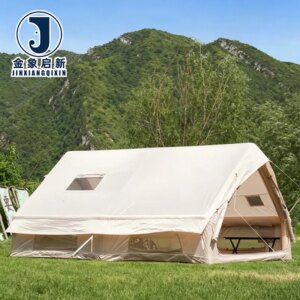
Inflatable Camping Tent PVC Four-Season Waterproof Outdoor Air Tent with Quick Automatic Opening for 2-3 Person
Read more -
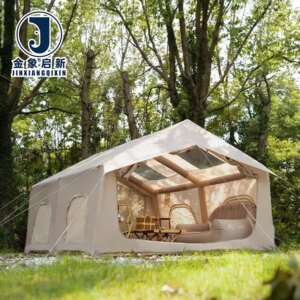
Inflatable Tent Family Size Four-Season Quick Automatic Opening Waterproof 2-8 Person Factory Direct Sale
Read more