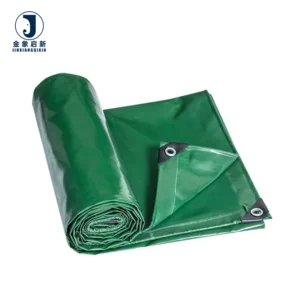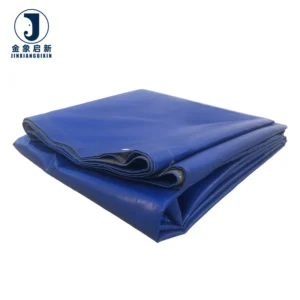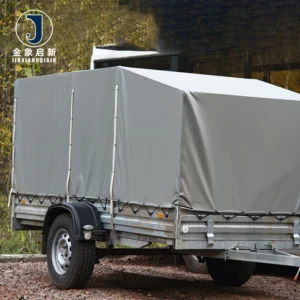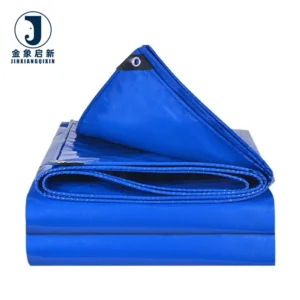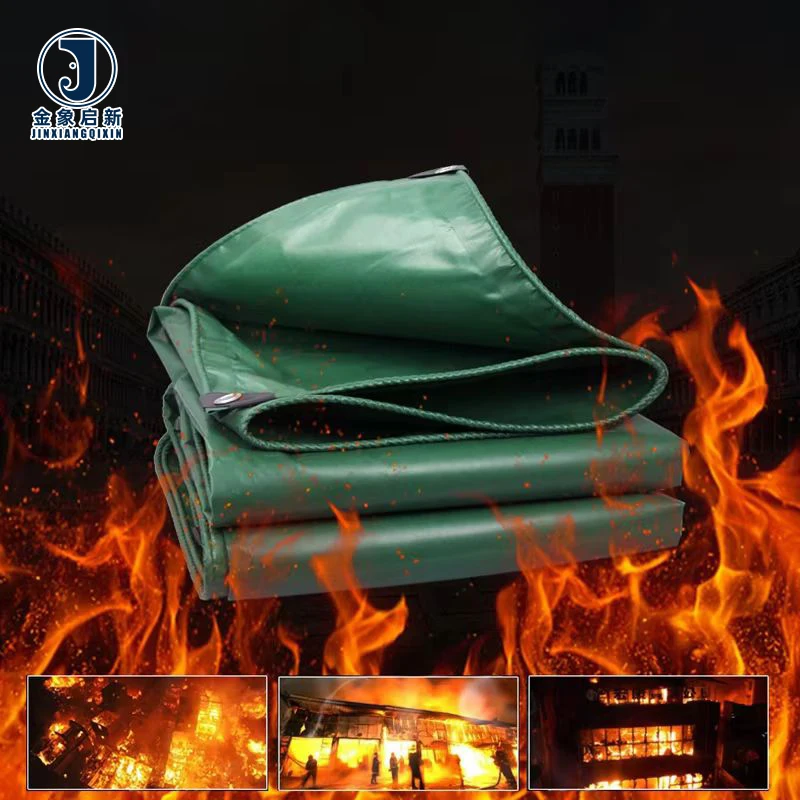
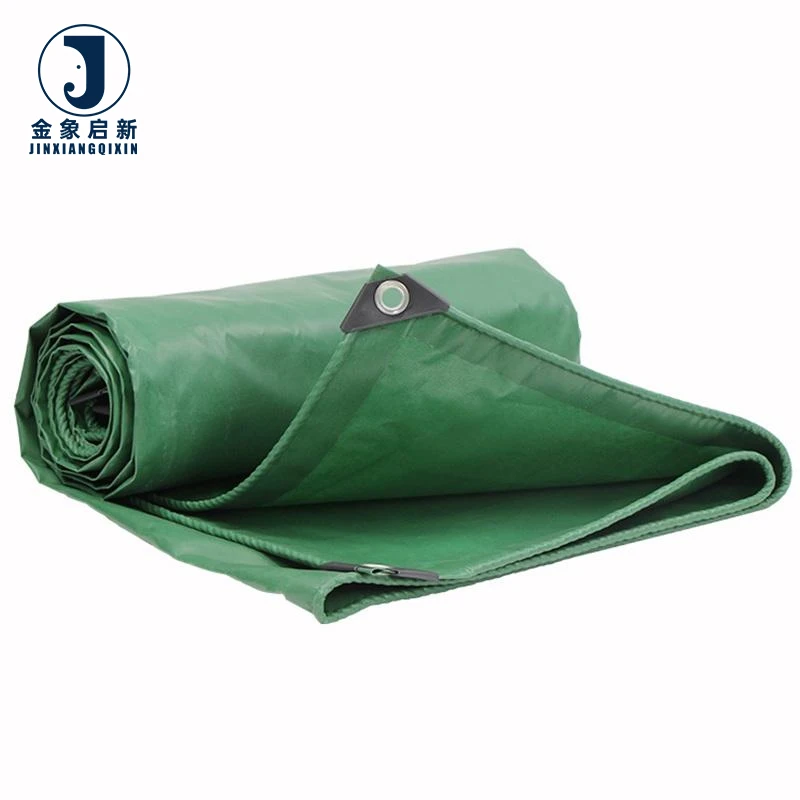
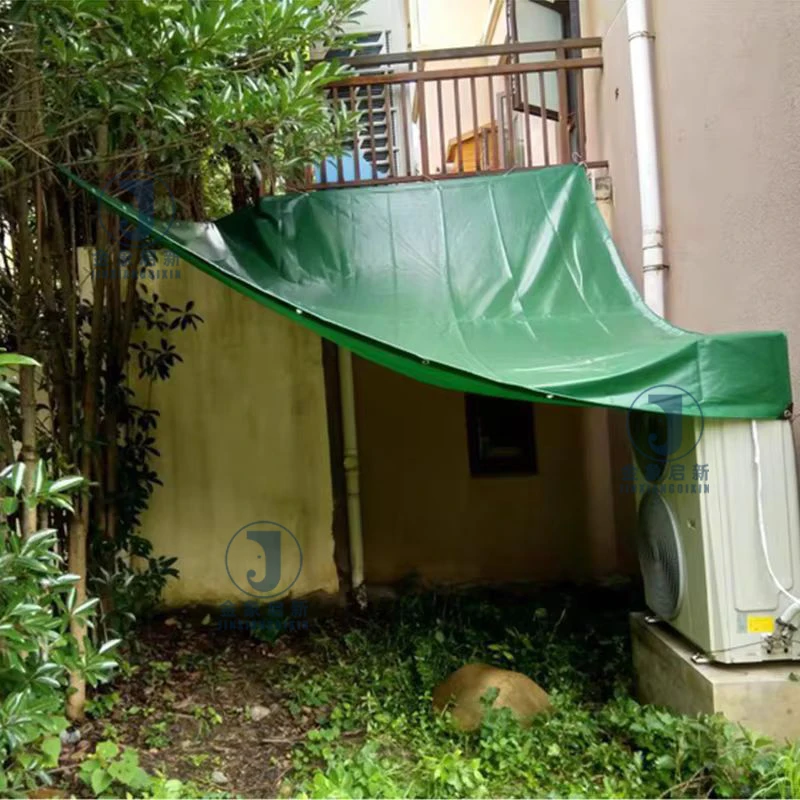
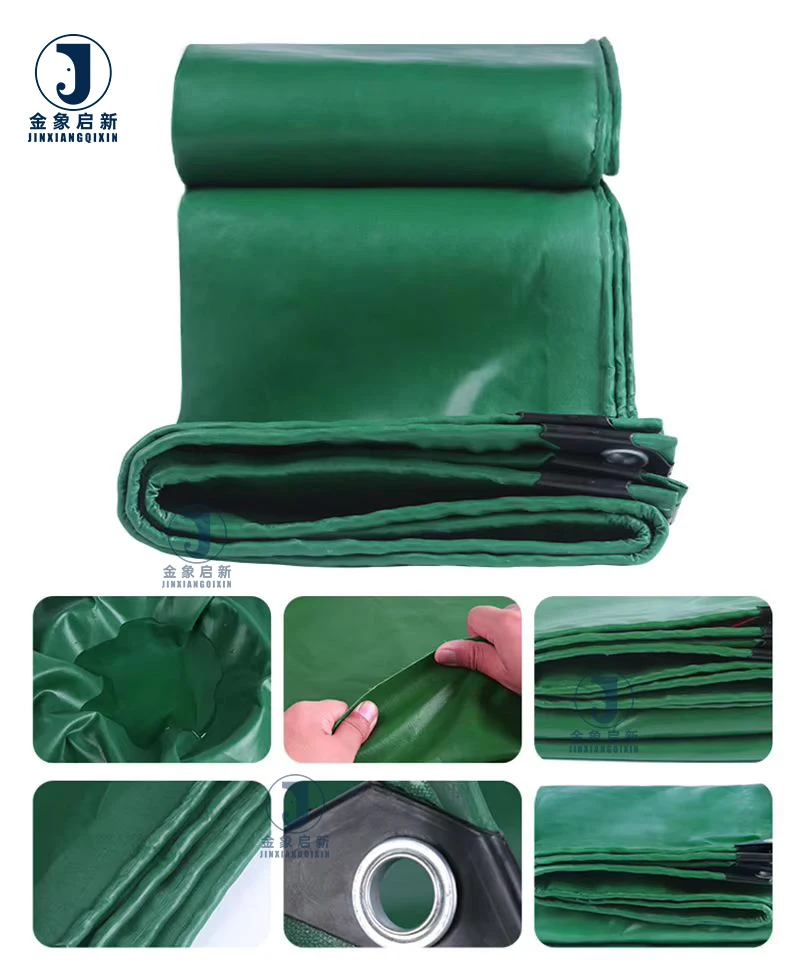
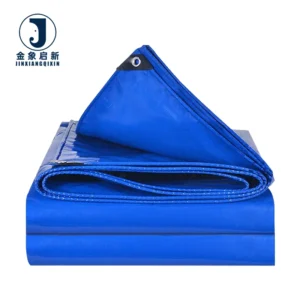
Waterproof Fire Retardant PVC Tarpaulin Cover — PVC coated polyester fabric with 500D-500D base, 450–900 g/㎡ weight range, double-sided coating for full waterproof sealing.
- Engineered for truck, trailer and tent covers where coating adhesion and heat-welded seam strength matter as much as base fabric density
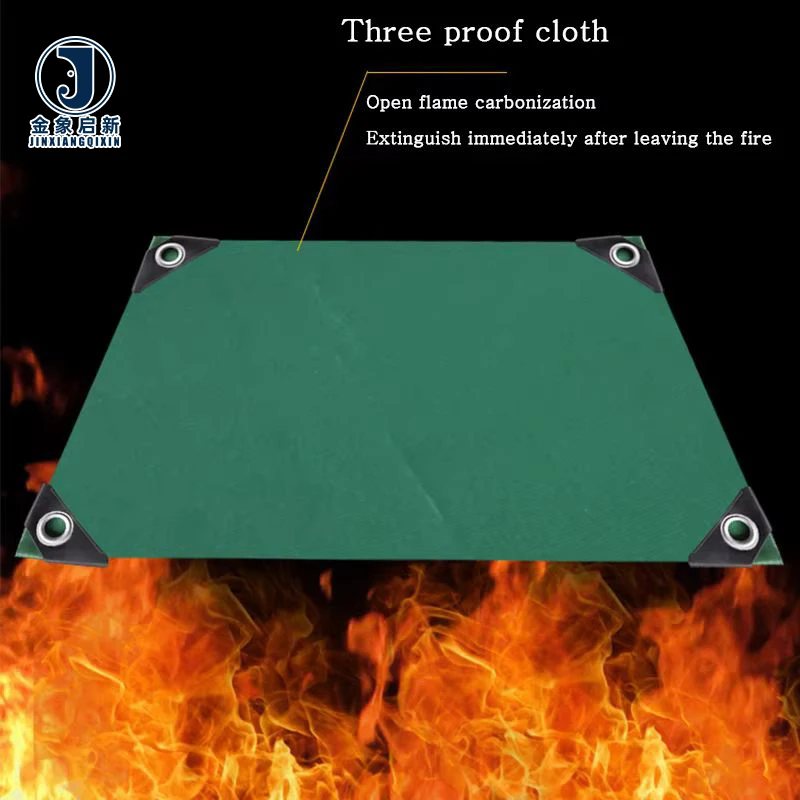
- Anti-UV and flame-retardant treatments available with test reports, supporting transport and construction site applications
Backed by nearly 30 years of coating process expertise and 100% pre-shipment inspection on every roll.
Description
Three Full Production Lines — delivering PVC coated tarpaulin in any weight, color, and treatment combination with consistent roll-to-roll quality controlled at every coating stage.
Technical Specifications
| Parameter | Value |
|---|---|
| Product Type | PVC Coated Tarpaulin |
| Base Fabric | Polyester |
| Yarn Count | 500D-500D |
| Thickness Measurement | 450-900 g/㎡ |
| Coating Material | PVC |
| Flame Retardant | available in flame retardant grades — confirm the grade required for your market |
| UV Treatment | available with anti-UV treatment — request test basis for your specification |
| Waterproof Performance | Yes, fully coated construction |
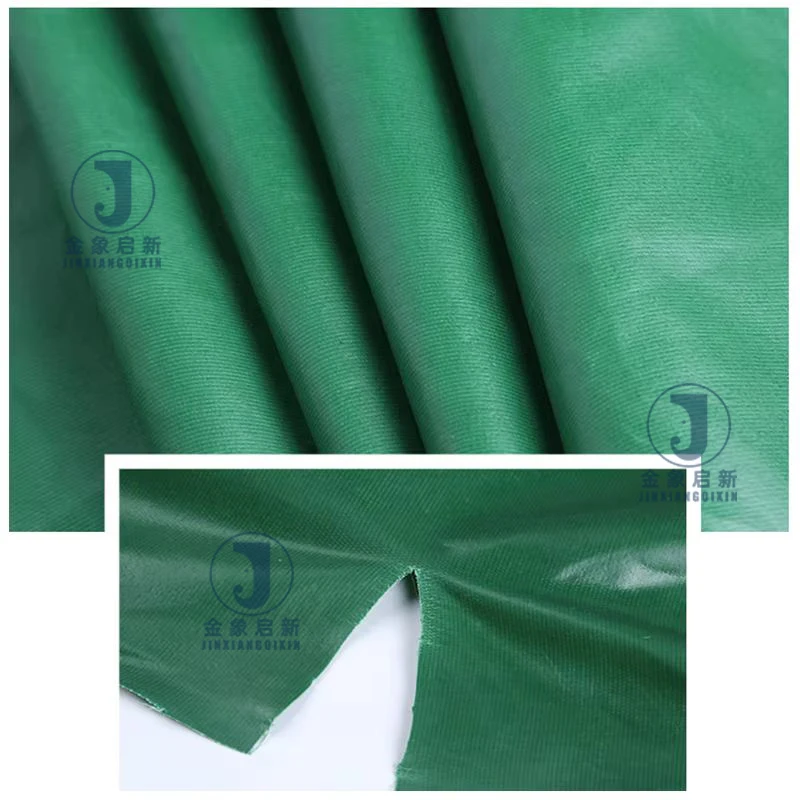
| Surface Characteristics | Smooth and soft surface with a leather-like texture |
| Key Features | Water Resistant, Abrasion Resistant, Repairable by hot air welding |
Application Suitability
| Application | Exposure & Requirement |
|---|---|
| Truck and Trailer Covers | Constant road abrasion, wind flex, UV exposure, tie-down tension at eyelets |
| Construction Equipment Covers | Outdoor weather, dust ingress, repeated draping and removal |
| Tent and Awning Fabric | Extended sun exposure, rain, folding and creasing during setup |
| Machine and Wood Covers | Moisture protection, UV degradation, warehouse and yard storage |
Why GSM Alone Does Not Tell You How Strong the Tarpaulin Is
A 900 g/㎡ PVC coated tarpaulin with weak base fabric adhesion will delaminate before a lighter roll with superior coating bond.
Buyers frequently specify by weight and assume the coating mass guarantees durability. In practice, tensile and tear performance depends on how well the PVC penetrates and locks into the polyester base yarns, not merely how much coating sits on the surface. When a PVC coated tarpaulin manufacturer custom fabric is specified by GSM only, the delivered roll may hit the weight target while the coating separates under load. [NEED_CITE: tensile and tear test methods for coated fabrics per ISO 1421]
Coating Process Control Across the Full Range
This PVC coated tarpaulin range covers 450-900 g/㎡, from lighter awning grades to heavier transport covers. The polyester base fabric at 500D-500D provides the structural backbone, while double-sided PVC coating delivers the waterproof barrier and surface finish. The leather-like texture results from controlled coating viscosity and curing temperature, which also influences how the material handles during fabrication. Consistent coating weight across the roll width prevents thin spots that become early failure points under tension.
Custom Width, Color, and Treatment Options
Every roll can be produced in custom widths, lengths, and colors to match project specifications. Flame retardant and anti-UV treatments are available — confirm the grade and test standard required for your market before ordering. Pattern printing and branding can be applied for visible applications where identification matters. Samples are developed within days so color, hand feel, and treatment performance can be verified before bulk production begins. [NEED_CITE: flame retardant classification standards for textile building materials]
Reading the Specifications Beyond Weight
The 500D-500D polyester yarn count indicates a balanced weave where warp and weft carry equal load, reducing directional weakness during bias stress such as wind gusts on a tensioned truck cover. GSM combines base fabric weight and coating mass together — a higher reading could mean heavier coating rather than stronger yarn, which affects tear propagation differently. The smooth surface finish aids water runoff and simplifies cleaning, while also accepting heat-transfer printing when branding is required. Hot air weldability means fabricated seams can match or exceed the base fabric strength when correct temperature and dwell time are applied.
The Cost of Overlooking Batch Consistency
When multiple rolls arrive with visible shade variation, installing them side by side on a fleet of trailers or a row of tents makes the mismatch obvious. This triggers rejection, return shipping, and project delay — costs that far exceed the original material saving. Color inconsistency often traces back to pigment dosing variation or uneven coating thickness between production runs. [NEED_CITE: color fastness and batch variation in coated technical textiles] Specifying a color reference and requiring pre-shipment inspection records per roll prevents this outcome before the container leaves the factory.
What Supports Reliable Delivery Here
Three full production lines and 36 sets of professional equipment handle bulk orders without sacrificing lead time reliability. The 10-person R&D team develops custom samples — including specific colors, widths, and printed patterns — within days rather than weeks. Dedicated QA/QC at every production stage ensures coating adhesion, color match, and GSM are verified before any roll is packed. Hot air weldable construction is validated during sampling so fabricators know the correct temperature window. ISO and CE certified production underpins the documentation package that accompanies every shipment.
Documentation & Verification
- Material specification sheet stating exact GSM, base fabric denier, and coating type for each roll
- Test reports for UV and flame retardant grades issued where applicable, matched to grade ordered
- Pre-shipment inspection record confirming weight, color, and surface quality per roll
- Roll packing list with net and gross mass for container planning and customs clearance
- Certificate of origin and customs support documentation for international shipment
Fabrication, Handling & Storage
- Hot air welding at manufacturer-recommended temperature produces seams that outlast the fabric flex life
- Custom widths reduce off-cut waste and minimize the number of welded joins in large covers
- Store rolls upright on pallets to prevent permanent creasing in the PVC coating layer
- Clean smooth leather-like surface with mild detergent to avoid damaging the coating finish
- Field repairs on punctures or tears are completed with hot air welding and patch material from the same batch
Planning Your Specification
Share your application — whether truck side curtains, fixed awnings, or equipment covers — along with the environmental exposure and any fire safety standards your market demands. Specify the required roll width, annual volume, and whether you need finished cut sizes with edge reinforcement or bulk roll stock only. Request a sample to confirm color, weight, and weld behavior before committing to production.
Frequently Asked Questions
Q: How is the stated GSM verified before shipment?
A: Each roll undergoes weight verification against the quoted GSM during pre-shipment inspection. A material specification sheet accompanies the order, documenting the exact base fabric denier, coating material, and measured weight so you can cross-check on arrival.
Q: Which flame retardant grades can be supplied?
A: Flame retardant treatment is available in multiple grades. The specific standard — such as M2, B1, or NFPA 701 — must be confirmed at inquiry stage so the correct formulation is applied and the matching test report is included with your documentation.
Q: How is color consistency controlled across an order of multiple rolls?
A: Color reference is locked during sample approval, and each production batch is checked against that reference before dispatch. Rolls destined for side-by-side installation are inspected together to catch any shade drift before packing.
Q: What custom sizing and printing options exist for bulk orders?
A: Rolls can be produced in custom widths and lengths, with pattern printing and branding applied during coating. Lead times and minimum quantities depend on the color and print complexity — request a sample to confirm feasibility before ordering.
Q: What edge finishing and reinforcement can be specified for finished covers?
A: Finished covers can be fabricated with custom eyelet spacing, reinforced hems, and heat-welded seams at high-stress points. Provide your trailer or equipment dimensions so the cover is cut to fit rather than adapted from a generic size.
Related products
-
Secure Green PVC Coated Blackout Tarpaulin Truck Tent Cover Anti-Aging Waterproof Folding Design Breathable Woven Technics
¥0.83 Select options This product has multiple variants. The options may be chosen on the product page -

Hotsale Custom China Supplier Super Strength Industrial Grade 680GSM RIPSTOP PVC Tarpaulin for Builders Roof Tarp and Sheeting
¥2.80 Add to cart -
Pvc Coated Waterproof Tarpaulin Heavy Duty Tarp for Tent Roof Stocklot Lumber
¥1.60 Add to cart -
Pvc Plastic Canvas Strong Waterproof PVC Tarpaulin HDPE Coated Tarpaulin
¥1.80 Select options This product has multiple variants. The options may be chosen on the product page